Ranking
#75

Ranking
#75
Followers
94.7 M
1 follower on MyLiveFest
Digital presence
Official profiles, streaming and discovery.
What a good fan recites by heart (or pretends to).
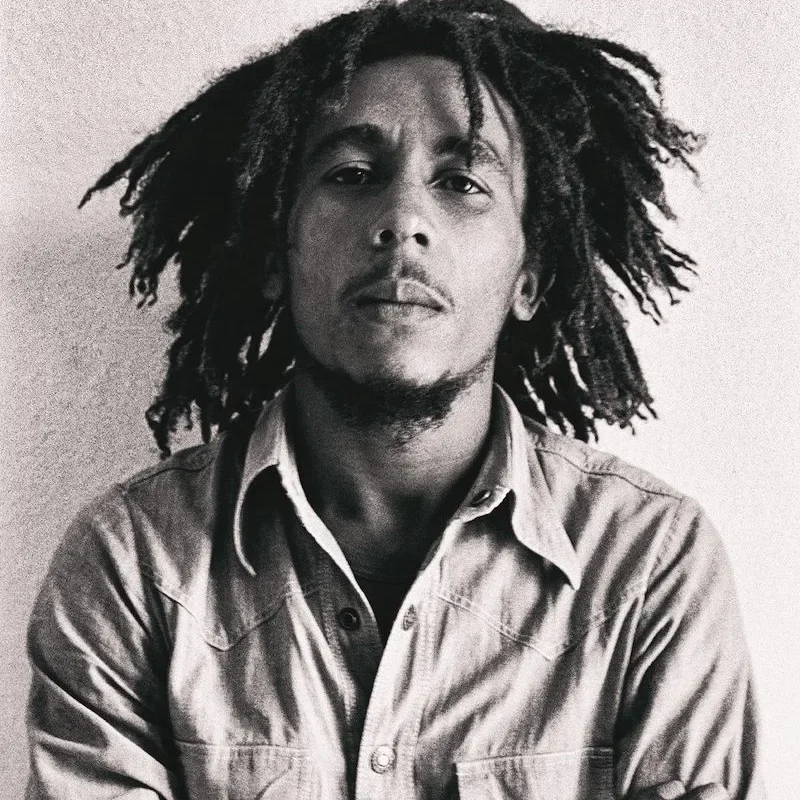
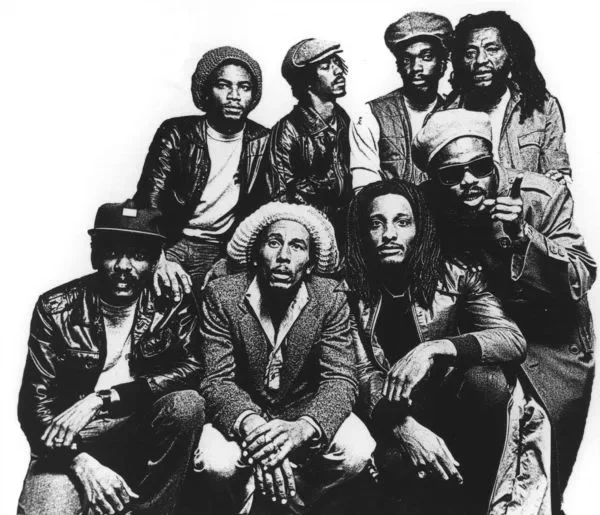
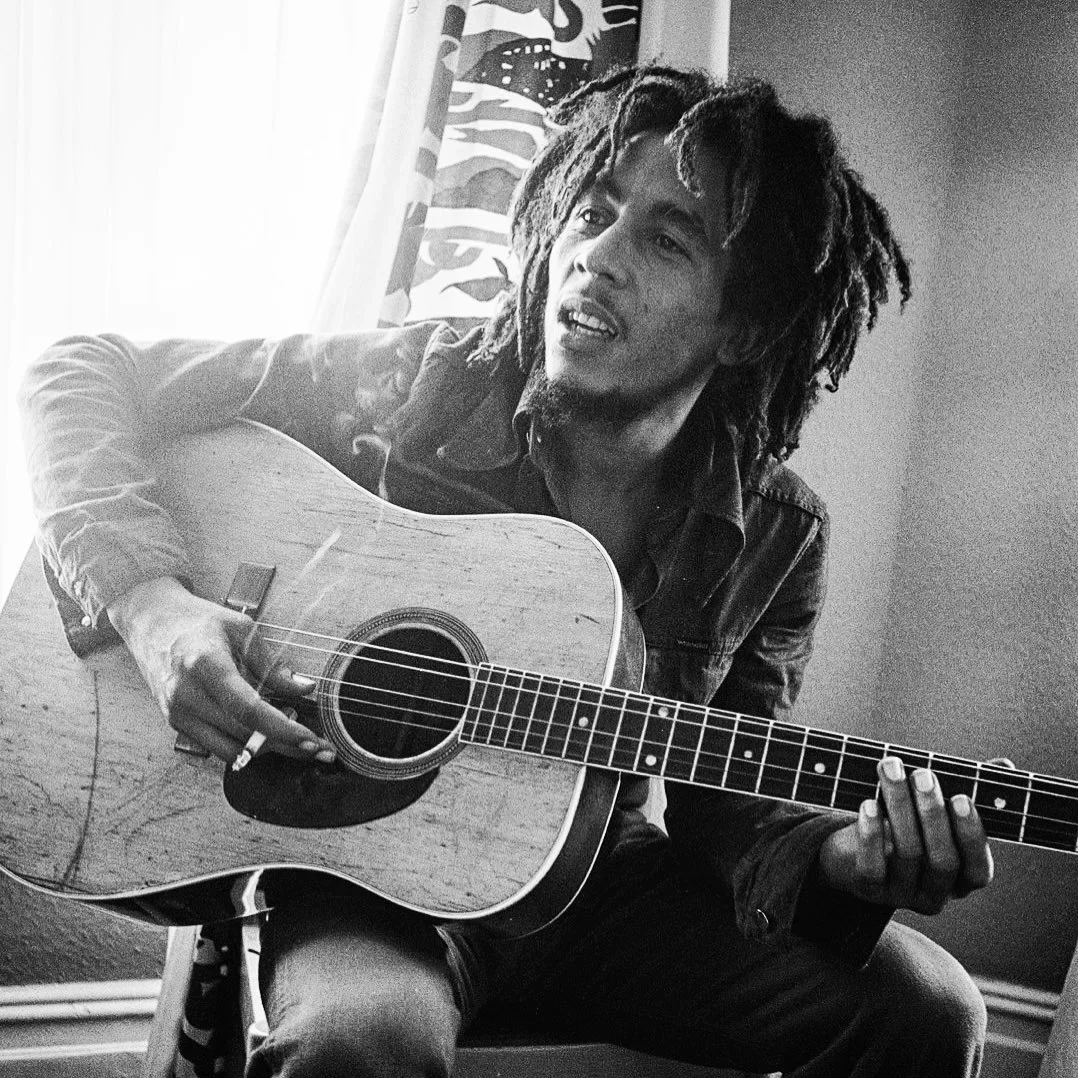
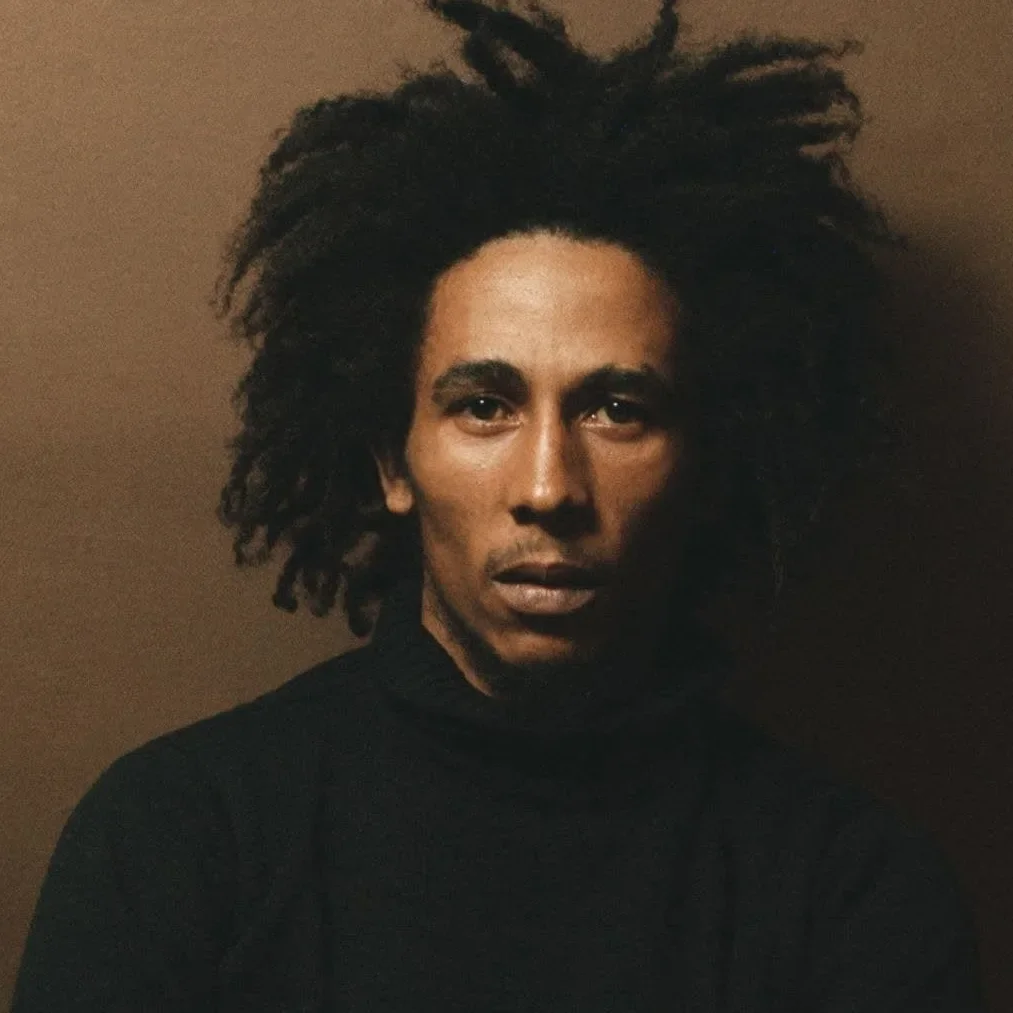
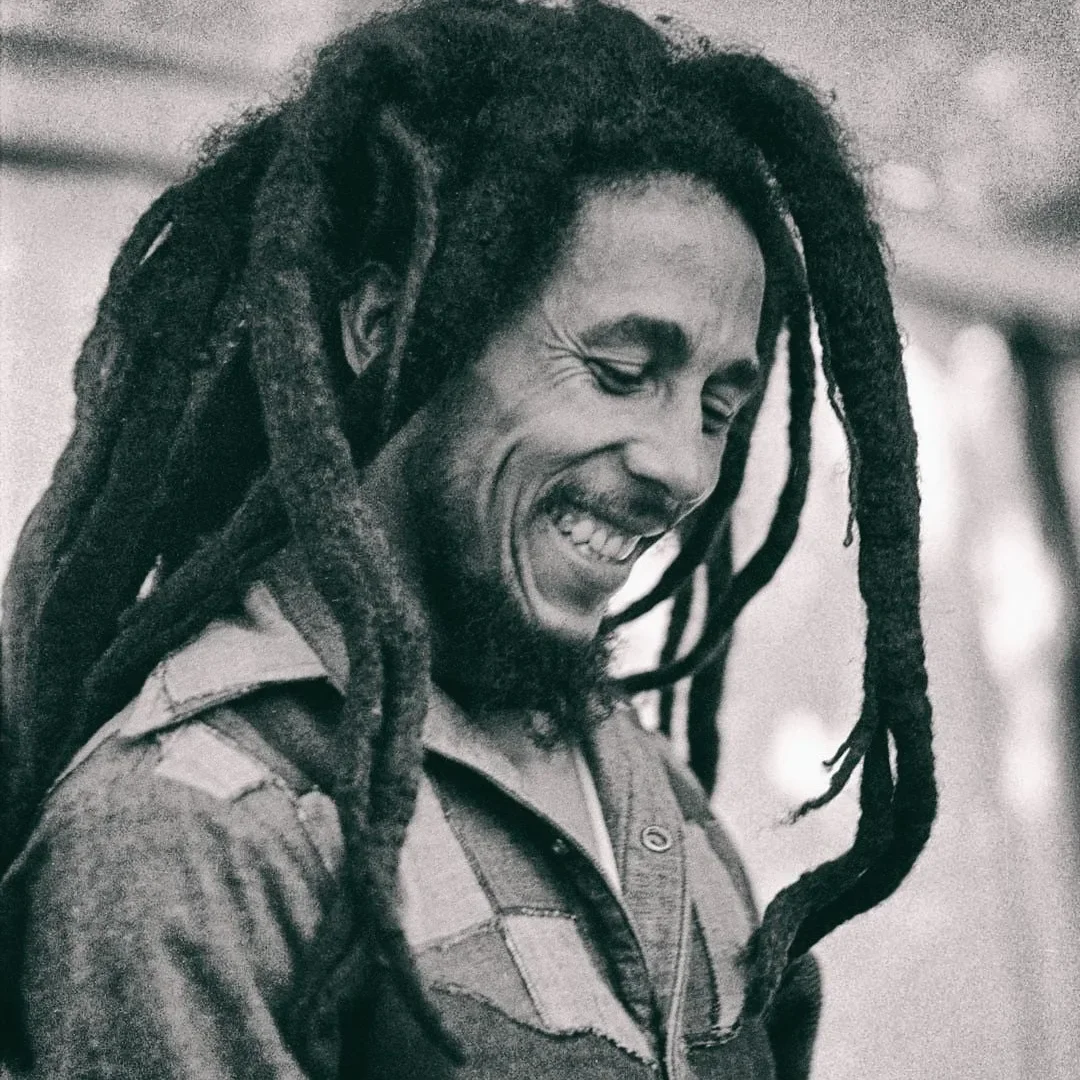
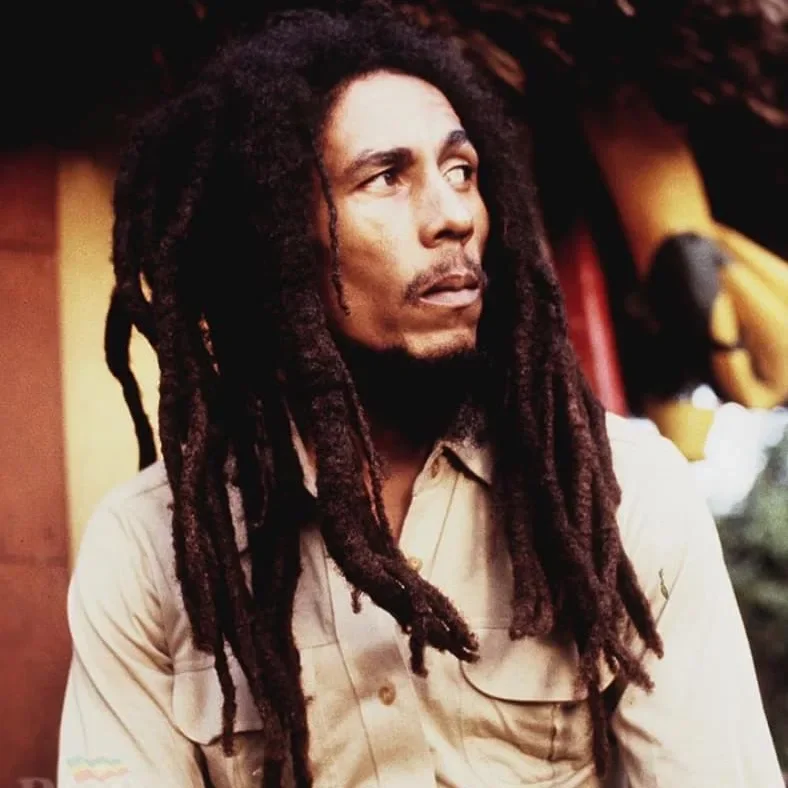
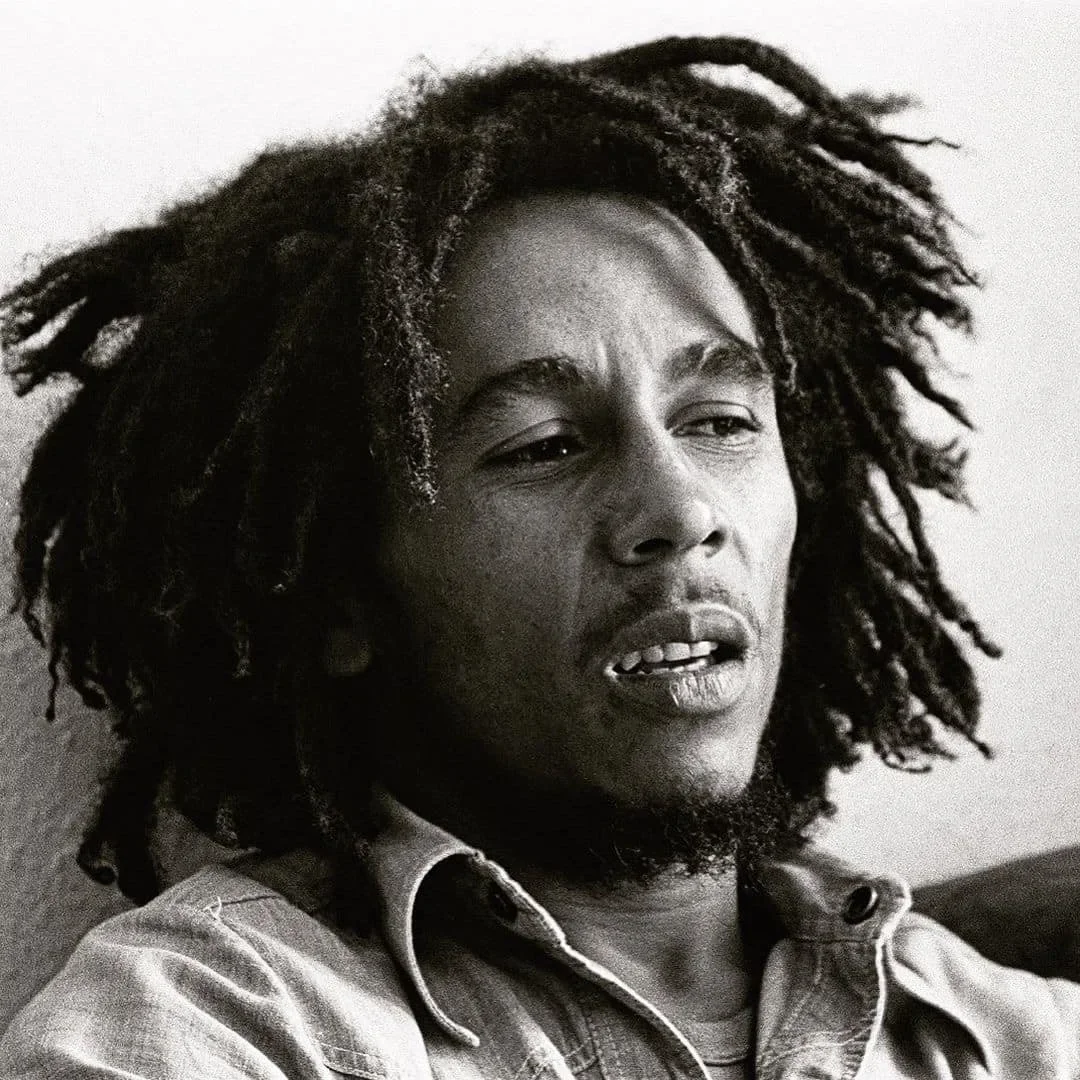
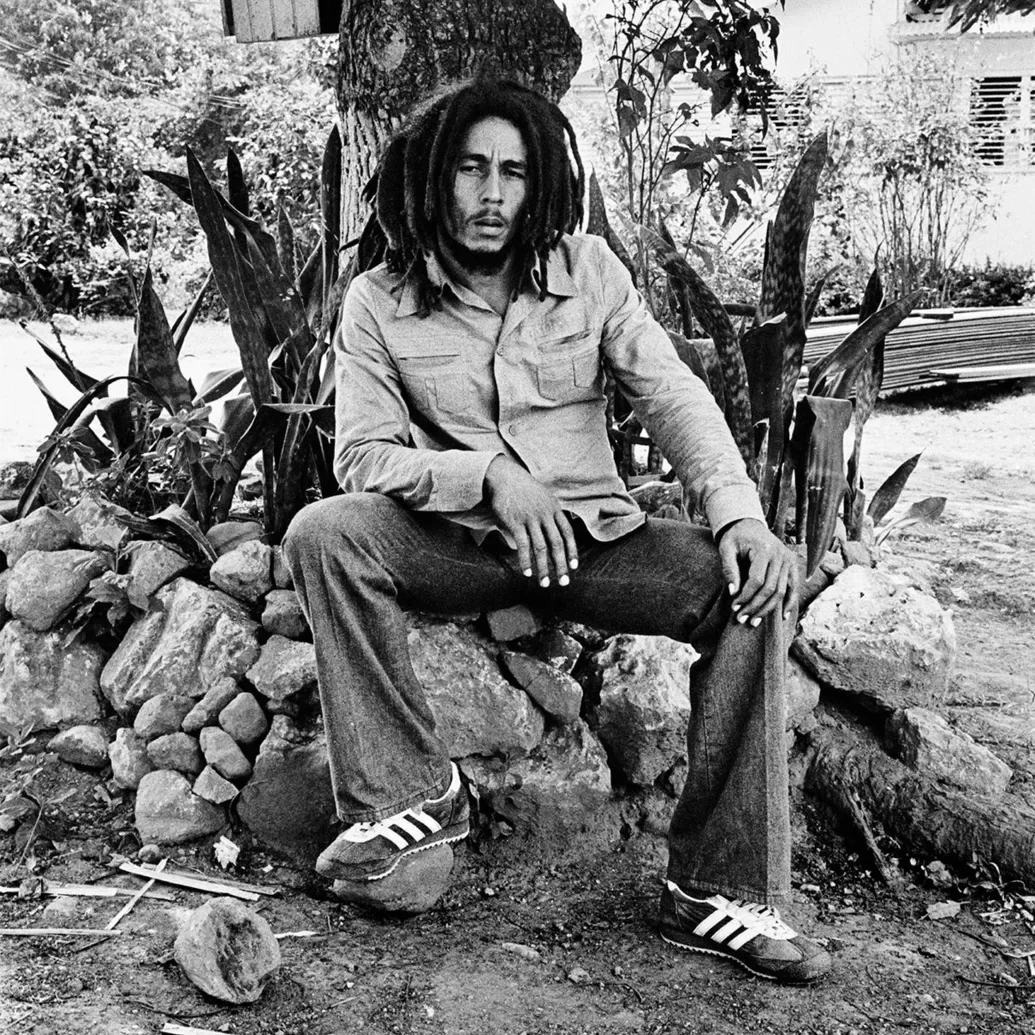
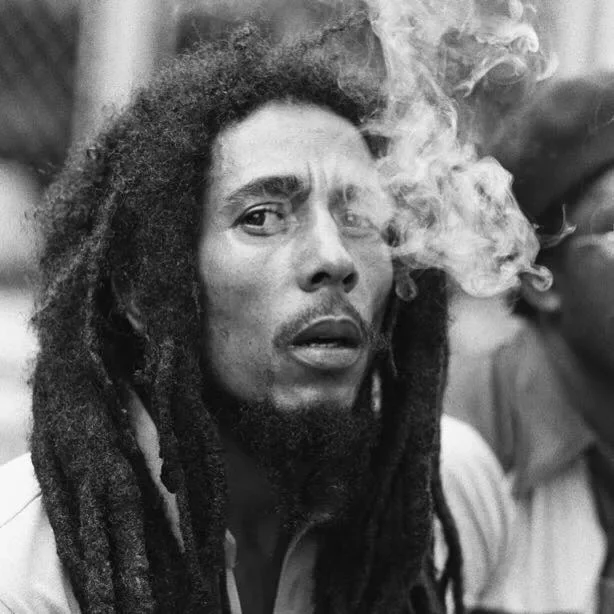
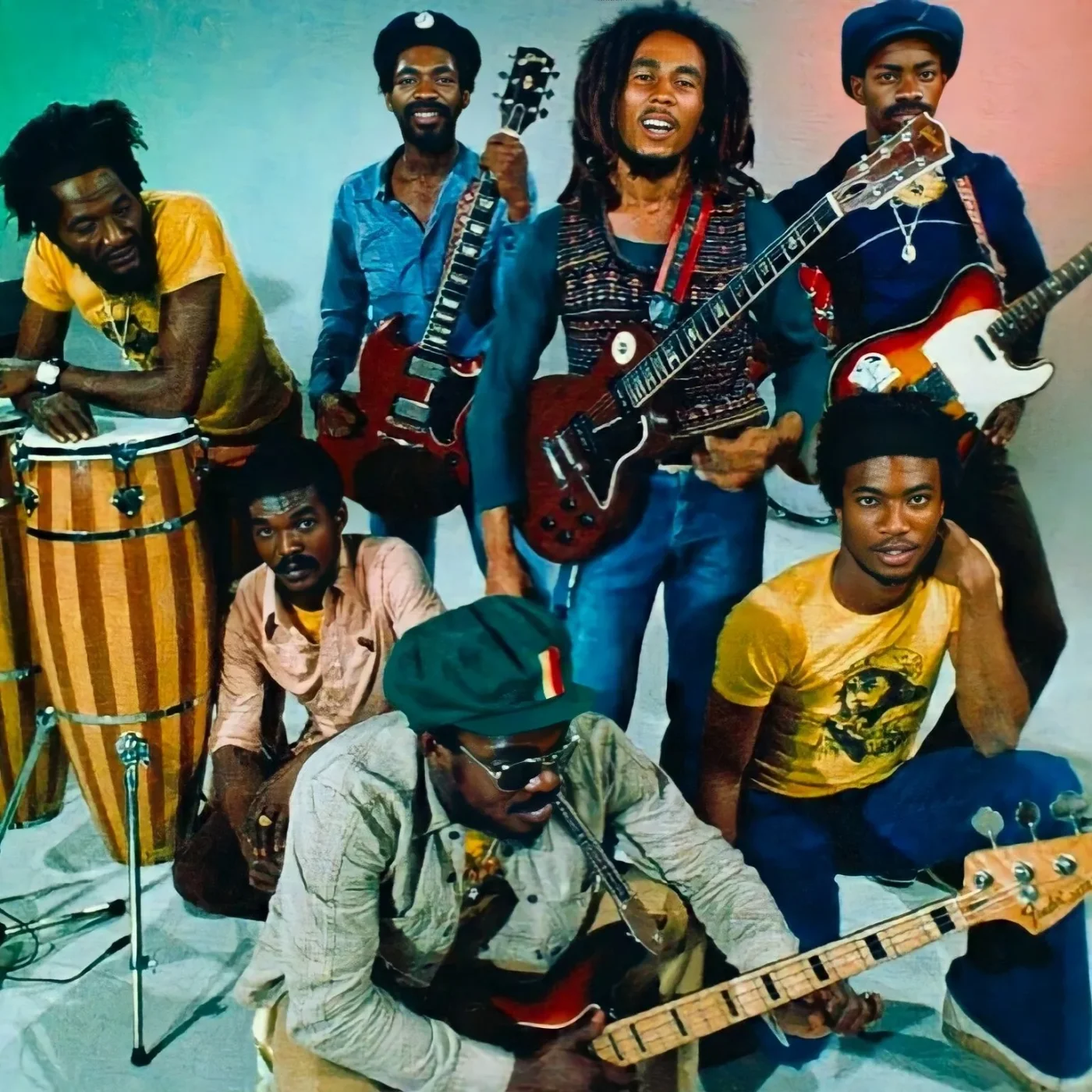
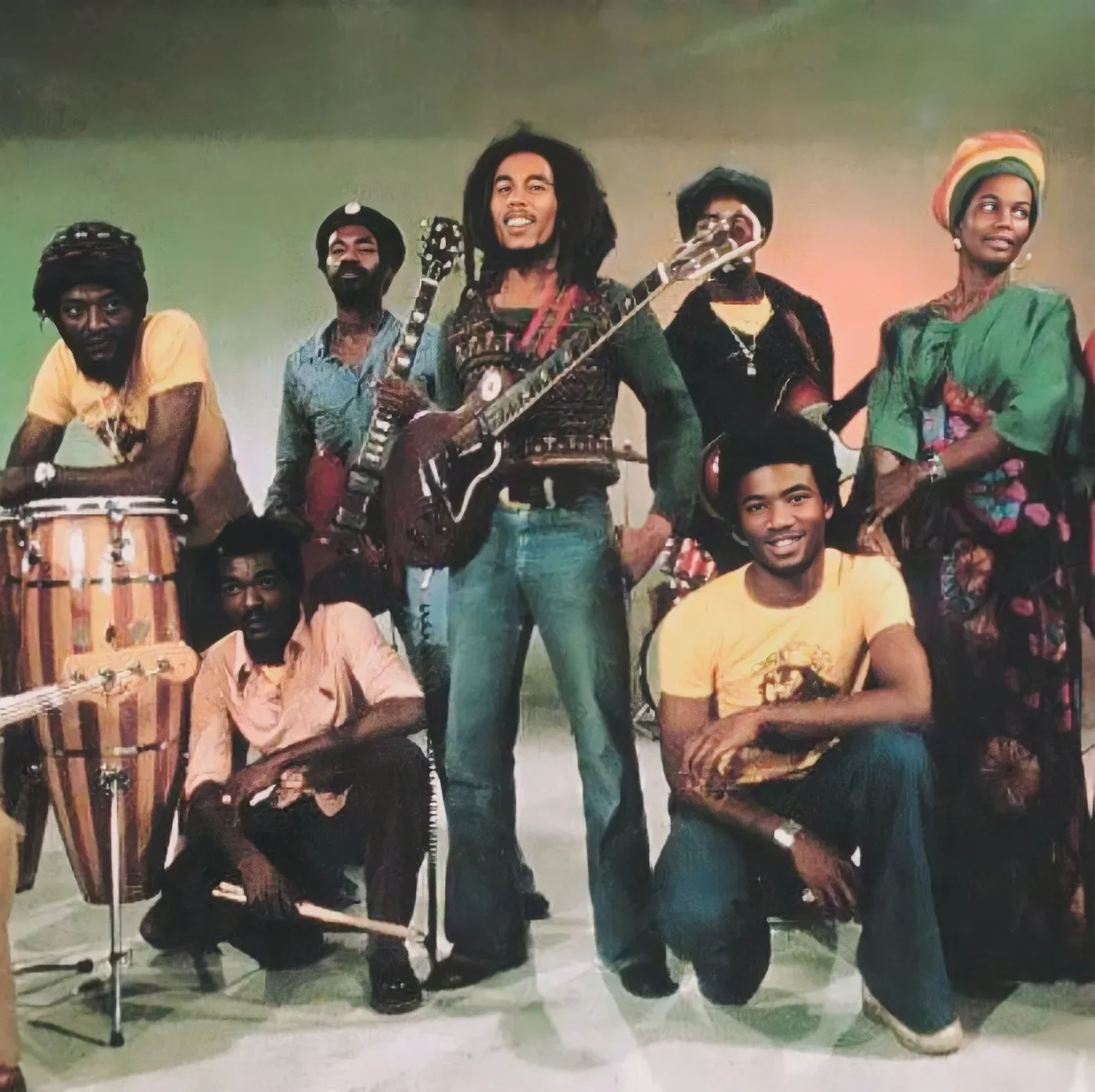
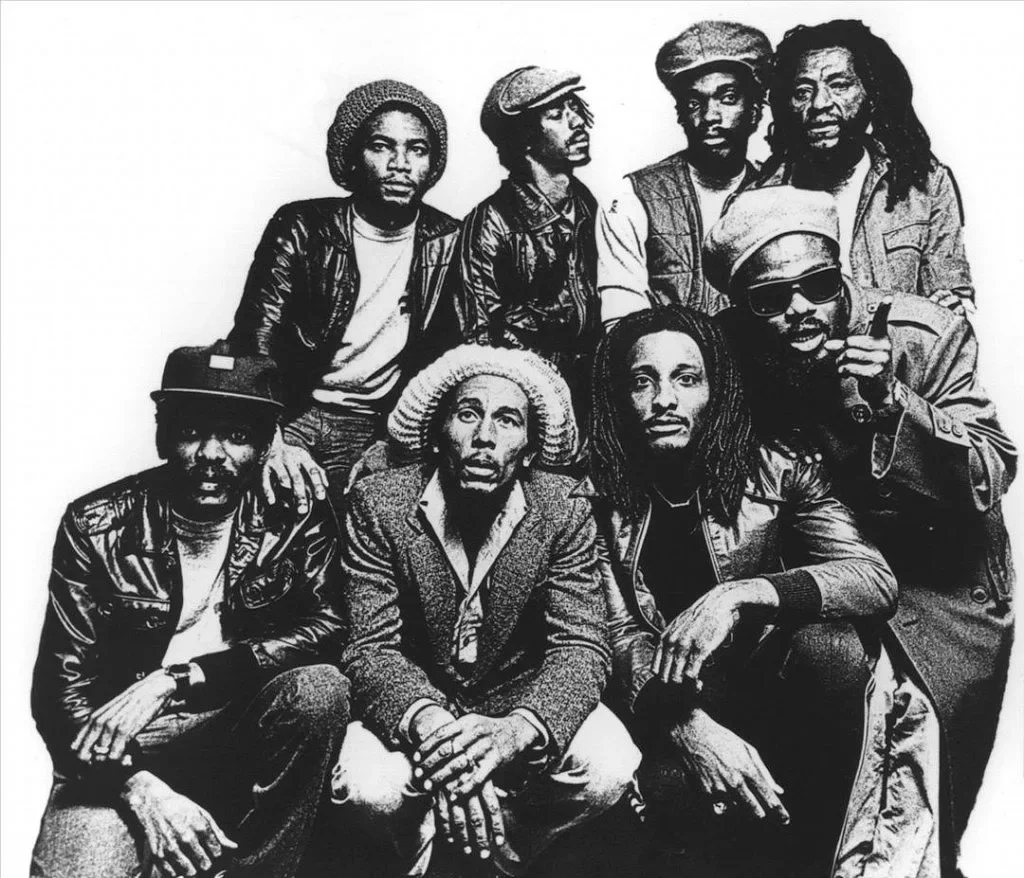
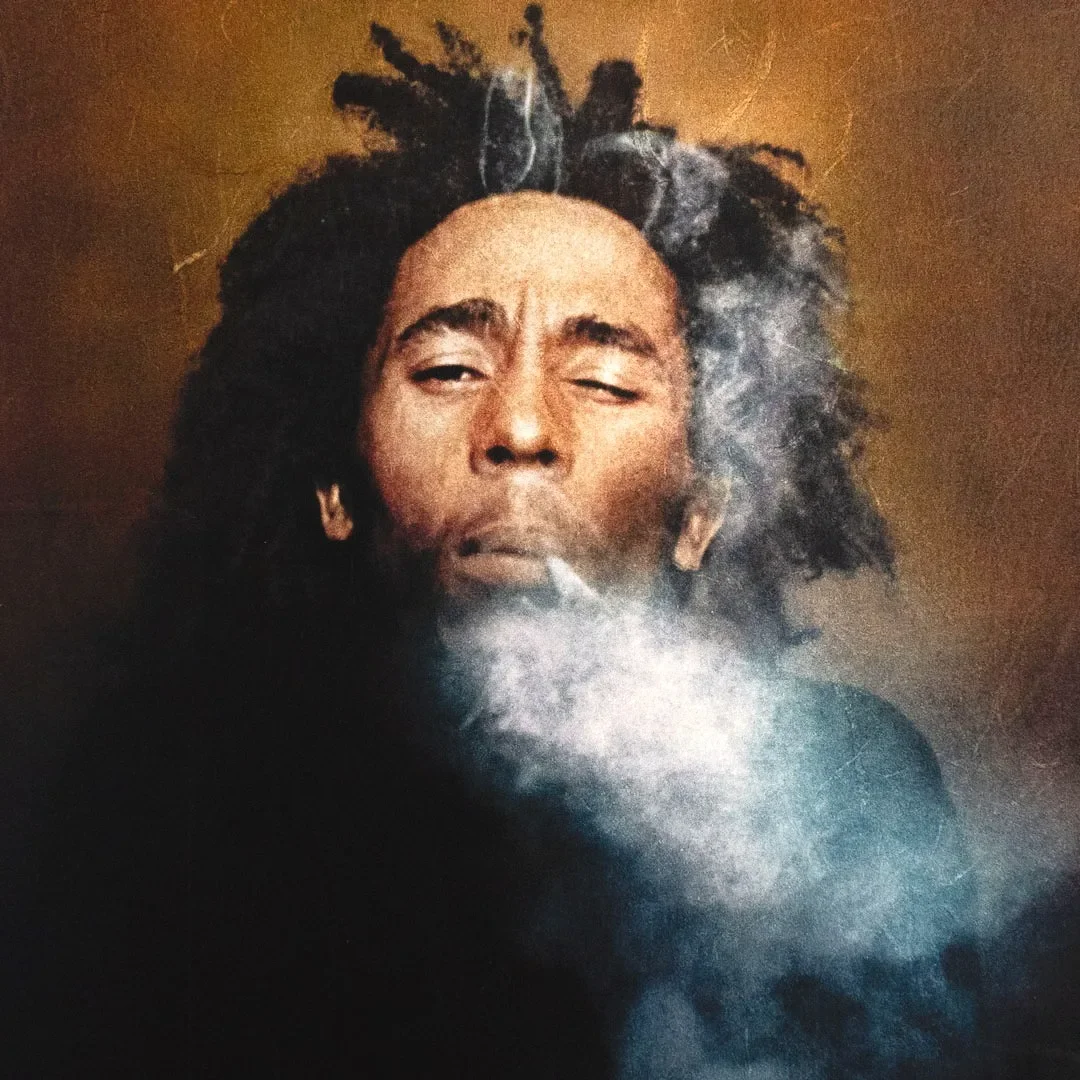
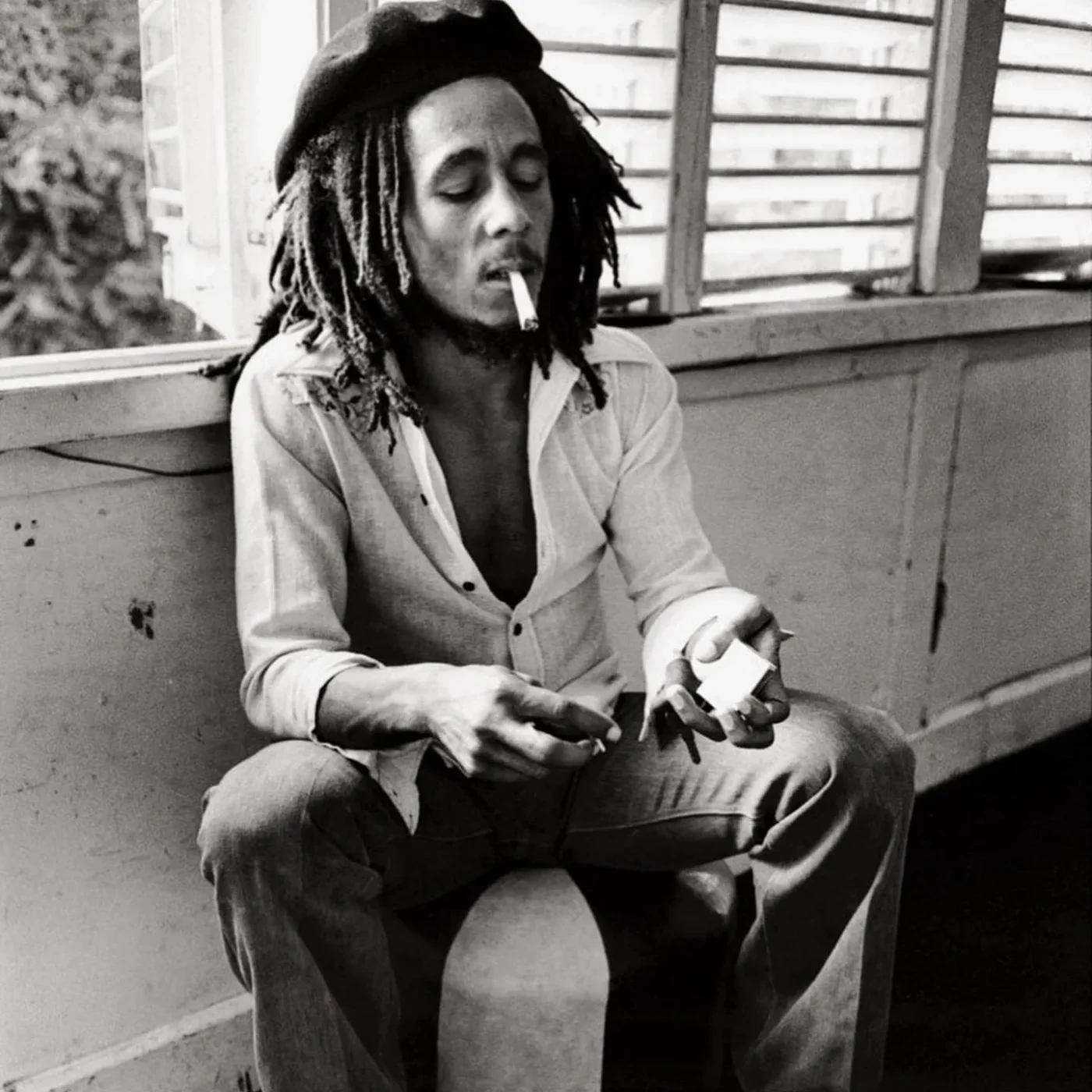
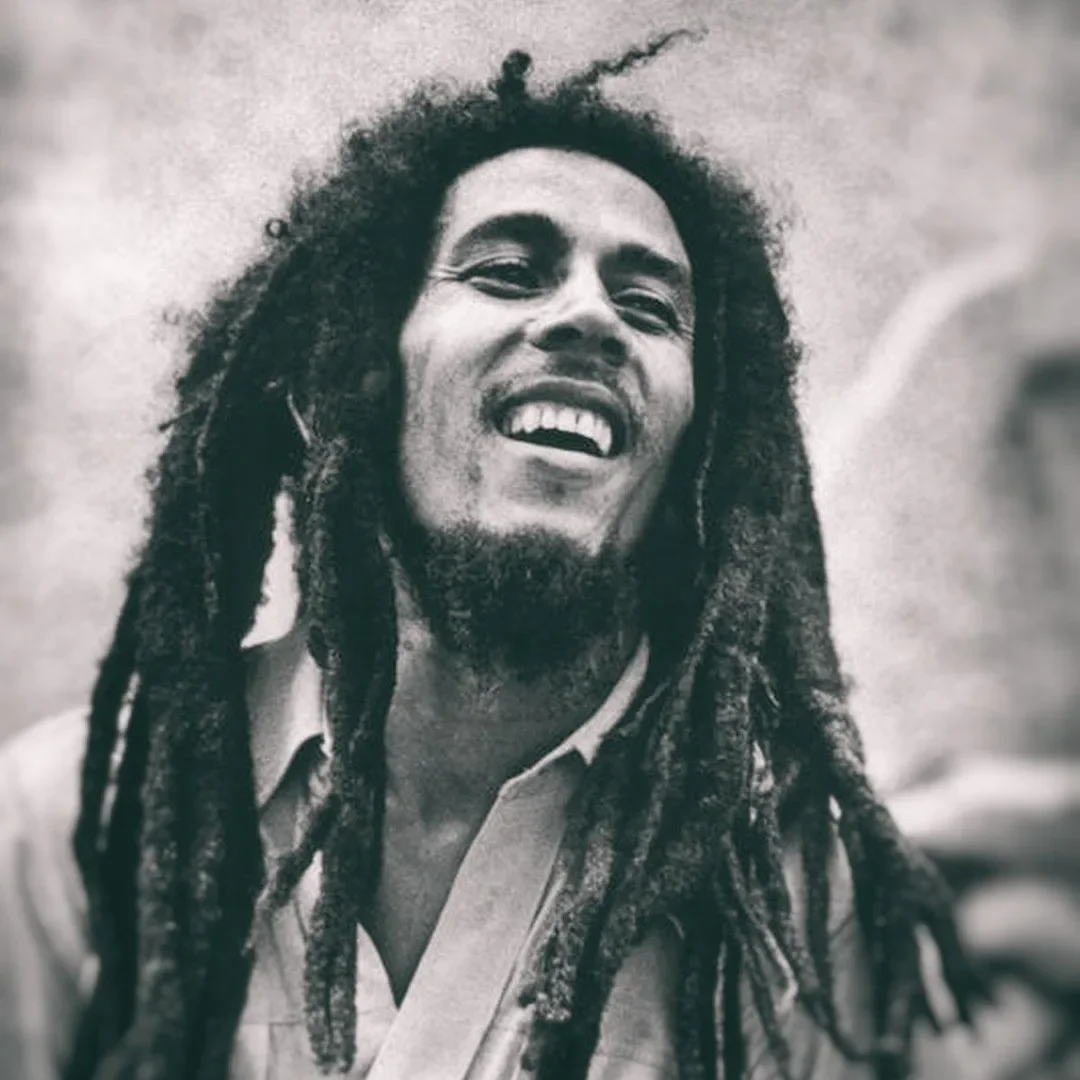
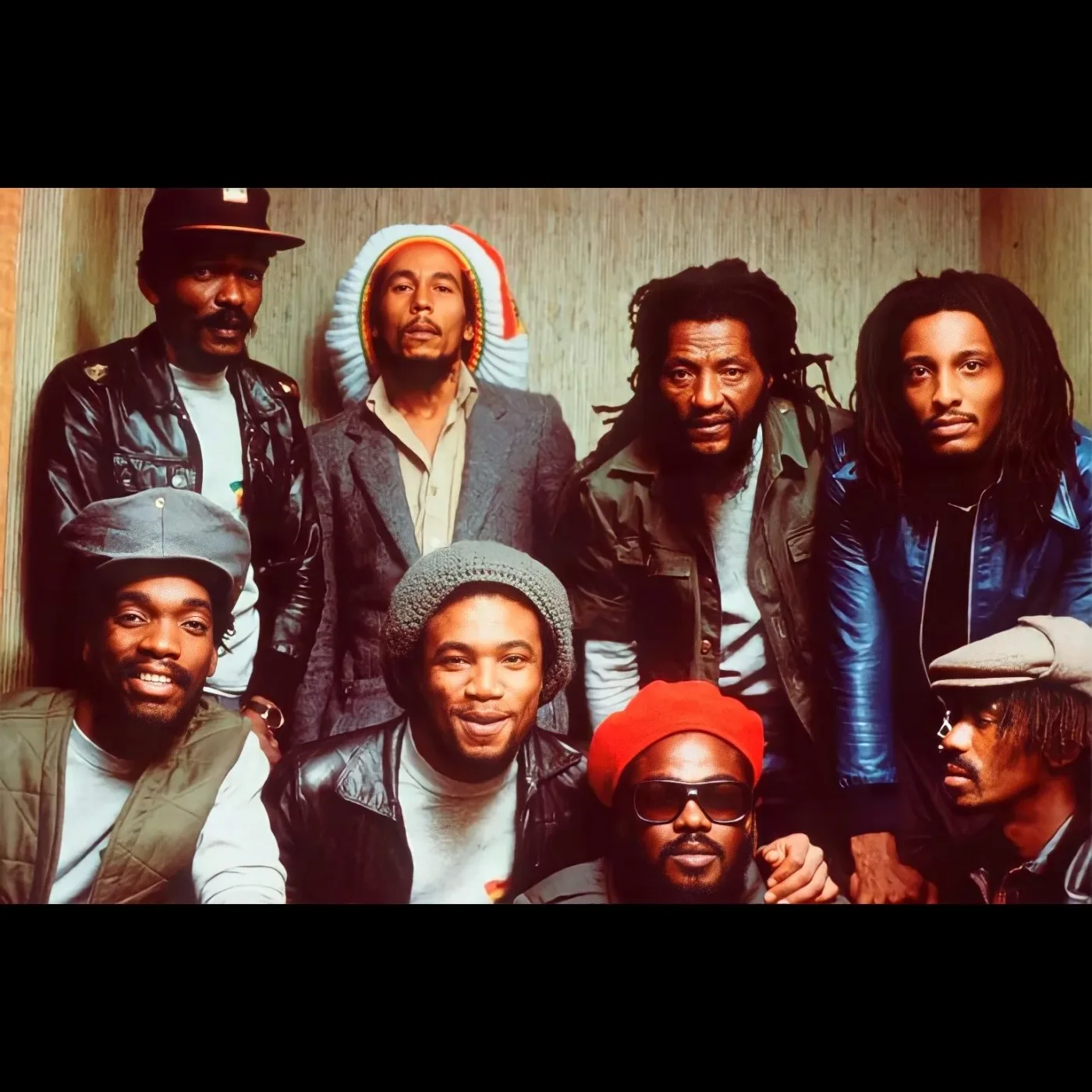
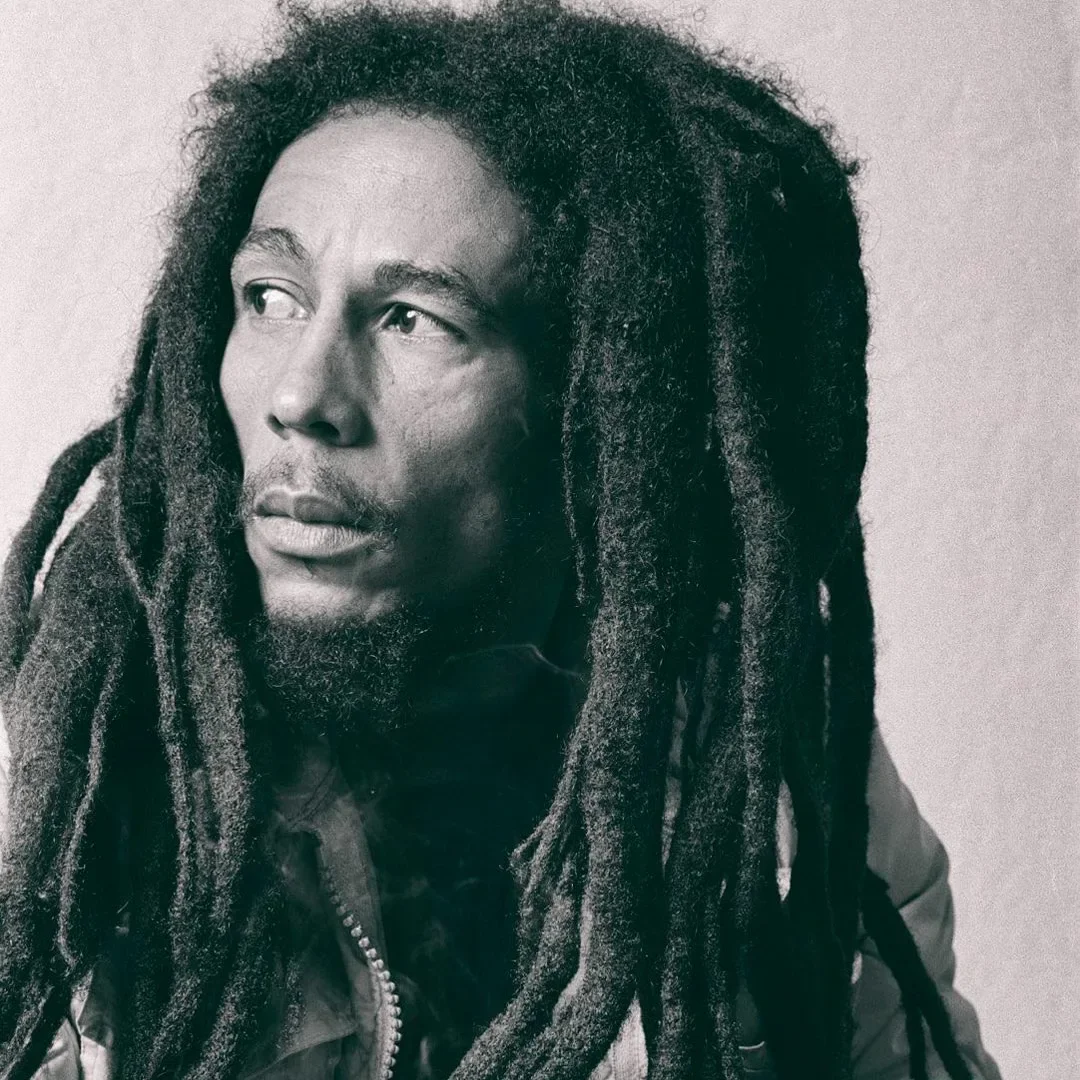
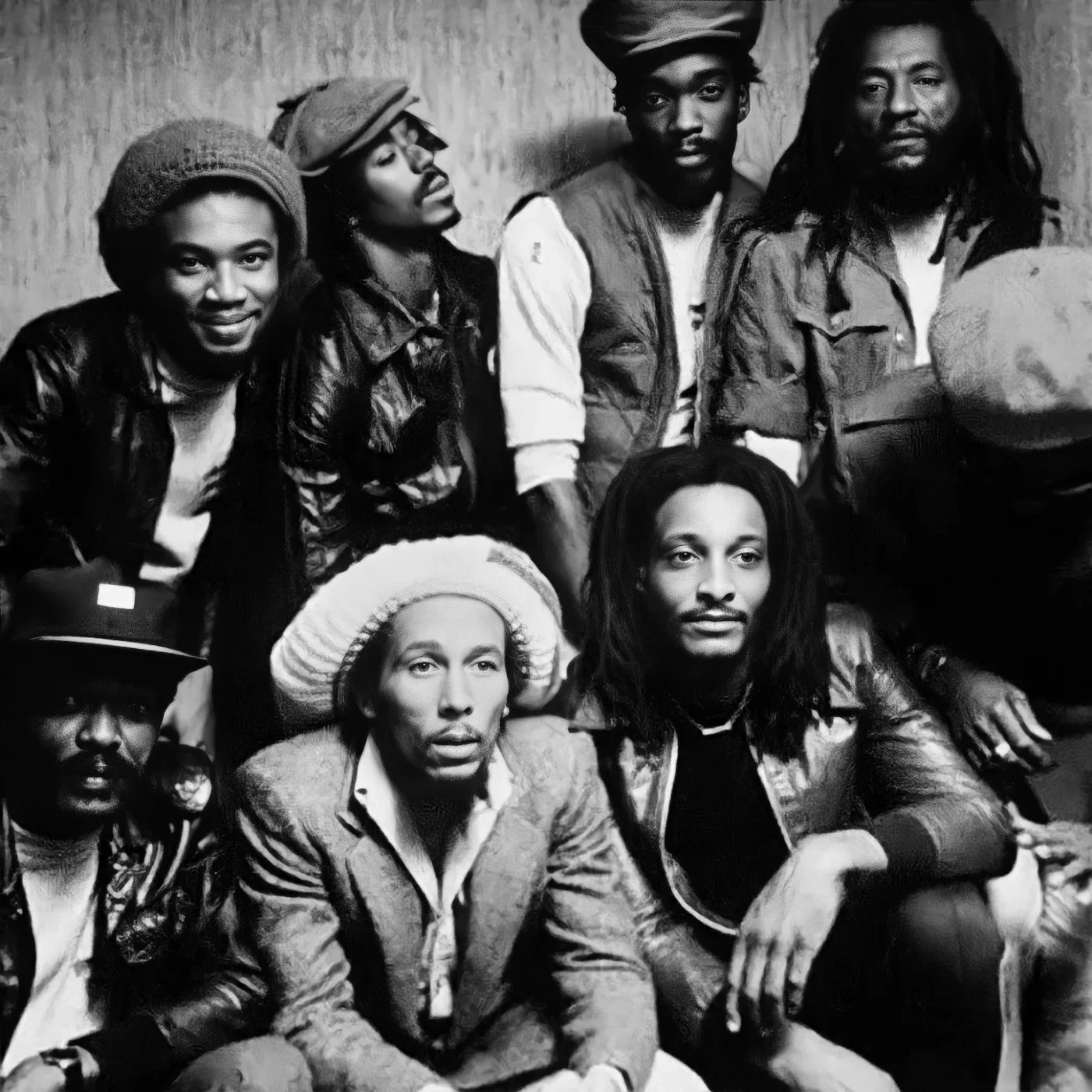
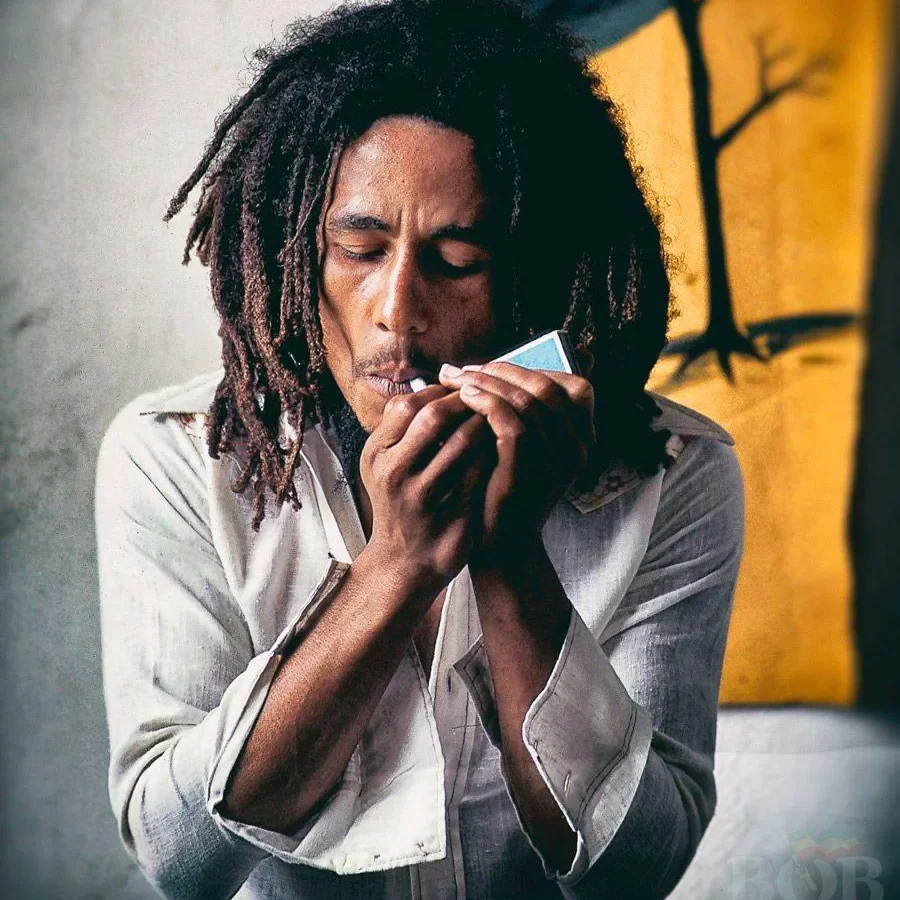
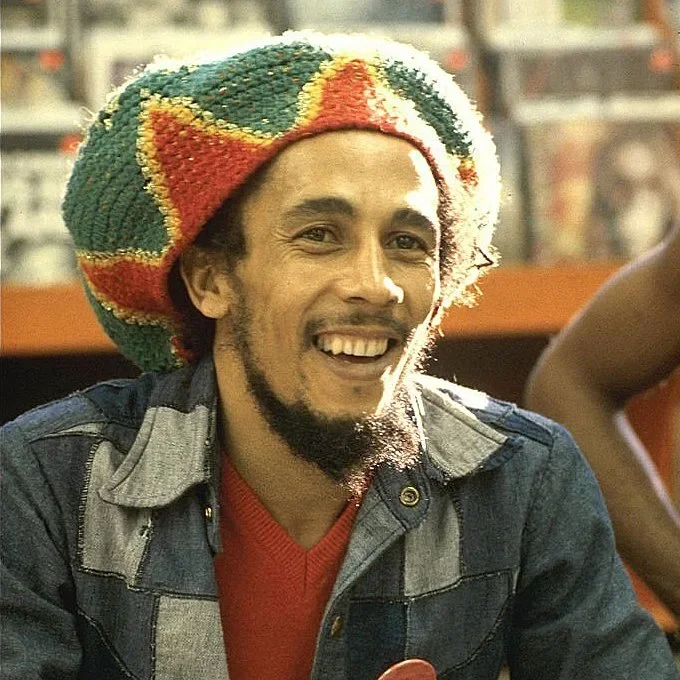
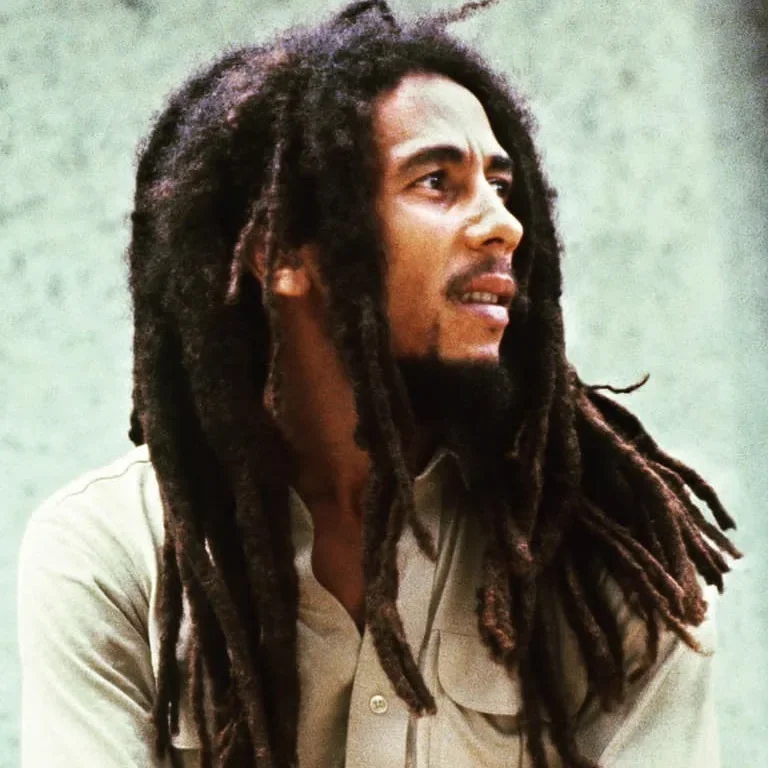
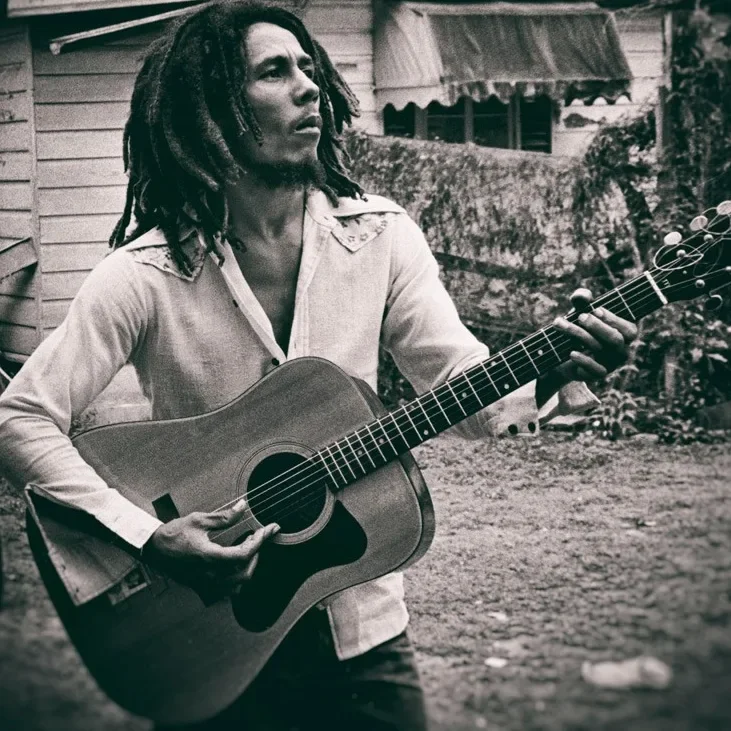
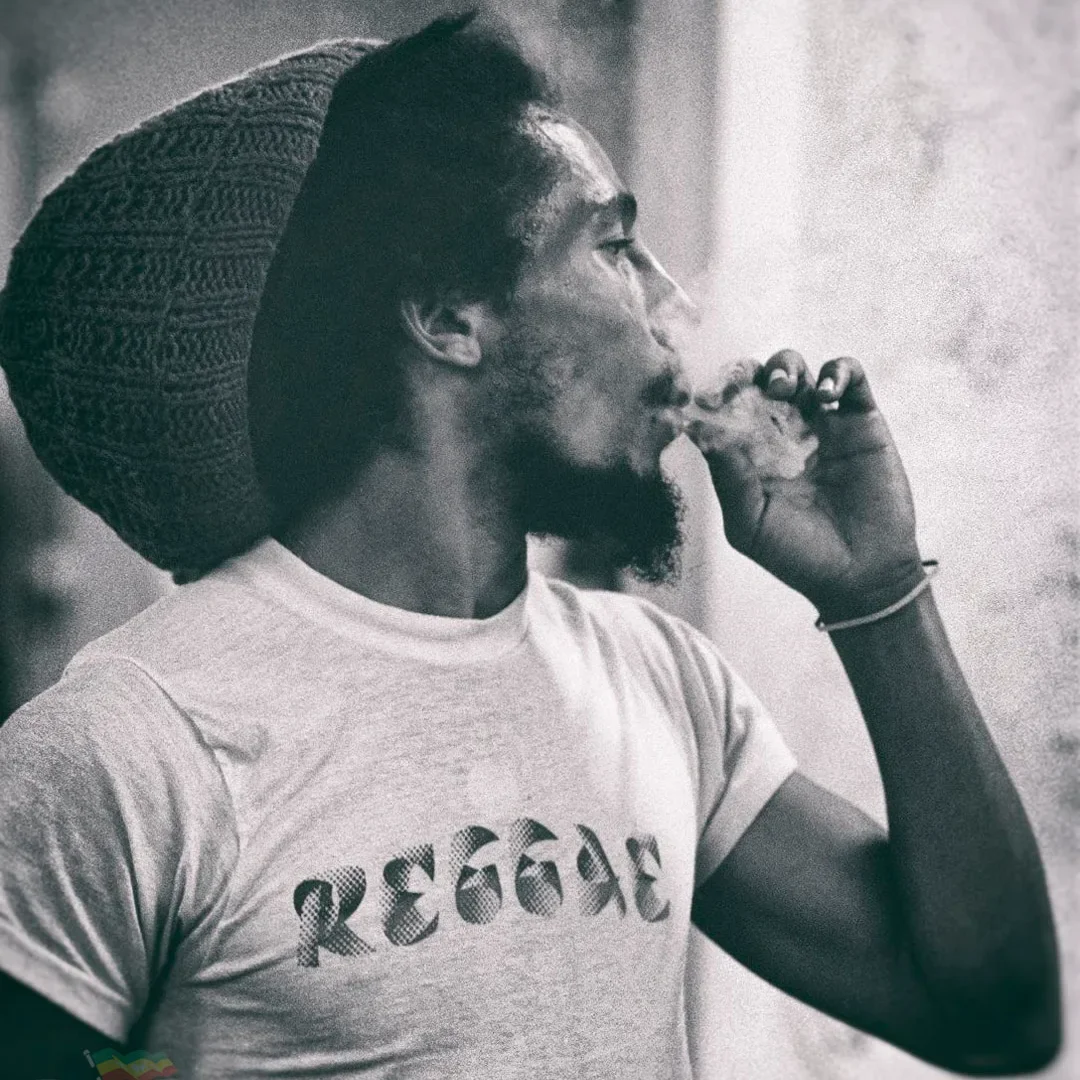
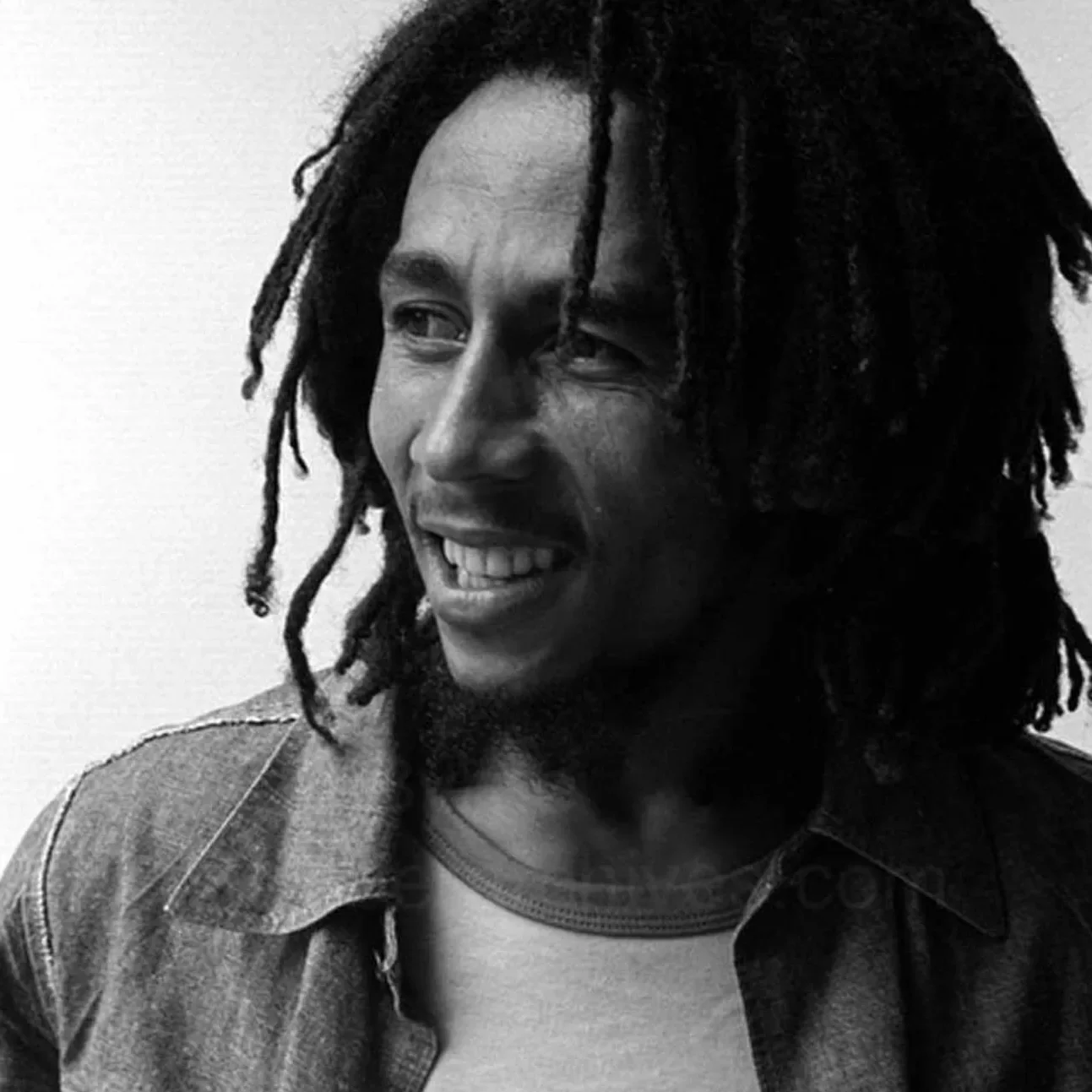
Bob Marley & The Wailers were not simply a reggae band; they became the point where music born in Jamaica began speaking to the entire world without losing its roots. Their sound carries soil, smoke, street life, spirituality, protest, and celebration. It can live on a beach, at a demonstration, inside a family home, or across a stadium, and in each setting it keeps something essential: the feeling that every rhythm has a history behind it. Few groups have made music so deeply local feel so universal while preserving its accent, message, and communal pulse.
The story began in Kingston, especially in the tough, creative environment of Trench Town. There, Bob Marley, Bunny Wailer, and Peter Tosh formed their voices amid yard culture, vocal lessons, poverty, rude boys, ska, American soul, and a Jamaican music scene learning how to turn its own streets into a recording industry. The Wailers first emerged as a vocal group, with harmonies shaped by doo-wop and R&B as much as by Jamaican popular tradition. Before they became global symbols of reggae, they were young men singing in a newly independent country searching for its own sound.
Their early years moved through ska and rocksteady. Songs like “Simmer Down” reflected the energy of Jamaican urban youth, but also the need for discipline, survival, and dignity in a complicated social world. At that stage, The Wailers did not yet carry the full spiritual mythology that would later surround Marley, but the foundations were already visible: tight harmonies, neighborhood realism, a sense of community, and a vocal style that could sound gentle and firm at once.
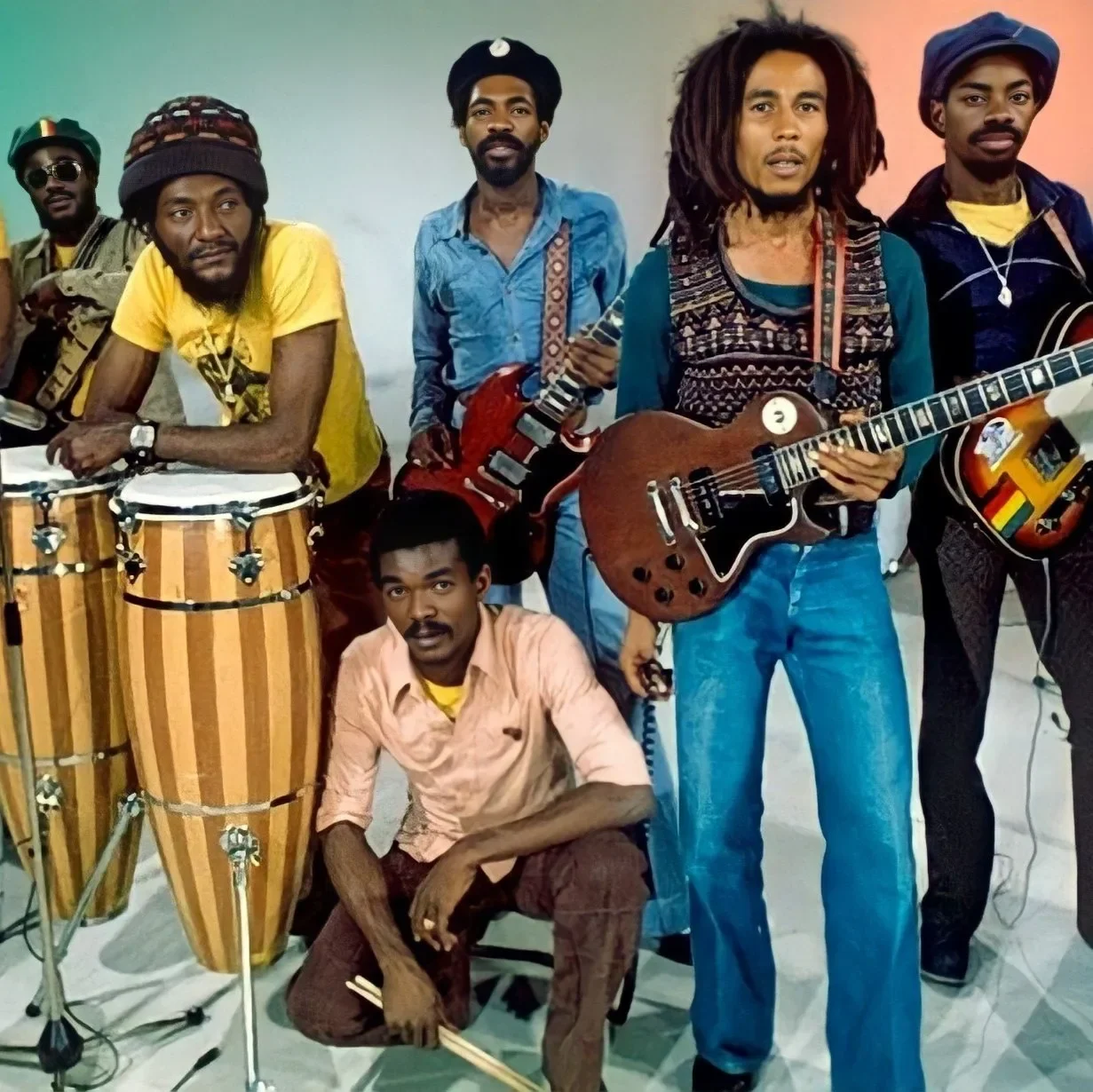
Their work with Lee “Scratch” Perry became one of the great turning points. With Perry and the rhythmic foundation of Aston “Family Man” Barrett and Carlton Barrett, The Wailers found a deeper, heavier, more hypnotic sound. Bass and drums stopped behaving like support and became the spine. Reggae began to breathe differently: slower, denser, more spiritual. Tracks such as “Soul Rebel,” “Duppy Conqueror,” and “400 Years” showed a band no longer just recording popular songs, but shaping a worldview.
The international leap came through Island Records and Catch A Fire. That album allowed audiences raised on rock to encounter music built on a different logic: clipped guitars, rounded bass, controlled drums, voices full of faith, and lyrics shaped by poverty, oppression, freedom, and hope. Burnin’ deepened the impact with “Get Up, Stand Up” and “I Shot the Sheriff,” songs that carried militancy, melody, and directness all at once. The departures of Peter Tosh and Bunny Wailer changed the original chemistry, but they also opened the phase in which Bob Marley & The Wailers became a global force.
With Natty Dread, Rastaman Vibration, Exodus, Kaya, Survival, and Uprising, Bob Marley & The Wailers built a language entirely their own. Rastafarian spirituality, anti-colonial thought, exile, love, redemption, resistance, and unity all moved through songs that could be deeply political without losing their singability. “No Woman, No Cry,” “Jamming,” “Exodus,” “One Love,” “Is This Love,” “Could You Be Loved,” and “Redemption Song” reveal different sides of that universe: comfort, motion, struggle, tenderness, faith, and historical memory.
Part of the group’s greatness lies in the way the message never crushed the music. They could sing about Babylon, oppression, spiritual revolution, and social justice, yet the groove still invited the body in. That tension between weight and lightness is essential. On the surface, the music can feel warm and easy; underneath, it carries a firm consciousness. A listener may arrive through the melody and stay for the depth. They may sing the chorus before understanding everything it holds, only to discover later that the song was carrying something much heavier all along.
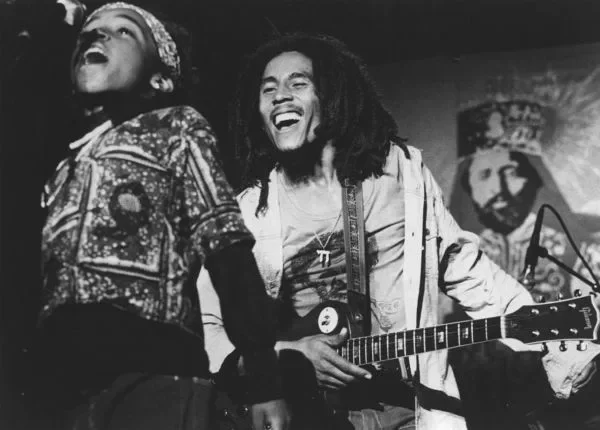
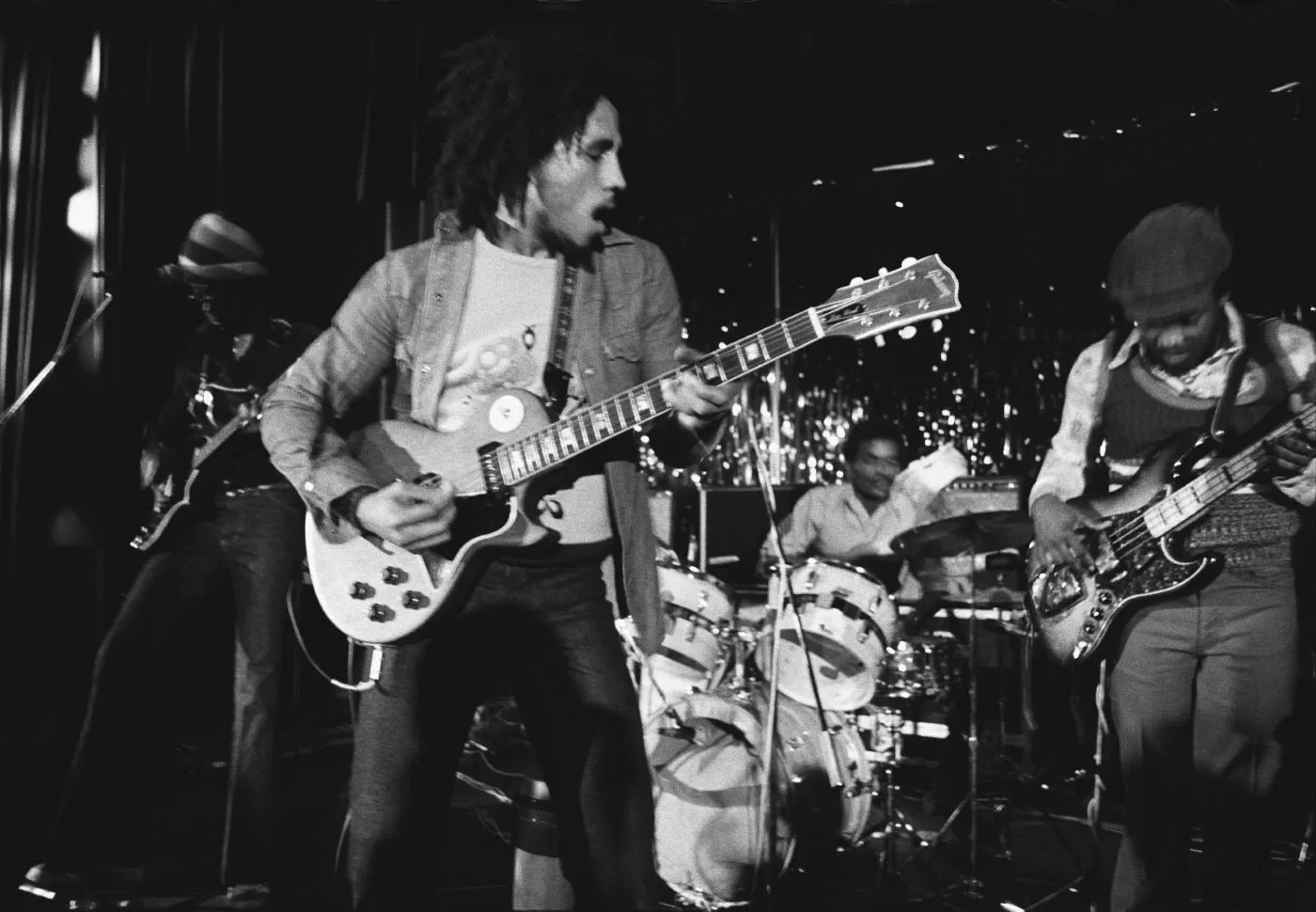
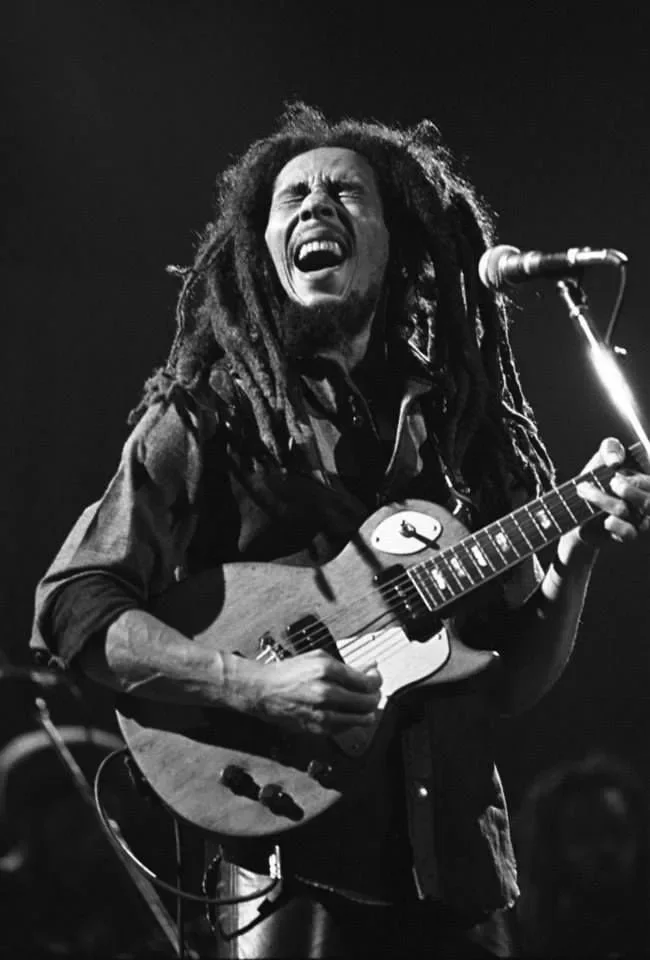
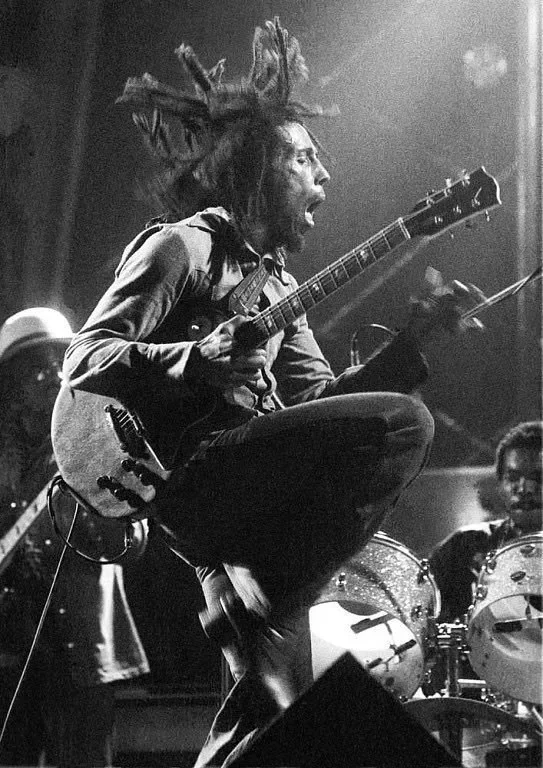
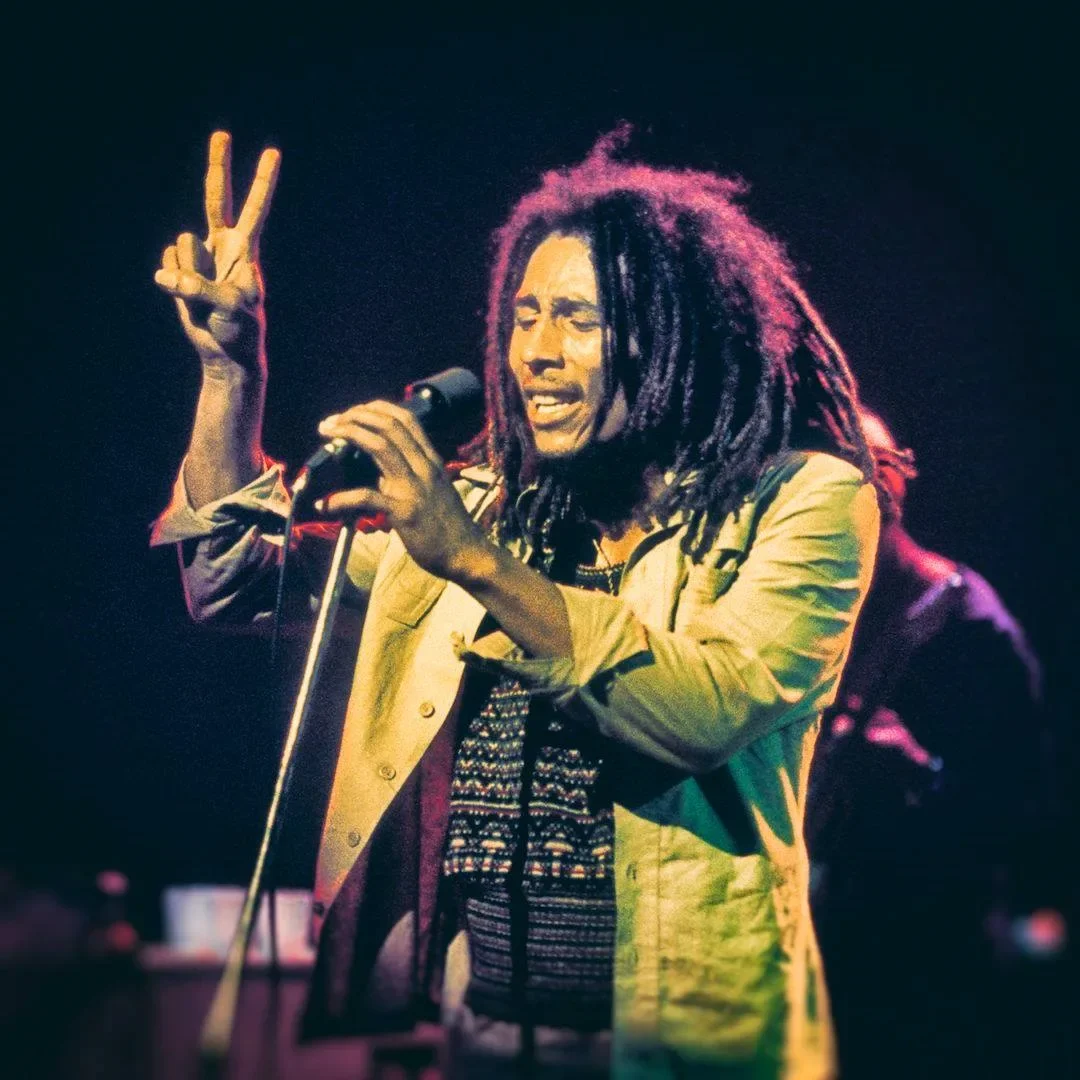
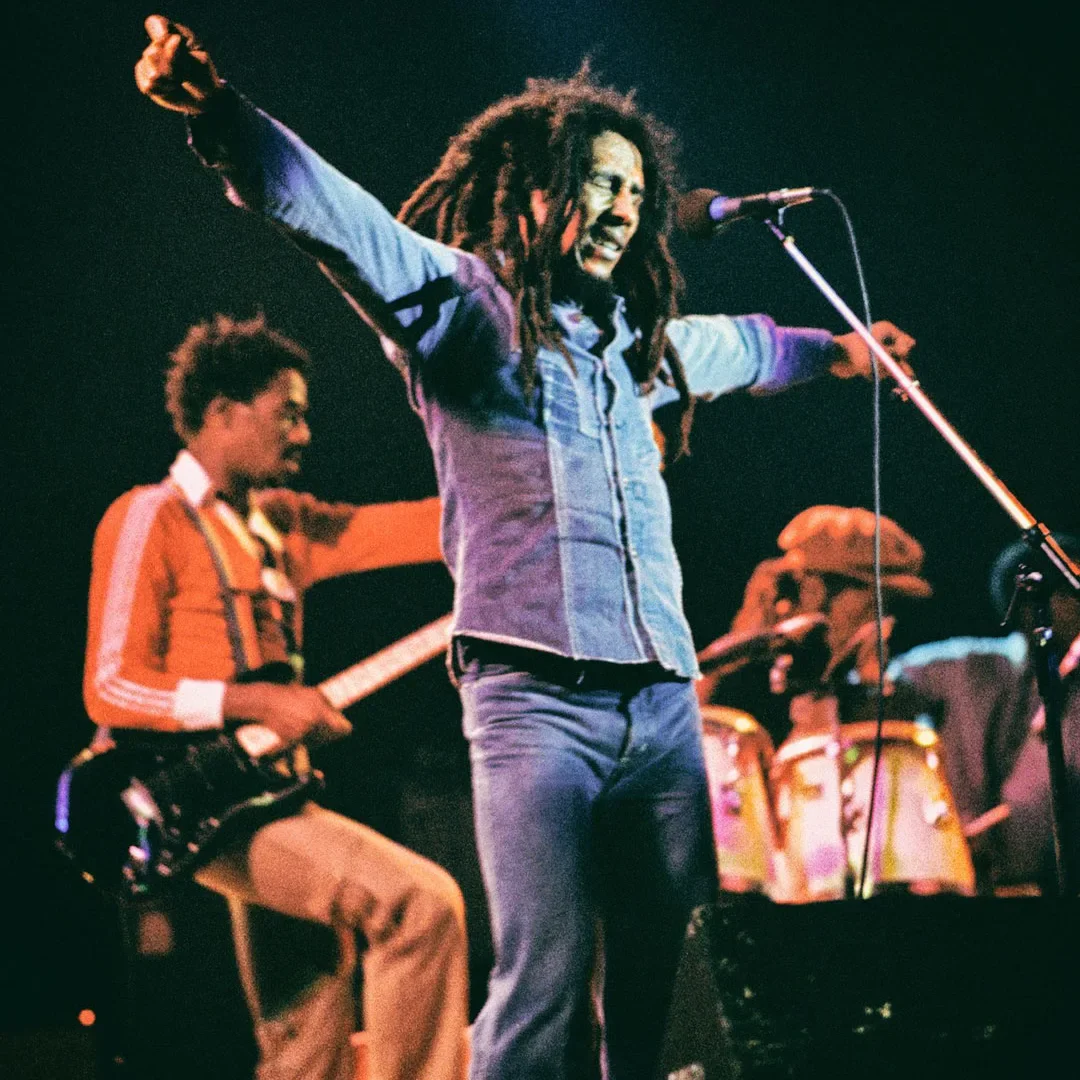
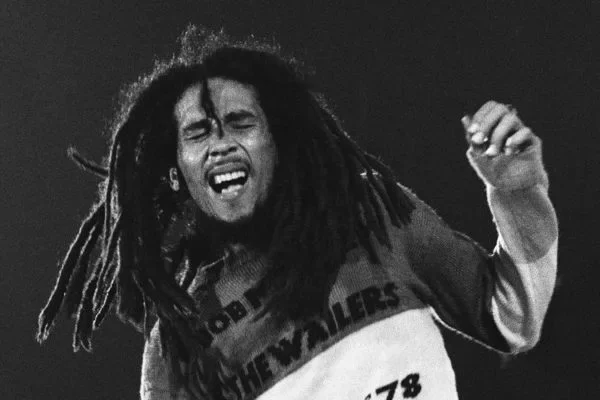
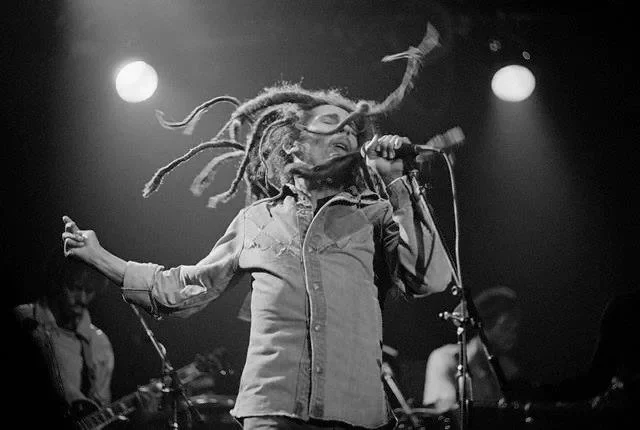
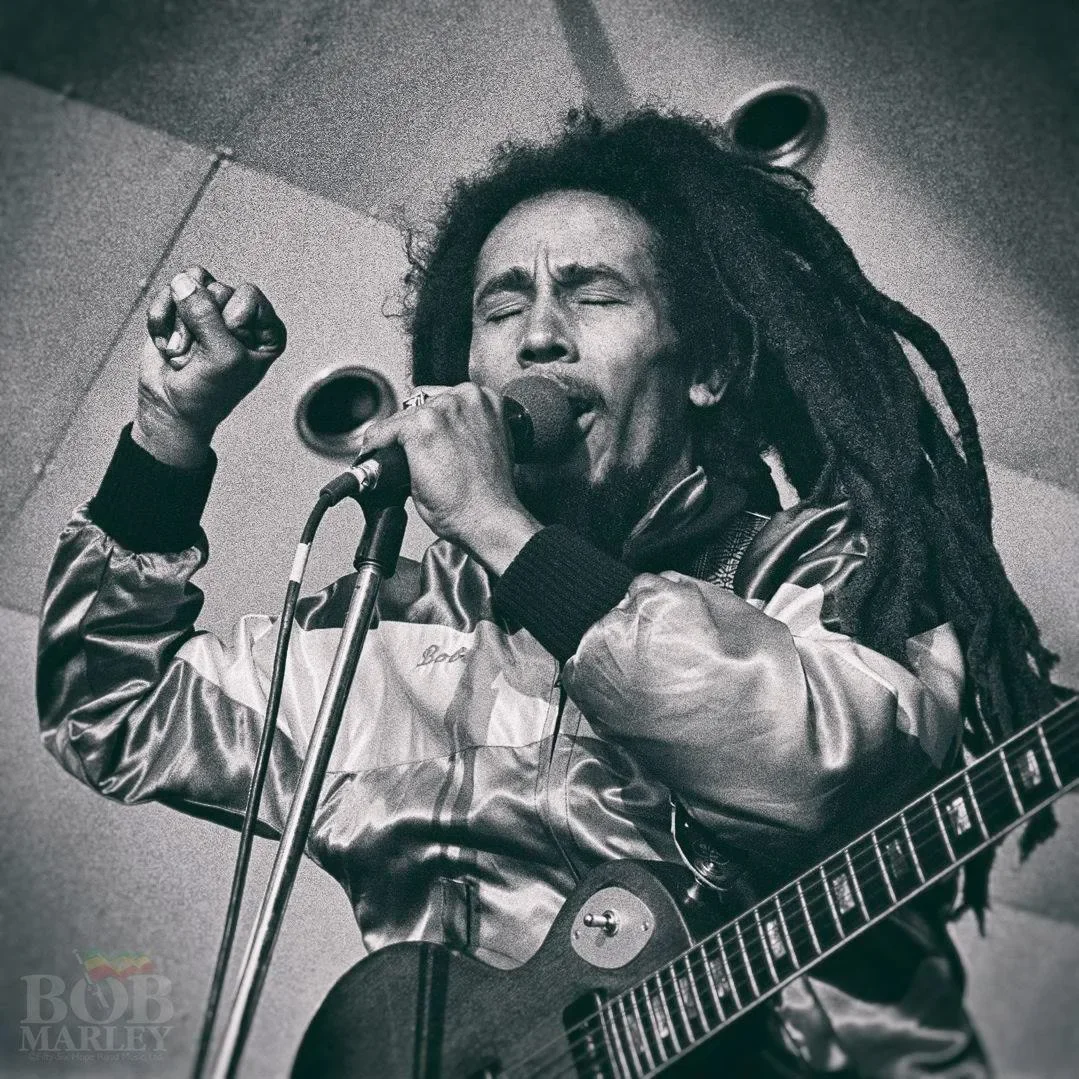
Onstage, Bob Marley & The Wailers had a power different from traditional stadium rock. They did not depend on spectacle in the obvious sense. Their force came from repetition, trance, rhythm, and Marley’s spiritual authority in front of an audience. The concerts could feel like celebration, ceremony, and collective call at once. The band held the groove with precision, the voices opened emotional space, and Marley moved like someone who was not only performing songs but carrying a message. That combination made the live experience a place where dancing and consciousness could stand side by side.
Bob Marley’s death closed an unrepeatable chapter, but it did not stop the life of the songs. Over time, Bob Marley & The Wailers became a global gateway to Jamaica: for many listeners, the first encounter with reggae, Rastafari, patois, Caribbean political history, and the idea that popular music can unite spirituality and protest. That universality has its tensions, because parts of the world have sometimes turned Marley into an easy symbol of peace while softening the radical edge of his lyrics. But even when the image is simplified, the songs continue to hold their original force.
The legacy of Bob Marley & The Wailers lies in proving that a band could come from a small island and change the musical imagination of the planet. Their work belongs to reggae and to Jamaica first, but it also belongs to anyone who looks to music for resistance, comfort, memory, and community. At their best, Bob Marley & The Wailers sound like a fire burning in the middle of the night: warm, rhythmic, spiritual, and capable of reminding people everywhere that a song can be shelter, protest, and path all at once.
Main genre
REGGAE
Main subgenres
Like a superfan's list — except verified, with sources and links.
No linked festivals
No festival appearances documented yet.
What we managed to link to the concert archive. If a date is missing, tell us — happens to us too.
No linked concerts
Every concert and festival of the year, traced on the globe. Hit play and follow the route stop by stop.
Photos from the public archive.
If you like Bob Marley & The Wailers, these move through the same lineups.