






Ranking
#83

Ranking
#83
Followers
87.2 M
Digital presence
Official profiles, streaming and discovery.
What a good fan recites by heart (or pretends to).
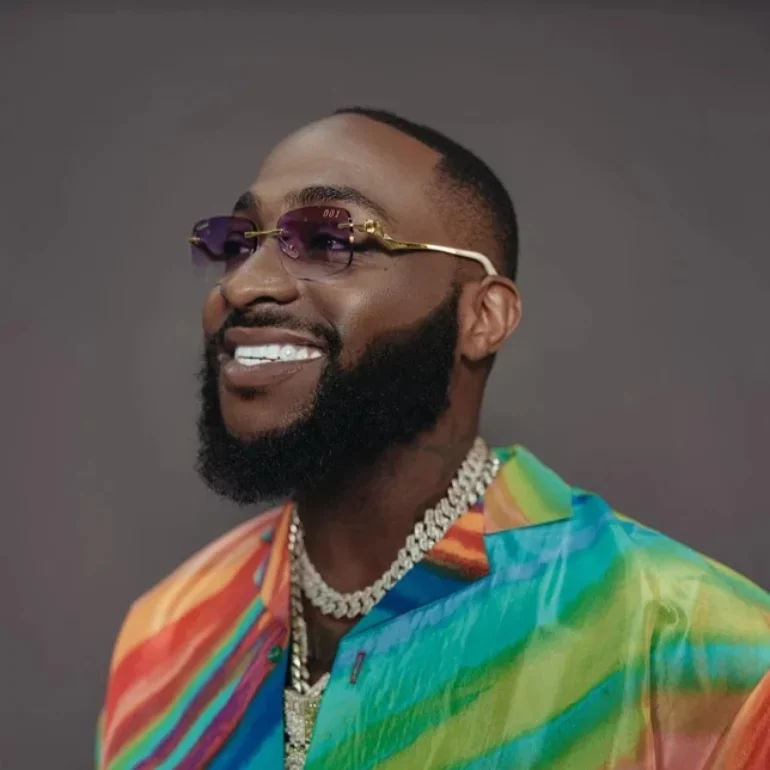
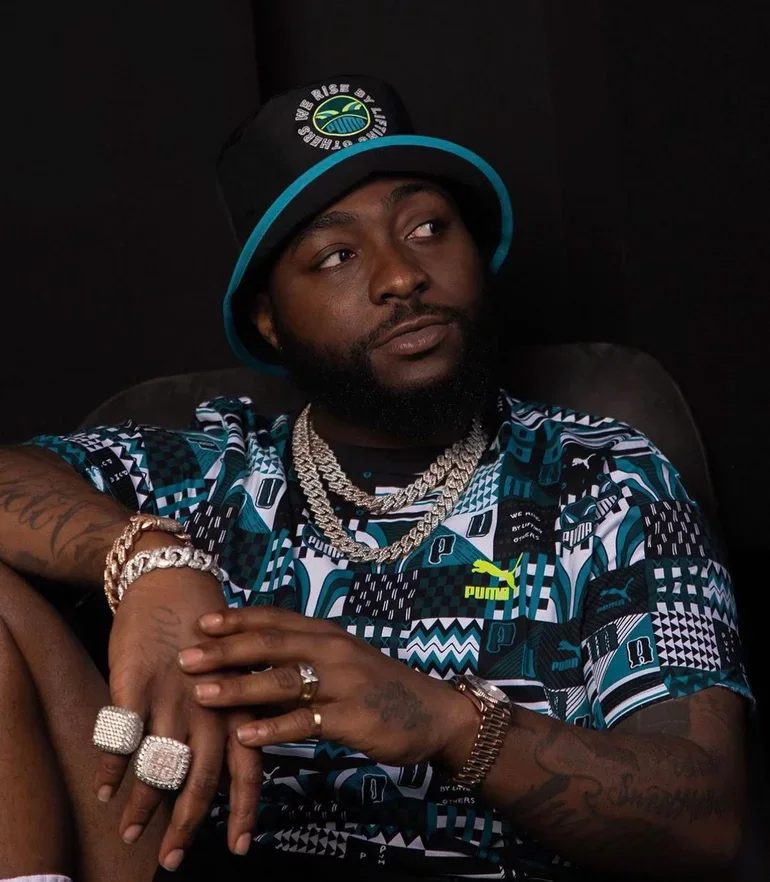
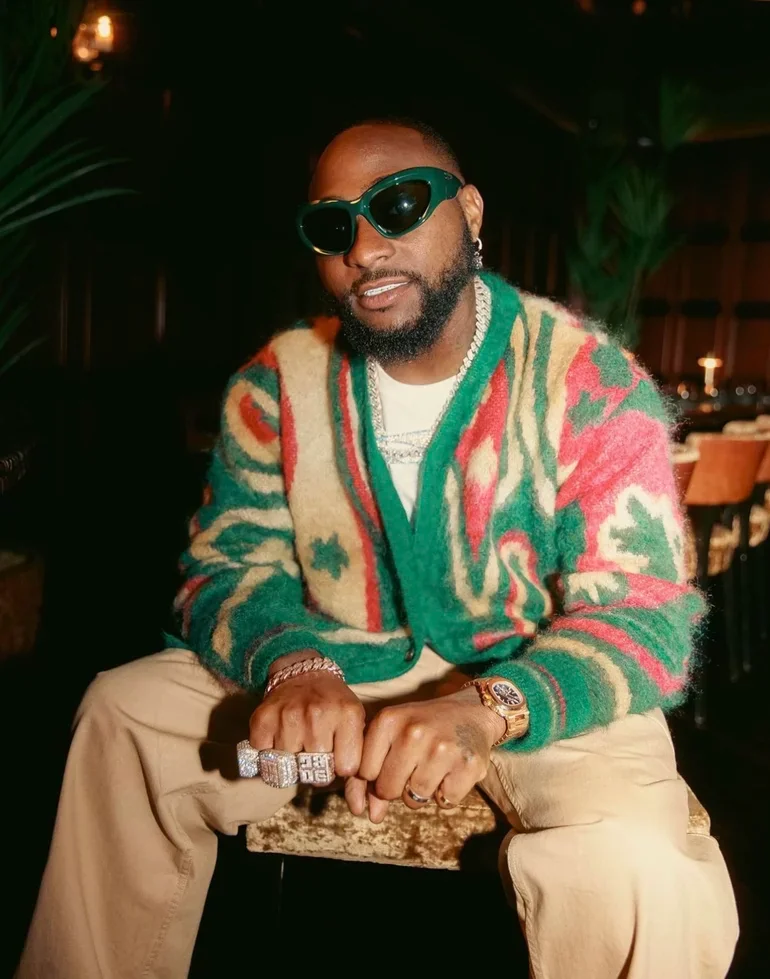
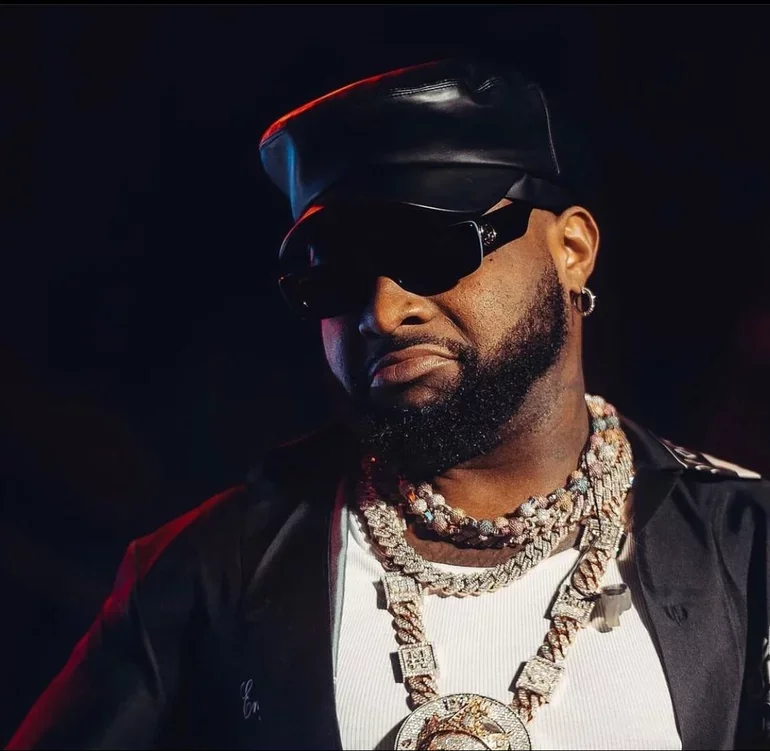
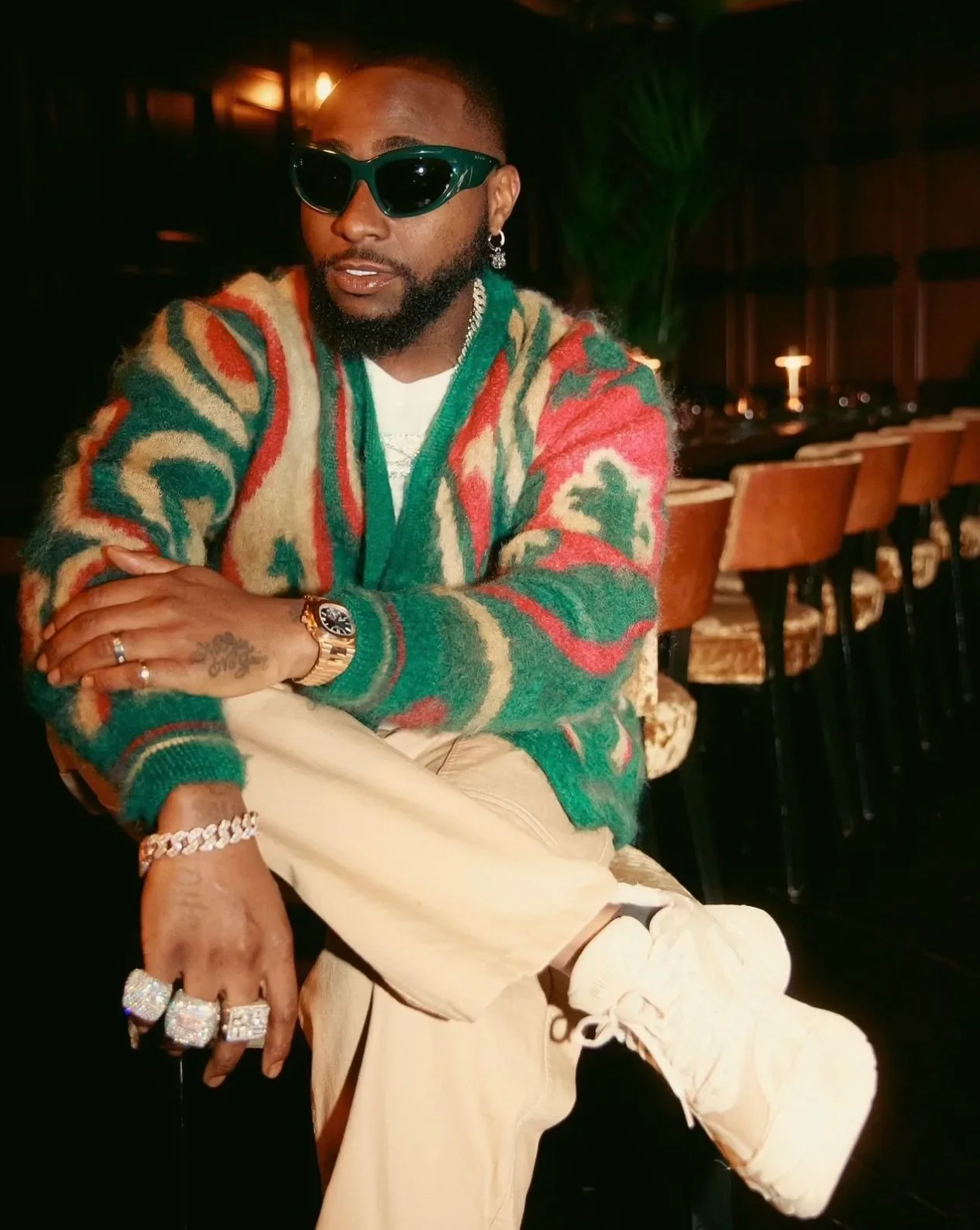
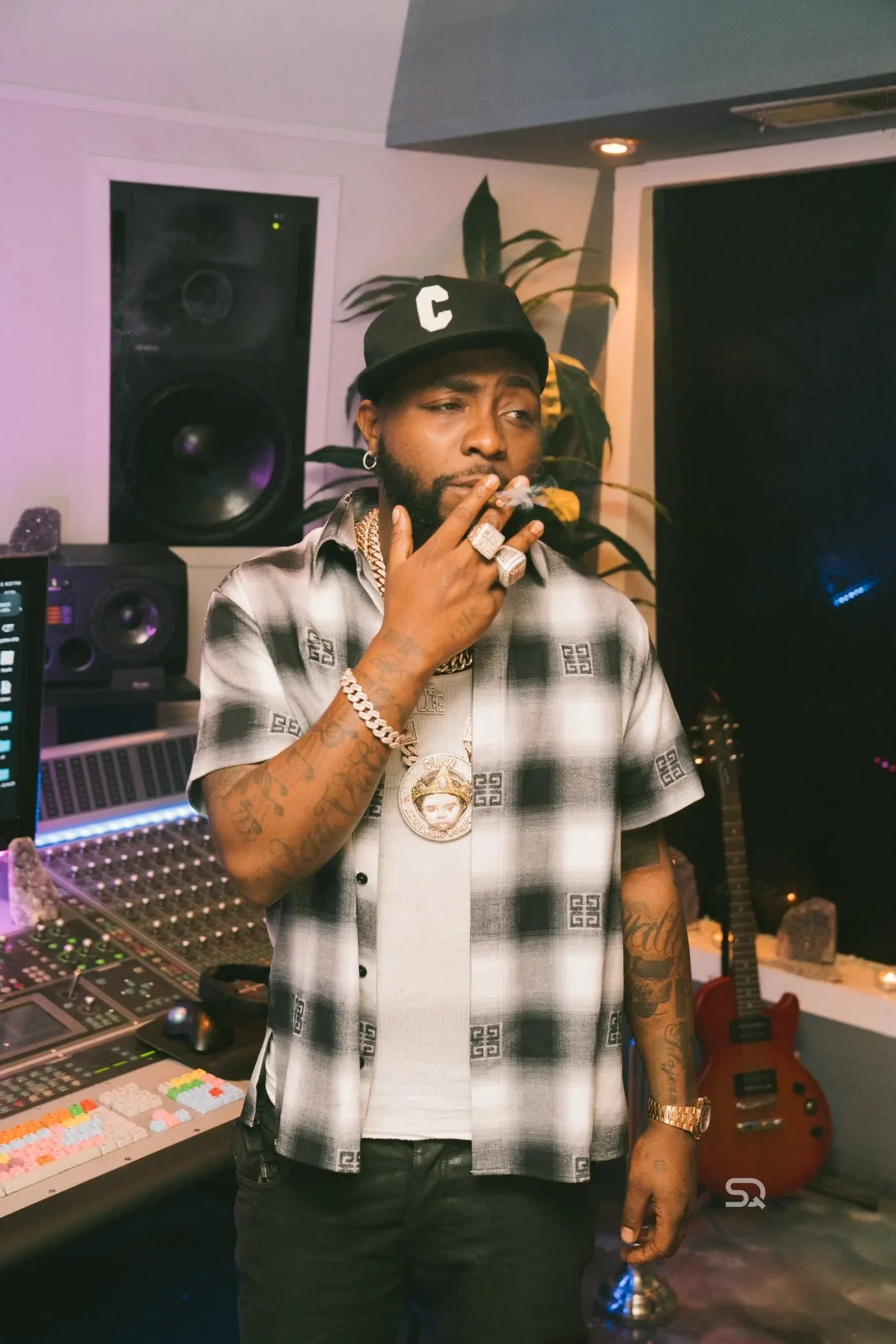
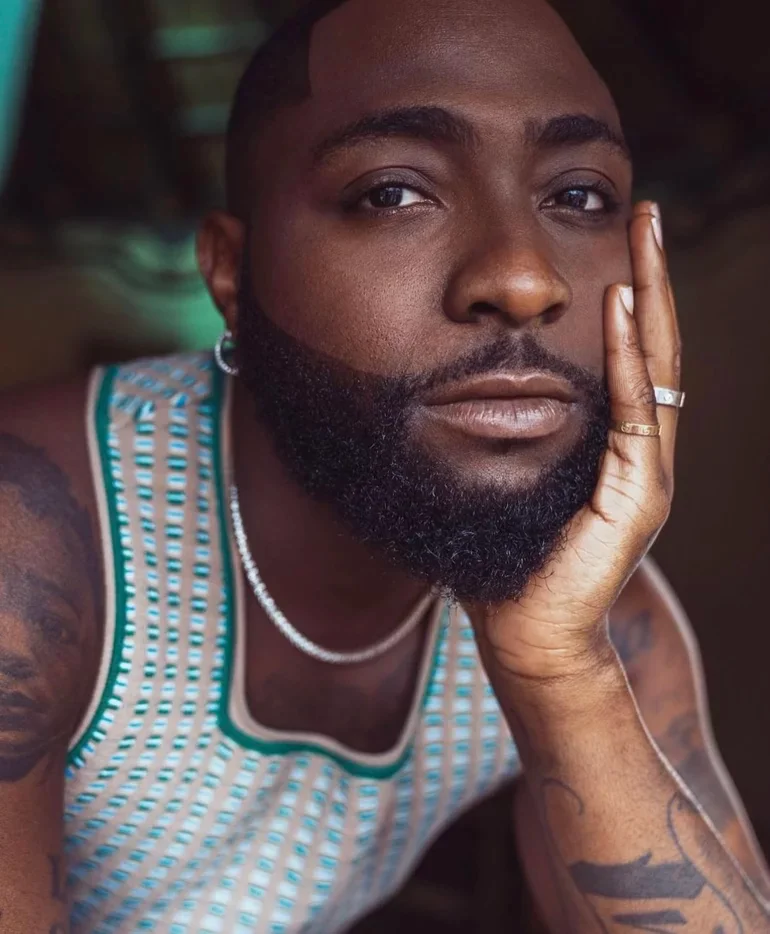
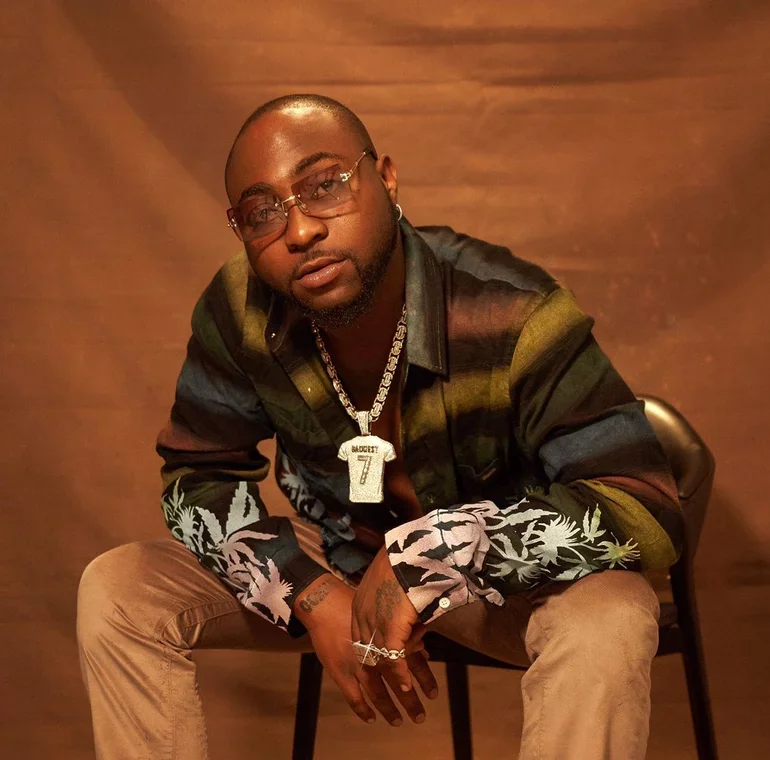
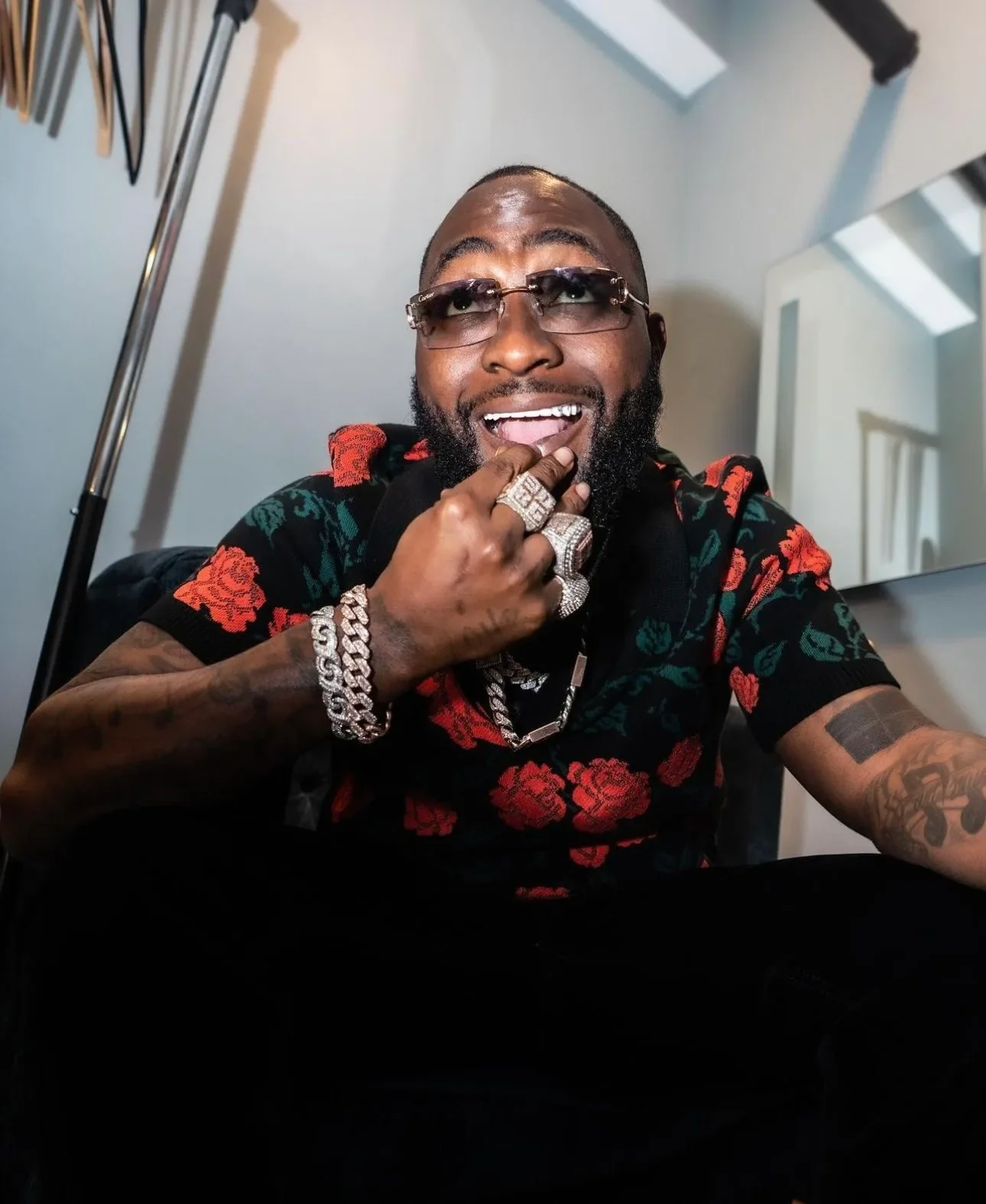
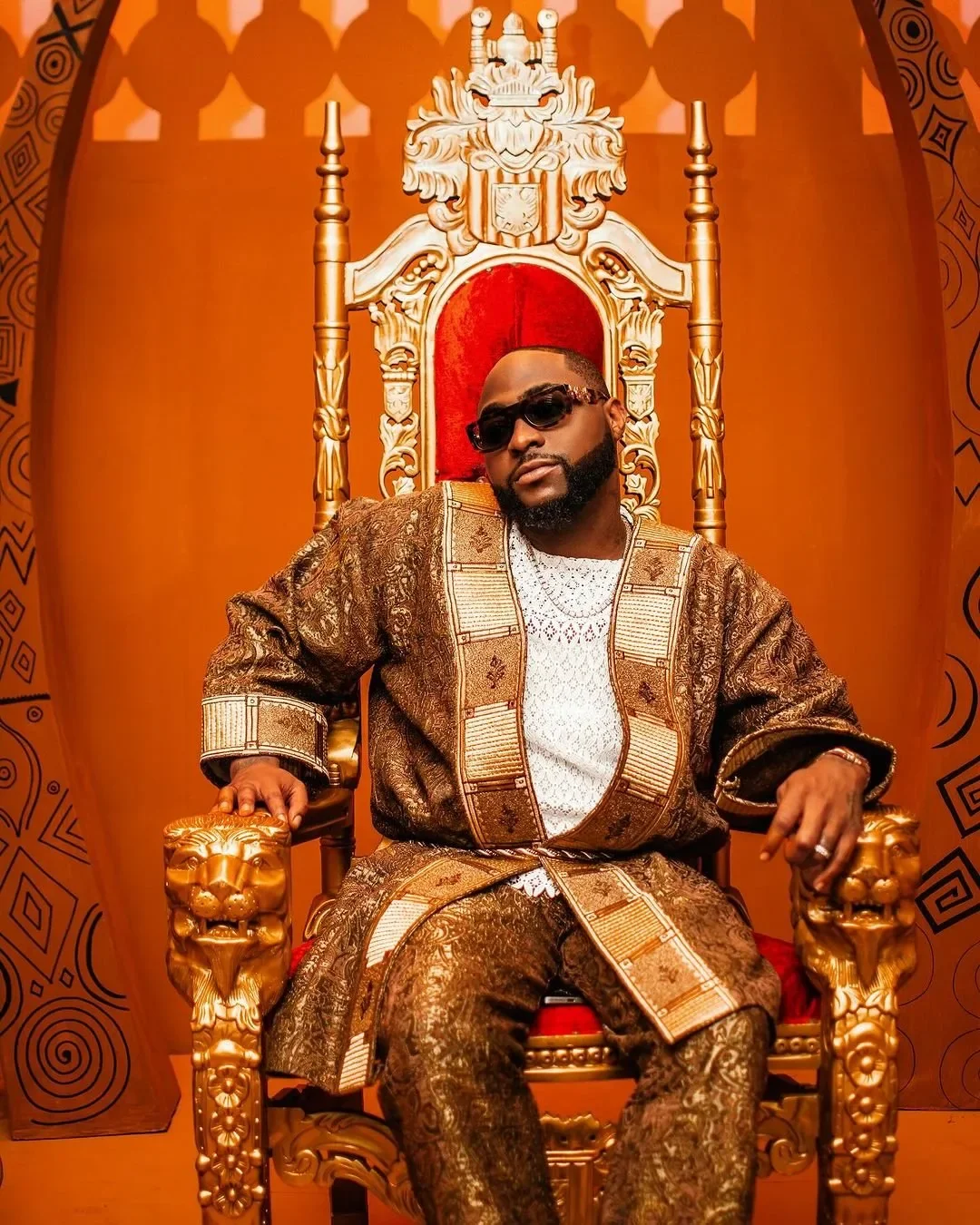
Davido holds a crucial place in the global expansion of Afrobeats because his music has always sounded like a celebration with its feet firmly planted in Lagos and its eyes open to the world. His career is not explained only through hits, videos, or international collaborations; it is explained through the way he helped turn Nigerian pop into a global language without stripping away its local flavor. His songs carry party, romance, pride, street energy, luxury, family, community, and a kind of brightness built to gather people together, whether in a club, at a wedding, inside a stadium, or on a summer playlist.
Born in Atlanta and raised between the United States and Nigeria, Davido represents a musical identity built on movement between worlds. His personal story joins two cultural spaces that do not appear in his work as opposites, but as parts of the same conversation. On one side, there is access to global pop, education, production culture, and the American music machine. On the other, Lagos stands as the emotional, social, and musical center. That mixture allowed him to build a sound that could feel deeply Nigerian while moving naturally through radio, festivals, and collaborations beyond Africa.
Before becoming one of Afrobeats’ defining figures, Davido began from the perspective of a young producer trying to understand how a song works from the inside. His time at Oakwood University, his interest in making beats, and his decision to return to Lagos to pursue music seriously are important parts of his identity. Unlike artists who arrive only through vocal performance, Davido developed with a studio instinct: rhythm, hook, energy, structure, and the understanding that a song has to work for the ear and the body at the same time.
His debut with “Back When” and the impact of “Dami Duro” marked the start of a career that understood immediacy very quickly. “Dami Duro” was not just an early hit; it was a statement of presence. It had street pulse, a chorus built to be shouted, energetic production, and an attitude that connected with a Nigerian youth culture eager to hear music that felt modern, local, and unapologetic. From there, Davido began building an artistic personality based on confidence, charisma, and mass accessibility.
Omo Baba Olowo, his first album, showed an artist still developing but already carrying a sharp instinct for wide-reaching Afropop. The blend of danceable rhythms, direct melodies, sticky phrases, and local collaborations helped him settle into a scene that was growing at remarkable speed. Songs such as “Gobe,” “Skelewu,” and “Aye” then reinforced his gift for creating recognizable moments of celebration. Davido was not trying to sound distant or overly polished; his music needed to feel alive, singable, and ready to move through the street before becoming digital culture.
One of his greatest strengths is how he understands the chorus. In Davido’s music, the hook is not decoration; it is the emotional center of the song. His best tracks often rest on phrases that seem simple at first, but become huge once rhythm, voice, and repetition lock together. “If” is a strong example of that ability: romantic, light, self-assured, and capable of turning an everyday phrase into a pop mantra. “Fall” carried that formula even further, with warm melody, elegant groove, and a romantic ease that traveled far beyond its original context.
The A Good Time era consolidated his international dimension without making his music feel detached from its roots. The album works like a bridge between Lagos, global pop, R&B, dancehall, and the collaborative culture that defines modern Afrobeats. Davido appears there as both host and protagonist: someone able to invite voices from different scenes while keeping the center of gravity inside his own universe. A Better Time expanded that instinct with an even wider guest list, showing how comfortably he could move between markets without abandoning his melodic identity.
Timeless became especially meaningful within his trajectory. More than a simple album cycle, it felt like an artistic reaffirmation after a difficult personal period. Songs such as “Unavailable,” “Feel,” and “No Competition” revealed a broader, more self-possessed Davido, one connected to the maturity of global Afrobeats. The album mixed amapiano, Afropop, highlife, R&B, and dance-floor rhythms with a natural ease that reflected the moment of contemporary African music: open, collaborative, proud of its origin, and ready to occupy central space in global pop culture.
Davido also matters because of his role as a scene builder. Through Davido Music Worldwide, he helped give visibility to new talent and strengthened the idea of the African artist not only as a singer, but as entrepreneur, curator, and platform. That dimension matters because Afrobeats did not grow through isolated songs alone. It grew through networks, labels, producers, videos, collaborations, digital culture, and a new continental confidence. Davido has been an active part of that emotional and industrial infrastructure.
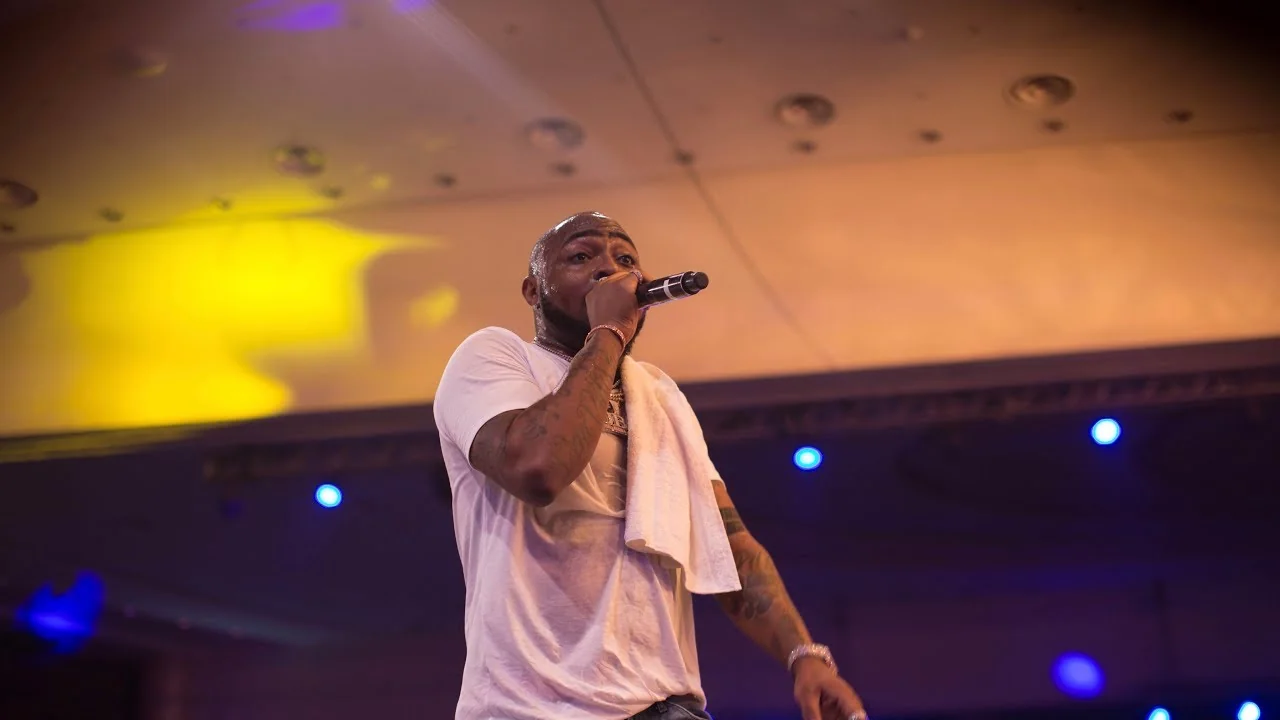
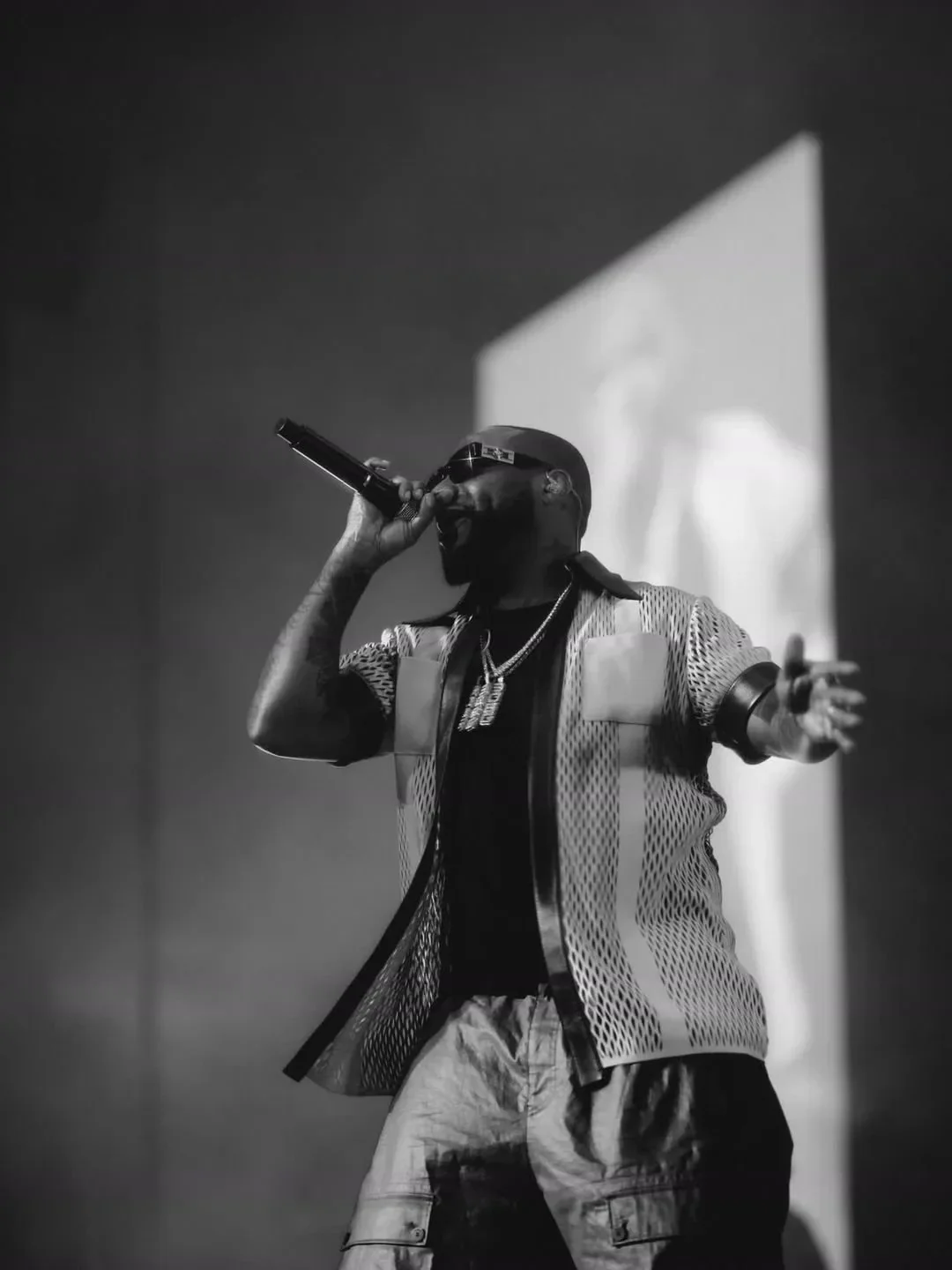
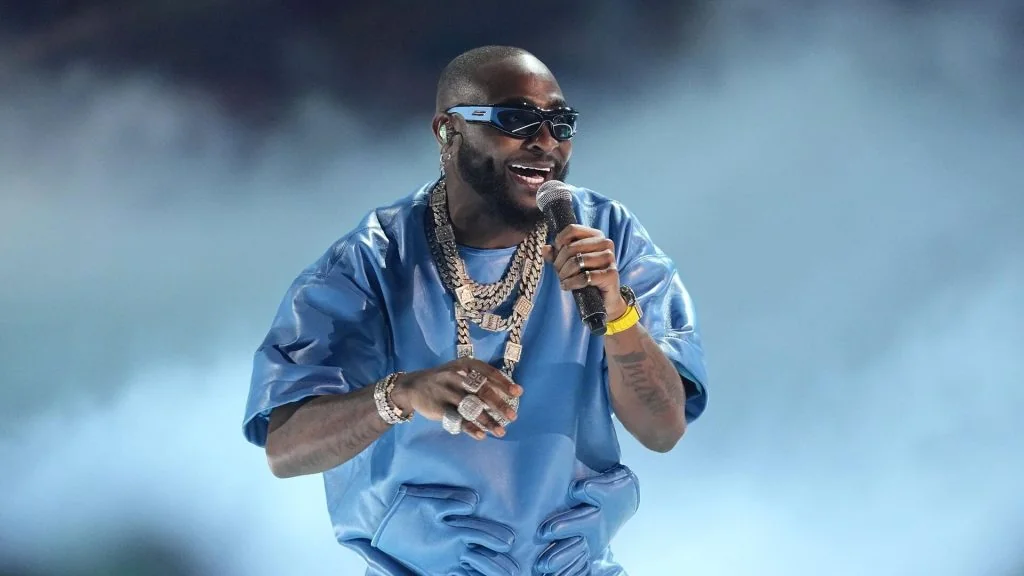
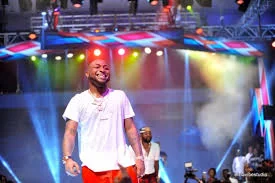
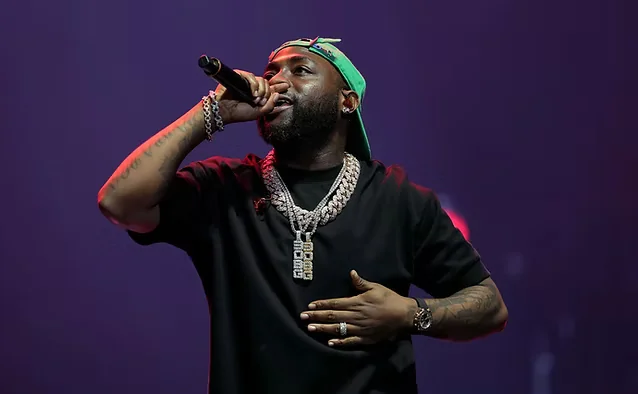
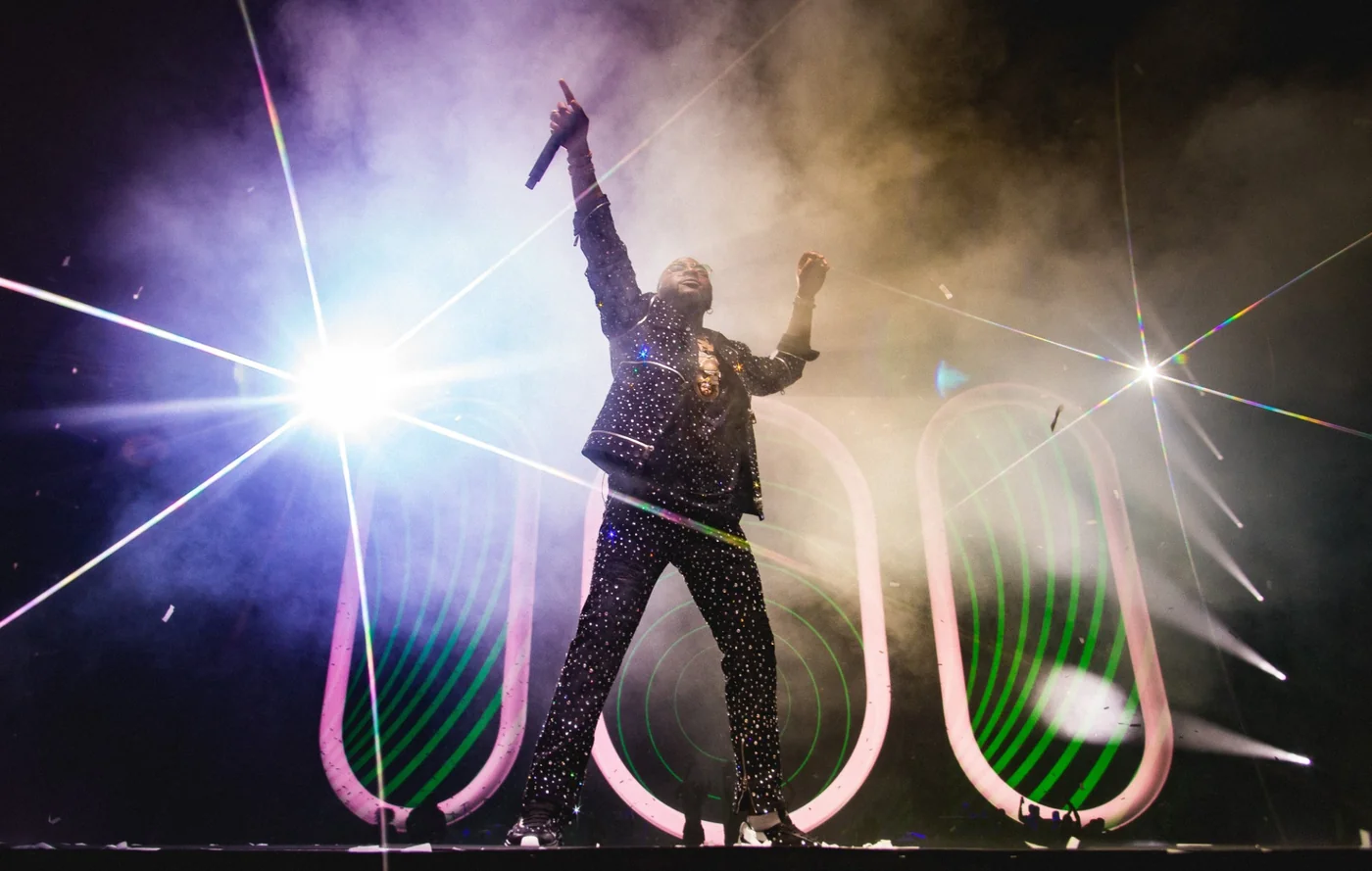
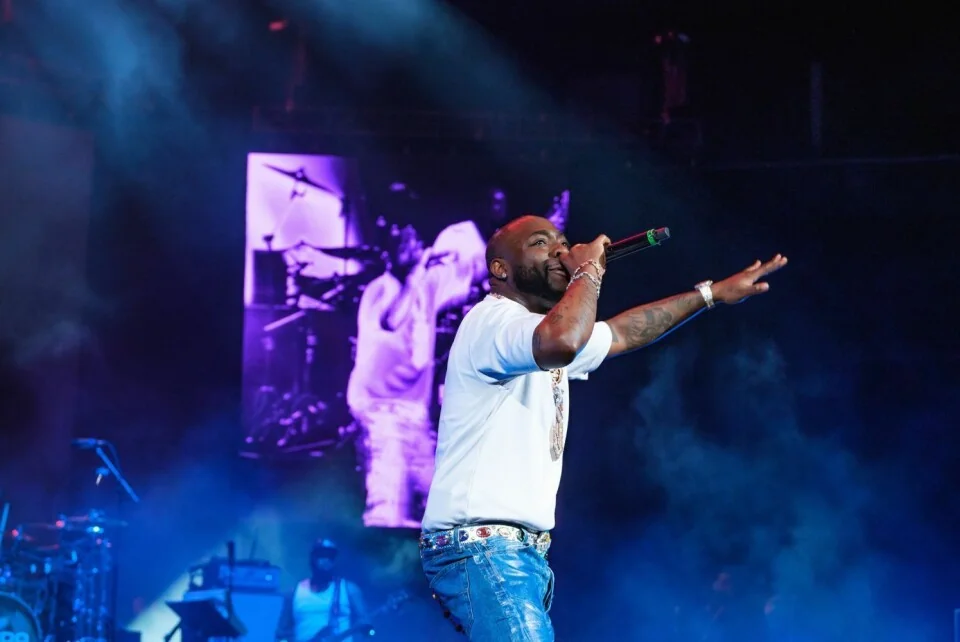
Live, his music reaches a particularly natural form. His concerts operate through collective energy: massive choruses, steady rhythm, dancing, smiles, call-and-response, and direct communication with the audience. Davido does not need to surround himself with mystery. His strength is openness. He sings like someone who wants everyone inside the party, but also like someone who knows that the party carries history, pride, and work behind it. That blend of accessibility and ambition is one reason he connects with such different audiences.
Davido’s legacy lies in being one of the defining faces of a generation that took Afrobeats from Lagos to the global map without asking permission. His music proves that African pop can be local and worldwide at the same time, light on the surface and deeply representative in context. At his best, Davido sounds like a city celebrating itself: bright, rhythmic, sentimental, ambitious, and driven by that “everybody belongs here” energy that can turn a song into a community.
Main genre
AFRO
Main subgenres
Like a superfan's list — except verified, with sources and links.
17–Apr 19, 2026
Indio, California · United States
Past10–Apr 12, 2026
Indio, California · United States
Past
19–Aug 20, 2023
Detroit, Michigan · United States
Past
28–Jun 30, 2023
Portimão, Algarve · Portugal
Past
09–Jun 11, 2023
New York, New York · United States
Past
04–Jul 07, 2019
New Orleans, Louisiana · United States
PastWhat we managed to link to the concert archive. If a date is missing, tell us — happens to us too.
No linked concerts
Every concert and festival of the year, traced on the globe. Hit play and follow the route stop by stop.
 BETNominatedBETWonBETNominated
Photos from the public archive.
Close by genre and social signal.
No related artists
When there is enough genre signal, they will appear here.