
















Ranking
#53

Ranking
#53
Followers
126.2 M
Digital presence
Official profiles, streaming and discovery.
What a good fan recites by heart (or pretends to).
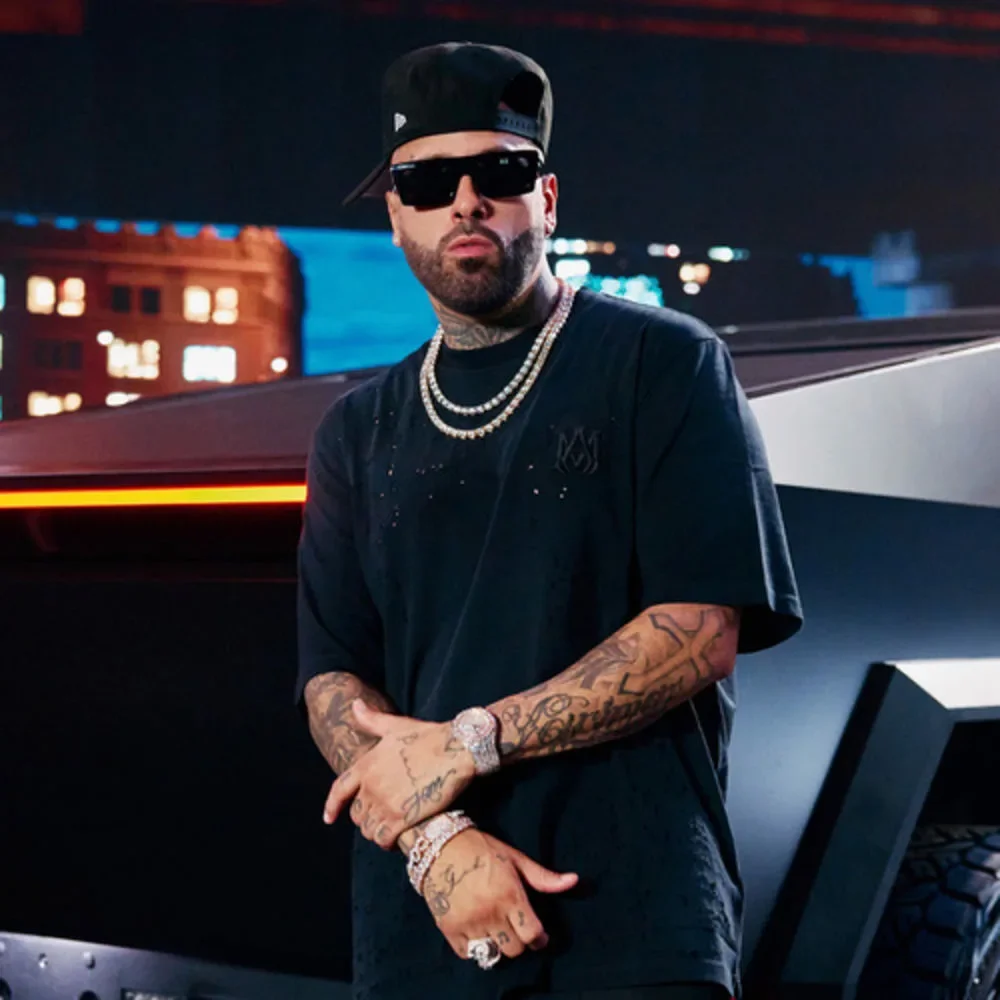
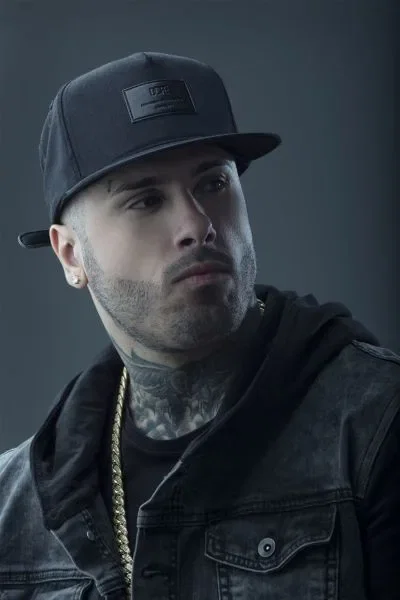
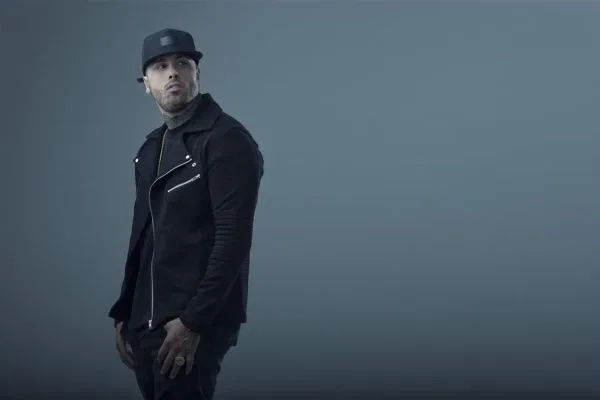
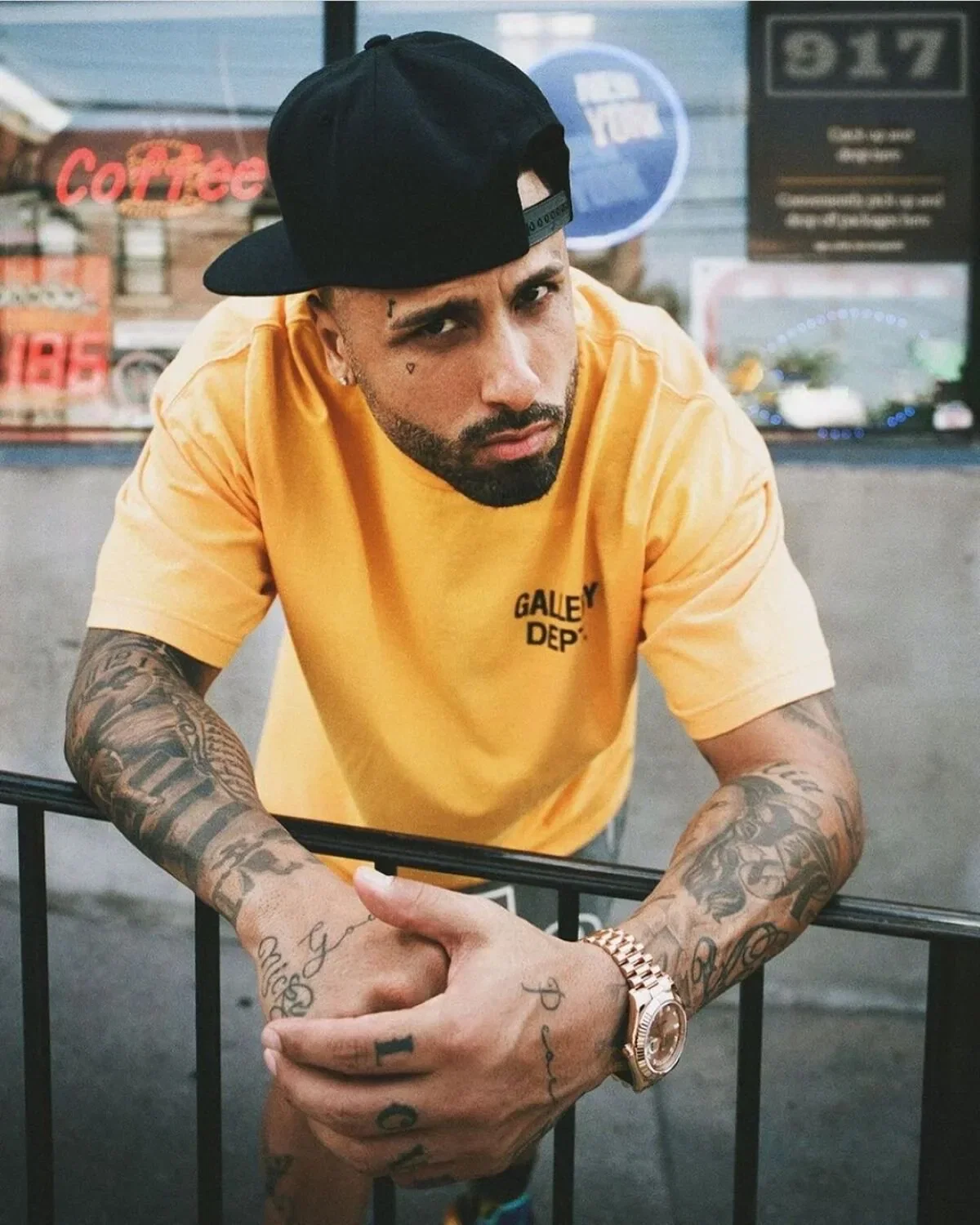
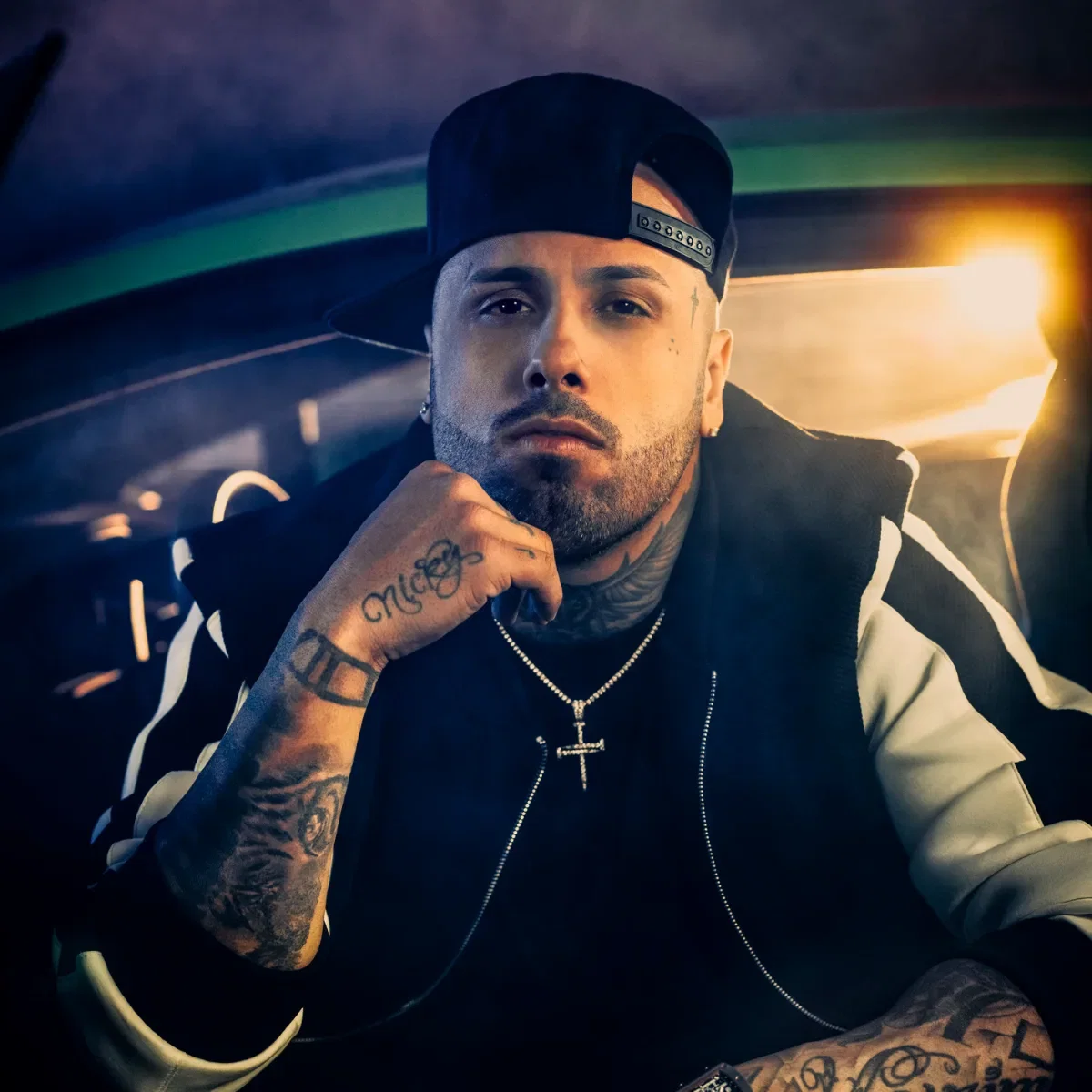
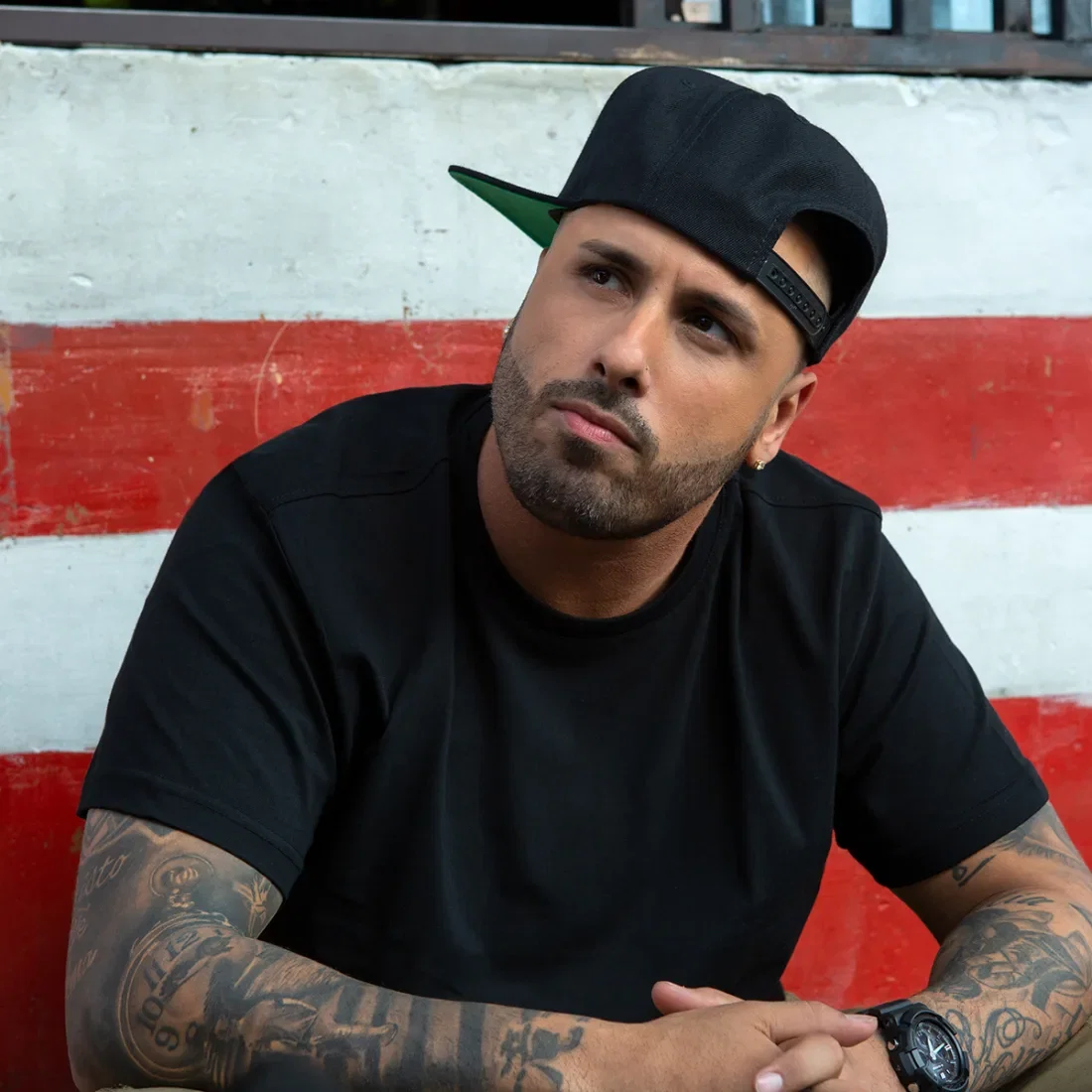
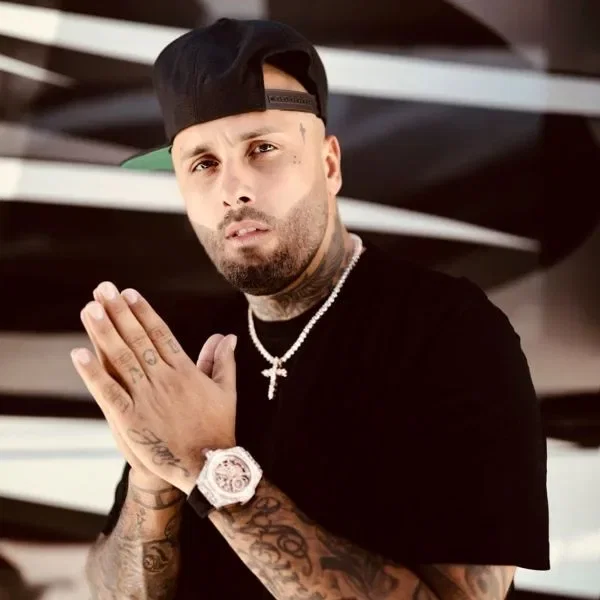
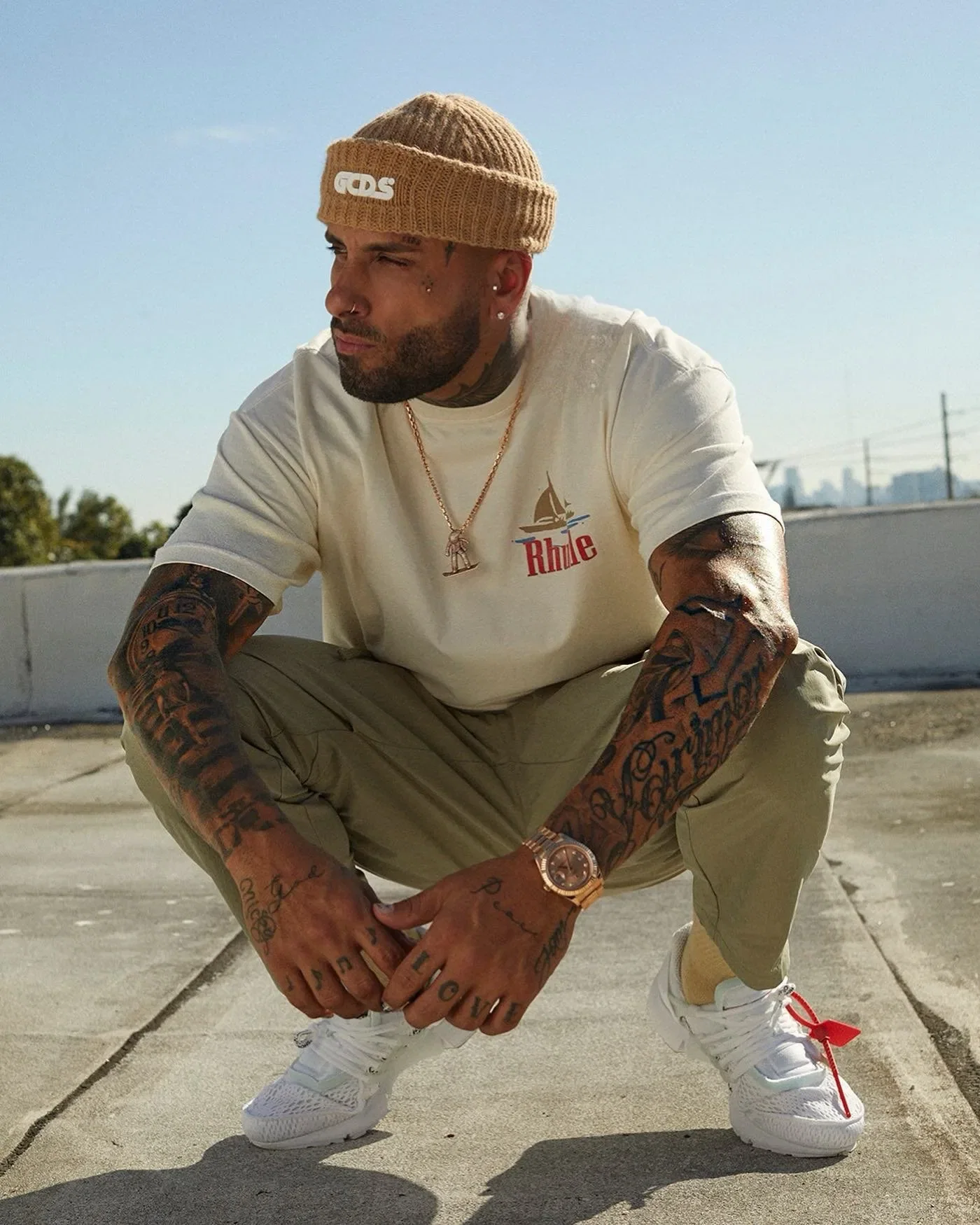
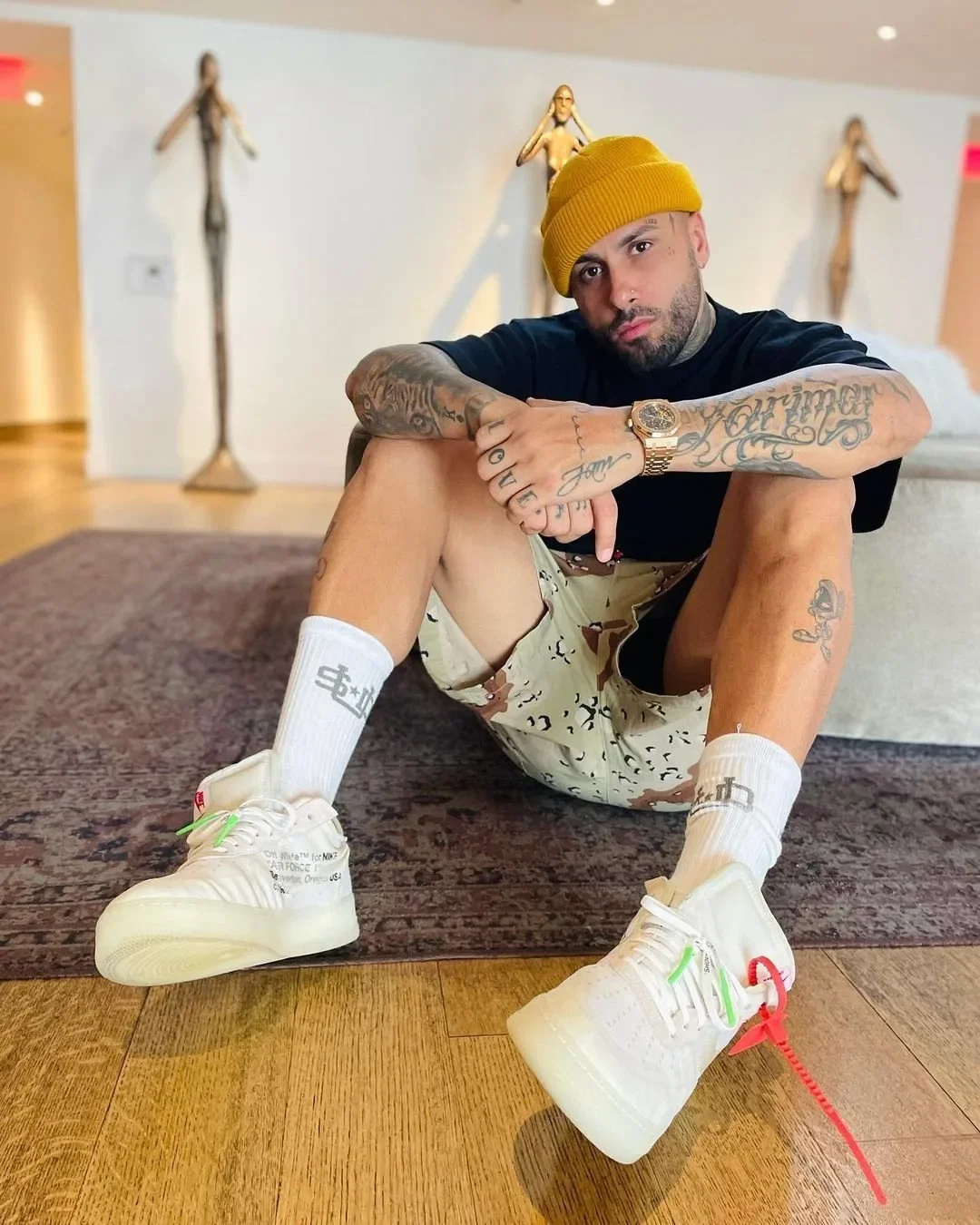
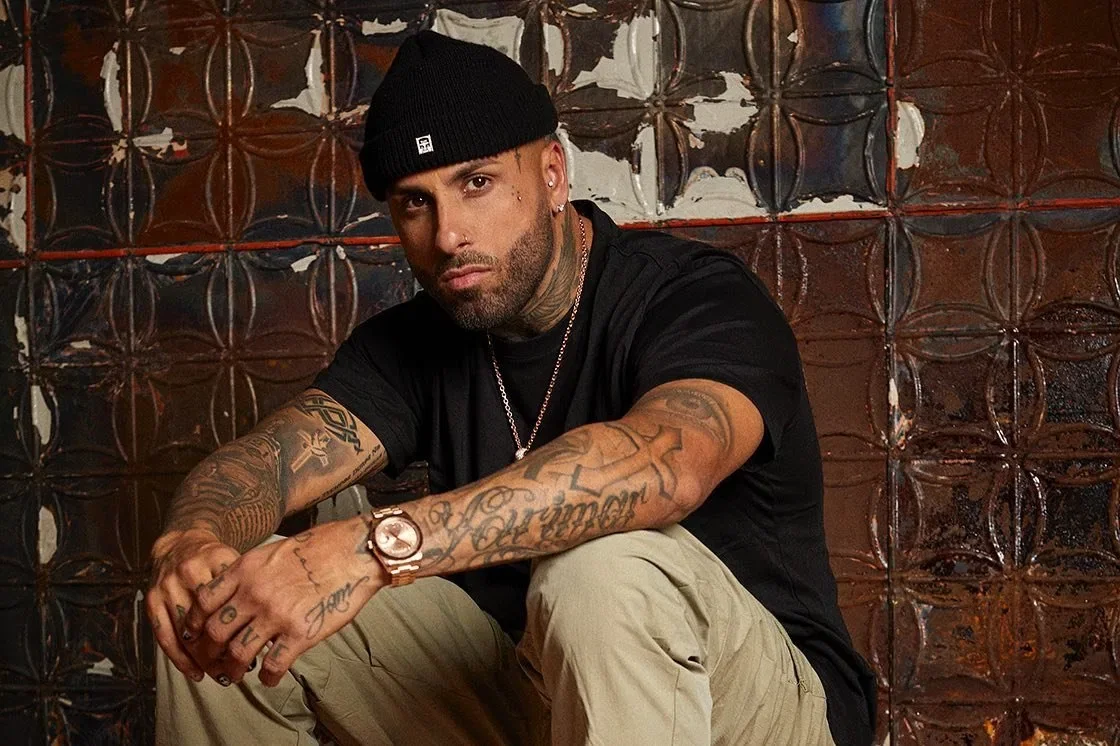
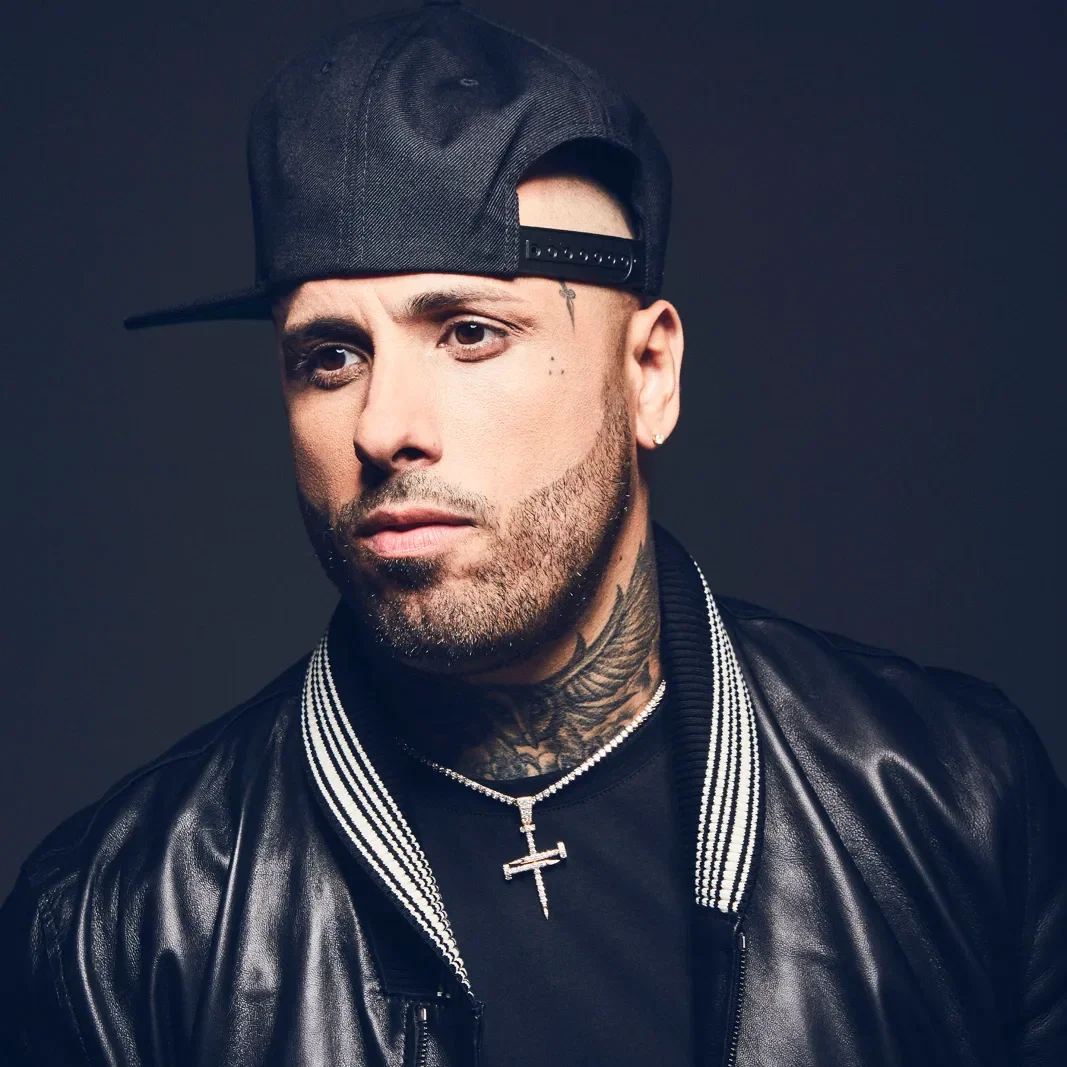
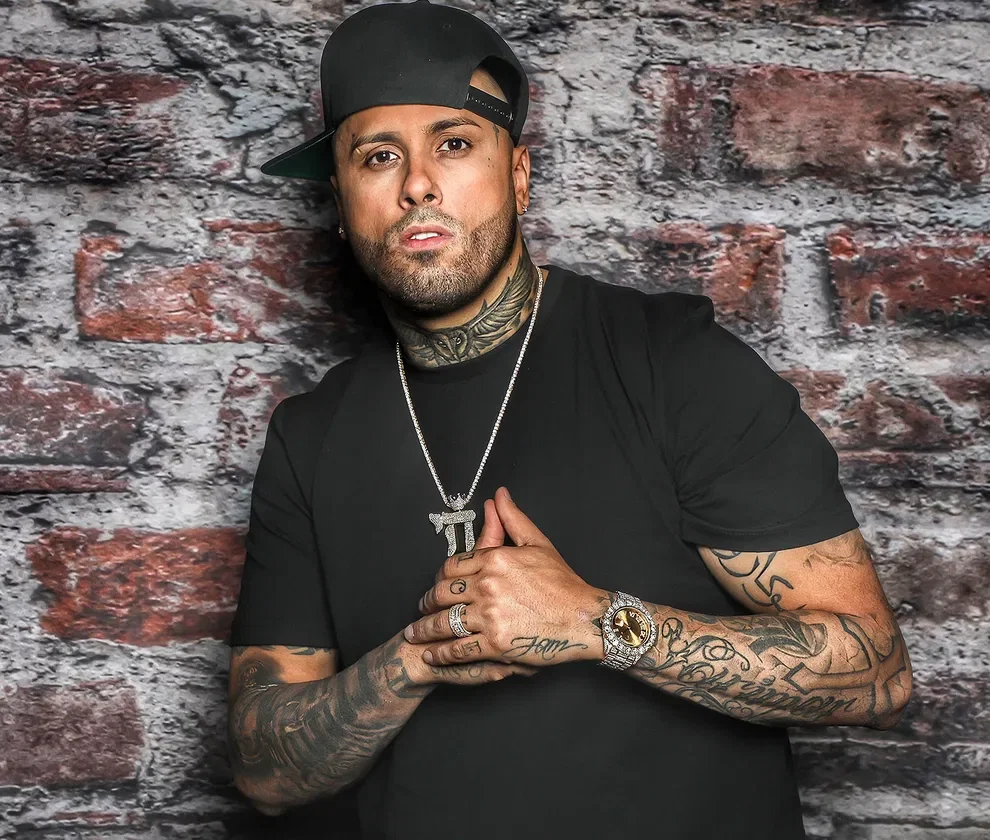
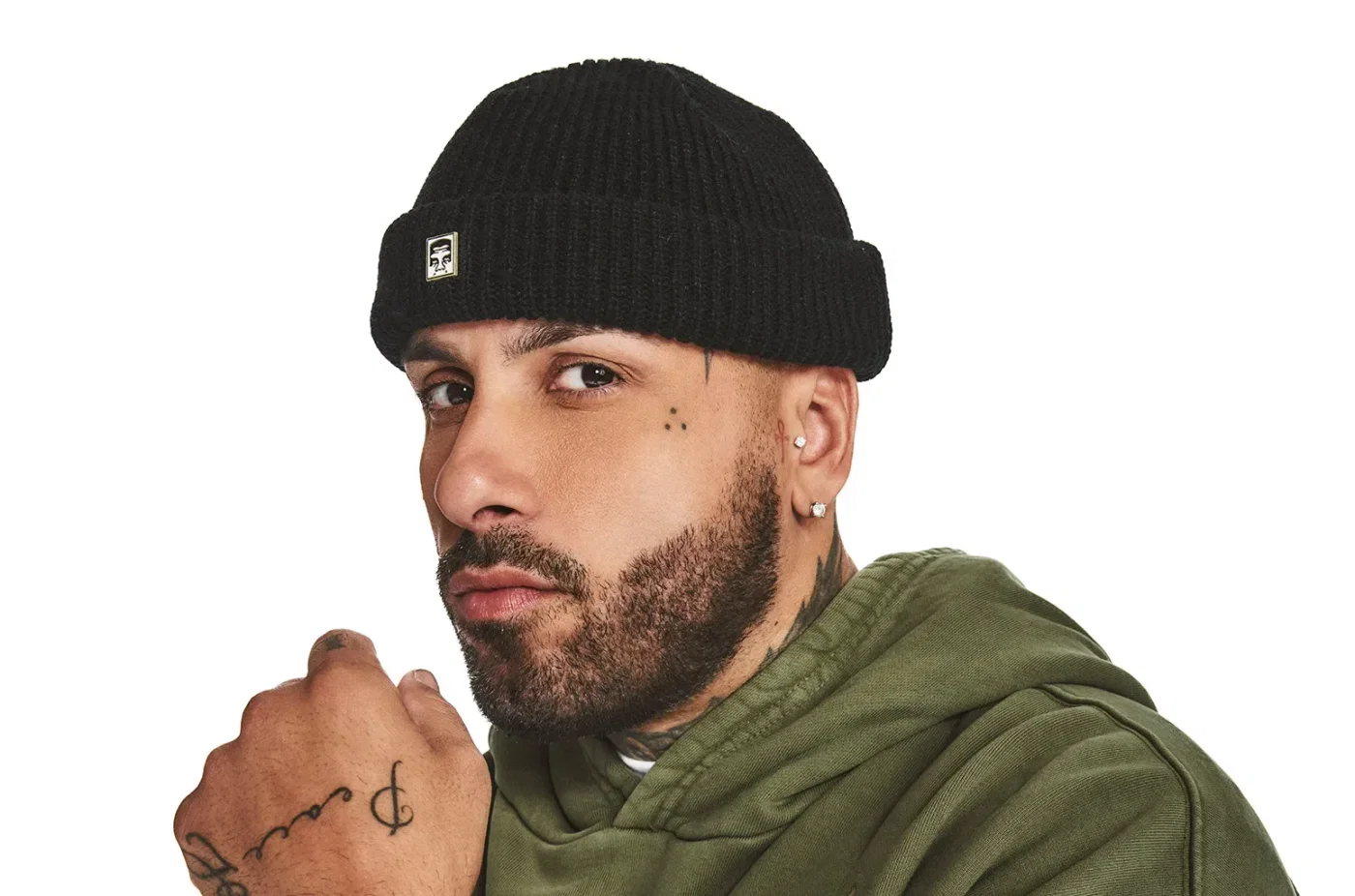
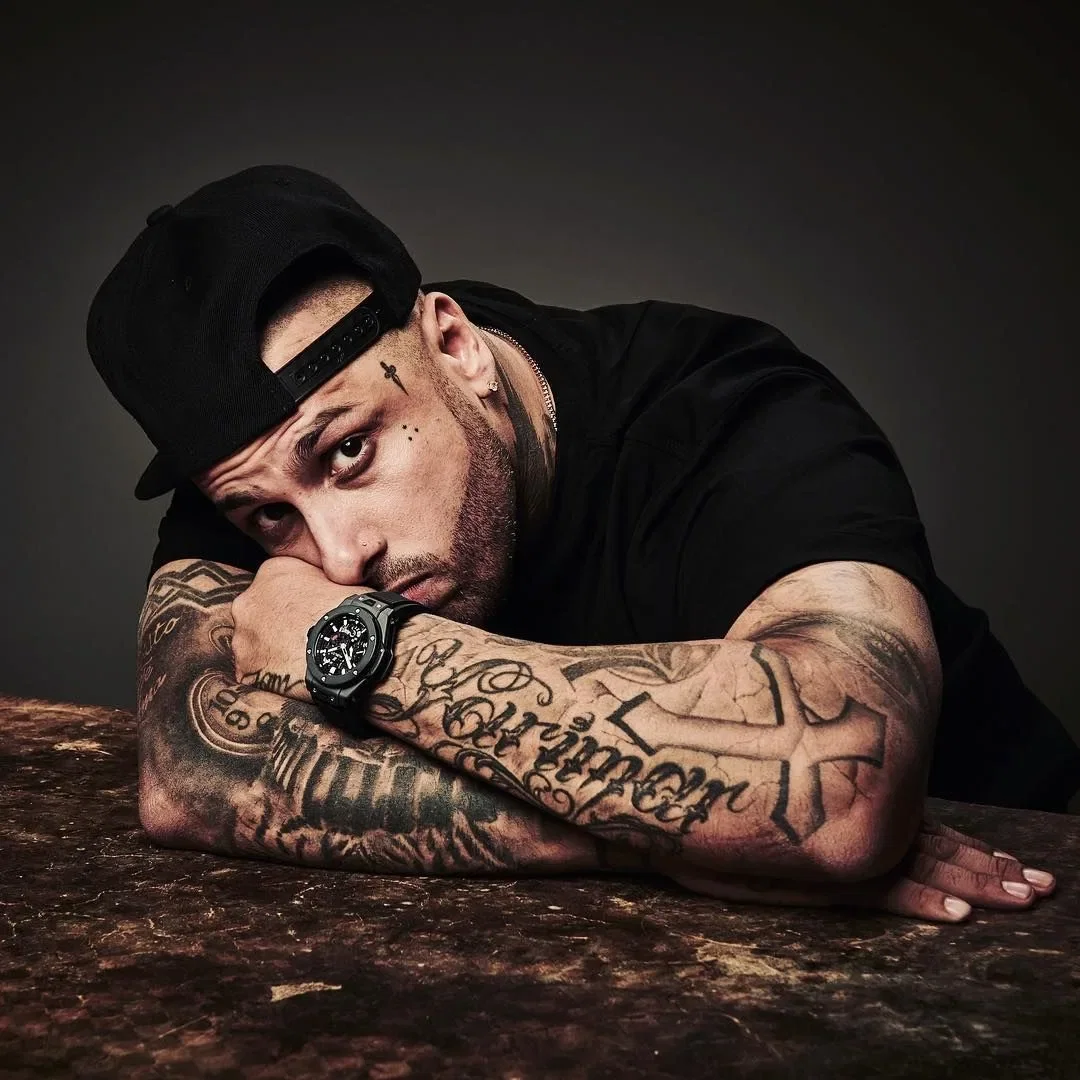
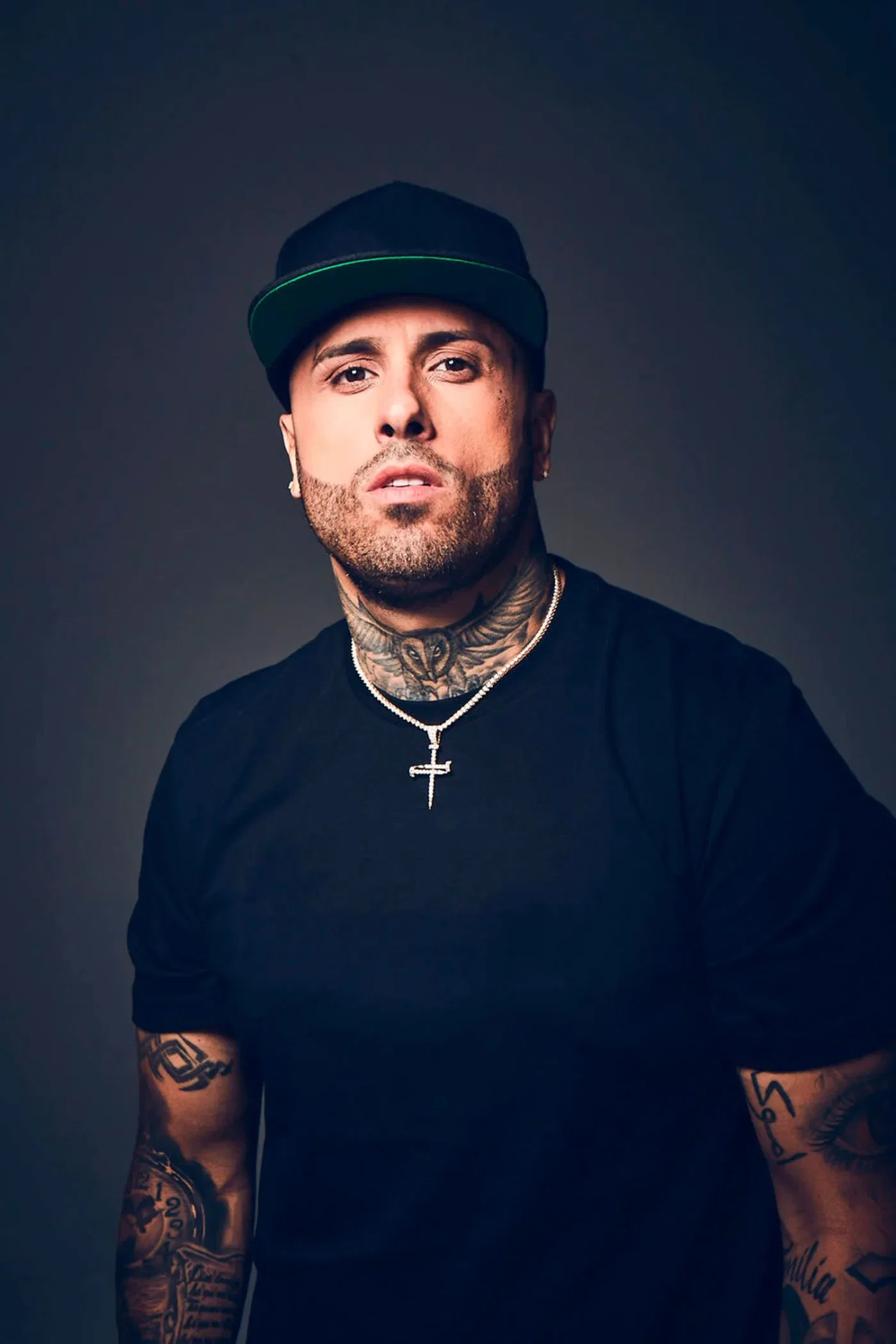
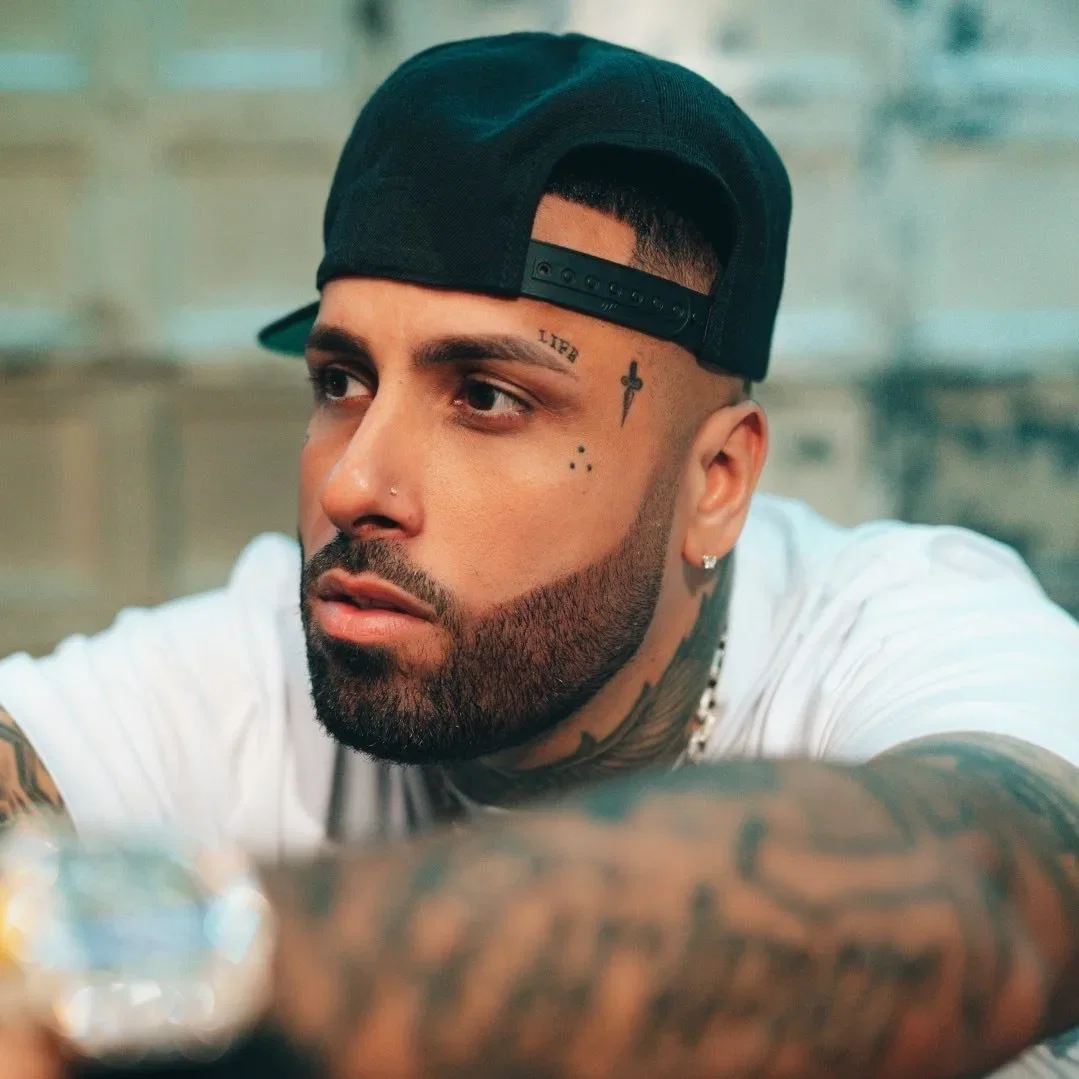
Nicky Jam is one of the most powerful stories of collapse and resurrection in Latin urban music. His career cannot be understood as a straight line of success, but as a real roller coaster: child prodigy of early reggaetón, road partner of Daddy Yankee, promising figure who got lost in excess and personal problems, almost-forgotten artist, emotional migrant in Medellín and, finally, protagonist of one of the genre’s most memorable comebacks. In a music culture that often rewards novelty and forgets quickly, Nicky Jam returned when many had already written him off. And he did not come back the same: he returned with another voice, another body, another way of singing and a more honest relationship with his own story.
Born in Lawrence, Massachusetts, into a family with Dominican and Puerto Rican roots, Nicky Jam lived early on between identities, languages and overlapping senses of belonging. As a child, he moved to Puerto Rico, where Spanish, the street, Caribbean hip-hop and emerging reggaetón became his school. That transition was not decorative; it shaped the way he sings. Nicky was not simply born inside reggaetón. He had to learn how to inhabit it, how to use it as his own language, how to turn the mixture of the United States, Puerto Rico and neighborhood life into a recognizable voice. Before he became a star, he was a kid trying to find a place.
His first phase was early and raw. With *...Distinto a los demás*, recorded when he was barely a teenager, he began appearing in a circuit where reggaetón was not yet a global industry, but an underground movement of mixtapes, small marquees, cassettes, parties, rough voices and street codes. Nicky Jam had a high, almost childlike voice that made him different inside a genre dominated by tough energy and street cadence. That difference opened doors. His meeting with Daddy Yankee was decisive: together, as Los Cangris, they formed a duo that is now read as an essential part of early reggaetón history.
Los Cangris belong to an era when the genre was still defining its language: dembow, perreo, bragging, street life, humor, desire, fast rhythm and a feeling of youthful danger that had not yet been softened by global radio. Songs such as “En la cama,” “Guayando” and “Dónde están las gatas” built a memory of club and neighborhood that still carries weight in Latin urban culture. Nicky Jam was part of that foundational energy. He was not yet the romantic artist who would later sing “El Perdón”; he was a young artist with hunger, flow, mischief and a future that seemed wide open.
But his story also has a dark side. Early fame, addiction, personal conflicts and the split with Daddy Yankee marked a hard decline. Nicky Jam has spoken openly about that period: weight gain, a damaged voice, lost opportunities, disconnection from the industry and the feeling of being left behind while reggaetón kept moving forward. That part of his life matters because it does not work as morbid anecdote, but as emotional key. Nicky Jam did not return to success from comfort. He returned from failure, from shame, from the need to rebuild himself.
The move to Medellín was the turning point. Colombia did not only give him a new audience; it gave him a second life. In Medellín he found stages, discipline, affection, air, renewed hunger and an urban scene that understood his vulnerability. There he recovered his voice, lost weight, recorded again, trusted again and began to transform his style. The Nicky Jam of the rebirth no longer depended only on fast street bravado. He sang more. He leaned toward romantic melodies, clearer phrases, stories of desire, guilt, party and heartbreak. His voice, once high and street-sharp, became raspier, more melodic, more human.
“Voy a beber” and “Travesuras” marked the comeback. They were not songs by an artist trying to copy the new wave, but by someone who had learned how to use experience as an advantage. “Travesuras” had sensuality, mischief and a direct chorus, but also a different maturity: Nicky no longer sounded like the underground teenager, but like a survivor who knew exactly how to seduce an audience. Then came “El Perdón,” with Enrique Iglesias, and the story changed scale. The song crossed borders with enormous ease: melodic reggaetón, Latin pop, heartbreak, guilt and a chorus that worked in any emotional language.
“El Perdón” was more than a hit. It was a sign that reggaetón could enter global pop through melancholy, not only through perreo or party energy. Nicky Jam became an international figure, but his appeal was not only commercial success. The public connected with the comeback narrative: the artist who fell, left, half-healed, sang again and ended up conquering the world. That story turned songs such as “Hasta el amanecer,” “El amante,” “Si tú la ves,” “X” with J Balvin and “Te robaré” into part of a second artistic life.
*Fénix* was the perfect title for that era. It did not need much explanation: the symbol was right there. The bird rising from the ashes summed up both his biography and his sound. The album mixed reggaetón, Latin pop, strategic collaborations and a romantic sensitivity that ended up defining his strongest commercial period. Later, *Íntimo*, *Infinity*, *Insomnio* and his more recent projects have shown a Nicky Jam more aware of his legacy, more willing to look inward and more comfortable moving between reggaetón, Latin sounds, dancehall, urban pop and confessional songs.
He has also known how to turn his life into an audiovisual story. The series *Nicky Jam: El Ganador* helped fix his story for a generation that may have first known him through “El Perdón” rather than Los Cangris. By dramatizing his fall and return, Nicky understood that his career was not only music: it was a narrative of redemption. That word can sound big, but in his case it makes sense. Few urban artists have shown so clearly the personal consequences of early success and the cost of getting back up.
Nicky Jam matters because he represents two fundamental moments in reggaetón: the raw underground era and the global melodic era. He was witness, protagonist, victim and beneficiary of the genre’s transformation. His legacy lives in old-school anthems, in the romantic urban sound of his comeback and in a personal story that turned failure into fuel. At his best, Nicky Jam sounds like someone who has already been down, already lost too much, already asked for forgiveness and still found a way to sing as if the night owed him one more chance.
Main genre
REGGAETON
Main subgenres
Like a superfan's list — except verified, with sources and links.
20–Jul 23, 2023
Brive-la-Gaillarde, Corrèze · France
PastWhat we managed to link to the concert archive. If a date is missing, tell us — happens to us too.
Reading · United States
Tickets →Perreoland Featuring Nicky Jam
Providence · United States
Tickets →Perreoland with Nicky Jam
Every concert and festival of the year, traced on the globe. Hit play and follow the route stop by stop.
 Billboard LatinWonBillboard LatinNominatedBillboard LatinNominatedBillboard LatinNominated
 BillboardNominatedBillboard LatinWonBillboard LatinNominatedBillboard LatinWonBillboard LatinNominatedBillboard LatinNominatedBillboard LatinNominatedBillboard LatinWonBillboard LatinNominatedBillboard LatinWonBillboard LatinNominatedBillboard LatinNominatedBillboardWonBillboardNominated
Photos from the public archive.
Recent coverage linked to the artist.
Close by genre and social signal.
No related artists
When there is enough genre signal, they will appear here.