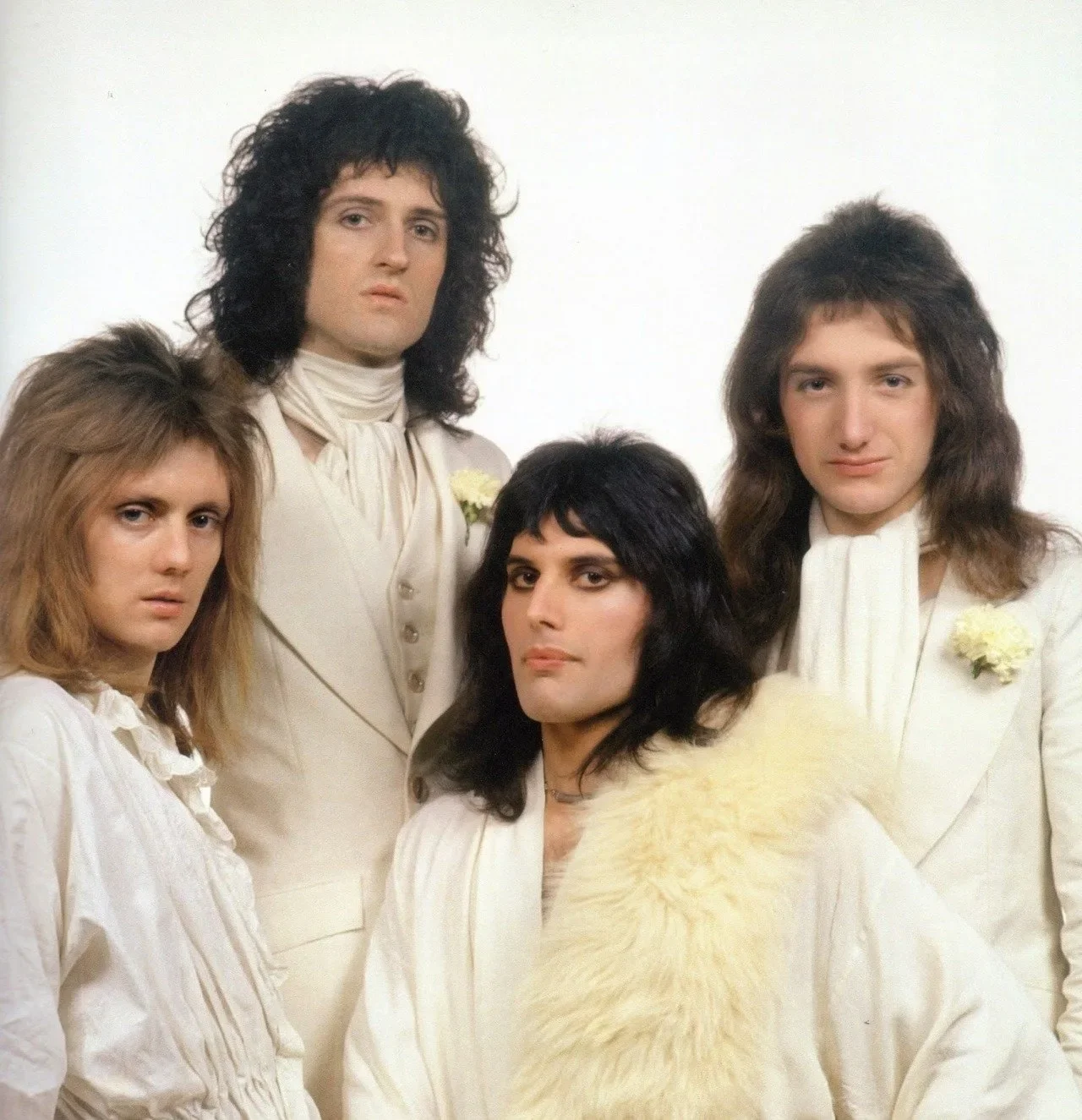
Ranking
#74

Ranking
#74
Followers
95.2 M
Digital presence
Official profiles, streaming and discovery.
What a good fan recites by heart (or pretends to).
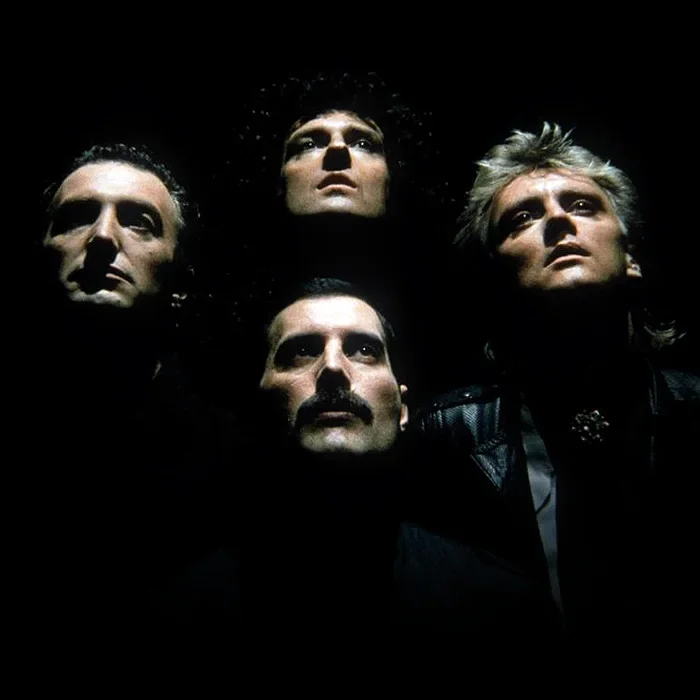
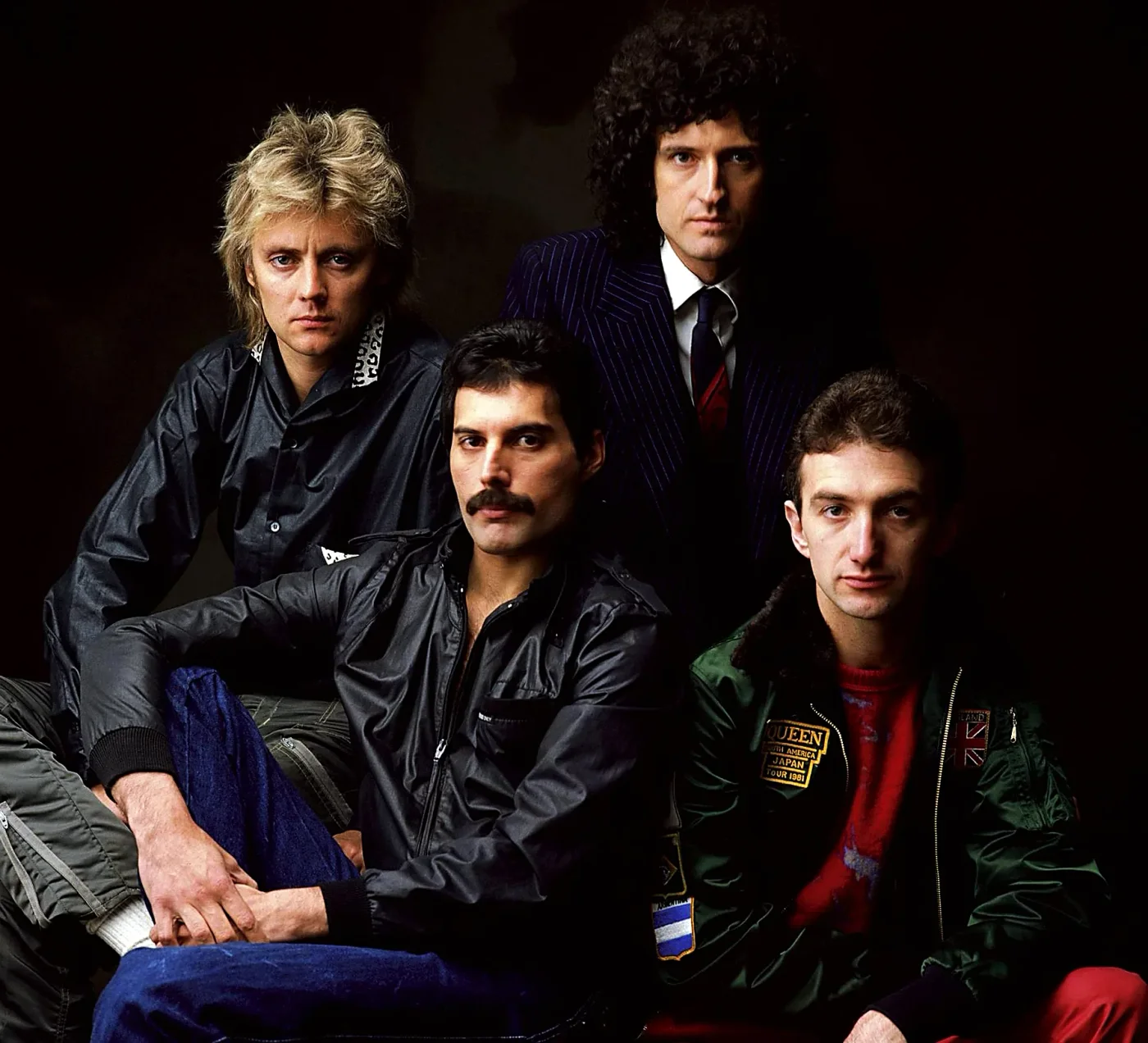
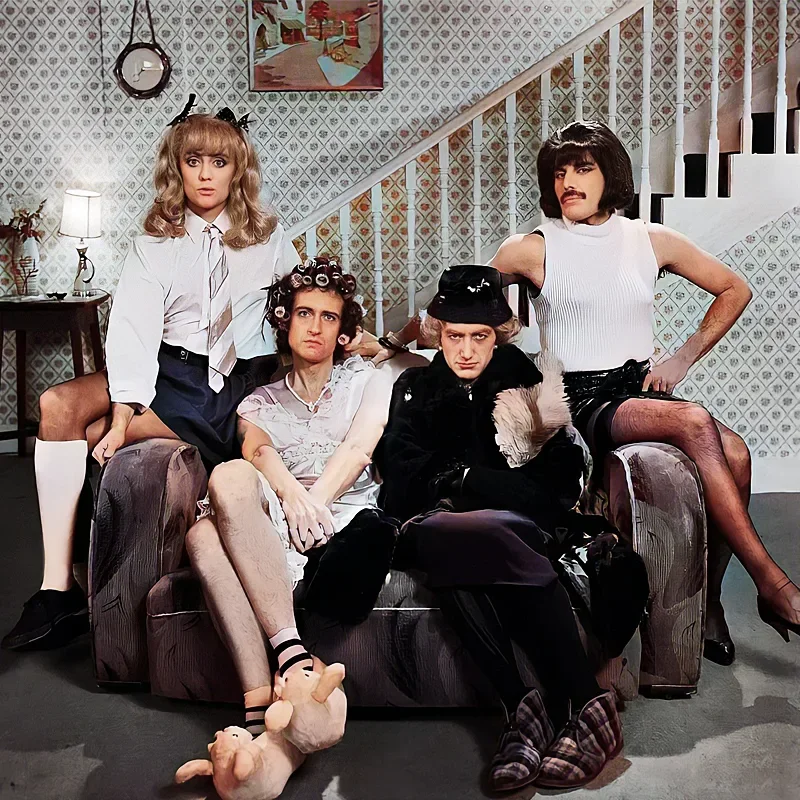
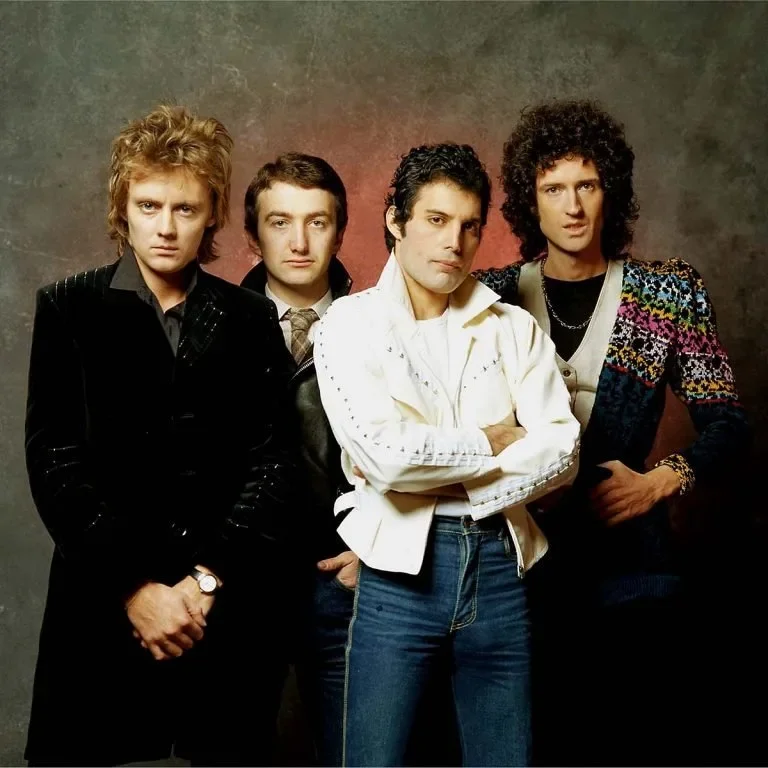
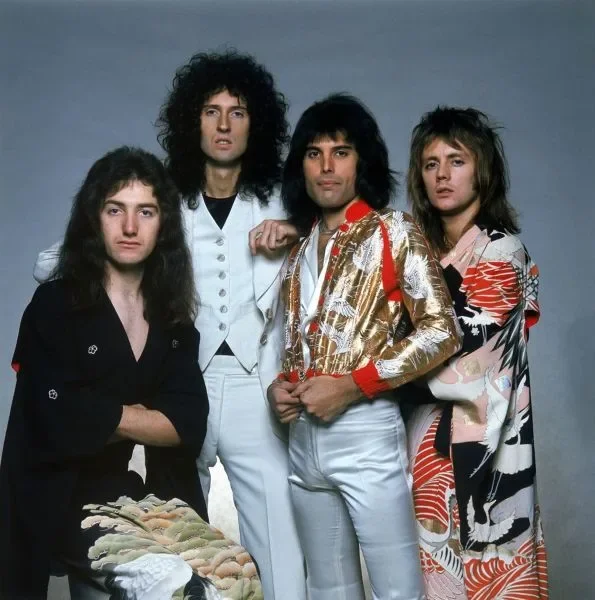
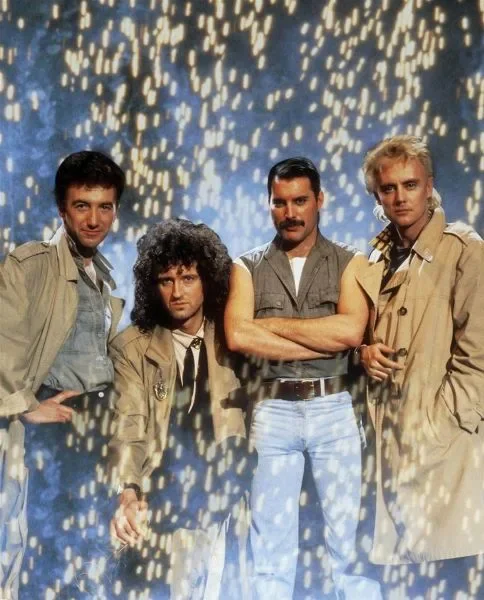
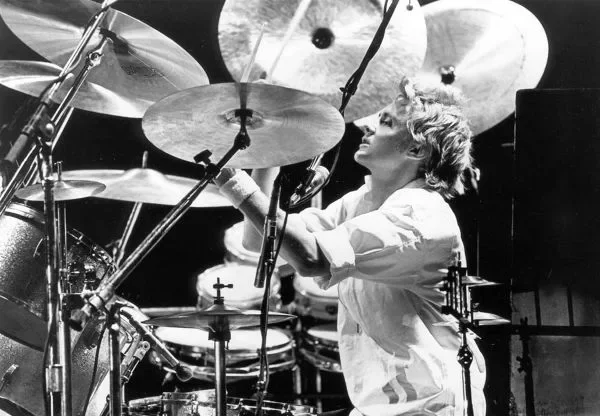
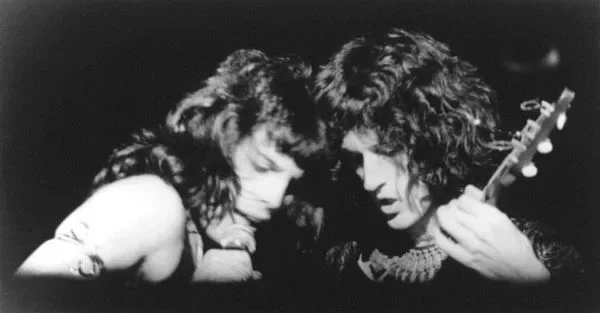
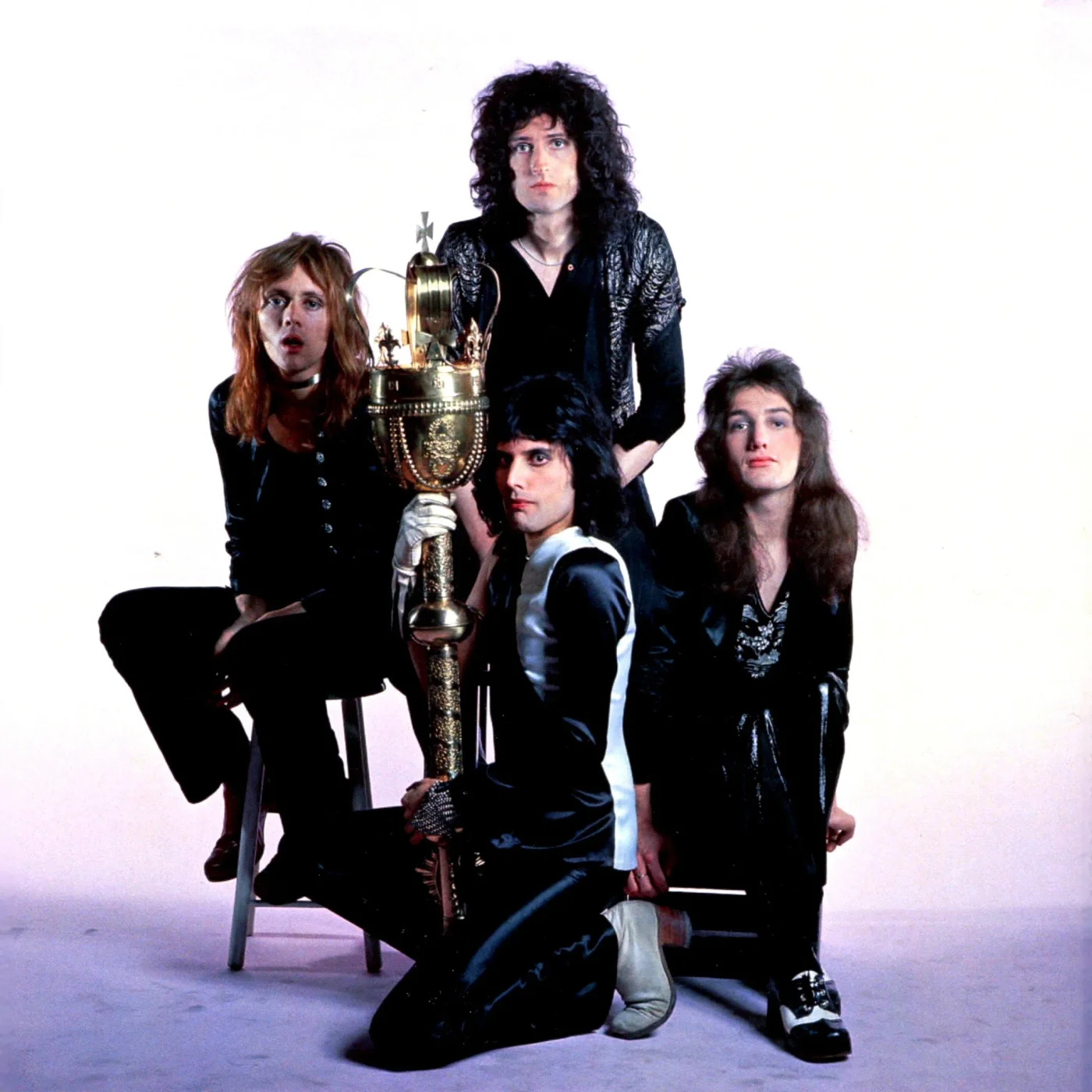
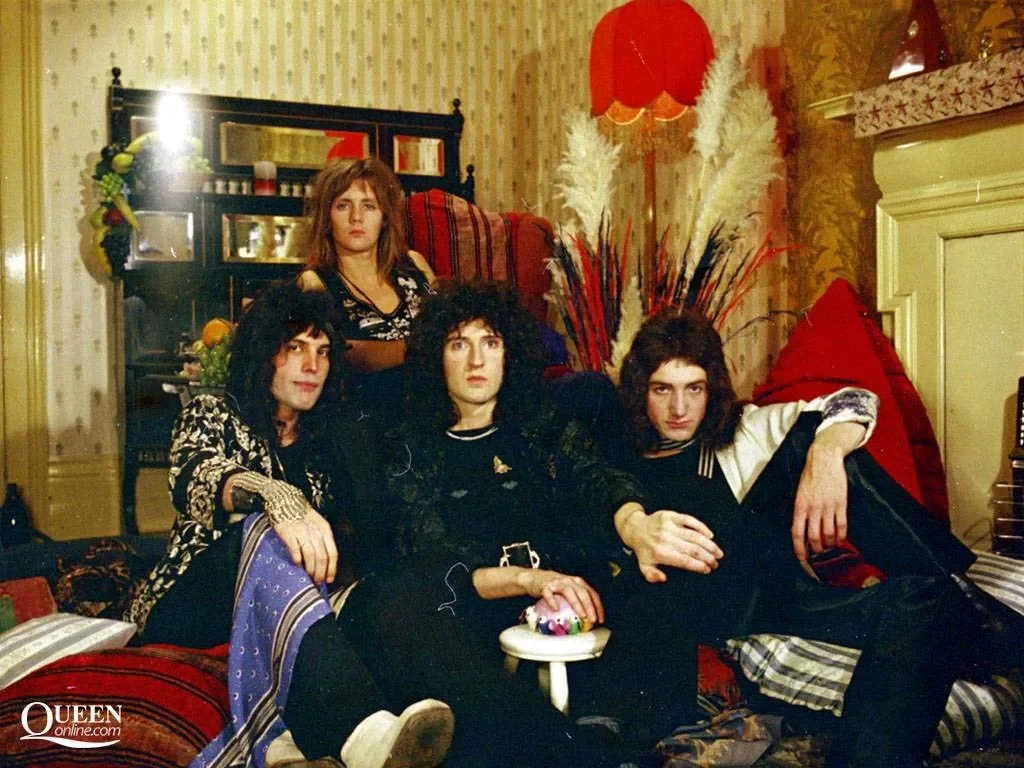
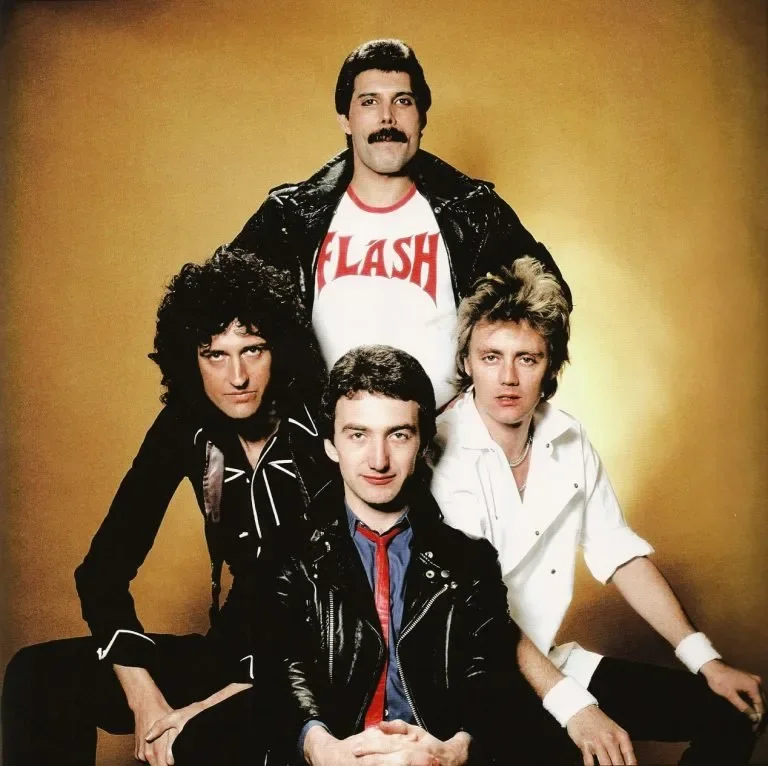
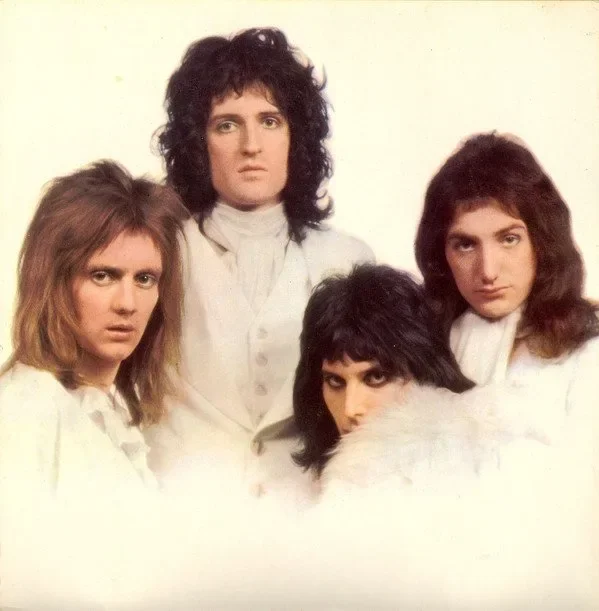
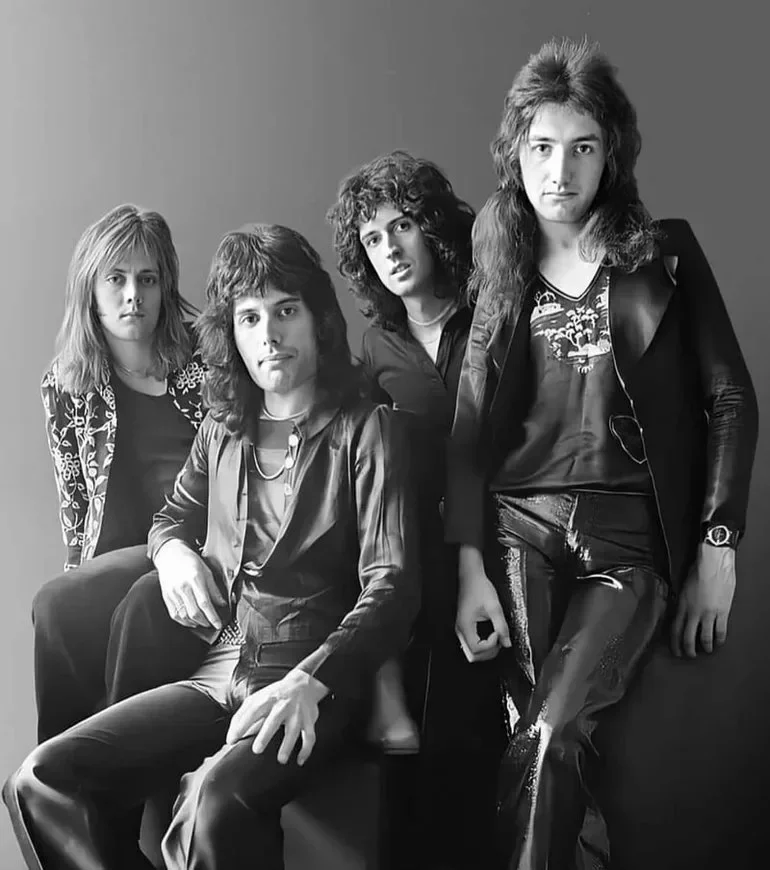
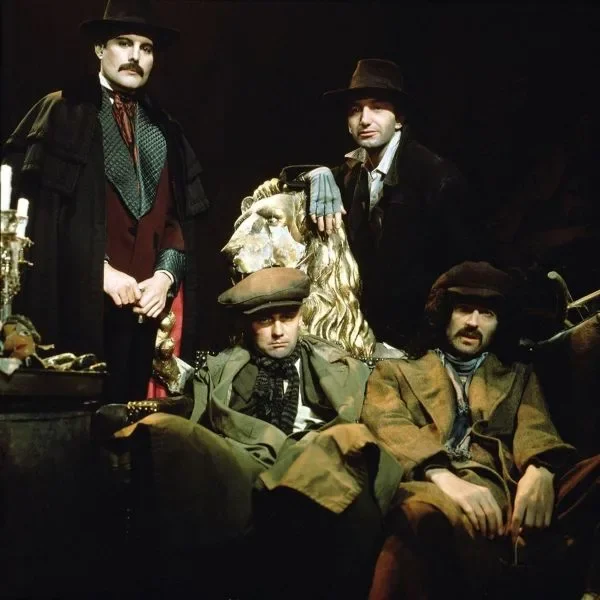
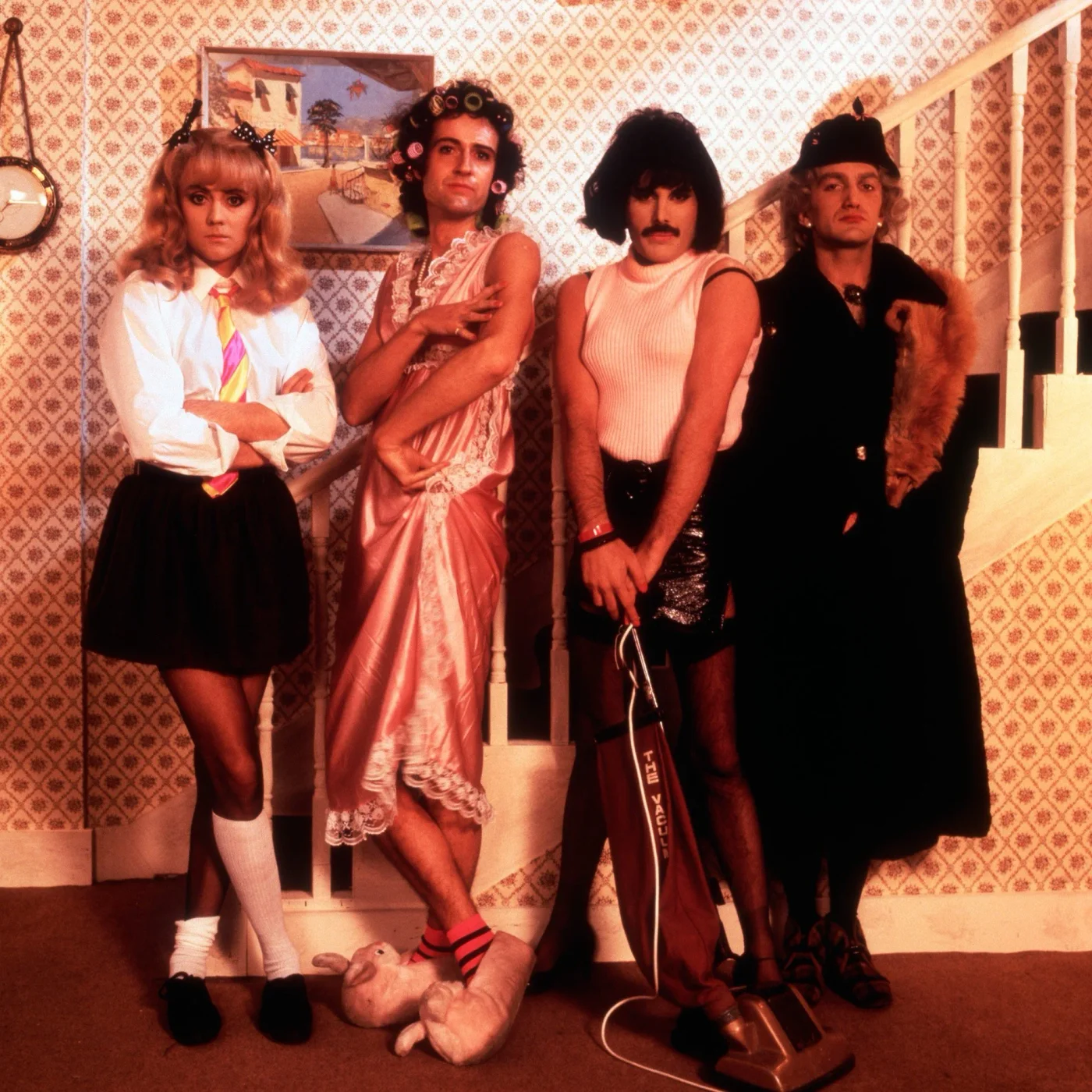
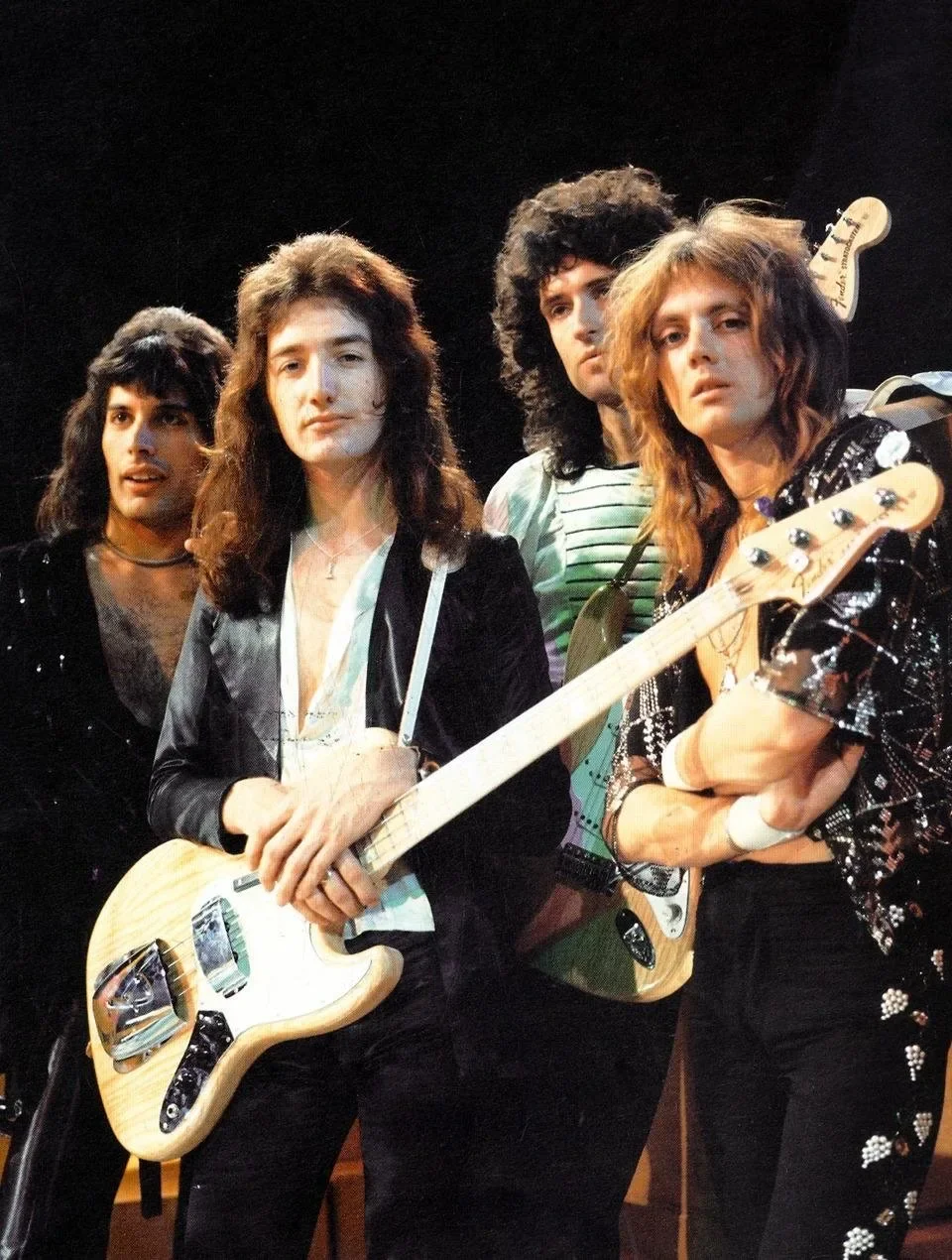
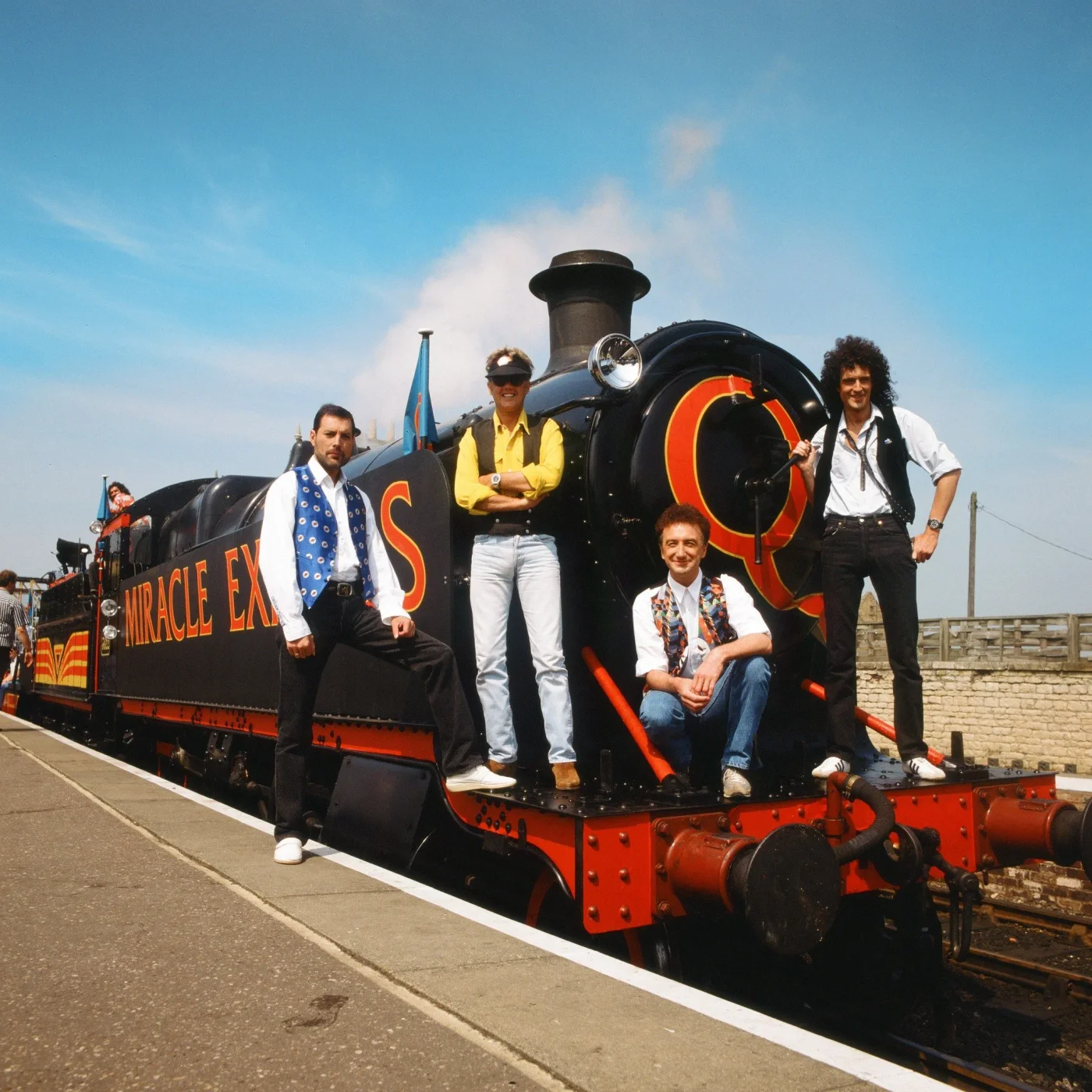
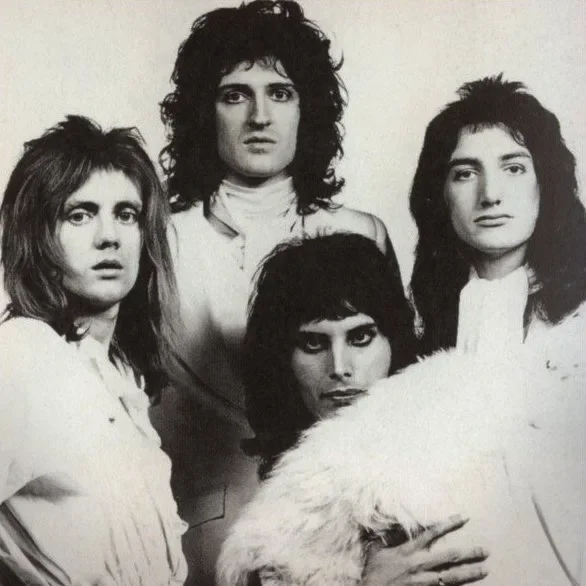
Queen does not sound like a band that tried to fit neatly into its era; it sounds like a band that expanded the era until opera, hard rock, theater, pop, music hall, stadium chants, and fearless excess could all live inside the same frame. Their music has something architectural about it, but also something wildly theatrical: guitars that behave like orchestras, harmonies stacked like stained glass, songs that change shape without apology, and a sense of spectacle that turned rock into a physical, visual, communal experience.
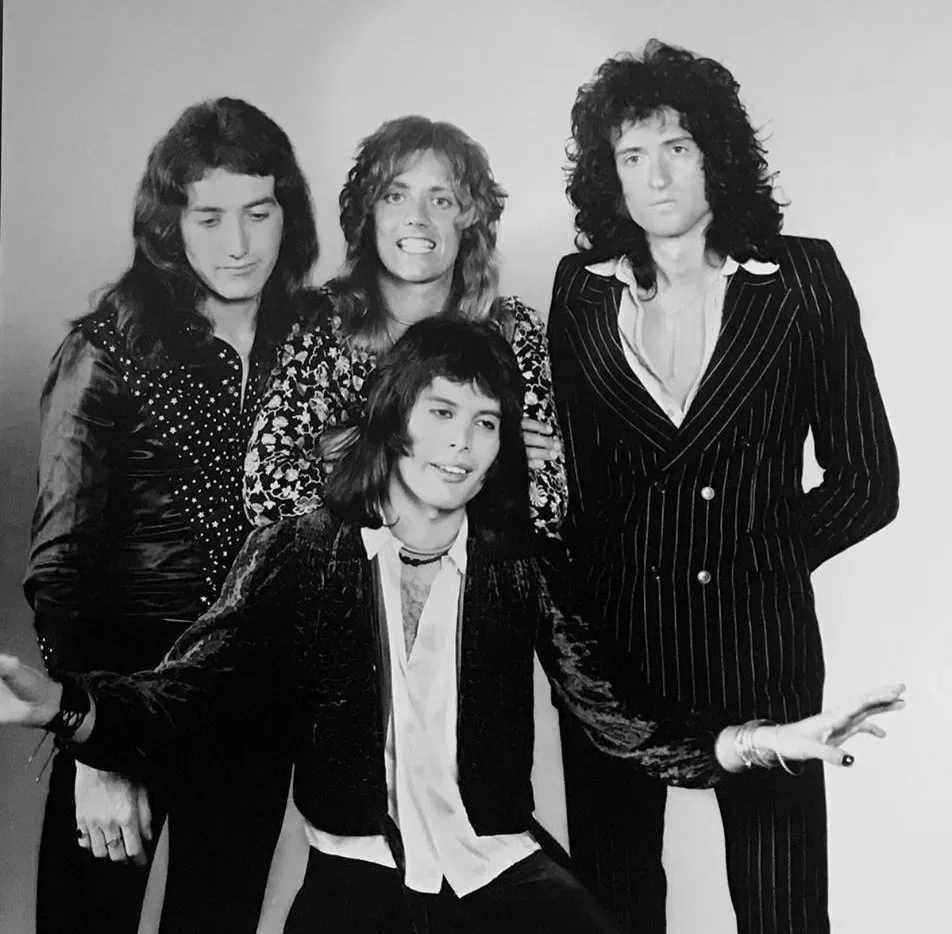
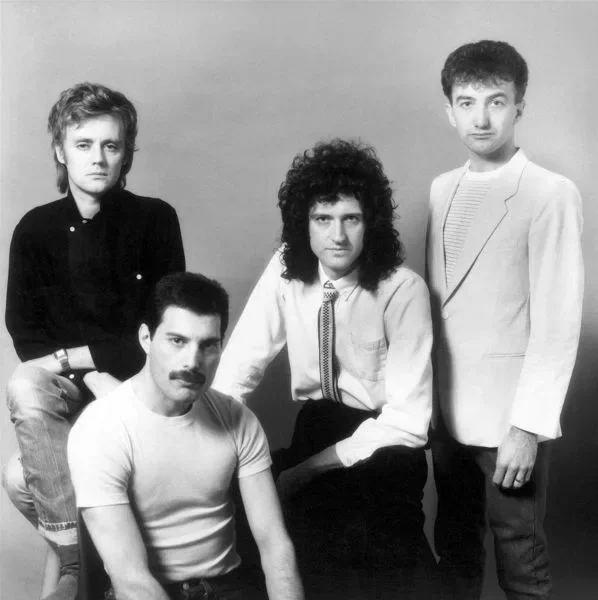
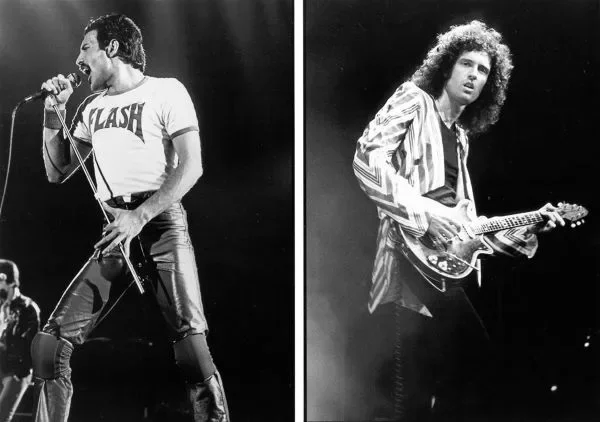
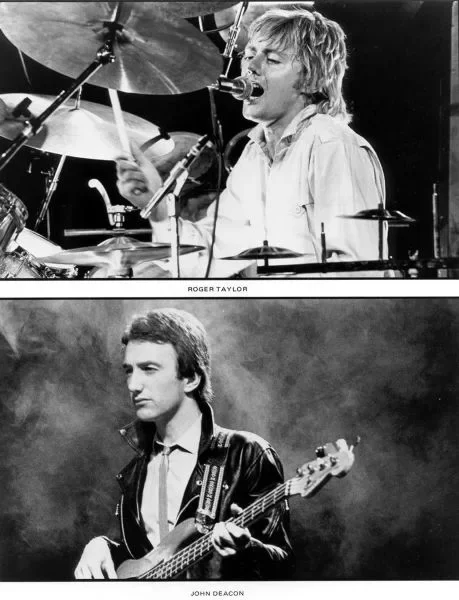
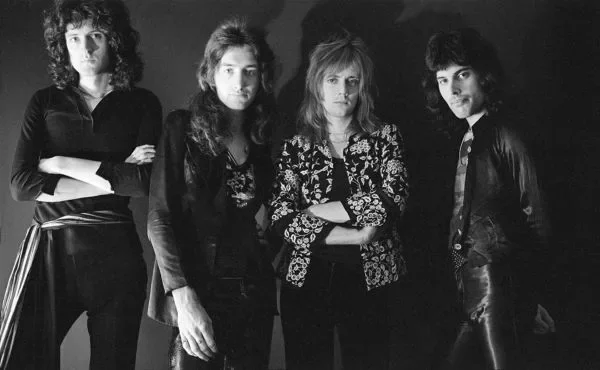
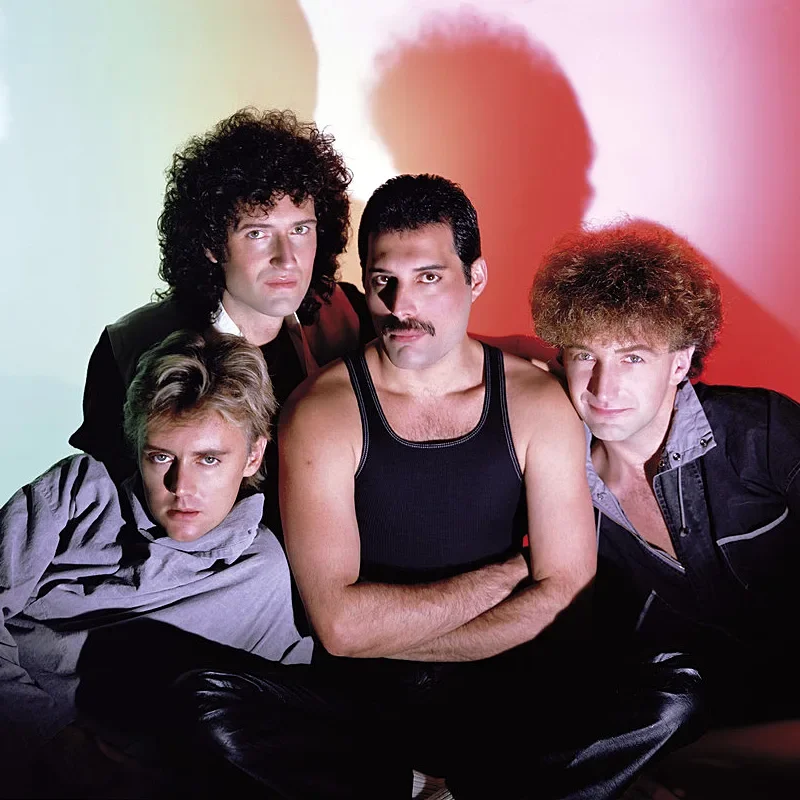
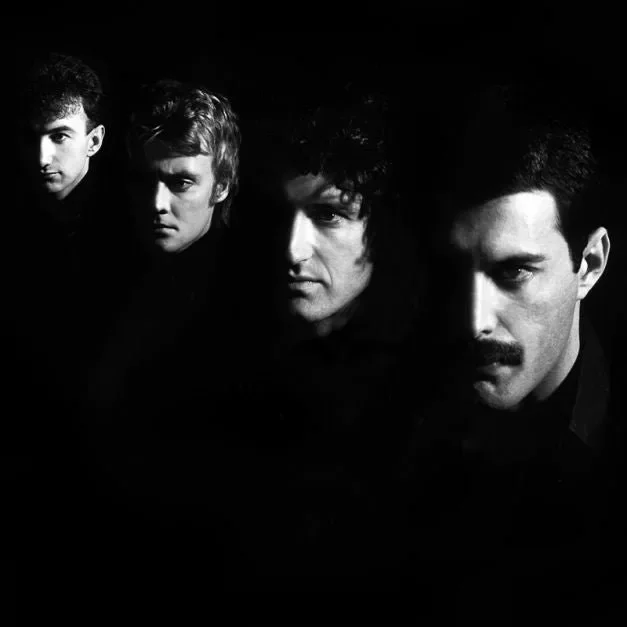
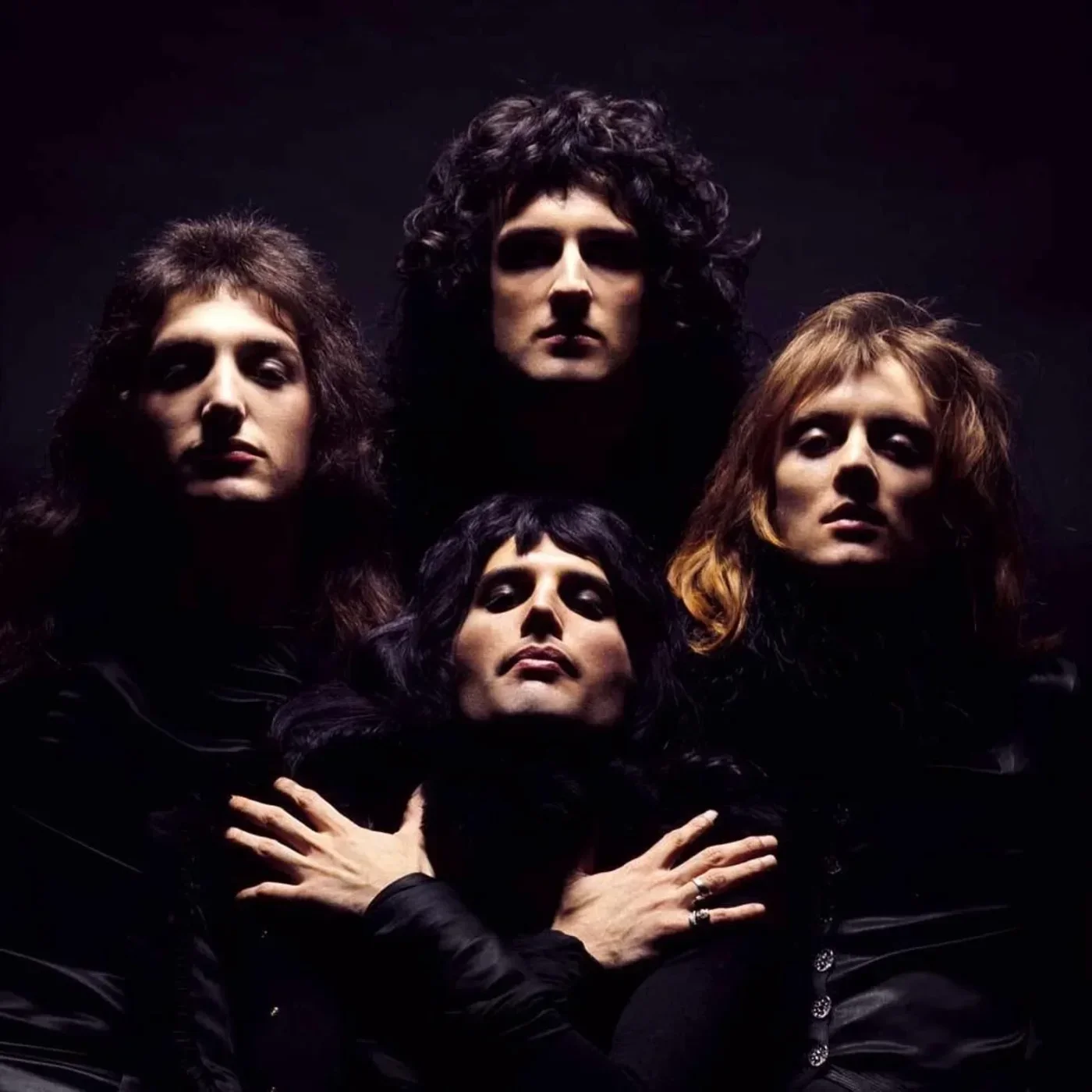
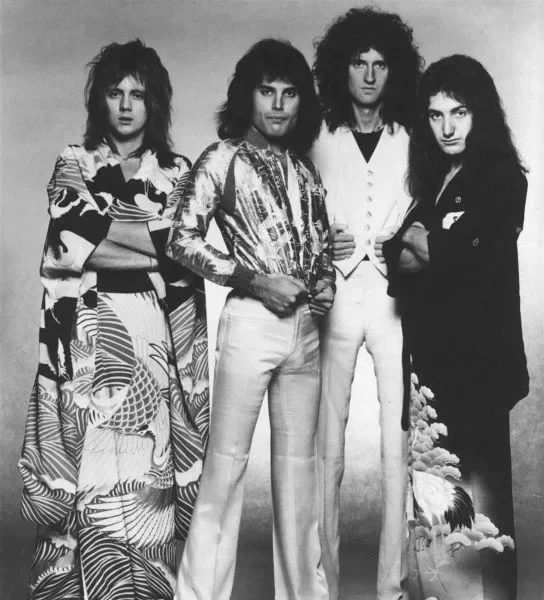
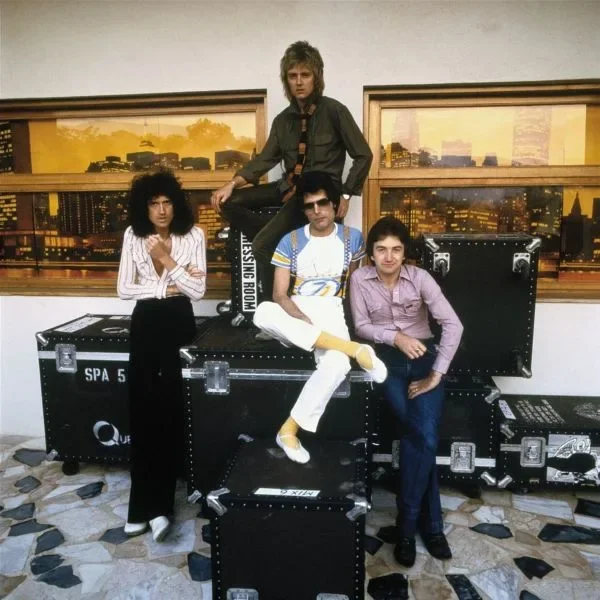
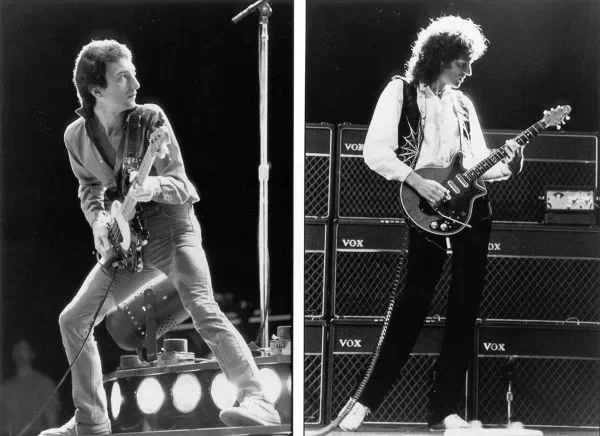
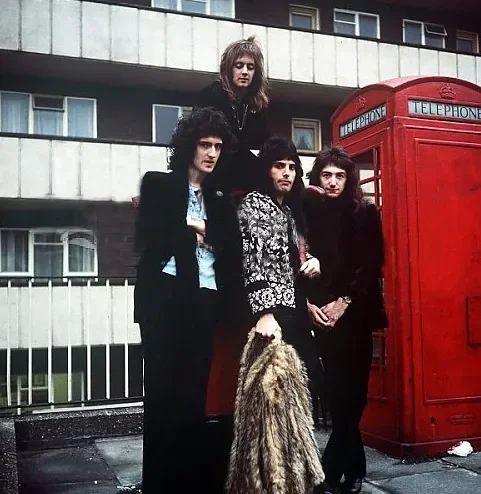
The story began in London, around the remains of Smile, the earlier group involving Brian May and Roger Taylor. When Freddie Mercury entered the picture, he brought more than a lead voice. He brought a full imagination: a name, a visual instinct, a dramatic sensibility, and a belief that the band could become something larger than a conventional rock act. With John Deacon joining on bass, Queen found its classic lineup: four musicians with sharply distinct personalities, but with a chemistry strong enough to turn differences into identity. May had a guitar tone recognizable almost instantly, Taylor brought power and a voice of his own, Deacon gave the music a quiet but crucial melodic foundation, and Mercury supplied the vocal and theatrical force that made the whole thing feel impossible to contain.
From the beginning, Queen treated rock as an open field rather than a fixed style. The debut album and Queen II were filled with fantasy, heavy riffs, progressive structures, and a dark, almost storybook sense of drama. Yet the band quickly learned how to sharpen that ambition. Sheer Heart Attack revealed a more compact and dazzling version of their language, one that could place sophistication inside songs built for immediate impact. “Killer Queen” showed their taste for detail, elegance, wit, and arrangement, pointing toward a kind of rock that could be playful and exacting at the same time.
The decisive leap came with A Night at the Opera and “Bohemian Rhapsody.” Few songs explain Queen better: ballad, opera, hard rock, confession, parody, and miniature tragedy contained in one piece. On paper, it could have looked ridiculous. In practice, it became one of the most recognizable moments in popular music. That triumph did more than prove the band could break rules; it proved they could make millions of people sing a song that barely followed any conventional pop rule at all. That is central to Queen’s magic: they made strange ideas feel emotionally obvious.
From that point, the group kept expanding without losing its nameplate identity. News of the World took their instinct for scale into the stadium with “We Will Rock You” and “We Are the Champions,” two songs that behave almost like public rituals. One is built on stomps, claps, and a chant that feels as if it already belongs to a crowd; the other turns victory into something vulnerable, grand, and theatrical. The Game opened another door with “Another One Bites the Dust,” using groove and funk influence to move Queen toward the dance floor without dissolving their personality. At every stage, the band seemed to ask how much more rock could absorb while still remaining unmistakably itself.
A major part of Queen’s strength came from the fact that all four members wrote. That gave the catalog unusual range: stadium anthems, love songs, operatic experiments, hard rock tracks, disco and funk flirtations, synth-pop textures, rockabilly turns, and sweeping ballads. Not everything sounded alike, but nearly everything sounded like Queen. The signature was not one single genre. It was intensity, contrast, theatrical nerve, melodic confidence, and a production style that treated the studio as another instrument.
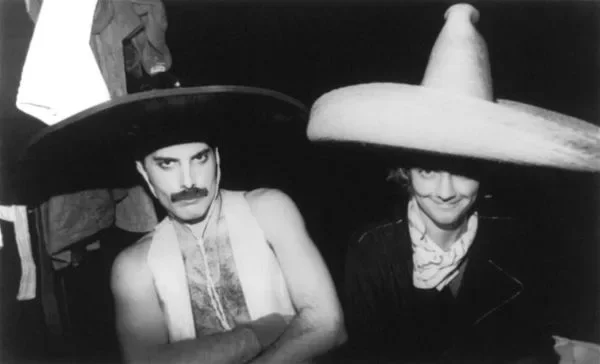
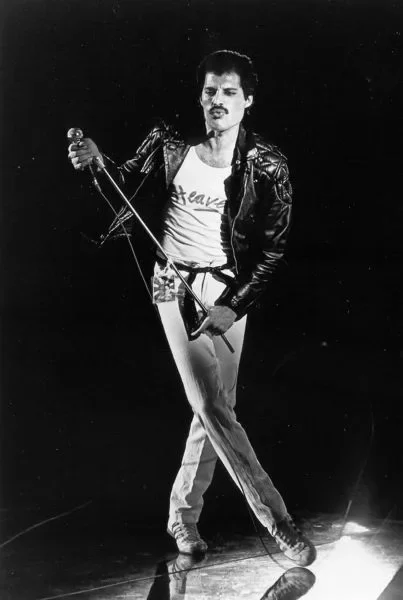
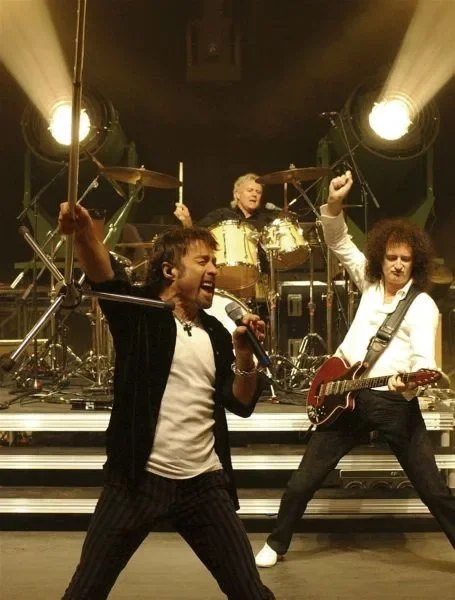
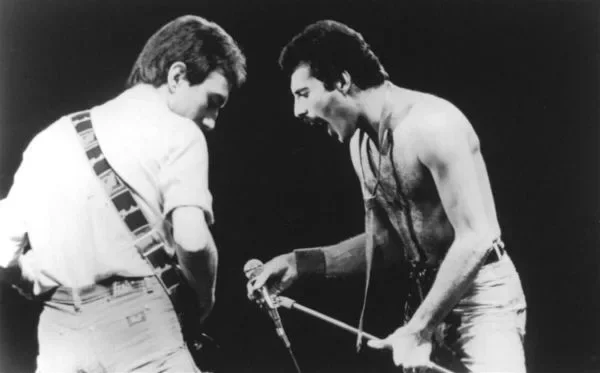
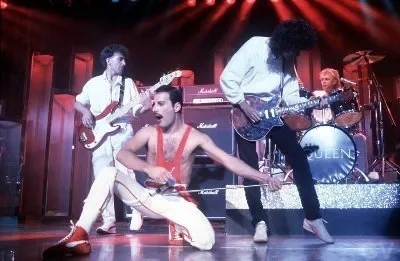
Onstage, Queen found its most complete dimension. Freddie Mercury did not perform like a singer simply delivering songs; he moved like someone capable of holding a crowd in the palm of his hand. His command of space, combined with the band’s precision, made Queen one of the defining names in stadium rock. Live Aid compressed that relationship with the audience into a performance that still stands as a model of control, charisma, and mass connection. In just a short set, Queen showed how a band could make an enormous stage feel intimate and overwhelming at once.
Mercury’s death closed an unrepeatable chapter, but it did not stop the phenomenon. The songs kept moving across generations, into films, musicals, sports arenas, celebrations, karaoke nights, family playlists, and private memories. Queen has that rare quality: the music can be highly sophisticated and still belong to everyone. Beneath the immediate choruses are layers of arrangement, irony, theatricality, and risk; beneath the grandeur is a direct emotional pull.
Queen’s legacy lies in understanding that rock could be intelligent without becoming cold, popular without becoming simple, and excessive without losing heart. At their best, they made grandeur feel like a natural emotional language. It was not only about playing loud or filling stadiums. It was about turning every song into a scene, every chorus into a crowd, and every risk into a possibility. Queen was not merely a rock band; it was proof of how large a song can become when nobody decides in advance where its ceiling should be.
Main genre
ROCK
Main subgenres
Like a superfan's list — except verified, with sources and links.
18–Sep 27, 2015
Rio de Janeiro, Rio de Janeiro · Brazil
Past11–Jan 20, 1985
Rio de Janeiro, Rio de Janeiro · Brazil
PastWhat we managed to link to the concert archive. If a date is missing, tell us — happens to us too.
Reno · United States
Tickets →Aventura · United States
Tickets →Absolute Hits Live featuring Bo Bice
Menlo Park · United States
Tickets →Killer Queen - A Tribute To Queen ft Patrick Myers as Freddie Mercury
Paso Robles · United States
Tickets →Killer Queen - A Tribute To Queen ft Patrick Myers as Freddie Mercury
Monterey · United States
Tickets →Riverside · United States
Tickets →Killer Queen - A Tribute to Queen
Killer Queen - A Tribute To Queen Ft. Patrick Myers As Freddie Mercury
Cerritos · United States
Tickets →Killer Queen - A Tribute To Queen Ft. Patrick Myers As Freddie Mercury
Killer Queen - A Tribute To Queen ft Patrick Myers as Freddie Mercury
Napa · United States
Tickets →Killer Queen - A Tribute To Queen ft Patrick Myers as Freddie Mercury
Killer Queen - A Tribute To Queen ft Patrick Myers as Freddie Mercury
Henderson · United States
Tickets →Killer Queen - A Tribute To Queen ft Patrick Myers as Freddie Mercury
Killer Queen - A Tribute To Queen ft Patrick Myers as Freddie Mercury
Houston · United States
Tickets →Killer Queen - A Tribute To Queen ft Patrick Myers as Freddie Mercury
Every concert and festival of the year, traced on the globe. Hit play and follow the route stop by stop.
Photos from the public archive.
Recent coverage linked to the artist.




Close by genre and social signal.
No related artists
When there is enough genre signal, they will appear here.