Ranking
#1,178

HIP HOP - SOUL
Ranking
#1,178
Followers
6.2 K
6 editions to explore · future, live and past
Numbers, home base and house quirks
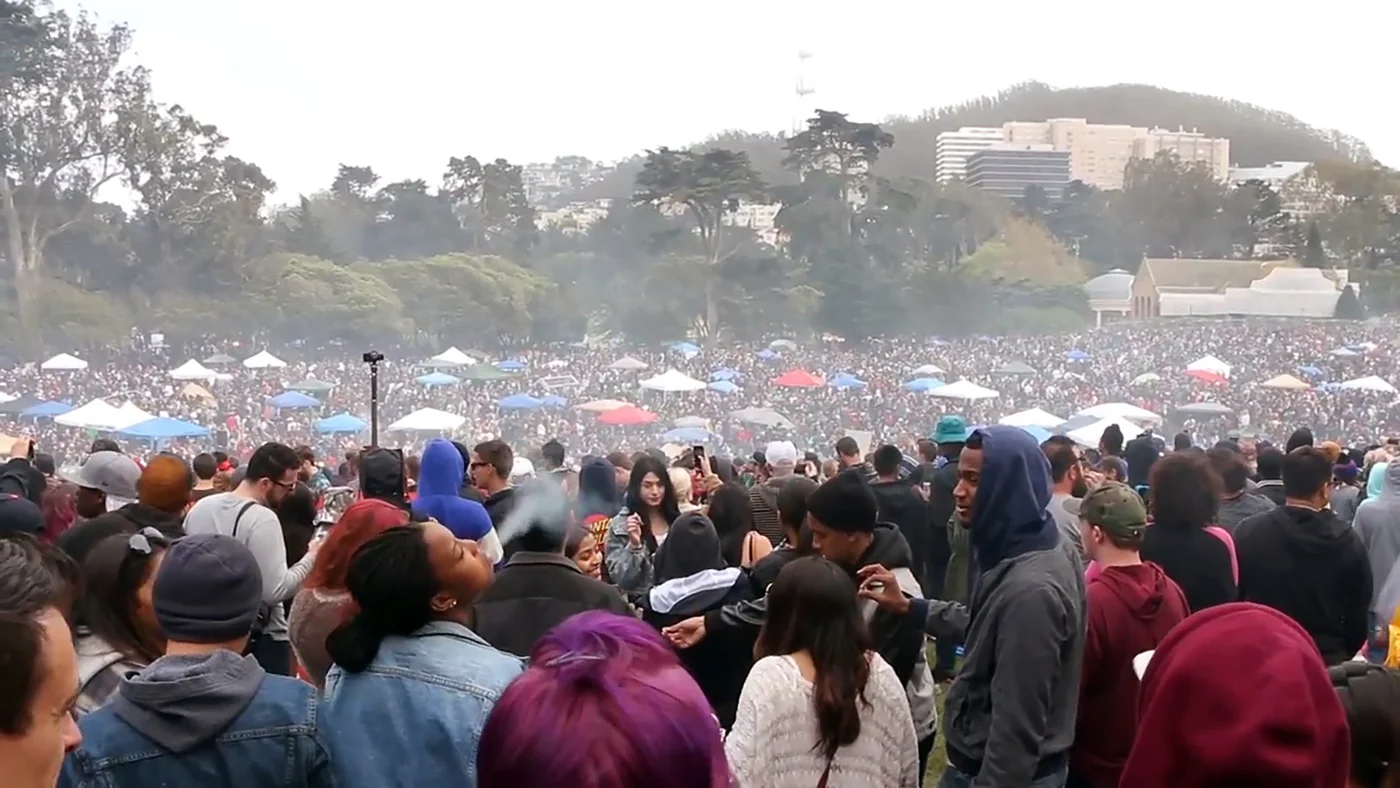
420 Hippie Hill is not a festival in the classic sense. It was not born from a lineup, a ticketing company, a beer sponsor and a stage map. It came from something messier and harder to contain: a date, a hill, a culture, a city and a plant turned into a political, social and generational symbol. Every April 20, Hippie Hill in Golden Gate Park became, for years, the place where San Francisco remembered — sometimes proudly, sometimes with a logistical headache — that its countercultural history does not live only in museums or Haight-Ashbury postcards. It also lives on the grass, in the smoke, in the drums, in the people who arrive without much ceremony and in that exact time, 4:20, that eventually gave its name to a global celebration.
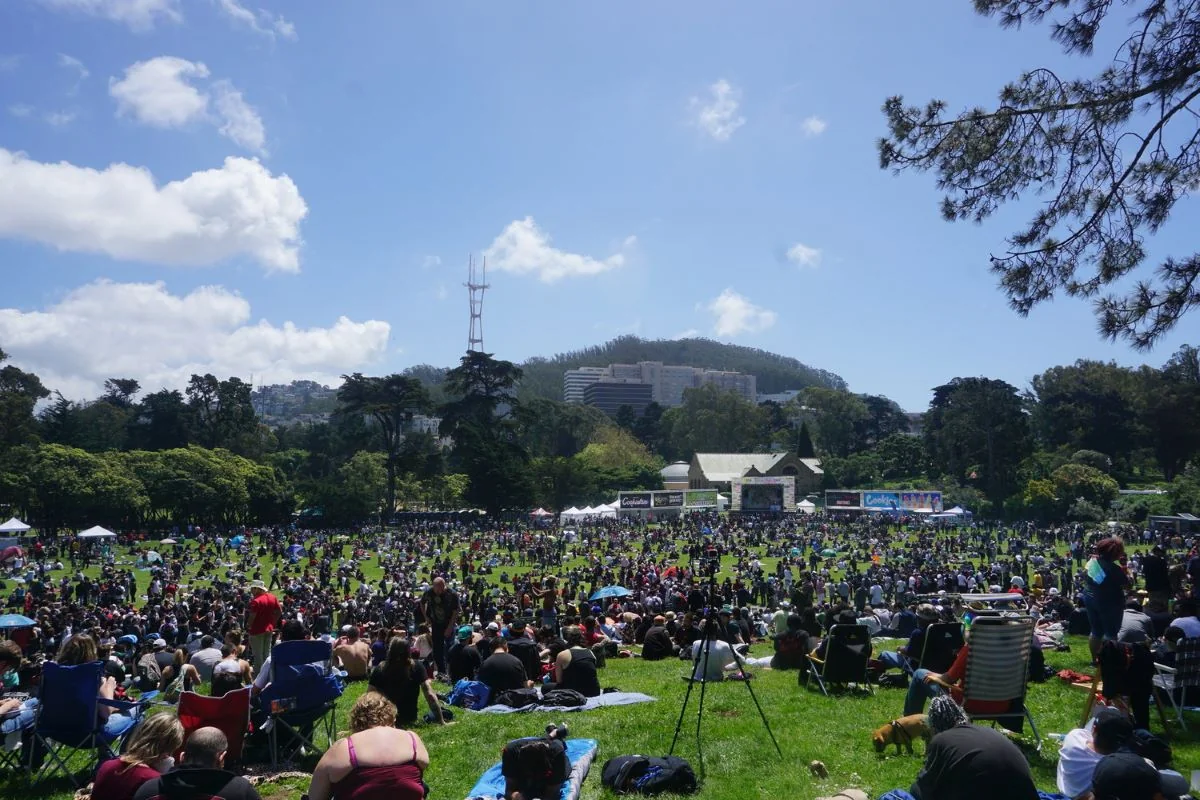
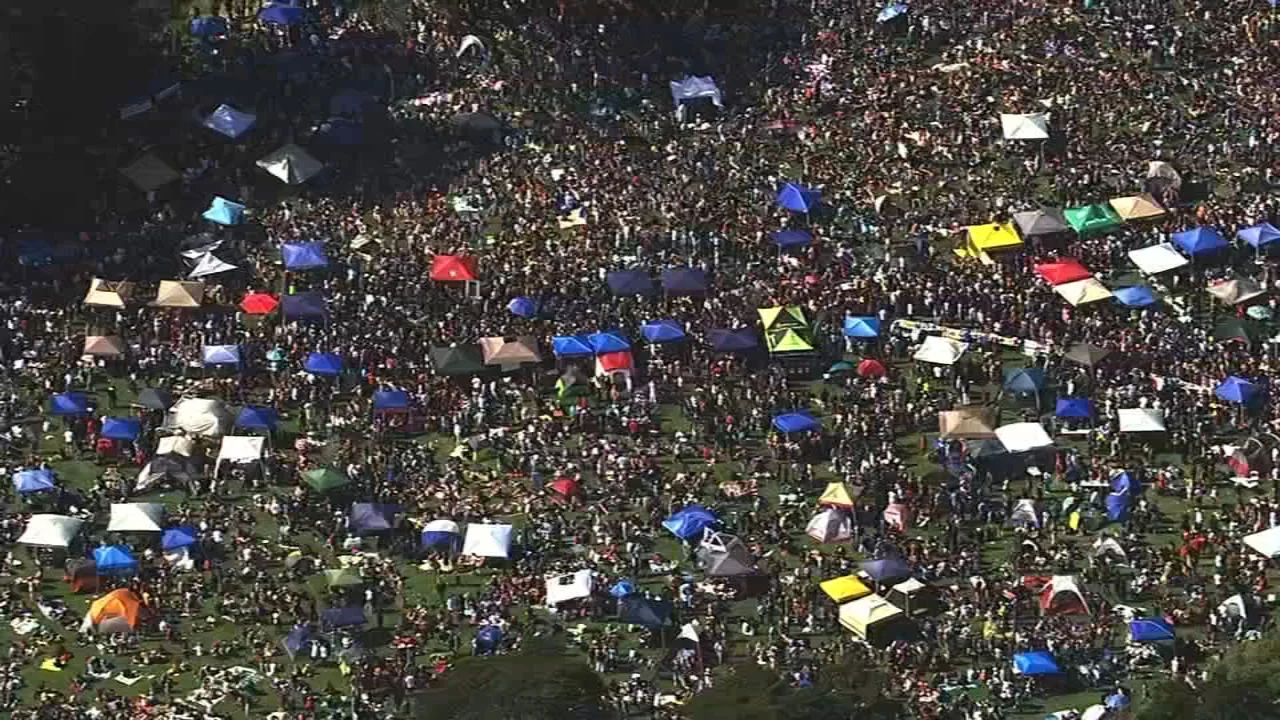
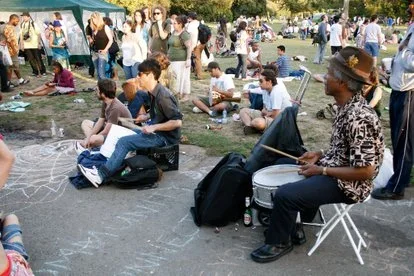
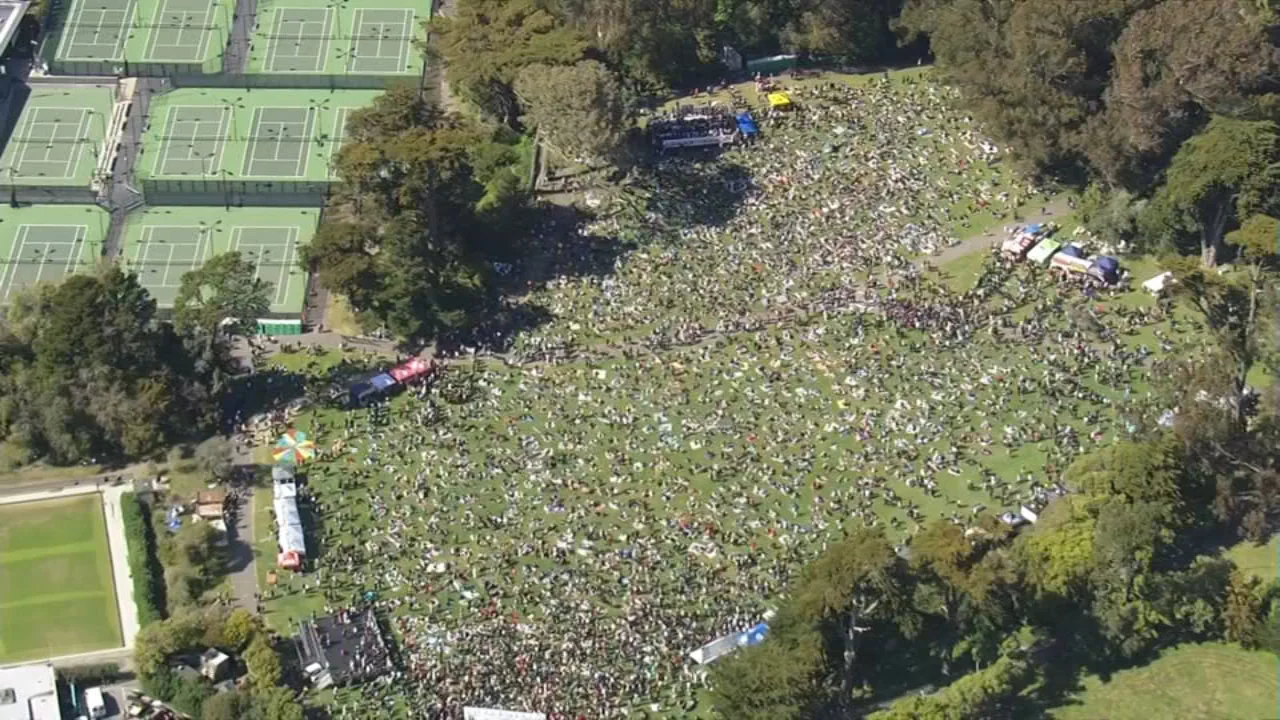
The location matters enormously. Hippie Hill sits inside Golden Gate Park, near the old hippie heart of San Francisco, in an area that has carried a very particular energy since the 1960s: drum circles, improvised music, blankets on the lawn, tourists watching with curiosity, counterculture veterans, young people arriving for the legend and neighbours who have often had mixed feelings. It is not a venue designed for a festival; it is a public space absorbed by a tradition. That is what makes 420 Hippie Hill so powerful and so complicated: its force comes from spontaneity, but that same spontaneity can become chaos when thousands of people show up.
The history of 420 as a code comes from the Bay Area, from San Rafael, from teenagers in the 1970s, from Grateful Dead culture and from activists who helped turn an inside phrase into a public date. In San Francisco, one of the first major 4/20 parties happened in 1997 at Maritime Hall, organized by the Cannabis Action Network. Over time, though, the energy moved toward Golden Gate Park. From the early 2000s onward, Hippie Hill began to solidify as a kind of local capital of 4/20: first hundreds, then thousands, then tens of thousands.
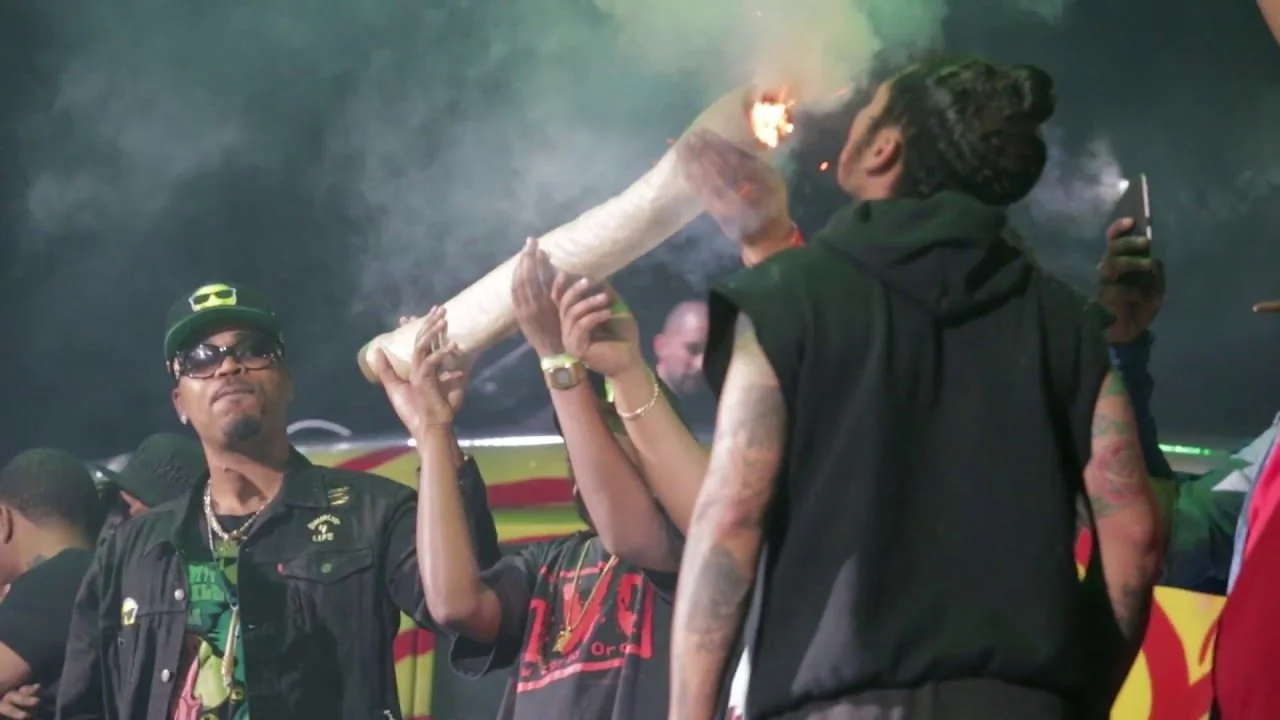
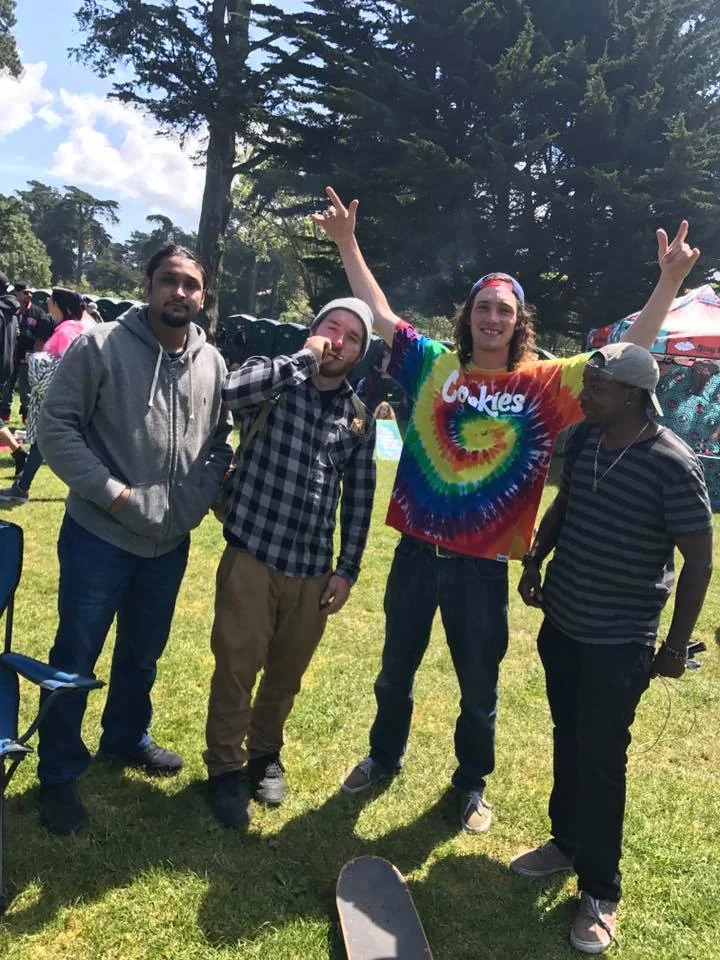
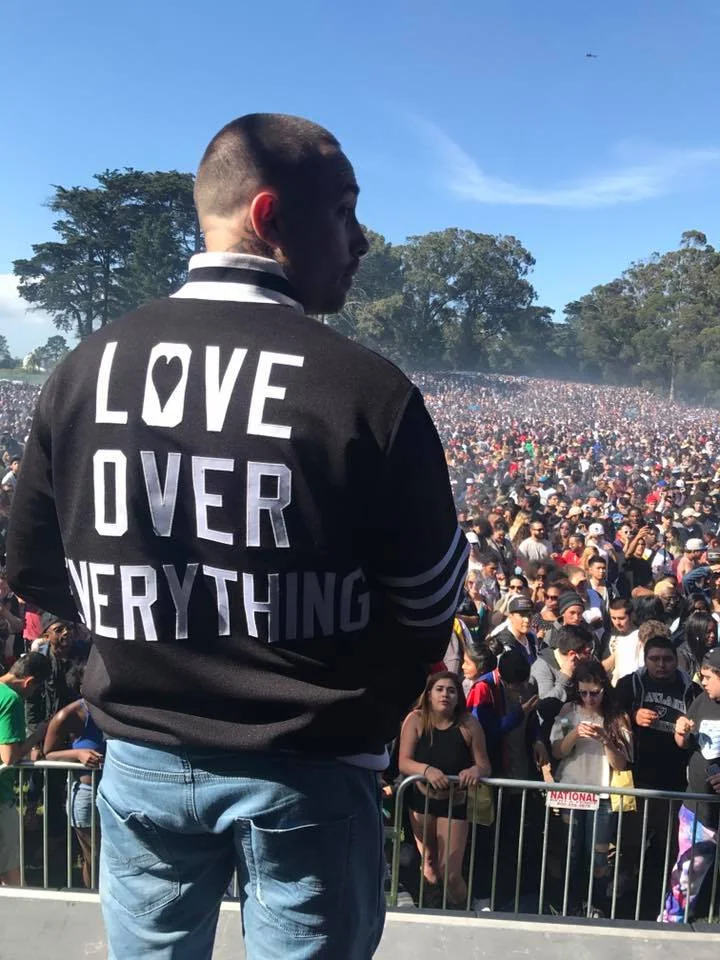
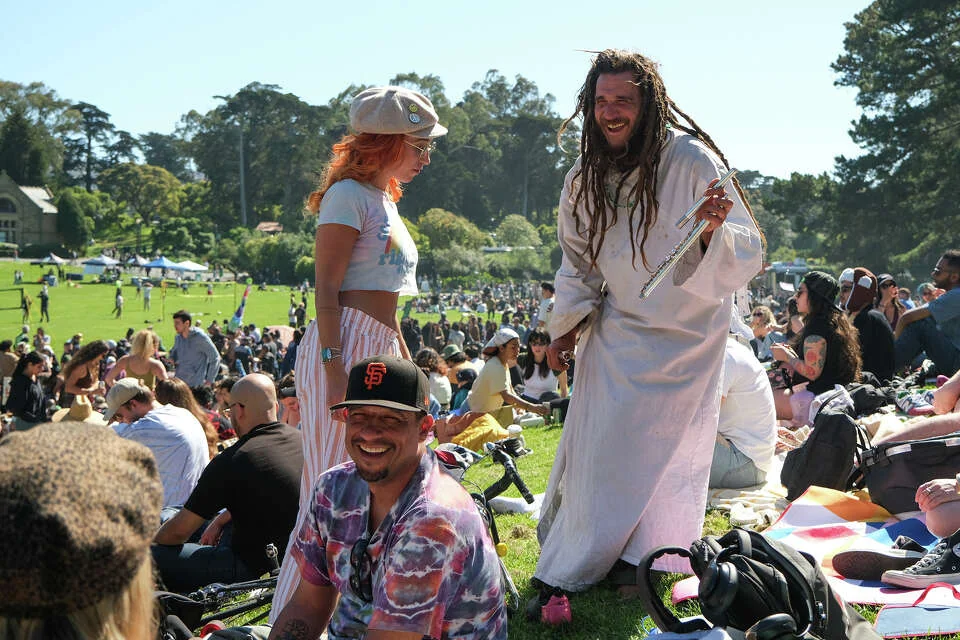
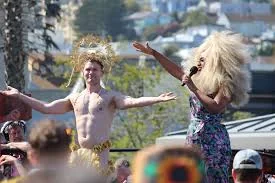
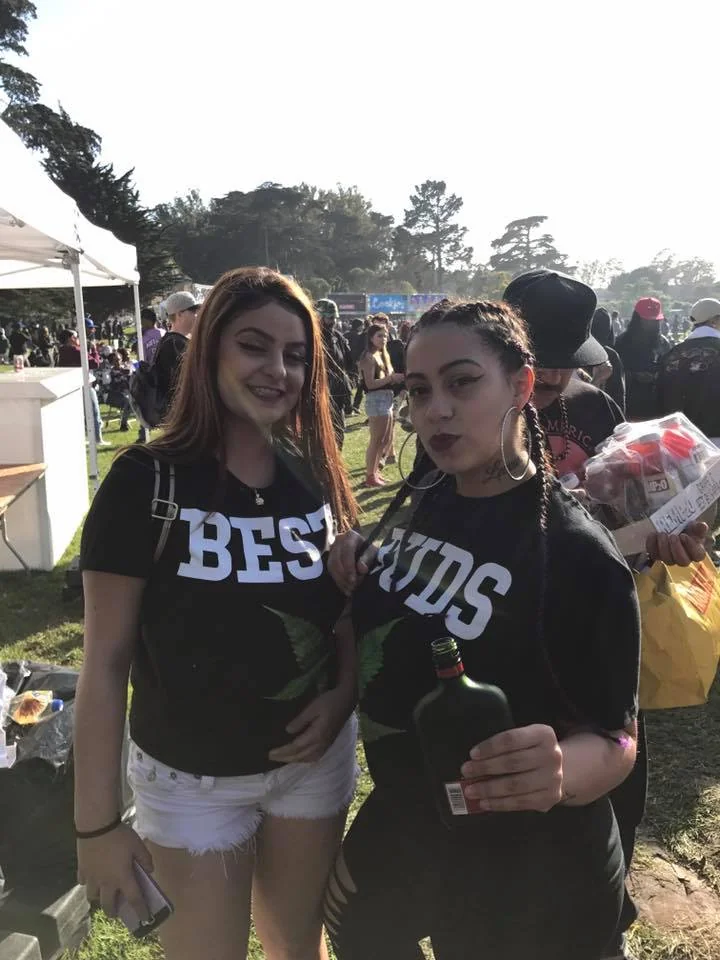
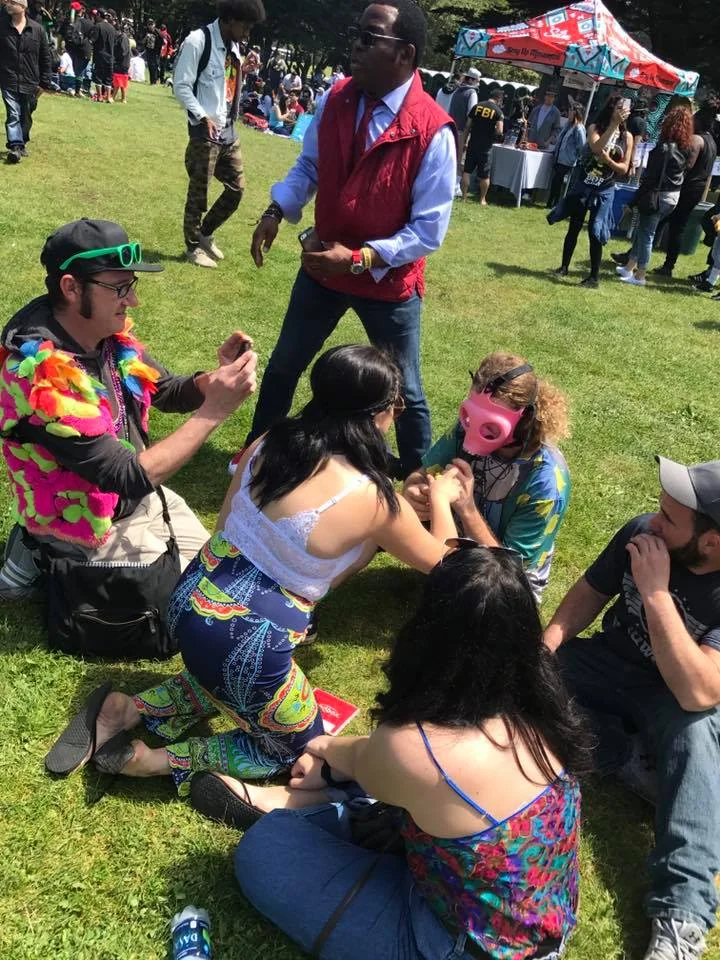
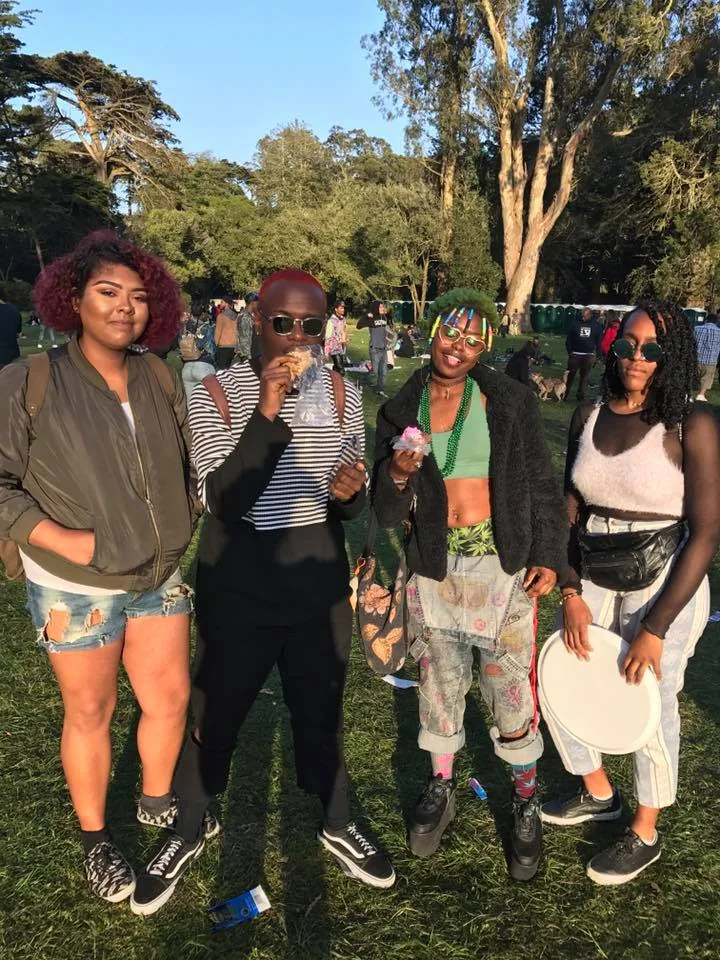
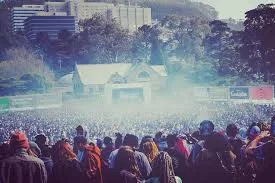
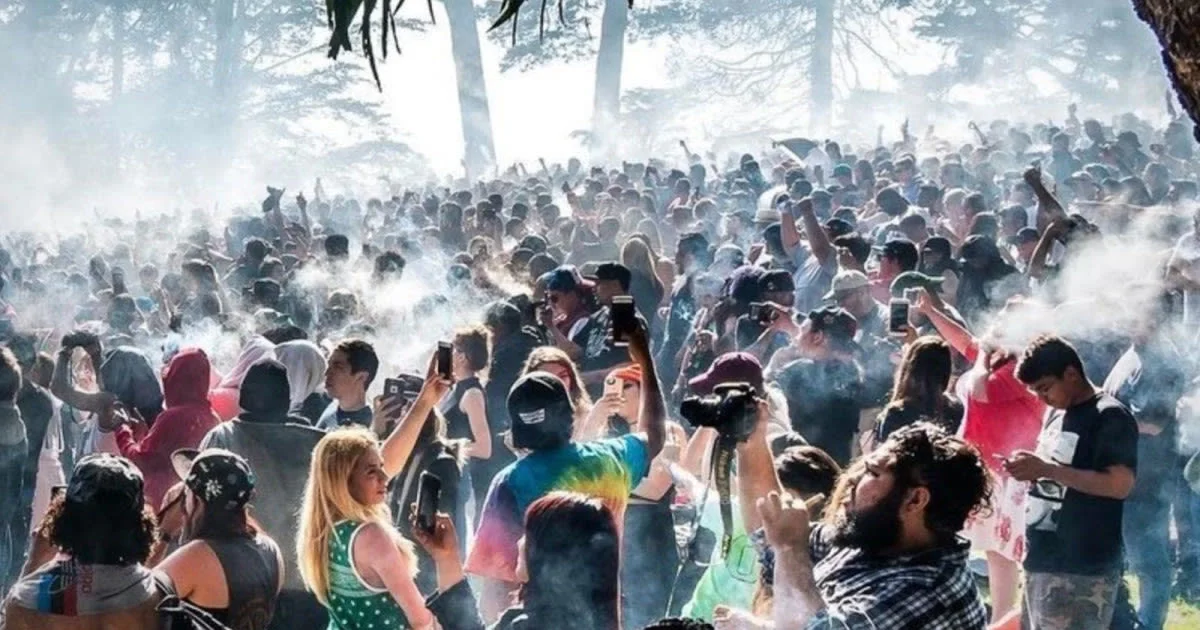
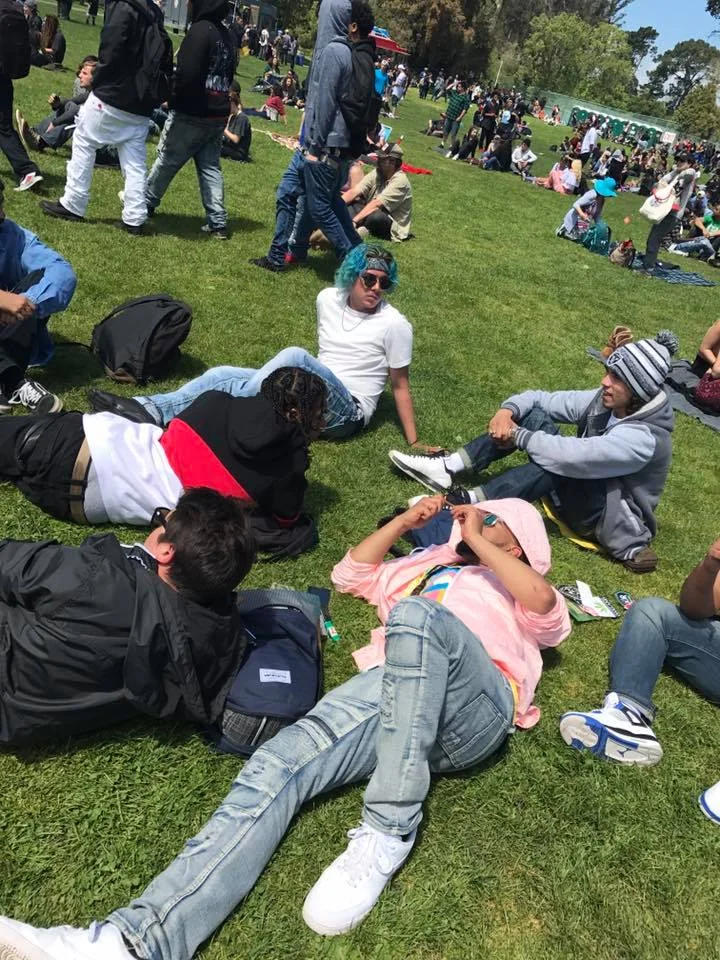
The real experience was never entirely clean or orderly. Arriving at Hippie Hill on April 20 meant stepping into a mix of picnic, protest, daytime rave, improvised fair and urban ritual. People in cannabis T-shirts, vendors, music, speakers, drums, food, laughter, clouds of smoke, police trying to keep a pragmatic peace, groups of friends claiming space on the grass, tourists taking pictures and the emotional countdown to 4:20. It was not only “going to smoke.” For many, it was a celebration of a culture persecuted for decades; for others, a party; for others, a problem of trash, safety and park overcrowding. All of those readings coexist inside the same event.
When California legalized recreational cannabis, the city tried to organize the inevitable. In 2017, a more formal phase began: perimeters, security, toilets, medical services, programming and, by 2022, even legal sales of regulated cannabis products inside the event. That transformation changed the tone. A gathering that had been informal, semi-legal and almost rebellious became partly institutional. It gained services and safety, but also lost some of the original feeling of spontaneous occupation. That is one of its most interesting tensions: how do you organize a tradition that was born from not asking permission?
The most recent chapter is delicate. The official celebration was canceled in 2024, 2025 and again in 2026, with officials citing lack of funding, sponsorship problems and budget cuts. That does not mean people have forgotten Hippie Hill. It means the official version, with permits, services and production, is indefinitely paused. The informal tradition still circles the place, but it should not be described as an active festival with a confirmed next edition.
What makes 420 Hippie Hill different is that its importance does not depend on a headliner. Its headliner is the date. Its stage is a public hill. Its story is San Francisco trying to live with its own myth: freedom, cannabis, counterculture, legalization, tourism, business, trash, community, ritual and regulation. It was not always pretty, and it was not always comfortable, but it was deeply of the city. That may be why it still matters: because at Hippie Hill, 4/20 was never just a party. It was a signal that certain cultures, even when they become official or get paused, do not disappear easily.
Genres
HIP HOP
SOUL
Timeline
One artist per year — highest ranked in our archive
Those who appear most across this franchise's editions.
Documented photos from the franchise.