Ranking
#1,247

FOLK
Ranking
#1,247
When
2027
Featured artists
Lineup coming — we'll publish it as soon as it's confirmed.
15 editions to explore · future, live and past
Numbers, home base and house quirks
Calgary Folk Music Festival begins with a bridge crossing. Downtown Calgary remains visible through the trees behind you, while Prince’s Island Park opens ahead as a green urban island surrounded by the Bow River. Blankets, tarps and low chairs spread across the mainstage field, creating temporary home bases for families and groups of friends. From there, people wander towards smaller stages, return for an anticipated evening performance and head off again when an unfamiliar voice or rhythm carries through the park.
The festival began in 1980 as a modest two-day event operating across three stages. The Calgary Folk Club took responsibility the following year, gave the gathering its familiar name and established its connection with Prince’s Island Park. Those early editions were sustained by volunteer labour, limited resources and a willingness to work through Alberta’s unpredictable outdoor conditions. During the 1988 Winter Olympics, the event temporarily moved indoors while its supporters reorganised and incorporated the Folk Festival Society of Calgary.
Over the decades, it developed into one of Canada’s major music gatherings without allowing the word folk to become a narrow stylistic rule. In Calgary, folk is treated as a broad cultural idea. Singer-songwriters, country artists and traditional musicians share the programme with indie bands, blues performers, jazz players, soul singers, hip-hop artists, reggae groups and music rooted in Indigenous and international traditions. What connects them is not always instrumentation. It may be storytelling, social memory, musical inheritance or the ability to turn a crowd into a temporary community.
The collaborative sessions express that philosophy more clearly than any headline set. During the daytime programme, musicians from unrelated projects are placed together around a theme, title or musical idea. They may trade songs, accompany one another, improvise or discover a shared vocabulary while the audience watches. A country guitarist can respond to an African rhythm, a rapper can enter a songwriter’s chorus, or several voices can rebuild a familiar song in a form none of them performs alone. Some combinations lock together instantly; others preserve the excitement of artists working out what is possible in real time.
Evening changes the shape of the island. People return to the main field, locate the blanket or tarp that has served as their base and watch stage lighting appear between the trees as the city skyline remains visible beyond the park. Calgary Folk Fest is not a camping festival or a closed world far from ordinary life. It can be reached on foot, by bicycle or public transit, and wristbands allow visitors to cross back into the city before returning. Prince’s Island feels sheltered, but it never becomes disconnected from Calgary.
The site offers much more than a route between concerts. Global food vendors fill the air with different aromas, the Arts Market focuses on handmade and Canadian-sourced work, and shaded areas offer somewhere to slow down. Talk Tent adds comedy, spoken word, panels, artist conversations and hip-hop cyphers. Bishop & McKenzie Family Zone provides crafts, games, face painting and performances for younger visitors. Families do not occupy a separate daytime corner and disappear after dark; several generations remain visible across the entire island.
That intergenerational character also defines the volunteer community. More than a thousand people help build, operate and dismantle the annual village. Some have spent decades working on stages, feeding artists, serving drinks, transporting equipment or welcoming audiences. Festival-goers who first arrived as young adults now return with children or grandchildren. The result is an event whose continuity depends as much on repeated relationships as it does on the annual lineup.
Its history has required resilience. A permanent mainstage was built in Prince’s Island Park in 2002. In 2013, a devastating flood damaged the island and its infrastructure less than five weeks before the festival, yet volunteers and the city helped restore enough of the site for the event to continue. During the pandemic, the organisation produced interactive digital programming, followed in 2021 by Summer Serenades, a reduced live format that brought audiences and Canadian artists back into the park.
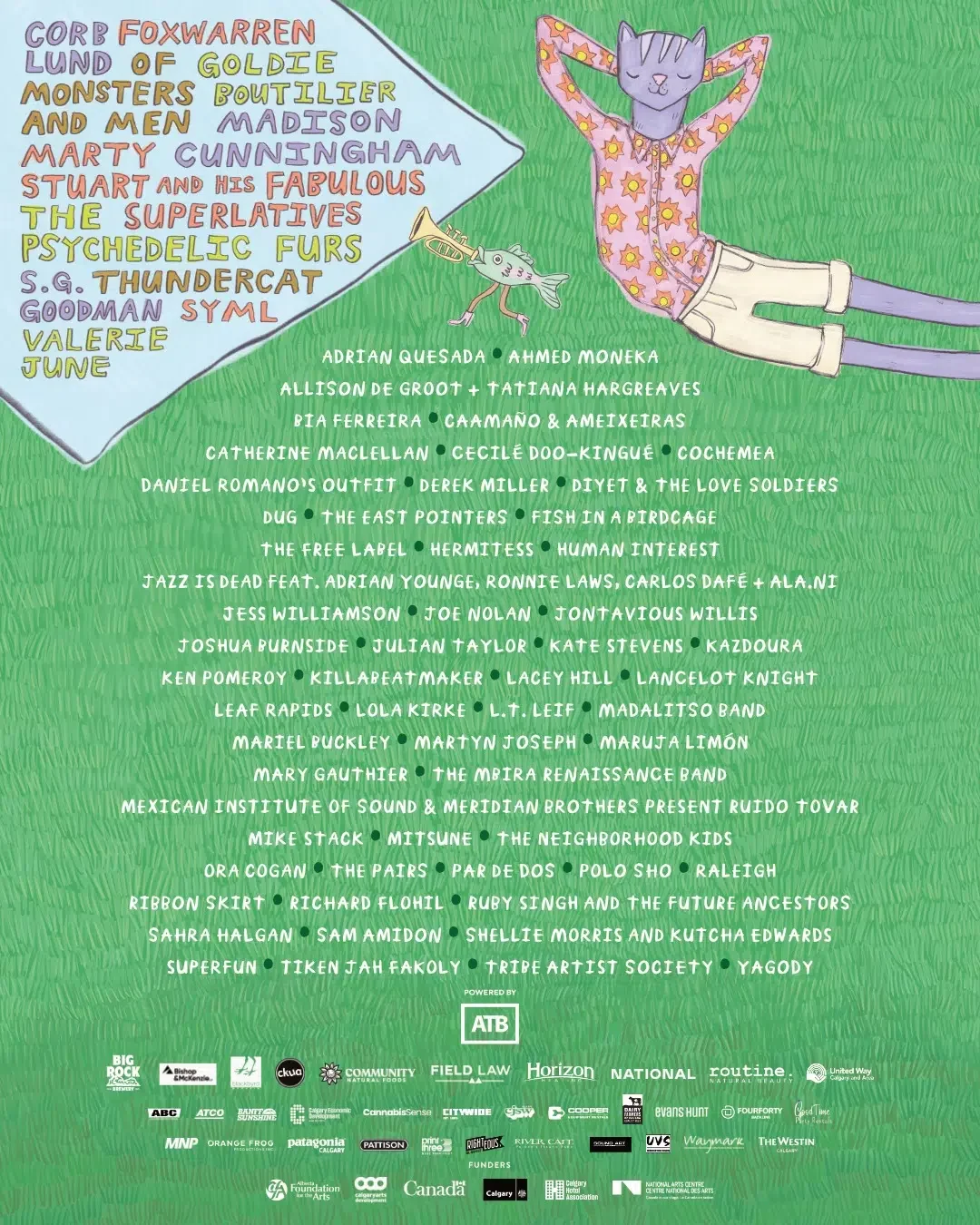
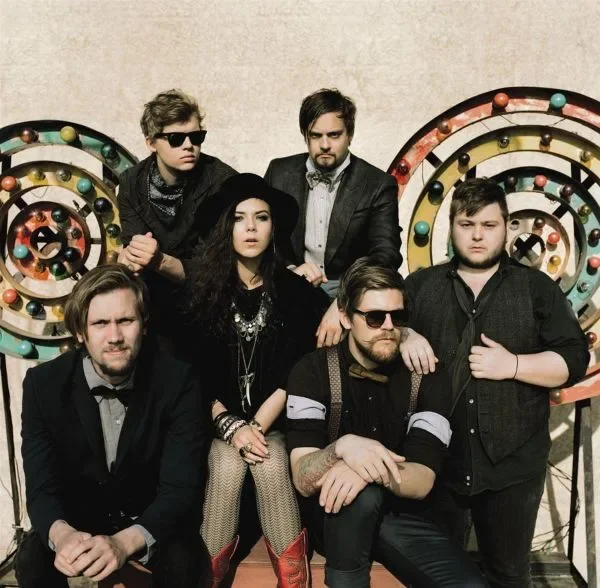
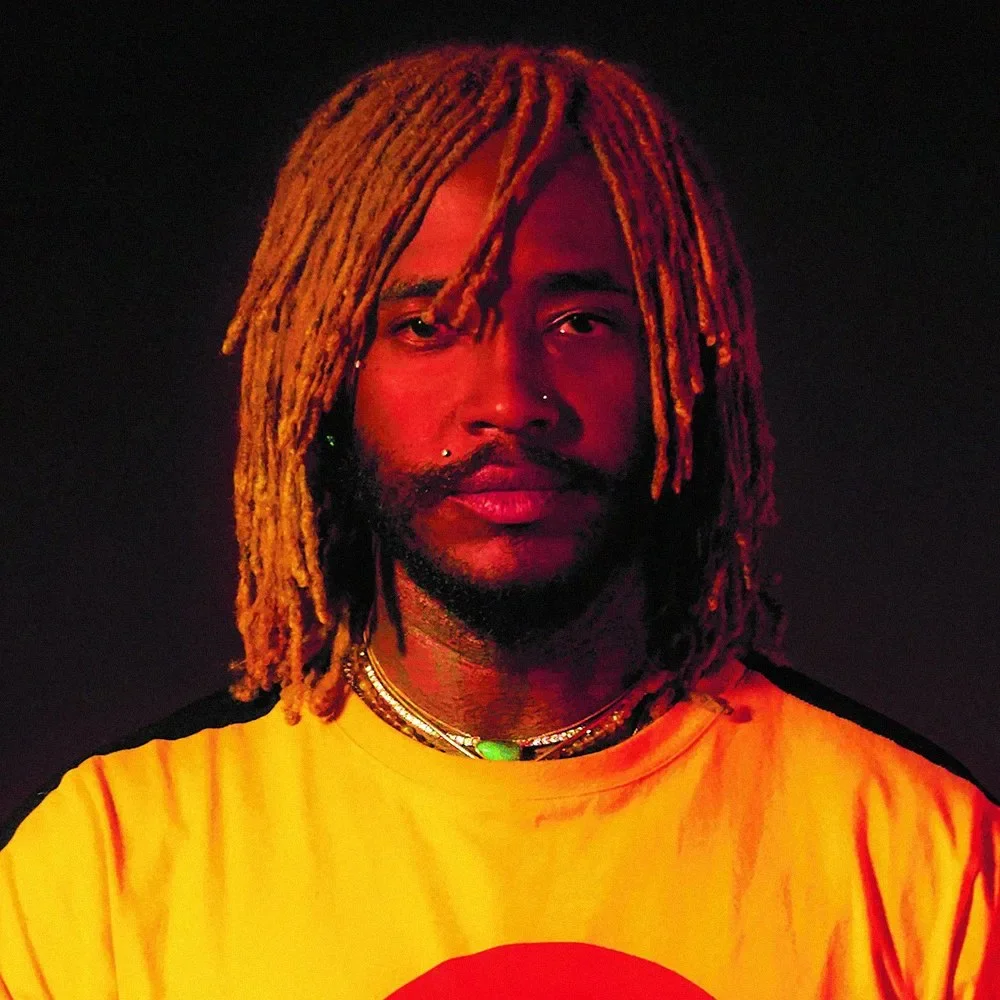
The 2026 edition runs from 23 to 26 July. Of Monsters and Men, Killer Mike & the Mighty Midnight Revival, Thundercat, Marty Stuart and His Fabulous Superlatives, Valerie June, Corb Lund, Goldie Boutilier, SYML, Madison Cunningham and Tiken Jah Fakoly sit within a programme of more than 65 artists. Icelandic indie folk can lead into Atlanta hip-hop, traditional country can meet experimental funk, and Canadian songwriting can share the weekend with music from West Africa, Latin America, Europe and beyond.
Calgary Folk Music Festival is defined by its ability to make those contrasts feel connected rather than random. The island becomes a meeting point between downtown and parkland, heritage and invention, carefully rehearsed concerts and collaborations created in front of an audience. The most lasting memory may come from a major evening performance, but it can just as easily begin on a smaller stage, when artists who had never played together find a song that briefly belongs to everyone listening.
Genres
FOLK
Timeline
One artist per year — highest ranked in our archive
Those who appear most across this franchise's editions.
 #1
#1Iceland
1 editions · 2026
 #2
#2United States
1 editions · 2026
 #3
#31 editions · 2026