Ranking
#11

HIP HOP - R&B - SOUL
Ranking
#11
Followers
10.1 M
29 editions to explore · future, live and past
Numbers, home base and house quirks
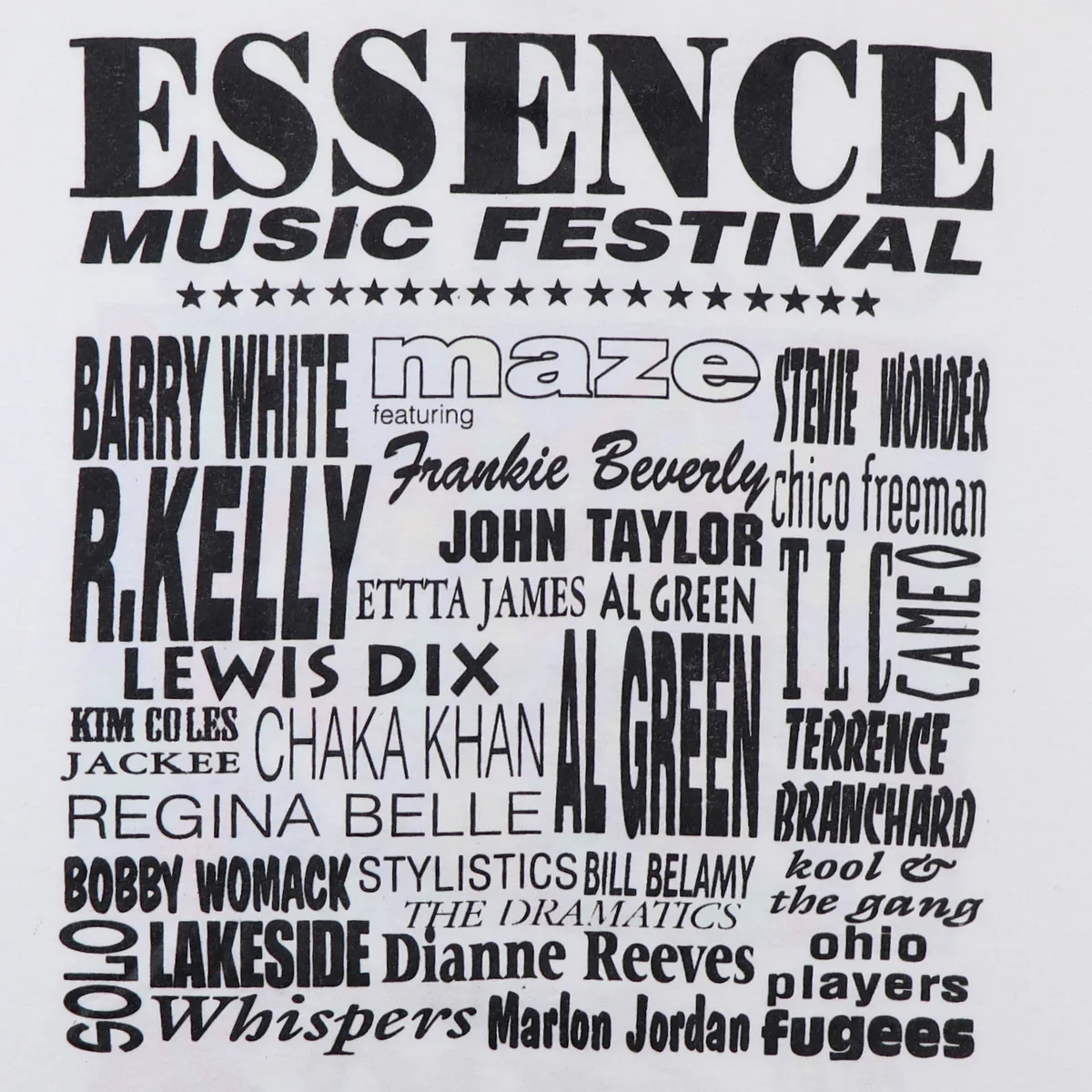
Essence Festival, now known as the ESSENCE Festival of Culture, is one of those events that cannot be reduced to a music lineup. Yes, there are massive concerts. Yes, there are legendary voices, R&B icons, hip-hop stars, soul singers, gospel energy, funk history and newer artists speaking to younger generations. But the music is only one part of something much larger. Essence began in New Orleans in 1995 as a celebration of the 25th anniversary of ESSENCE Magazine, and from the beginning it carried a mission beyond entertainment: to gather, honor and amplify Black culture, with a special focus on Black women, their stories, their style, their power, their conversations and their community.
That is what makes it different from almost any other festival. While many events are built around stages, headliners and fast-moving experiences, Essence feels like a giant family reunion that can also become a cultural summit, a concert series, a marketplace, a public conversation, a beauty convention, a business forum, a citywide celebration and a late-night party. New Orleans is not just the location. It is part of the rhythm, the flavor and the emotional architecture of the festival. During Fourth of July weekend, the city fills with visitors moving between hotels, restaurants, activations, panels, brunches, parties and concerts. A day might begin at the Ernest N. Morial Convention Center with conversations about wellness, beauty, money, careers, entrepreneurship and community, then end inside the Caesars Superdome with thousands of people singing songs that have lived through weddings, heartbreaks, graduations, family cookouts and private healing.
The first edition already showed what Essence could become. Luther Vandross, Gladys Knight and Aaliyah were part of that early moment, alongside public figures whose presence connected the festival to social and political conversation. That mix remains central to its identity. Essence does not fully separate music from life. A song can be nostalgia, but it can also be affirmation. A panel can matter as much as a performance. A hairstyle, an outfit, a phrase overheard in a hallway, or a grandmother dancing with her granddaughter can become part of the memory of the weekend.
Musically, Essence has a warm, vocal and deeply emotional personality. It is a festival where R&B does not feel like a genre label, but like a generational language. Soul appears as a root; hip-hop as energy and testimony; gospel as community memory; funk as body movement; pop as a bridge; and New Orleans music, even when it is not always at the center of the main lineup, surrounds the event like the city’s natural breathing. On its best nights, the Superdome does not feel like a cold stadium. It feels like a huge room where several generations are singing the same songs for different reasons.
Essence also carries a history of resilience. In 2006, after Hurricane Katrina, the festival temporarily moved to Houston because New Orleans was still recovering. Its return in 2007 was more than a logistical decision. It had the emotional weight of coming home. Since then, the festival has also represented the relationship between culture, economy, tourism and recovery in New Orleans. That makes Essence more complex than a simple holiday weekend of concerts.
The audience is multigenerational and instantly recognizable: women traveling together as an annual ritual, couples, families, friend groups planning outfits months in advance, professionals looking for networking, fans coming to honor living legends, younger attendees drawn by current artists, and adults who find in Essence a mix of celebration, belonging and memory. It is not perfect; an event of this scale can include delays, long lines, logistical stress and the exhaustion that comes when a city is taken over by hundreds of thousands of visitors. But even those frictions belong to the real experience.
Essence Festival matters because it understands something many festivals only try to imitate: music does not live alone. It lives in clothes, food, accents, hallway conversations, aunties, daughters, friends and strangers who recognize something in one another. Essence does not only book artists. It creates a space where Black culture looks at itself, celebrates itself, challenges itself and sings out loud.
Genres
HIP HOP
R&B
SOUL
Timeline
One artist per year — highest ranked in our archive
1995
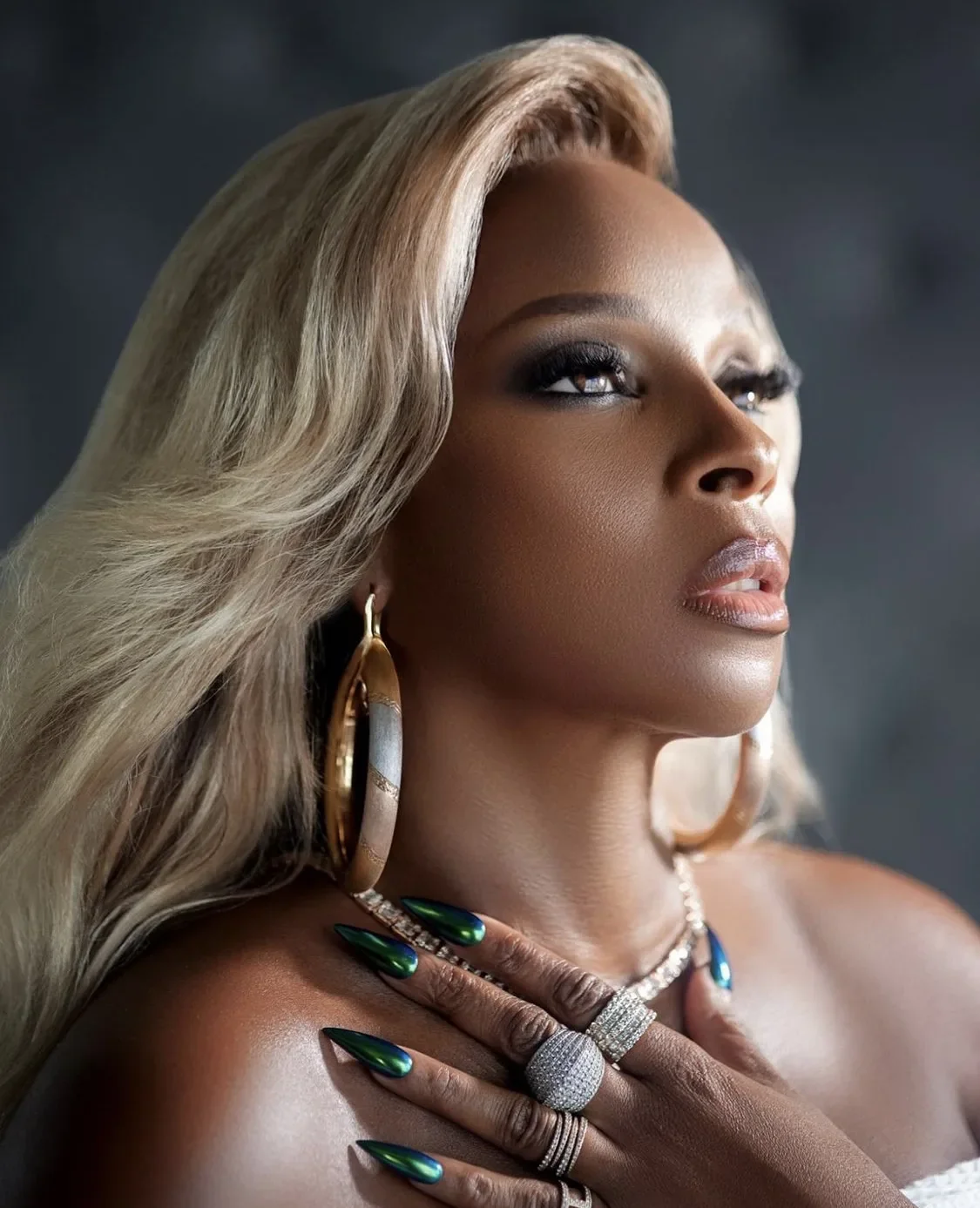
Mary J. Blige
1996

Kool & The Gang
1997
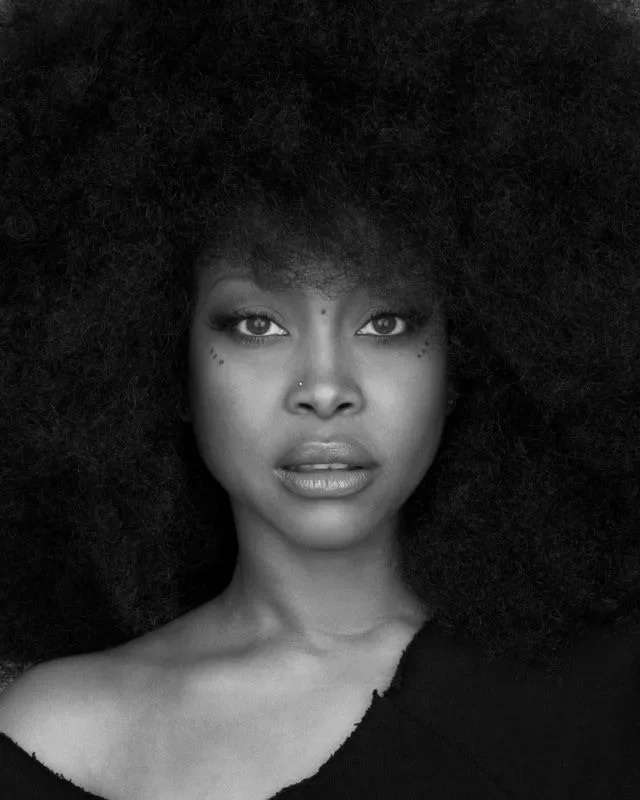
Erykah Badu
1998
Mary J. Blige
1999
Erykah Badu
2000
Mary J. Blige
2001
Erykah Badu
2002
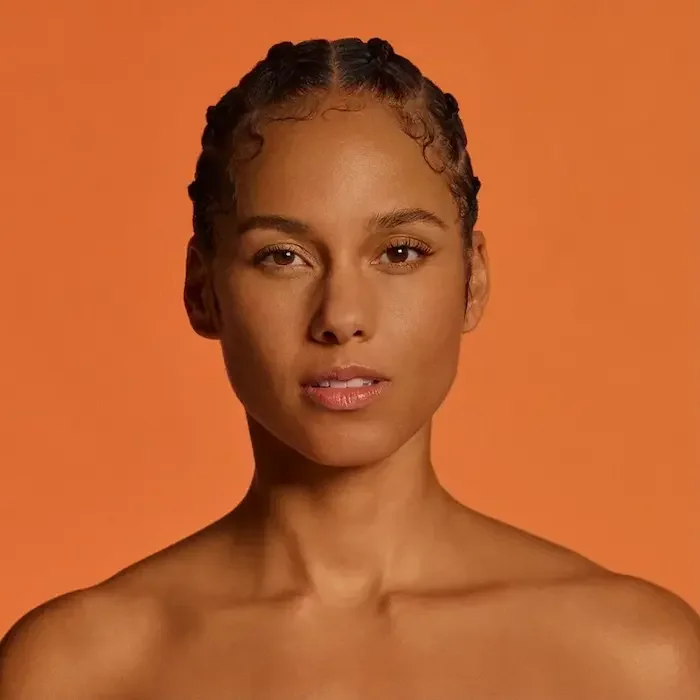
Alicia Keys
2003
Usher
2004
Mary J. Blige
2005
Alicia Keys
2007
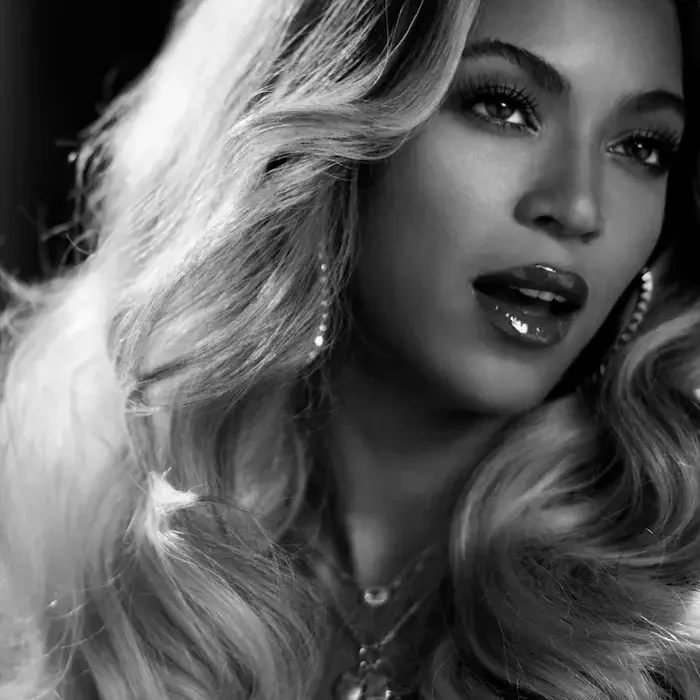
Beyoncé
2008
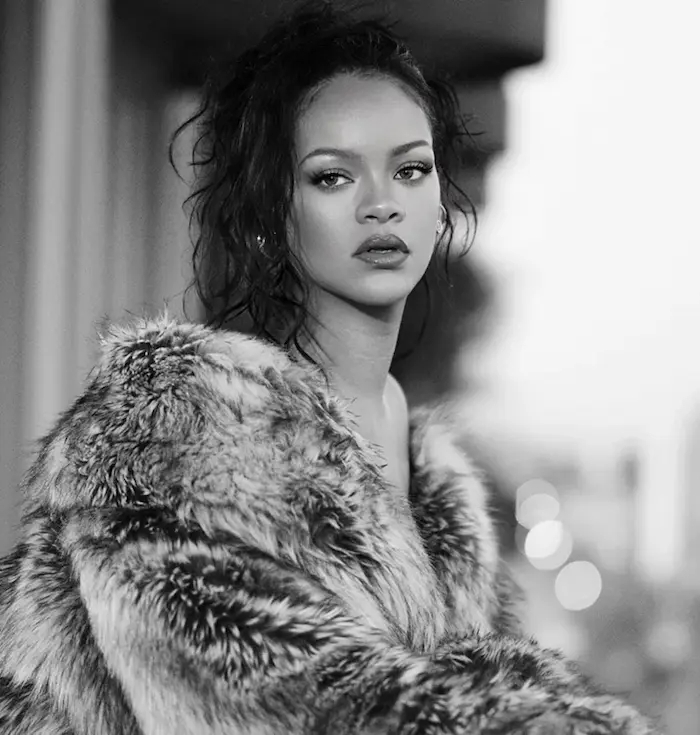
Rihanna
2009
Beyoncé
2010
Alicia Keys
2011
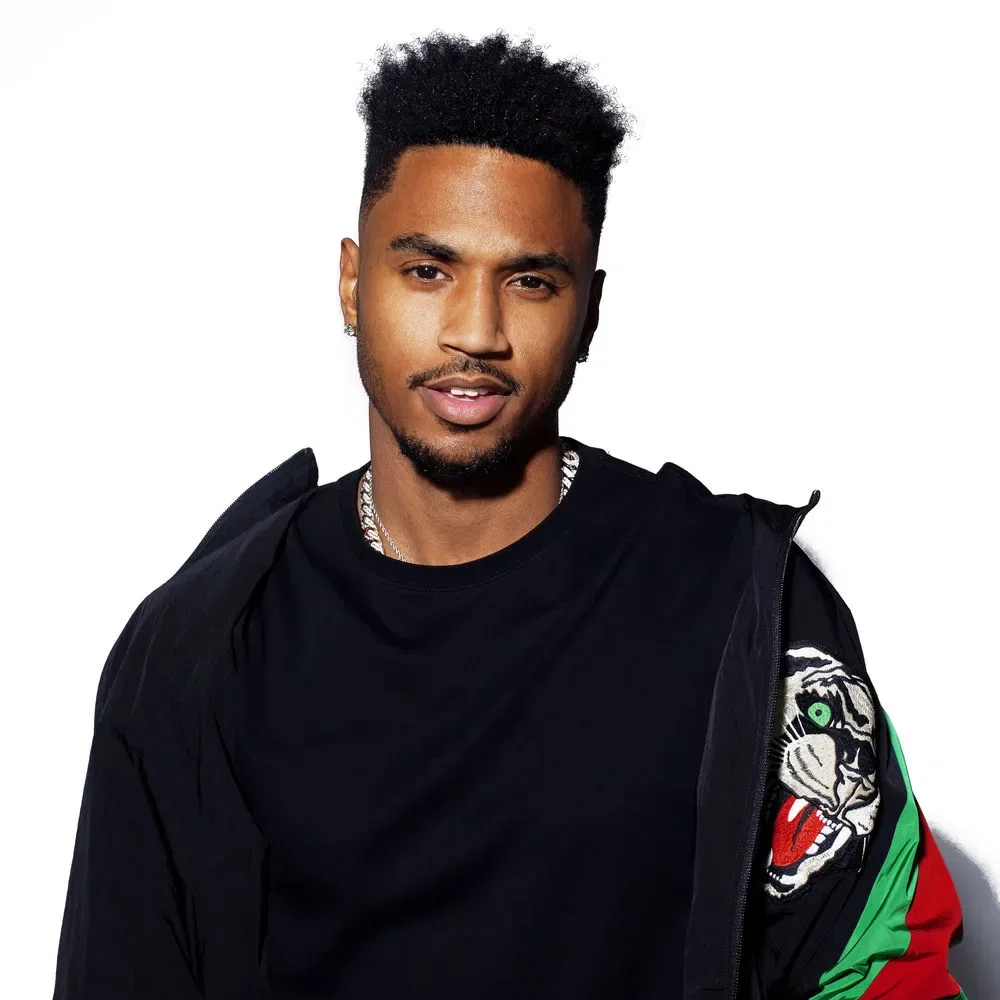
Trey Songz
2012
Trey Songz
2013
Beyoncé
2014
Trey Songz
2015
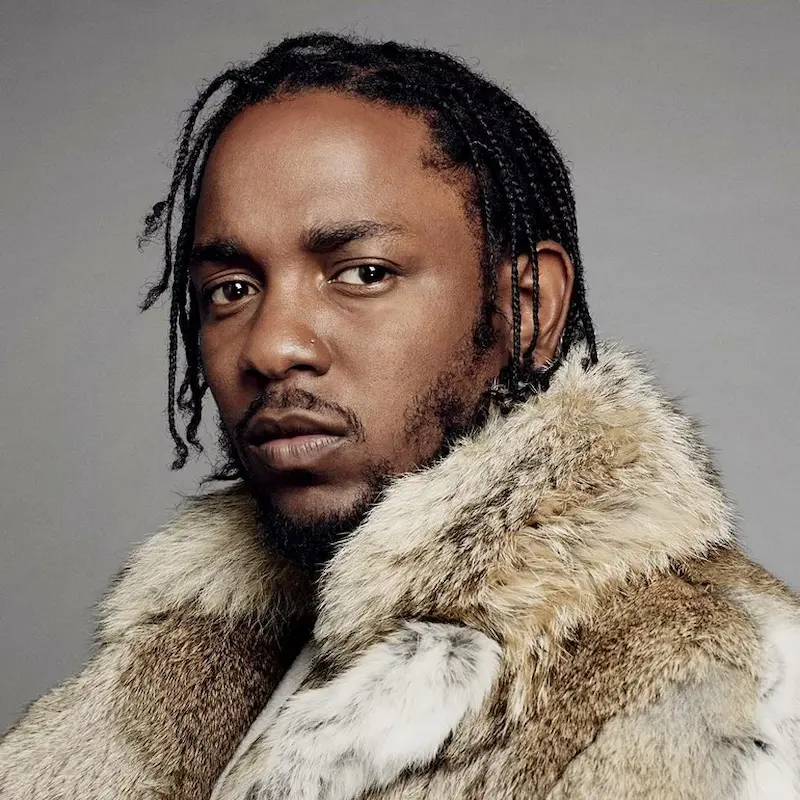
Kendrick Lamar
2016
Kendrick Lamar
2017
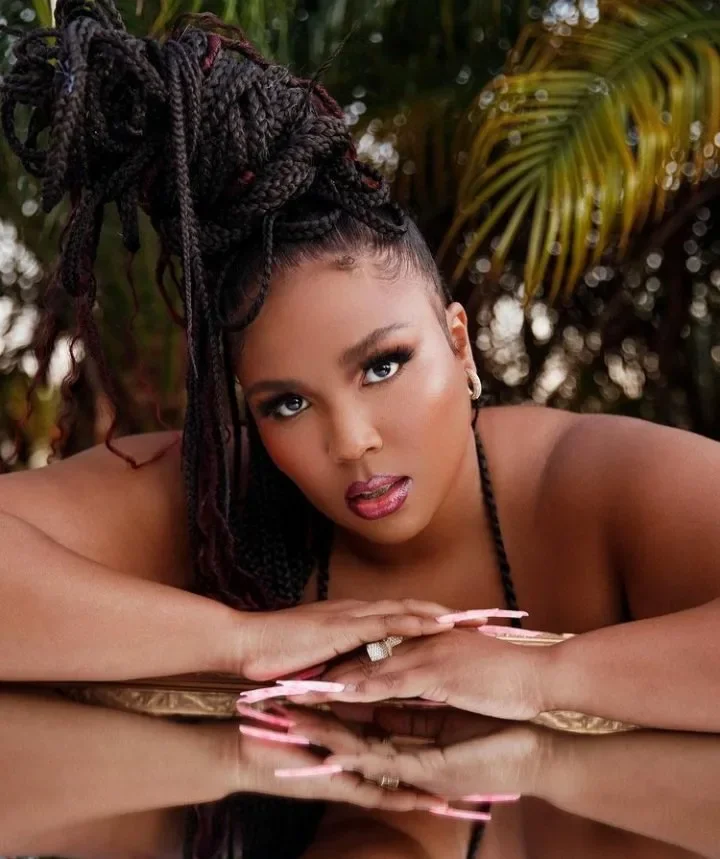
Lizzo
2018
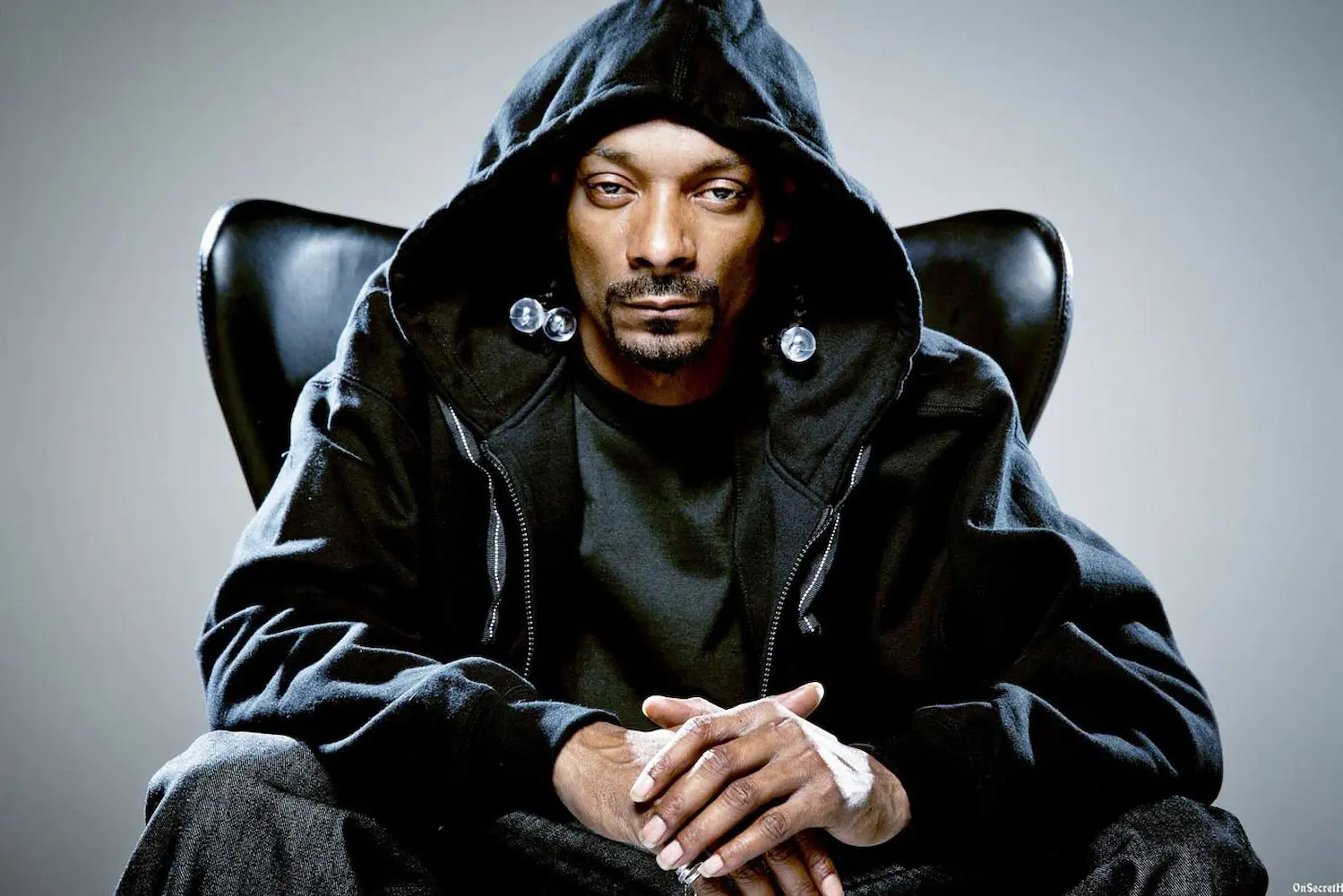
Snoop Dogg
2019
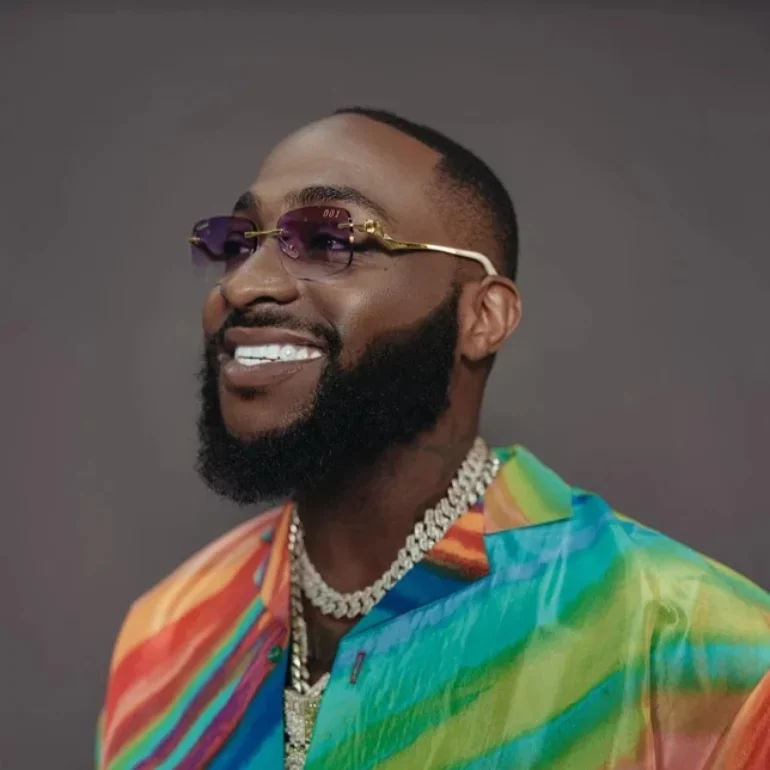
Davido
2022
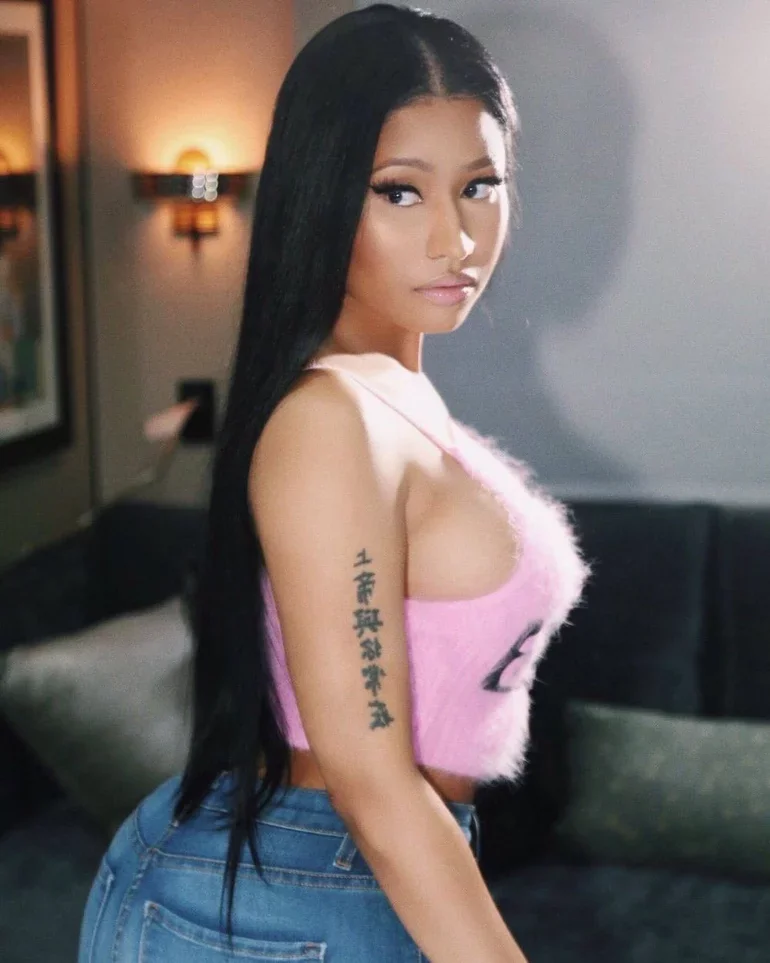
Nicki Minaj
2023
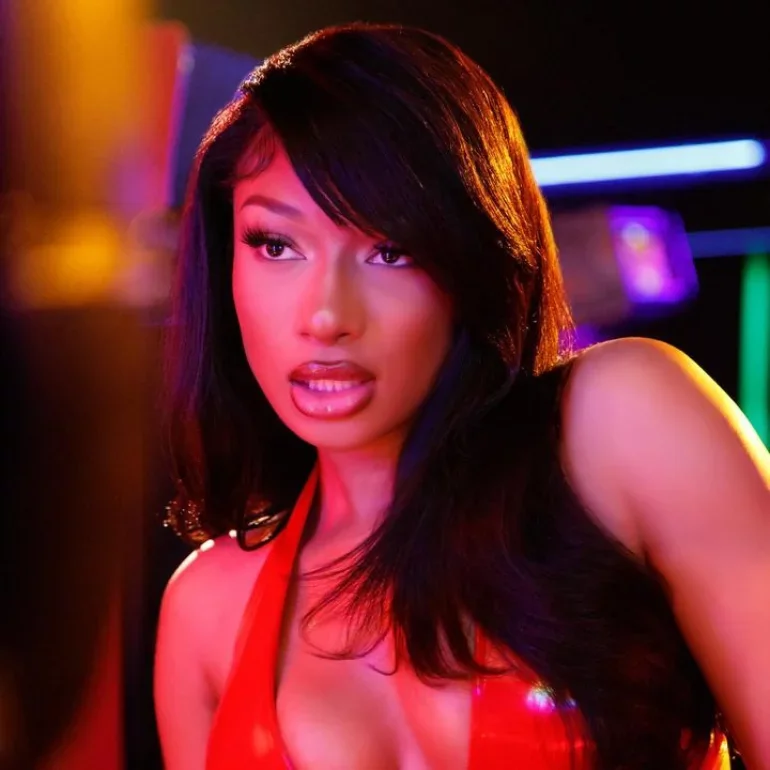
Megan Thee Stallion
2024
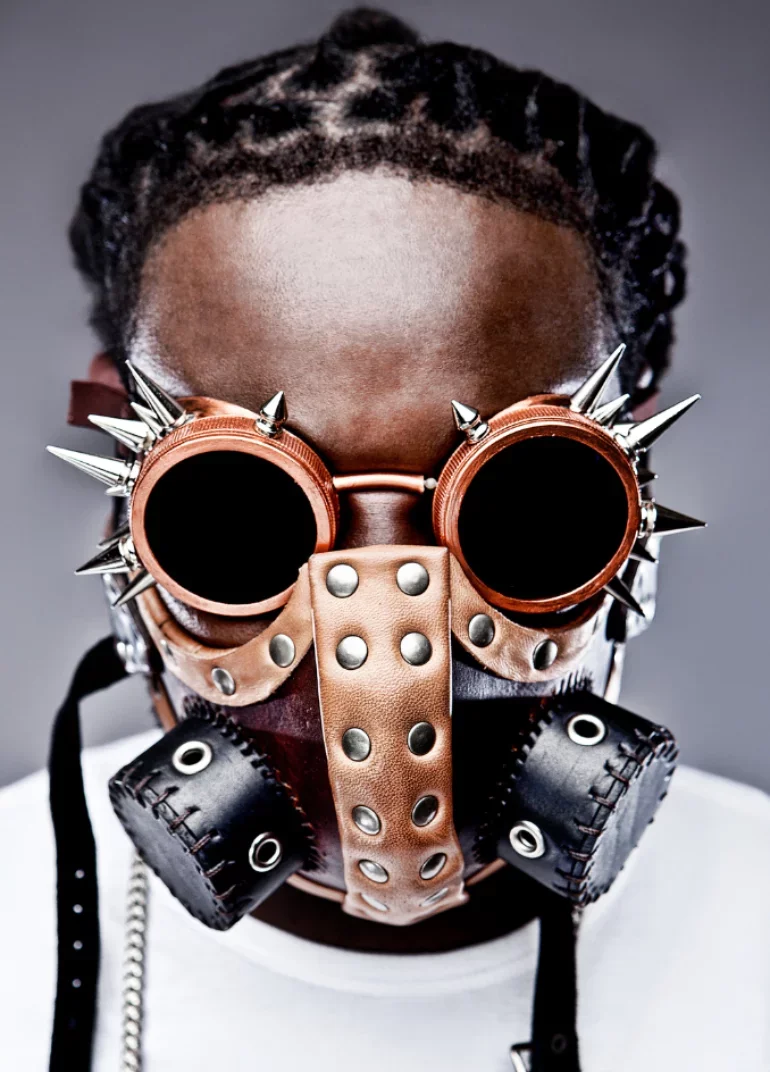
T-Pain
2026
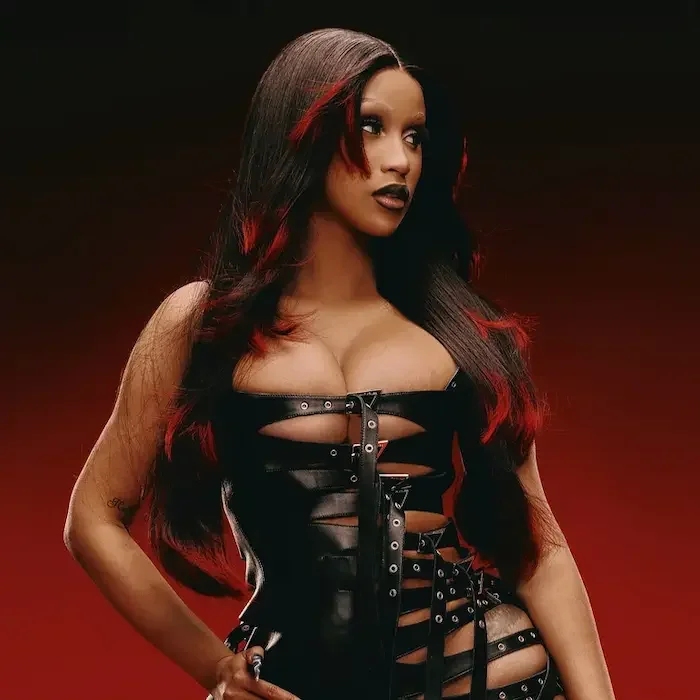
Cardi B
Those who appear most across this franchise's editions.
#1United States
16 editions · 1995–2024
#2United States
15 editions · 1995–2019
#3Barbados
14 editions · 2003–2026
Editorial coverage linked by archive relation.