Ranking
#562

INDIE - METAL - ROCK
Ranking
#562
Followers
109 K
When
10–JUN 12, 2027
Featured artists
Lineup coming — we'll publish it as soon as it's confirmed.
Time left
13 editions to explore · future, live and past
 2027
2027Greenfield Festival 2027
Numbers, home base and house quirks
The Interlaken valley seems built for contrast: turquoise lakes, trains crossing the Bernese Oberland and, on the horizon, the Eiger, Mönch and Jungfrau as a permanent backdrop. In that Swiss setting — where mountain tourism meets runways inherited from the military era — Greenfield Festival occupies an airfield that once served the local air base and becomes, in mid-June, a concert meadow for three days. This is neither an urban arena nor an anonymous plain: it is grass beneath aircraft that no longer take off, with mountains that need no LED wall to impose scale.
The first edition ran from 24 to 26 June 2005 with thirty-eight bands and a clear bet: bring a European-scale rock festival into the heart of Switzerland, with international curation but feet on Bernese ground. Three names explain both ambition and logistical credibility: Thomas Dürr, linked to Act Entertainment AG; Dieter Bös of Koko Entertainment, with experience in the machinery of Rock am Ring and Southside; and Iris Huggler from Jungfrau World Events, connecting the event to the tourist and transport infrastructure of a region used to welcoming visitors from around the world. Daniel Buser has been a familiar voice in festival communication, helping translate that blend of Swiss production and German know-how into a coherent story for local and international audiences.
Musical identity was built from rock, punk, metal and alternative — not disguised as a generic pop fair or pure electronic mega-rave. The bill balances guitar weight and live performance with indie and hardcore shades, reflecting a Central European scene that values both stadium headliners and bands still carrying garage dust. In a country where big names often pass through halls and arenas on single nights, Greenfield positioned itself as Switzerland's conceptual rock-festival reference: not the only loud weekend, but the one that most deliberately adopted the grammar of German and Austrian fields and adapted it to the Interlaken valley.
Scale grew over the years to figures that speak of national and international draw: tens of thousands of visitors per day and totals well beyond seventy thousand attendees at the busiest editions. Those numbers are not decorative statistics; they shape how stages are distributed, how crowds move between sets and how camping stops being optional to become essential to the weekend. Interlaken, a small city accustomed to summer tourist flow, learned to live with a temporary town that doubles or triples human density around the airfield.
Names that have crossed the stage help explain ambition without turning narrative into a list. Red Hot Chili Peppers, Rammstein, Foo Fighters, System of a Down or Green Day represent the most massive side of the spectrum; Die Toten Hosen show the bridge toward German-language rock and audiences crossing borders by language and generation. None of those shows defines the festival alone — Greenfield is not a single-theme import of headliners — but they demonstrate curation that alternates global icons with Swiss and European layers keeping regional identity alive.
In 2012 the Greenfield Festival Foundation was born, focused on supporting Swiss artists and returning part of the event's economic impact to the local scene. This is not symbolic programming: the foundation fits a festival born in Switzerland that must justify its presence to neighbours, authorities and domestic musicians. Grants, visibility and live-music projects reinforce the idea that an international bill does not fully eclipse those playing clubs in Zurich, Bern or Basel.
The on-site experience mixes what you expect from a European rock festival with details that recall Alpine hospitality. There is extensive camping, motorhome areas and zones where barbecue is allowed — a regulated luxury at many sites — plus food trucks, a medieval market and a party zone extending the night beyond the last chord on the main stage. The medieval market is not free folk decoration: it adds visual contrast and a different rhythm between sets, a place to breathe before returning to the pit.
Logistics reflect decades of field-festival learning. Mid-June fixes the calendar in a summer window where Alpine weather can alternate intense sun and downpour the same afternoon; crowds arrive by train from Bern, Zurich or Geneva, by car on the A8 or on organised buses, and many choose to camp rather than miss a minute of the stage-camping-afterparty circuit. The airfield offers flat, wide space for fences, tents and services, yet also demands planning in security, sound and crowd flow when capacity approaches historical peaks.
Greenfield Festival shows a tourist valley can host large-scale rock without surrendering the landscape that makes it recognisable. Between Interlaken's runway and the three peaks framing the horizon, Act Entertainment, Koko Entertainment and Jungfrau World Events built a three-day format where rock, metal and indie share grass, camping and a foundation looking toward Swiss artists — a Swiss chapter on the European festival map where the mountain is not a souvenir postcard but part of the visual and emotional contract of the gig.
Genres
INDIE
METAL
ROCK
Timeline
One artist per year — highest ranked in our archive
Those who appear most across this franchise's editions.
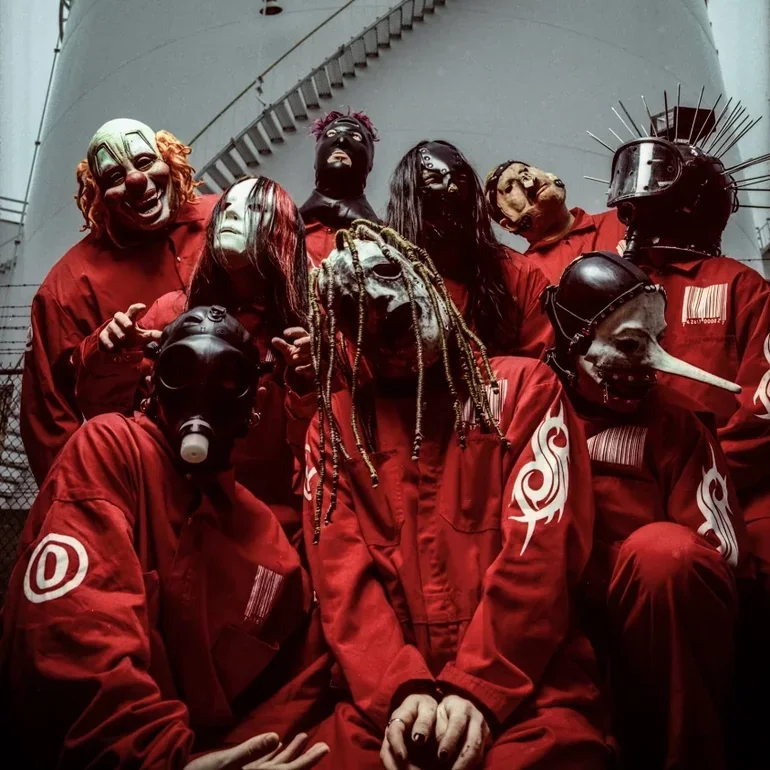 #1
#1United States
1 editions · 2023
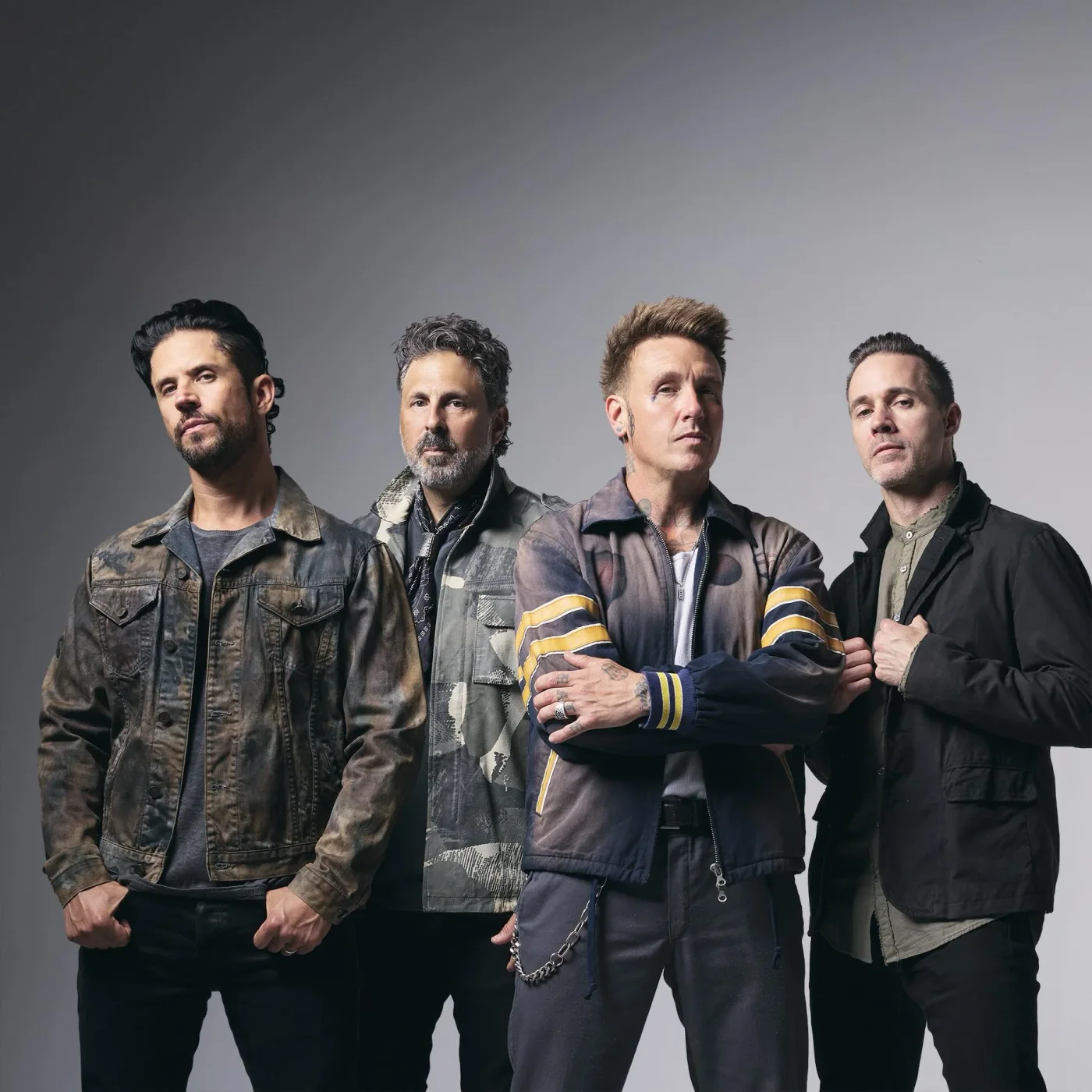 #2
#2United States
1 editions · 2023
 #3
#3United States
1 editions · 2023