Ranking
#221

HOUSE - TECHNO - TRANCE
Ranking
#221
Followers
375.2 K
When
25–AUG 30, 2027
Featured artists
Lineup coming — we'll publish it as soon as it's confirmed.
Time left
16 editions to explore · future, live and past
Numbers, home base and house quirks
At sunrise in Eldena, Indian Spirit does not necessarily stop. Music can still be moving across the fields while one part of the crowd drifts back toward the campsite and another remains in front of a sound system that has been running since the previous evening. That overlap between dawn, open countryside, psychedelic decoration and hours of uninterrupted trance explains the festival better than any single image of its main stage. Indian Spirit belongs to a culture in which night is not always the climax of the day but part of a continuous cycle. Spending several days on the grounds matters as much as catching one particular artist, and by late August the fields near Eldena become a temporary settlement built around psychedelic trance.
The story started in 1999 at Heinrichsfelde airfield near Kyritz. Its name deliberately looked beyond Germany toward the outdoor trance parties associated with Goa in the late 1980s, whose combination of electronic music, open-air gathering and communal culture became an important reference point. Indian Spirit grew steadily from that foundation while moving through several locations: Kyritz gave way to Grebbin, Jesendorf, Heiligengrabe and Stendal before Eldena became its long-term home. World Wide Tribe developed the festival through 2016, after which Music Eggert continued the project from 2017. What survived those transitions was not one physical site but a recognisable approach to building a temporary psychedelic environment wherever the festival landed.
Eldena eventually provided enough space for that idea to operate at considerable scale. The festival is constructed on meadows near the small town rather than inside a permanent entertainment complex, allowing camping, stages, markets, relaxation areas and visual installations to sit within one broad outdoor territory. Reaching it requires some intention. Ludwigslust is the nearest major railway connection and official shuttles carry visitors toward the site, while organised coaches link the festival with cities including Hamburg and Berlin. Once people arrive, the logic changes from commuting to staying. Camping opens before the full music programme begins and remains available after much of the entertainment has finished, making the temporary home around a tent, caravan or specialised camping setup part of the overall rhythm.
Musically, Indian Spirit is far more focused than a general electronic festival. Psytrance and Goa trance remain the centre, but the festival uses that centre to explore a wide range of speeds, moods and sub-scenes. The 2026 programme brought together Astrix, Vini Vici, Astral Projection, Ace Ventura, Neelix, Captain Hook, GMS, Electric Universe, Blastoyz, Morten Granau, Phaxe and many others. The Sun Stage carries the largest-scale moments, while Moon moves deeper through psychedelic territory and Mushroom pushes toward faster or darker sounds. Nebula adds another electronic dimension, Fire Tent brings techno and house into the weekend, and the Chill area offers a deliberate reduction in intensity. The result is not six versions of the same dancefloor but a set of connected environments inside one musical culture.
Time itself becomes unusually flexible. Official 2026 schedules had music continuing through the night on several stages, with some areas moving directly into morning and the Moon Stage remaining active almost until the site closed. That makes conventional festival routines difficult to maintain. Someone may dance until sunrise, sleep through part of the afternoon and return just as another crowd is starting its own cycle. Campsites become extensions of the dancefloors, places to recover, eat and reorganise rather than destinations reached only once the entertainment is finished. The experience demands more preparation than a city event: several days outdoors, changing temperatures and irregular sleep are real parts of the weekend. Indian Spirit’s attraction comes partly from accepting that immersion rather than smoothing it away.
Away from the music, the festival has spent years building a second layer around the idea of “Spirit.” Yoga sessions, workshops, healing areas, chill spaces and a long market section for food, clothing, jewellery and psychedelic crafts occupy the hours when dancing is not the priority. Fire performers, walking acts, parades and visual installations add movement to the grounds, while UV decoration and large-scale lighting change the appearance of the site after dark. In 2025 the organisers reported more than 25,000 visitors from 53 countries, dancing in front of five decorated stages and participating in an expanded programme of workshops and performance. Those elements are not presented as substitutes for music; they are designed to make the spaces between sets feel like part of the same world.
That visual transformation is particularly effective because daylight never allows the festival to forget that it sits on ordinary German countryside. In the afternoon the grass, trees and distance between areas remain obvious. After dark, lasers, projections, illuminated structures and dense stage decoration redraw those same fields. Indian Spirit therefore feels like two versions of the same place layered over each other. During daylight there is room for the market, yoga, workshops and slower conversations. At night the main dancefloors become bright islands of sound that can operate for hours without a natural stopping point. Sunrise is where the two versions reconnect, when artificial colour begins to fade and the physical landscape reappears around people who may still be dancing.
The latest edition ran from August 26 to 31, 2026, with more than 150 artists across six music areas, and Indian Spirit is already confirmed to return from August 25 to 30, 2027. More than twenty-five years after its first gathering near Kyritz, its importance is not simply a consequence of becoming large. Plenty of electronic festivals attract large audiences; fewer remain this committed to a particular musical culture. Indian Spirit has changed locations, management and scale while repeatedly returning to the same principle: trance is not one stage among many unrelated attractions but the common language of the entire gathering. In Eldena, that language lasts long enough for sunrise to stop feeling like the end of the night and become simply another phase of the festival.
Genres
HOUSE
TECHNO
TRANCE
Timeline
One artist per year — highest ranked in our archive
Those who appear most across this franchise's editions.
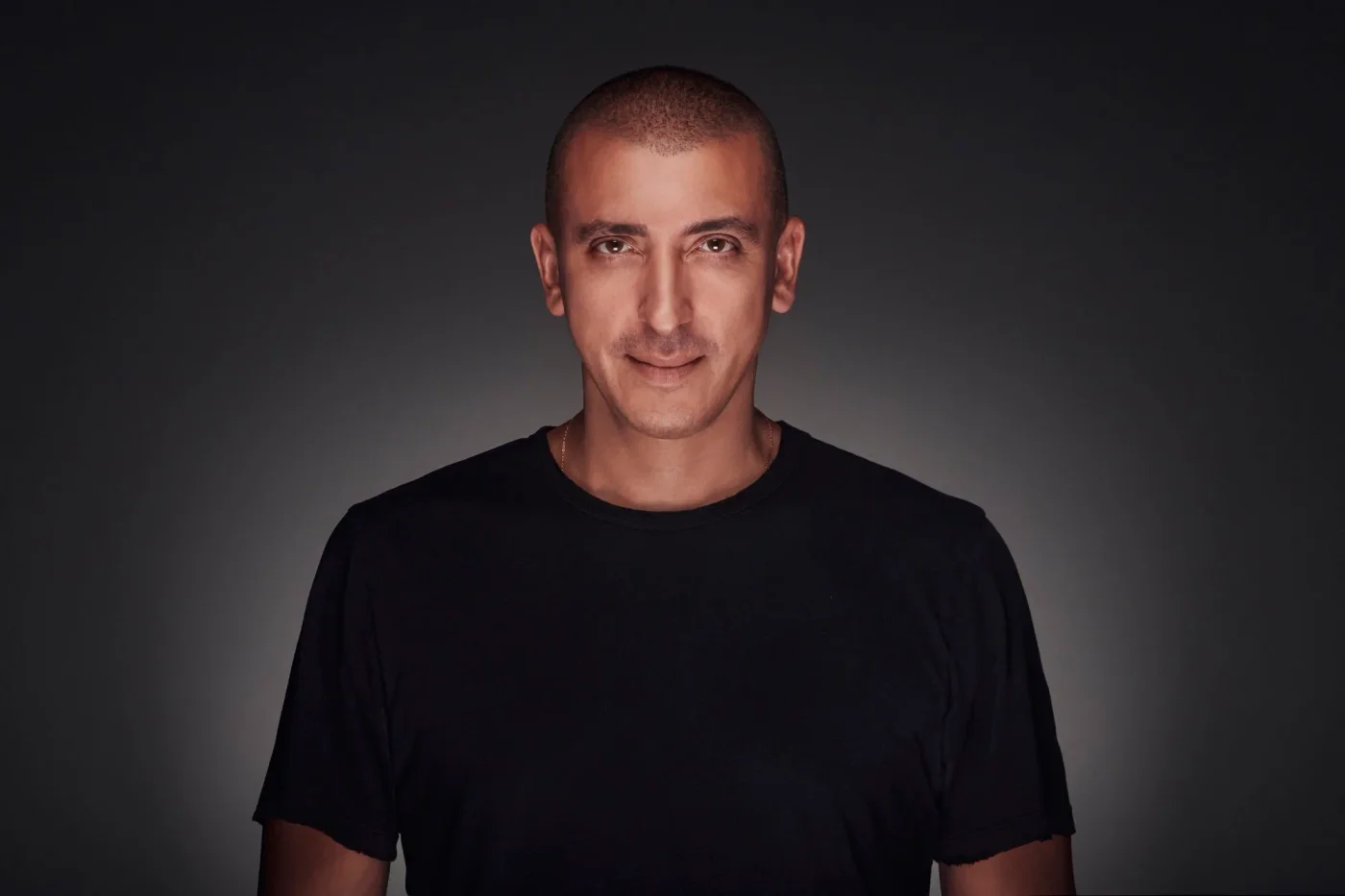 #1
#1Israel
1 editions · 2023
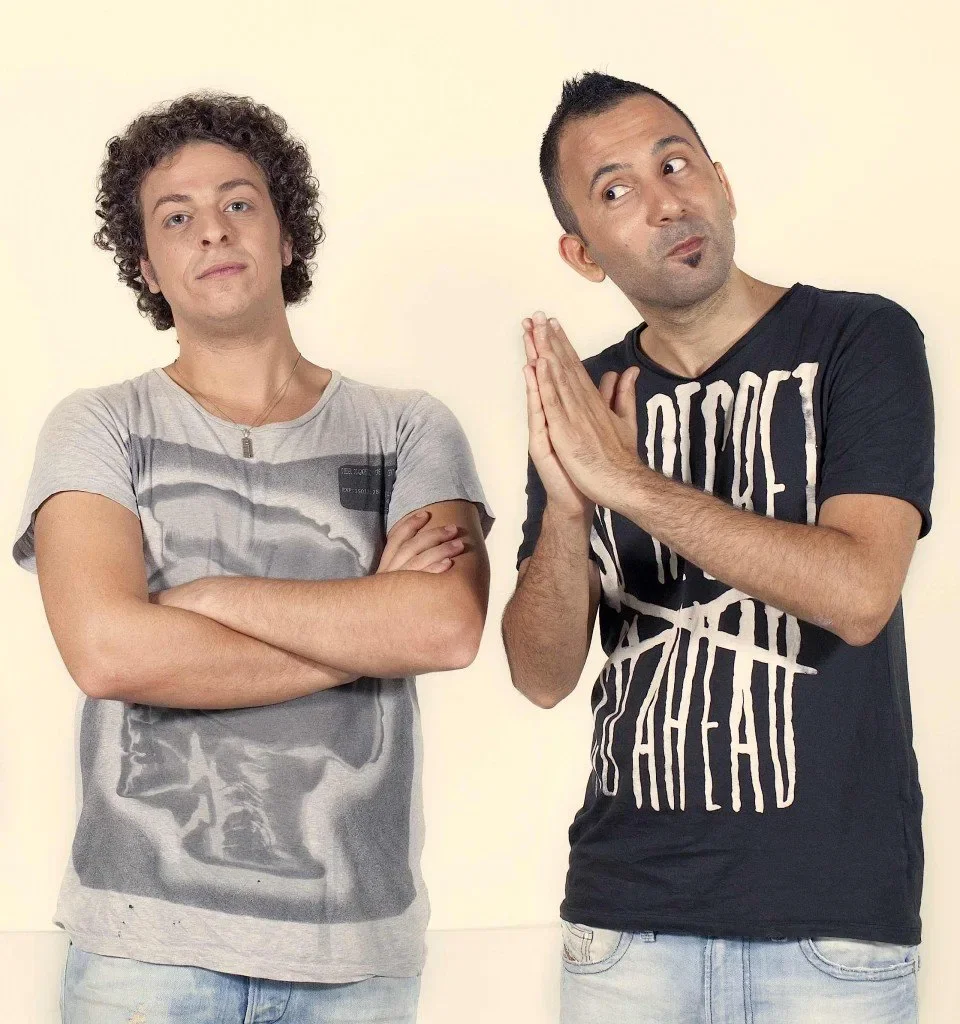 #2
#2Israel
1 editions · 2023
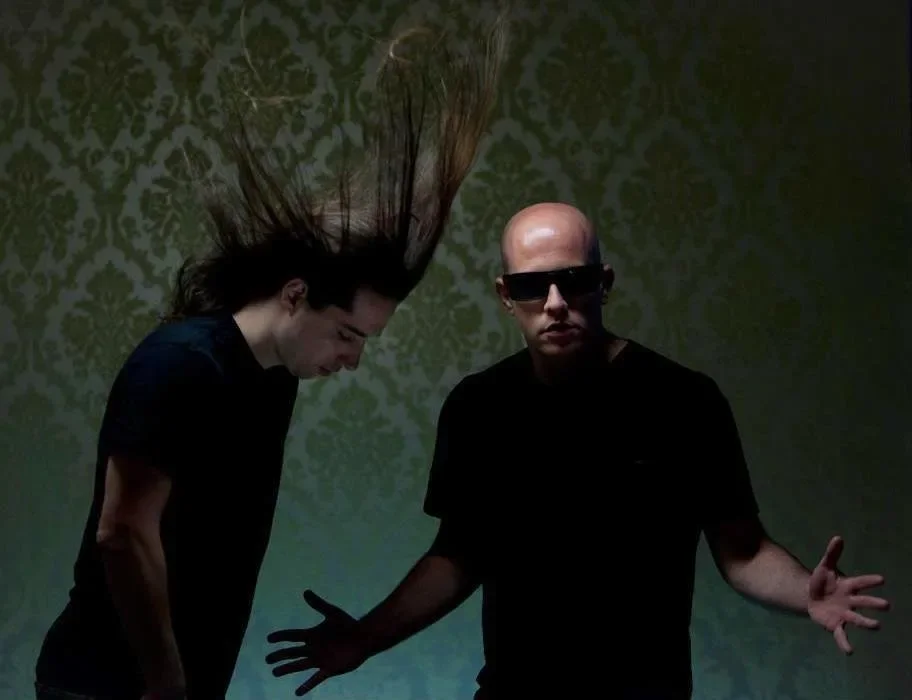 #3
#3Israel
1 editions · 2023