Ranking
#144

INDIE - POP - ROCK
Ranking
#144
Followers
675.1 K
When
02–JUL 05, 2027
Featured artists
Lineup coming — we'll publish it as soon as it's confirmed.
Time left
46 editions to explore · future, live and past
 2027
2027Rock Werchter 2027
2026Rock Werchter 2026
Numbers, home base and house quirks
There is a field in Belgium that for fifty weeks of the year is simply the Flemish countryside: pastures, trees, the Demer river somewhere on the horizon, and the silence that belongs to a village of three thousand people called Werchter. Then July arrives, and all of that disappears beneath one of the densest concentrations of live music in Europe.
Rock Werchter began in 1974 as a one-day event organised by Belgian promoter Herman Schueremans, with two local bands performing to a small crowd. No one called it a festival yet. But the impulse was there, and the following year it happened again, and the year after that. In 1977 an alliance formed with the city of Torhout, at the other end of the country, and the format that would define the Flemish musical summer for over two decades was born: Torhout-Werchter, a double festival with the same lineup playing twice, once at each site. Fans made the journey between the two. So did the artists.
That format survived until 1999, when the Torhout site was dropped and the festival concentrated entirely in Werchter. Four years later, expanding to four days under Live Nation management — with Schueremans still at the helm of programming — the festival reached the shape it holds today: four days over the first weekend of Belgium's summer holidays, with a main stage that has hosted virtually every name that defines the history of rock and pop over the past fifty years.
The list is difficult to summarise without it sounding like an exercise in arbitrary authority. David Bowie, U2, R.E.M., Metallica, Radiohead, The Rolling Stones, Coldplay, Foo Fighters, Pearl Jam, Patti Smith, Faithless, Kendrick Lamar, Lady Gaga. These are not simply names on a poster — they are artists who in many cases chose Werchter as one of their key European stages, and whose performances there are remembered as something specific. The industry recognises this: the festival has won the Arthur Award for Best Festival in the World at the International Live Music Conference in 2003, 2005, 2006, 2007, 2012 and 2014.
What stops those awards from sounding like marketing copy is the consistency with which the festival has built its reputation. Rock Werchter's programming has always been a calibrated mix: major international headliners, more alternative propositions in the Pyramid Marquee tent — a 6,000-capacity covered stage — and a steady presence of emerging Belgian talent that makes the festival something more than a showcase for global names. Playing Werchter carries weight within the circuit, whether it is a first appearance on the smaller stage or a closing set on the main stage on the final night.
The festival takes place at Festivalpark Werchter, an 88-hectare site that over decades has absorbed the growth of the event without losing the human scale that sets it apart from purely spectacular megafestivals. Camping opens on Wednesday — two days before the official start — and attendees sometimes arrive before the gates open, setting up along the access roads. For a significant portion of the Belgian public, and increasingly the wider European one, the week in Werchter is not a highlight of summer. It is where summer begins.
Genres
INDIE
POP
ROCK
Timeline
One artist per year — highest ranked in our archive
Those who appear most across this franchise's editions.
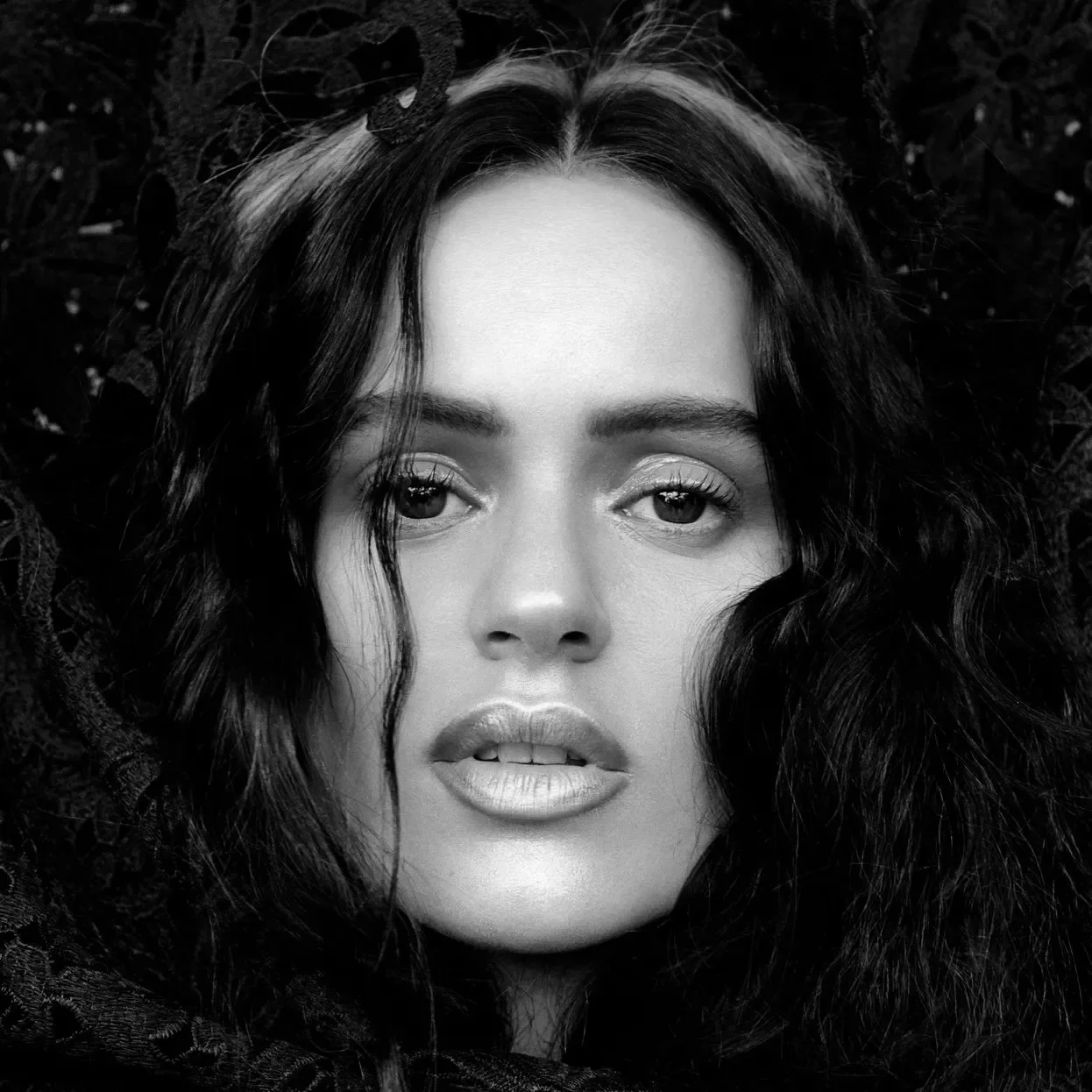 #1
#1Spain
1 editions · 2023
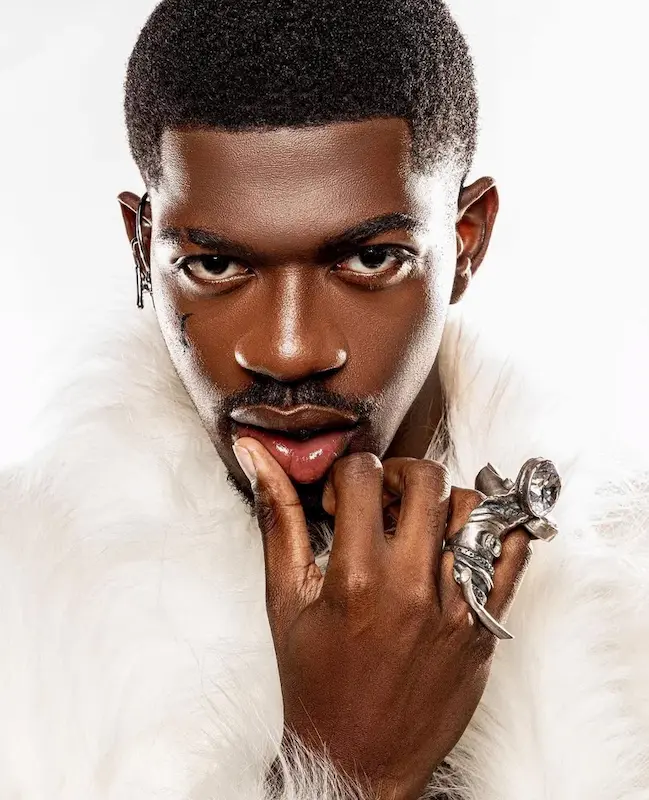 #2
#2United States
1 editions · 2023
 #3
#3United States
1 editions · 2023