Ranking
#101

HOUSE - TECHNO - TRANCE
Ranking
#101
Followers
993.7 K
When
17–JUN 19, 2027
Featured artists
Lineup coming — we'll publish it as soon as it's confirmed.
Time left
15 editions to explore · future, live and past
 2027
2027Sonar Barcelona 2027
2026Sonar Barcelona 2026
Numbers, home base and house quirks
Sónar cannot really be explained by simply saying “electronic music in Barcelona.” That would be far too small for a creature that has been operating since 1994 as a radar, laboratory, club, congress, showcase, party and cultural thermometer. It was born as Barcelona’s Festival of Advanced Music and Multimedia Art, in a city that already had architecture, nightlife, design, tourism, the Mediterranean and a creative energy of its own, but with Sónar found a new way to look forward: not through nostalgia, but through sound, image, technology and curiosity.
From the beginning, Sónar felt different. It did not settle for presenting DJs, nor did it simply copy the rock festival model and apply it to electronic music. Its question seemed to be something else: what happens when experimental music, club culture, digital art, design, sonic research and late-night culture sit at the same table? In the 1990s, that question may have sounded strange or too specialized. Over time, it became the festival’s identity. Sónar did not only follow the evolution of electronic music; often, it helped explain it before the wider public had the words to understand it.
Barcelona is central to that story. Sónar does not feel like a festival that simply lands in a beautiful city. It is tied to the way Barcelona mixes streets, design, architecture, beach, tourism, nightlife and visual culture. During its days, the city changes temperature: professionals, artists, curious visitors, ravers, journalists, programmers, technologists, designers, club fans and people who are not entirely sure whether they are going to hear music, see an installation, attend a talk or end up dancing very late all arrive at once. That mixture is exactly the point.
Musically, Sónar has always lived between the experimental and the popular. That tension defines it. It can present pioneers of industrial electronics, hard-to-classify audiovisual artists, club techno, grime, mutant pop, hip-hop, ambient, digital deconstruction, house, jungle, futuristic reggaeton, Latin electronic sounds, strange performances and huge names capable of filling the biggest stage. It is not a purist festival. It is not a purely crowd-pleasing festival either. Its greatest skill has been allowing audiences to move from something abstract to something massive without feeling like the night has contradicted itself.
The real experience of attending Sónar has a lot to do with navigation. You are not only going to “see concerts”; you are moving through layers. You check set times, choose between an audiovisual live show and a DJ set, wonder whether to stay at one stage or cross to another, stumble upon an installation you did not expect, hear a conversation about artificial intelligence and later end up dancing to something you may not have known existed two hours earlier. At Sónar, discovery does not always arrive dressed as a grand revelation. Sometimes it appears as a strange sound, a screen, a light, a half-empty room that suddenly becomes unforgettable.
Sónar+D expands that personality even further. Its presence reminds you that the festival does not treat technology as decoration, but as cultural material. Here, the question is not only what sounds, but how it is produced, programmed, visualized, circulated, monetized and how it affects the body, creativity and the way we imagine the future. That is why Sónar can feel half festival and half antenna: it captures strange signals before they become normal.
What separates Sónar from many other major electronic festivals is its relationship with cultural intelligence. It does not seek only euphoria, although it has plenty of it. It does not seek only the party, although it knows how to build one. Its power lies in connecting pleasure and thought without turning cold or academic. You can enter because of a famous artist and leave talking about an installation. You can go for techno and discover an experimental voice. You can go for work and end up on a dance floor losing control. Sónar is Barcelona listening to the future with curiosity, without being afraid when the future sounds strange.
Genres
HOUSE
TECHNO
TRANCE
Timeline
One artist per year — highest ranked in our archive
Those who appear most across this franchise's editions.
 #1
#1South Africa
1 editions · 2023
 #2
#2South Korea
1 editions · 2023
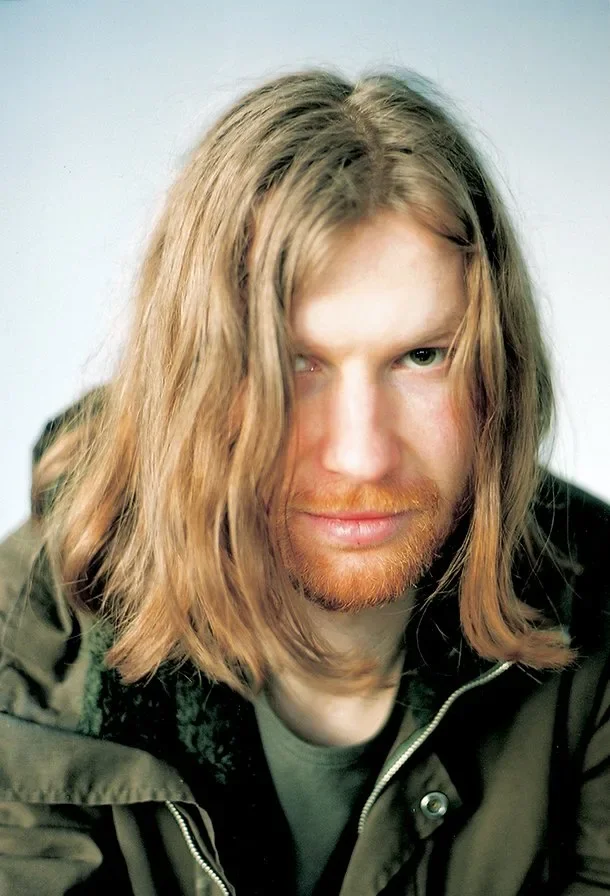 #3
#3United Kingdom
1 editions · 2023