Ranking
#10

HOUSE - TECHNO - TRANCE
Ranking
#10
Followers
10.8 M
When
26–MAR 28, 2027
Where
Miami, Florida
Country
United States
Featured artists
Lineup coming — we'll publish it as soon as it's confirmed.
Time left
30 editions to explore · future, live and past
 2027
2027Ultra Music Festival 2027
Numbers, home base and house quirks
Ultra Music Festival is one of the central pillars of modern electronic music culture. It began in Miami in 1999, at a time when the city already had a deep relationship with dance music, clubs, Winter Music Conference, international DJs, Latin energy, nightlife and the strange electricity that makes Miami feel different from almost any other American city. But Ultra did not begin as the global machine it is today. It started as a one-day event on Miami Beach, almost like an instinct that something bigger was coming: electronic music was moving out of dark rooms and into its own mass language.
Over the years, Ultra moved, expanded, argued with its surroundings, changed locations and eventually solidified its identity around Bayfront Park in Downtown Miami. Few festivals have such a clear contrast between stage and city. On one side: skyscrapers, traffic, hotels, yachts, offices, tourists and the constant pressure of downtown life. On the other: thousands of bodies by the water, giant lights, screens, smoke, lasers and bass bouncing against the bay. Ultra does not hide in a valley or dissolve into the countryside. It happens in the middle of the urban pulse. For one weekend, Miami’s financial and tourist core becomes a global dancefloor.
Musically, Ultra is direct, intense and proudly electronic. It does not try to be a “little bit of everything” festival. Its center is clear: EDM, house, techno, trance, bass, progressive, harder sounds, live electronic acts and the space where the DJ becomes the main event. But inside that clarity, there are many worlds. The Mainstage is built for anthems, fireworks, huge drops, big-room emotion and names capable of closing a night for tens of thousands of people. RESISTANCE represents another side of the festival: darker, deeper, more hypnotic, closer to club culture, with techno and house sets that reward patience, tension and groove.
To attend Ultra is to enter an accelerated version of Miami. Everything moves fast. Set times collide, stages pull you in different directions, heat mixes with humidity, night falls over the skyline and the city never really disappears. You walk among people from more than one hundred countries, DJ shirts, flags, sunglasses, tired sneakers, different languages and groups of friends that can vanish into the crowd within minutes. There is always a conflict: the Mainstage artist you wanted to see starts exactly when your friend insists on going to RESISTANCE; a special set is about to begin, but you need water; the perfect closing set is happening at the same time as another perfect closing set. Ultra is made of small decisions that later feel enormous.
What separates Ultra from many electronic festivals is its role as a global showcase. For years, it has been a place where DJs bring new music, test visual concepts, present special performances and set the tone for the electronic festival season. Its livestream became part of that identity. Ultra understood early that the festival did not end at Bayfront Park. It could travel through screens, reach bedrooms, living rooms, bars and house parties around the world. For many people, Ultra existed first as a livestream, an aftermovie, a saved YouTube set, a promise of Miami before the actual trip became possible.
It also has a real history of friction. The 2019 move to Virginia Key, the pandemic cancellations of 2020 and 2021, debates over noise, transportation and downtown disruption, and the return to Bayfront Park all belong to its story. Ultra is spectacle, but it is also city politics, permits, logistics, neighborhood tension, economic impact and the complicated art of putting a massive festival inside a living urban space.
The crowd is international, nocturnal, energetic and deeply committed. There are first-time ravers, aspiring producers, scene veterans, techno loyalists who barely leave RESISTANCE, EDM fans who dream of the Mainstage, travelers who plan the trip months in advance and adults who have watched electronic music grow from a niche language into a global cultural force. Ultra can be exhausting, loud, expensive and overwhelming. But when the skyline lights up, the bass hits your chest, lasers cut across the bay and a whole crowd jumps together in Downtown Miami, its importance becomes obvious. Ultra does not simply celebrate electronic music. It turns it all the way up.
Genres
HOUSE
TECHNO
TRANCE
Timeline
One artist per year — highest ranked in our archive
1999

Armand Van Helden
2000
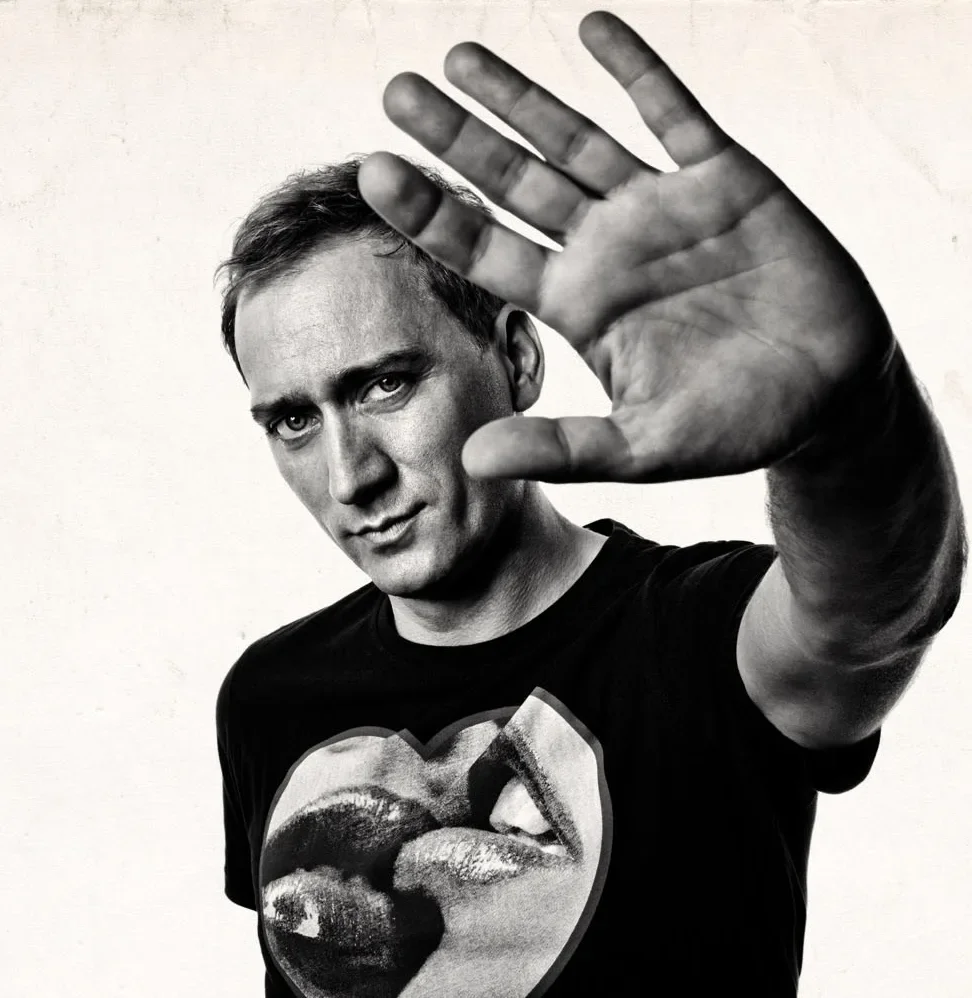
Paul van Dyk
2001
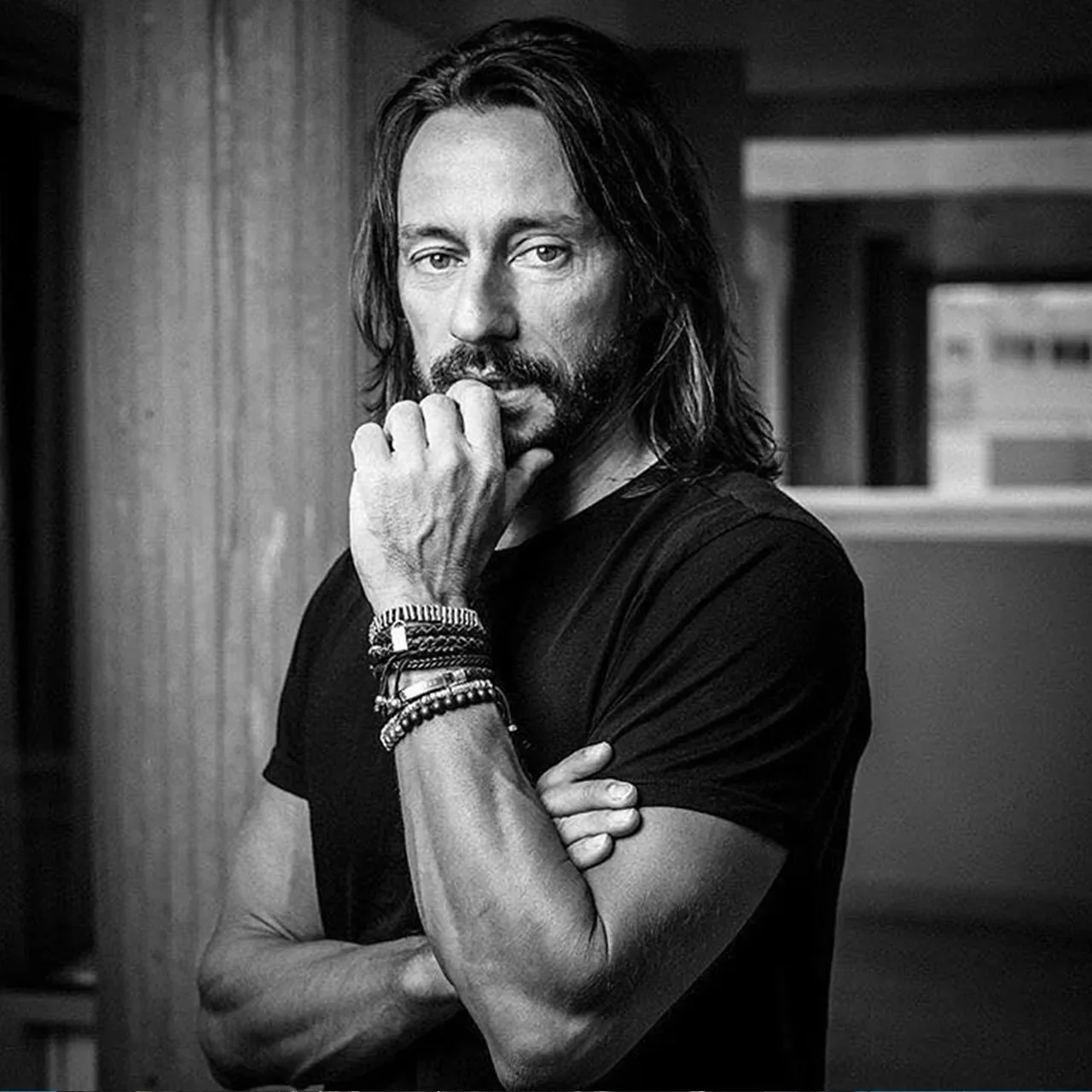
Bob Sinclar
2002
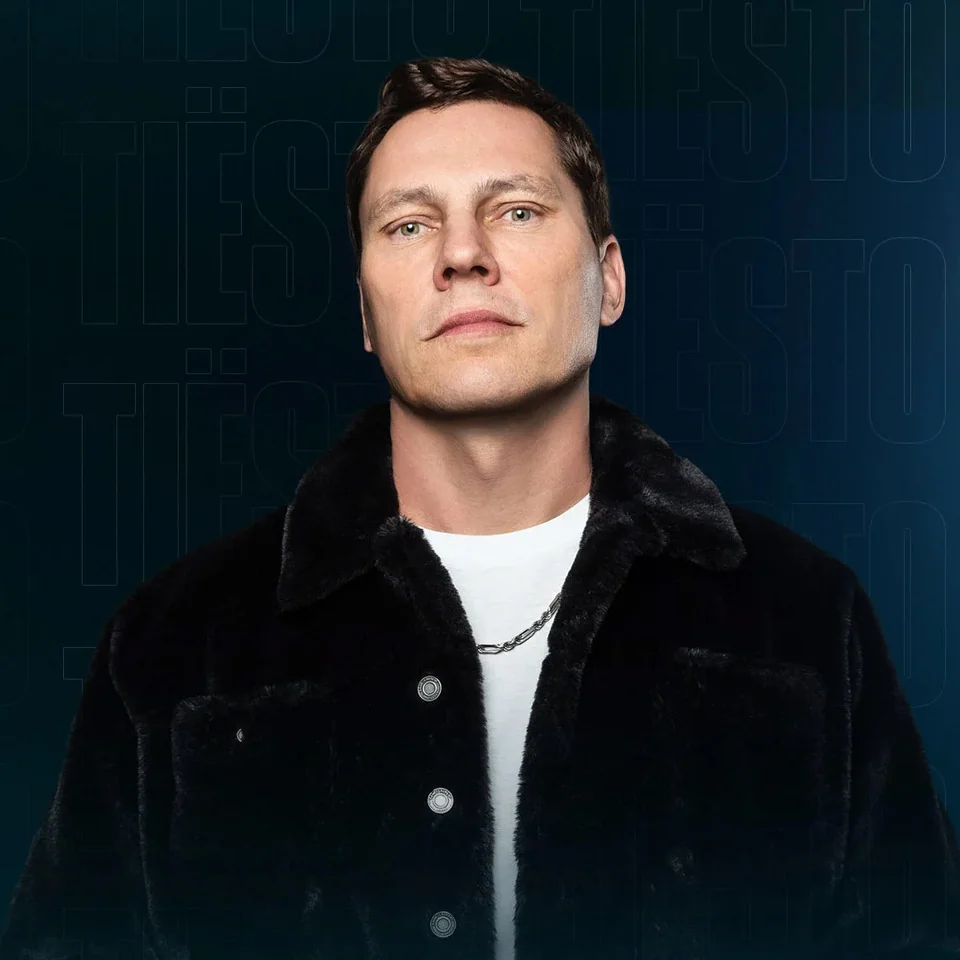
Tiësto
2003
Tiësto
2004
Tiësto
2005
Tiësto
2006
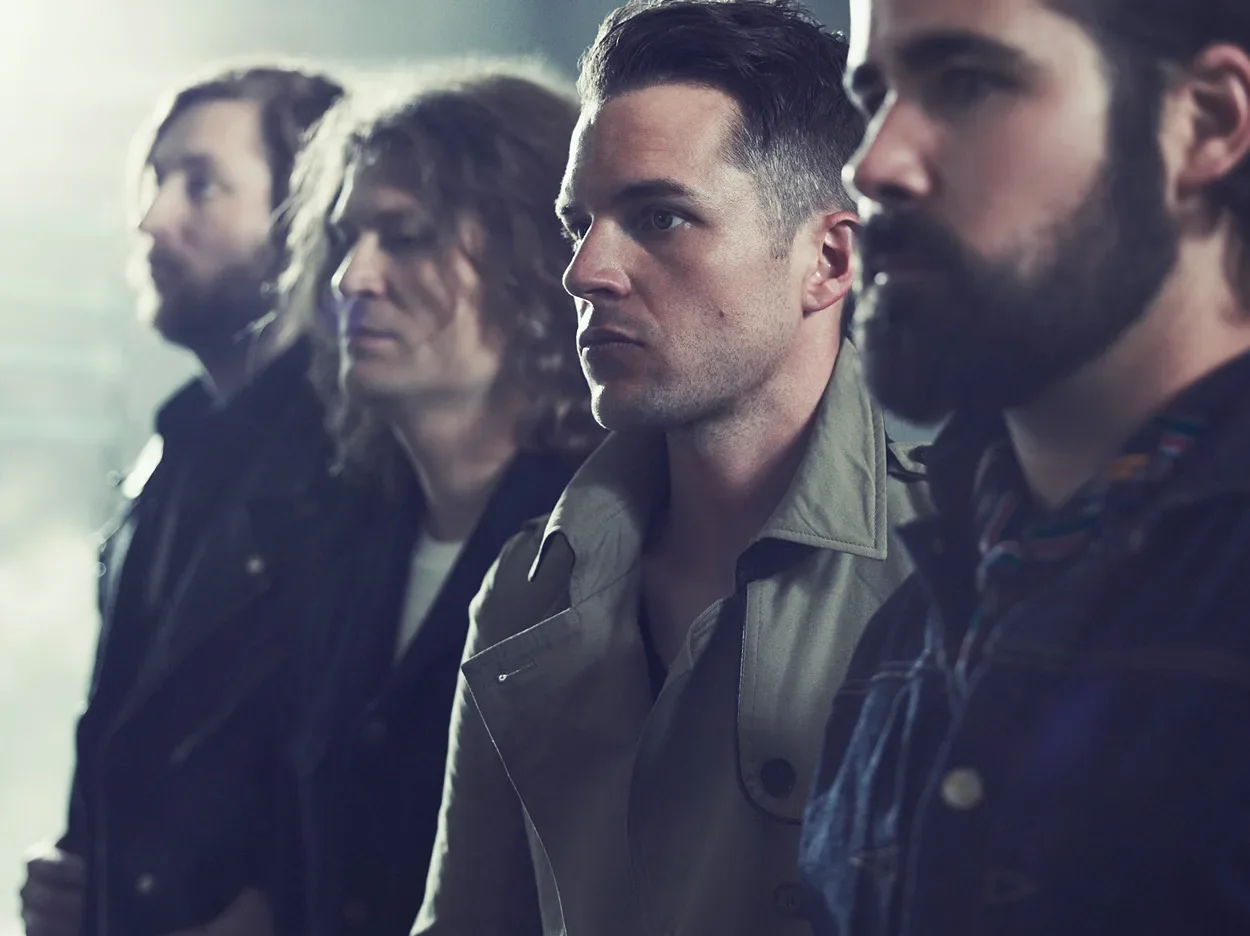
The Killers
2007
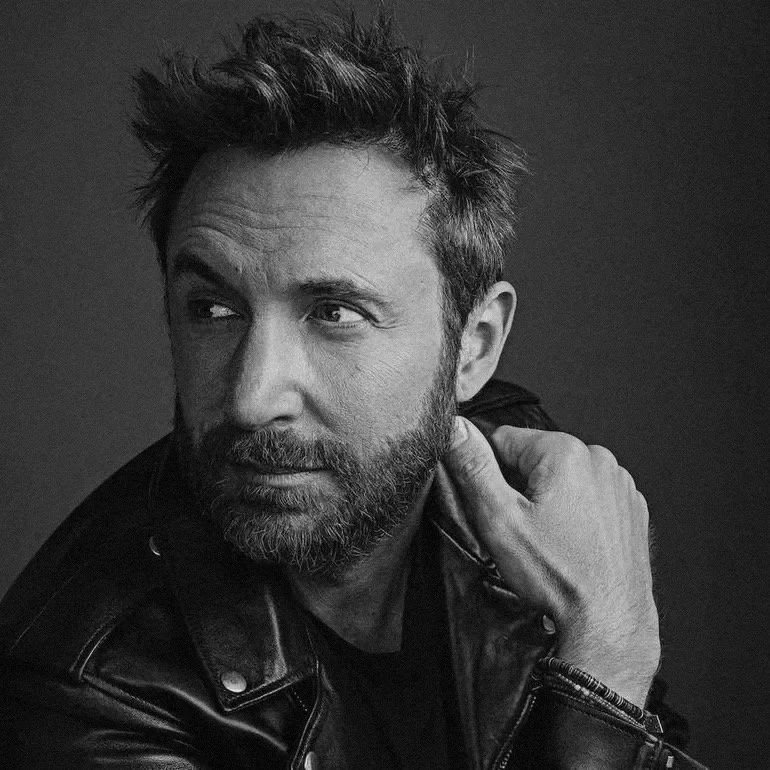
David Guetta
2008
David Guetta
2009
David Guetta
2010
David Guetta
2011
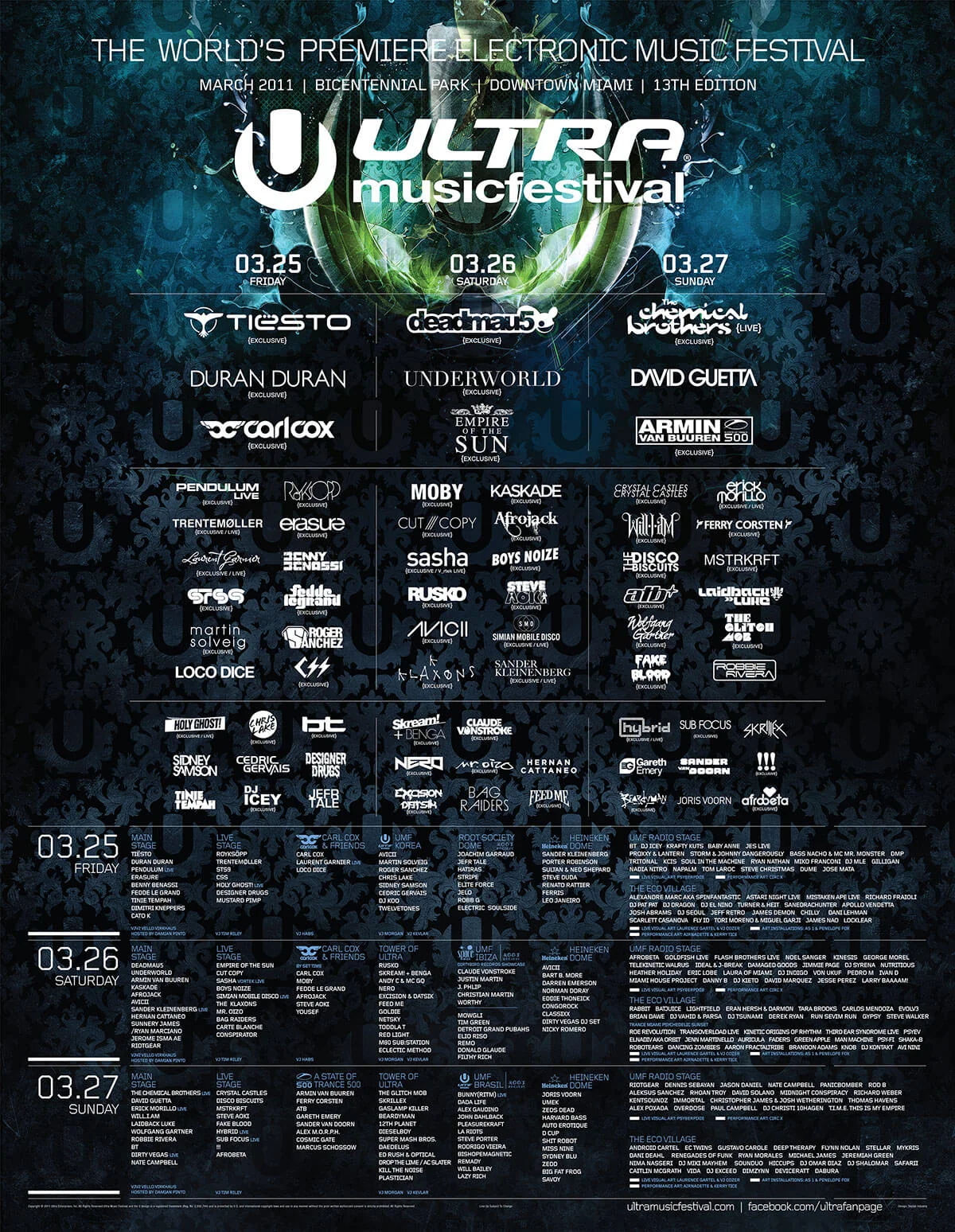
David Guetta
2012
David Guetta
2013
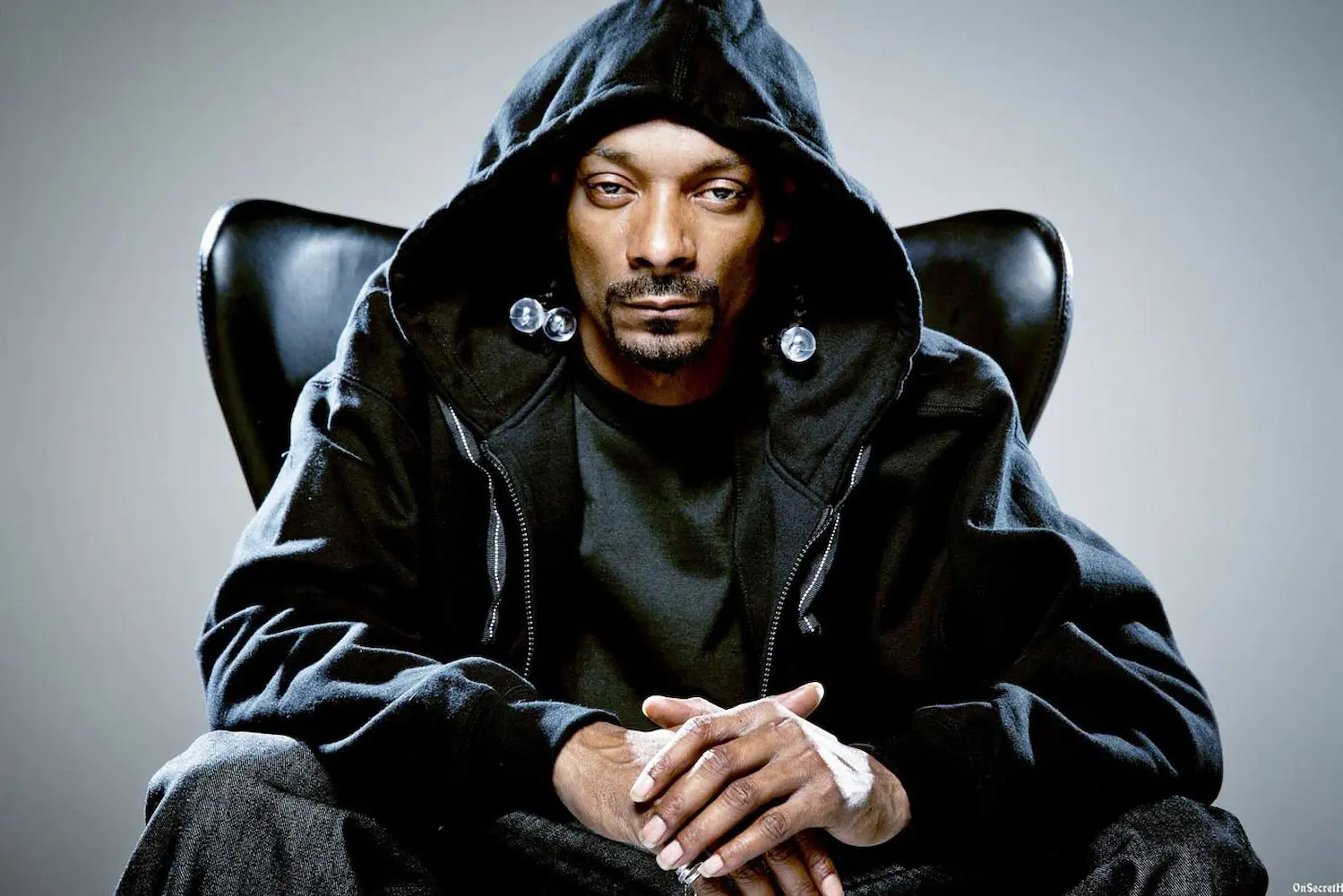
Snoop Dogg
2014
David Guetta
2015
David Guetta
2016
David Guetta
2017
David Guetta
2018
David Guetta
2019
David Guetta
2022
David Guetta
2023
David Guetta
2024
David Guetta
2025
David Guetta
2026
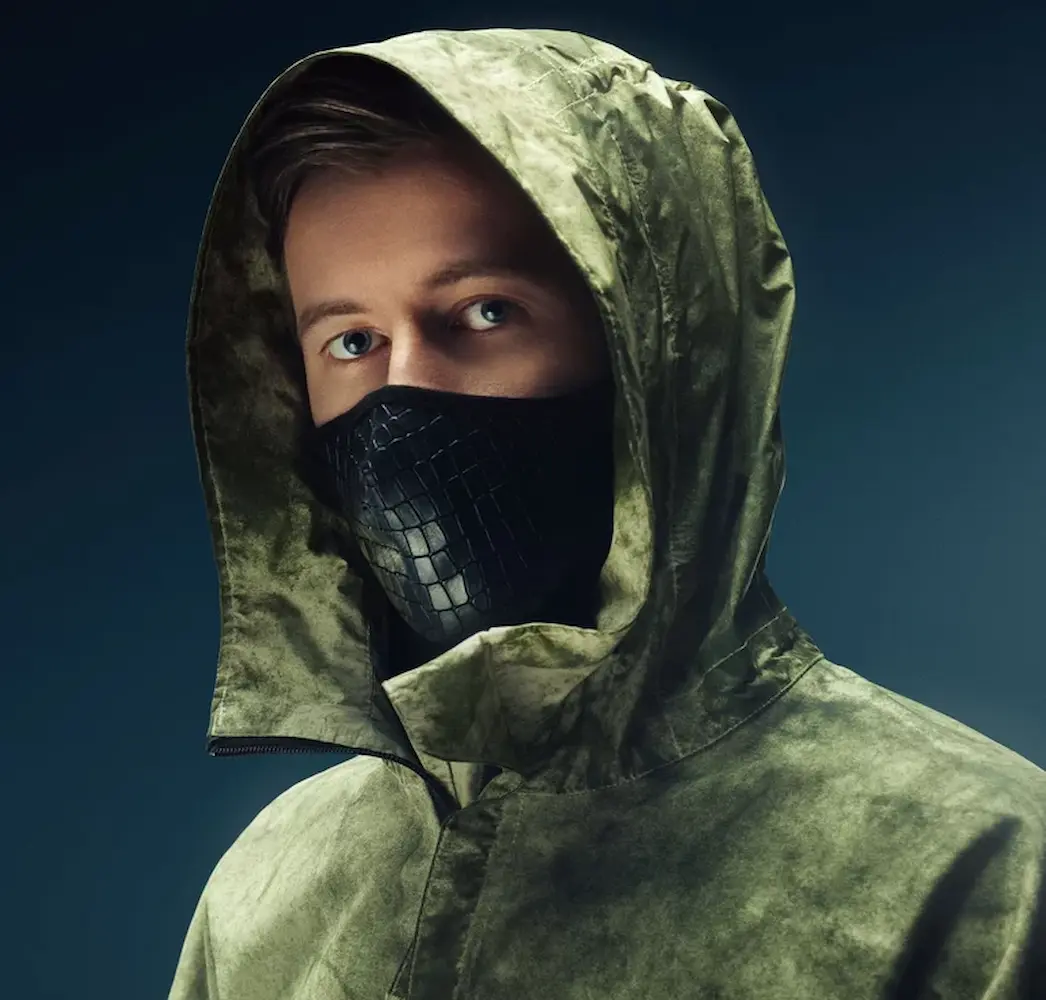
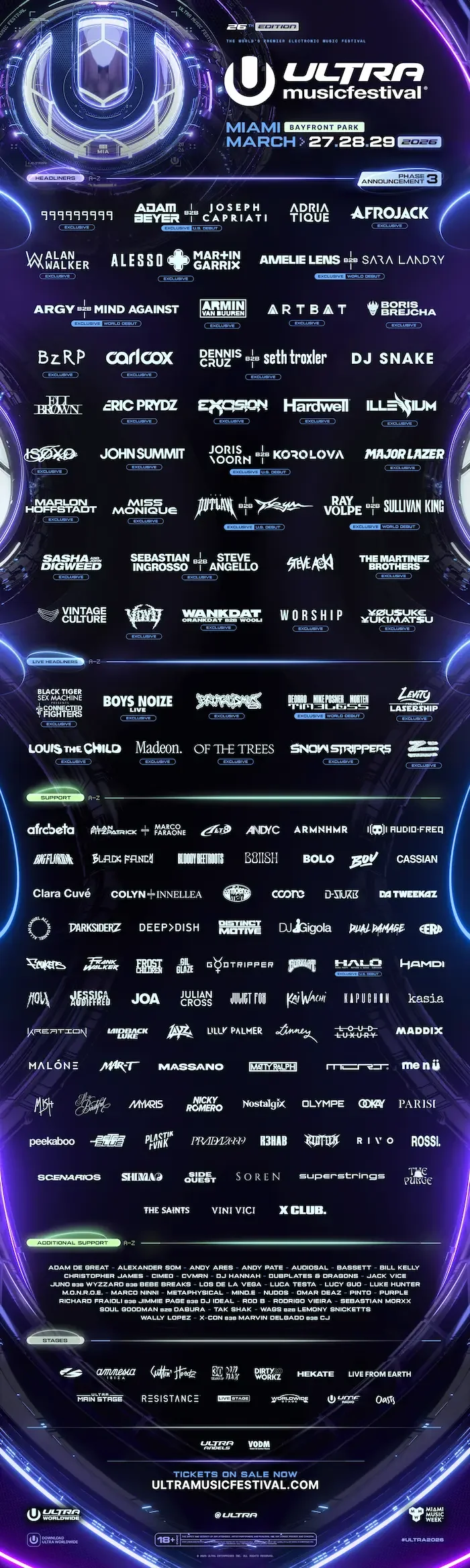
Alan Walker
Those who appear most across this franchise's editions.
#1Netherlands
21 editions · 2002–2025
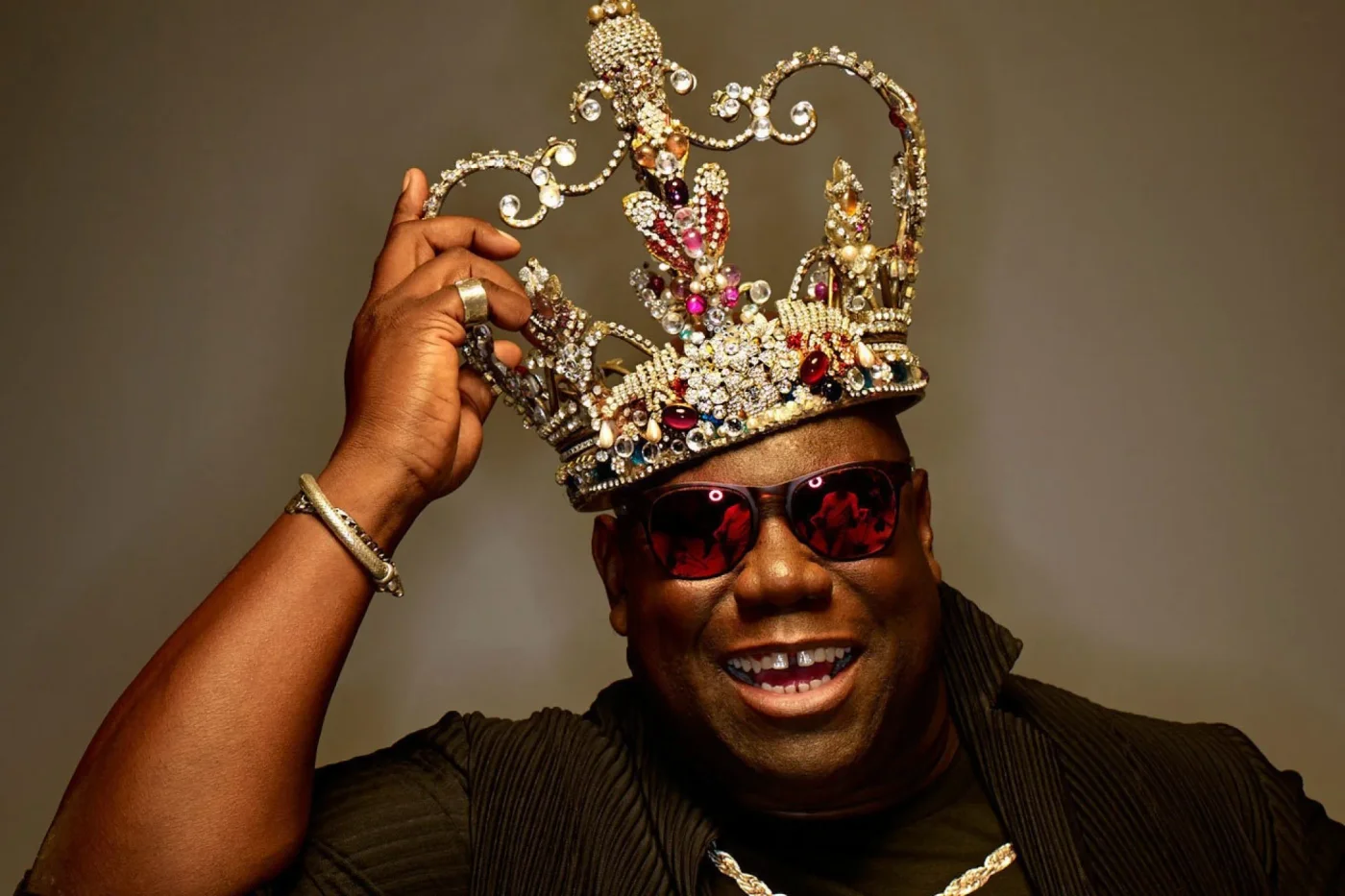 #2
#2United Kingdom
20 editions · 2001–2026
#3France
17 editions · 2007–2025
Editorial coverage linked by archive relation.