Ranking
#25

POP - ROCK
Ranking
#25
Followers
3.6 M
When
2027
Featured artists
Lineup coming — we'll publish it as soon as it's confirmed.
14 editions to explore · future, live and past
Numbers, home base and house quirks
As the afternoon sun bakes the asphalt in the eastern reaches of Mexico City, thousands of voices join in a massive chorus singing lyrics that belong as much to the classic Spanish-language rock songbook as to the shared memory of multiple generations. Across the vast grounds surrounding the newly renovated Estadio GNP Seguros —known for decades as Foro Sol— clouds of dust kicked up by walking crowds mix with the scent of street tacos, cold beer, and smoke. The Festival Iberoamericano de Cultura Musical Vive Latino did not begin at the end of the 1990s as a corporate entertainment giant, but rather as an ambitious, risky statement designed to gather the fierce, diverse, and often overlooked pulse of Spanish-speaking music into a single focal point.
That inaugural 1998 edition served as a reality check for a music scene navigating between underground club circuits and the emerging stadium appeal of Latin rock. Organizers at OCESA took a gamble by assembling dozens of acts over two days who had rarely enjoyed large-scale technical infrastructure. In its early phase, which included occasional gap years and production adjustments, the festival grounds were rough and volatile. Audiences exercised rigorous, sometimes hostile scrutiny from the floor, loudly demanding authenticity and occasionally booing off acts that deviated from strict rock orthodoxies. Over time, that narrow purism dissolved into a broad, curious appetite that reshaped how live entertainment is experienced in the Mexican capital.
As the continental musical landscape evolved, the festival gradually expanded its stylistic boundaries without abandoning its regional core. Moving away from a rigid focus on distorted guitars, the lineup embraced hip hop, ska, electronic music, reggae, tropical rhythms, and eventually regional Mexican genres and alternative pop. The gradual addition of non-Spanish-speaking international headliners enriched the bill while highlighting the strength of the Latin lineup. Iconic acts such as Café Tacvba, Caifanes, Los Fabulosos Cadillacs, Molotov, Babasónicos, and the late Gustavo Cerati shared top billing with global touring heavyweights, proving that Latin American productions could match any international act in crowd draw, showmanship, and emotional resonance.
Navigating the sprawling racetrack grounds during the weekend requires physical stamina and sharp decision-making. The layout distributes massive crowds between towering main stages, where human oceans stretch toward the horizon, and smaller tents dedicated to discovery. Among these, the Carpa Intolerante grew over two decades into the artistic heart of the event: a sanctuary where progressive jazz, experimental noise, indie songwriting, and underground bands from across Latin America perform before deeply attentive listeners away from commercial pressures. Crossing from one side of the venue to the other means weaving through dense crowds rushing to resolve painful schedule overlaps between historic headliners and emerging favorites.
The experience inside the complex clearly extends beyond listening to live music. During the hottest hours of the afternoon, festivalgoers seek shade under concrete stands, gather around food courts, or wander through the cultural activations lining the main walkways. A professional lucha libre ring has become a staple of the daily routine, where masked wrestlers trade dramatic throws as cheers and jeers rival the volume of nearby sound systems. A short walk away, a dedicated comedy tent fills to capacity with people taking a break from the harsh sun, creating an atmosphere that reflects the rich, multifaceted pop culture of modern Mexico City.
When night falls, the temperature drops sharply, and stage lighting transforms the industrial outline of the sports complex. The silhouettes of metal trusses and high-definition screens frame the dense crowd packed into the main stadium floor. This is when headliners unleash their most enduring anthems, triggering synchronized surges of movement that shake the physical structure of the venue. Amid flare smoke and collective choruses echoing off the stadium tiers, the emotional intensity reaches its peak, bridging the gap between veterans who attended in the late nineties and teenagers experiencing the festival for the first time.
Operating an event on this scale creates serious logistical hurdles in one of the world's most populous urban centers. The late-night exodus of tens of thousands of fans onto surrounding avenues tests the city's transport infrastructure to its limits. Yet that chaotic exit is integral to the overall ritual. Having weathered major venue renovations, corporate sponsorship rebrandings, and dramatic shifts in music consumption, the gathering remains the definitive benchmark for the vitality of Spanish-language music.
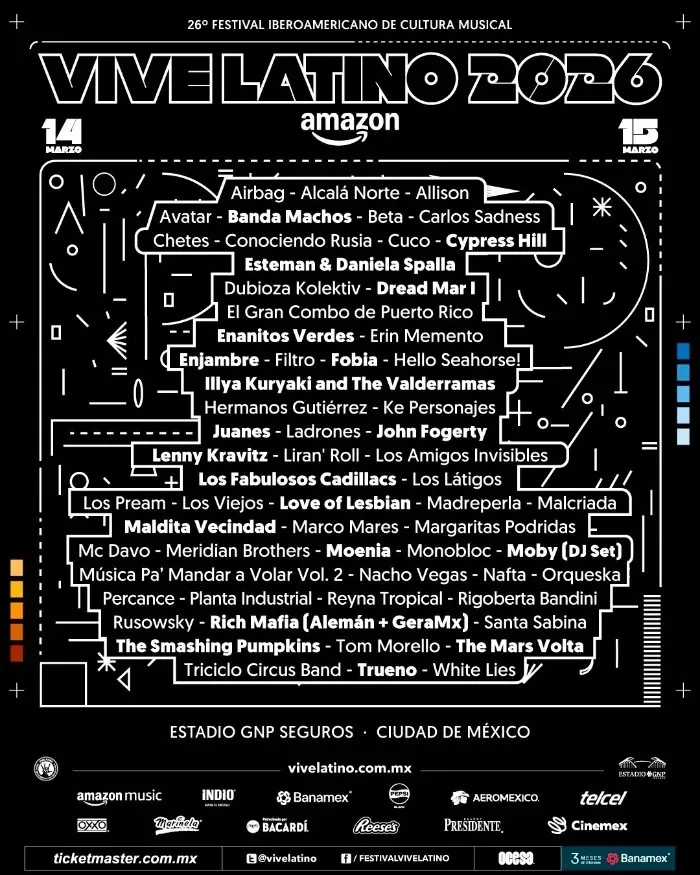
In its most recent editions, celebrating over a quarter-century of history, the programming continues to strike a deliberate balance between heritage nostalgia and contemporary musical shifts. By pairing foundational Latin rock figures with Latin hip-hop pioneers, avant-garde indie acts, and international guest artists, the festival proves that its original mission of cultural dialogue remains as potent and relevant as ever.
Genres
POP
ROCK
Timeline
One artist per year — highest ranked in our archive
Those who appear most across this franchise's editions.
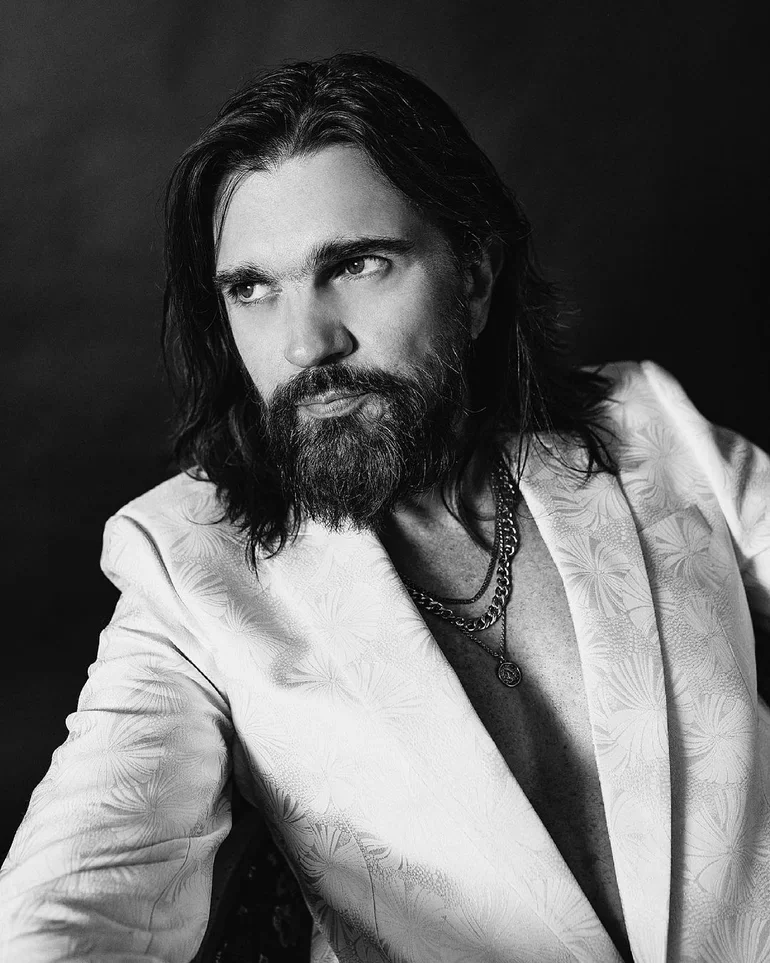 #1
#1Colombia
2 editions · 2023–2026
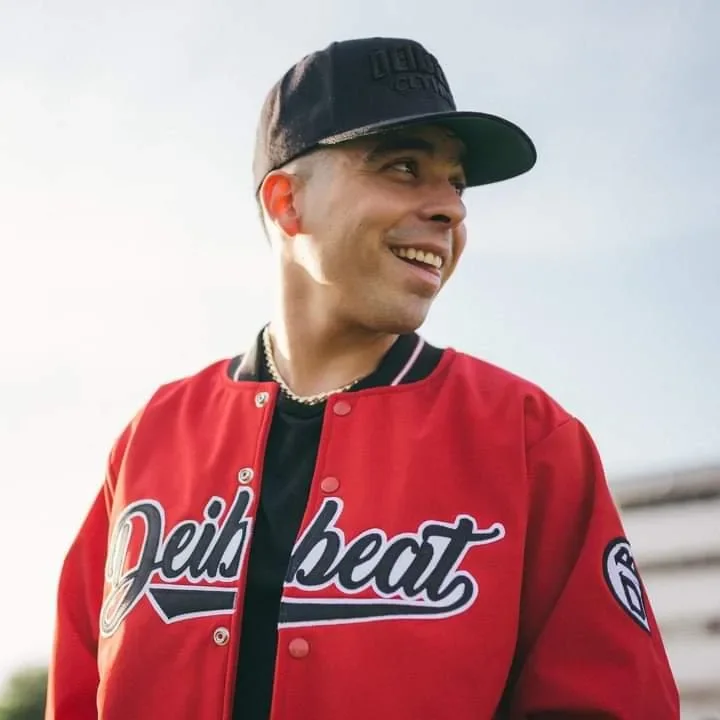 #2
#2Mexico
2 editions · 2023–2026
 #3
#3Mexico
2 editions · 2023
Editorial coverage linked by archive relation.