





Ranking
#98

Ranking
#98
Followers
76.2 M
Digital presence
Official profiles, streaming and discovery.
What a good fan recites by heart (or pretends to).
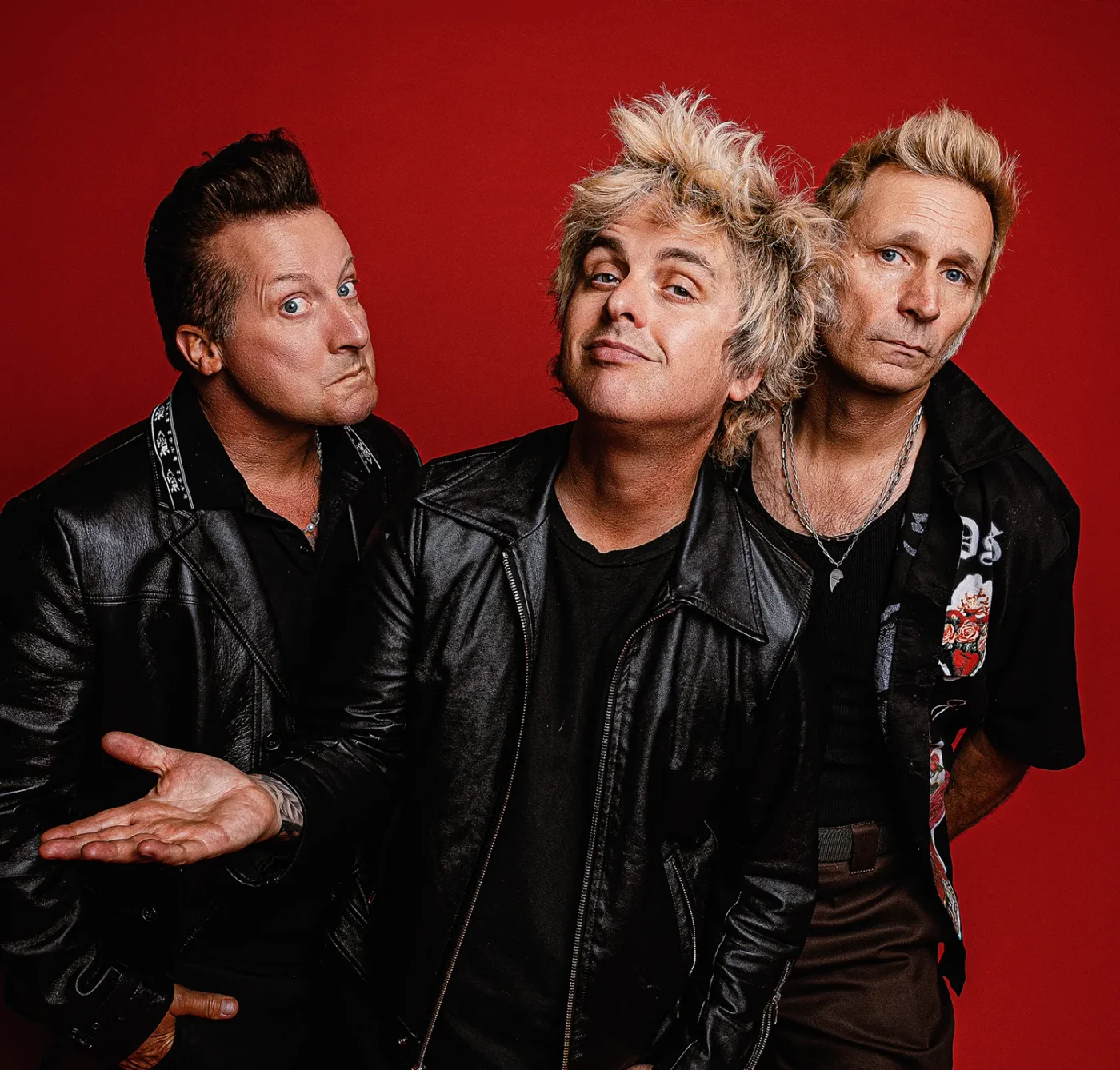
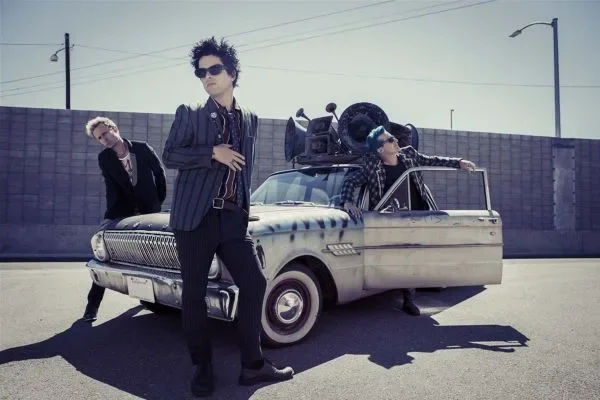
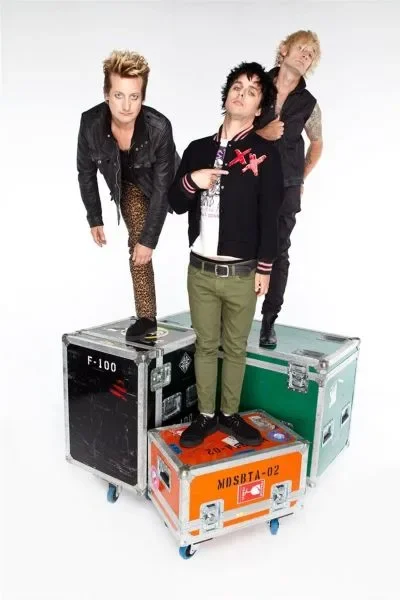
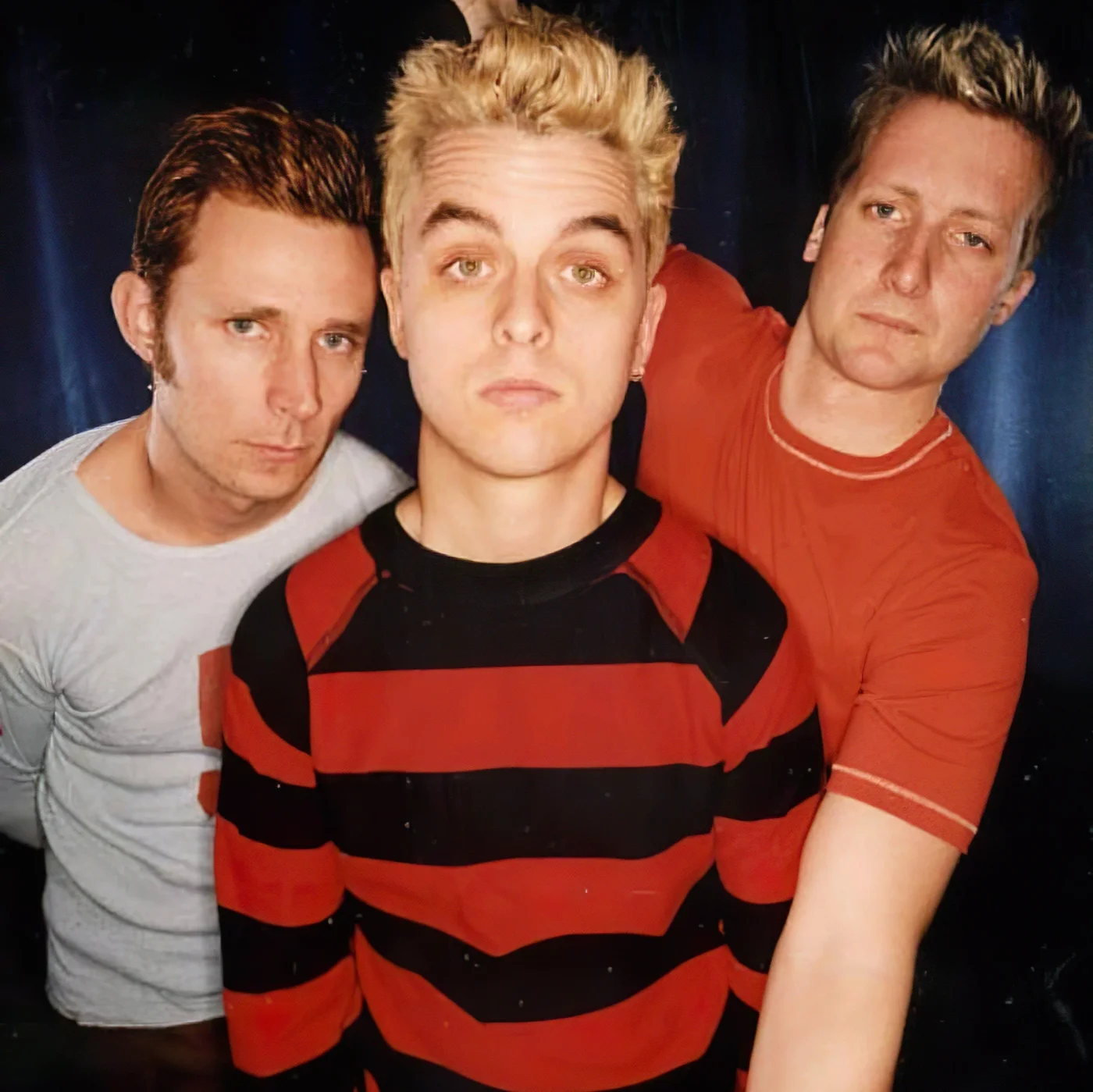
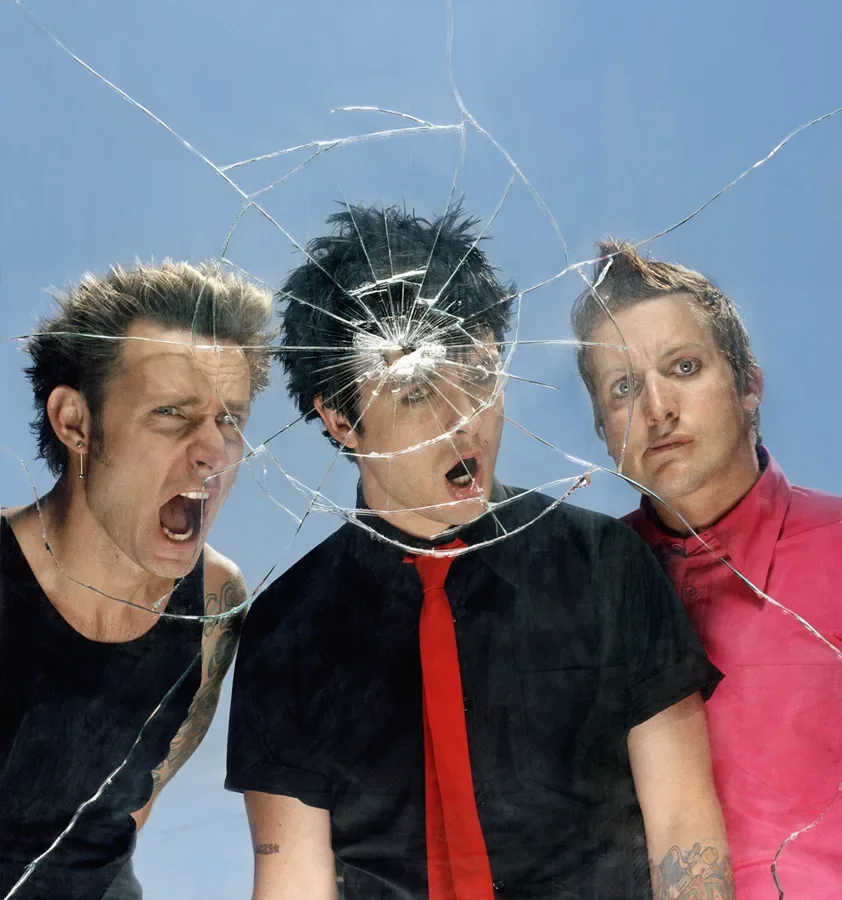
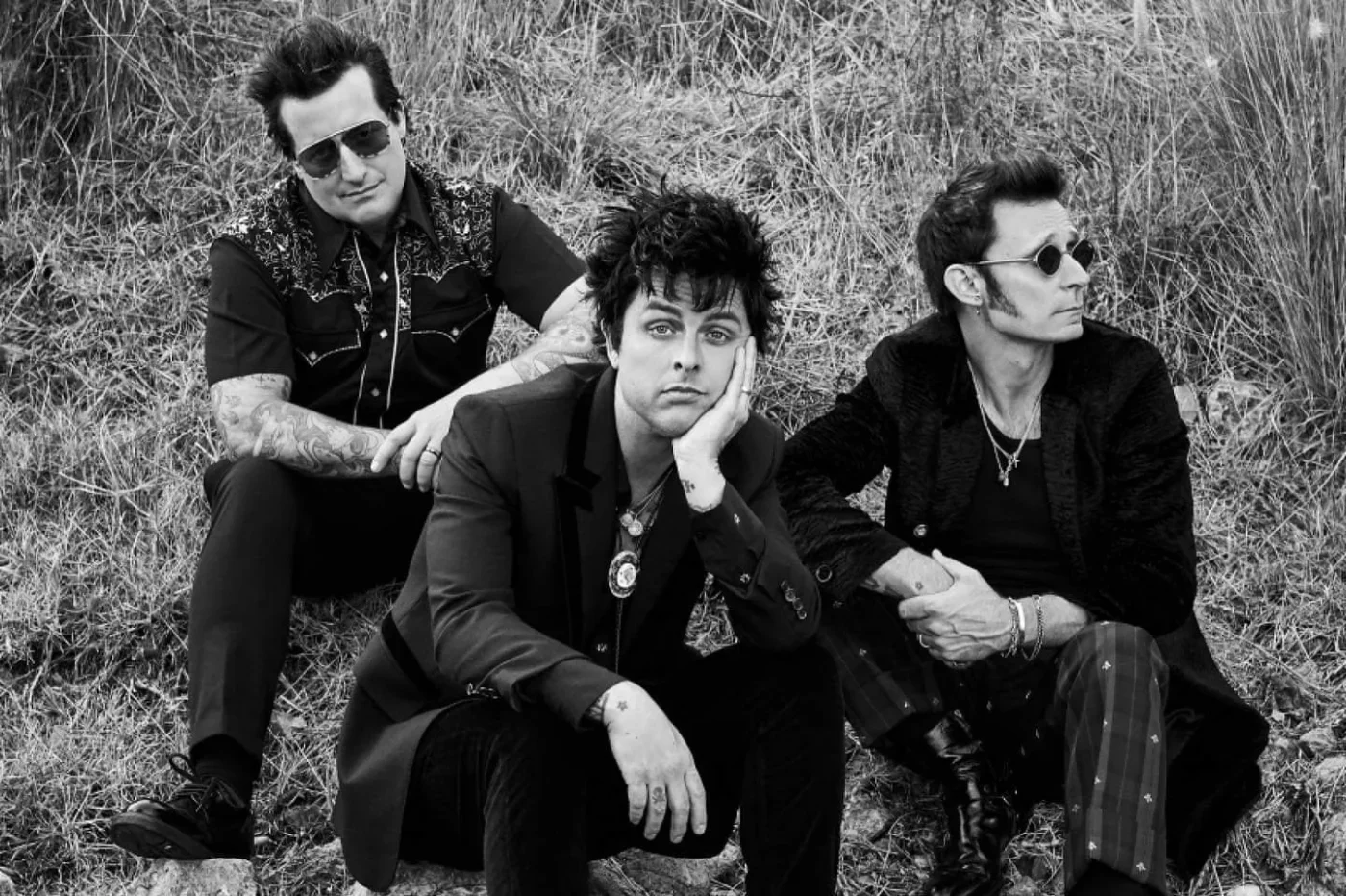
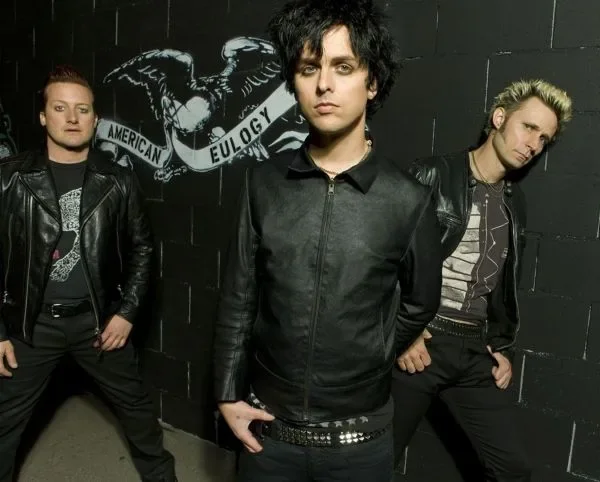
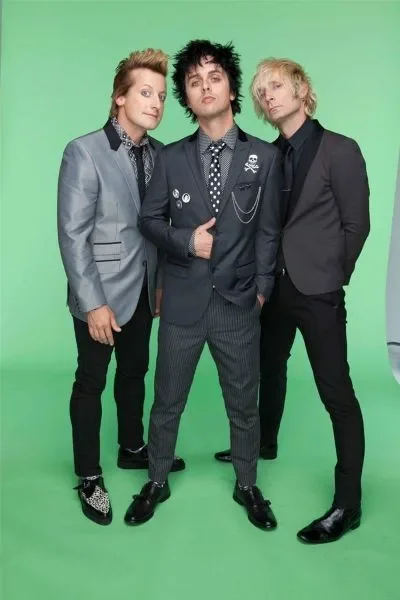
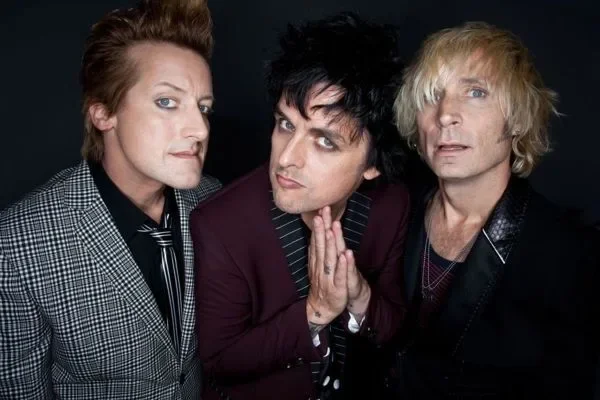
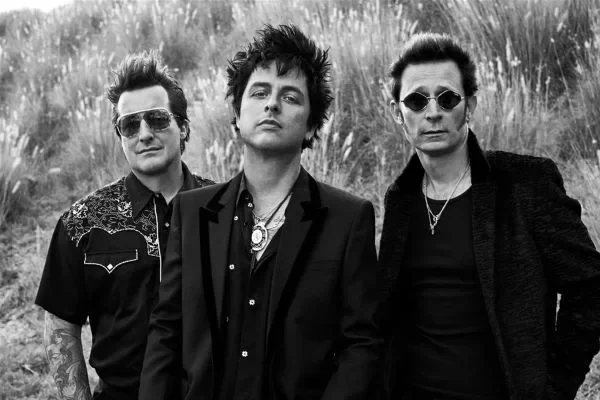
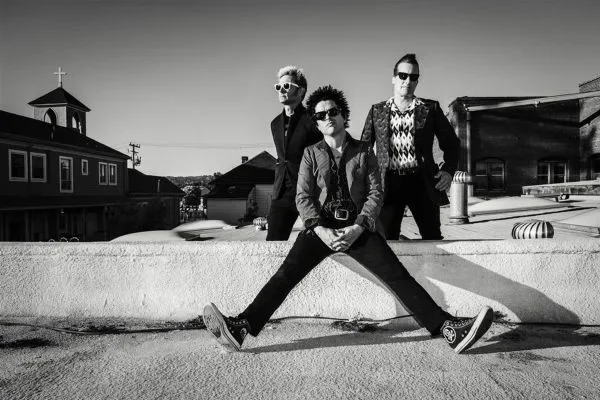
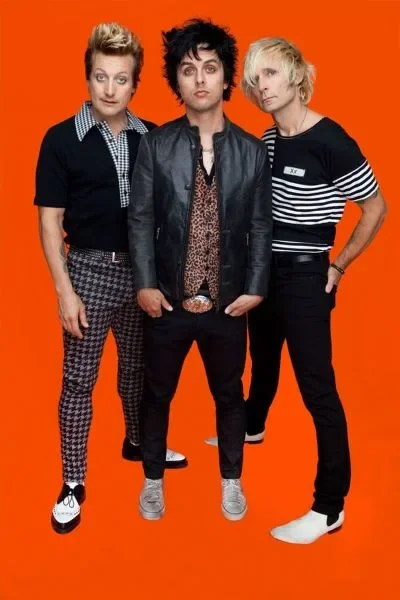
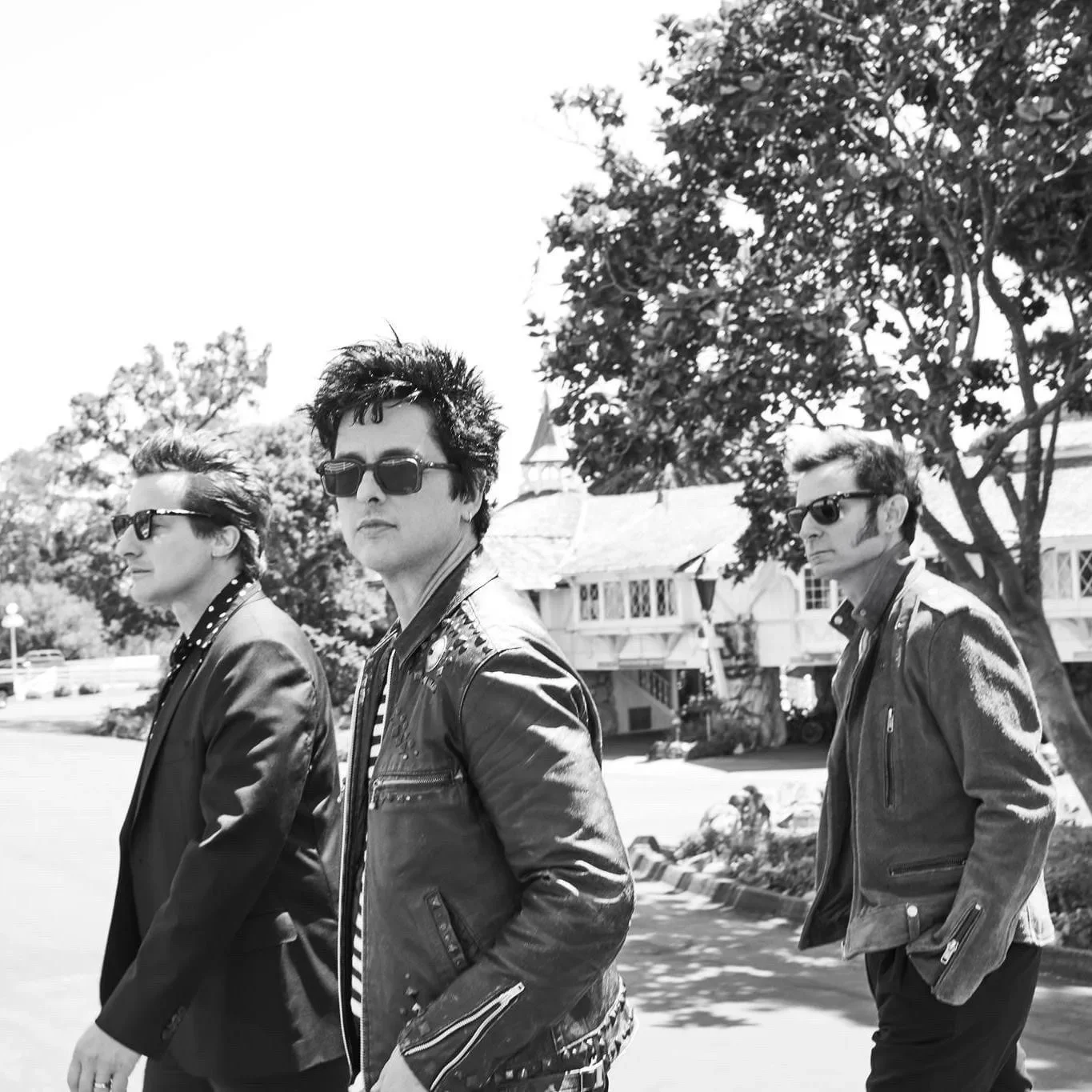
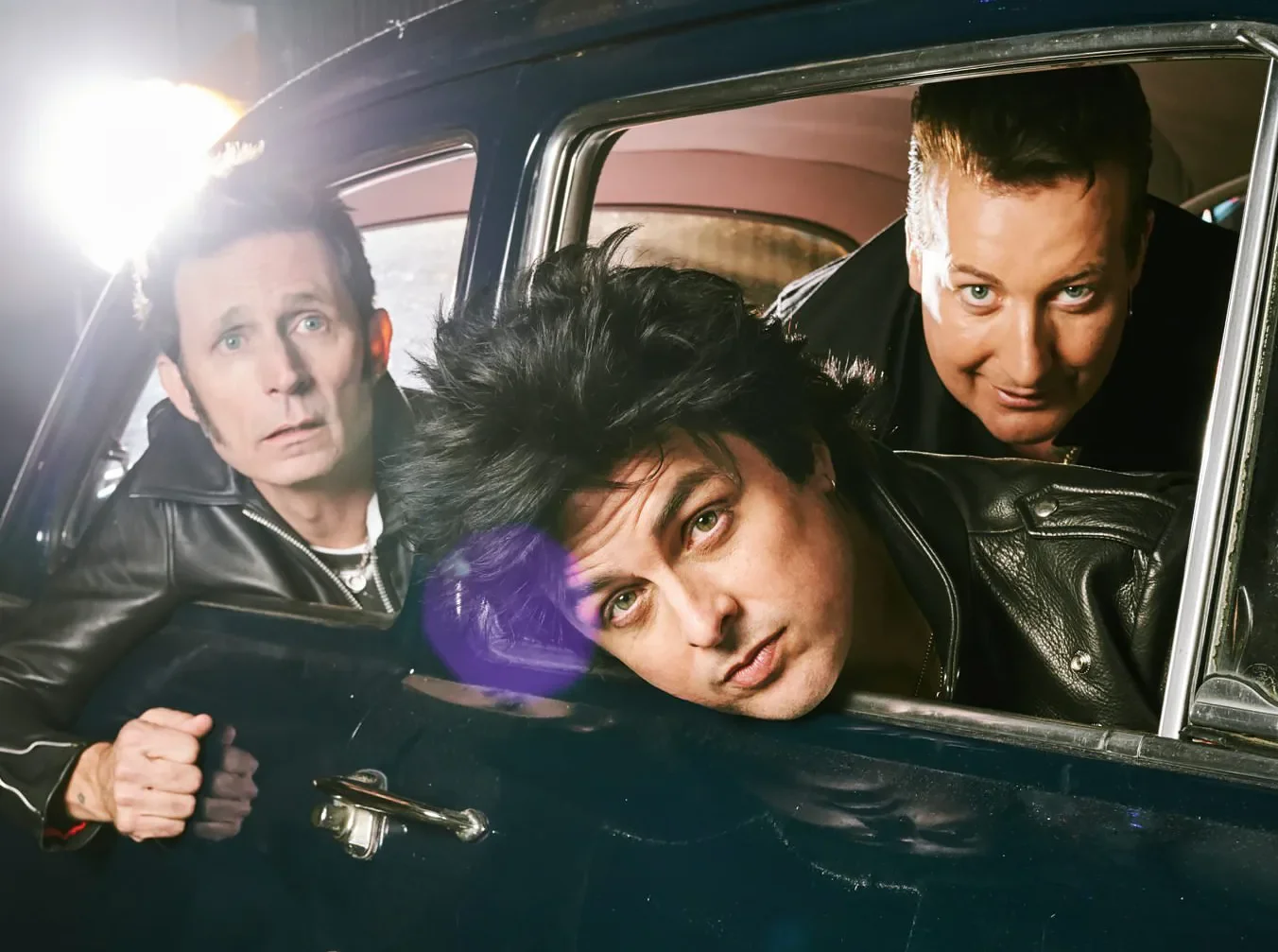
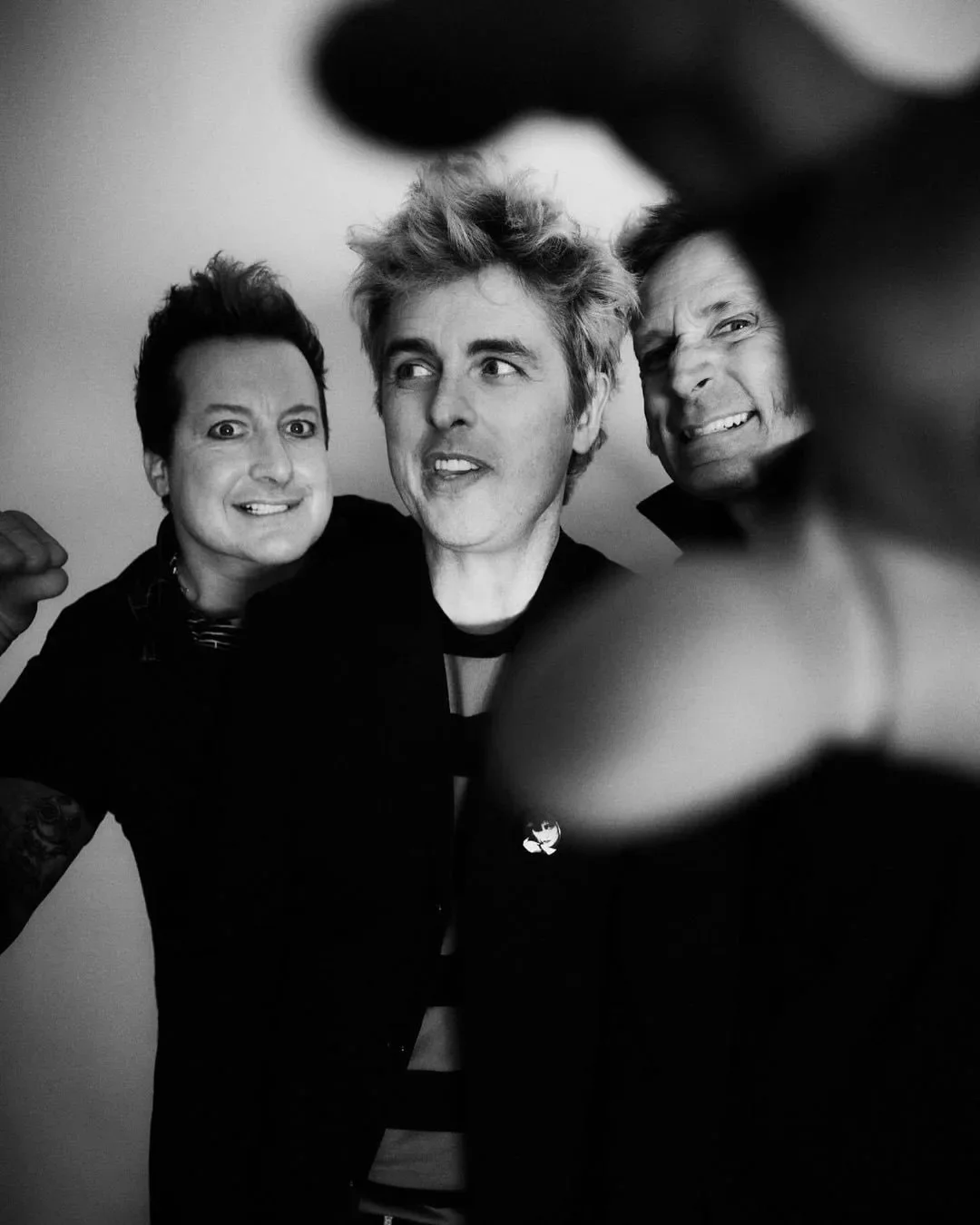
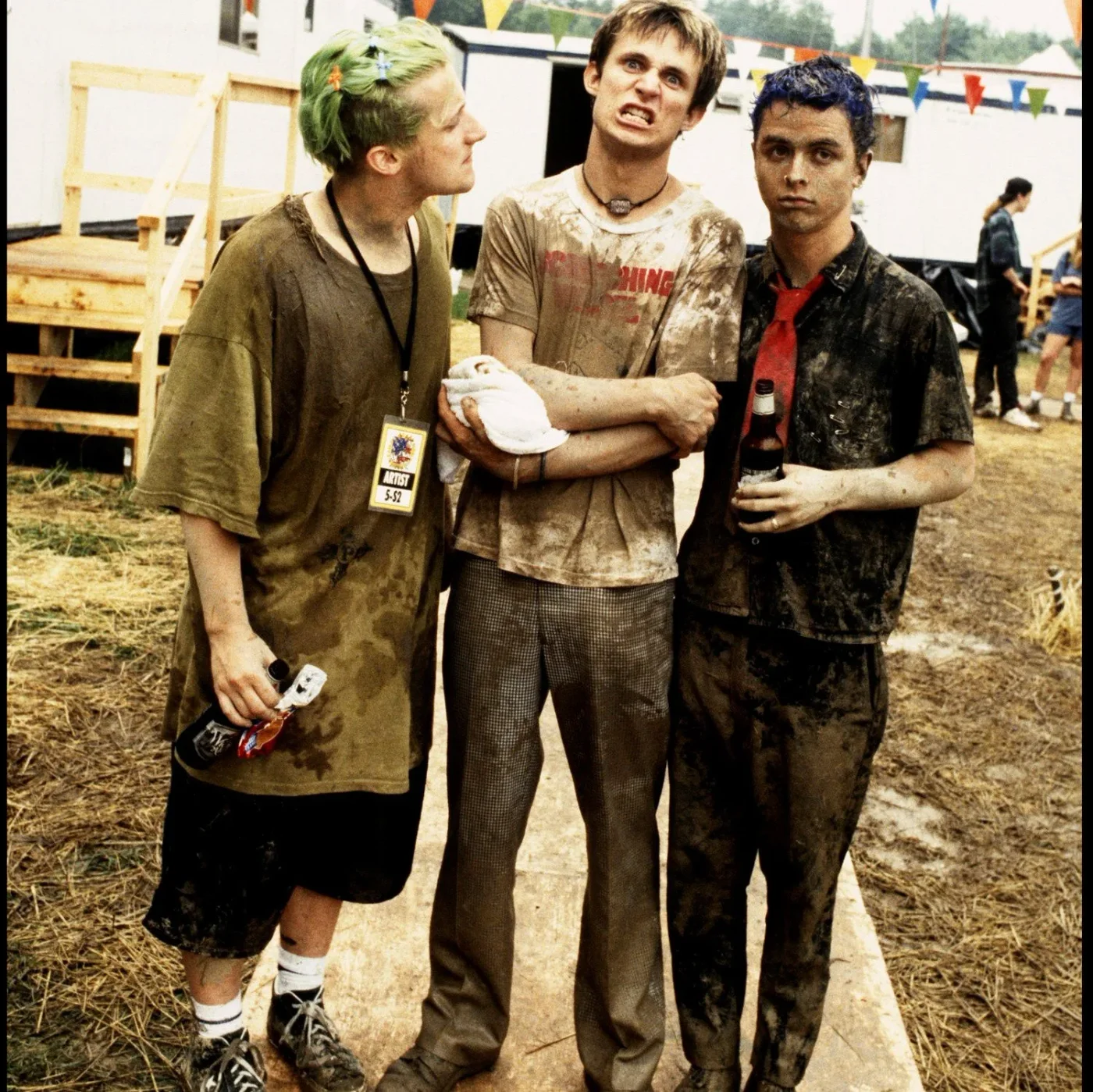
Green Day is one of the bands that best explains how punk could move from basements, small clubs, and independent scenes to global radio without completely losing its original nerve. Their story is not simply about a group “softening” punk to make it more marketable. It is about three musicians who understood that speed, adolescent frustration, acidic humor, direct guitars, and huge choruses could live inside two- or three-minute songs with immediate impact. At their best, Green Day sounds like anxiety turned into melody.
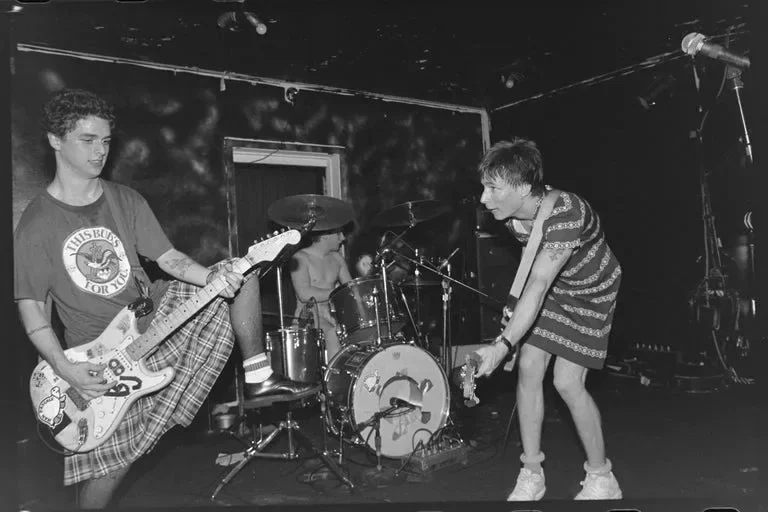
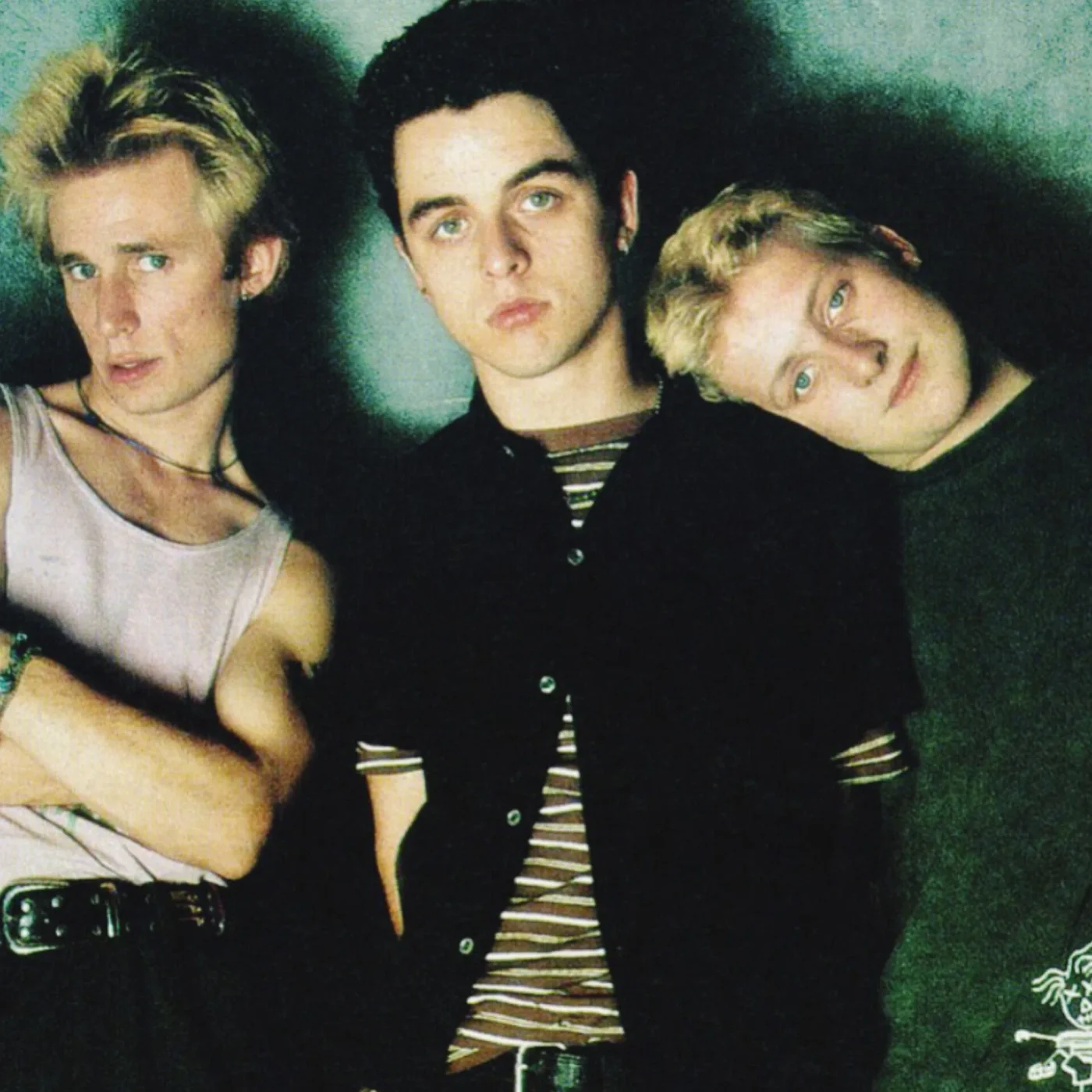
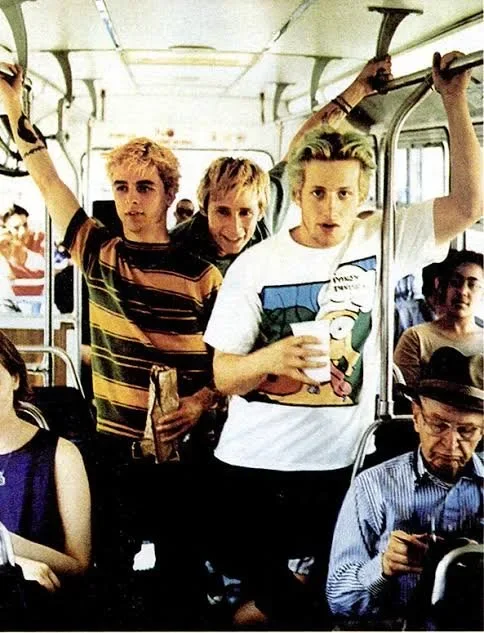
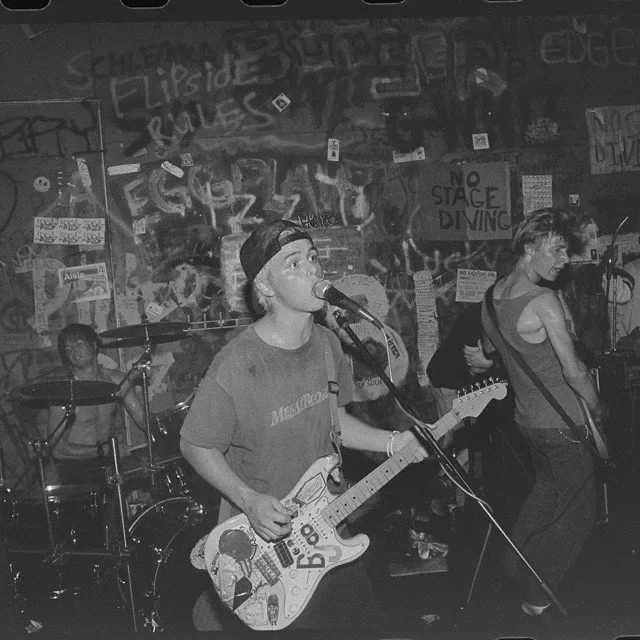
The band’s roots are in California’s East Bay, in an environment where punk was not runway aesthetics, but community, noise, youth energy, and belonging. Billie Joe Armstrong and Mike Dirnt came from an early friendship shaped by guitars, fast songs, and a very real need to escape the ordinary. Before Green Day, there was Sweet Children, and that background helps explain something essential: the band came from a local scene, not from an industry formula. There were garages, independent labels, small shows, DIY culture, and the ethic of playing because there was no other choice.
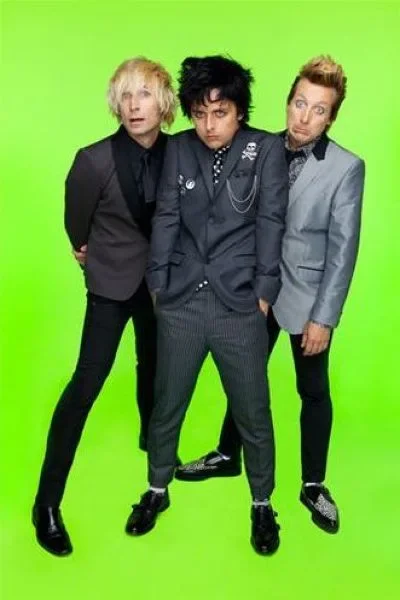
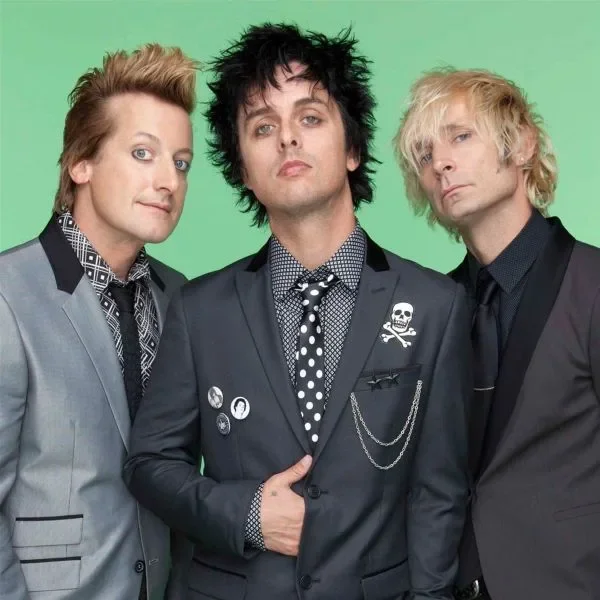
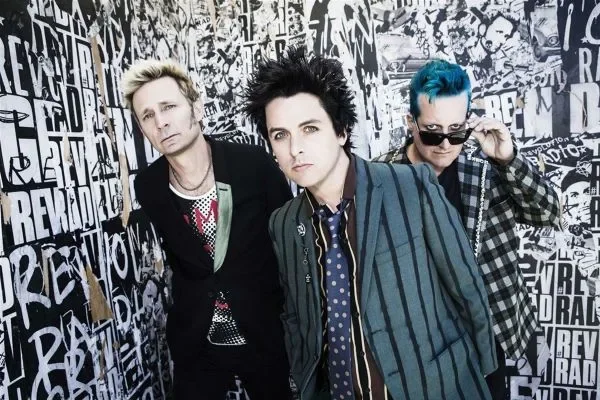
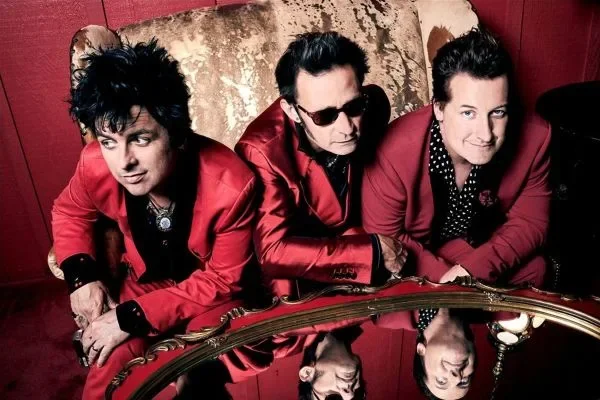
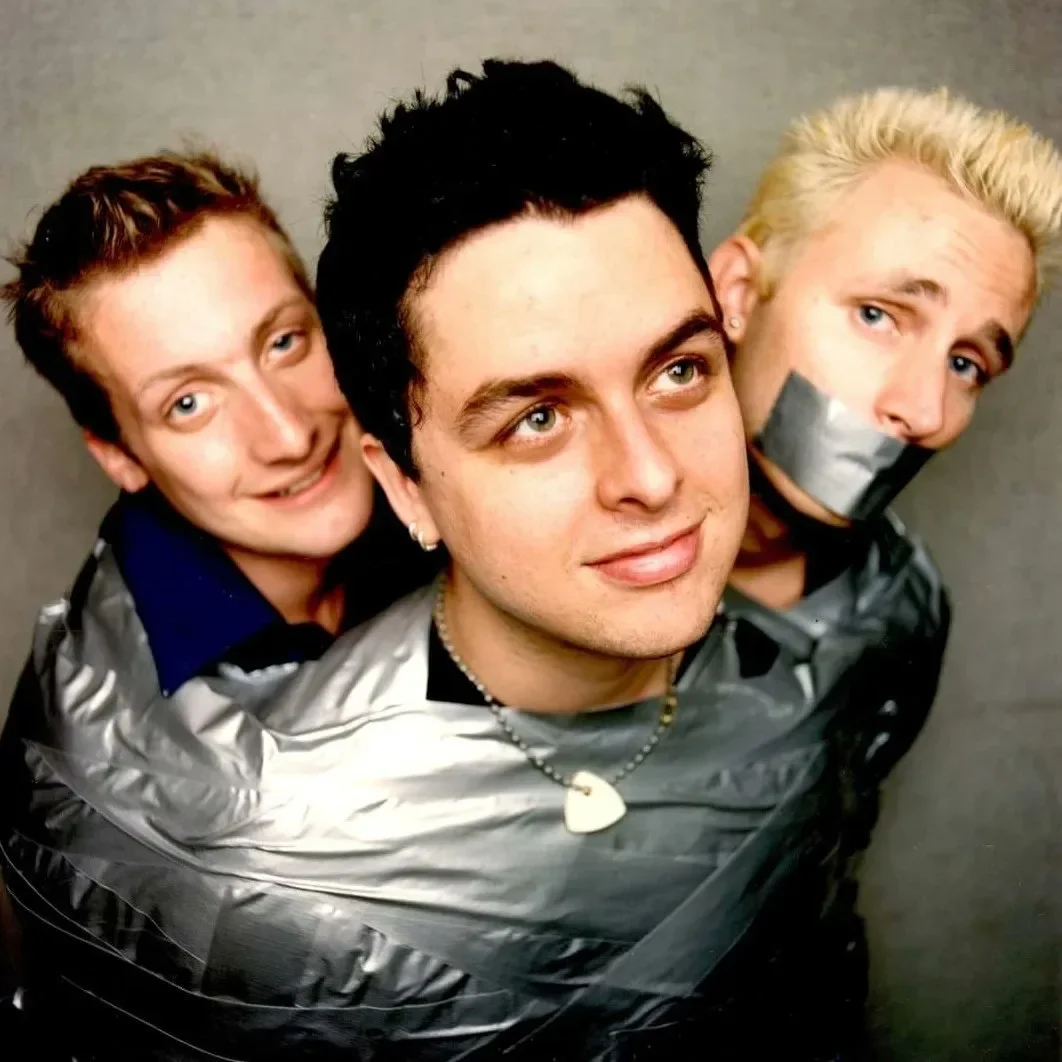
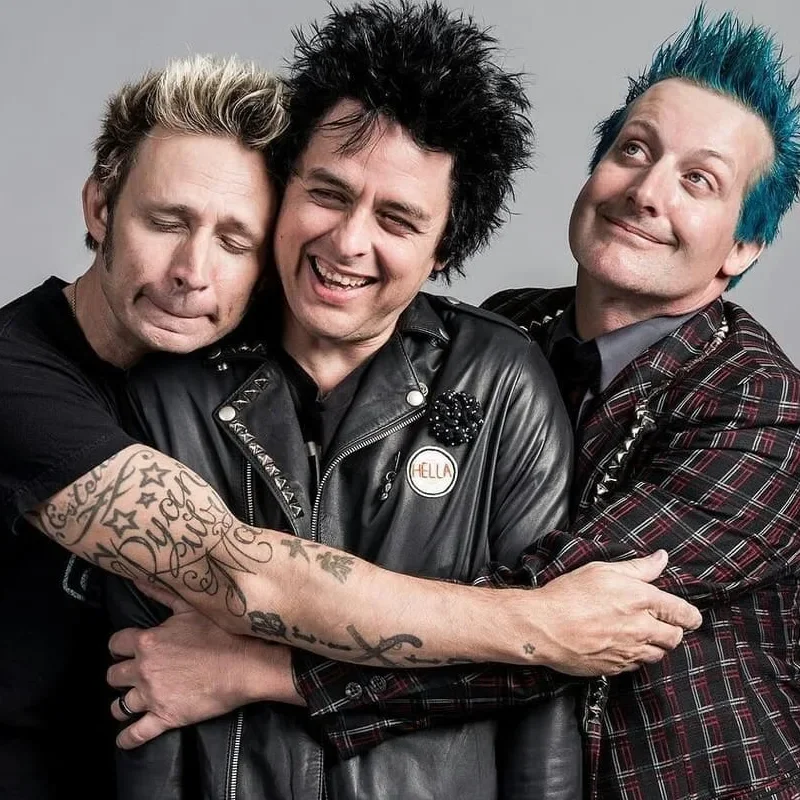
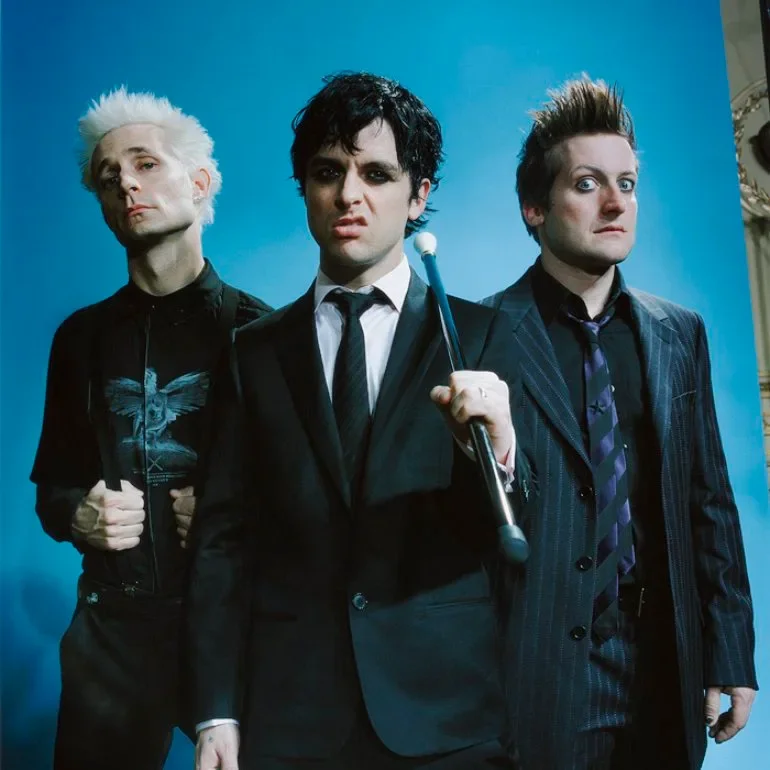
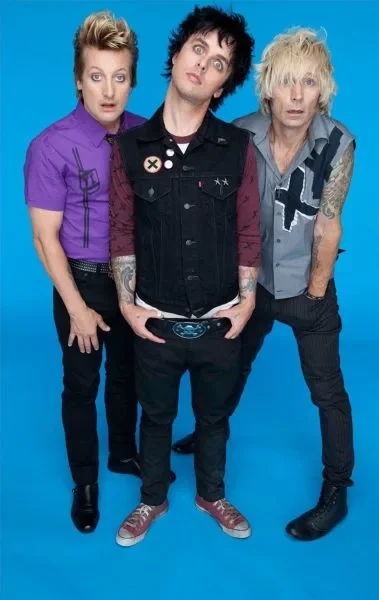
Tré Cool’s arrival completed the chemistry that would make the band recognizable. Green Day works as a power trio in the most direct sense: guitar, bass, and drums taking up enormous space without unnecessary decoration. Billie Joe brings the nasal voice, quick riff, instant melody, and songwriting that often turns anxiety into sarcasm. Mike Dirnt is not a background bassist; his lines move, push, and carry melodic personality. Tré Cool drives everything with drumming that is hyperactive, explosive, often funny, and always physical. That combination allowed the group to sound small and huge at the same time.
The early Lookout! Records era and albums such as 39/Smooth and Kerplunk! showed a band still close to the independent punk circuit. The essential ingredients were already there: fast songs, sticky choruses, lyrics about boredom, desire, insecurity, awkward love, and suburban life. Green Day did not sing from the epic space of heroic rebellion. They sang from the messy bedroom, the racing mind, the existential laziness, and the confused heart. That emotional scale was part of their strength. They did not promise to change the world in every song; often, they were just trying to get through the day.
Dookie changed everything. Its impact came from capturing a generational feeling with brutal simplicity: anxiety, apathy, masturbation, panic, boredom, failed relationships, and the desire to scream without sounding solemn. “Longview” turned directionlessness into groove. “Basket Case” transformed panic attacks into a pop-punk anthem. “When I Come Around” carried teenage melancholy through a perfect melody. “Welcome to Paradise” captured the jump from home to street to urban fear. The album sounded fast, dirty, funny, and vulnerable, a combination that brought thousands of young listeners into punk for the first time.
The success of Dookie also created tension. To part of the punk scene, Green Day had crossed a line by entering the mainstream. To millions of listeners, they had opened a door. That contradiction has followed the band throughout its career. Green Day turned a form of music associated with small circuits into a mass language, and that always produces debate. But the impact is undeniable: after them, pop-punk was no longer just a marginal corner. It became a central force for several generations of bands and fans.
Insomniac showed the band’s darker, more nervous side, as if responding to success with more noise and less interest in pleasing everyone. Nimrod widened the range with greater ambition, humor, speed, different arrangements, and an unexpectedly universal song: “Good Riddance (Time of Your Life).” That track proved Green Day could lower the distortion without losing identity. Warning continued exploring a more acoustic, melodic, folk-punk side, a period that now feels like a bridge toward the songwriting maturity that would follow.
American Idiot was the second great reinvention. Just when Green Day could have remained fixed as a symbol of the 1990s, the band responded with a political, theatrical, emotionally ambitious rock opera. “American Idiot” condensed media rage and political disillusionment. “Jesus of Suburbia” turned suburban alienation into a punk suite. “Holiday” and “Boulevard of Broken Dreams” mixed protest, loneliness, and stadium melody. “Wake Me Up When September Ends” carried personal grief into a massive form. The album did not only revive their career; it redefined what a pop-punk band could attempt without apology.
Green Day’s greatness lies in the fact that they never fully abandoned the song as the central unit. Even in their most conceptual, political, or expansive moments, the heart remains the hook. The band knows how to write lines that can be shouted in a stadium but still work in headphones when someone feels lost. That double scale — intimate and massive — is crucial. Green Day can sound adolescent without being naive, funny without being empty, political without losing melody, and accessible without erasing all of its edge.
With 21st Century Breakdown, the ¡Uno!, ¡Dos!, ¡Tré! trilogy, Revolution Radio, Father of All..., and Saviors, the band continued to move through the tension between nostalgia, experimentation, arena rock, and a return to pop-punk spark. Not every turn has carried the same impact, but they show a group that prefers movement over becoming a statue of its own classics. That restlessness is part of their survival. Green Day knows its myth lives in Dookie and American Idiot, but also that a band cannot breathe only through anniversaries.
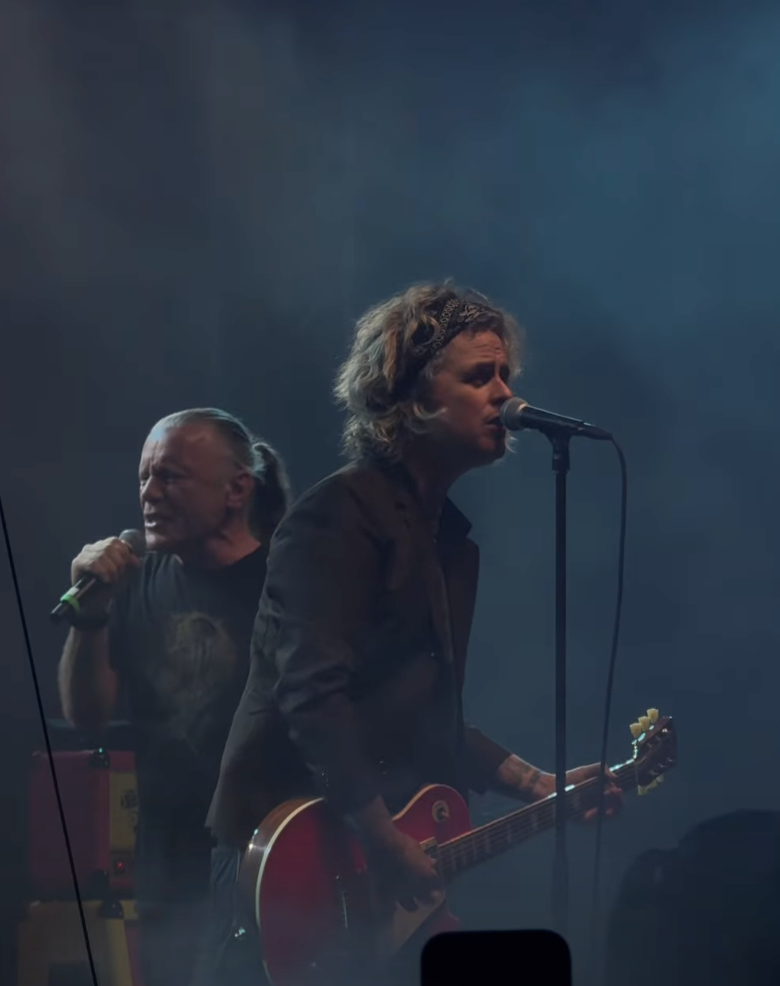
Live, Green Day is a machine of collective energy. Their concerts are built from speed, humor, interaction, shouting, covers, speeches, guitars in the air, and songs designed to activate thousands of people within seconds. Billie Joe Armstrong understands the stage as a conversation with the crowd. He does not sing from inside a bubble, but from a kind of shared space of party, protest, and group therapy. That connection explains why their music still carries such generational force.
Green Day’s legacy lies in making pop-punk a global language without erasing its original anxiety. They made punk sound enormous, singable, emotional, and accessible while keeping a spark of discontent that remains recognizable. At their best, Green Day sounds like three chords thrown against boredom: fast, imperfect, catchy, angry, and strangely hopeful.
Main genre
ROCK
Main subgenres
Like a superfan's list — except verified, with sources and links.
Jan 17, 2026
Inglewood, California · United States
Past
18–Apr 20, 2025
Indio, California · United States
Past11–Apr 13, 2025
Indio, California · United States
Past06–Jul 16, 2023
Québec, Québec · Canada
Past
02–Sep 11, 2022
Rio de Janeiro, Rio de Janeiro · Brazil
PastWhat we managed to link to the concert archive. If a date is missing, tell us — happens to us too.
No linked concerts
Every concert and festival of the year, traced on the globe. Hit play and follow the route stop by stop.
Photos from the public archive.
Recent coverage linked to the artist.




Close by genre and social signal.
No related artists
When there is enough genre signal, they will appear here.