Ranking
#27

Ranking
#27
Followers
196.4 M
Digital presence
Official profiles, streaming and discovery.
What a good fan recites by heart (or pretends to).
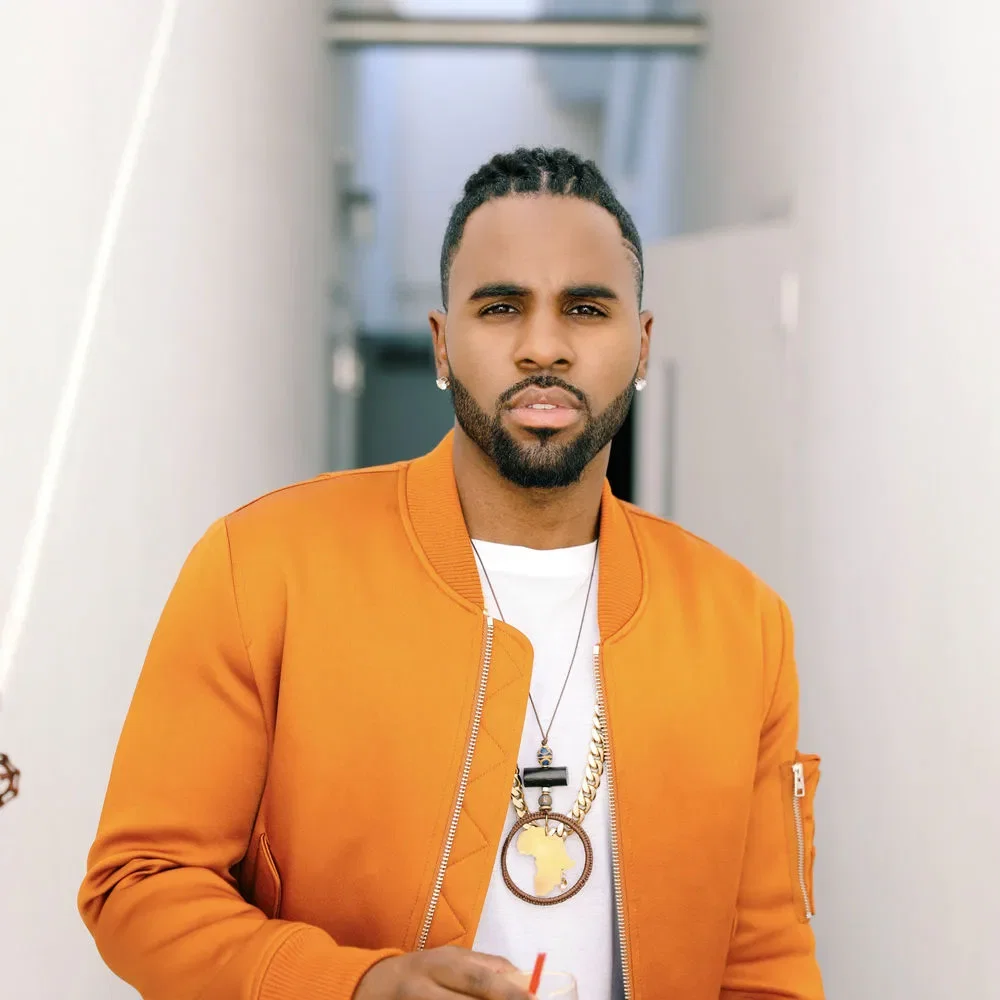
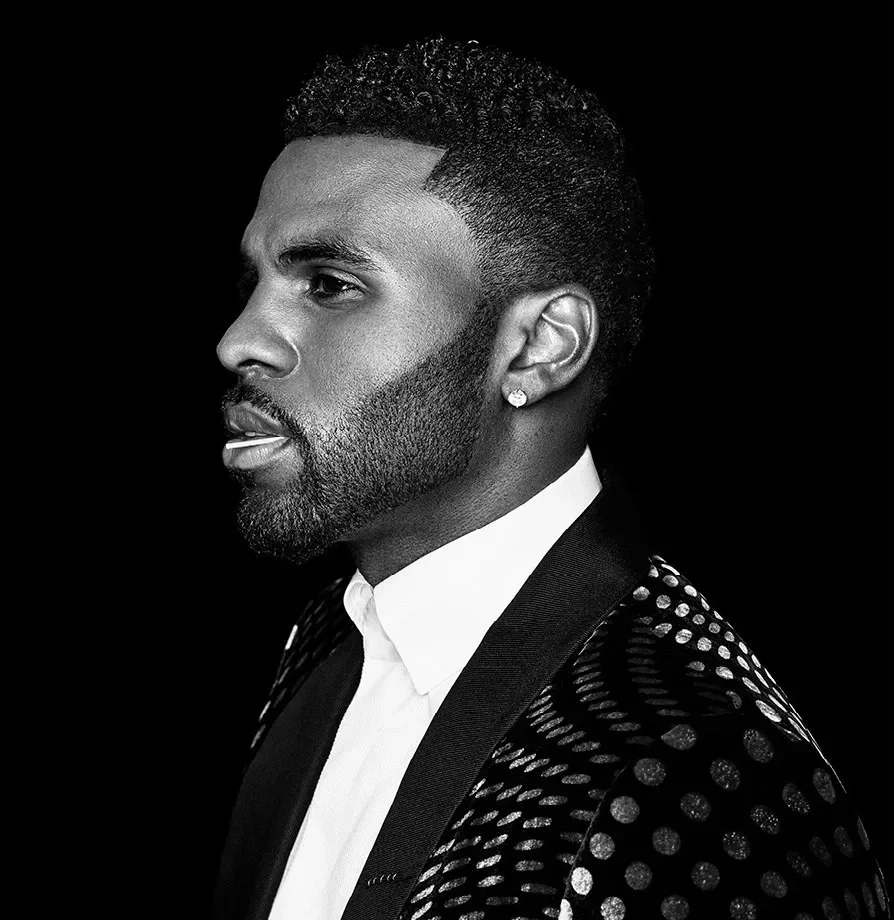
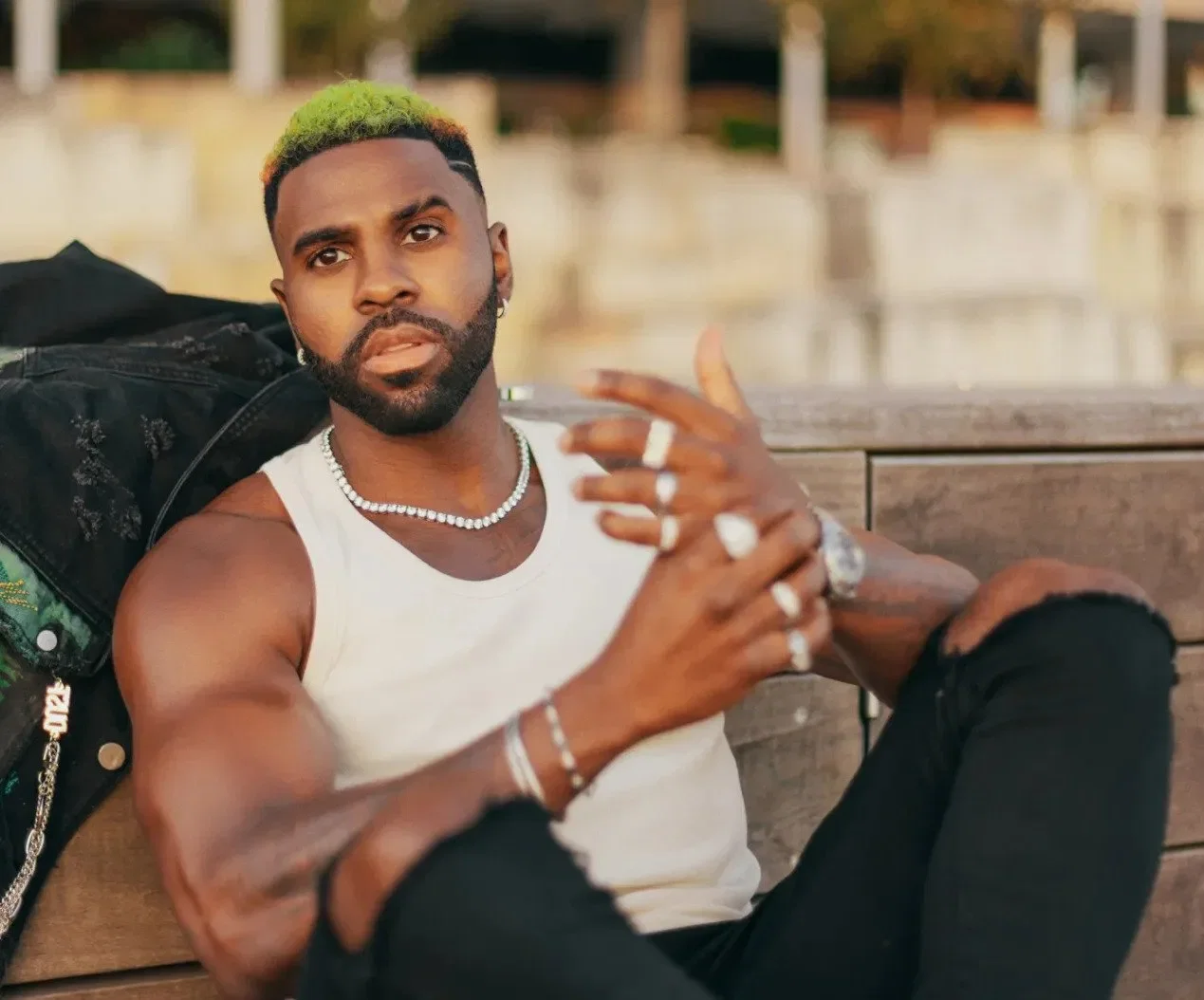
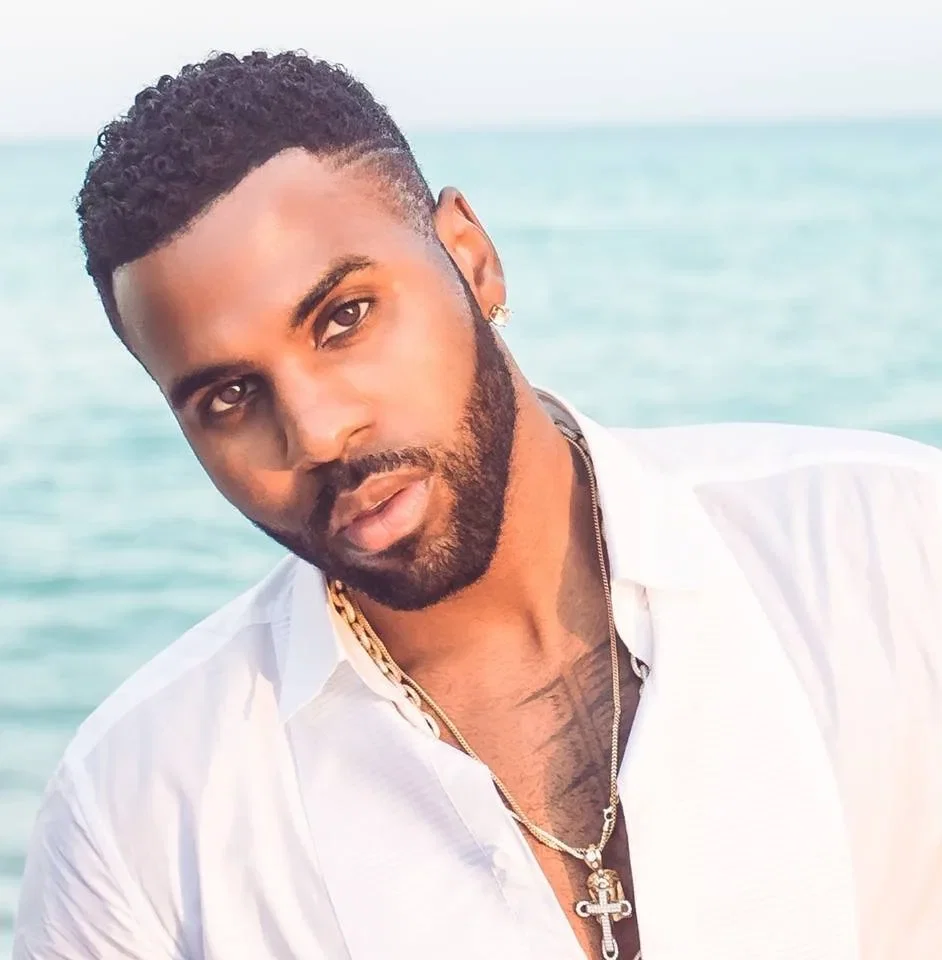
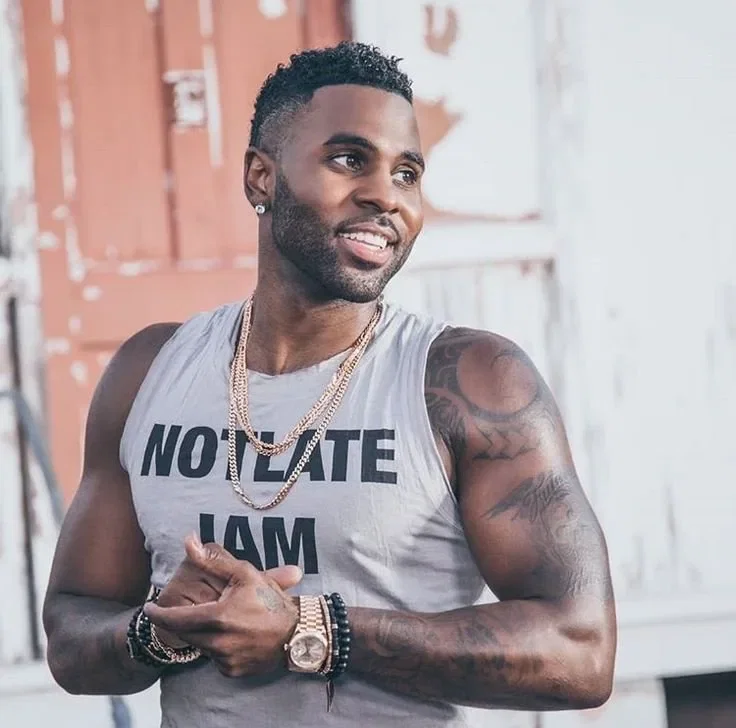
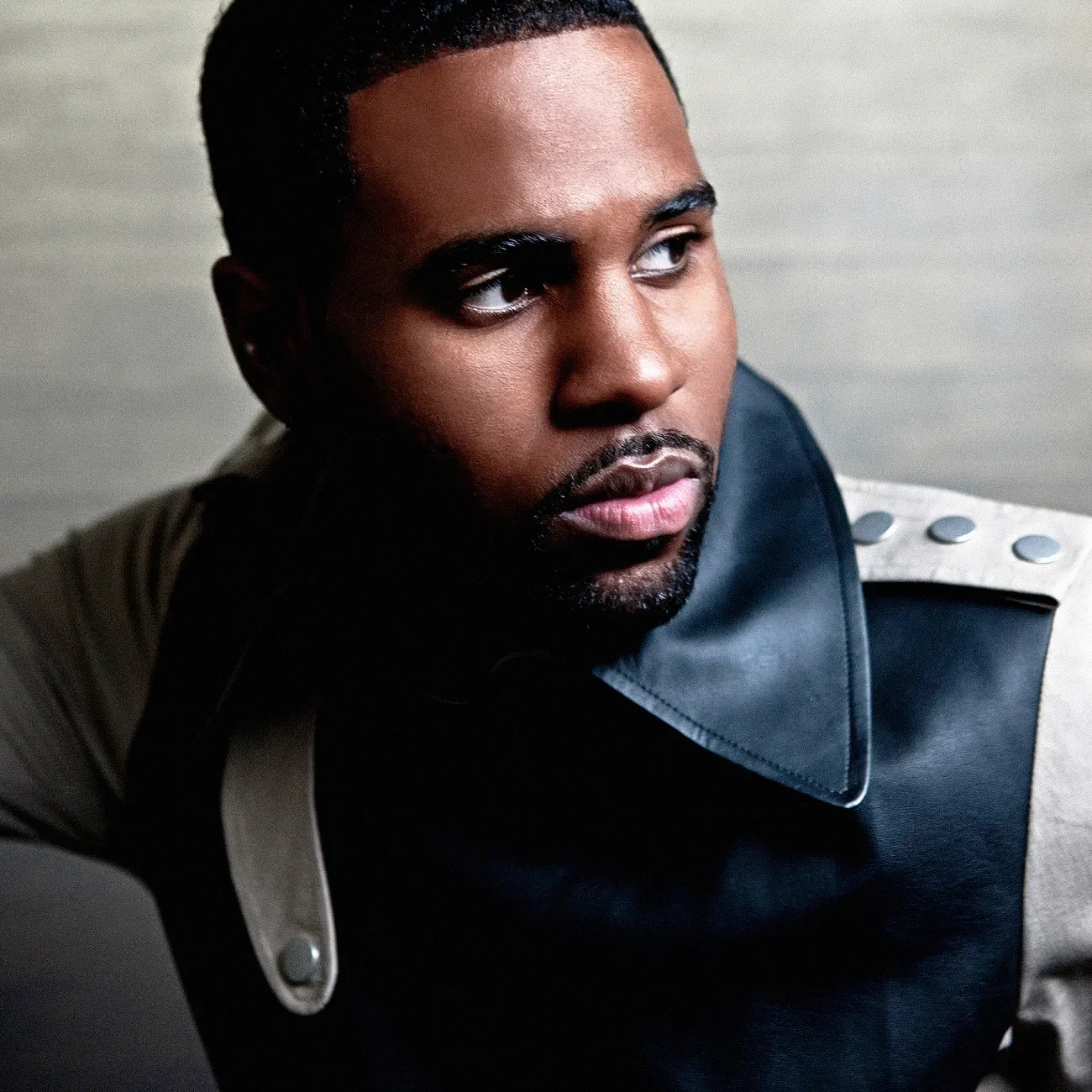
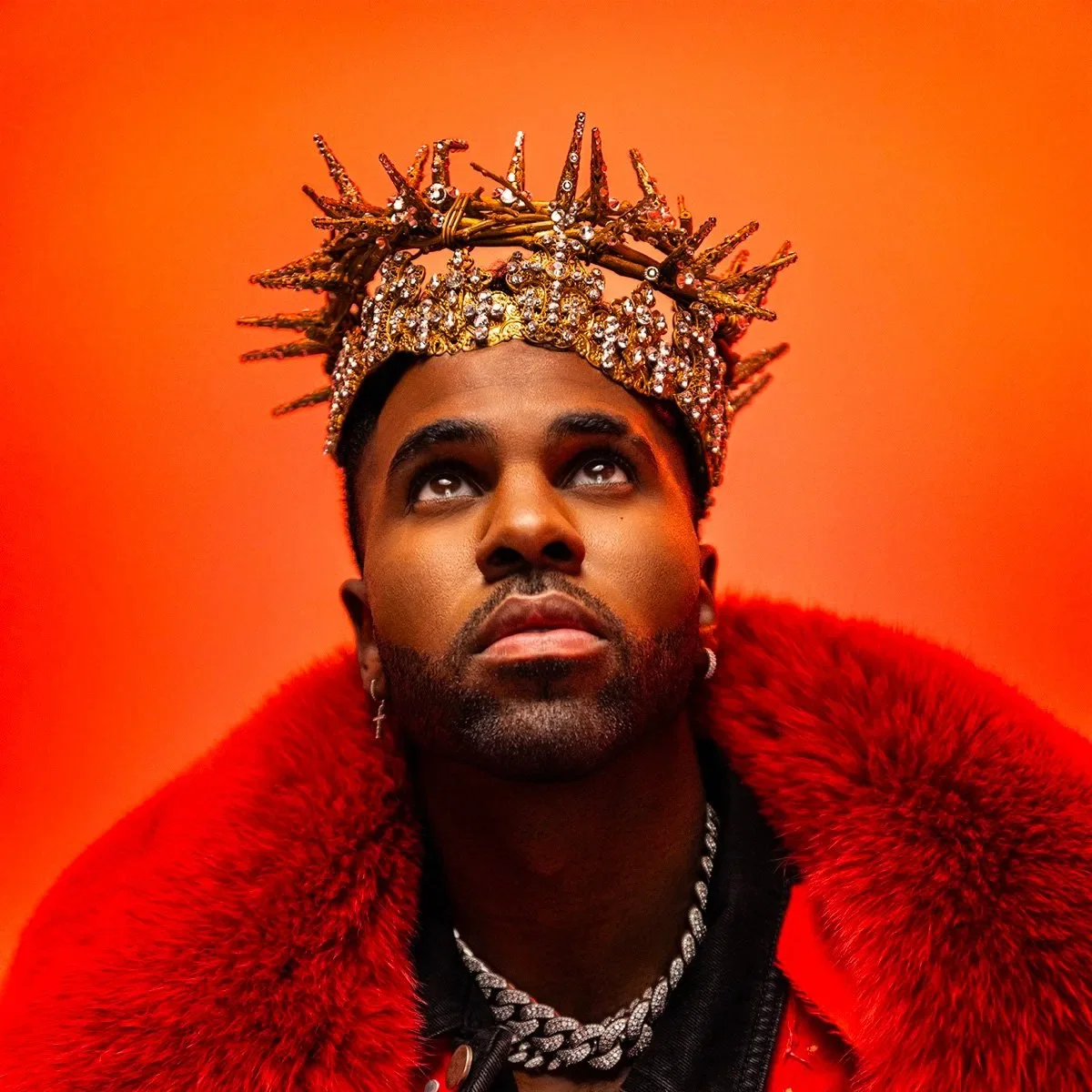
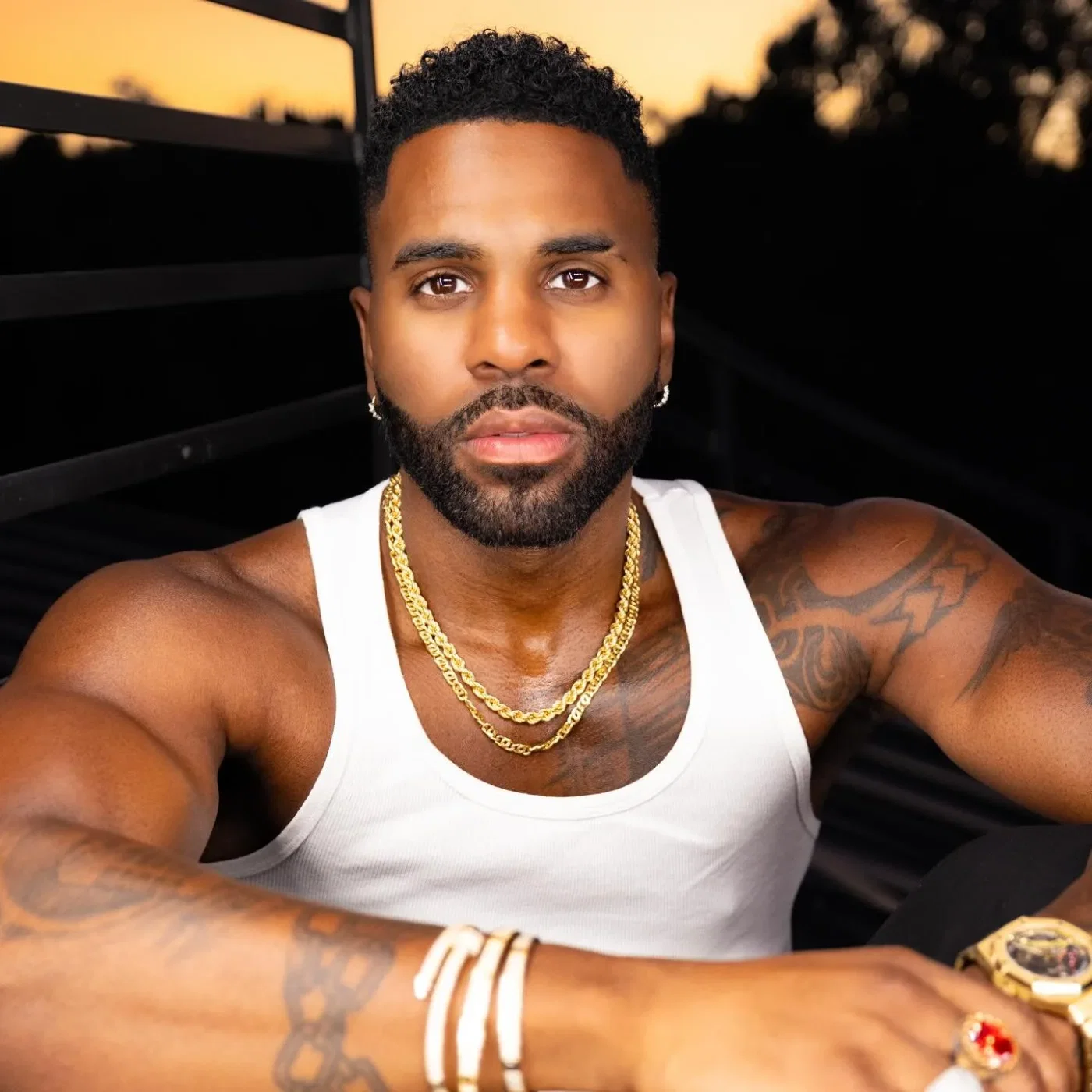
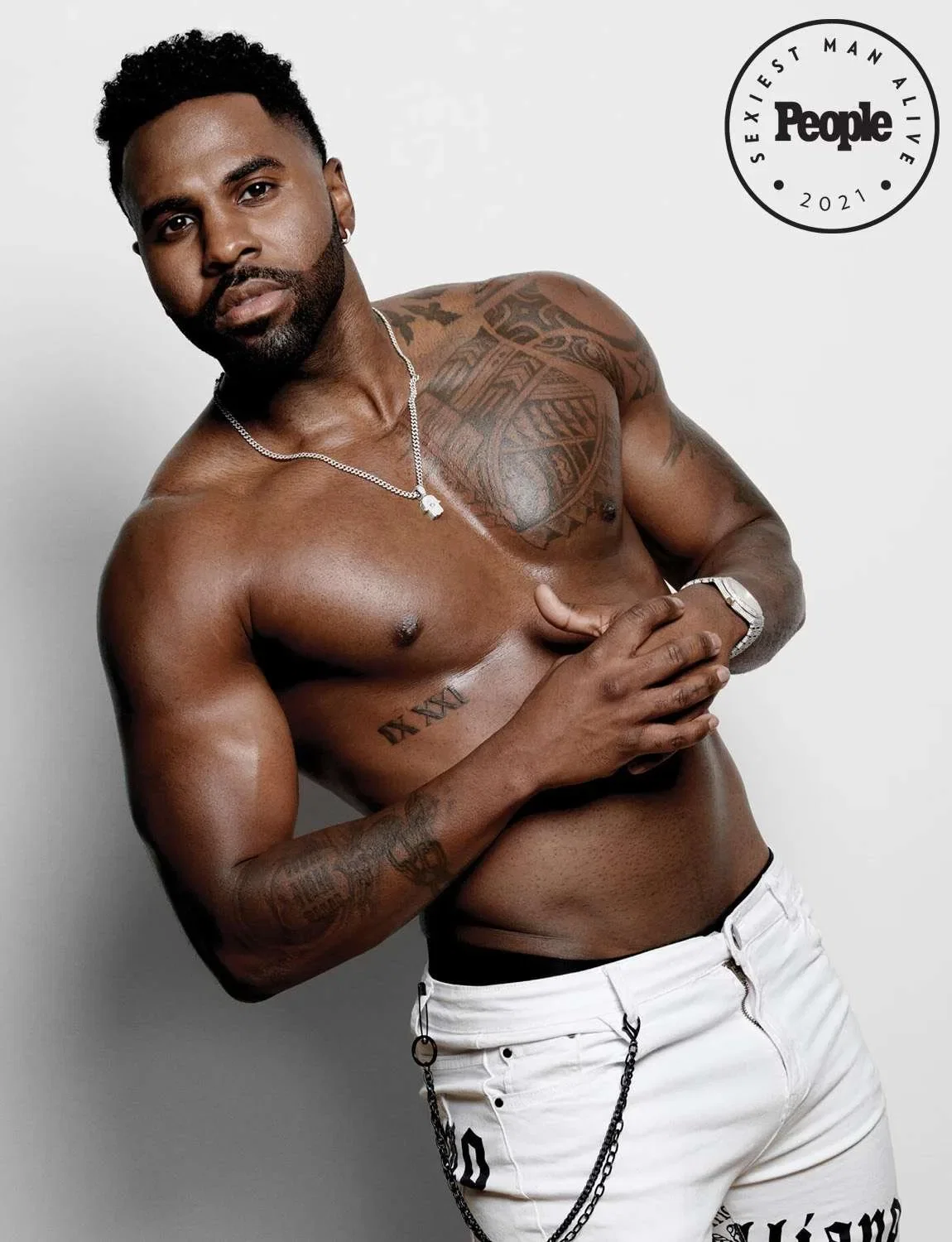
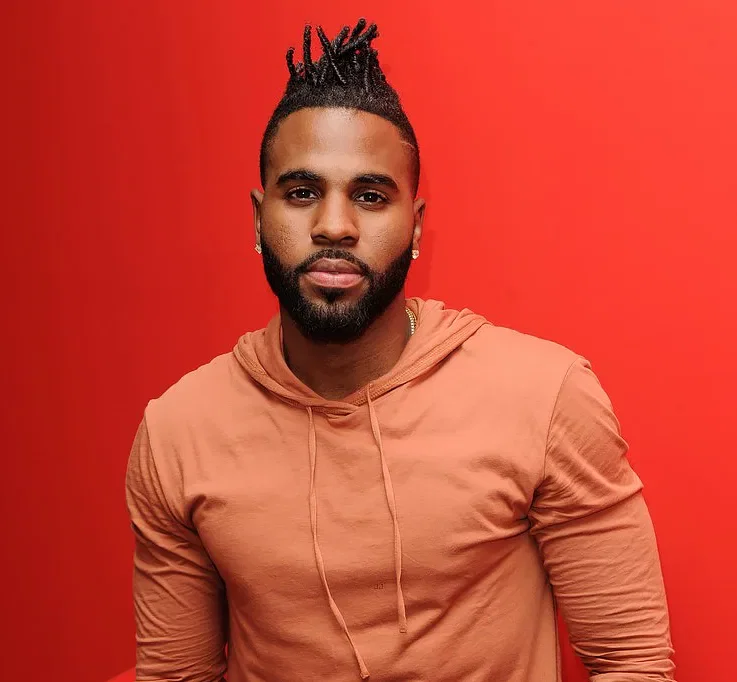
Before becoming one of the most recognizable voices in dance-oriented pop, Jason Derulo learned how to build songs for other people to sing. That behind-the-scenes education helps explain a career defined by an unusually direct instinct for hooks, rhythm and structure: his strongest records seem to know exactly how long they need before reaching the moment listeners will remember. That songwriter’s discipline was joined early by dance, theater and a flexible voice capable of moving between falsetto, melodic R&B and a broader pop register. The combination produced an identity designed equally for radio and the stage, where a song can operate as melody, choreography and spectacle at the same time. Over the years, Derulo has traveled through several eras of mainstream pop — from late-2000s electronic R&B to club music, hip-hop, tropical rhythms and sounds connected to Afrobeats — while holding onto a basic philosophy: immediacy works best when there is serious craft underneath it.
Born in Miramar, Florida, to Haitian parents, Derulo began singing and writing songs as a child and studied in performing-arts environments that encouraged him to develop as more than a vocalist. Before he had a recording career of his own, he was already writing for other performers, learning how songs function when every verse, pre-chorus and hook has to earn its place. As a teenager, he moved professionally through R&B and hip-hop songwriting circles, contributing material for established artists while developing his own ambitions as a performer. In 2006 he won the grand prize on Showtime at the Apollo, and his connection with producer J.R. Rotem eventually led him toward Beluga Heights and Warner Bros. For several years he continued working as a songwriter before fully stepping into the foreground. That sequence matters: when “Whatcha Say” arrived in 2009, Derulo did not sound like someone discovering pop songwriting for the first time. He had already spent years studying its mechanics from the inside.
Built around a sample of Imogen Heap’s “Hide and Seek,” “Whatcha Say” translated that experience into a record perfectly suited to the electronic R&B landscape of its moment. It reached number one on the Billboard Hot 100 and turned his name — famously announced at the beginning of many early recordings — into an instantly recognizable audio signature. “In My Head” and “Ridin’ Solo” made it clear that the breakthrough was not dependent on one clever sample. His self-titled debut combined electronic production, Auto-Tune, R&B phrasing and highly compressed pop structures, while Derulo simultaneously established a performance style in which dance carried almost as much weight as the vocal. Future History broadened the formula through “Don’t Wanna Go Home,” “It Girl” and “Breathing,” moving deeper into club-oriented production and international pop while preserving the ballad side that allowed his softer vocal range to emerge.
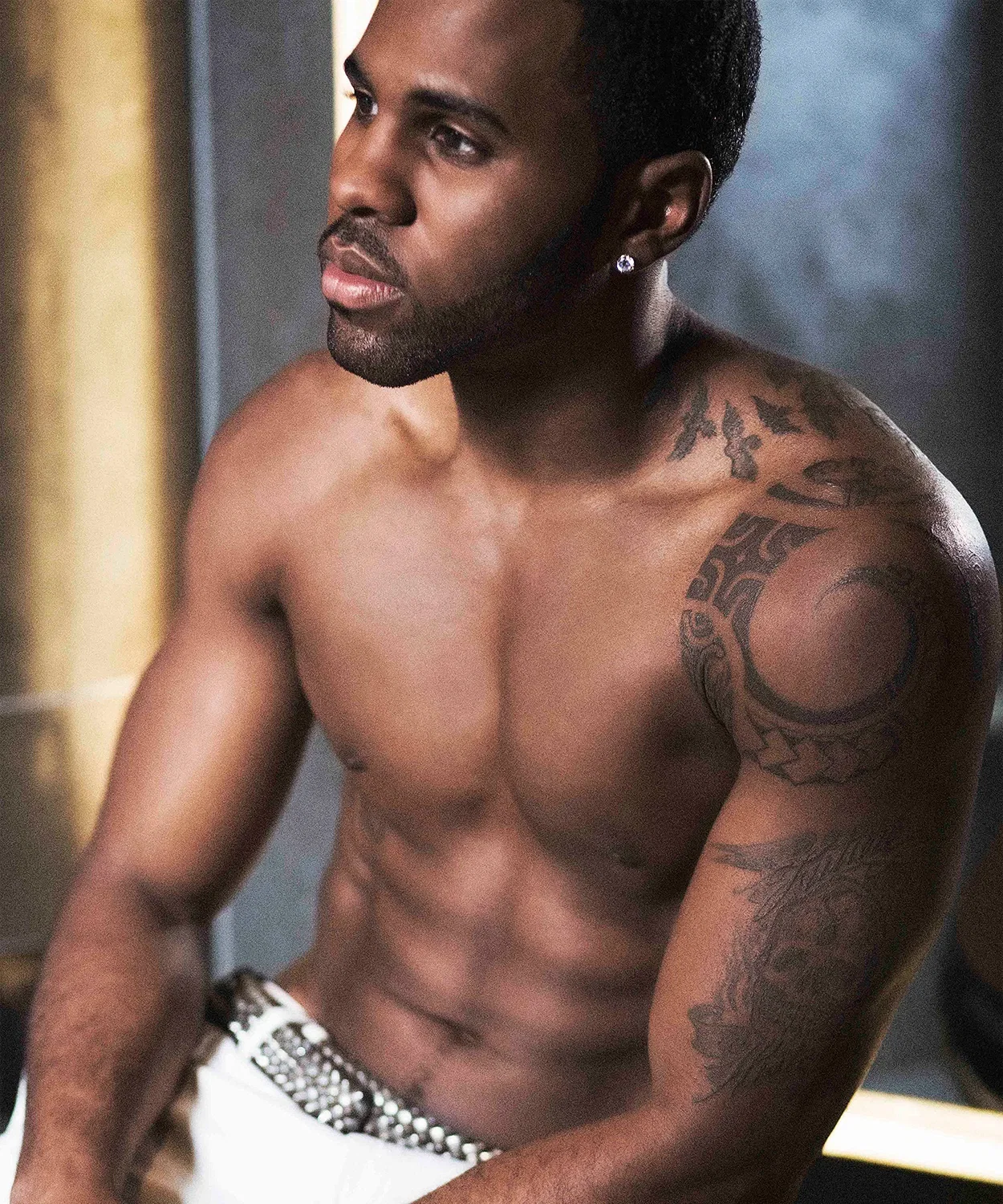
His momentum was interrupted when he suffered a serious neck injury during tour rehearsals, forcing him away from the stage. The return coincided with a meaningful shift in his sound. Tattoos, and its expanded American counterpart Talk Dirty, moved beyond some of the futuristic R&B textures of the debut and embraced a more global rhythmic vocabulary. “Talk Dirty,” featuring 2 Chainz, turned a Balkan-flavored horn line into one of his defining hits; “Wiggle,” with Snoop Dogg, relied on minimalism, humor and rhythmic repetition; while “Trumpets” and “Marry Me” kept his melodic side close to the center. By then, Derulo had discovered a useful principle for the rest of his career: his voice could adapt to dramatically different production styles as long as the song retained a strong hook and a groove capable of supporting physical performance.
Everything Is 4 pushed that principle toward cleaner, more sophisticated pop. “Want to Want Me” drew on funk and disco, placing his falsetto unusually high in the mix and revealing more of his vocal technique than many of his heavily electronic early records had allowed. “Cheyenne” offered a darker atmosphere, while “Get Ugly” returned to a more aggressive rhythmic attack. Soon afterward, “Swalla,” with Nicki Minaj and Ty Dolla $ign, brought Caribbean-inflected rhythms and a highly physical structure into his catalog, while a steady flow of collaborations kept him connected to both pop and hip-hop. His ability to absorb new production languages without losing the central features of his style allowed the catalog to keep evolving even during the long gap between conventional studio albums.
The transformation of music consumption through social platforms proved particularly compatible with the way Derulo had always understood pop. Short-form video and digital dance culture rewarded something he had been practicing from the beginning: constructing songs around instantly recognizable moments. “Savage Love (Laxed – Siren Beat),” developed from Jawsh 685’s instrumental phenomenon, connected Derulo with another generation of listeners and with a radically different distribution system from the one that had launched “Whatcha Say.” Rather than feeling disconnected from his earlier work, the moment made sense as an extension of a career built around the relationship between music, movement and technology. “Take You Dancing,” “Acapulco” and other releases continued that approach, while Nu King brought together several sides of his development and illustrated how broad the distance had become between the young R&B singer of his debut and the internationally minded performer he later became.
Onstage, that range becomes even more apparent. Derulo belongs to a lineage of entertainers for whom singing is only one component of performance. Demanding choreography, athletic precision and visual staging are rooted in training that predates his success as a recording artist. Dance is not treated as an interlude between songs but as another language within them, which helps explain why rhythm occupies such a central place in his catalog. Even his ballads exist beside an artistic identity associated with movement, while his club records often sound as though the physical response of an audience was considered from the earliest stages of writing.
Jason Derulo’s career can ultimately be understood as the story of a songwriter who learned to become the ideal performer for his own approach to pop. His evolution has depended less on dramatic reinvention than on a consistent ability to absorb new rhythms, technologies and listening habits without abandoning the melodic clarity that existed in his earliest work. From the electronic R&B of “Whatcha Say” to the funk pulse of “Want to Want Me,” from the global energy of “Talk Dirty” to the digital reach of “Savage Love,” he has built a catalog where accessibility does not mean a lack of technique. Behind the choreography, immediate choruses and polished production remains the same instinct he developed while writing for other artists: finding the phrase, melody and rhythm capable of turning a few seconds of music into something that stays in the listener’s head.
Main genre
POP
Main subgenres
Like a superfan's list — except verified, with sources and links.

09–Sep 10, 2023
Berlin, Berlin · Germany
PastJul 30 – Aug 06, 2023
Skanderborg, Midtjylland · Denmark
Past08–Jul 09, 2023
Sundsvall, Västernorrland · Sweden
Past
02–Sep 11, 2022
Rio de Janeiro, Rio de Janeiro · Brazil
PastWhat we managed to link to the concert archive. If a date is missing, tell us — happens to us too.
Auckland · New Zealand
Tickets →Chandler · United States
Tickets →Jason Derulo
Every concert and festival of the year, traced on the globe. Hit play and follow the route stop by stop.
 AMANominated
Photos from the public archive.
Recent coverage linked to the artist.


Close by genre and social signal.
No related artists
When there is enough genre signal, they will appear here.