

















Ranking
#69

Ranking
#69
Followers
101.5 M
Digital presence
Official profiles, streaming and discovery.
What a good fan recites by heart (or pretends to).
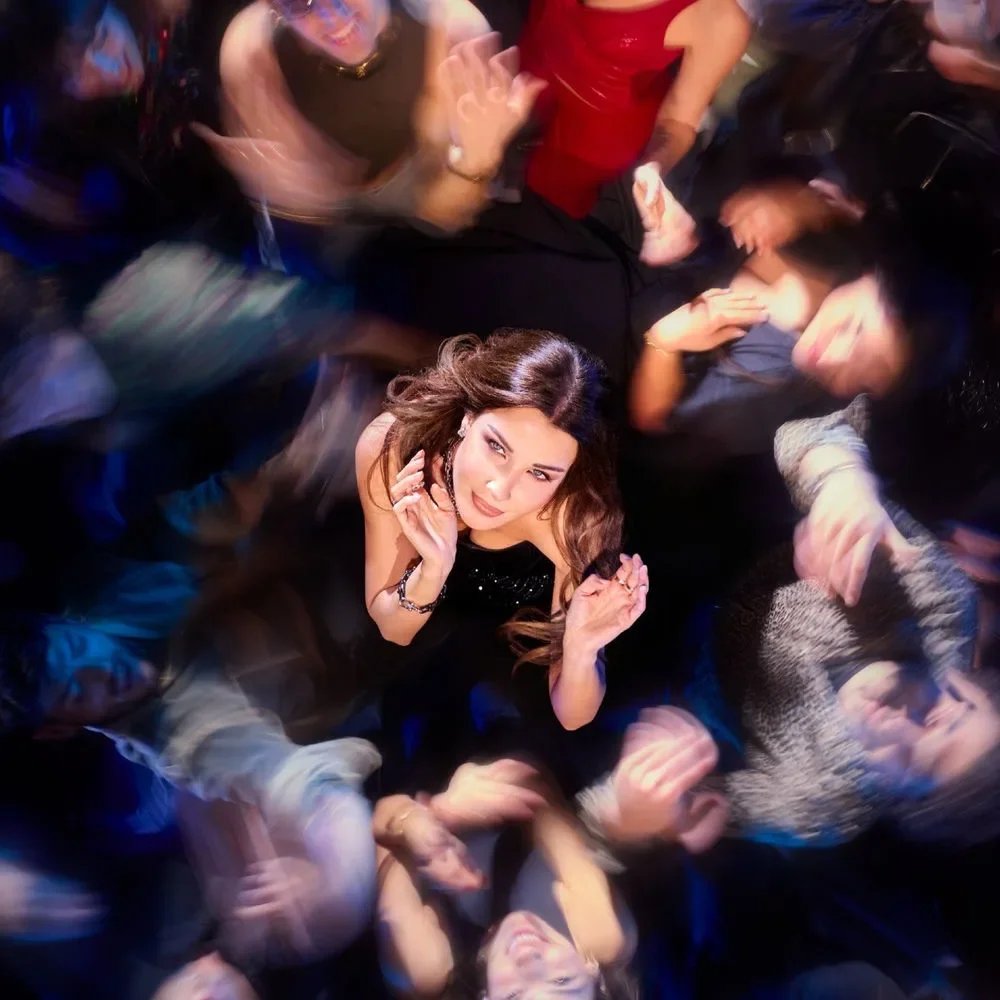
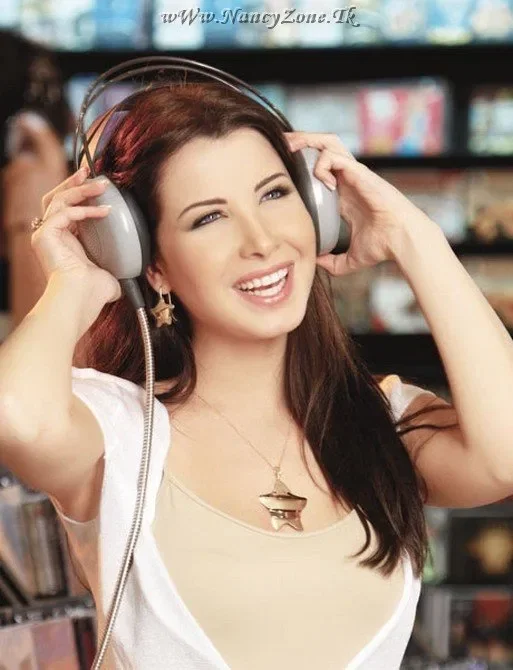
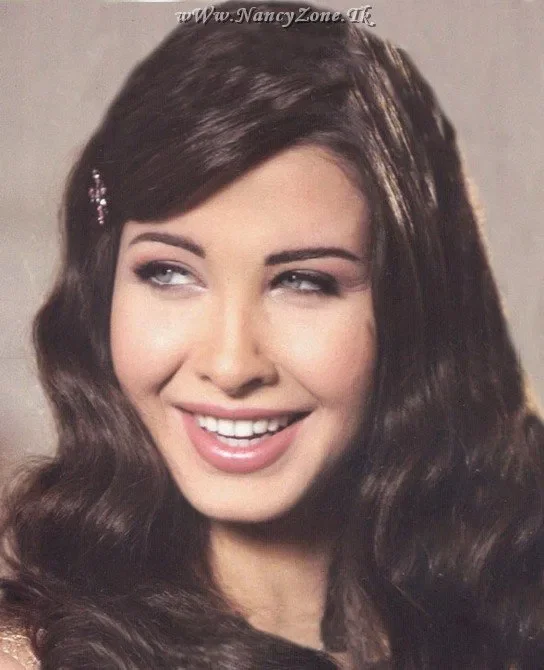
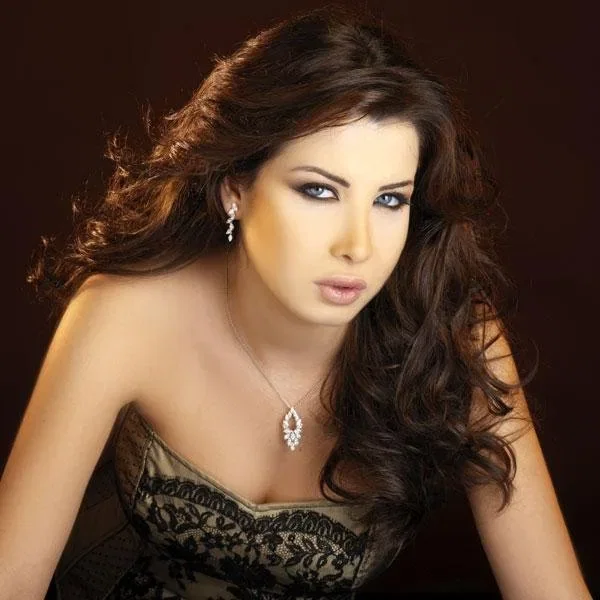
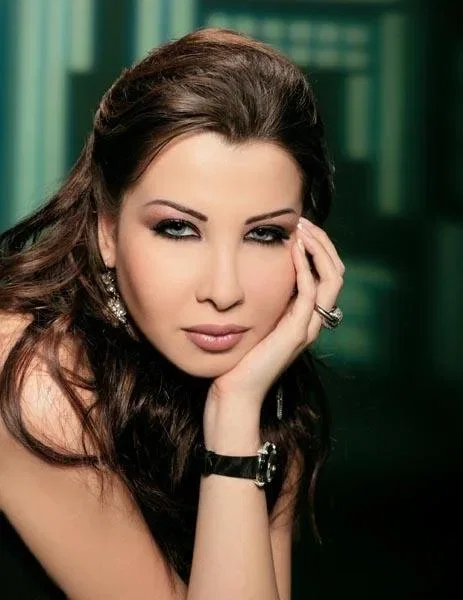
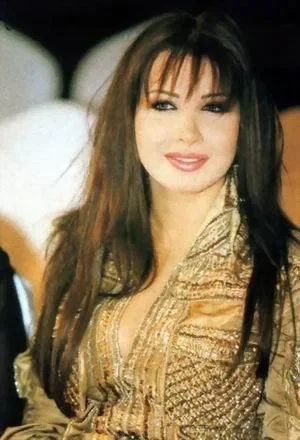
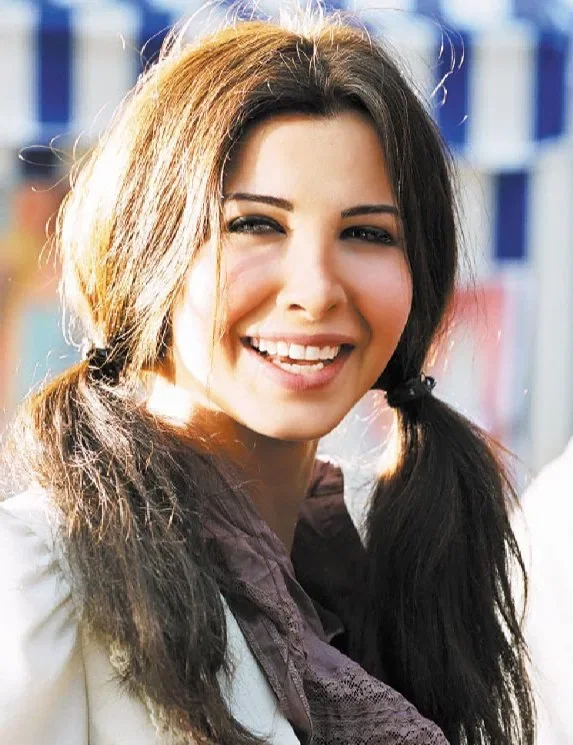
Some pop voices become part of a shared memory not because they overwhelm the listener, but because they arrive with warmth, familiarity, and emotional clarity. Nancy Ajram holds that place in contemporary Arabic pop. Her songs have lived across weddings, family gatherings, television screens, radio rotations, car rides, digital playlists, and major concert stages, yet they still carry a sense of intimacy. She has built a career around melody, charm, and connection, shaping a version of Arabic pop that feels polished and accessible without losing its cultural center.
Born in Achrafieh, Beirut, Ajram began singing as a child and first reached the public through television talent competitions in the 1990s. That early exposure mattered. It did not simply introduce her as a young performer; it allowed audiences to watch her grow into her voice, her stage presence, and her artistic identity. Her appearance on Noujoum Al Moustakbal at the age of 12 and her entry into professional recording before adulthood gave her career a sense of gradual development rather than instant manufacture. Before becoming one of the region’s biggest pop names, she had already gained experience with cameras, audiences, and a repertoire rooted in Arabic vocal tradition.
Her first albums, Mehtagalak and Sheel Oyoonak Anni, marked the beginning of her recording path, but the decisive shift came when her sound became more defined in the early 2000s. With the right creative collaborators and a clearer pop direction, Ajram moved toward a contemporary Arabic sound built on memorable hooks, elegant production, and a visual identity that felt modern without becoming inaccessible. “Akhasmak Ah” became a turning point: playful, catchy, stylish, and instantly recognizable. It pushed her from promising Lebanese singer into a regional pop force, opening the door for a run of songs that would become deeply embedded in Arabic popular culture.
What makes Nancy Ajram’s music work is balance. She can sing a romantic ballad without burying it in drama, move into dance-pop without losing softness, and deliver a light, family-friendly song without sounding shallow. Tracks such as “Ah W Noss,” “Ya Tabtab,” “Inta Eih,” “Fi Hagat,” and “Ehsas Jdeed” reveal the core of her appeal: clean melodies, emotional accessibility, and a voice that favors connection over vocal exhibition. She does not need to turn every song into a technical showcase. Instead, she gives the listener an immediate emotional entrance point, which is one of the reasons her catalog has remained so widely familiar.
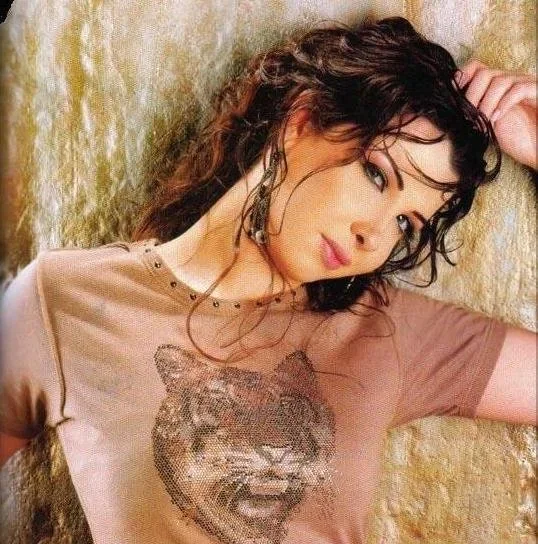
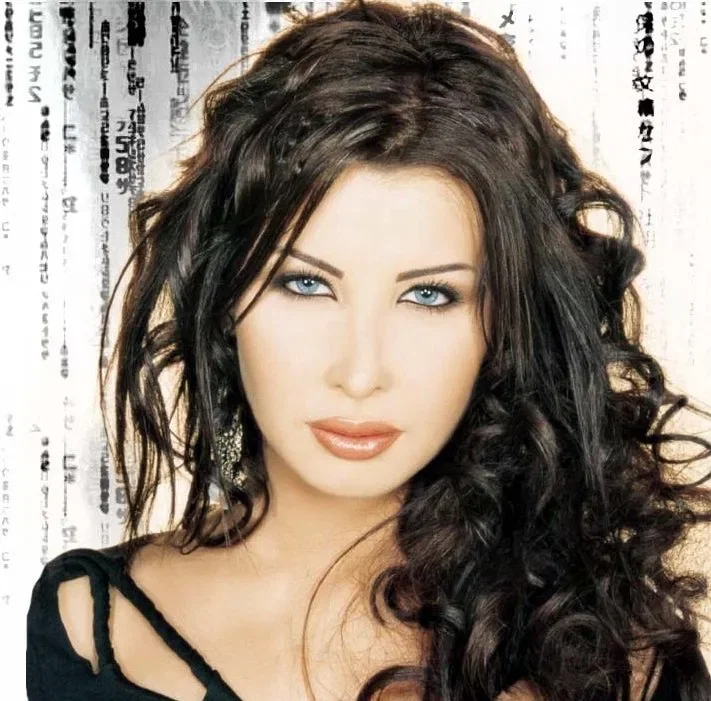
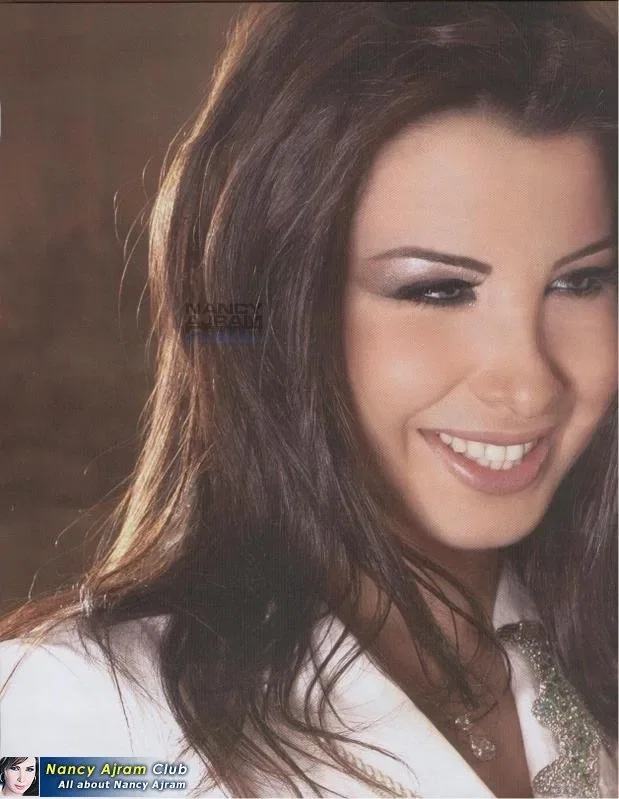
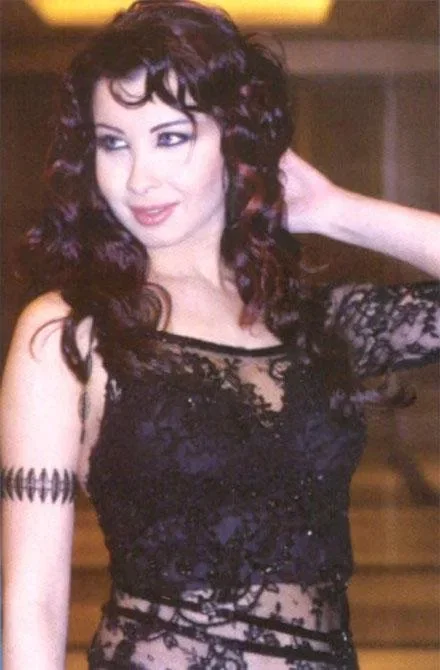
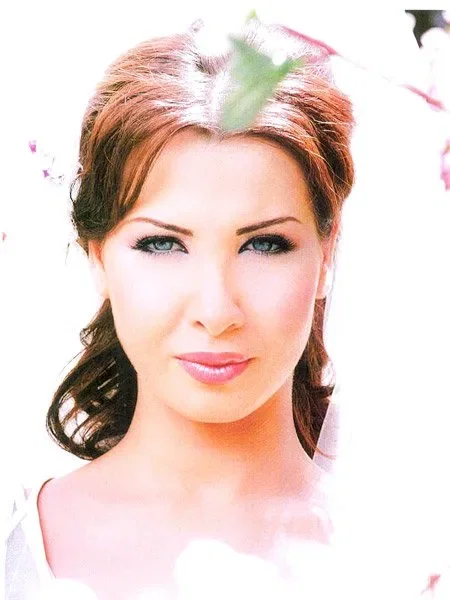
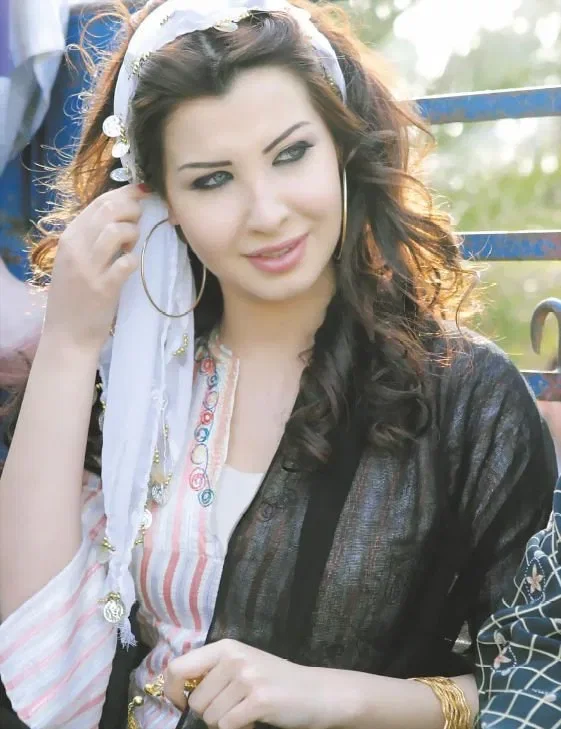
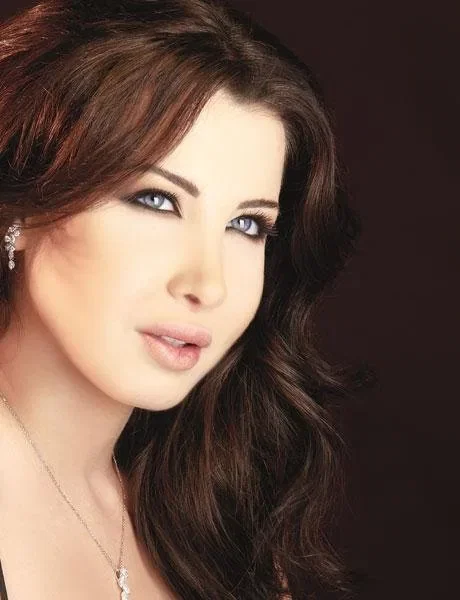
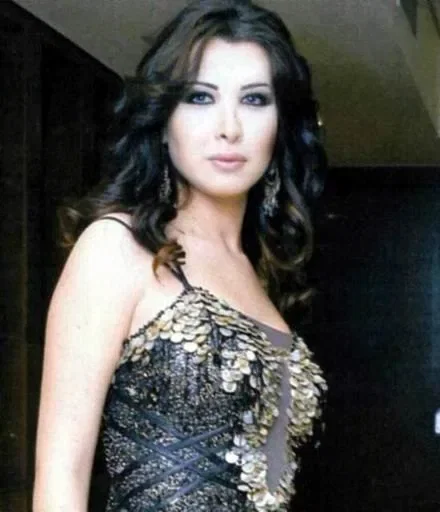
Her image has been just as important as her sound. Ajram developed a public presence built on sweetness, elegance, ease, and relatability. She never relied only on the untouchable aura of a distant diva; part of her power came from appearing close to the audience. In music videos, commercials, television appearances, and concerts, she projected a kind of modern Arab femininity that could appeal to young listeners while remaining acceptable and beloved across family audiences. That range helped her travel across generations. For some fans, her songs recall the golden age of Arabic music television; for others, they are part of discovering Arabic pop through streaming platforms and social media.
Her career also reflects a larger transformation in Arabic pop. Nancy Ajram belongs to a generation of artists who helped make Arabic-language pop more visible beyond its traditional markets. She absorbed global pop codes — polished videos, strong branding, international collaborations, large-scale performances, and digital reach — without abandoning the melodic instincts and emotional phrasing that tie her music to the Arab world. That balance is difficult to sustain. An artist can easily sound too local for international audiences or too globalized for the culture that first embraced them. Ajram found a middle ground that made her music feel open while still unmistakably rooted.
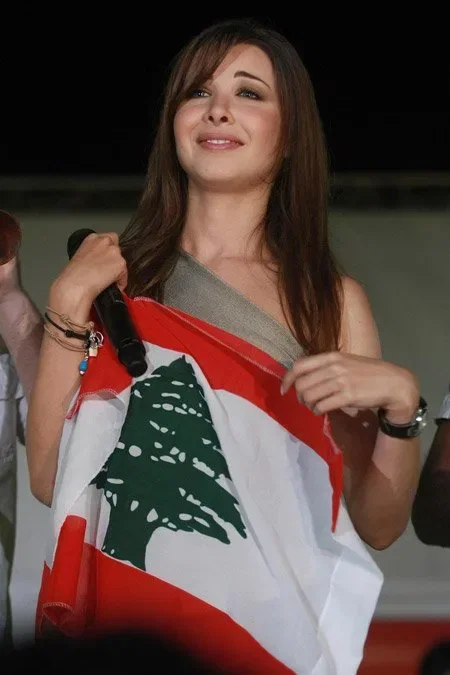
On stage, her appeal comes less from shock or reinvention than from recognition and emotional continuity. A Nancy Ajram concert is built around songs people already carry with them: choruses connected to personal memories, videos they remember watching, and melodies that feel almost conversational. Her live presence tends to emphasize elegance, warmth, and audience connection rather than spectacle for its own sake. The result is a performance style that reinforces the same qualities found in her recordings: clarity, softness, rhythm, and a sense of shared affection.
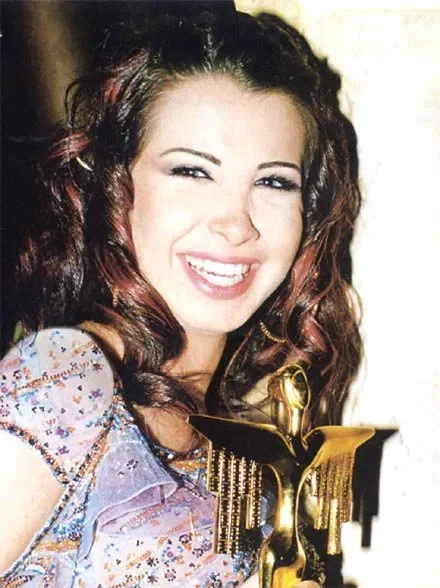
Her significance goes beyond commercial success, awards, or streaming numbers. Nancy Ajram matters because she turned Arabic pop into a widely accessible emotional language for several generations of listeners. Her legacy is not tied to one single hit or one isolated phase, but to the consistency with which she has remained present in people’s lives. She is a pop artist in the fullest sense: melodic, recognizable, culturally grounded, and capable of making mass appeal feel personal. Through her voice, Arabic pop found a modern sound that could travel widely without losing its warmth.
Main genre
POP
Main subgenres
Like a superfan's list — except verified, with sources and links.
No linked festivals
No festival appearances documented yet.
What we managed to link to the concert archive. If a date is missing, tell us — happens to us too.
Every concert and festival of the year, traced on the globe. Hit play and follow the route stop by stop.
Photos from the public archive.
Recent coverage linked to the artist.
If you like Nancy Ajram, these move through the same lineups.