































Ranking
#90

Ranking
#90
Followers
82.4 M
Digital presence
Official profiles, streaming and discovery.
What a good fan recites by heart (or pretends to).
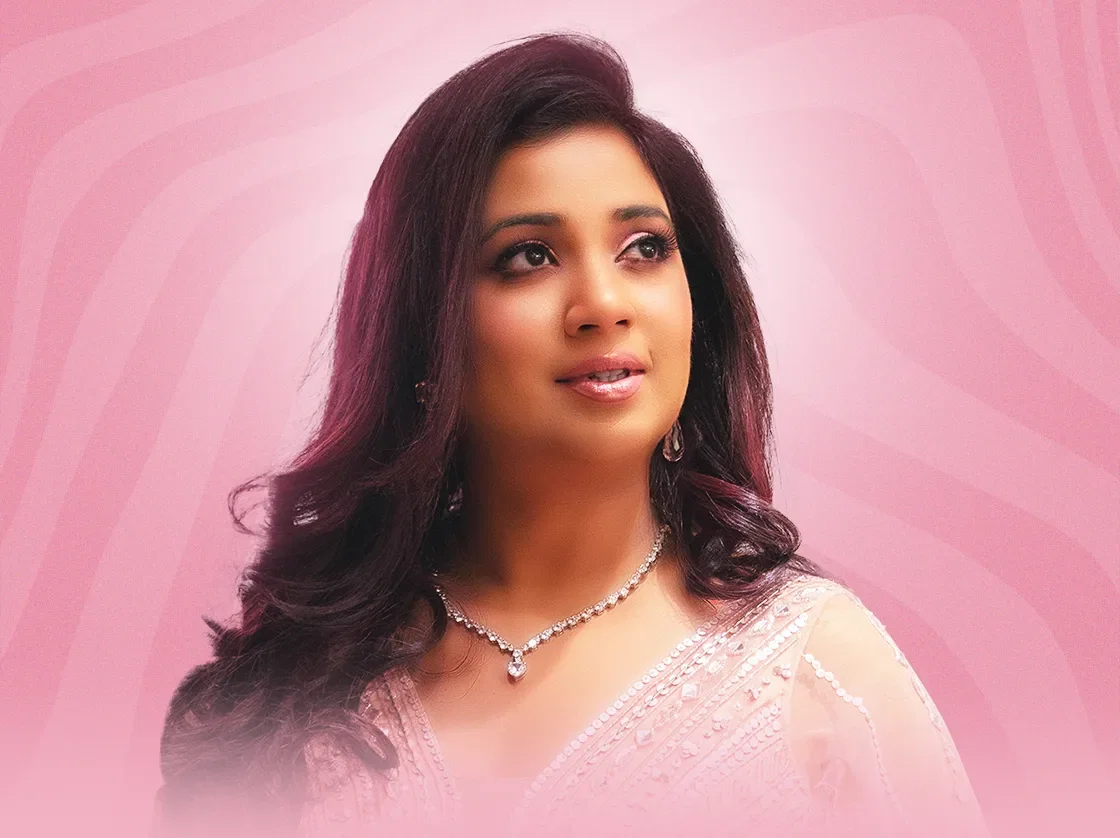
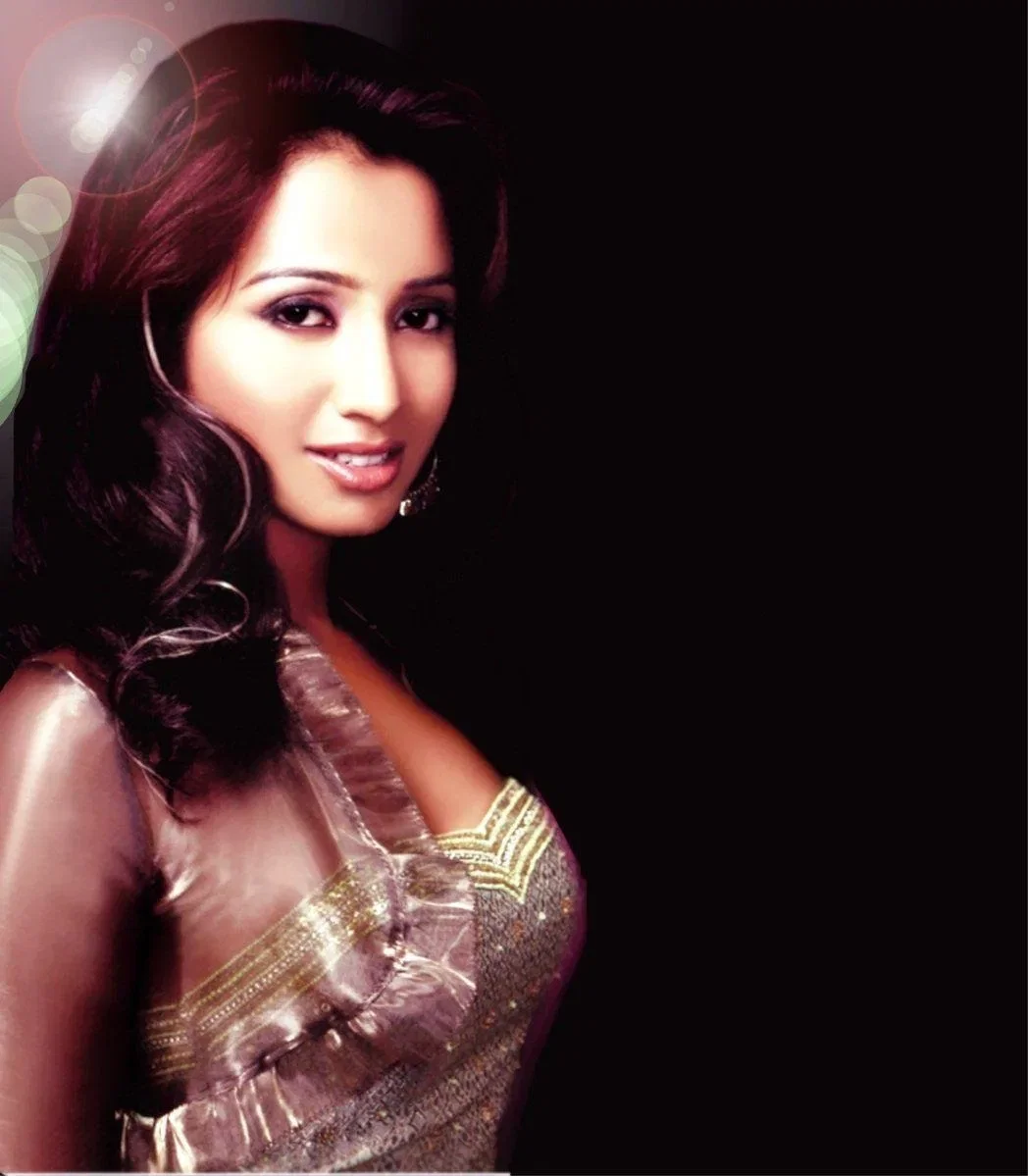
Shreya Ghoshal is one of those voices that cannot be understood only through the number of songs, awards, or soundtracks attached to her name. Her importance lies in the way she has accompanied the emotional lives of millions through Indian cinema, popular music, romantic songs, devotional pieces, and a multilingual repertoire that crosses regions, generations, and styles. In an industry where the playback voice can become collective memory, Shreya occupies a special place: she sings for characters, scenes, and films, but her voice often ends up living in the real lives of listeners as well.
Born in West Bengal and raised with an early relationship to music, Shreya began training as a child in an environment where vocal discipline, melody, and classical sensitivity mattered deeply. Her story is not that of a singer who suddenly appeared inside a Bollywood studio. It is the story of an artist shaped by years of listening, practice, and study. That foundation can be heard in her breath control, the clarity of her notes, the precision with which she sustains a meend, the smoothness of her transitions, and the rare ability to make technically demanding singing feel natural.
Her first major public opening came through Sa Re Ga Ma, where her talent drew attention at a very young age. But the turning point that defined her career was Devdas, the film that introduced her to the grand world of playback singing. Songs such as “Bairi Piya” and “Dola Re Dola” revealed a voice mature beyond its years, capable of carrying romance, classical ornamentation, innocence, drama, and an elegance perfectly suited to Sanjay Leela Bhansali’s visual universe. For such a young artist, entering cinema in that way was more than a debut. It was a statement of level.
What distinguishes Shreya Ghoshal is her ability to sound immaculate without becoming distant. Many technically brilliant singers can impress; far fewer can move listeners so easily. Shreya has a luminous, flexible, deeply melodic voice, but she also knows restraint. She does not need to prove everything in every phrase. She can sing with whisper-like delicacy, open into an orchestral climax, move through a classical line, or enter a pop song with complete ease. Her technique serves emotion, not the other way around.
Inside Indian cinema, that quality is especially important. A playback singer does not simply sing a song; she lends a soul to an image. She must understand the character, the situation, the actor, the dramatic moment, and the exact emotional temperature the scene requires. Shreya has done this with extraordinary sensitivity. She can sound like first love, nostalgia, devotion, desire, sadness, celebration, or promise. Her voice has a narrative quality: it does not only interpret melodies, it seems to say what the character cannot yet speak.
Her linguistic versatility is another central part of her greatness. Although her work in Hindi made her widely recognized, Shreya has recorded in many Indian languages, including Bengali, Tamil, Telugu, Malayalam, Kannada, Marathi, Gujarati, and other regional repertoires. In a country where every language has its own musicality, diction, cinematic tradition, and poetic sensitivity, that ability matters enormously. Singing in multiple languages does not only mean pronouncing correctly. It means understanding the emotional weight of each syllable and respecting the cultural cadence of each song.
Her romantic repertoire is a huge part of her identity. Songs such as “Jadu Hai Nasha Hai,” “Teri Ore,” “Sun Raha Hai,” “Saibo,” “Manwa Laage,” “Deewani Mastani,” and “Agar Tum Mil Jao” show different forms of tenderness, desire, and vulnerability. In Shreya’s hands, a romantic song does not need to be excessive in order to be intense. Often, a sustained note, a soft fall at the end of a phrase, or a small breath is enough for the feeling to arrive fully. That emotional economy is the mark of a major interpreter.
But reducing her to ballads would be unfair. Shreya has also excelled in classical, semi-classical, devotional, festive, and pop songs. She can move into a grand orchestral arrangement, a more intimate composition, an elegant dance track, or a piece rooted in tradition without losing her identity. That range has allowed her to work with very different composers and adapt to changing eras of film music. Her voice has lived alongside symphonic sound, light electronics, contemporary pop, acoustic arrangements, and the more classical structures of playback singing.
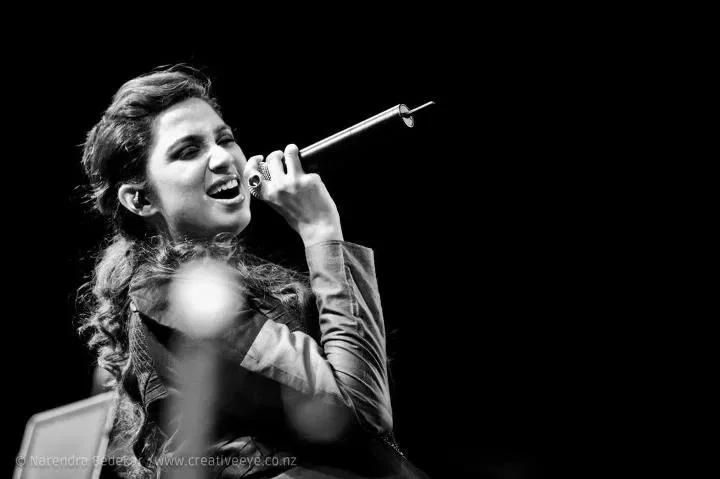
Live, her strength lies in making a large hall feel intimate. Shreya does not depend on an aggressive stage persona or the image of an unreachable star. Her authority comes from singing. When she performs, audiences often respond not only as fans, but as people who recognize a part of their own emotional history. Her concerts work like journeys through shared memory: film scenes, family songs, personal moments, and a sense of elegance that crosses age groups.
Her legacy is also tied to the continuity of a great tradition of female voices in India. Without being a copy of any predecessor, Shreya belongs in dialogue with a lineage where women’s voices have carried much of the romantic and emotional imagination of Indian cinema. Her place is not explained only by popularity. It is explained by trust. Directors, composers, and audiences hear her as a voice capable of elevating a song, giving it grace, giving it humanity, and helping it endure.
Shreya Ghoshal matters because she represents a form of excellence that does not need to shout in order to command attention. Her career shows that vocal beauty, when joined with discipline, emotion, and versatility, can become part of a culture’s sentimental memory. At her best, Shreya sounds like warm light inside a scene: precise, elegant, deeply human, and able to turn a melody into remembrance.
Main genre
POP
Main subgenres
Like a superfan's list — except verified, with sources and links.
No linked festivals
No festival appearances documented yet.
What we managed to link to the concert archive. If a date is missing, tell us — happens to us too.
Every concert and festival of the year, traced on the globe. Hit play and follow the route stop by stop.
Photos from the public archive.
If you like Shreya Ghoshal, these move through the same lineups.