Ranking
#80

Ranking
#80
Followers
89.8 M
Digital presence
Official profiles, streaming and discovery.
What a good fan recites by heart (or pretends to).
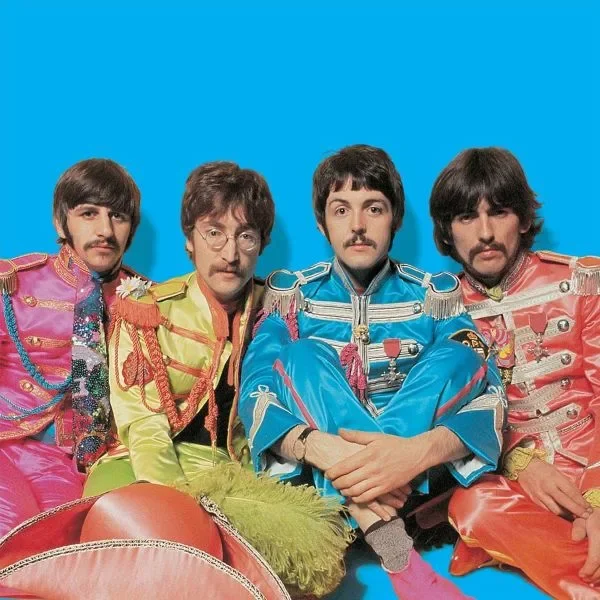
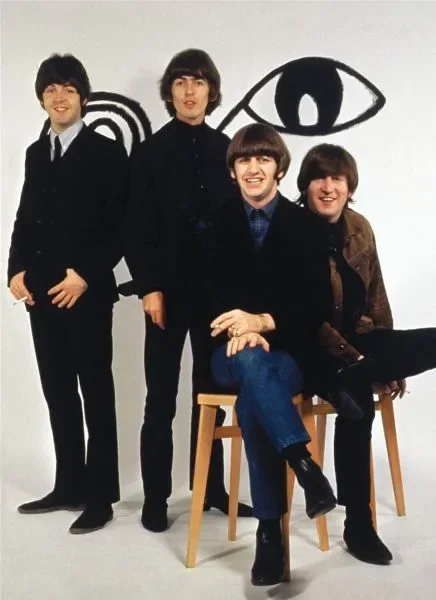
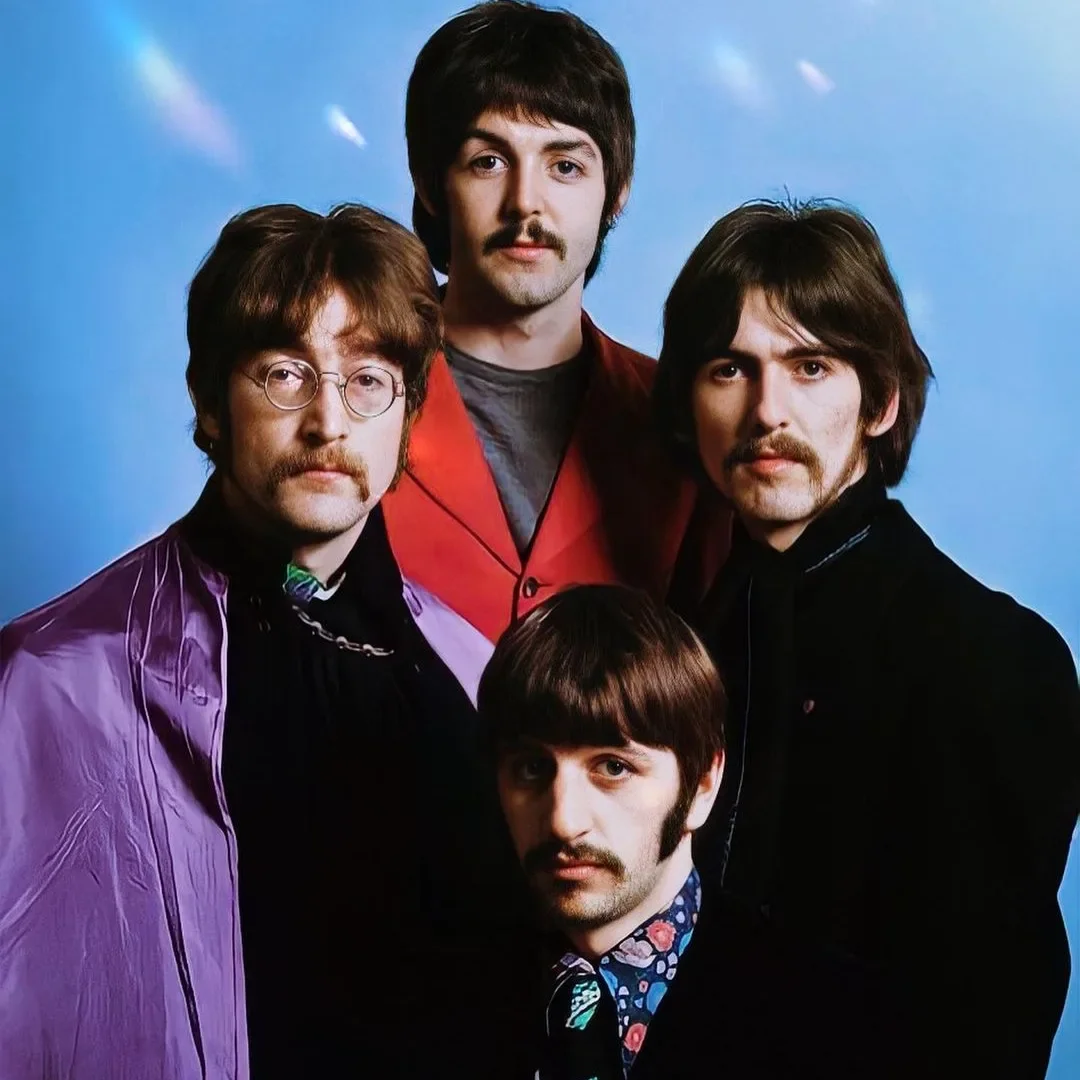
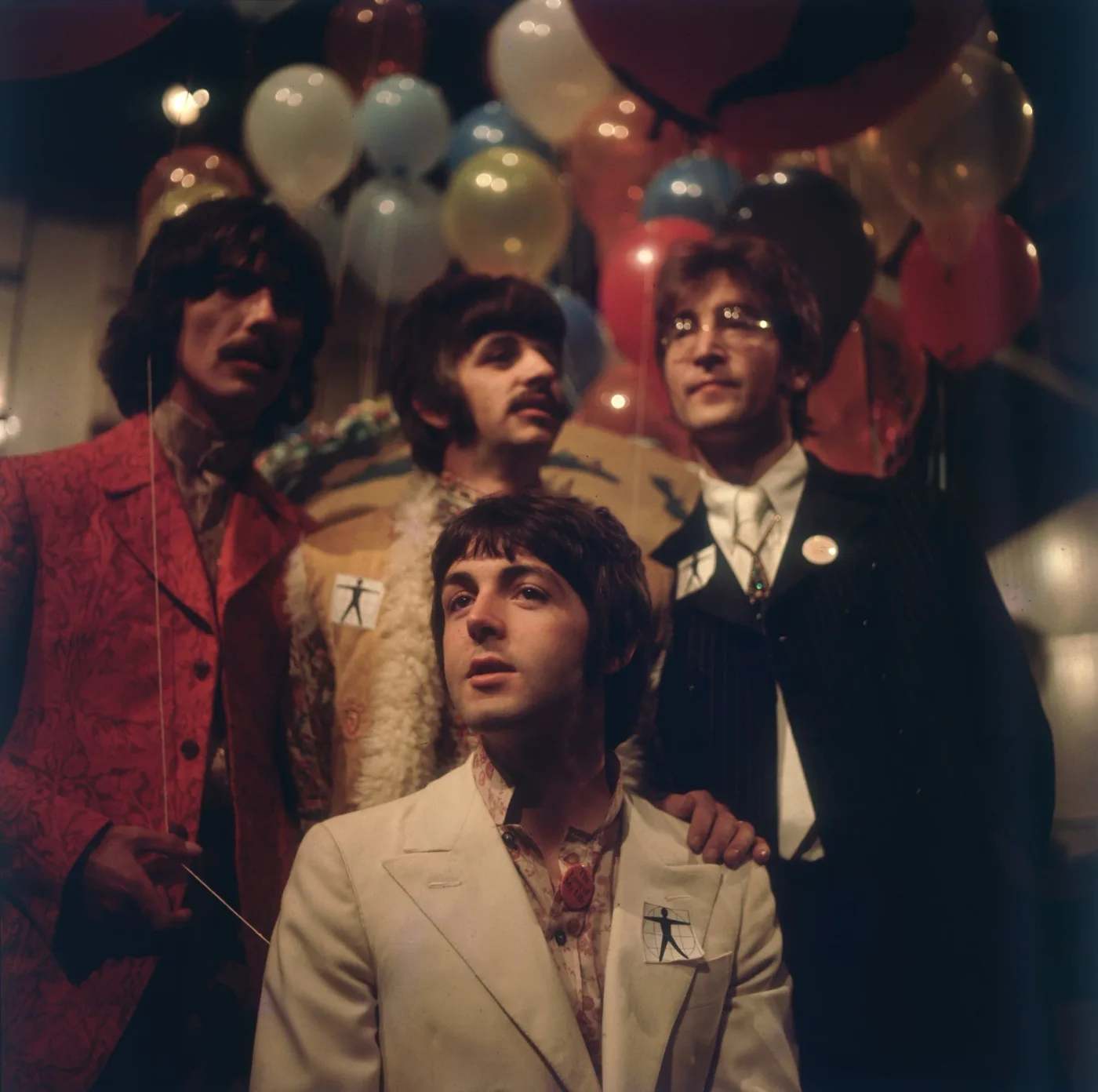
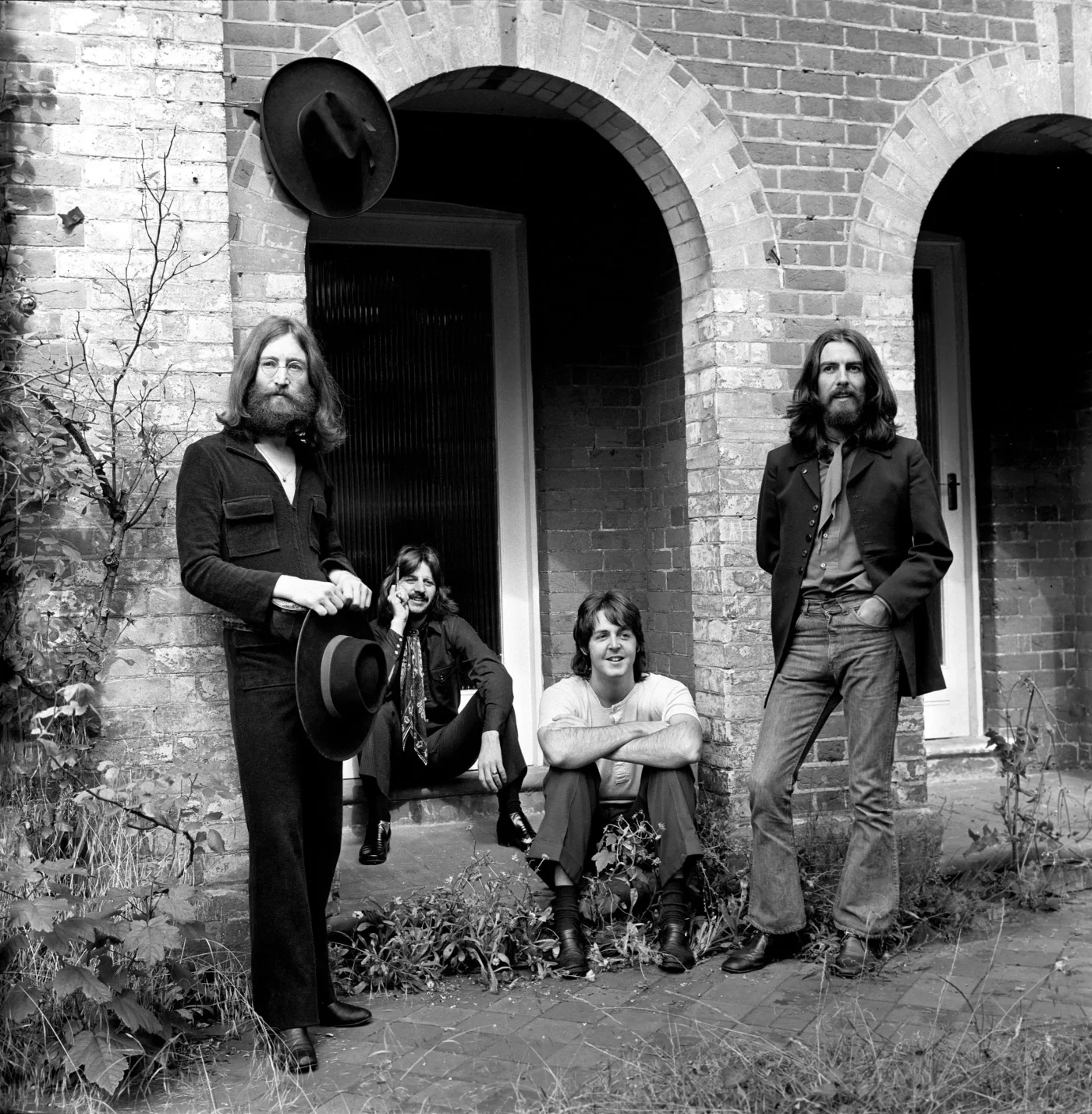
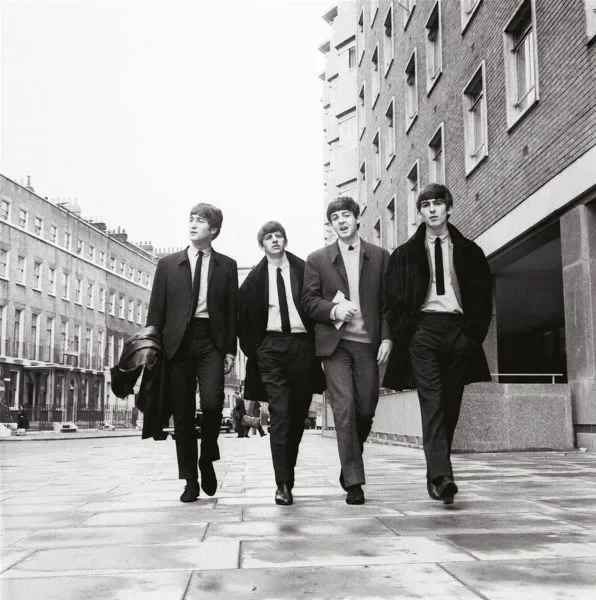
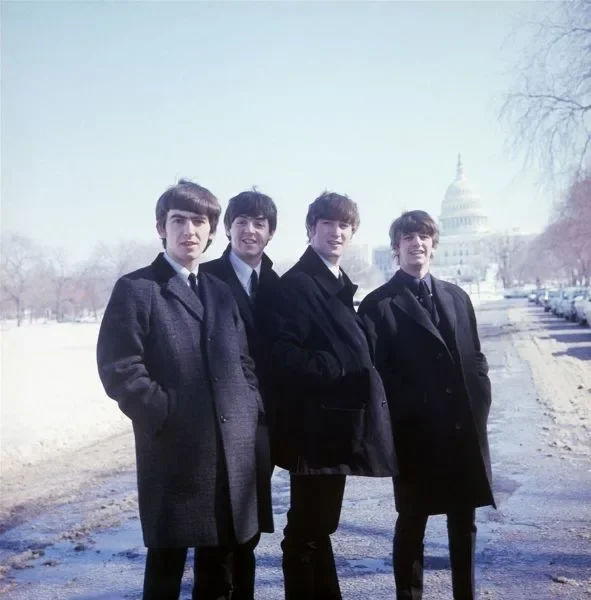
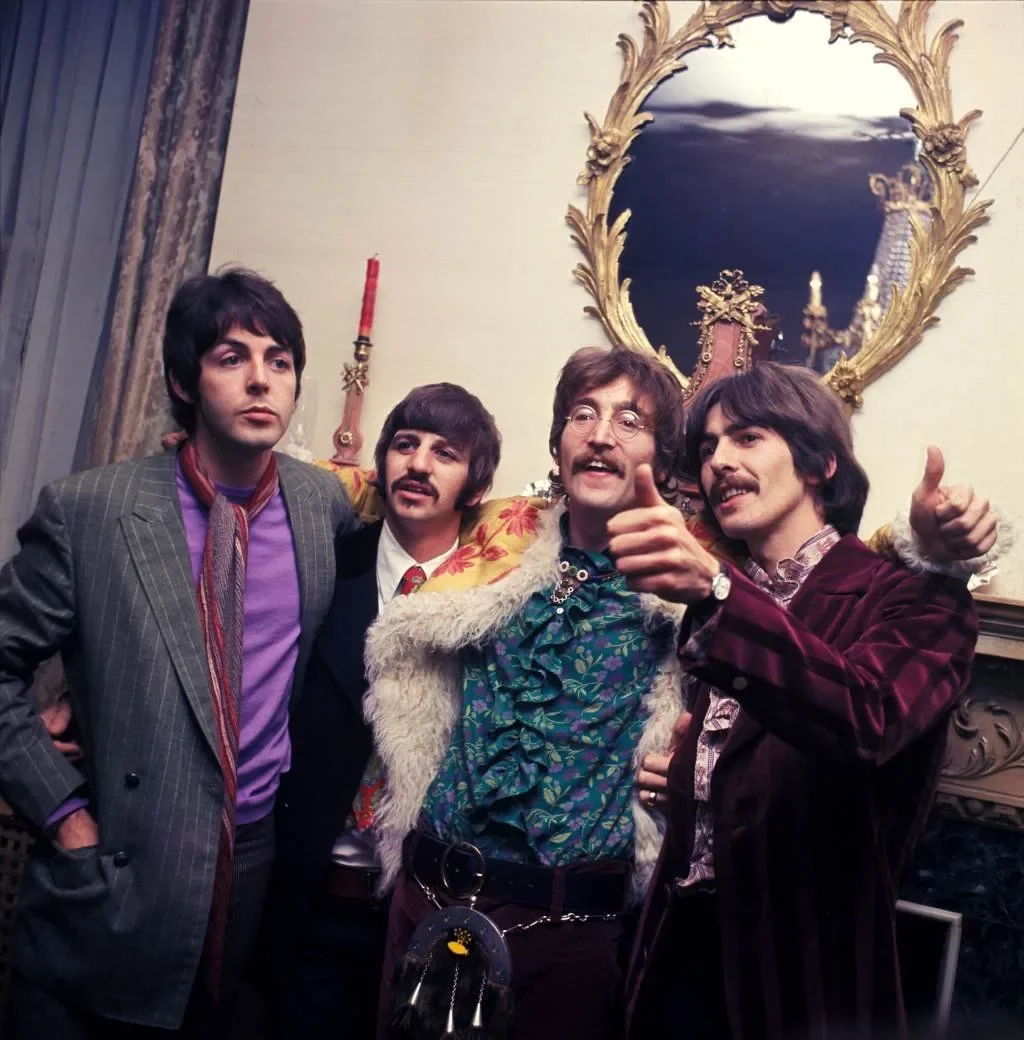
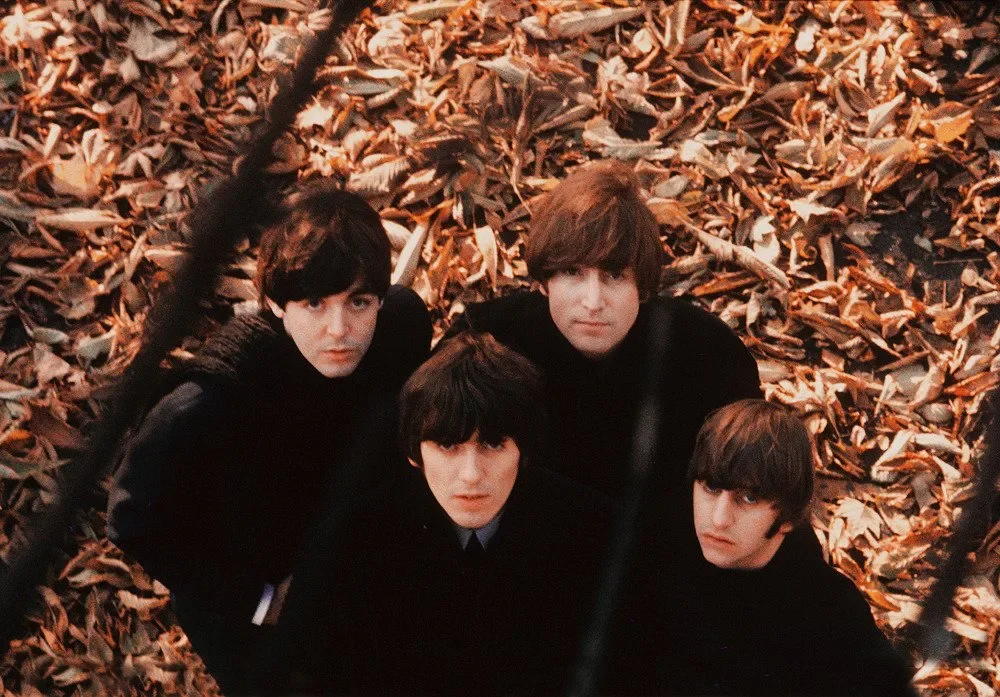
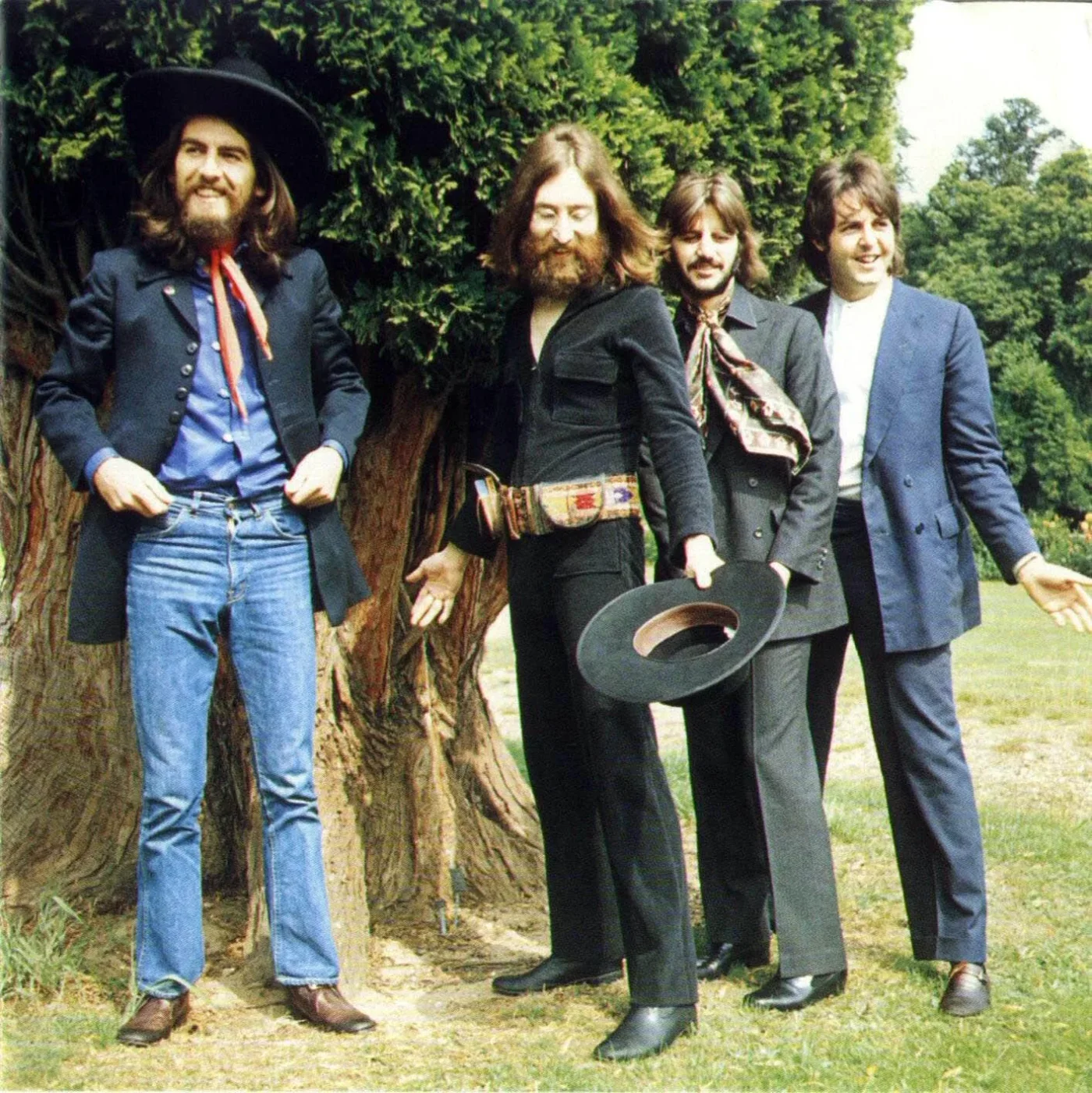
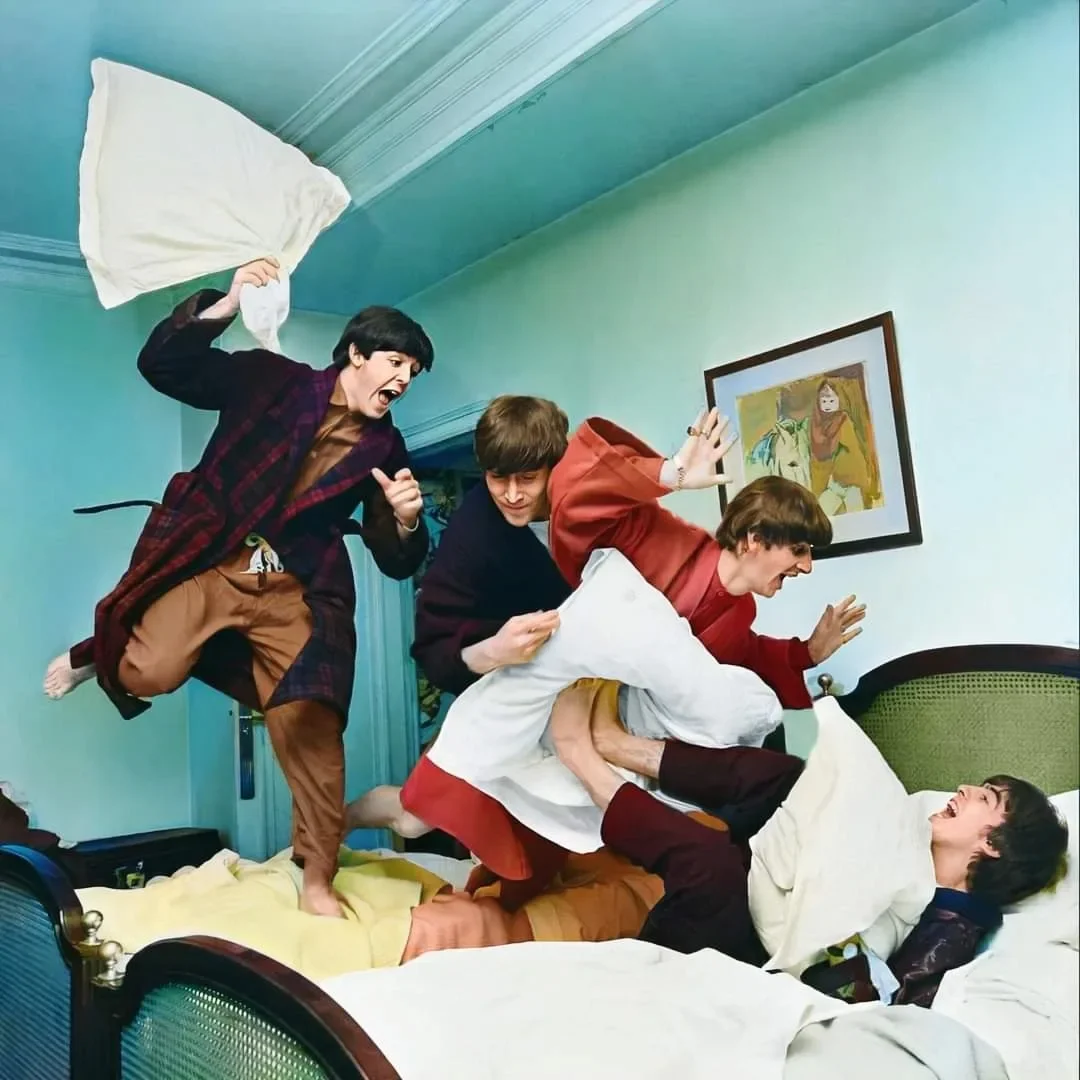
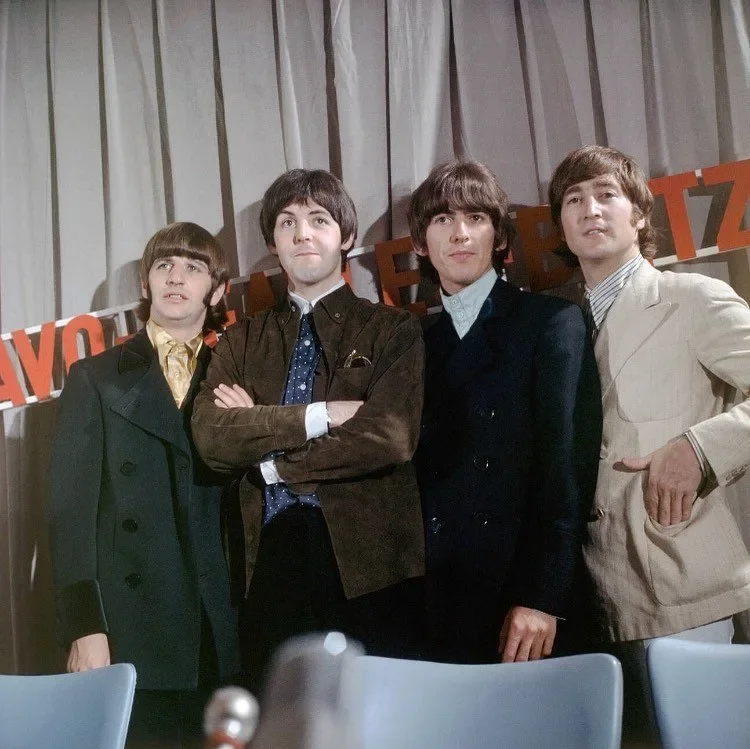
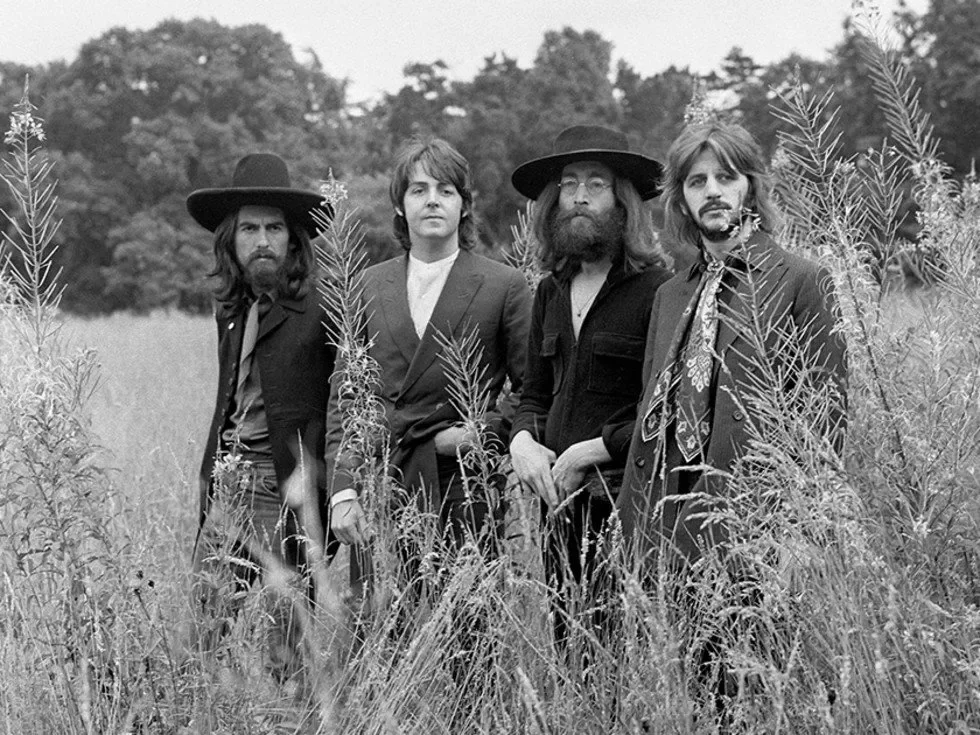
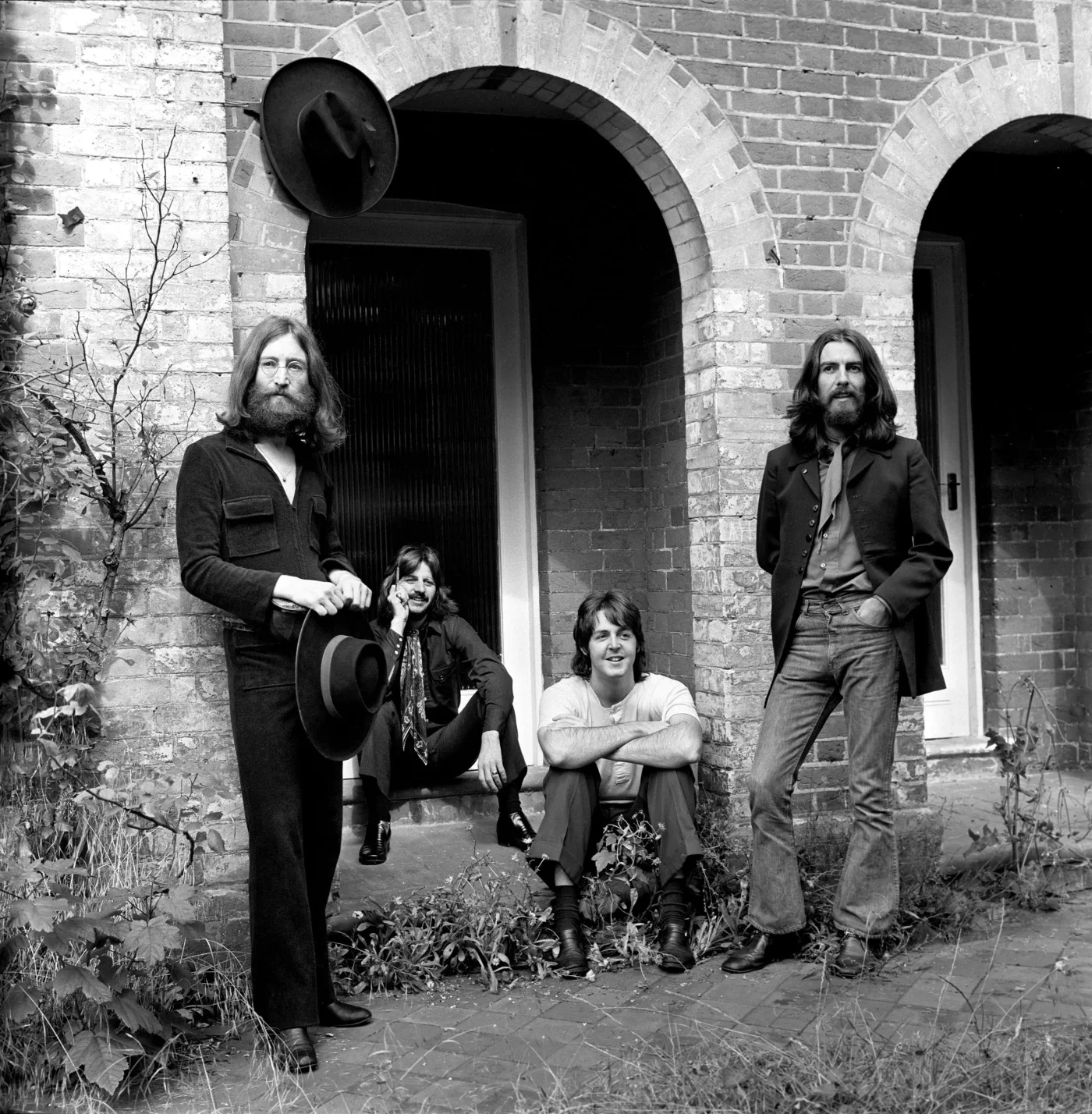
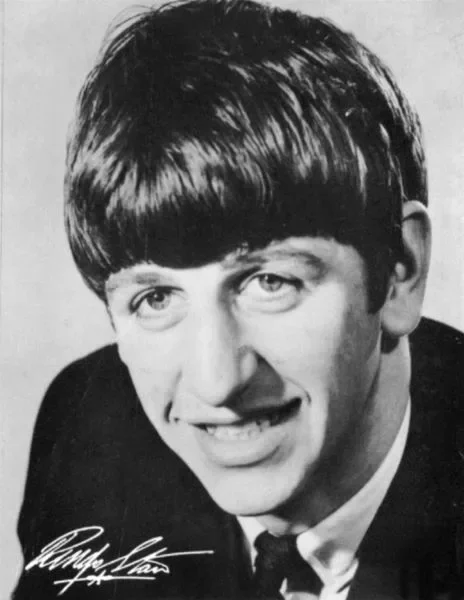
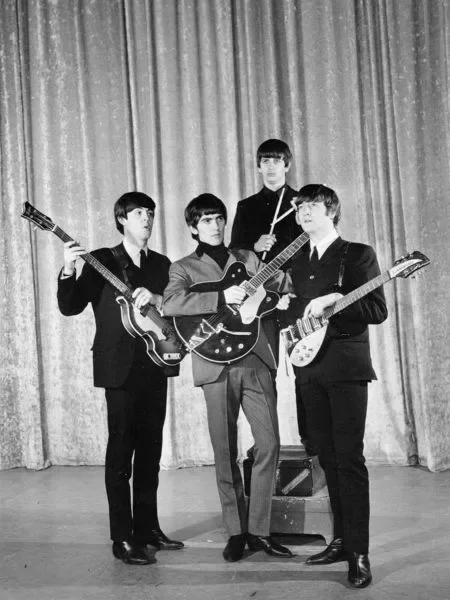
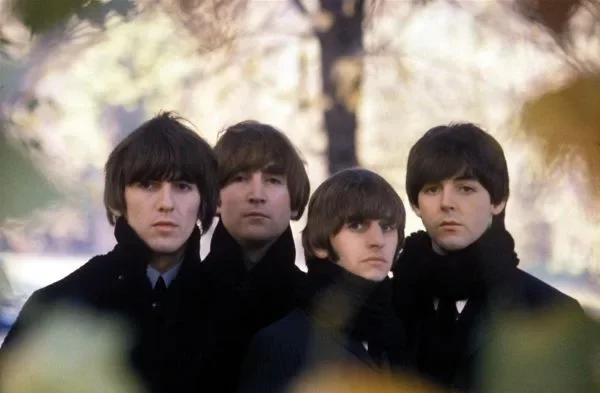
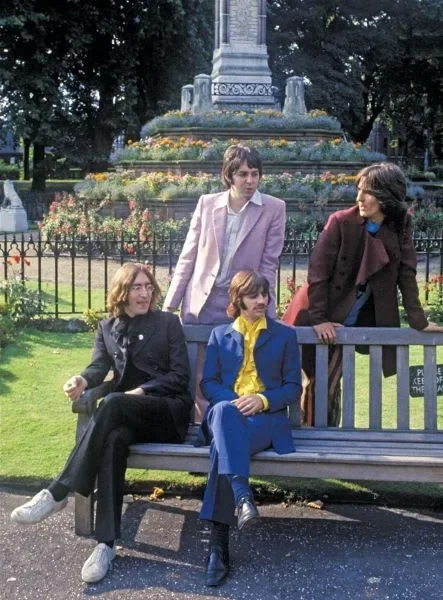
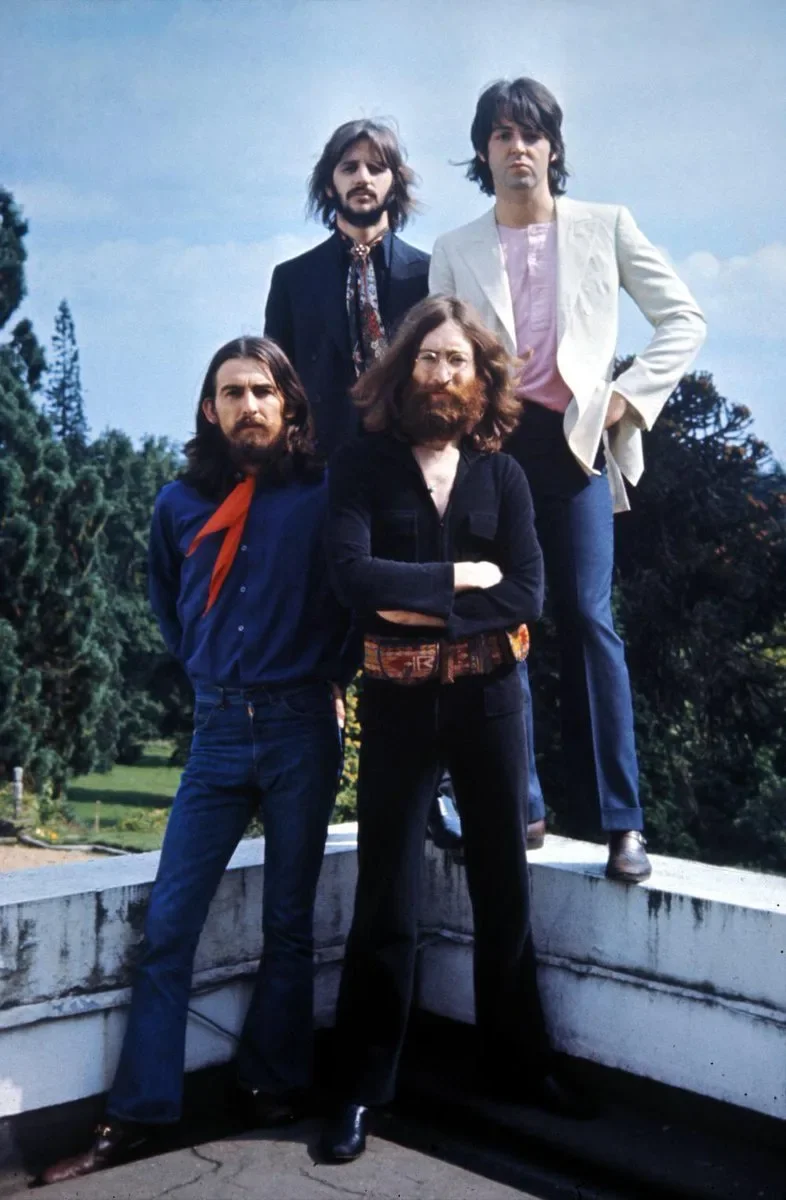
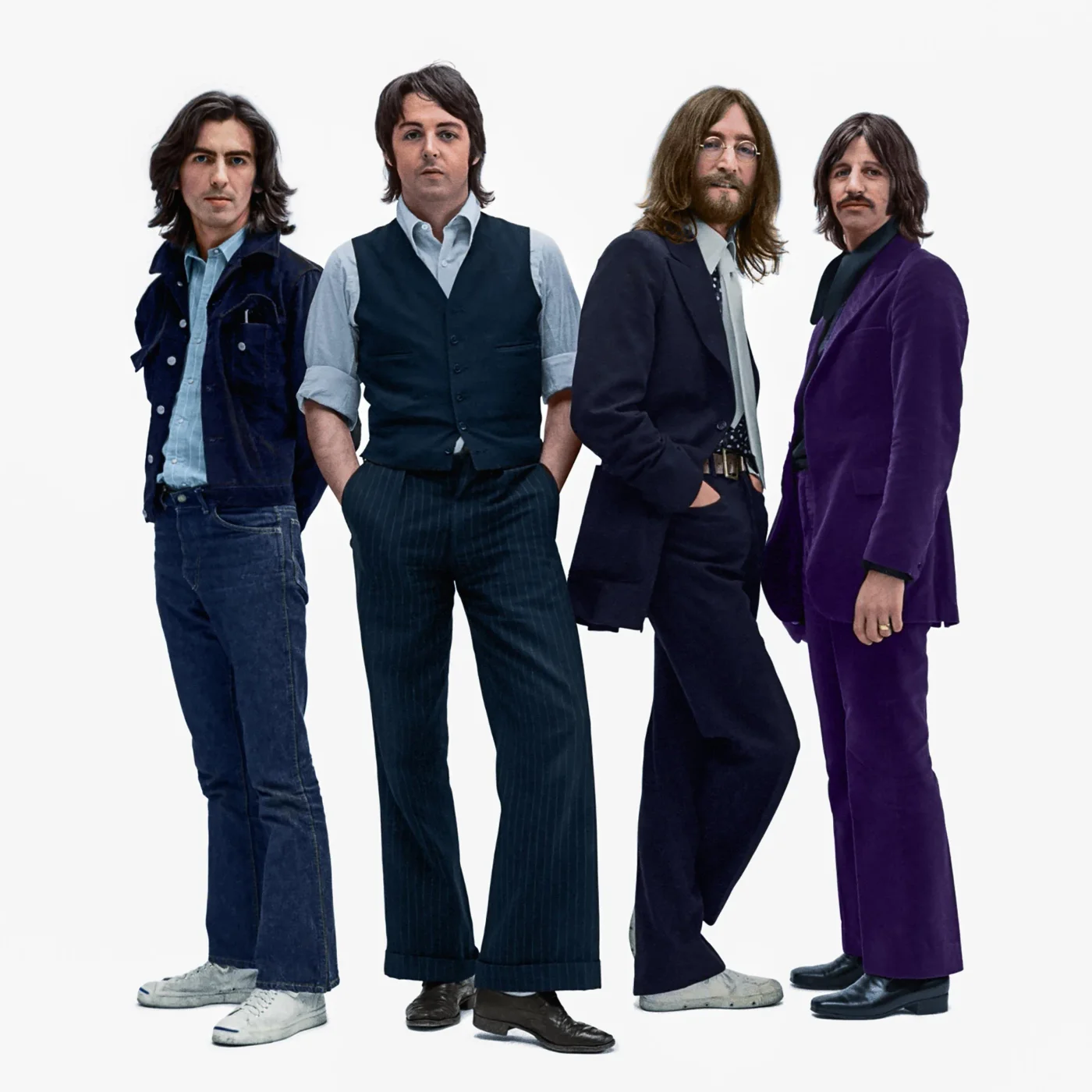
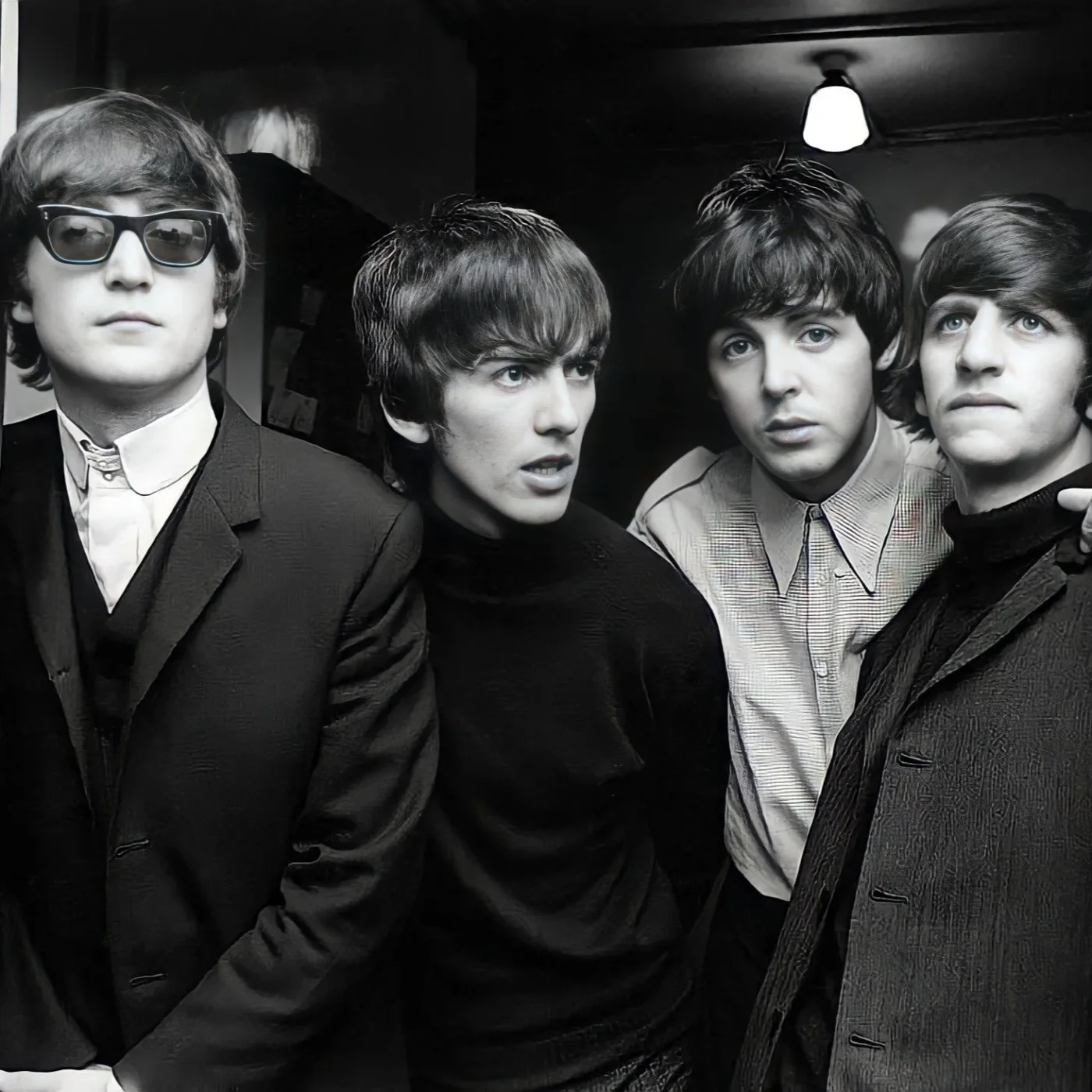
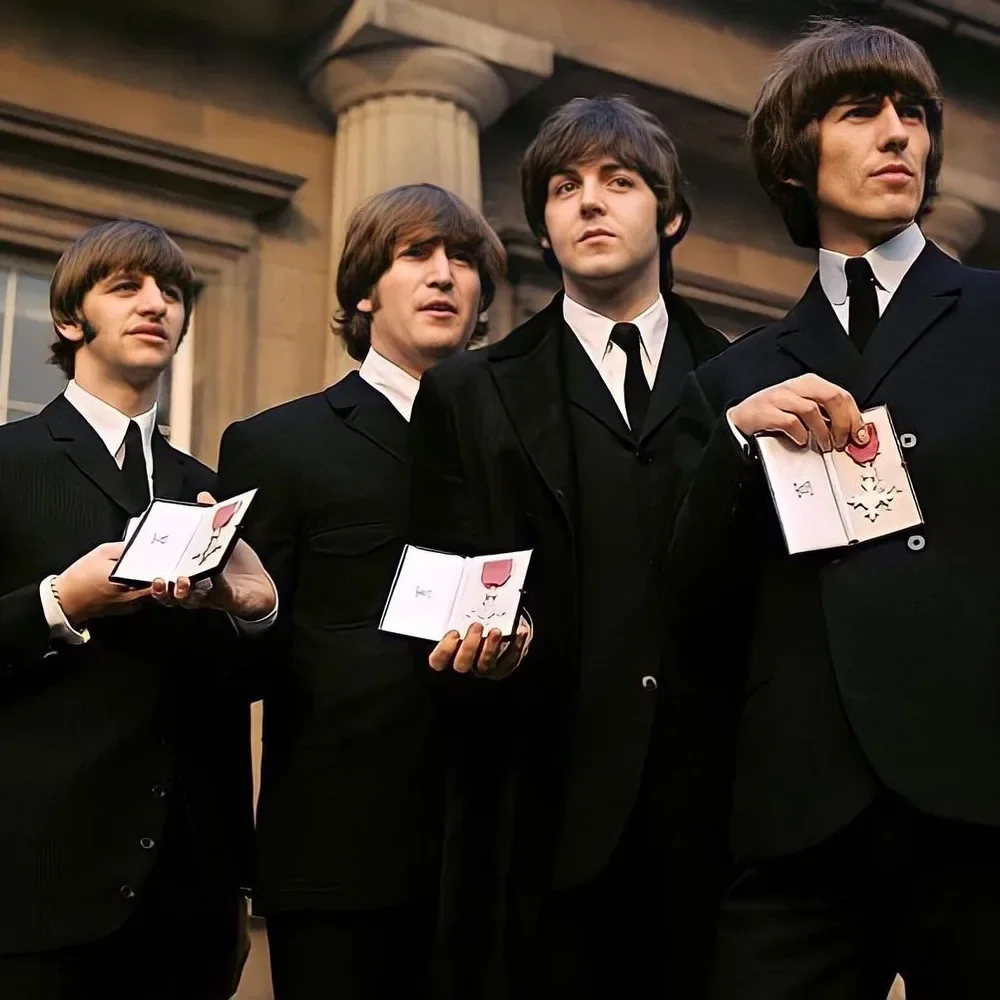
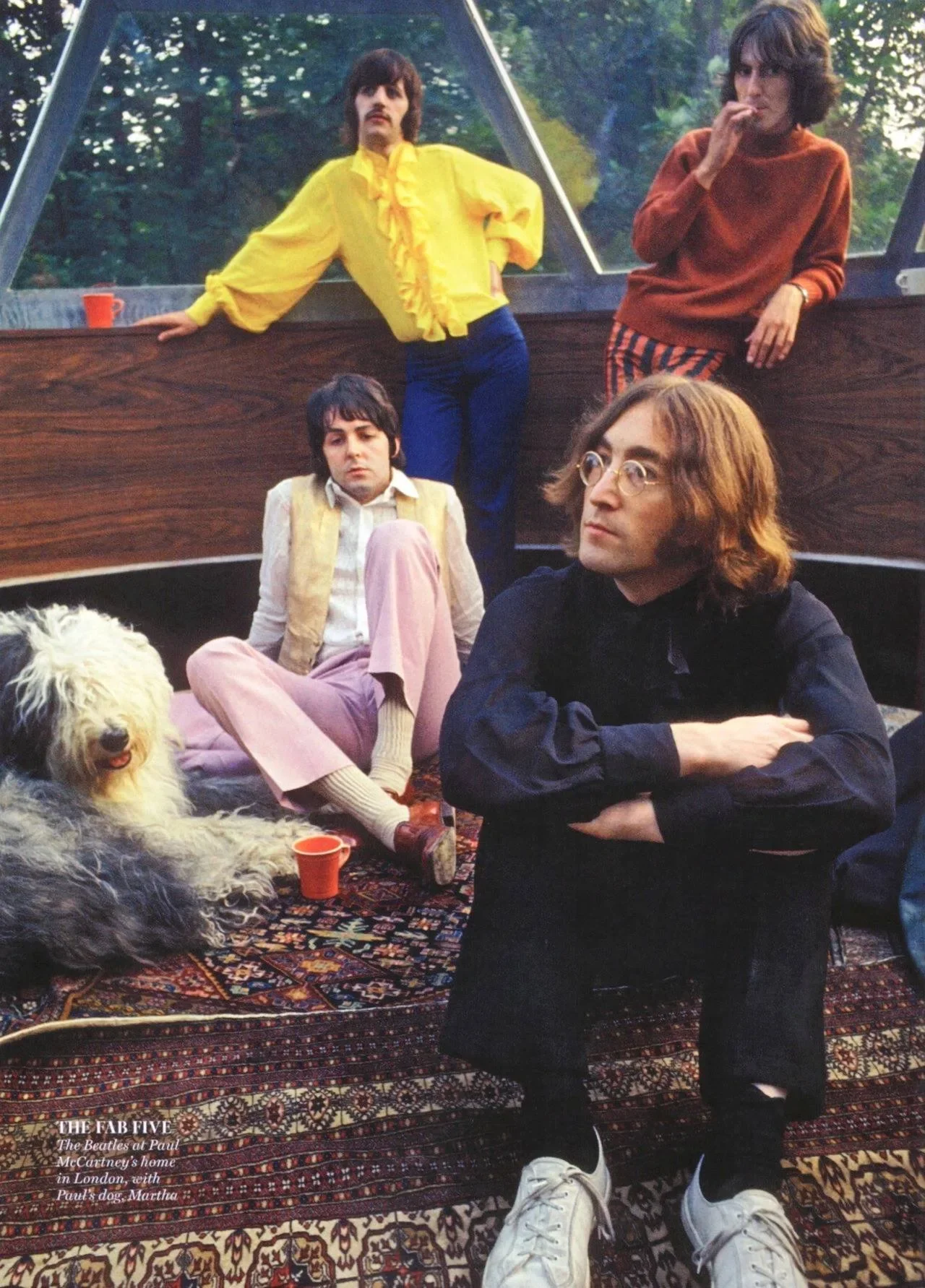
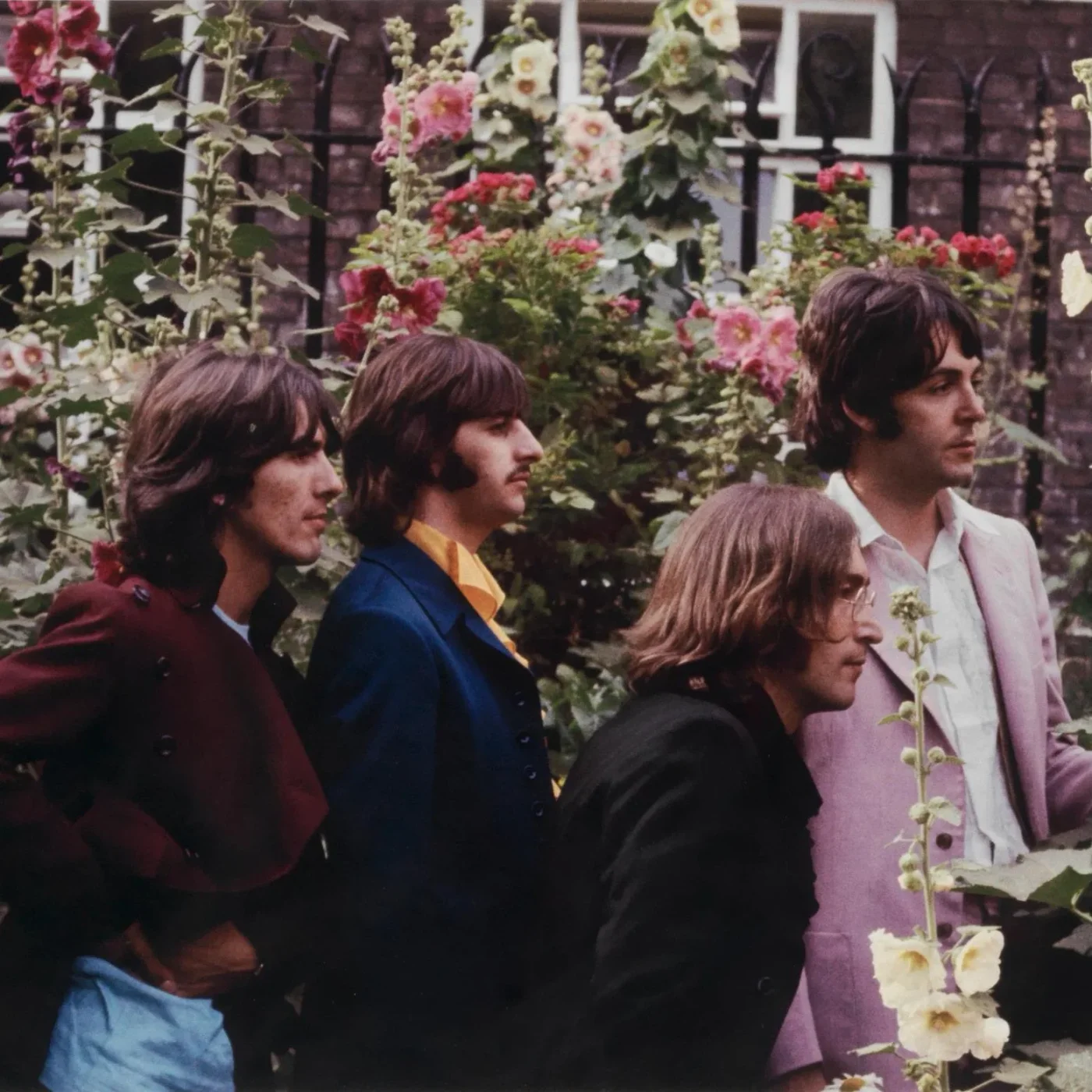
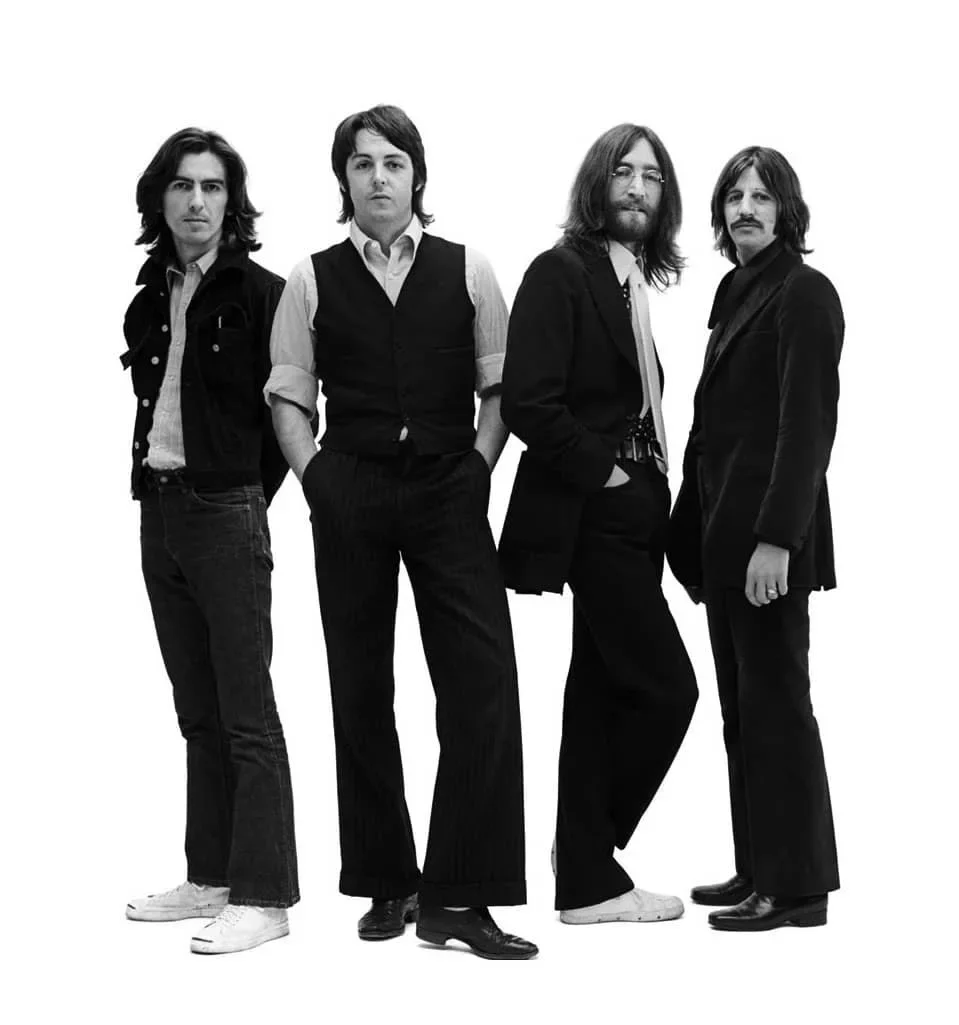
The Beatles are one of those bands that feel too large to explain through numbers alone. Four musicians from Liverpool turned two- and three-minute songs into a new way of imagining youth, love, fame, the recording studio, popular culture, and the very idea of a rock group. Their story has the shape of an unlikely fable: small clubs, endless Hamburg nights, teenage screams, matching suits, perfect harmonies, psychedelic experiments, creative tension, and an almost unbelievable speed of evolution. In less than a decade, they moved from playing rock and roll learned from American records to changing the way the world hears popular music.
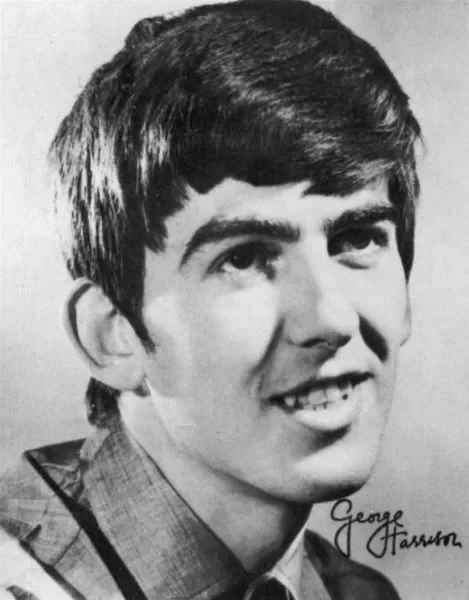
The classic lineup — John Lennon, Paul McCartney, George Harrison, and Ringo Starr — drew its power from a rare combination. Lennon brought edge, irony, literary instinct, and a voice that could sound tender or dangerous. McCartney brought melody, formal ambition, versatility, and an almost effortless gift for writing songs that feel as if they had always existed. Harrison grew from a restrained guitarist into a spiritual, elegant, increasingly deep songwriter. Ringo, with his precise and unpretentious drumming, gave the group a human, recognizable foundation. What made them unique was not traditional virtuosity in isolation, but the way they sounded together, like one collective intelligence.
Before the global phenomenon, there were the apprenticeship years. Liverpool and Hamburg were their real school: long sets, huge repertoires, tough audiences, exhausting nights, and the constant need to hold attention. That experience shaped The Beatles as a live band before they became a studio laboratory. They learned to play hard, sing harmonies, read a room, and absorb rock and roll, rhythm and blues, soul, country, skiffle, and vocal pop. By the time they reached the record, they were not a boardroom invention. They were a band hardened by hours and hours of performance.
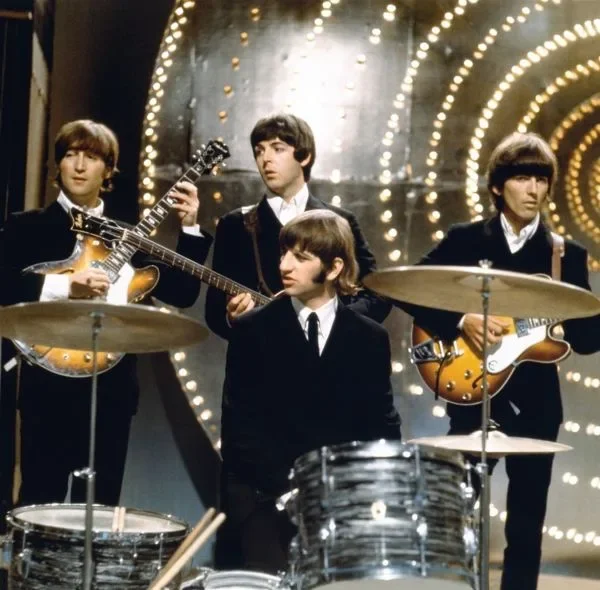
The first wave of Beatlemania carried a direct, bright, almost physical energy. “Love Me Do,” “Please Please Me,” “She Loves You,” “I Want To Hold Your Hand,” and “A Hard Day’s Night” captured a youthful electricity that only seemed simple on the surface. The songs had instant choruses, sharp harmonies, ringing guitars, and a kind of excitement that connected with an entire generation. Yet even then, something set them apart: the humor, the personalities, the ease with the press, and the idea that a pop band could write its own material and increasingly control its own identity.
The artistic leap came when they stopped being satisfied with simply being the best pop group of the moment. Rubber Soul and Revolver marked a decisive expansion: more introspective lyrics, richer harmonies, riskier arrangements, unusual instruments, and a new relationship with the studio. “Norwegian Wood,” “In My Life,” “Eleanor Rigby,” “Tomorrow Never Knows,” and “Here, There and Everywhere” showed that The Beatles were no longer writing only for dancing, radio, or concert screams. They were exploring memory, loneliness, imagination, adult love, philosophy, irony, and sound as something that could be shaped like sculpture.
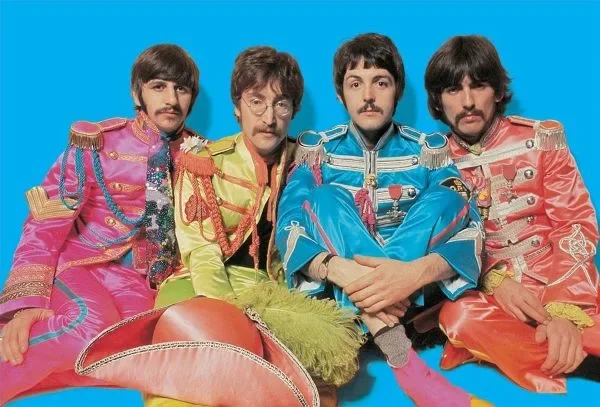
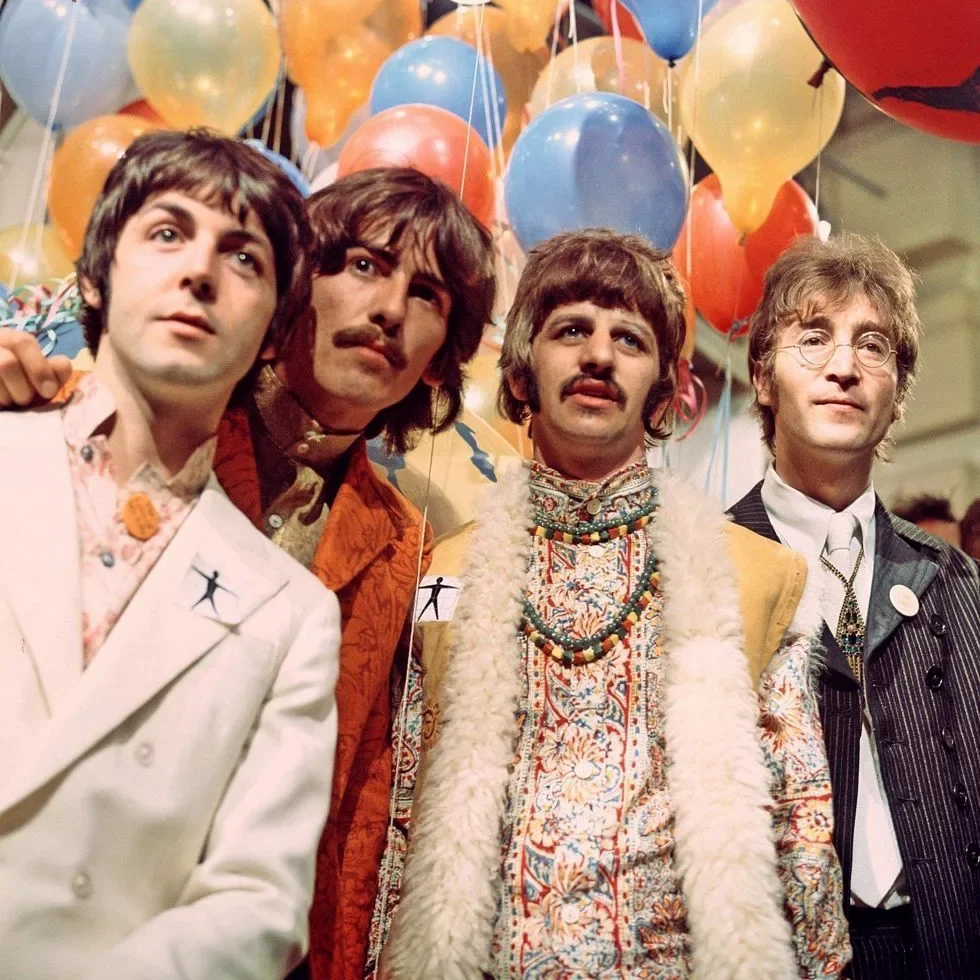
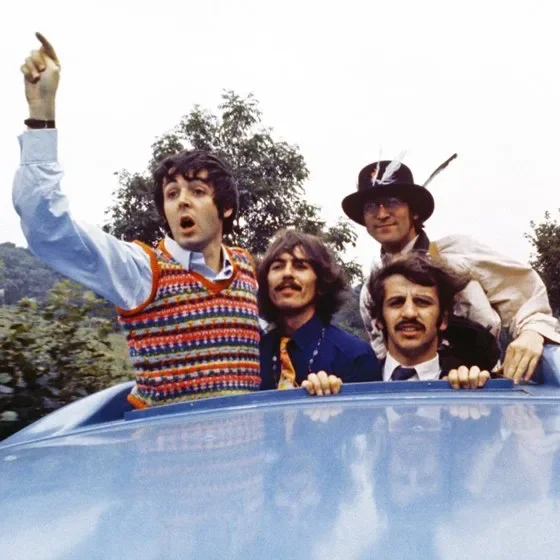
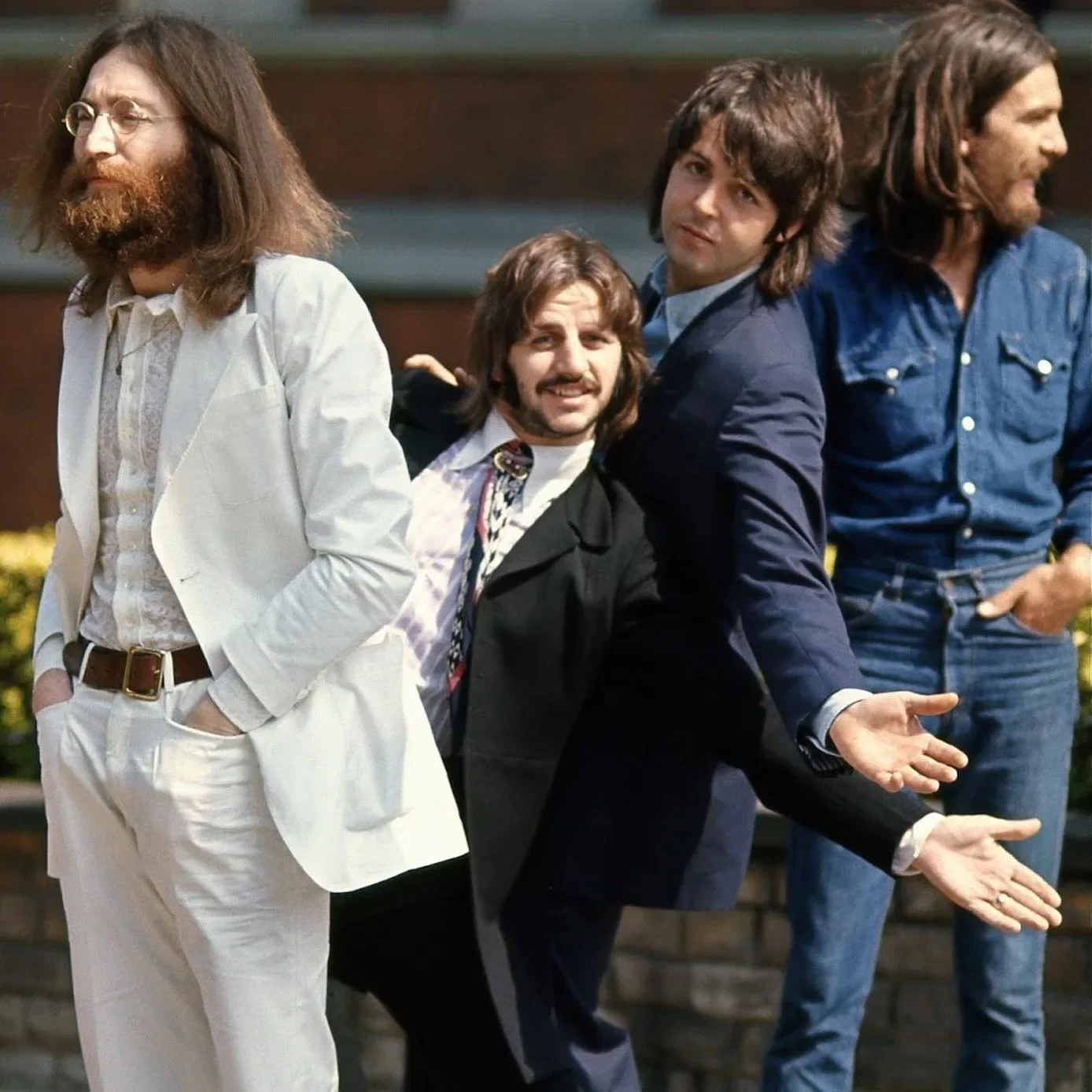
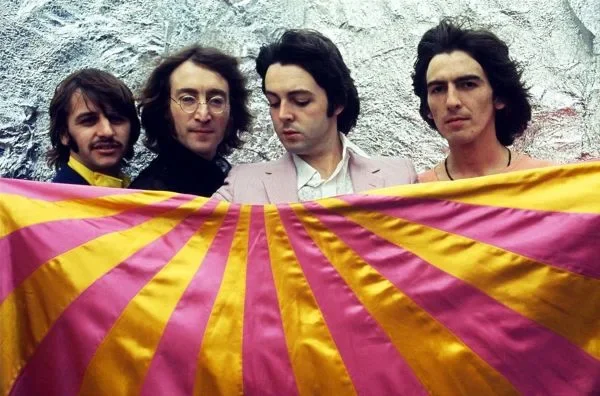
Sgt. Pepper’s Lonely Hearts Club Band turned that exploration into a cultural event. More than just an album, it helped invite listeners to think of the LP as a complete work: visual, narrative, and sonic at once. Then came Magical Mystery Tour, The Beatles — the “White Album” — Abbey Road, and Let It Be, each with its own tensions and discoveries. The band could move from the delicacy of “Blackbird” to the weight of “Helter Skelter,” from the warmth of “Here Comes the Sun” to the architecture of the Abbey Road medley, from absurd humor to emotional confession. That range is one reason the catalog still feels alive.
The Lennon-McCartney relationship was the central engine, but never a simple formula. It was competition, complicity, mirror, and friction. Their differences made the songs larger: one could push toward rawness, the other toward melodic perfection; one toward biting confession, the other toward elegant construction. Meanwhile, Harrison gained space until he delivered indispensable songs such as “Something” and “Here Comes the Sun.” Ringo completed the balance with a drummer’s musicality that rarely invaded a song but almost always placed it exactly where it needed to be.
The Beatles’ cultural impact went far beyond records. They changed fashion, humor, the music business, the relationship between artists and fans, the value of the album, the early grammar of promotional film before the music video became dominant, and the expectation that a pop band could evolve publicly without asking permission. They also embodied the contradictions of the 1960s: optimism, mass consumption, spiritual searching, psychedelia, political tension, creative individualism, and emotional burnout.
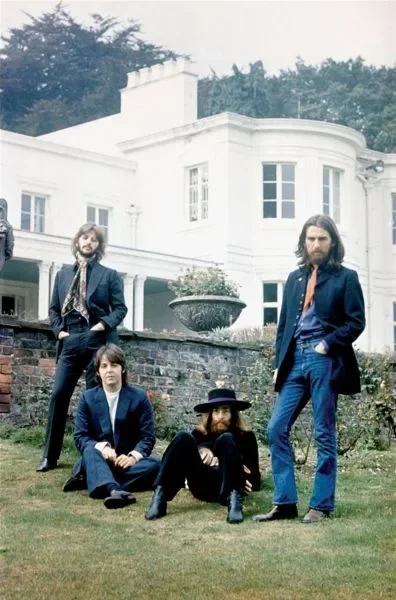
Their breakup did not close the story. It turned their work into a territory each generation rediscovers from a different angle. For some listeners, The Beatles are the pure rush of the early singles. For others, they are the sophistication of Revolver, the imagination of Sgt. Pepper, the freedom of the “White Album,” or the glowing farewell of Abbey Road. That multiplicity is part of their greatness. They were not one band for their entire career; they were several possible bands contained inside four names.
The Beatles’ legacy lies in proving that popular music could be immediate and deep, commercial and experimental, simple and revolutionary. They made the world sing easy melodies while, almost without noticing, learning new ways to listen. At their best, their music feels like a door opening: first comes the song, then the harmony, then the realization that pop can hold an entire universe.
Main genre
ROCK
Main subgenres
Like a superfan's list — except verified, with sources and links.
No linked festivals
No festival appearances documented yet.
What we managed to link to the concert archive. If a date is missing, tell us — happens to us too.
Wellington · New Zealand
Tickets →The Beatles Anthology
Every concert and festival of the year, traced on the globe. Hit play and follow the route stop by stop.
 AMAWon
Photos from the public archive.
Recent coverage linked to the artist.


If you like The Beatles, these move through the same lineups.