Ranking
#697

METAL - ROCK
Ranking
#697
Followers
69.6 K
4 editions to explore · future, live and past
Numbers, home base and house quirks
ARTmania Festival is one of those events that proves how strongly a city can shape the sound of a festival. Founded in 2006 in Sibiu, Romania, it built its identity by bringing rock, progressive metal, doom, hard rock, symphonic metal, alternative music and other heavy or atmospheric forms into the heart of a medieval Transylvanian city. Its main setting is not an anonymous field or a distant industrial site, but Piața Mare, the Great Square of Sibiu, surrounded by historic façades, stone, windows, civic memory and the kind of architecture that makes every performance feel larger than the stage itself.
That relationship with place is the key to ARTmania. Many festivals could move from one city to another and keep most of their character. ARTmania could not. Its experience depends on the contrast between the music and the square: dense riffs against historic buildings, dark voices under open sky, technical drums echoing through a city center that by day can feel elegant, touristic and architectural, and by night becomes a gathering point for black T-shirts, long hair, families, travelers, veteran metal fans and younger listeners discovering that rock can also be a cultural act. Sibiu is not just the host city. It is the emotional frame of the festival.
From the beginning, ARTmania was conceived as something broader than a sequence of concerts. The name itself suggests a meeting point between art and musical obsession, and the festival’s history confirms that ambition. Alongside international and regional bands, ARTmania has made room for exhibitions, launches, screenings, discussions, educational initiatives and cultural programming. That separates it from a conventional metal festival. It does not simply say, “Here are the bands.” It tries to create an ecosystem where heavy music can sit alongside literature, visual arts, reflection, community and a city that keeps its own identity while opening itself to another kind of audience.
Musically, its history is substantial. ARTmania has hosted artists and bands that represent different kinds of intensity: Opeth, Dream Theater, Nightwish, Within Temptation, Apocalyptica, HIM, The Gathering, The Sisters of Mercy, Anathema, Lacuna Coil, Helloween, Lacrimosa, Epica, Wardruna, Mogwai, Steven Wilson, Serj Tankian, Devin Townsend, Leprous, Haken, Tarja, Pain of Salvation and many more. The booking has never been only about formulaic heaviness. It has favored artists with atmosphere, craft, drama, history, technical ambition or a strong relationship with attentive audiences. ARTmania can hold progressive metal, gothic rock, doom, symphonic metal, post-rock, darkwave, Nordic folk, alternative heaviness and cult rock without losing coherence.
The experience of attending is very different from a camping festival. You do not wake up in a tent far from everything. You wake up in Sibiu, walk through stone streets, eat in the city, enter squares, look at old buildings and gradually watch the festival community take over the center. Afternoon brings anticipation: band shirts at terraces, conversations in several languages, people checking schedules, friends meeting in the square, tourists realizing that the city will sound different that night. When the light drops and the stage comes alive, ARTmania changes the scale of Piața Mare. The square stops being a postcard and becomes a living venue.
That mixture of heritage and heavy music gives the festival its special character. Rock and metal are often associated with basements, clubs, arenas, open fields or industrial spaces. ARTmania places them inside a historic city center and treats them as central culture rather than hidden subculture. That has symbolic value. In the middle of one of Romania’s most beautiful cities, progressive metal, hard rock, doom and alternative music do not ask permission to exist. They occupy the square naturally. The audience does not feel separated from the city; for a few days, it becomes part of the city’s visible life.
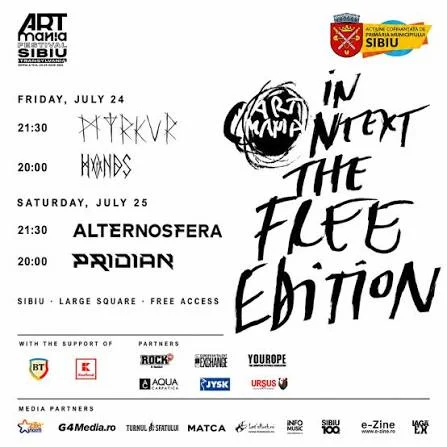
The adapted 2026 “in Context” format also shows both the fragility and resilience of urban festivals in heritage spaces. Producing international concerts in a historic square is never simple. Safety rules, architecture, access, residents, tourism and physical limits all matter. But that difficulty also explains why ARTmania is meaningful. Its identity depends on maintaining a delicate conversation between music, city and heritage. When it works, it offers something that a neutral venue cannot replicate: the feeling of a medieval Transylvanian square opening itself to a global rock community.
ARTmania Festival should be understood as one of Romania’s defining rock and metal festivals, especially because of its cultural framing. It is not trying to be Europe’s biggest festival, and its importance does not come from scale alone. Its strength lies in precision: a loyal audience, a long history, a striking location, a curatorial identity and a belief that heavy music belongs in the cultural center rather than at the margins. ARTmania does not merely bring concerts to Transylvania. It teaches Transylvania to sound different for a few nights.
Genres
METAL
ROCK
Timeline
One artist per year — highest ranked in our archive
Those who appear most across this franchise's editions.
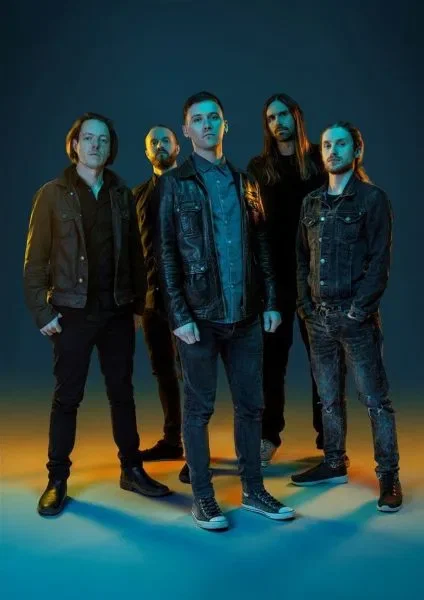 #1
#1United Kingdom
1 editions · 2023
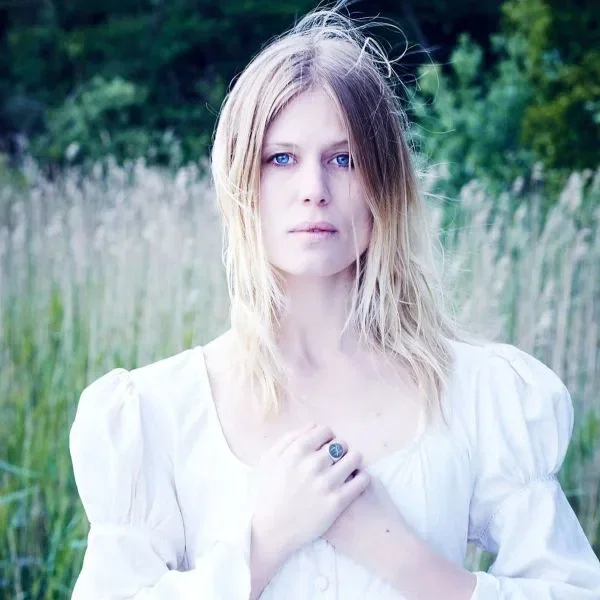 #2
#2Denmark
1 editions · 2026
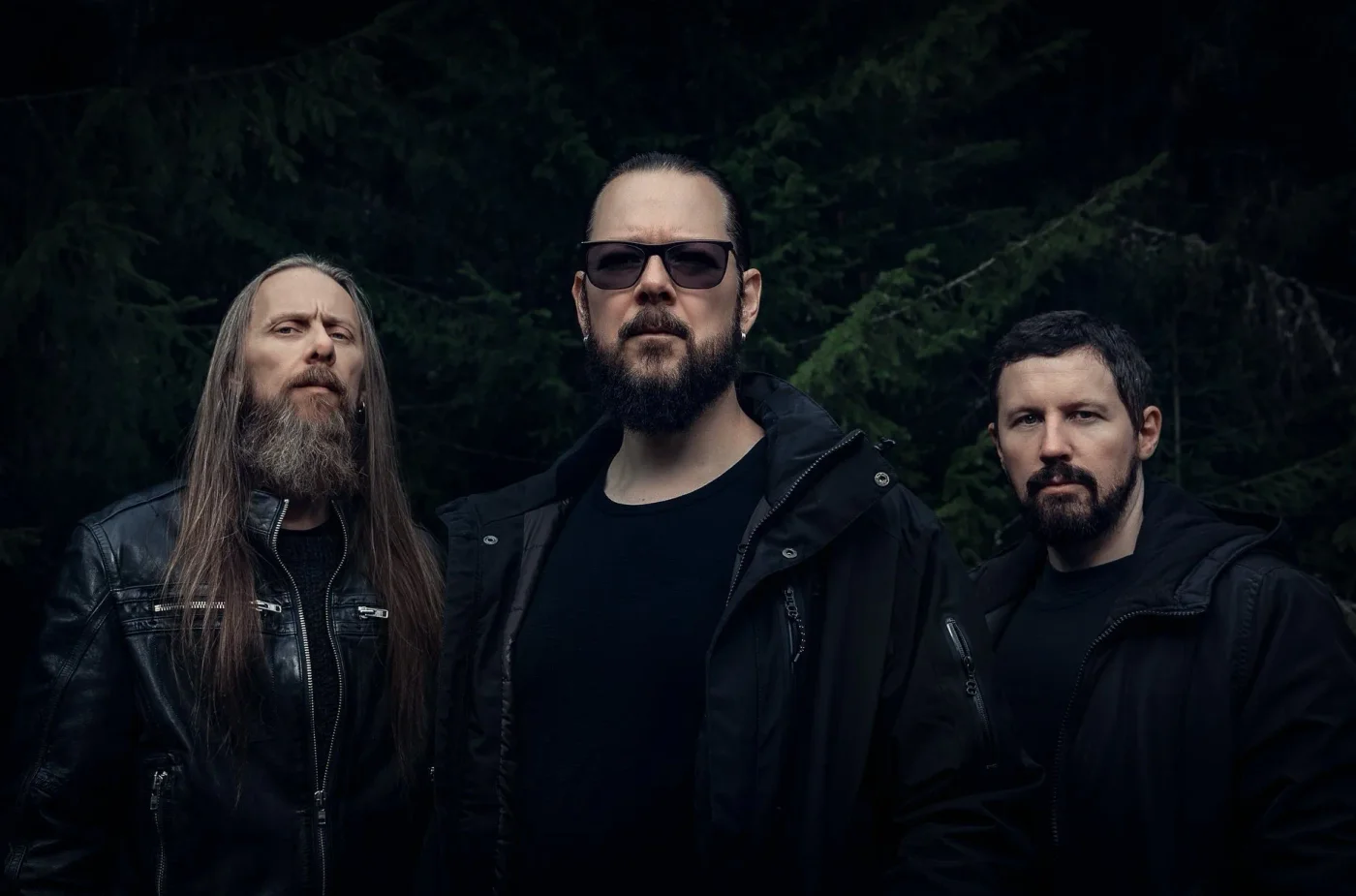 #3
#3Norway
1 editions · 2023