Ranking
#578

JAZZ
Ranking
#578
Followers
104.1 K
When
2027
Featured artists
Lineup coming — we'll publish it as soon as it's confirmed.
5 editions to explore · future, live and past
Numbers, home base and house quirks
Atlanta Jazz Festival is much more than a free festival in a park. It is one of Atlanta’s great cultural expressions: a city understanding jazz not as a museum piece, but as living music — Black, Southern, urban, spiritual, popular and constantly in motion. Since 1978, the festival has turned Piedmont Park into a gathering place where different generations can hear jazz without financial barriers, under trees and open sky, on blankets and folding chairs, surrounded by food, families, students, musicians and curious visitors drawn toward a music built on conversation.
Its institutional origin matters. The festival was launched under Mayor Maynard Jackson with the intention of placing jazz at the centre of the city’s cultural life. That decision carried weight. Atlanta, as a symbolic capital of the modern South and a city deeply tied to African American history, had a natural relationship with a music born from memory, improvisation, pain, sophistication, spirituality and freedom. The festival took that inheritance and made it public, accessible and shared. Its earlier name, Atlanta Free Jazz Festival, said a great deal about its purpose: open the door, not guard it.
Piedmont Park is essential to that identity. The festival does not feel like a closed venue experience, but like a cultural occupation of public space. There is something powerful about hearing jazz in an urban park, surrounded by the city, with the skyline nearby and a diverse crowd gathered outside the formality of a concert hall. Jazz changes when it breathes outdoors: a bass line can mix with conversation, a voice can travel across the grass, a saxophone solo can appear while someone walks past with food, and an improvisation can briefly connect strangers.
The festival’s programming has historically been broad. It does not limit itself to a narrow definition of jazz. Its history includes legends, masters, vocalists, big bands, contemporary projects, funk, soul, fusion, spoken word, R&B, gospel-influenced jazz, experimentation, young instrumentalists and artists expanding the language from other scenes. That range is one of its strengths. Atlanta Jazz Festival does not treat jazz as a fixed formula, but as a language with many ages, accents and directions.
It also has an educational and generational function. The audience is not made only of specialists. There are lifelong fans, young people hearing a major saxophonist live for the first time, families who return every year, local musicians studying from the crowd and visitors who arrive for the atmosphere before they even know the lineup. That mix helps keep jazz from being locked inside institutions, academies or late-night clubs. At Atlanta Jazz Festival, jazz becomes something learned by listening, watching and sharing.
The 31 Days of Jazz series expands that presence even further. The festival is not concentrated only into one weekend; it spreads through the city with events during May. That structure turns Atlanta into a month-long prelude: galleries, restaurants, museums, community spaces and local stages can all become part of the jazz pulse leading to the major Memorial Day Weekend gathering in Piedmont Park. In that sense, the festival works as a cultural season, not just three days of concerts.
Its symbolic value also lies in being free. In a landscape where many festivals have become expensive, segmented and increasingly exclusive experiences, Atlanta Jazz Festival keeps a powerful promise: public access to high-level music. That decision has social meaning. It allows jazz to meet audiences who might not buy an expensive ticket and keeps alive the idea that important culture can and should occupy common space.
Atlanta Jazz Festival should be listed as an active, historic and reference-point festival within American jazz. Its identity lies in the combination of legacy, city, public space, free access and artistic excellence. It is a festival where music is not only heard; it is shared as living heritage. In Piedmont Park, every Memorial Day Weekend, Atlanta remembers that jazz remains one of its most elegant, free and profound ways of speaking to itself.
Genres
JAZZ
Timeline
One artist per year — highest ranked in our archive
Those who appear most across this franchise's editions.
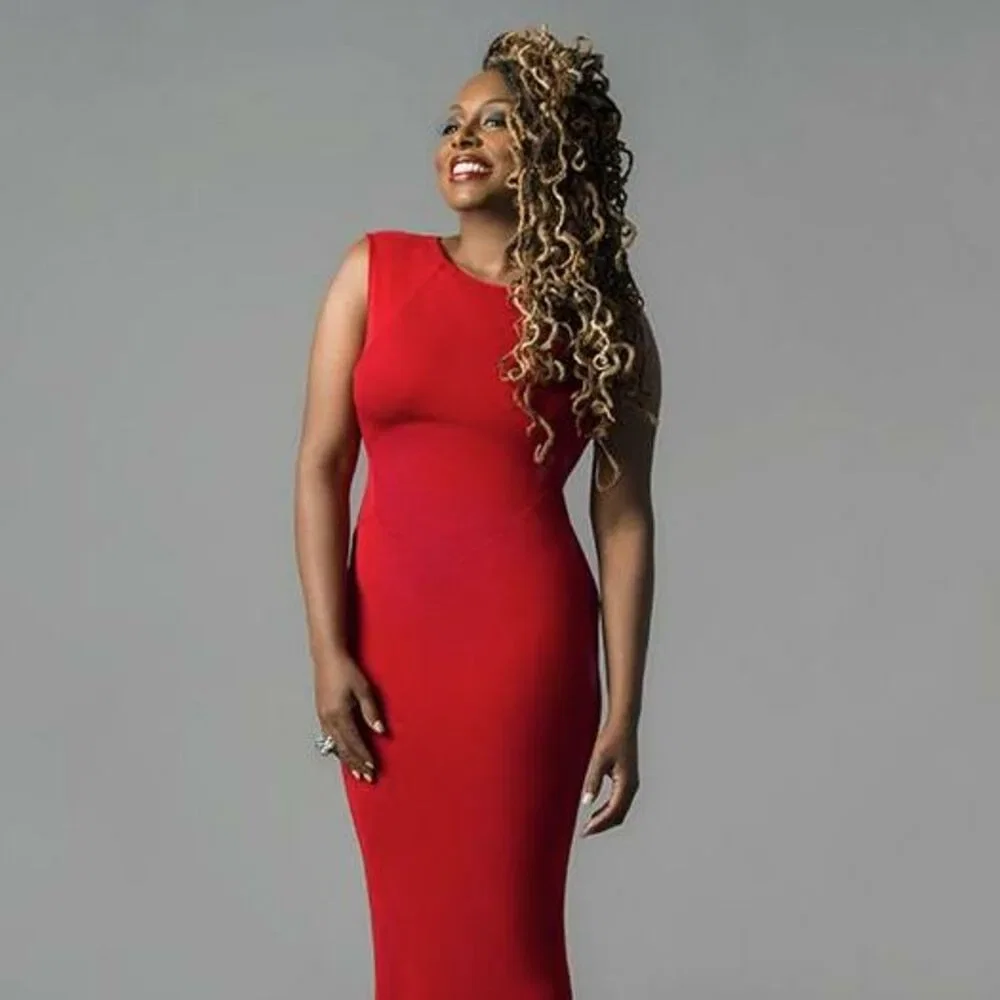 #1
#1United States
1 editions · 2023
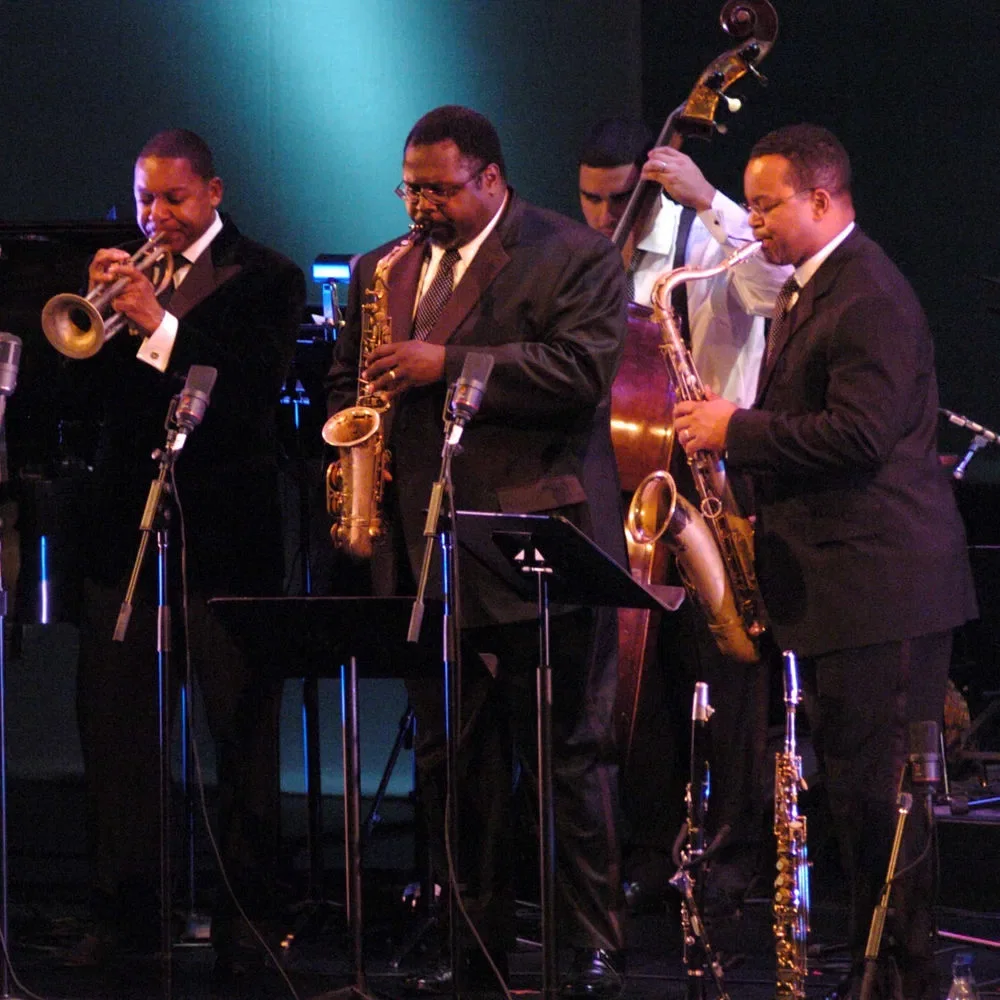
 #2
#2United States
1 editions · 2023
 #3
#3United States
1 editions · 2023