Ranking
#949

JAZZ - FUSION JAZZ - SOUL JAZZ
Ranking
#949
Followers
27.8 K
When
09–JUL 10, 2027
Featured artists
Lineup coming — we'll publish it as soon as it's confirmed.
Time left
6 editions to explore · future, live and past
Numbers, home base and house quirks
At few festivals does changing stages mean negotiating an actual working harbour. For much of ELBJAZZ’s history, deciding what to hear next could involve leaving an industrial hall, walking beneath shipyard structures and boarding a boat for another part of Hamburg. The cranes at Blohm+Voss are not festival scenery designed to look industrial; they belong to the city’s maritime machinery. That distinction has mattered since the first edition in 2010. ELBJAZZ does not remove jazz from everyday Hamburg and place it inside a temporary cultural bubble. It puts the music in one of the places where the city looks most unmistakably like itself, then lets the tension between refined sound and heavy industry do much of the visual work.
The idea began a couple of years earlier. Tina Heine was running a Monday jazz series at Hadley’s, her bar in Hamburg’s Grindel district, when she began wondering why the city lacked a large, popular jazz festival with enough presence to make everyone notice. Nina Sauer supplied the decisive geographical instinct: if they were going to build one, it belonged in the harbour. Experienced promoters Karsten Jahnke and Folkert Koopmans later joined the project, helping turn an ambitious cultural idea into a viable production. When ELBJAZZ finally opened on 28 and 29 May 2010, roughly 10,000 people encountered artists including Till Brönner, Manu Katché, Mariza and Portico Quartet across an extraordinary network of port locations.
From the beginning, the setting prevented Hamburg from becoming merely the city named beneath the festival logo. Shipyards, vessels, churches, museums and converted industrial spaces all became concert rooms. Blohm+Voss emerged as the most durable centre: huge docks, steel structures, containers and cranes framing music that might otherwise have been heard in a conventional theatre. Over different editions, Hafenmuseum, St. Katharinen, MS Stubnitz, MS Bleichen, Fischauktionshalle and other unusual locations joined the route. Boats once linked several parts of the programme, creating logistical frustrations as well as memorable transitions. Waiting for transport across the Elbe could disrupt a carefully planned schedule, yet it also forced audiences to experience the harbour rather than merely look at it from behind a barrier.
The programming adopted a similarly broad definition of movement. ELBJAZZ was never built solely for listeners already fluent in jazz history. Dianne Reeves, Jan Garbarek, Michael Wollny and the NDR Bigband could inhabit very different corners of the tradition, while Jamie Cullum, Chilly Gonzales, soul, funk, hip-hop and electronic influences widened the conversation. By 2024 that openness had become especially pronounced: Jungle, The Streets and Faithless appeared in an edition designed to reach younger and more crossover-minded audiences. Attendance rose to around 22,500, but the shift also sharpened an old question. How far can a jazz festival stretch before the genre in its name begins to disappear? ELBJAZZ did not dodge that contradiction; the following pause and relaunch effectively made it part of the festival’s public self-examination.
It had already survived one major interruption. Rapid early growth brought financial pressure, and after the 2015 edition the festival entered a restructuring period that left 2016 blank. Its return in 2017 changed the map in an important way: the newly opened Elbphilharmonie became part of ELBJAZZ. The contrast could hardly have been more useful. At one end stood Blohm+Voss, defined by steel, shipbuilding and working-port scale; at the other was one of Europe’s most celebrated modern concert halls. Jazz could move between both without treating either as the “correct” environment. That duality became central to the festival’s later image, with the Elbphilharmonie offering acoustic precision while the shipyard preserved the rough physical character on which ELBJAZZ had originally been built.
A second pause came in 2025 for a different reason. Organisers said that sufficiently attractive jazz headliners were not available and chose to reconsider the calendar rather than force an edition. The response was to move to July and align ELBJAZZ more closely with other major European jazz festivals, when international artists are already touring the continent. The 2026 comeback was explicitly framed as a return to the roots. Around thirty acts once again placed jazz and adjacent music at the centre. Jamie Cullum, Snarky Puppy, Nubya Garcia, José James with China Moses, Greentea Peng, The Bad Plus and the NDR Bigband demonstrated that “back to jazz” did not mean retreating into stylistic purity. It meant restoring jazz as the language from which the programme could branch outward.
On 10 and 11 July 2026, roughly 19,000 people attended the revived festival. Thirty-three artists and bands appeared across four stages at Blohm+Voss, where Jamie Cullum and Tom Jones provided the most visible headline performances. Joss Stone and Chilly Gonzales played full Elbphilharmonie Specials under separate ticketing, turning the concert hall into a related but distinct strand. A new Hamburg Stage also placed the city’s own scene more visibly inside the programme, from developing artists to established local musicians. It echoed the founders’ original intention: ELBJAZZ was meant not simply to import international talent but to make Hamburg feel, for two days, like a city confident enough to present its own jazz culture beside it.
The next edition is already confirmed for 9 and 10 July 2027. Because those dates fall during the Elbphilharmonie’s seasonal break, its associated concerts will become satellite events at other times rather than running simultaneously with the main festival. That adjustment is characteristic of ELBJAZZ, which has repeatedly changed routes, venues and programming emphasis without abandoning its central proposition. Many festivals could reproduce individual names from its bill. What cannot be transferred so easily is the moment after a set when a listener steps outside and encounters a dry dock, the Elbe, a skyline of cranes and another concert somewhere across the water. That physical conversation between jazz and the machinery of Hamburg remains the festival’s most convincing form of continuity.
Genres
JAZZ
fusion jazz
soul jazz
Timeline
One artist per year — highest ranked in our archive
Those who appear most across this franchise's editions.
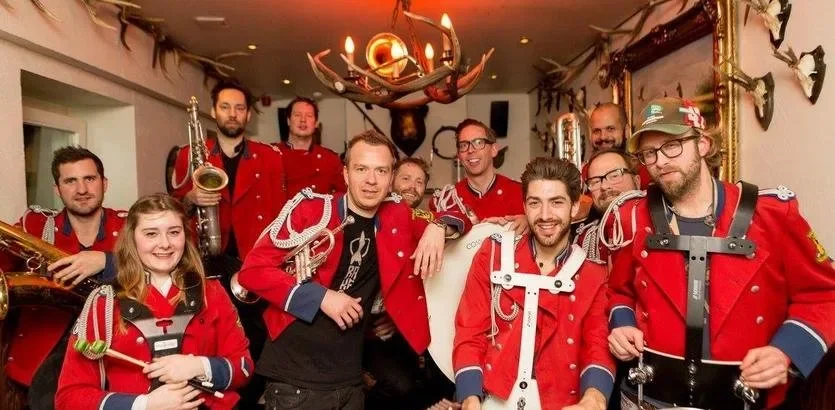 #1
#1Germany
1 editions · 2023
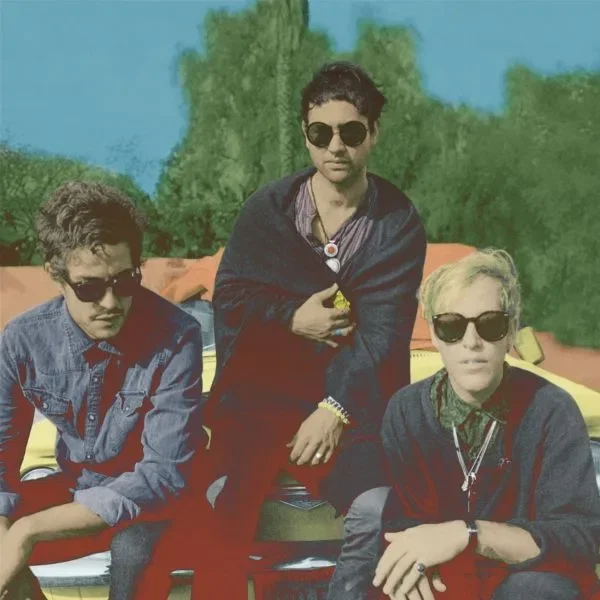 #2
#2New Zealand
1 editions · 2023
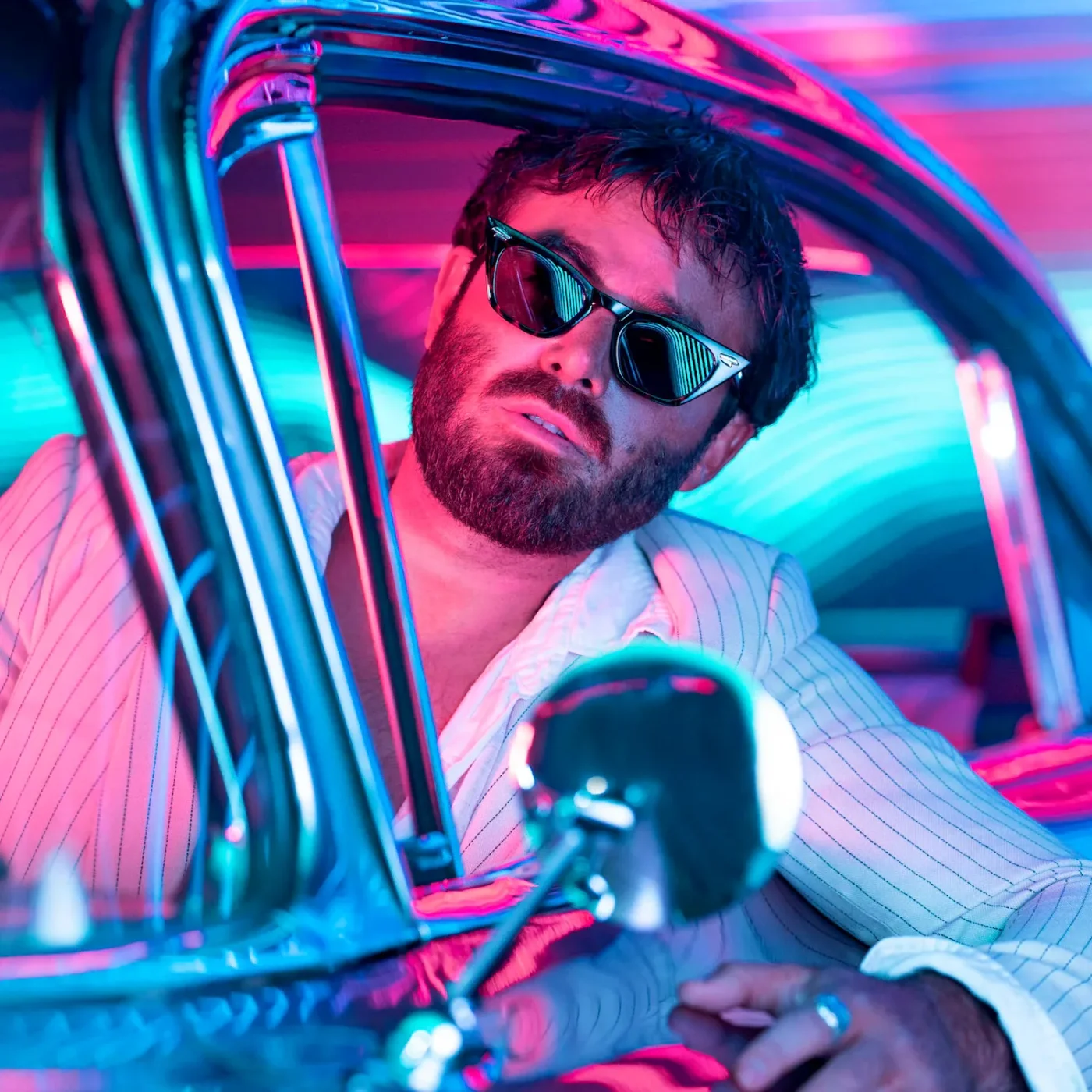 #3
#3Australia
1 editions · 2023