Ranking
#304

ROCK - SOUL
Ranking
#304
Followers
253.1 K
When
2024
Featured artists
Lineup coming — we'll publish it as soon as it's confirmed.
11 editions to explore · future, live and past
Numbers, home base and house quirks
For decades, Beale Street Music Festival served as the opening celebration of Memphis in May and one of the most recognisable music gatherings in the American South. Its name evoked the neon signs, blues clubs and musical history of Beale Street, although the festival’s modern home was usually Tom Lee Park on the Mississippi riverfront. There, with downtown Memphis rising on one side and the river moving past the other, a soul legend, an alternative rock band, a rapper, a country performer and a local blues musician could all appear within the same afternoon.
The first event took place in 1977 at the corner of Beale and Third. One year later, it became part of the Memphis in May International Festival, a month-long programme combining music, food, international culture and community events. As attendance grew, the music festival established itself at the riverfront and developed into a three-day gathering with several stages and dozens of performers.
Despite the name, Beale Street Music Festival was never simply a blues festival. Blues remained one of its foundations, supported through dedicated stages and performers, but the wider programme moved through soul, funk, R&B, classic rock, alternative music, hip hop, reggae, Americana, country and pop. That breadth belonged naturally in Memphis, a city whose history connects Beale Street, Stax Records, Sun Studio, early rock and roll, southern soul and a distinctive local rap culture.
Across its long history, the festival presented performers including Aretha Franklin, Al Green, Little Richard, The Roots, Sheryl Crow, John Fogerty, Lenny Kravitz, Ed Sheeran, Paramore, Wilco, The Flaming Lips, Cardi B, Dave Matthews Band, The Killers, Weezer, The Smashing Pumpkins and Lil Wayne. A visitor might begin with heavy guitars, walk across the park for a soul performance and end the evening in front of a hip-hop headliner. The apparent lack of genre boundaries was not a weakness in the booking. It was one of the main reasons the event felt connected to Memphis.
Tom Lee Park shaped the physical experience. The festival occupied a long stretch beside the Mississippi, making the walks between stages longer than they appeared on a map. Early May could bring strong sun, humidity, rain, mud or a sudden drop in temperature after dark. The bridges, river and downtown skyline remained visible beyond the stages, giving the event a setting that could not easily be transferred to another city.
Because there was no campground, festival life remained connected to downtown Memphis. After the final songs, visitors could continue towards Beale Street, restaurants, bars and hotels rather than returning to tents in an isolated field. A trip commonly included more than the programme itself: barbecue, Sun Studio, the Stax Museum, local record shops and the clubs where the city’s music history remained part of ordinary nightlife.
Food reinforced that local character. The World Championship Barbecue Cooking Contest took place later in May as a separate event, but the music festival still offered southern food, drinks and local vendors. The smell of grilled meat, the river air and music arriving from several directions became part of the weekend’s sensory memory. Beale Street Music Festival was a major production, but it remained closely associated with the city surrounding it.
The pandemic broke its long rhythm. The planned 2020 edition was postponed and eventually cancelled, and no festival took place in 2021. When Beale Street Music Festival returned in 2022, it moved to the Fairgrounds at Liberty Park because Tom Lee Park was undergoing a major redevelopment. Weezer, The Smashing Pumpkins, Lil Wayne, Van Morrison, Death Cab for Cutie, Lindsey Buckingham and hometown group Three 6 Mafia helped mark the comeback after a three-year absence.
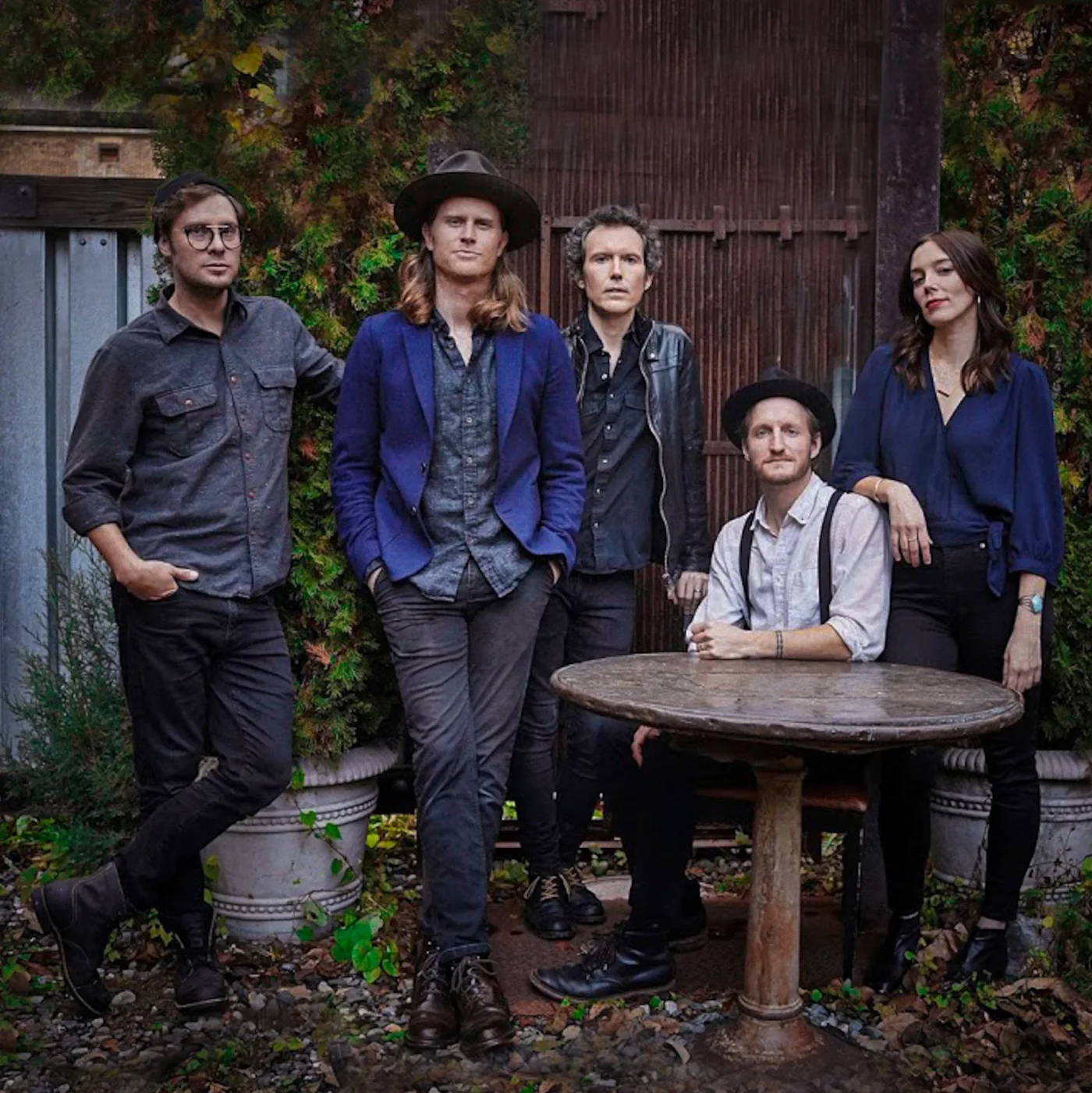
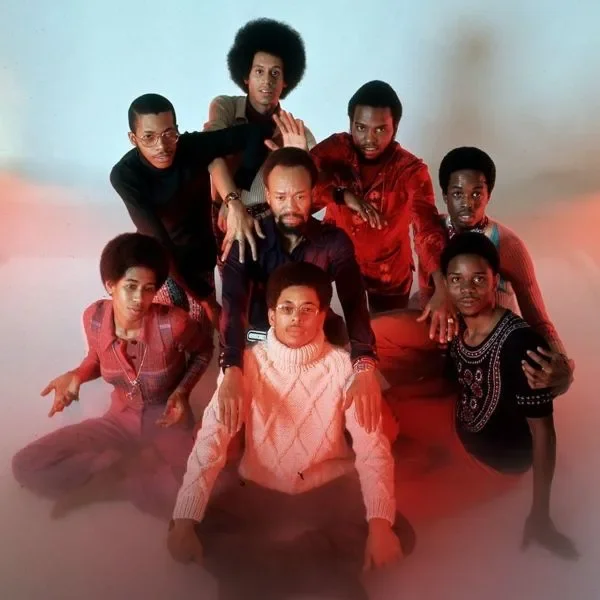
The temporary location changed the atmosphere. Liberty Park provided space for the production, but it could not reproduce the relationship between the stages, downtown and the Mississippi. In 2023, the festival returned to the renovated Tom Lee Park with The Lumineers, Greta Van Fleet, Robert Plant and Alison Krauss, Earth, Wind & Fire, Jazmine Sullivan, The Roots, GloRilla, Gary Clark Jr., Ziggy Marley and other artists.
That riverfront return should have begun a new stage in the festival’s history, but it instead exposed serious problems. Attendance fell to its lowest level in more than three decades. Production expenses and financial losses placed pressure on Memphis in May, while a dispute emerged over alleged damage to the newly renovated park and the conditions required for future events.
Beale Street Music Festival was paused in 2024. A separate event, RiverBeat Music Festival, subsequently took over Tom Lee Park and the traditional first weekend of May. RiverBeat is not a renamed edition or continuation of BSMF; it has a different producer and independent identity. Beale Street Music Festival remained suspended in 2025. Memphis in May publicly discussed a return in summer 2026, but no lineup, venue or ticket sale emerged and the festival did not take place.
Its future is uncertain, yet its historical role remains clear. Beale Street Music Festival helped show that Memphis music could never be reduced to one preserved genre. Blues, soul, rock, country, funk, reggae and hip hop continually met on the riverfront, reminding several generations that much of American popular music still leads, by one route or another, back to Memphis.
Genres
ROCK
SOUL
Timeline
One artist per year — highest ranked in our archive
Those who appear most across this franchise's editions.
 #1
#1United States
1 editions · 2023
 #2
#2United States
1 editions · 2023
 #3
#3United States
1 editions · 2023