Ranking
#718

INDIE - POP - ROCK
Ranking
#718
Followers
64 K
When
09–JUN 12, 2027
Featured artists
Lineup coming — we'll publish it as soon as it's confirmed.
Time left
14 editions to explore · future, live and past
Numbers, home base and house quirks
Bergenfest is one of those festivals where the city does not disappear behind the gates. Bergen remains visible and present throughout the experience. The event takes place beside the harbour, inside a medieval fortress at the northern end of Bryggen’s historic wooden waterfront. Ferries, mountains, old buildings and the movement of the city surround the site. Once the doors open, the same landscape fills with stages, food stalls, bars and thousands of people moving through four days of pop, rock, indie, folk, soul and music that refuses to stay within one category.
Its story began in 1993 under the name Ole Blues. At that point, it was not a large outdoor gathering but an intimate blues and Americana festival spread across venues in central Bergen. Audiences walked between rooms, discovered touring musicians in small spaces and experienced the city itself as part of the programme. That beginning explains why Bergenfest, even after growing considerably, has retained an unusual respect for clubs, songwriters and performances that depend on attention rather than scale.
The musical identity gradually expanded. Blues remained part of the foundation, but rock, pop, indie, country, folk, electronic music, hip-hop and soul entered the programme. The transition to the Bergenfest name reflected a festival that had outgrown a single genre. It began bringing different generations and musical communities together without treating variety as an excuse for careless booking.
The decisive change came in 2012, when Bergenfest became a major open-air festival at Bergenhus Fortress. The setting immediately distinguished it from events built on temporary rural sites. Bergenhus combines lawns, defensive walls and medieval buildings with a working modern concert production. Håkon’s Hall and the surrounding fortifications carry centuries of Norwegian history, while the harbour and city centre remain only a few minutes away.
Plenen serves as the largest arena, holding the performances designed for the widest audience. Bastionen offers a different scale and often gives rock bands, emerging artists and more forceful acts a concentrated atmosphere of their own. Håkonshallen brings selected concerts inside a historic stone hall, changing both the sound and the relationship between artist and audience. Magic Mirrors and Hjertebank add smaller and more characterful spaces, allowing visitors to move from an open-air crowd into something much more intimate.
That structure means Bergenfest is never only about the biggest names. Patti Smith, Mark Knopfler, Nick Cave & The Bad Seeds, Lana Del Rey, John Mayer, Blondie, Kygo, Sigur Rós, Pet Shop Boys, Queens of the Stone Age, Bon Iver, A-ha, Iggy Pop, PJ Harvey, Alanis Morissette and Aurora all belong to its modern history. Yet some of its most memorable moments happen earlier in the day, when an artist from Western Norway performs for people who arrived with no expectations and leaves with a much larger audience.
Local music is not treated as decoration. Bergen has one of Norway’s strongest and most recognisable music cultures, and the festival places that heritage at the centre of its identity. Regional bands, producers and songwriters appear alongside international touring artists rather than being hidden at the bottom of the poster. In 2026, Sigrid, Dagny, Ka2, Kings of Convenience, Synne Vo, Tobias Sten and numerous Bergen-connected acts shared the programme with Lewis Capaldi, The Hives, The Kooks, Nothing But Thieves, Dermot Kennedy, Of Monsters and Men, Veronica Maggio, Natasha Bedingfield and Bombino.
The practical experience is distinctly urban. There is no festival campsite, and visitors do not need to detach themselves from ordinary life for four days. They stay in hotels, hostels, apartments or homes around Bergen and reach the fortress on foot or by public transport. Restaurants, the waterfront and the narrow streets around Bryggen remain part of the weekend. When the final performance ends, the crowd flows back into the city rather than beginning a long journey towards a remote tent.
Weather has its own role in the programme. Bergen’s reputation for rain is well earned, and a bright afternoon can change quickly. Umbrellas are not practical or normally permitted in the audience, so waterproof clothing, layers and reliable footwear matter. Rain alters the appearance of the fortress: grass darkens, stage lights become sharper and the audience reaches a shared decision that resisting the weather is less useful than continuing to sing through it.
The absence of Bergenfest in 2020 and 2021 broke a tradition that had been part of the city for decades. Its return in 2022 demonstrated that the festival was more than a sequence of bookings. It had become an early-summer ritual connecting musicians, volunteers, businesses and audiences across Bergen. The four-day format returned with it, bringing back the mixture of international headliners, Norwegian stars and new regional talent.
The 2026 edition presented 61 artists across the fortress. Lewis Capaldi brought large-scale emotional pop, The Hives and Nothing But Thieves delivered different forms of modern rock, Dermot Kennedy and Of Monsters and Men added expansive songwriting, while Bombino, Valerie June and numerous smaller acts broadened the programme beyond mainstream festival expectations. Sigrid, Dagny and Ka2 also reinforced the tradition of Norwegian and Bergen-linked performers occupying prominent positions rather than serving only as support.
Bergenfest has travelled a long way from the intimate Ole Blues gatherings of 1993, but its evolution still feels coherent. It remains a festival organised around live performance, curiosity and a city with an unusually strong musical personality. Its defining image arrives late in the evening, when June light lingers over the mountains, the fortress walls hold the crowd and a song carries beyond the stage towards the harbour. Few festivals allow their history, venue and hometown to participate so visibly in every performance.
Genres
INDIE
POP
ROCK
Timeline
One artist per year — highest ranked in our archive
Those who appear most across this franchise's editions.
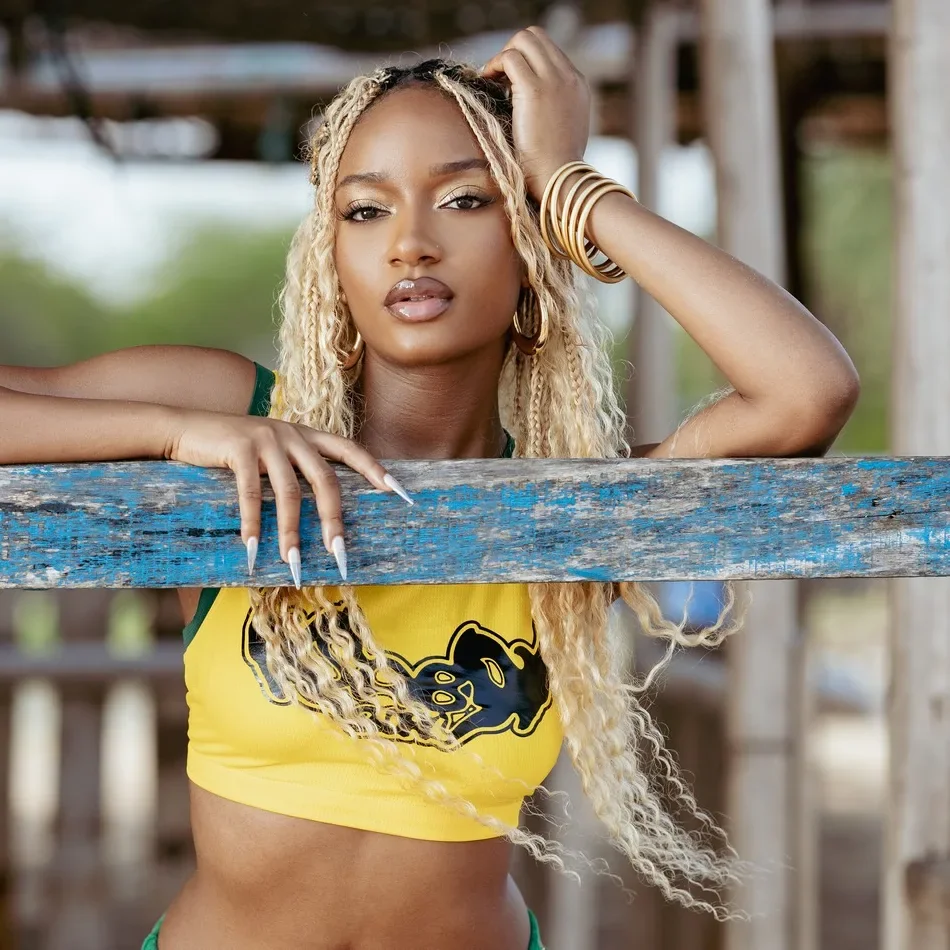 #1
#1Benin
1 editions · 2023
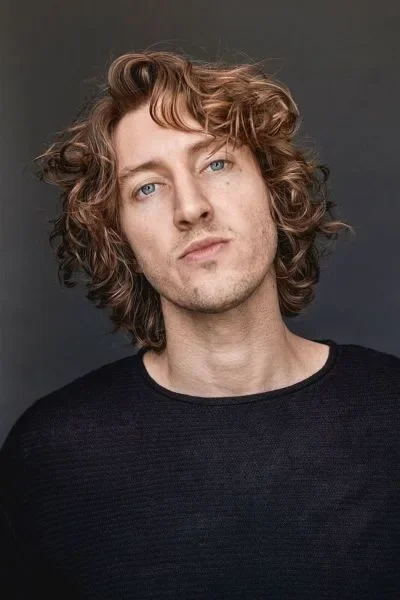 #2
#2Australia
1 editions · 2023
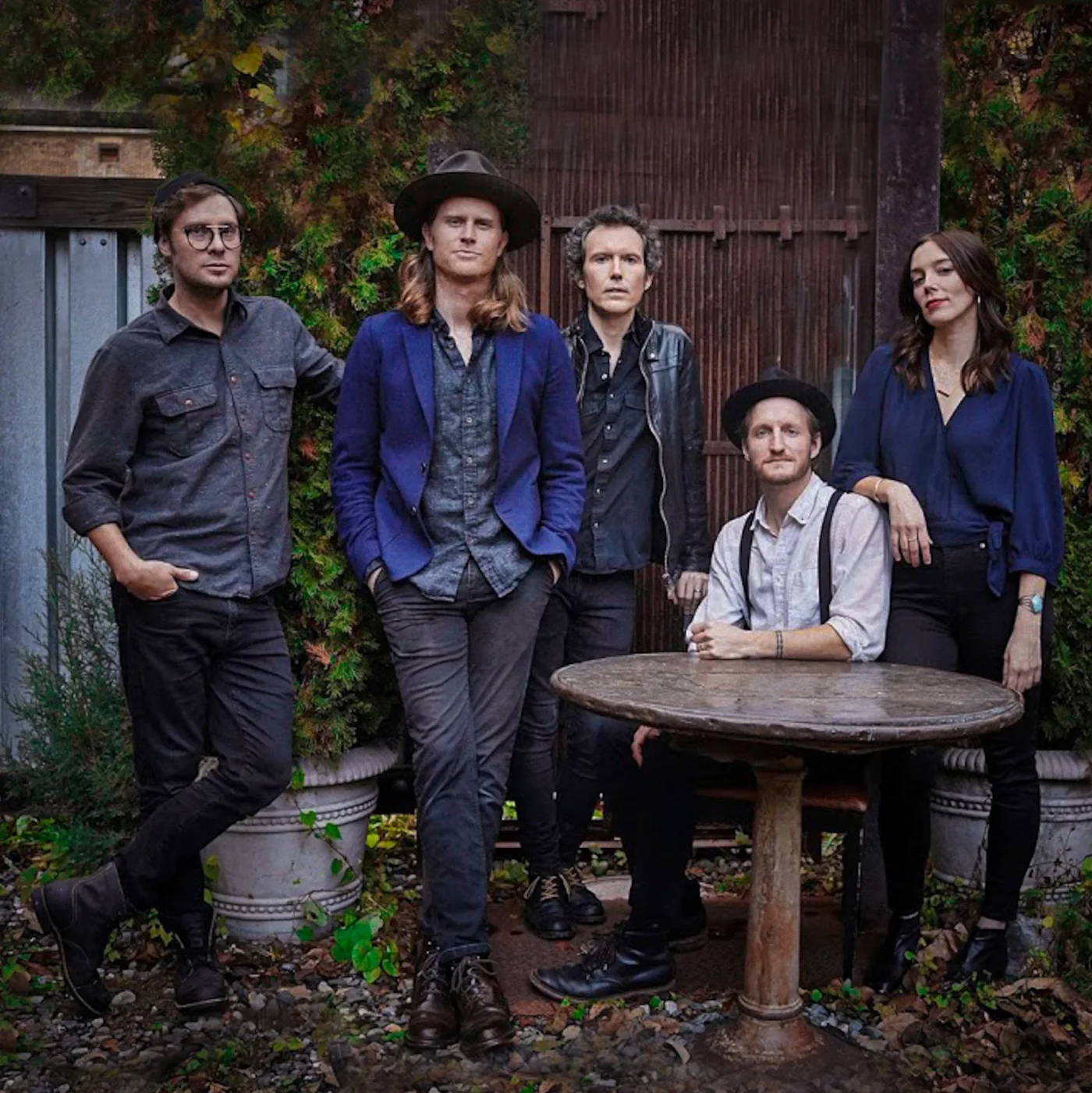 #3
#3United States
1 editions · 2023