Ranking
#554

ELECTRONIC ROCK - INDIE - TECHNO
Ranking
#554
Followers
111.1 K
7 editions to explore · future, live and past
Numbers, home base and house quirks
bluedot began in 2016 at Jodrell Bank Observatory with a concept unlike that of a conventional British music festival. Beneath the immense Lovell Telescope, it combined live music, electronic performance, astronomy, science communication, art, technology, comedy and family activity. Music remained the emotional centre, but the event was designed as a wider exploration of creativity, discovery and humanity’s place within the universe.
Jodrell Bank was not simply a dramatic backdrop. It is one of the world’s most important radio-astronomy sites, and the seventy-six-metre Lovell Telescope dominates the landscape. When the dish moved during a headline performance, the scientific structure became part of the spectacle without losing its real purpose. Audiences were not attending a space-themed reconstruction; they were gathering at a working observatory used to study pulsars, galaxies and distant cosmic phenomena.
The festival’s name referred to the “Pale Blue Dot”, the image of Earth photographed by Voyager 1 and later associated with Carl Sagan’s reflections on the fragility of human life. That perspective provided bluedot with its philosophical centre. Looking at Earth from a cosmic distance could make borders and individual differences appear temporary, while reinforcing the importance of protecting the only shared home humanity possesses.
The inaugural edition took place in July 2016 with Jean-Michel Jarre, Underworld and Caribou among the leading artists. Jarre was particularly appropriate for the launch. His history of electronic composition, large-scale visual performance and technological experimentation aligned naturally with the surroundings. From the beginning, bluedot made clear that science would not be an incidental theme added to an otherwise standard indie festival.
Later editions broadened the musical identity. Alt-J, The Chemical Brothers, The Flaming Lips, Gary Numan, Future Islands, Orbital, Goldfrapp, Public Service Broadcasting and many others performed beneath or around the telescope. In 2019, Kraftwerk presented its three-dimensional show at Jodrell Bank, while New Order and Hot Chip connected different generations of British electronic music.
The Lovell Stage hosted the principal concerts, but the festival continued into smaller and more specialist environments. Orbit became a home for electronic music, house, techno and audiovisual performance. Other areas presented emerging bands, experimental work, ambient music, jazz and late-night DJ sets. Visitors could move from a large outdoor production to an intimate performance or club environment without leaving the festival’s wider cosmic narrative.
Scientific programming was developed with the same seriousness as the music. Researchers, astronauts, broadcasters and writers discussed astronomy, physics, space exploration, climate change, biology and technology. Brian Cox, Jim Al-Khalili, Maggie Aderin-Pocock, Tim O’Brien and many other specialists participated across the years. Complex subjects were presented accessibly without being stripped of their intellectual substance.
Hands-on demonstrations and laboratories ensured that science was not confined to formal lectures. Families could conduct experiments, meet researchers, observe the sky and take part in workshops. Children were encouraged to ask questions rather than merely receive simplified facts. This made bluedot unusually appealing to families seeking contemporary music alongside genuine educational and cultural value.
Art connected the scientific and musical worlds. Light installations, projections, kinetic structures and immersive performance transformed parts of the observatory after dark. The Lovell Telescope could become a screen, a moving sculpture or a silent presence behind a concert. Scientific architecture acquired an emotional dimension while remaining recognisably functional.
The planned 2020 and 2021 festivals were cancelled during the pandemic. Björk, Groove Armada and Metronomy had been announced, and the programme had to be postponed more than once. When bluedot finally returned in 2022, more than twenty thousand people came back to Jodrell Bank. Björk closed the festival with a specially commissioned performance alongside Manchester’s Hallé Orchestra, combining voice, electronics and orchestral arrangements beneath the telescope.
The 2023 edition opened with Max Richter and the BBC Concert Orchestra, including a performance of VOICES with Tilda Swinton. Grace Jones, Pavement, Róisín Murphy, Leftfield, Young Fathers, Django Django, Nubya Garcia and Black Country, New Road appeared across the weekend. Musically, it was one of the festival’s richest editions, but exceptionally heavy rain created severe problems with ground conditions, vehicle access and departure.
Organisers subsequently announced that bluedot would take a fallow year in 2024 so that the land could recover. Although an eventual return was initially anticipated, no festival took place in 2025 and no official, verifiable 2026 edition was announced. The event is therefore inactive, but its organisers have avoided describing it as permanently finished and have stated that its journey is not complete.
bluedot developed one of the clearest identities in British festival culture. It demonstrated that science could share genuine prominence with music rather than serving as decorative branding, and that a working observatory could host popular culture while retaining intellectual purpose. Across six completed editions, audiences listened, danced and learned beneath an instrument designed to examine the universe, discovering that curiosity itself could become a form of community.
Genres
ELECTRONIC ROCK
INDIE
TECHNO
Timeline
One artist per year — highest ranked in our archive
Those who appear most across this franchise's editions.
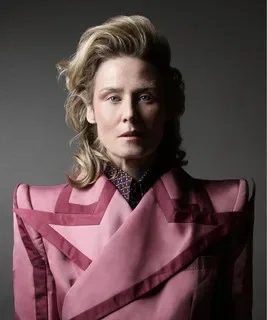 #1
#1Ireland
1 editions · 2023
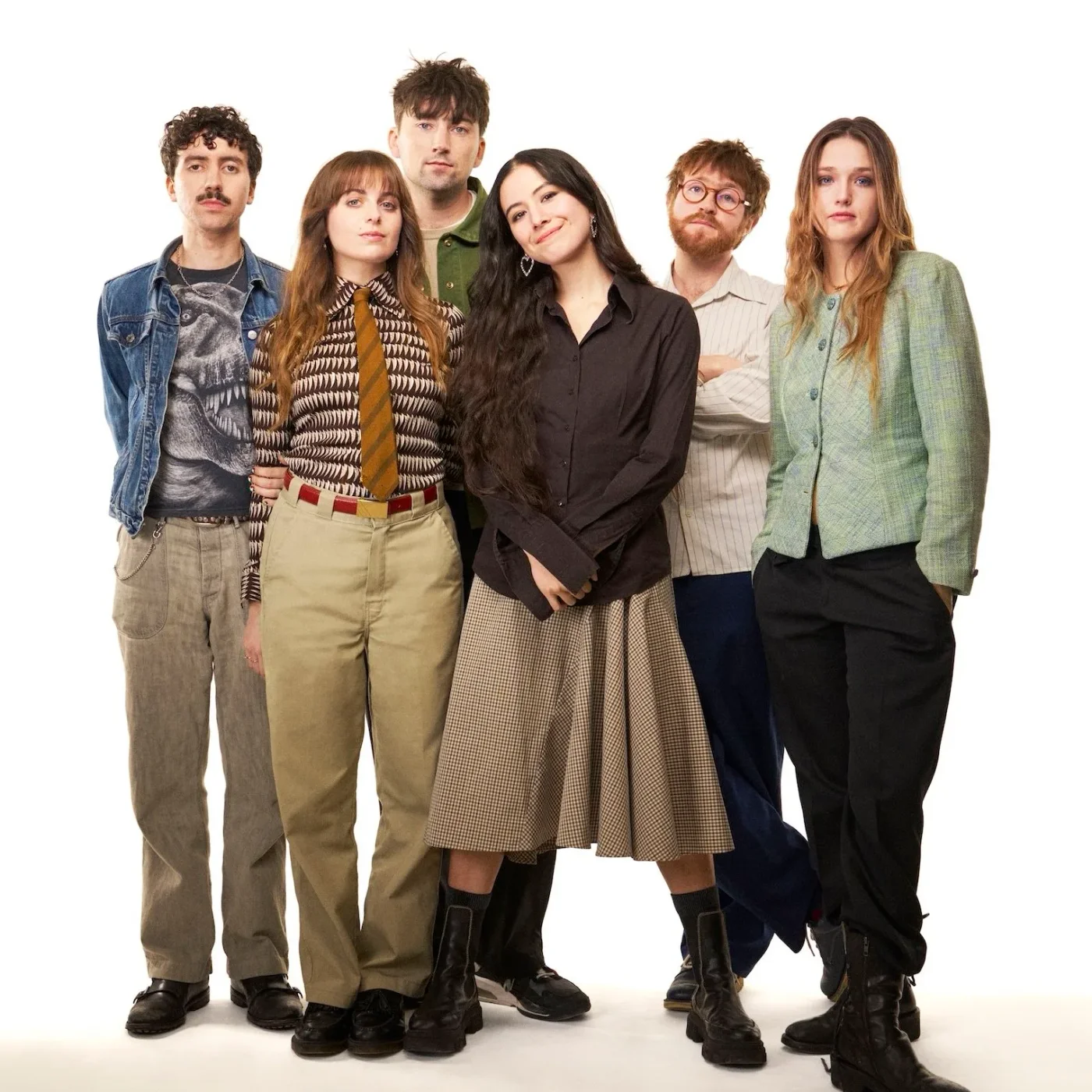 #2
#2United Kingdom
1 editions · 2023
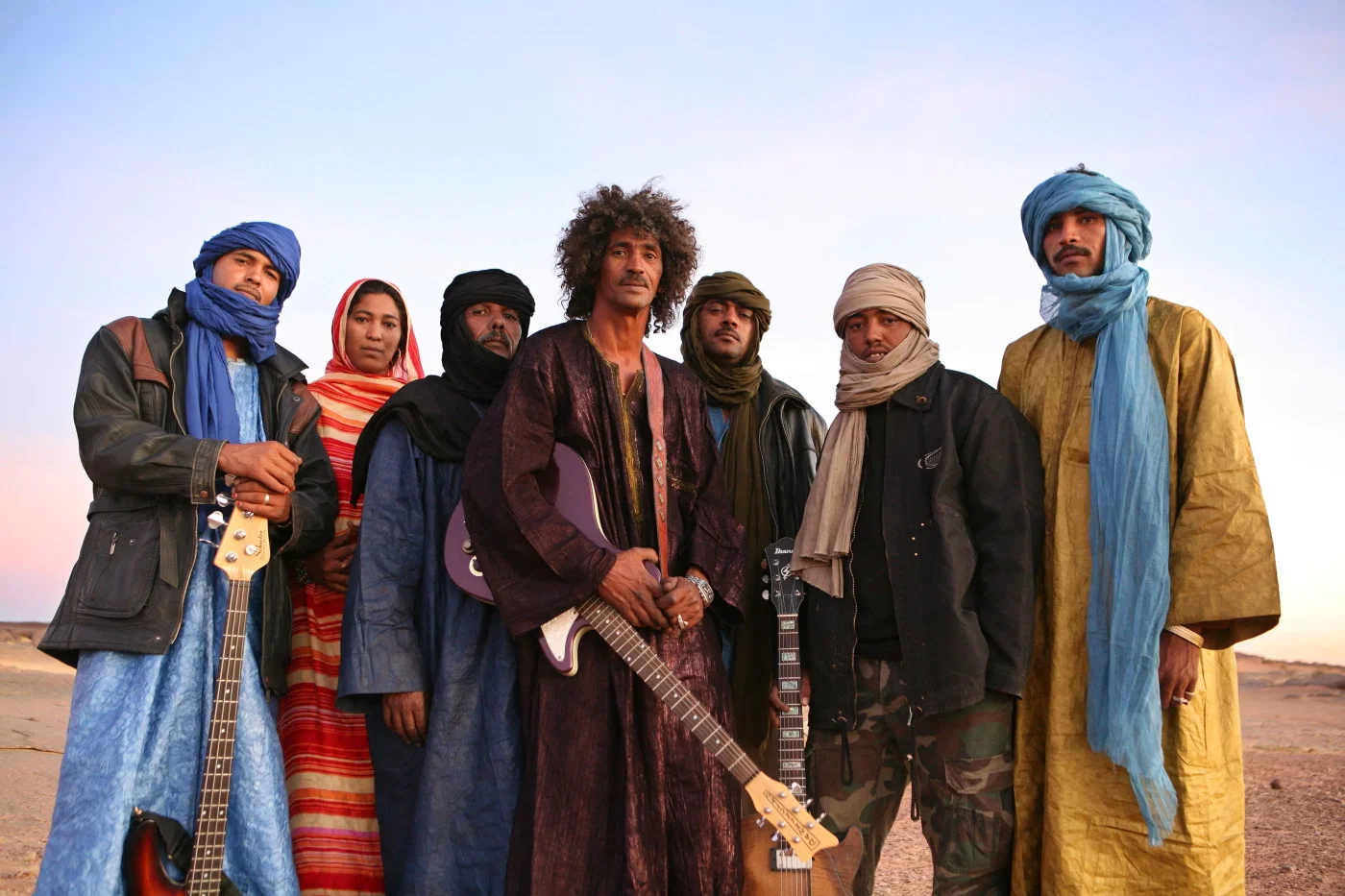 #3
#3Algeria
1 editions · 2023