Ranking
#287

FOLK - INDIE - ROCK
Ranking
#287
Followers
272.8 K
When
2027
Featured artists
Lineup coming — we'll publish it as soon as it's confirmed.
15 editions to explore · future, live and past
Numbers, home base and house quirks
August mist settles over the Brecon Beacons National Park hills, and at Glanusk Park near Crickhowell the valley becomes, for a few days, a temporary village where music, science and the arts share the same damp ground. Green Man did not begin as a corporate mega-format dropped into the Welsh countryside: in 2003 Jo Bartlett and Danny Hagan, the creative duo It's Jo And Danny, gathered around three hundred people at Craig-y-Nos Castle, a Victorian mansion in a gorge of the River Tawe within Brecon Beacons National Park. The scale was intimate, almost handmade, and the bet was to prove an independent festival could have its own soul without the machinery of Britain's largest promoters.
The following year the event moved to Baskerville Hall on the Welsh border in Herefordshire, before finding its lasting home in 2006 at Glanusk Park, a historic estate on the banks of the Usk where centuries-old trees and open meadows define the site's geography. That same year Fiona Stewart joined as managing director; over time she became owner and central figure of a festival that grew to host roughly twenty-five thousand attendees while keeping its status as an independent UK event. The arc tells the story of a project that learned to scale without selling its identity to a conglomerate.
The musical identity grew from folk, indie, psychedelic rock, Americana and electronica with a curatorial breadth wider than a commercial showcase. Green Man does not chase the single stadium-style bill: it balances established names with discoveries, guitar bands with experimental projects and sounds that cross generations. That mix explains why the festival draws both those seeking a recognisable headliner and those who want to get lost at a secondary stage and leave with a new name scribbled in a notebook.
Beyond music programming, the format integrates science and visual arts as equal parts of the weekend. Einstein's Garden turns a zone of the site into an open-air laboratory where talks, installations and science performances share space with the crowd without stiff academic tone. Chai Wallahs offers a rest and conversation space with tea and contemplative atmosphere, a deliberate counterweight to main-stage volume. The Settlers area hosts family activities and workshops so children and adults can share schedules without the festival splitting into two irreconcilable parallel events.
The effigy ritual — the symbolic burning of the Green Man at the close — marks the festival's emotional pulse. It is not decorative fireworks: it concentrates the attention of thousands, closes the weekend's narrative arc and connects with European folk traditions of the green man, a figure of seasonal renewal. Those who witness it remember the contrast between the valley's night cold and the momentary heat of the flames, between music that has just stopped and collective silence before the final burst.
If you arrive at Crickhowell, the experience mixes British field logistics and national-park landscape. Glanusk Park delivers mud after rain, essential boots, tents among trees and walks between stages that follow the valley rather than a flat artificial arena. The Brecon Beacons add green hills, shifting skies and the sense of being far from the city without entirely leaving the comfort of a well-run festival: varied food, rest zones, reasonable services for a twenty-five-thousand crowd.
The family-friendly character does not mean dumbing down the bill. Green Man keeps a demanding lineup while offering spaces where families can alternate gigs with creative activities, accessible science and play areas without adult audiences feeling the musical bar has dropped. That duality is rare at medium scale: many choose between being serious or being accessible; Green Man has sustained for years the wager on being both at once.
Editorial and financial independence explains choices a corporate festival would rarely take: prioritising curation over invasive sponsorship, keeping rest and experimentation zones, preserving community rituals like the effigy even when they complicate night logistics. Fiona Stewart and the team inherited a project founded by Bartlett and Hagan and turned it into a reference point on the British summer circuit without losing the handmade tone of the castle with three hundred attendees.
Green Man holds a singular place on the UK festival map because it showed an independent Welsh event, anchored in a national park and a historic estate, could match the cultural ambition of industry giants without becoming one of them. Its legacy lies in making folk and indie, science and ritual fire, families and demanding audiences coexist under August mist at Glanusk Park, under the name of a mythic figure who returns each year between music and flames.
Genres
FOLK
INDIE
ROCK
Timeline
One artist per year — highest ranked in our archive
Those who appear most across this franchise's editions.
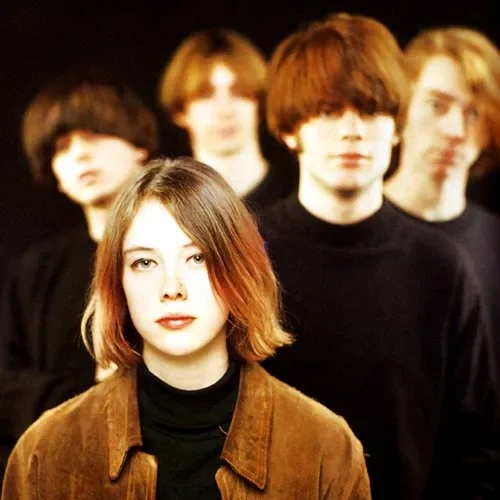 #1
#1United Kingdom
1 editions · 2023
 #2
#2Sweden
1 editions · 2023
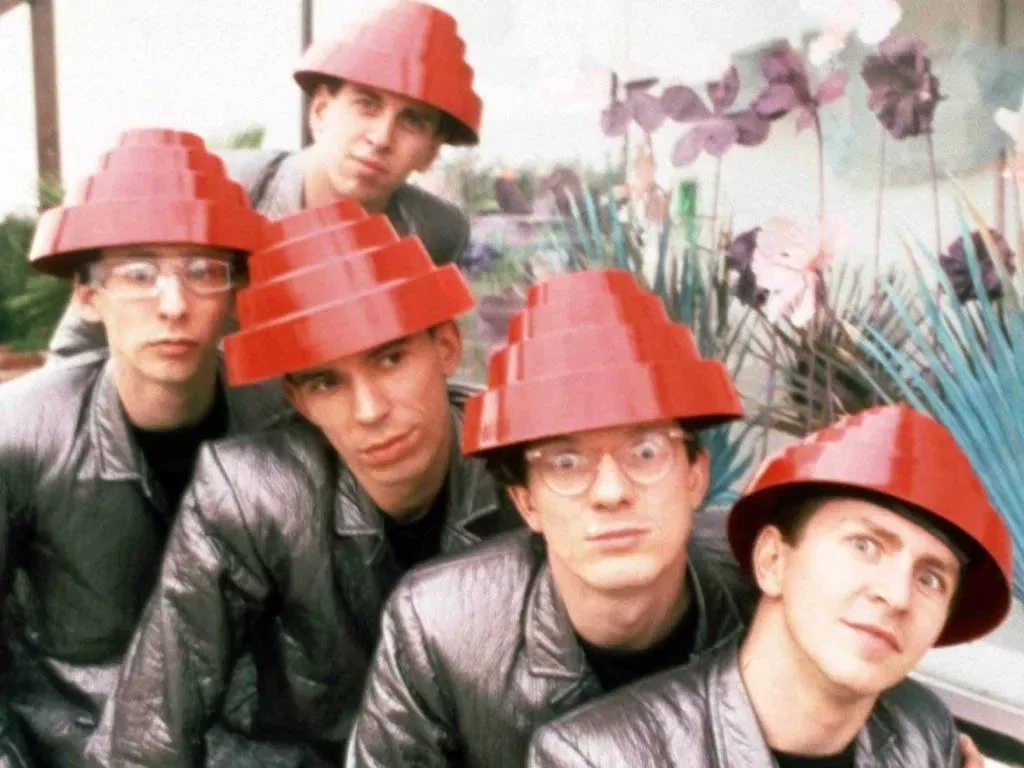 #3
#3United States
1 editions · 2023