Ranking
#183

INDIE - POP - ROCK
Ranking
#183
Followers
475.5 K
When
2026
Featured artists
Lineup coming — we'll publish it as soon as it's confirmed.
11 editions to explore · future, live and past
Numbers, home base and house quirks
Some festivals build a temporary city and ask audiences to live inside it for a weekend. BST Hyde Park does almost the reverse. It installs a vast concert site inside one of London’s most familiar green spaces while leaving the rest of the capital only minutes away. There is no campsite and no journey into the countryside. You arrive by Tube, walk through Hyde Park, pass through the gates and suddenly find the Great Oak Stage facing a crowd that can reach tens of thousands. When the encore ends, that audience pours back into London. A day or a week later, the same stretch of park may reopen for an entirely different musical generation.
The story began in 2013 as British Summer Time Hyde Park. Its scale was clear from the start, with artists such as The Rolling Stones and Bon Jovi establishing that this was intended to sit at the very top of London’s summer concert calendar. Hyde Park already carried a remarkable live-music history, from the free rock gatherings of earlier decades to major standalone shows, but BST turned that heritage into a repeatable annual structure. Instead of waiting for one exceptional concert to appear every few years, London gained a run of summer dates capable of bringing some of the world’s largest touring artists into the park across several weekends.
Calling it a festival is accurate, but the format is unusual. BST is closer to a sequence of self-contained festival days than a single weekend with one shared audience. Each date is built around a major headliner with a supporting bill and additional stages that take their cues from that particular artist. A Black Sabbath crowd did not need to resemble a Taylor Swift crowd; Blur, The Who, Céline Dion, Stevie Wonder, Adele, BLACKPINK and Lana Del Rey could all occupy the same site without forcing the programme into one genre. BST’s identity comes less from musical consistency than from scale, occasion and the ability of Hyde Park to become a different cultural meeting place from one show to the next.
The park itself changes the practical experience. The Great Oak Stage dominates the arena once the headliner approaches, but the day starts much earlier, with smaller stages, food, bars and hospitality areas spread across the site. The shows are standing events, and although the footprint is more manageable than an enormous camping festival, moving through a crowd of many thousands still rewards a little planning. The most distinctive moment may come after the music. Instead of returning to a tent, audiences stream towards stations, buses, hotels, pubs and restaurants. BST uses London’s transport and accommodation infrastructure to support something that feels, from inside the gates, much larger than a conventional city concert.
Between the ticketed weekends, Open House changes the mood entirely. The festival infrastructure becomes the setting for free midweek activities that have included Wimbledon screenings, outdoor cinema, sport, family sessions, DJs and community programming. It is a clever reversal of the usual festival rhythm. A stage capable of hosting a global superstar can spend the next afternoon overlooking people watching tennis on a big screen or taking part in a fitness class. That programme gives the temporary site a second life and makes the relationship with Hyde Park broader than the headline concerts alone. The event does not simply arrive, sell tickets and remain closed between performances; parts of the space are deliberately returned to a more open public use.
The pandemic created the deepest interruption in that continuity. BST Hyde Park was cancelled in 2020 and again did not take place in 2021, before returning in 2022. Once back, it quickly demonstrated that its audience had not narrowed with age. Bruce Springsteen, P!nk, BLACKPINK, Guns N’ Roses, SZA, Stray Kids, Sabrina Carpenter and Olivia Rodrigo have represented wildly different generations and scenes while fitting comfortably into the same model. That flexibility is one reason the event has avoided becoming a heritage series dominated by the classic artists of its first years. A legacy act can headline one weekend and one of the world’s most current pop or K-pop names can reshape the site the next.
The 2026 edition made that breadth unusually visible. Garth Brooks opened the season before around 65,000 people in his first UK performance for three decades, turning Hyde Park into a huge country gathering for a day. Twenty-four hours later, ATEEZ headlined their first UK festival. Maroon 5 brought global pop-rock, Mumford & Sons returned to a London setting closely connected to their own history, and Duran Duran led a day steeped in pop, disco and several generations of British nightlife. Pitbull shifted the atmosphere again, before Lewis Capaldi closed the series with two consecutive headline shows. Across barely more than two weeks, one patch of London parkland hosted audiences that might otherwise have little reason to share the same festival.
That is the contradiction that has made BST Hyde Park durable. It is one of London’s largest recurring festivals, yet many people experience it simply as the concert of one artist they came specifically to see. There is no requirement to commit to an entire weekend or embrace a single festival tribe. Still, by repeating those apparently separate nights every summer, the event has accumulated a collective history. The Rolling Stones, Taylor Swift, Adele, Springsteen, BLACKPINK and Garth Brooks can all now be remembered through the same Great Oak Stage even when their audiences barely overlap. Sponsors and branding have changed and British Summer Time has shortened naturally to BST, but the underlying idea has remained remarkably stable: let Hyde Park change its soundtrack, generation and crowd several times each summer while keeping the place itself unmistakably constant.
Genres
INDIE
POP
ROCK
Timeline
One artist per year — highest ranked in our archive
Those who appear most across this franchise's editions.
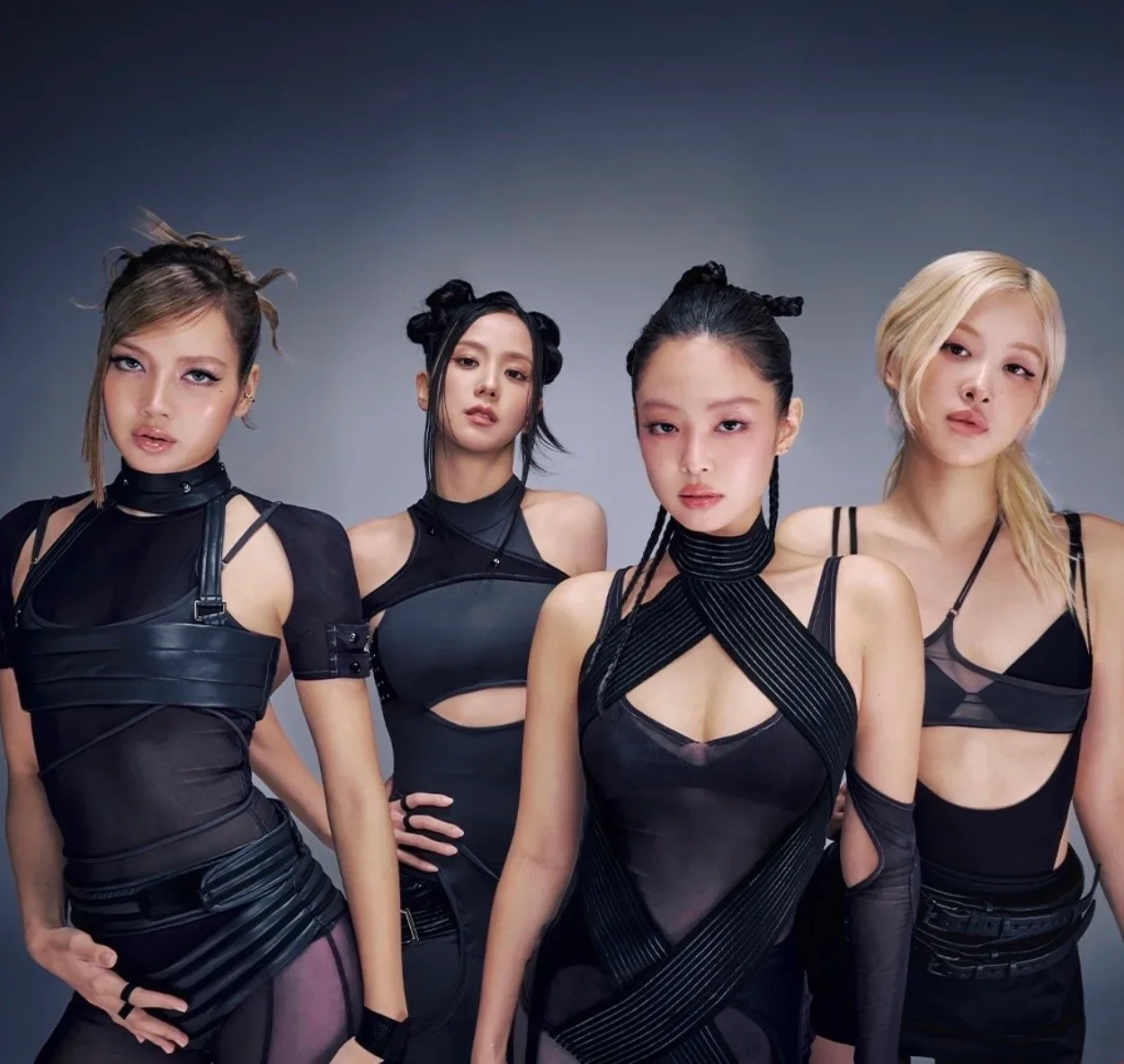 #1
#1South Korea
1 editions · 2023
 #2
#2United States
1 editions · 2023
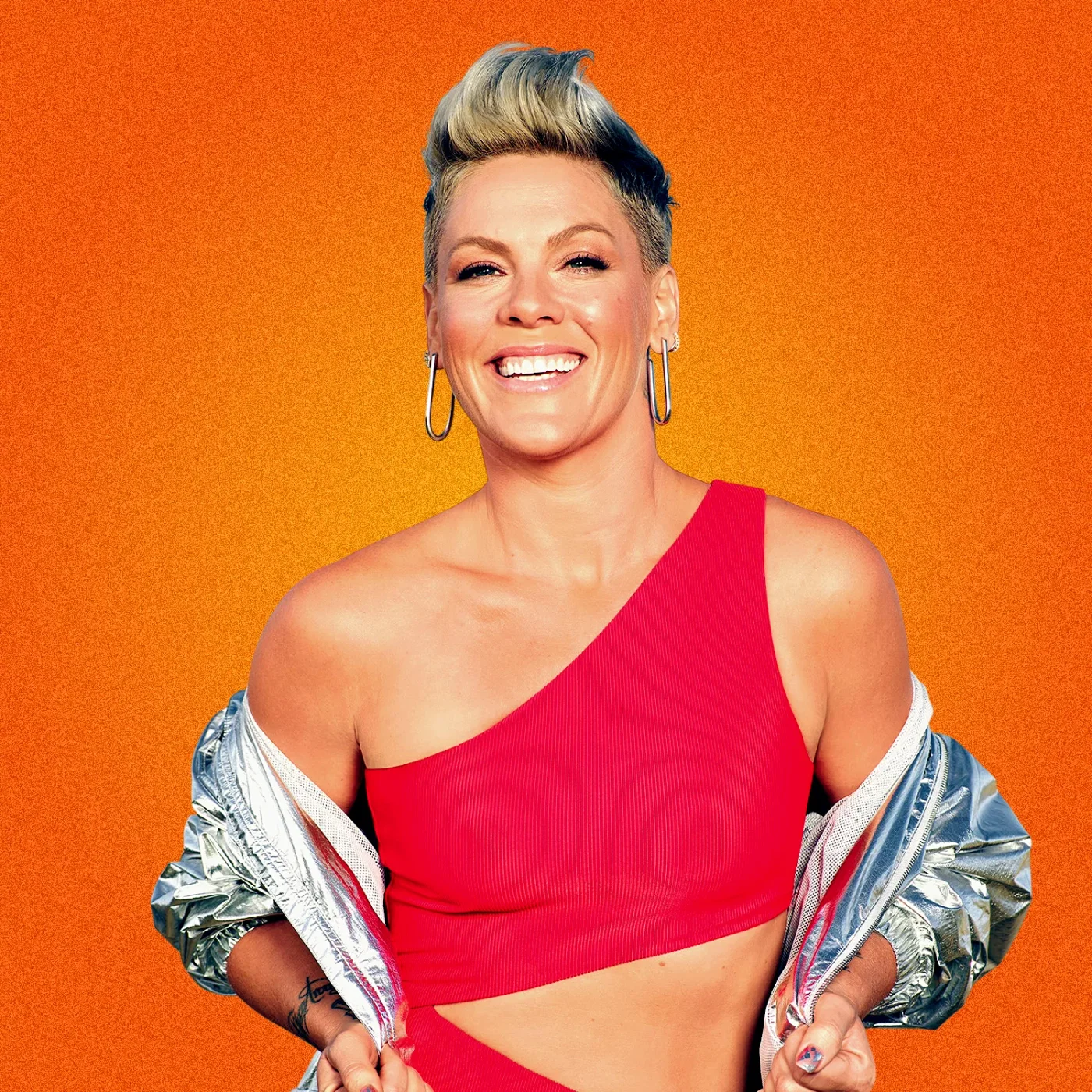 #3
#3United States
1 editions · 2023