Ranking
#173

HIP HOP - ROCK - TECHNO
Ranking
#173
Followers
500 K
When
07–JUL 11, 2027
Featured artists
Lineup coming — we'll publish it as soon as it's confirmed.
Time left
13 editions to explore · future, live and past
 2027
2027Dour Festival 2027
2026Dour Festival 2026
Numbers, home base and house quirks
Dour makes most sense when two people can spend an entire day at the same festival and return to the campsite convinced they attended completely different events. One might have lived almost entirely inside techno, trance and drum & bass; another through French-language rap, reggae and guitars; someone else may have spent the weekend chasing small bands that have not yet reached Europe’s largest stages. That multiplicity is not an accidental consequence of size. It is the principle that turned a modest Walloon gathering into one of Belgium’s defining festivals. Dour rarely tries to reconcile its musical contradictions. It gives them different rooms, tents and fields, then allows the audience to move freely between them.
The story began in 1989 in a Hainaut town shaped profoundly by coal mining and industrial decline. Carlo Di Antonio and Marc de Fays helped create a modest first edition built around one stage, one day and largely French-speaking artists, with Bernard Lavilliers among the prominent names. Around two thousand people attended. The event was partly cultural intervention and partly local regeneration: an attempt to make something happen in Dour and to attach a new kind of energy to a landscape dominated by mines, slag heaps and industrial memory. That relationship with the surrounding territory would remain unusually important as the festival developed.
Growth during the 1990s was dramatic. Dour began the decade still resembling a regional rock festival, but by 1993 it was operating multiple stages. Blur and Pulp appeared in 1994; a year later The Ramones and Public Enemy sat within a programme of roughly eighty acts as accumulated attendance climbed beyond forty thousand. More significant than the numbers was the widening philosophy. Hip hop and electronic music entered alongside rock earlier than they did at many comparable European events. Rather than placing every audience in front of the same main-stage sequence, Dour began constructing specialised spaces whose identities could be radically different while still forming one festival.
Camping became almost as important as the programme itself. From the mid-1990s onward, staying for several days created rituals and relationships that could never be reproduced by simply arriving for one headliner. A temporary town grew around Dour: tents, friendship groups, improvised meetings, late-night conversations and constant movement between campsite and concert site. Over time the accommodation ecosystem expanded from regular camping into themed areas and more comfortable options. The extended shout of “Doureuuuh” became part of that shared culture, less a way of naming the town than a form of recognition among people who understand that the festival does not stop when the final performance of the night ends.
For decades, the Plaine de la Machine à Feu was inseparable from Dour’s image. The former mining landscape and its slag heap gave the festival a rough visual character that suited an event often perceived as less polished and more chaotic than other European giants. In 2018, however, the organisers made a major physical break and moved to a newly designed site beneath Dour’s wind turbines. The shift replaced one symbol of the region’s industrial past with a striking image of its contemporary landscape. It also provided flatter ground, more space and easier crowd circulation. Some of the romance remained attached to the Machine à Feu, but the turbines quickly became the new horizon of the festival.
The current stage architecture reveals how deeply genre specialisation has become embedded in Dour. The Last Arena can move from reggae and rap to rock or electronic headliners. De Balzaal operates as an enormous club devoted to electronic culture. Boombox concentrates hip hop, rap, trap, grime and R&B. La Petite Maison dans la Prairie provides a home for indie, pop and alternative guitars. Dub Corner preserves reggae, dub and sound-system culture, while L’Atelier is designed around discovery and emerging artists. The achievement is not merely programming many genres; each major strand receives a space where its own audience, visual language and physical rhythm can develop.
That system has produced a history impossible to summarise through a conventional list of headline acts. Iggy Pop, Sonic Youth, The Prodigy, Aphex Twin, Cypress Hill, Nas, Destiny’s Child, Franz Ferdinand, Mogwai, Laurent Garnier, Slowdive and Death Grips represent only fragments. In 2026, Orelsan and Damso demonstrated the central position of French-language rap, Sean Paul and Koffee connected the programme to Jamaican music, Amelie Lens and TRYM carried contemporary techno, Pendulum brought drum & bass back to massive live scale, and Interpol maintained the festival’s long relationship with alternative rock. More than 230 artists appeared during that thirty-sixth edition.
Around 220,000 admissions were recorded across the five days from July 15–19, 2026. That figure sat below some of Dour’s record years but still represented an extraordinary influx into a small Belgian municipality. At the same time another transition was beginning behind the scenes: Live Nation agreed to sell its stake, opening a new ownership phase around founder Carlo Di Antonio and incoming investors. The next festival is already confirmed for July 7–11, 2027. Dour has survived changing sites, changing markets, two pandemic cancellations and several generations of audiences. Its essential promise remains strangely stable: there is too much happening to see everything, and getting lost is usually part of doing it properly.
Genres
HIP HOP
ROCK
TECHNO
Timeline
One artist per year — highest ranked in our archive
Those who appear most across this franchise's editions.
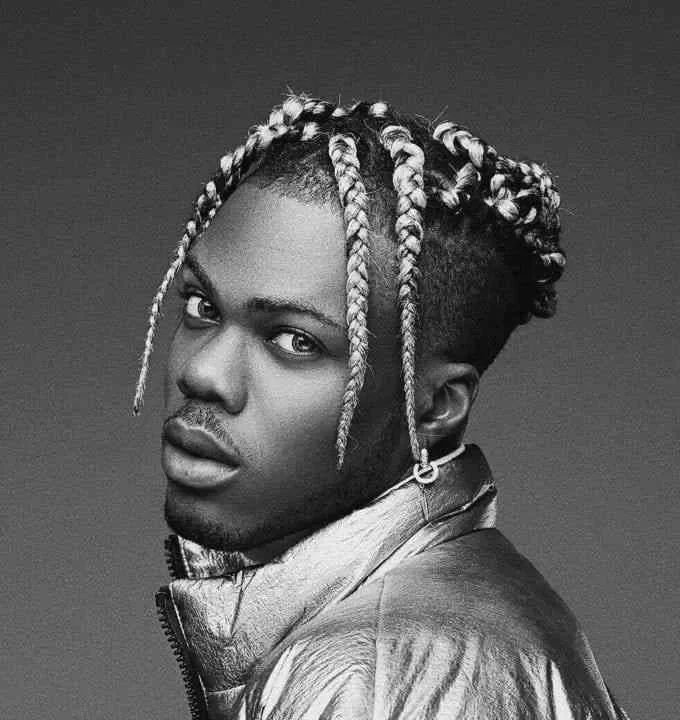 #1
#1Nigeria
1 editions · 2023
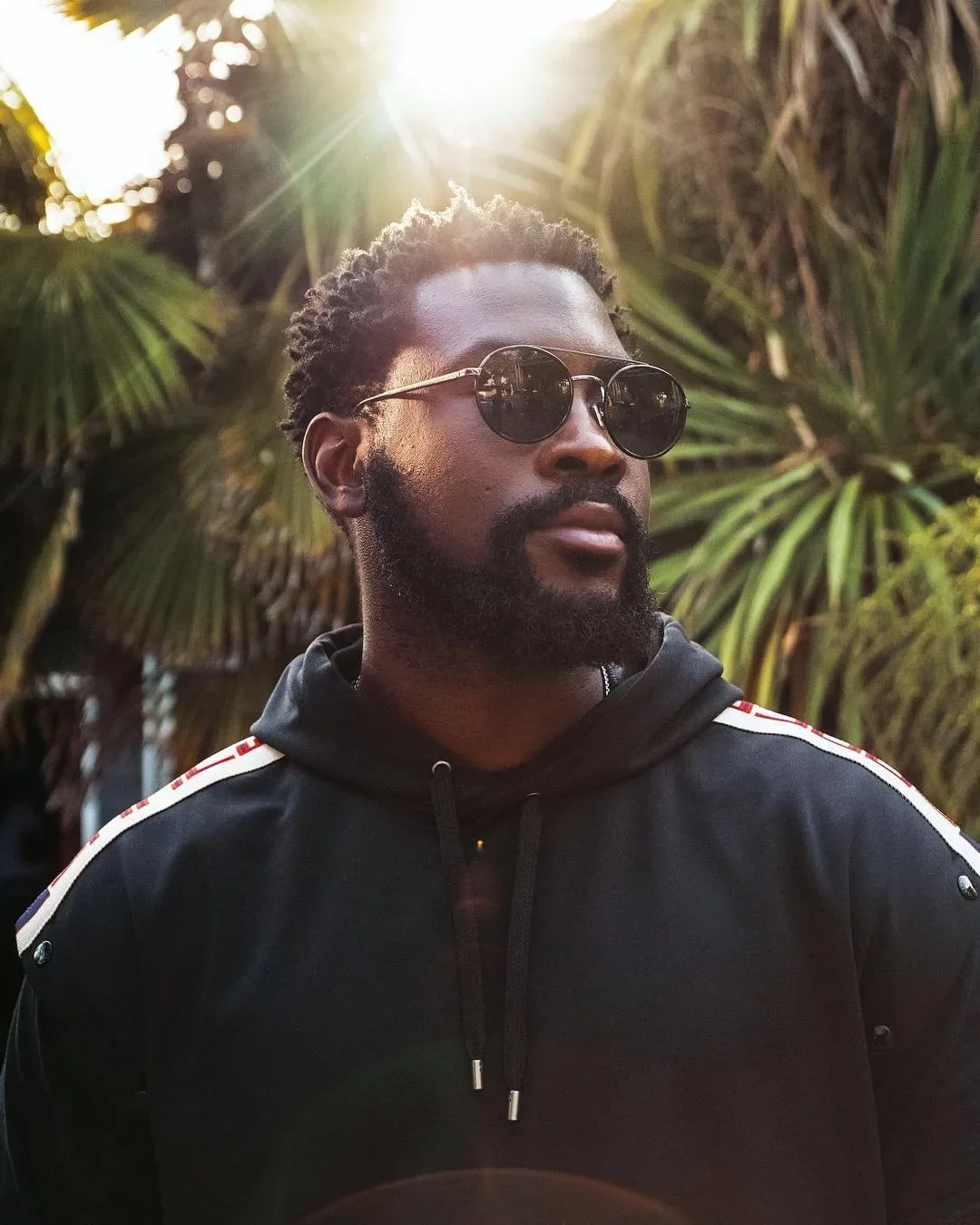 #2
#2Belgium
1 editions · 2023
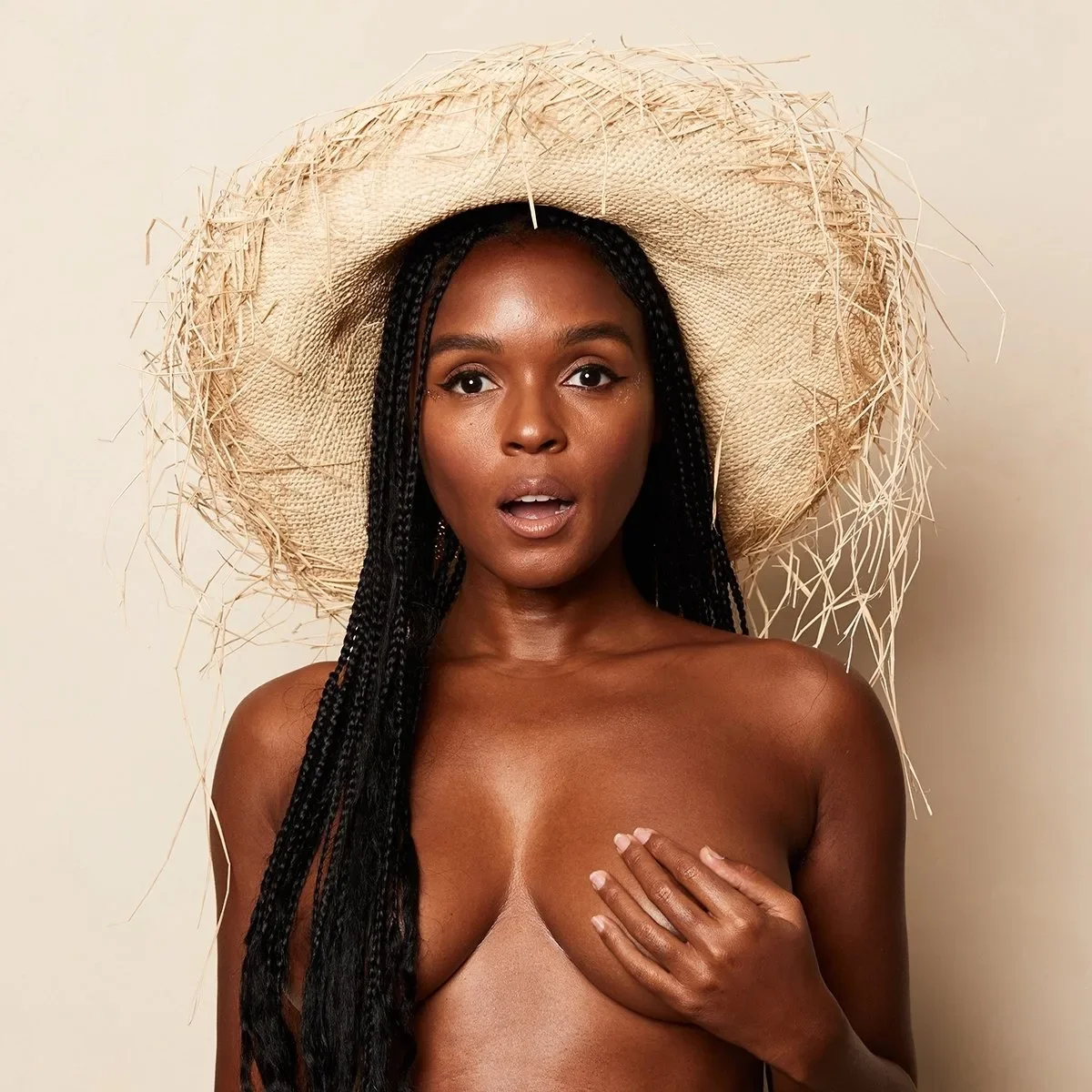 #3
#3United States
1 editions · 2023