Ranking
#407

ELECTRONIC ROCK - POP - ROCK
Ranking
#407
Followers
171.3 K
When
2027
Featured artists
Lineup coming — we'll publish it as soon as it's confirmed.
13 editions to explore · future, live and past
Numbers, home base and house quirks
Festival Beauregard turns the grounds of a Norman château into one of France’s major summer music gatherings. It takes place in Hérouville-Saint-Clair, just outside Caen, inside a wooded estate where lawns, gardens, mature trees and the façade of the Château de Beauregard remain visible throughout the experience. This is not a neutral festival field that could be reproduced in another city. The landscape frames the stages, shapes the routes between them and gives the event a recognisable identity before the first artist even appears.
The festival began in 2009 after its founders recognised the site’s potential during a municipal celebration. The opening edition lasted two days and featured performers including The Gossip, Peter Doherty, Mogwai, Editors, Charlie Winston, Jason Mraz and Ayọ. The response demonstrated that Normandy could support a large contemporary music festival and that the park offered something unusually valuable: room to grow without entirely losing the feeling of spending a day in a garden.
Beauregard expanded quickly. Two days became three, then four, while The Day Before developed into a special opening night built around artists capable of attracting a particularly large audience. Its programmes have moved through international rock, French chanson, pop, rap, electronic music, soul, metal, folk and indie. Different generations can therefore share the same grounds without the lineup feeling like a random attempt to satisfy everybody.
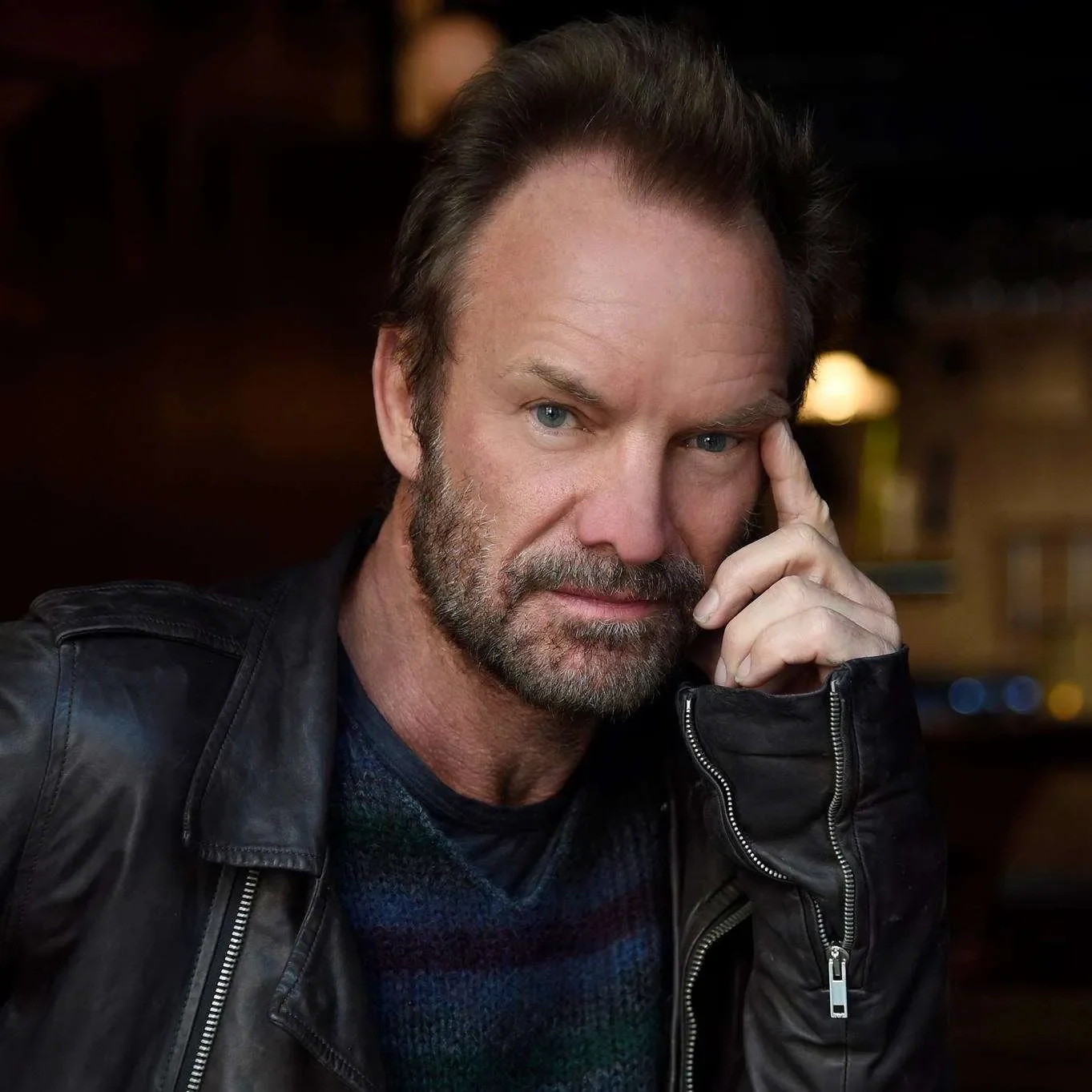
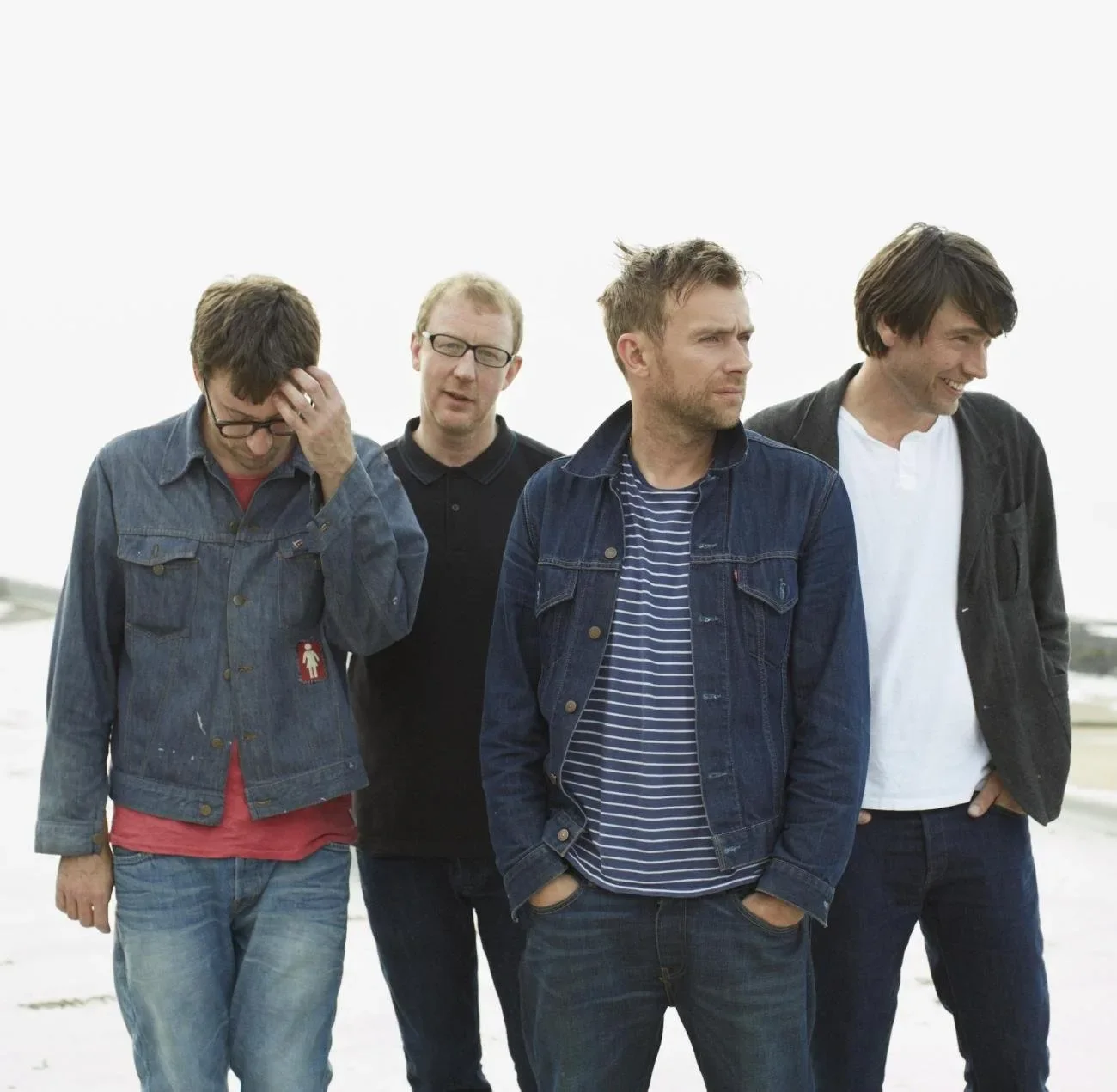
Depeche Mode, Muse, Sting, Blur, Pixies, Massive Attack, David Guetta, The Smashing Pumpkins, Phoenix, Iggy Pop, Motörhead, Placebo, Florence + The Machine, Arctic Monkeys, The Chemical Brothers, The Cure, Macklemore, Angèle, Orelsan and Stromae represent only part of its history. Some artists arrive with productions designed for tens of thousands of people. Others rely on a voice, a band and the attention of an audience sitting across the grass in the afternoon.
The main programme uses two alternating stages. When one concert ends, the next begins across the central area. This removes many of the timetable clashes associated with larger festivals and means visitors do not have to spend the entire day calculating which performance to leave early. The system also creates continuous movement, with the crowd turning, crossing the field and gathering again in front of the next artist.
Scène Beauregard carries the largest shows, supported by giant screens, lighting, fire and an arena capable of holding a major crowd. Scène John presents rock bands, alternative projects, French artists and musicians whose names may appear lower on the poster but frequently deliver some of the weekend’s most memorable sets. Because the stages alternate, they form a single musical journey rather than two competing festivals.
John Beauregard is the event’s imaginary host. His name appears across the stages, gardens, services and messages sent to the audience. Visitors are invited into his home, encouraged to explore his paths and welcomed “chez John.” The character gives the festival humour and continuity, helping a very large operation communicate with the friendliness of a much smaller gathering.
That personality extends beyond the concerts. Jardin de John provides space to sit, eat, drink and step away from the pressure near the main arenas. Halle des Créateurs brings together Norman craftspeople, clothing, accessories and independent design. Paths are lit after dark, flowers and plants reshape the estate, and projections across the château turn the walk between performances into part of the show.
Families have access to a dedicated children’s area with games, drawing, circus activities, sport, digital workshops and hearing-protection advice. Younger visitors can experience the festival without being separated completely from its musical atmosphere. Beauregard remains a major event with long nights and high sound levels, but its quieter areas allow several generations to enjoy the grounds at their own pace.
Camping extends the stay for people who prefer not to return to Caen each night or search for accommodation across the region. Located within walking distance, it provides traditional pitches and pre-prepared tent options. Mornings begin with improvised breakfasts, discussions about the previous evening and attempts to build another plan before returning through the festival gates.
The relationship with the estate creates environmental responsibility. A large volunteer ecoteam works on waste separation, recycling, cigarette-litter reduction and communication with visitors. Reusable cups, recycled furniture and guidelines for caterers and suppliers are intended to reduce the impact of building a temporary musical town inside a green public landscape.
Beauregard is undeniably a festival of major names, but its appeal is not limited to headline performances. It lies in watching the light change behind the château, hearing an unfamiliar band from the grass, seeing several generations sing the same song and experiencing a municipal park transformed without losing its character. The balance of popular programming, artistic curiosity and Norman scenery explains why Beauregard has become one of the defining gatherings of the French festival summer.
Genres
ELECTRONIC ROCK
POP
ROCK
Timeline
One artist per year — highest ranked in our archive
Those who appear most across this franchise's editions.