Ranking
#190

INDIE - POP - ROCK
Ranking
#190
Followers
459.6 K
When
18–JUN 20, 2027
Featured artists
Lineup coming — we'll publish it as soon as it's confirmed.
Time left
21 editions to explore · future, live and past
 2027
2027Hurricane Festival 2027
Numbers, home base and house quirks
Hurricane Festival is inseparable from Scheeßel in a way that goes beyond simply occupying a suitable piece of land. For one weekend each June, a Lower Saxony town of roughly thirteen thousand residents is surrounded by a temporary population several times larger, and the Eichenring changes from a sand motorcycle track into a dense network of campsites, stages, food areas, service roads and people carrying everything they need for several days outdoors. That relationship now feels established, but it began with considerable distrust. When Folkert Koopmans approached the local authorities in the mid-1990s about putting a major rock festival back on the Eichenring, residents still remembered the disastrous First Rider Festival of 1977, when missing acts, financial collapse, looting and a burning stage turned the site into local shorthand for how badly a festival could go wrong. The first Hurricane in June 1997 therefore had to prove more than its ticket demand. Around 20,000 people arrived when organisers had expected 12,000, and a bill including INXS, Rammstein, Sheryl Crow, The Cardigans and The Lightning Seeds demonstrated that large-scale live music could return to Scheeßel under a completely different level of organisation.
Growth came quickly. The early two-day event became a three-day festival, the grounds expanded beyond the original oval, and camping evolved from a practical necessity into one of the central elements of Hurricane culture. Alternative rock defined much of the festival’s early reputation, but the booking gradually became far broader than that label. Across its history, rock, indie, punk, metal, electronic music, hip hop and mainstream pop have all occupied significant parts of the programme. Rammstein, Radiohead, Foo Fighters, Arctic Monkeys, The Cure, The Prodigy, Green Day, Muse, Queens of the Stone Age, Die Ärzte, Die Toten Hosen and Kraftklub belong to different musical generations, yet all fit comfortably inside what Hurricane became. The event’s identity is therefore less about protecting one genre than about presenting several strands of large-scale alternative and popular music at the moment when they matter to German festival audiences. For many visitors, the lineup may get them through the gate, but camping, friendships, weather and the repeated ritual of returning to the same field are what turn attendance into tradition.
The creation of Southside added another layer to the model. Hurricane and Southside operate as twin festivals on the same weekend in northern and southern Germany, with many artists travelling between Scheeßel and Neuhausen ob Eck. Economically, the arrangement makes Germany more attractive to major touring acts; culturally, it creates two parallel versions of a similar programme without erasing the character of either place. Hurricane remains unmistakably attached to the Eichenring and to a rural community that has gradually learned how to absorb tens of thousands of temporary residents. The modern operation is almost the opposite of the chaos Scheeßel remembered from the 1970s. Security, emergency planning, transport, accessibility, sanitation, crowd management, campsite zoning, cashless payment and weather monitoring now involve thousands of workers and coordination with local authorities. For a few days, infrastructure normally associated with a city has to be built on open land and then removed again.
Several individual moments have entered wider music history. David Bowie’s 2004 appearance became his final full concert before heart problems forced him to leave the tour, giving an otherwise routine festival date significance nobody in the crowd could have understood at the time. Other editions are remembered through entirely different circumstances: heavy rain, mud, heat, interrupted performances or the shared endurance of difficult weather. The pandemic then removed 2020 and 2021 altogether, breaking a rhythm that had existed almost continuously since 1997. Hurricane’s return underlined how much of the event had always depended on physical proximity — people sharing camps, walking between stages and standing inside a crowd rather than consuming a lineup remotely. At the same time, expectations of a festival this size had changed. Reusable cups, protected ecological zones, campsite-material donation schemes, NGO spaces, accessibility programmes and harm-reduction measures became part of what audiences increasingly expect from a modern mass gathering.
The 19–21 June 2026 edition celebrated thirty years since Hurricane began and showed how far its programming had moved from a narrow rock definition. Around 78,000 people came to Scheeßel for Kraftklub, Yungblud, The Offspring, Twenty One Pilots, Florence + The Machine, Papa Roach, Billy Talent and Halsey alongside Nothing But Thieves, Wolf Alice, A Day to Remember, Provinz, Royel Otis, Clueso, SSIO, OG Keemo and dozens of developing acts. Guitar music remained dominant enough to preserve continuity with the festival’s past, but German rap, pop and electronic programming were no longer peripheral additions. Dedicated electronic areas and spoken formats widened the festival day further. Hurricane now works less like a specialist alternative festival and more like a large annual survey of what several generations of German festivalgoers are listening to, while retaining enough rock DNA to remain recognisable.
The next edition is already confirmed for 18–20 June 2027, and tickets went on sale long before a new lineup was revealed. That detail says more about Hurricane’s maturity than any individual headliner. A substantial portion of the audience now buys the festival itself: the train journey, the tent, the group of friends, the Eichenring and the expectation that June will temporarily reorganise life around Scheeßel. In 1997, Folkert Koopmans had to convince local officials that another festival on the site would not repeat the failures of 1977. Three decades later, Scheeßel openly treats Hurricane as part of its identity. For most of the year the Eichenring is simply a local motorsport venue. For one weekend, it becomes one of Germany’s most visible music addresses — proof that a festival can eventually make the name of a small town impossible to separate from its own.
Genres
INDIE
POP
ROCK
Timeline
One artist per year — highest ranked in our archive
Those who appear most across this franchise's editions.
 #1
#1United Kingdom
1 editions · 2023
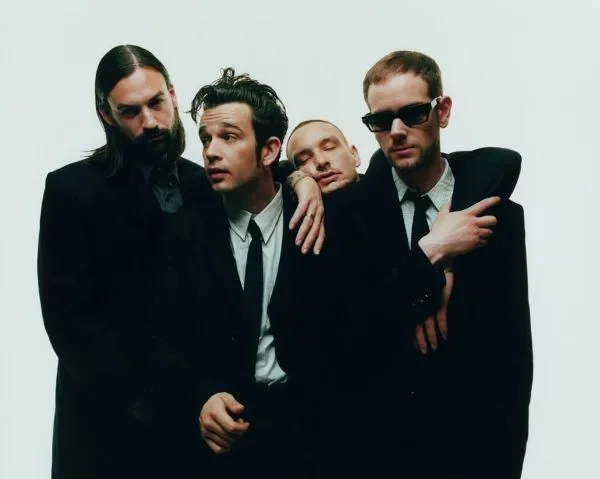 #2
#2United Kingdom
1 editions · 2023
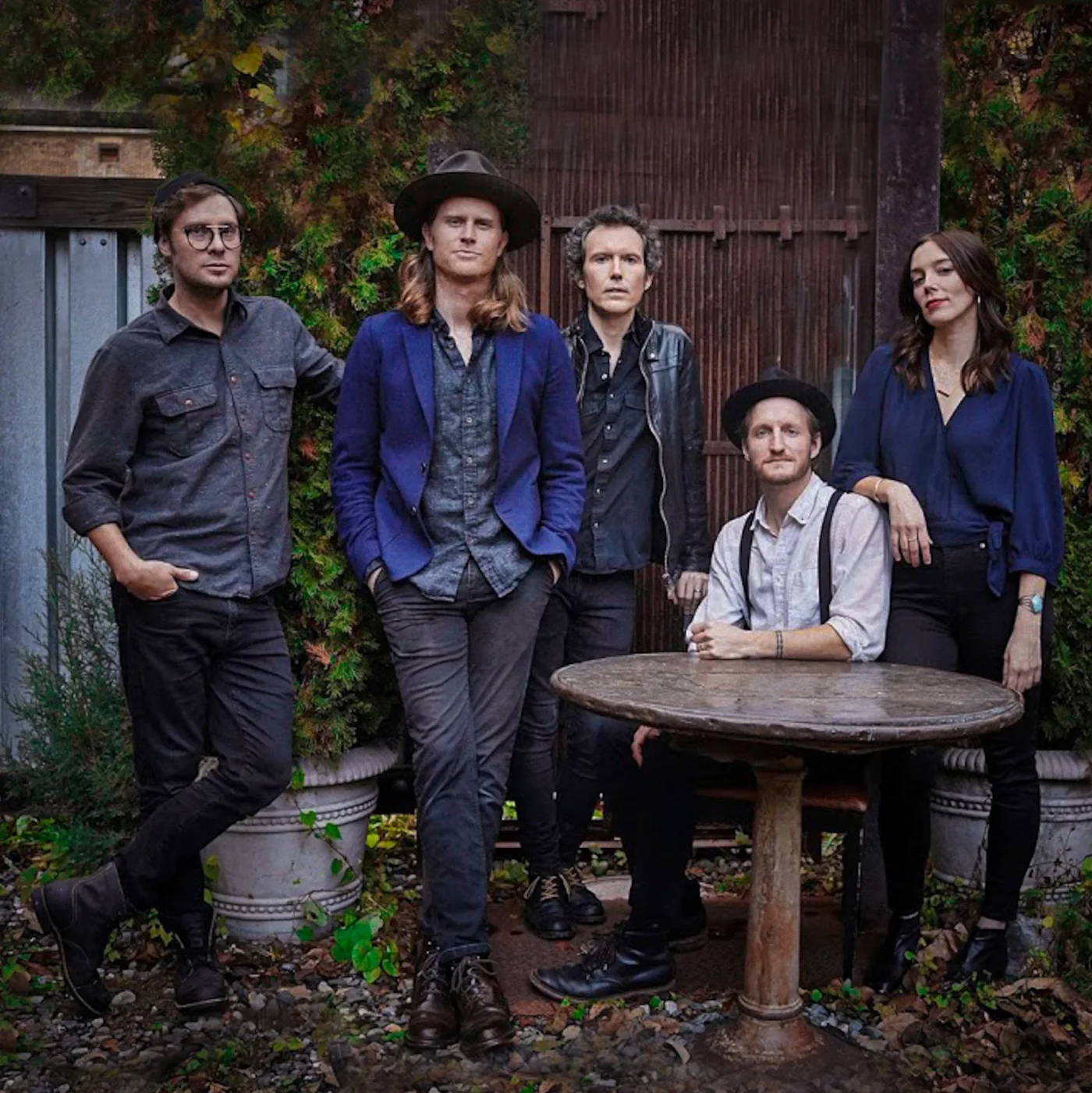 #3
#3United States
1 editions · 2023