Ranking
#447

INDIE - POP - ROCK
Ranking
#447
Followers
151.6 K
When
05–NOV 07, 2026
Where
Reykjavik, Reykjavík
Country
Iceland
Featured artists
Lineup coming — we'll publish it as soon as it's confirmed.
Time left
12 editions to explore · future, live and past
 2026
2026Iceland Airwaves 2026
Numbers, home base and house quirks
Iceland Airwaves works because Reykjavík is not merely the city surrounding the festival; Reykjavík is the festival site. For several November days, downtown becomes a network of churches, museums, bars, record shops, clubs and concert rooms connected by short walks through cold Atlantic weather. The format grew from an unusually modest beginning. In 1999, Icelandair staged what was intended as a one-off event in an airplane hangar, partly to introduce Icelandic musicians to international press and partly to give travellers a reason to visit outside the summer tourism season. The experiment outgrew the hangar and eventually became one of Iceland’s most recognisable cultural institutions. Yet the central proposition remains surprisingly close to that first idea: place local artists in front of international ears, mix them with adventurous visitors from abroad and create a setting where discovery matters more than the scale of a stage.
That purpose has been especially valuable for an island whose music scene is small in population but unusually visible internationally. Airwaves provides one week when journalists, agents, promoters, labels and fans can hear a concentrated version of what Icelandic musicians are doing at that moment. GusGus, múm, FM Belfast, Of Monsters and Men, Ásgeir, Kaleo, JFDR and Vök are among the artists whose histories intersect with the festival, while successive generations continue to arrive from Reykjavík bedrooms, rehearsal rooms and grassroots venues. The international bookings follow a similar philosophy. Florence + The Machine, James Blake, Sufjan Stevens, Mac DeMarco, Young Fathers, Hot Chip and Sigrid appeared before some of their biggest career breakthroughs. That track record created a useful form of trust: audiences arrive expecting that the most memorable performance may belong to somebody whose name they barely recognised when they opened the schedule.
Airwaves has never refused established stars. Björk, Sigur Rós, Kraftwerk, The Flaming Lips, The Knife, Fleet Foxes, Mumford & Sons and John Grant have all fitted into its history. The difference is that their presence does not erase the smaller rooms around them. A festival evening might include a packed international show, an Icelandic songwriter in a church, experimental electronics inside a club and a new guitar band in a room small enough for the audience to stand almost against the performers. Fríkirkjan offers a kind of intimacy and acoustics no temporary tent could reproduce; Iðnó carries the atmosphere of an old theatre; NASA, Lemmy and other downtown venues create different forms of closeness. Each transfer sends the audience back onto Reykjavík’s streets, where weather, cafés, restaurants and everyday city life remain visible. The festival never fully seals itself off from its host.
The industry conference adds another layer to that geography. Iceland Airwaves is not simply a consumer event with networking attached; its showcase function is built into the reason it exists. A local act playing to a relatively small crowd may have agents, festival bookers or foreign media standing inside it. Delegates arrive from more than fifty countries, creating opportunities disproportionate to the physical size of the rooms. This was one reason Sena Live, after acquiring the festival brand in 2018, emphasised a return to roots rather than an arms race for ever larger headliners. Reducing dependence on enormous venues and concentrating more activity downtown reinforced the discovery model. Airwaves matters when a performance becomes the beginning of a conversation that continues after Reykjavík, whether through a tour invitation, a label relationship, press coverage or another festival booking.
The pandemic interrupted that system without eliminating it. Physical editions in 2020 and 2021 were replaced by Live from Reykjavík, bringing Icelandic artists such as Of Monsters and Men, Ólafur Arnalds, Daði Freyr, Ásgeir and Bríet to remote audiences. When the conventional festival returned in 2022, the official programme was streamlined to three days, Thursday through Saturday. The shorter structure increased concentration rather than reducing variety. In 2025, more than one hundred artists from twenty countries filled the city, ranging from Fat Dog, Kenya Grace and Joey Valence & Brae to Silvana Estrada, JFDR, Bríet, Ólöf Arnalds and scores of Icelandic newcomers. The defining frustration remained intact: at any given time there were several performances worth seeing and no practical way to catch them all.
The 2026 edition, scheduled for 5–7 November, continues that balance. Icelandic acts including Agent Fresco, MAMMÚT, Arny Margret, Birnir, Cell7 and Júníus Meyvant sit alongside Cobrah, Jamie Woon, Leith Ross, Warhaus and Taiwanese artist 9m88, with dozens of lesser-known performers positioned around them. Shygirl, Daði Freyr with the Iceland Symphony Orchestra and The Streets extend the week through special events on 4, 5 and 8 November. But the festival’s most important promise remains smaller than those names. Somewhere between Kolaport, City Hall, Iðnó, NASA, Fríkirkjan, Lemmy and Rosenberg, a room will fill for an artist many visitors have never heard before. Iceland Airwaves has survived for more than a quarter century because it makes that uncertainty feel like the main event rather than an inconvenience between headliners.
Genres
INDIE
POP
ROCK
Timeline
One artist per year — highest ranked in our archive
Those who appear most across this franchise's editions.
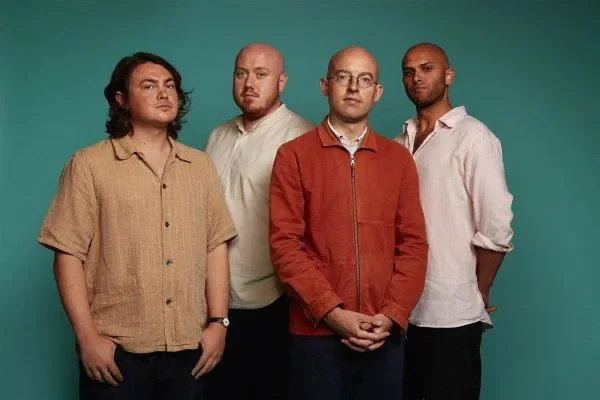 #1
#1United Kingdom
1 editions · 2023
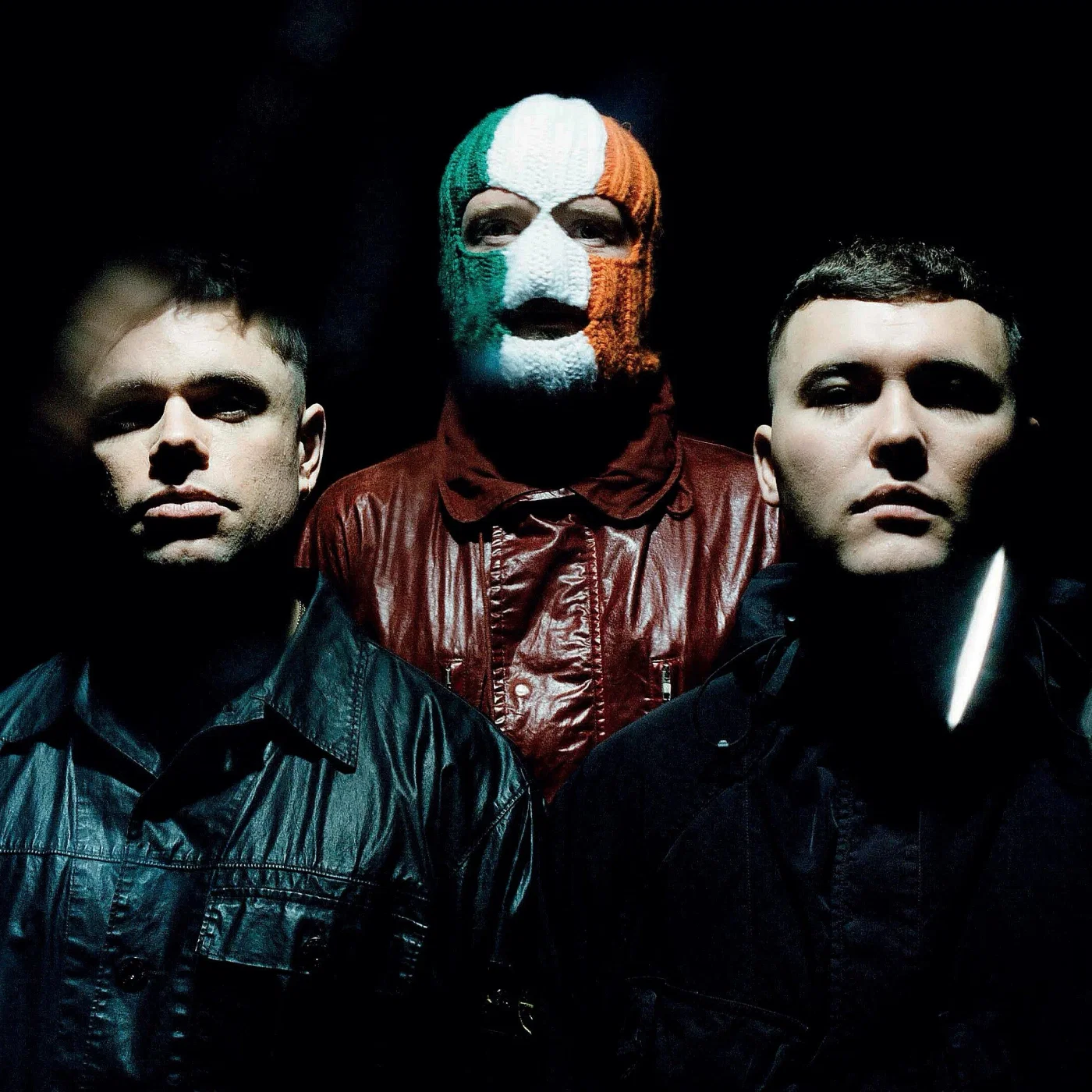 #2
#2Ireland
1 editions · 2023
 #3
#3United States
1 editions · 2023