Ranking
#927

INDIE - POP - ROCK
Ranking
#927
Followers
29.9 K
4 editions to explore · future, live and past
Numbers, home base and house quirks
Immergut Festival began in Neustrelitz in June 2000 with modest resources, youthful confidence and an idea that would eventually become an institution within German indie culture. Local twenty-somethings Mirko Wegner and Daniel Kempf wanted to create in Mecklenburg-Vorpommern the kind of music gathering that normally required travelling to Berlin, Hamburg or another major cultural centre. The inaugural event attracted around 1,200 people to see acts including Beatsteaks, Sportfreunde Stiller, Virginia Jetzt!, Pale and Readymade. Two years later, the circle of friends who had gradually taken responsibility for different aspects of production formally created the nonprofit immergutrocken e.V. association. That voluntary structure became one of the festival’s defining characteristics. Even as Immergut developed an international reputation, it never turned into a conventional corporate festival property; much of its organisation continued to be handled by people working around studies, jobs and everyday life.
Growth came quickly but was eventually kept deliberately under control. In 2002, Tocotronic appeared at a sold-out edition attended by roughly four thousand people, and the pressure on the original site led to a move the following year to Bürgerseeweg on the edge of Neustrelitz. There the festival found the scale that would define it for the next two decades: around five thousand visitors, camping, trees, dusty paths and stages large enough for significant international artists but still close enough for the entire site to feel like one shared environment. Even the name captures the event’s slightly eccentric character. Immergut came from a dairy company that sponsored the first festival. The sponsor soon disappeared, but the name remained, along with milk-related imagery that developed into part of the festival’s visual humour and identity. Rather than hide an accidental origin, Immergut made it tradition.
Musically, the festival first became a meeting point for Germany’s indie scene and then increasingly opened a window onto international alternative music. Beatsteaks, Tocotronic, Sportfreunde Stiller, Kettcar, Tomte and The Notwist helped establish its early reputation. Broken Social Scene, Adam Green, Maxïmo Park, Feist, Mogwai, The Vaccines, Balthazar, Deerhunter, Black Midi, Nilüfer Yanya, José González and Black Country, New Road later illustrated its broader reach. Immergut has rarely depended on mainstream superstar headliners. Part of its reputation comes from seeing an artist before they become significantly larger, and part from welcoming back acts already woven into the history of German indie. Pop, post-punk, electronic music, singer-songwriters and occasional hip-hop can all enter the programme when they fit that wider sensibility. Its musical identity is therefore less about policing one genre than about trusting curiosity and discovery.
The intimacy extends well beyond the concerts. Camping is central to the weekend, and the surrounding Mecklenburg lake landscape turns the festival into something close to an early-summer holiday with live music attached. Immergutzocken, the football tournament in which visitors can compete alongside organisers, media representatives and musicians, has existed virtually from the beginning. Late nights continue with indie discos and guest DJs, while readings, discussions and the Wortbühne have gradually expanded the cultural programme. For the twentieth anniversary in 2019, the festival created additional spaces for conversations about sustainability, society, sexism, homophobia and responsibility within music culture. Immergut does not present itself as an academic conference, but its compact size makes these conversations feel naturally integrated rather than separated into a distant professional programme.
The pandemic broke the annual rhythm for the first time. There was no normal festival in 2020, and the 2021 return was shifted from May to August with testing infrastructure and a redesigned outdoor setup. Once its traditional calendar returned, Immergut reached its twenty-fifth edition in 2025 with Bilderbuch, Nilüfer Yanya, Porridge Radio, Shout Out Louds, DEHD, Erobique and others, celebrating its history without turning itself into a nostalgia event. The twenty-sixth edition in May 2026 continued that balance through Jehnny Beth, Sorry, Sprints, Mine, Die Höchste Eisenbahn, Waving The Guns, Chloe Slater, EBBB, La Sécurité and a new generation of smaller acts. Yet the organisation has openly acknowledged that the economic environment around independent festivals has changed: production costs have risen, advance sales behave differently and a small nonprofit event carries more financial risk than it once did.
That is why 2027 will mark an important transition. Immergutrocken e.V. has already confirmed that people will gather again in Neustrelitz at the end of May, but it has also said plainly that Immergut will look different. The number of days, stages, visitors and even the wider programme are still being reconsidered. Rather than signalling an ending, the process reflects an attempt to protect what has made the festival distinctive for more than a quarter-century: human scale, volunteer organisation, independence, musical discovery and the feeling that artists, visitors and organisers temporarily belong to the same small community. Immergut survived by never trying to compete with Germany’s festival giants on size. Its next challenge is to discover how to remain deliberately small while still being sustainable enough to continue.
Genres
INDIE
POP
ROCK
Timeline
One artist per year — highest ranked in our archive
Those who appear most across this franchise's editions.
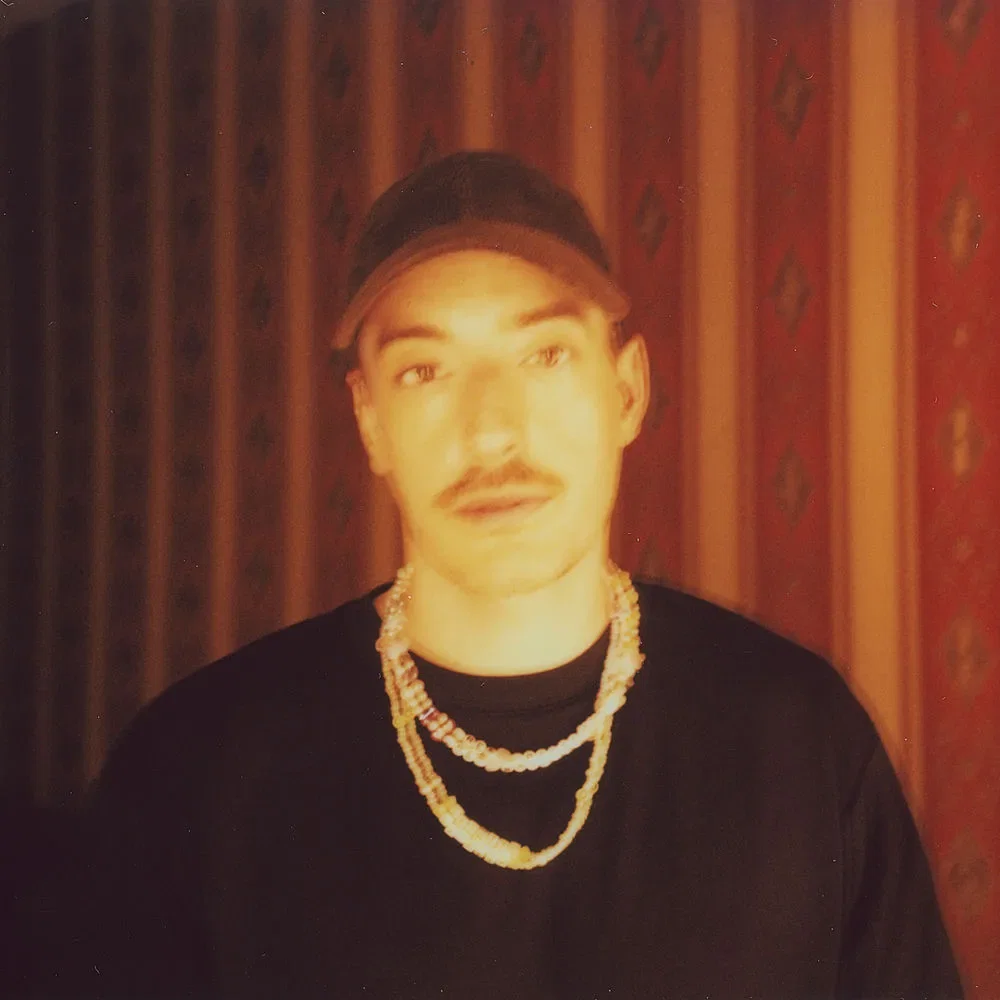 #1
#1Germany
1 editions · 2023
 #2
#2United Kingdom
1 editions · 2023
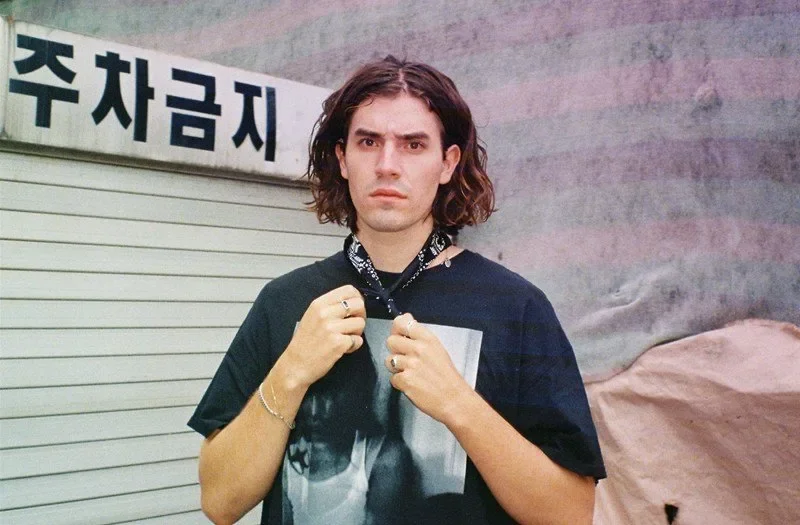 #3
#3Germany
1 editions · 2023