
Ranking
#425

INDIE - POP - RAP
Ranking
#425
Followers
161.6 K
2 editions to explore · future, live and past
Numbers, home base and house quirks
PULS Open Air began in 2016 as the summer extension of PULS, the youth platform of Bayerischer Rundfunk, and from the outset it aimed to be something more specific than another large seasonal German festival. The idea was to transfer the broadcaster's year-round role in music discovery into an outdoor setting: emerging artists, acts beginning to move beyond the underground and selected international names large enough to attract a wider audience. Schloss Kaltenberg, positioned between Munich, Augsburg and Landsberg, immediately gave the event a strong visual identity. The castle, better known for its medieval tournament tradition, became a temporary campus of contemporary music, stages, camping and late-night activity, creating a deliberate contrast between historical architecture and an exceptionally young festival crowd.
The first edition attracted more than seven thousand people and sold out with a bill including Milky Chance, Crystal Fighters, MØ, BOY, Aurora, OK KID, Kakkmaddafakka, Frittenbude, Roosevelt, Maeckes and Schlachthofbronx. That debut established much of the later musical language: indie, alternative pop, electronic music and German rap could occupy the same weekend without being divided into rigid genre territories. PULS used its relationship with new music scenes to position artists still developing an audience beside performers with significant international visibility. Rather than constructing the experience entirely around headliners, the festival encouraged people to arrive early, move between stages and encounter musicians who might appear much higher on festival posters only a few years later.
As the event developed, community became almost as visible as the music itself. Camping, aftershows, relaxation areas, participatory activities and content connected with the wider PULS universe extended the weekend beyond concerts. By 2019, a programme involving AnnenMayKantereit, Bosse, Giant Rooks, Leoniden, Alli Neumann, KitschKrieg, BHZ and Christian Löffler demonstrated how easily contemporary German indie, rap, electronic music and pop could exist within the same ecosystem. The festival remained comparatively compact beside enormous German events such as Rock am Ring or Hurricane, and that smaller scale helped preserve a sense of shared space even as attendance and production developed beyond the inaugural edition.
The pandemic interrupted that rhythm after four consecutive summers. No physical festival could take place in 2020, so PULS created streaming content from Kaltenberg, including extended electronic programming connected with clubs around Bavaria. The physical return in 2022 became particularly difficult: after the event had begun, the remaining programme had to be cancelled because the contracted security company could not supply the staffing level required to operate safely. The experience led to a substantial organisational reset. For 2023, Schloss Kaltenberg became the direct promoter, the grounds were enlarged, infrastructure was reconsidered and sustainability, participation and community were brought even more explicitly into the festival concept.
The final period reflected a festival increasingly connected to music moving between digital platforms, small clubs and Germany's new pop generation. In 2024, Giant Rooks, Badmómzjay, Zoe Wees, Paula Hartmann, Schmyt, Blond, Mayberg, Fatoni, Dilla, Badchieff, Bibiza, Ikkimel, Berq and numerous developing performers created a programme in which indie, rap and pop mixed naturally with electronic and experimental sounds. Music was only one layer of the site. Podcasts, ARD content, workshops, yoga, discussion formats and participatory projects occupied their own spaces, turning PULS Open Air into a physical expression of the broadcaster's wider editorial world rather than simply a festival carrying a radio brand on its poster.
The June 2024 edition ultimately became the last. In September 2025, PULS confirmed that the Schloss Kaltenberg open air would not return, explaining that its cultural strategy was shifting towards smaller, more accessible and geographically distributed events across Bavaria. The decision closed a relatively short but clearly defined festival history. PULS Open Air never needed to become Germany's largest event; its role was to create a bridge between emerging music and broader audiences. For several summers, Schloss Kaltenberg gave that mission a distinctive home and provided a stage for a generation of artists reshaping the relationship between indie, pop, rap and electronic music in contemporary Germany.
Genres
INDIE
POP
RAP
Timeline
One artist per year — highest ranked in our archive
Those who appear most across this franchise's editions.
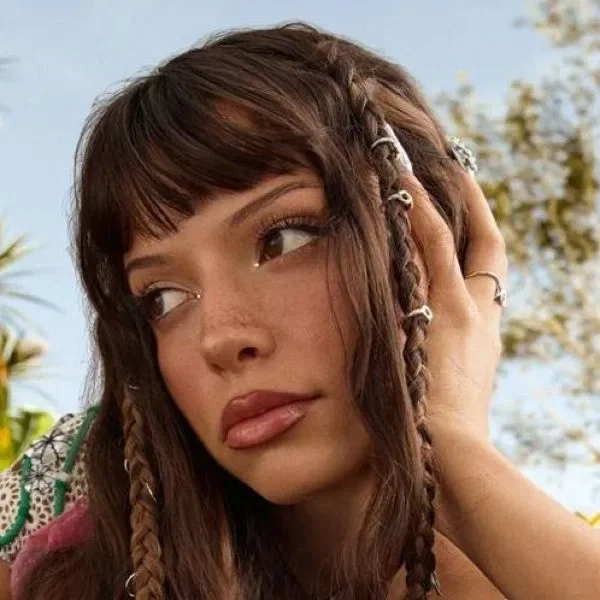 #1
Germany
1 editions · 2023
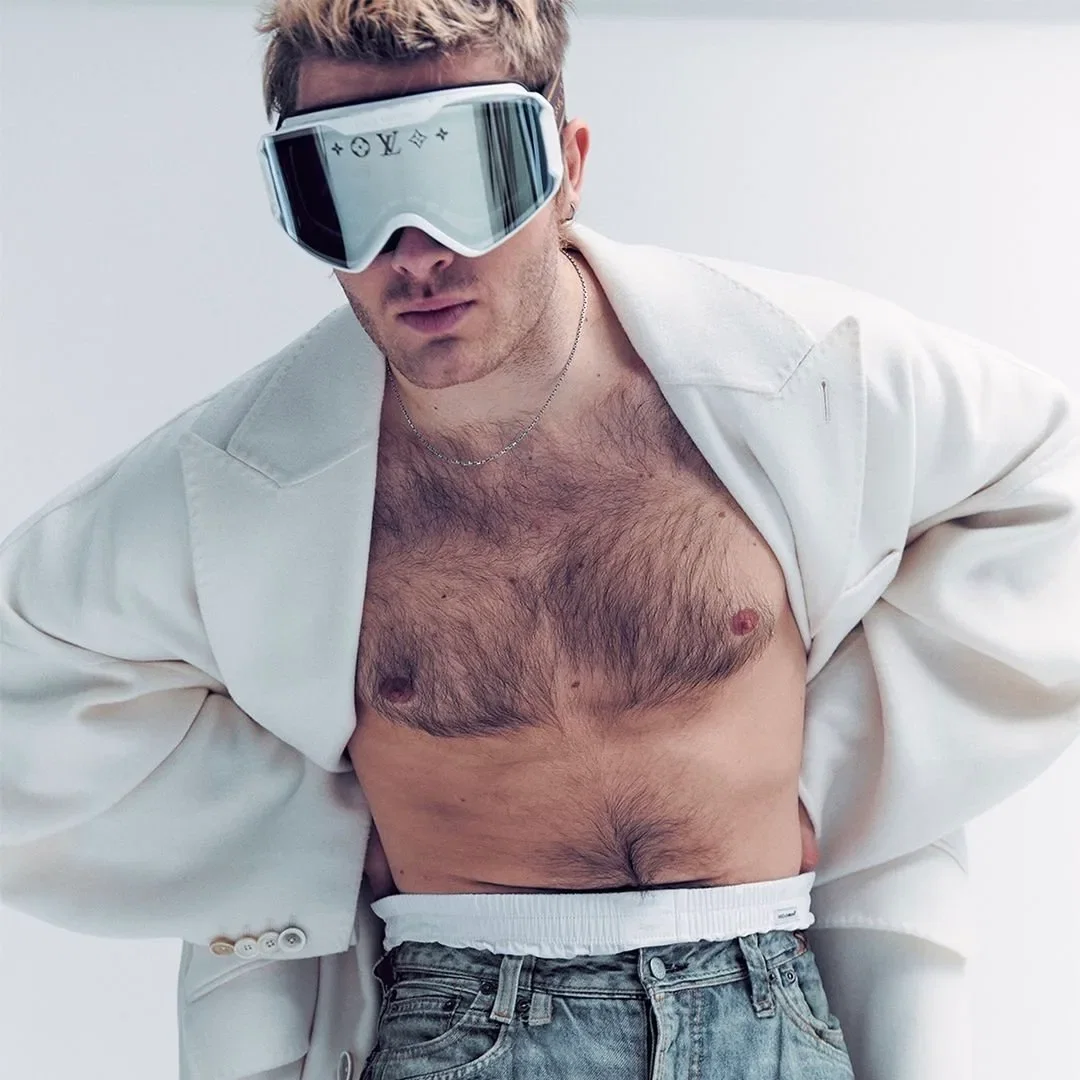 #2
Germany
1 editions · 2023
 #3
Canada
1 editions · 2023
If you like PULS Open Air, these have a similar lineup.