Ranking
#75

METAL - POP - ROCK
Ranking
#75
Followers
1.3 M
3 editions to explore · future, live and past
Numbers, home base and house quirks
Pol’and’Rock Festival cannot really be understood if you see it only as a music festival. Yes, there are stages, guitars, metal, punk, reggae, hip-hop, pop, Polish artists, international guests and enormous crowds. But its heart comes from somewhere else: the idea of gratitude. It began in 1995 as Przystanek Woodstock, organized by the Great Orchestra of Christmas Charity Foundation, not as a conventional commercial event, but as a way of thanking the volunteers, donors and supporters of the Foundation’s January Grand Finale. That origin changes everything.
The first edition took place in Czymanowo, and over the years the festival moved through different locations before entering its current chapter at Czaplinek-Broczyno, a former airfield that becomes a temporary city of music, camping, dust, flags, backpacks, volunteers, tents, late-night conversations and collective energy. The name changed in 2018 from Przystanek Woodstock to Pol’and’Rock Festival, but the deeper idea remained: peace, love, music and community, filtered through a very Polish history and spirit.
Musically, Pol’and’Rock is broad, loud and much more diverse than the word “rock” alone might suggest. Rock is at its emotional center, but around it you can find metal, punk, reggae, ska, folk, rap, electronic music, alternative pop and artists who refuse to fit into one neat category. It is the kind of festival where a heavy band can share a weekend with a beloved Polish act, an international name, a cult favorite or a young group earning its place through talent competitions. That mixture does not feel random. It reflects the festival’s philosophy: open the space, let different tribes stand next to each other and trust that music can hold the crowd together.
What makes Pol’and’Rock different from many major European festivals is that it is not built around luxury, exclusivity or the idea of paying to belong. It is free and non-ticketed, and that is not just a logistical detail; it defines the whole atmosphere. People do not arrive only as customers. They arrive as participants in something public, communal and almost ritualistic. Some travel days early to set up camp. Some return every year as if coming back to a huge extended family. Some arrive for one artist and end up spending hours at workshops, talks or social spaces run by organizations and volunteers.
The real experience of attending Pol’and’Rock is physical. This is not a festival where you simply arrive, watch two shows and disappear back to a hotel. You walk, carry things, camp, lose your group, look for shade, improvise meals, learn the layout and accept that weather, tiredness and crowds are part of the story. There are huge moments of release in front of the main stage, but also smaller scenes that stay with you: someone sharing water, a conversation with strangers, a flag moving in the evening light, a queue turning into a friendship, a volunteer calmly pointing people in the right direction, a group singing even though their voices are almost gone.
Pol’and’Rock also has a social dimension that does not feel decorative. The Academy of the Finest Arts, NGO areas, workshops and meetings with public figures make the festival breathe beyond music. Between concerts there may be debates, educational activities, conversations about human rights, ecology, health, culture or civic participation. That gives the event a very particular texture. You can leave a loud concert with your ears ringing and, a few hours later, sit down for a conversation that has nothing to do with riffs but everything to do with how a community understands itself.
The crowd is one of the festival’s main characters. Young people with endless energy, adults who remember the Przystanek Woodstock years, families, metal fans, international visitors, volunteers, groups of friends, curious first-timers and people who treat the festival as an emotional tradition all share the same field. It is not always comfortable, and that may be exactly why it stays in people’s memories. Its beauty is not in a polished production that removes reality. It is in the friendly chaos, loud music, solidarity, dust, exhaustion and freedom.
Pol’and’Rock Festival is massive, but its strength is not only its size. Its strength lies in turning a thank-you into a culture. It proves that a free festival can be huge without losing its soul. It gathers thousands of people around a simple and powerful idea: come for the music, yes, but also come to be together.
Genres
METAL
POP
ROCK
Timeline
One artist per year — highest ranked in our archive
Those who appear most across this franchise's editions.
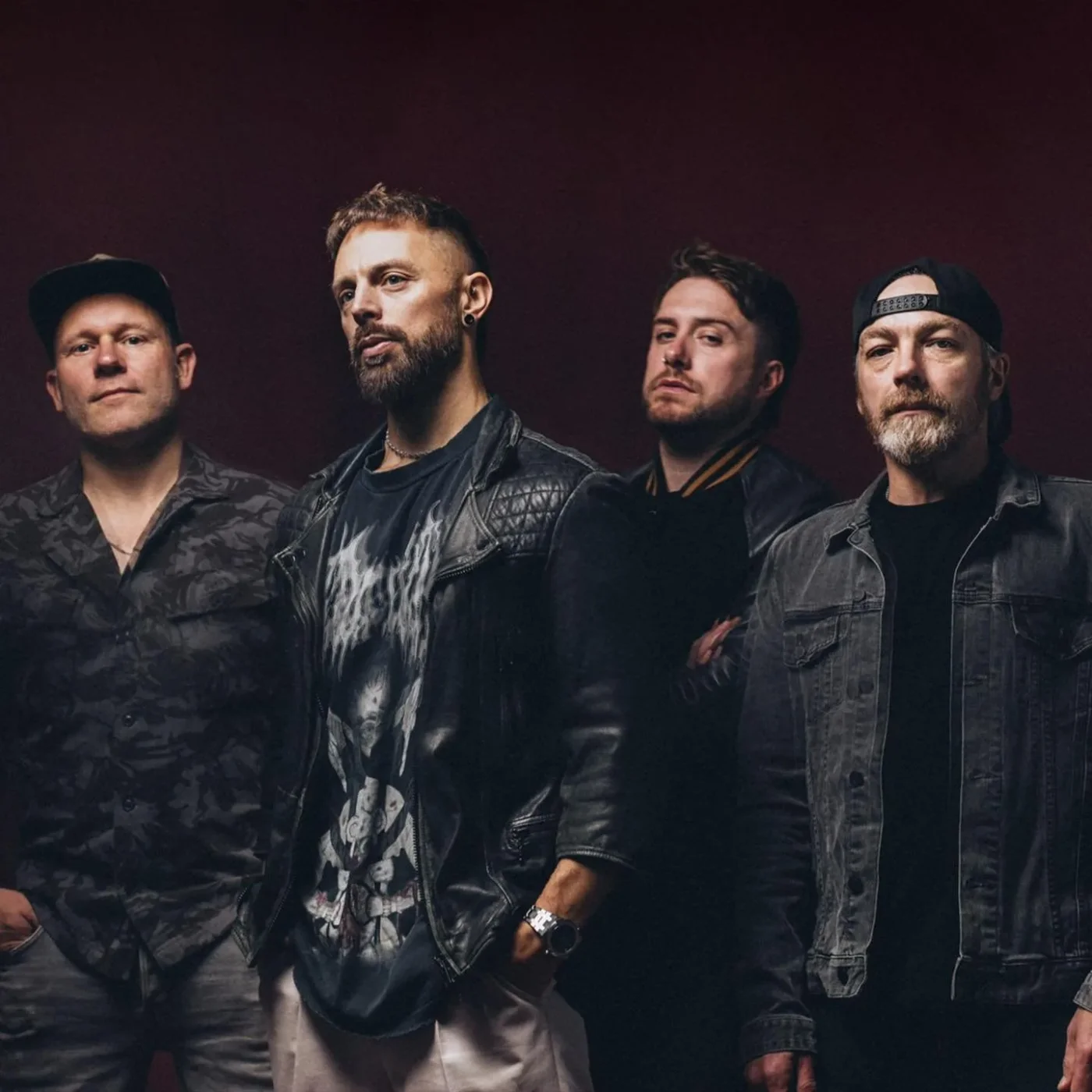 #1
#1United Kingdom
1 editions · 2023
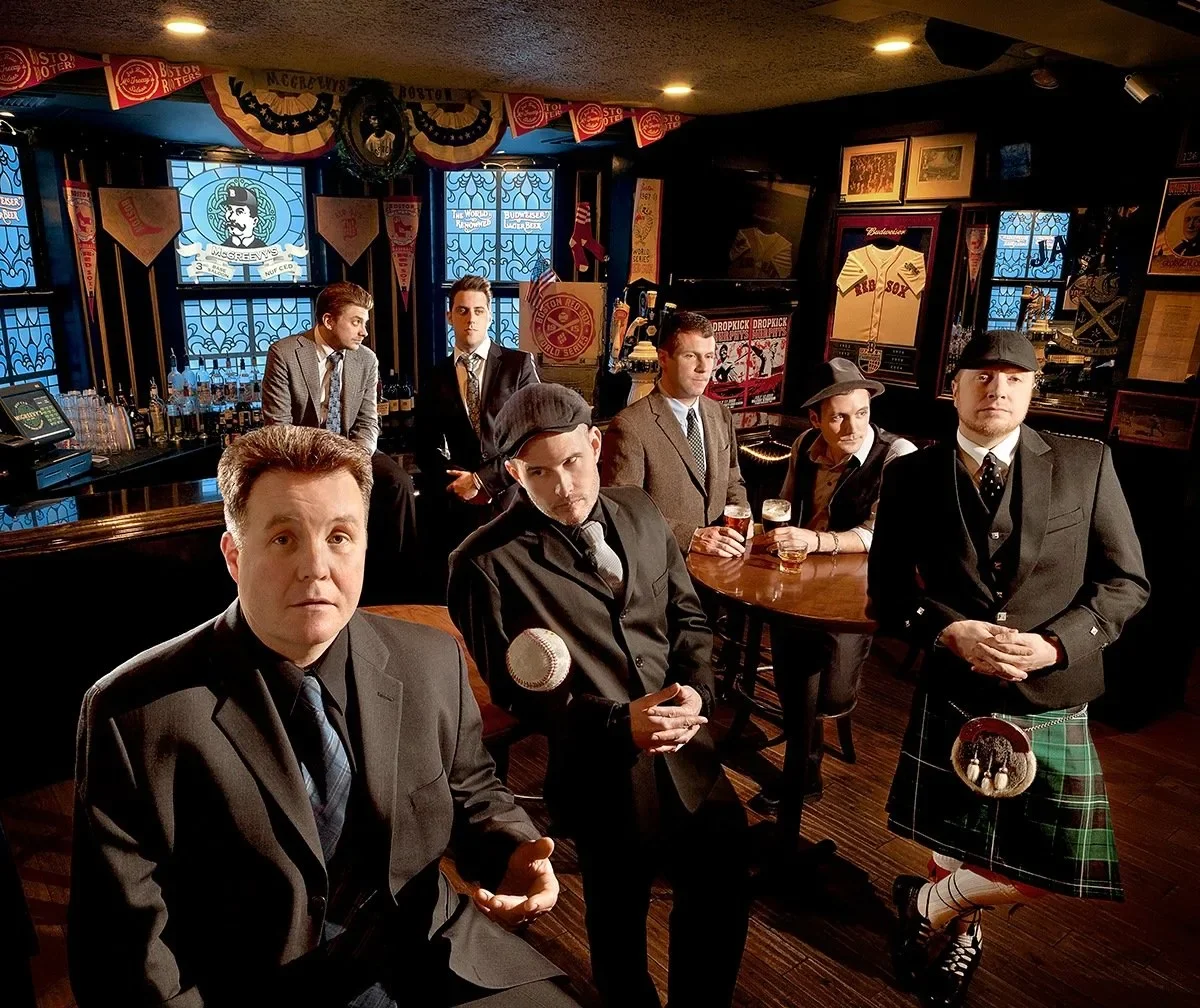 #2
#2United States
1 editions · 2026
 #3
#31 editions · 2026