


Ranking
#485

HIP HOP - INDIE - POP
Ranking
#485
Followers
138.3 K
When
2026
Country
Latvia
Featured artists
Lineup coming — we'll publish it as soon as it's confirmed.
14 editions to explore · future, live and past
Numbers, home base and house quirks
Positivus Festival has changed often enough to tell a significant part of the story of Baltic festival culture itself. Founded in 2007 in Salacgrīva, a small northern Latvian town close to the Estonian border, it spent more than a decade transforming a seaside park surrounded by pine trees, dunes and open space into one of the region's most recognisable music gatherings. Its original appeal combined enough scale to attract major international performers with an atmosphere that still felt like a summer escape. Indie, rock, folk, electronic music and pop shared stages spread through a natural landscape where camping, the nearby beach and walks through the trees became as important to the memory of the weekend as individual concerts. That Salacgrīva period established the first powerful version of what Positivus meant.
Its programming helped place Latvia firmly on the European festival map. Muse, Kraftwerk, Sigur Rós, The xx, Robert Plant, Iggy Pop, Imagine Dragons, Ellie Goulding, Nick Cave, Sinéad O’Connor, Moby, The Prodigy, Manic Street Preachers, Bastille, The Kooks, Hot Chip and Alt-J were among the many international names to appear over the years. At the same time, Latvian and other Baltic artists remained consistently visible, preventing the event from becoming simply a touring stop for imported stars. One of Positivus's particular strengths was identifying performers before they reached complete global recognition and placing them beside established names. The festival could therefore function simultaneously as a large communal celebration and as a place of discovery for audiences travelling from Latvia, Estonia, Lithuania and further across Europe.
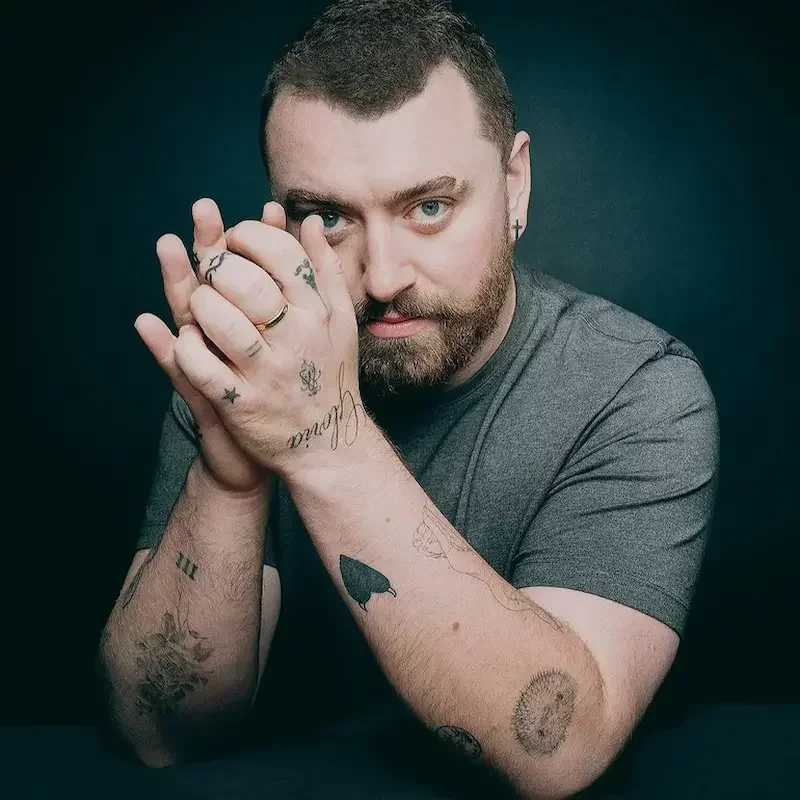
The move to Riga after the pandemic changed that identity substantially without breaking the continuity of the brand. The 2020 and 2021 editions could not take place, and when Positivus returned in 2022 it left Salacgrīva for Lucavsala, a large island in the Daugava River within Latvia's capital. The new setting brought the festival closer to hotels, public transport, restaurants and a far larger urban population. It also coincided with a noticeable shift in programming: hip hop, contemporary pop, R&B and electronic music gained greater importance alongside the older indie tradition. A$AP Rocky, Megan Thee Stallion, Metro Boomin, Sam Smith, Jason Derulo and Mura Masa represented a festival increasingly connected to current popular music and to a younger audience whose listening habits differed from those of its first decade.
Lucavsala nevertheless allowed Positivus to preserve an element of nature within its new metropolitan setting. The river, green areas and Riga skyline replaced the forests and coastline of Salacgrīva, while multiple stages, food zones, installations and late-night programming maintained the structure of a complete festival weekend. The 2025 edition, featuring Rag’n’Bone Man, Milky Chance, Mura Masa, Two Feet, Elderbrook, Apashe and a substantial Latvian contingent, illustrated that phase clearly: two days moving between pop, electronic music, hip hop, alternative sounds and domestic talent. Riga itself also became part of the experience. Instead of merely serving as the transport point before visitors travelled elsewhere, the capital could now be combined directly with the festival through its nightlife, hotels and wider cultural activity.
Another major adjustment arrived in 2026. The organisers announced a special one-day edition and moved Positivus from Lucavsala to Mežaparks Great Bandstand, one of Riga's largest open-air performance spaces. Calvin Harris became the centre of a programme completed by MK, Syn Cole and MAYA ROZITE, making the event overwhelmingly focused on house, dance and large-scale electronic production. The reduction to a single day was presented as an exception rather than a permanent abandonment of the traditional festival format, designed around the opportunity to stage one particularly ambitious international show. It demonstrated another side of Positivus's adaptability: after operating as a woodland-and-seaside festival and later as a multi-stage urban gathering, it could also concentrate its identity into one high-impact day.
That willingness to change without abandoning the name explains much of the festival's longevity. Positivus today is not identical to the event that began among the pine trees of Salacgrīva, yet it has never treated that original version as the only legitimate definition of itself. It has moved from indie and alternative rock towards pop, hip hop and electronic music; from a coastal town to the capital; from three days at its largest to two-day formats and, exceptionally, a single day. What remains is an ambition to bring artists to Latvia who would rarely appear together elsewhere in the region and to place them beside domestic talent within a summer event recognised by several generations of Baltic audiences. Positivus has therefore become less a fixed format than a musical institution capable of redefining itself as the city, audience and popular culture around it continue to change.
Genres
HIP HOP
INDIE
POP
Timeline
One artist per year — highest ranked in our archive
Those who appear most across this franchise's editions.
 #1
United Kingdom
1 editions · 2023
 #2
United States
1 editions · 2023
 #3
United Kingdom
1 editions · 2023
If you like Positivus Festival, these have a similar lineup.