

Ranking
#483

METAL - ROCK
Ranking
#483
Followers
138.6 K
1 editions to explore · future, live and past
 2023
Power Trip 2023
Numbers, home base and house quirks
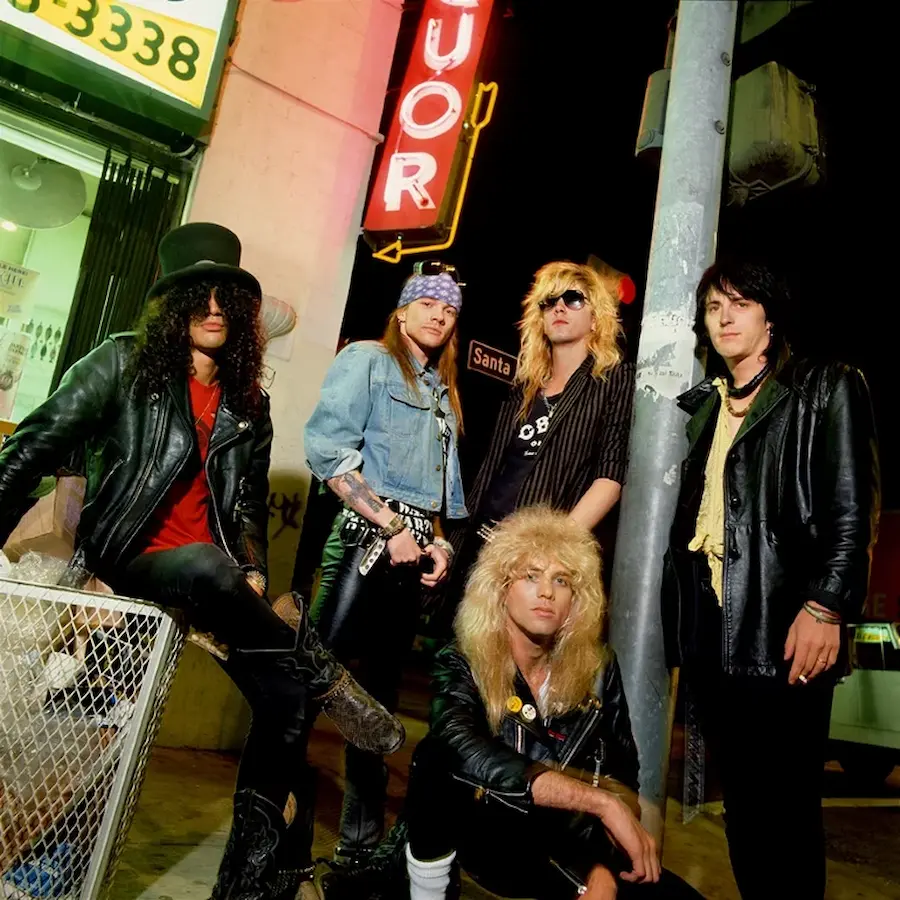
Power Trip pushed an unusual festival idea to its logical extreme: instead of assembling a hundred artists and forcing audiences to navigate overlapping stages, it brought together only a handful of the biggest bands in hard rock and heavy metal and gave each of them something close to a full headline concert. Across three October nights in 2023, Empire Polo Club temporarily abandoned the stylistic diversity associated with Coachella and concentrated almost entirely on heavy guitars, enormous amplification and six acts capable of filling arenas on their own. Iron Maiden and Guns N’ Roses occupied Friday, Judas Priest and AC/DC Saturday, and Tool and Metallica closed Sunday. Rather than encouraging discovery through constant choice, Power Trip built its identity around a shared sequence everyone experienced together.
Goldenvoice had explored a related concept with Desert Trip in 2016, when The Rolling Stones, Paul McCartney, Bob Dylan, Neil Young, Roger Waters and The Who appeared on the same Indio grounds. Power Trip translated that model into metal and hard rock. Empire Polo Club was particularly suited to it because decades of Coachella and Stagecoach infrastructure could support camping, hospitality, transport, reserved seating and an audience of extraordinary size. The atmosphere, however, was fundamentally different from those annual festivals. Power Trip did not try to create a sprawling musical city where audiences wandered through dozens of discoveries; it amplified the feeling of attending three consecutive stadium-scale double bills within the same desert environment.
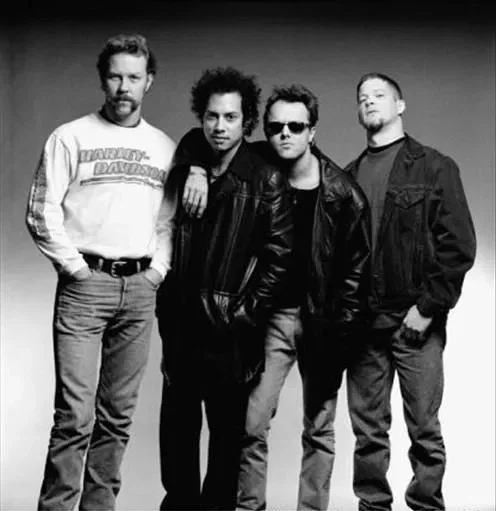
The line-up effectively traced several generations of heavy music. Iron Maiden and Judas Priest represented foundational British heavy metal; AC/DC brought the stripped-down riff power and spectacle of classic hard rock; Guns N’ Roses carried the huge Los Angeles stadium-rock tradition; Metallica demonstrated how thrash metal could expand into a global institution; and Tool supplied a darker, progressive and more contemporary interpretation of heavy rock. The booking strategy was not designed to represent every subgenre or satisfy a conventional festival hierarchy. Instead, it relied on the historical weight of each band being substantial enough to anchor an entire night. Concentration rather than breadth was the central curatorial decision.
The weekend gained additional significance through AC/DC's return to a major stage and through the late change created by Ozzy Osbourne's withdrawal. Osbourne had originally been scheduled to appear with AC/DC on Saturday, but announced that he was not physically ready to perform a complete show. Judas Priest stepped into the slot, making an already historically weighted programme even more firmly connected to classic heavy metal. The change did not alter the larger concept. Every act retained enough performance time and production capacity to treat its appearance as a major individual concert rather than a compressed festival set positioned between dozens of other bands.
The audience experience was similarly designed around destination-scale commitment. Camping, hotel packages, shuttles, reserved floor seats, standing pit areas and general admission allowed visitors to approach the weekend either as a festival or as three premium stadium concerts held back to back. The desert itself became an important part of the visual language: hot afternoons, open autumn nights and a horizon impossible to reproduce inside an arena. Once Metallica, AC/DC, Iron Maiden or Tool activated their full productions after sunset, Empire Polo Club felt less like a traditional festival park and more like an enormous temporary stadium carved into the Coachella Valley.
Power Trip did not become an annual series. Goldenvoice later returned to the broader concept of large themed gatherings at Empire Polo Club with the separate electronic event Head Trip in 2026, but no second Power Trip edition followed. That one-off status ultimately reinforces the significance of the original weekend. Six bands, three nights and an unusually concentrated collection of rock history existed together at a moment that would be difficult to reconstruct in exactly the same way again. Rather than launching a permanent metal-festival franchise, Power Trip became a massive snapshot of several generations of heavy music sharing one desert stage, celebrating not musical abundance but the extraordinary scale a small number of legendary bands had accumulated across decades.
Genres
METAL
ROCK
Timeline
One artist per year — highest ranked in our archive
Those who appear most across this franchise's editions.
If you like Power Trip, these have a similar lineup.