Ranking
#81

METAL - POP - ROCK
Ranking
#81
Followers
1.2 M
When
04–JUN 06, 2027
Featured artists
Lineup coming — we'll publish it as soon as it's confirmed.
Time left
25 editions to explore · future, live and past
 2027
2027Rock am Ring 2027
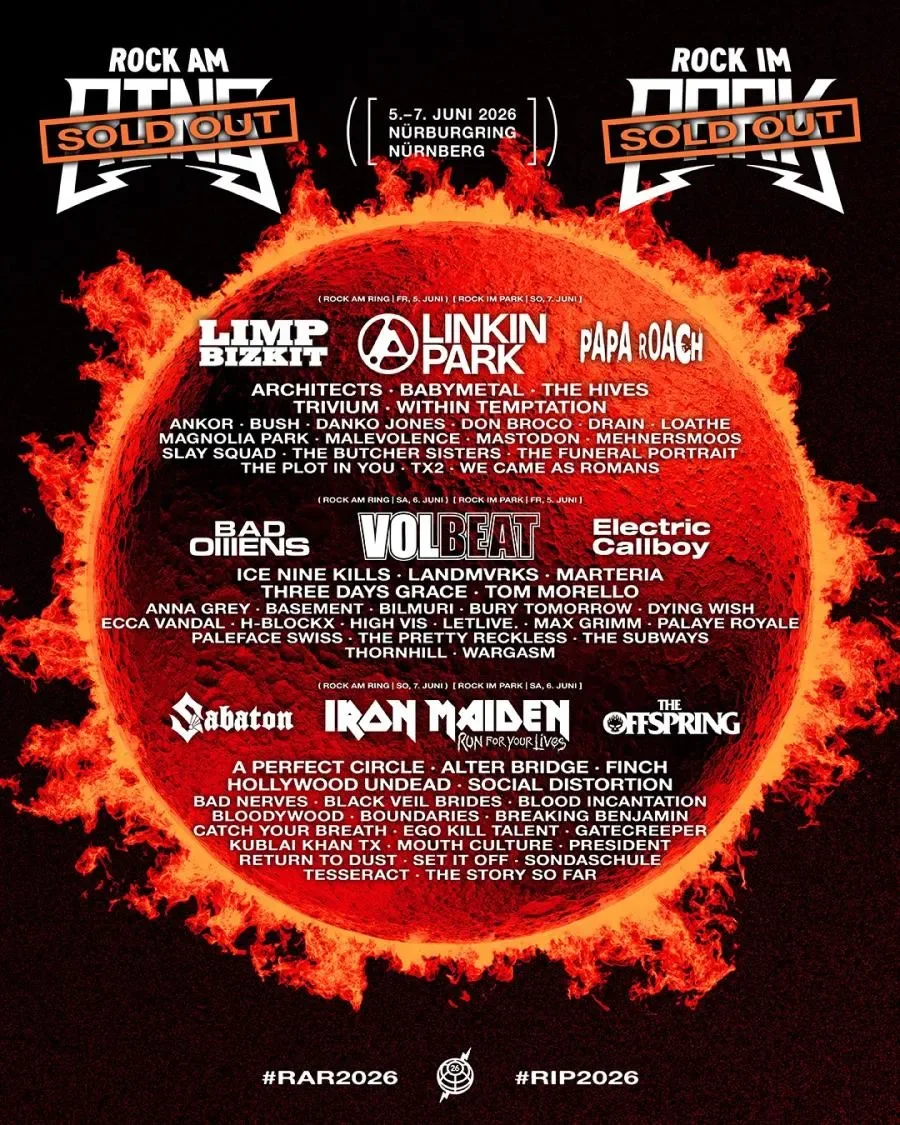 2026
2026Rock am Ring 2026
Numbers, home base and house quirks
Rock am Ring is not just a rock festival. It is an annual pact between thousands of people, a legendary racetrack and the idea that loud music often feels better when not everything is perfectly controlled. It began in 1985 at the Nürburgring, the famous motorsport circuit in Nürburg, in Germany’s Eifel region, and from its first edition it was clear that this would not be an ordinary concert. U2, Joe Cocker, Foreigner and other major names were part of that original event, which was first imagined as a large-scale celebration connected to the racetrack. Its success turned what could have been a one-off into a tradition.
The location is essential. Rock am Ring does not take place in a pretty urban park or a venue designed to look polished in every photo. It happens at a place associated with speed, engines, asphalt, curves, paddocks and motorsport mythology. That collision between racetrack and rock festival gives it a character of its own. It is not only about placing stages near the Nürburgring. It is about turning a symbol of racing culture into a temporary city of guitars, tents, muddy boots, reusable cups, black hoodies, shouting crowds and songs that seem built to be heard by tens of thousands at once.
Musically, Rock am Ring has rock as its backbone, but it has never survived by staying inside one narrow definition. Across its stages, the festival has embraced classic rock, hard rock, metal, punk, alternative, nu metal, pop punk, metalcore, indie rock, rap rock and newer hybrid sounds that speak to younger generations. That flexibility is part of why it still matters. The festival can look back without getting trapped in nostalgia. It can bring historic bands together with artists of the present, letting older fans who grew up with stadium anthems share the field with younger crowds chasing heavier, sharper or more modern sounds.
The real experience of Rock am Ring begins long before the first set. It starts with the road, the overloaded car, the camping plan, the weather forecast that nobody fully trusts, the entrance queue, the search for the right place to pitch a tent and the feeling that, for a few days, life will be reduced to stages, food, friends, set times, phone battery and physical endurance. Camping is not an extra detail here. It is central to the culture of the festival. It is where people eat strange breakfasts, sleep too little, sing badly, meet temporary neighbors and discover that the party does not end when the main stage goes quiet.
Rock am Ring is also shaped by its intense relationship with German weather. There can be sun, rain, wind, cold, heat, mud, or all of them in the same weekend. That can be uncomfortable, but it also creates the stories people keep telling years later. Some festivals are remembered for comfort. Rock am Ring is often remembered for surviving it together. The soaked jacket during a perfect set. The ruined shoes. The stranger who helps hold a tent down. The moment everyone sings through grey skies as if bad weather were simply another instrument in the band.
One of its defining features is its connection to Rock im Park, its sister festival in Nuremberg. The two events share much of the same lineup and take place in parallel, almost like two ends of the same electrical charge across Germany: one in the Eifel, tied to the Nürburgring and massive camping culture; the other in Nürnberg, with its own urban identity. That structure gives the brand a national scale, but Rock am Ring keeps a particular mythology because of where it happens. The “Ring” is not just a word in the name. It is the physical and emotional center of the festival.
The crowd is broad, but it shares a certain willingness to give in completely. There are metalheads, punks, fans of historic bands, teenagers in shirts for newer acts, groups who have camped together for years, international visitors, road-trip crews and people who may not know the whole lineup but know the atmosphere is worth the journey. Schedule conflicts are inevitable. There will always be a huge band playing at the same time as a new act you wanted to discover. Someone in your group will always want another stage. There will always be one decision made too late and one song heard from far away with a little regret.
Rock am Ring has changed, moved, paused and returned, but its force remains clear: it turns a racetrack into a community of noise, memory and collective energy. It is a festival for people who understand that rock is not only listened to. It is shouted, walked through, camped around, dirtied, shared and defended, even when it rains.
Genres
METAL
POP
ROCK
Timeline
One artist per year — highest ranked in our archive
Those who appear most across this franchise's editions.
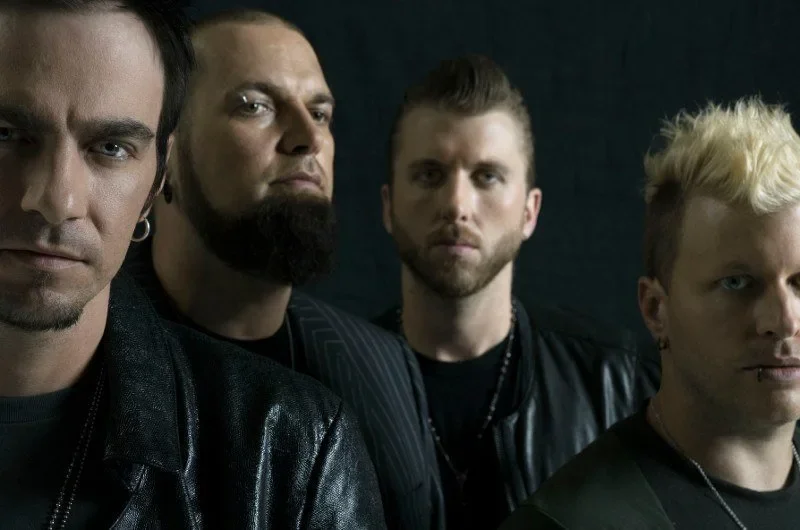 #1
#1Canada
2 editions · 2023–2026
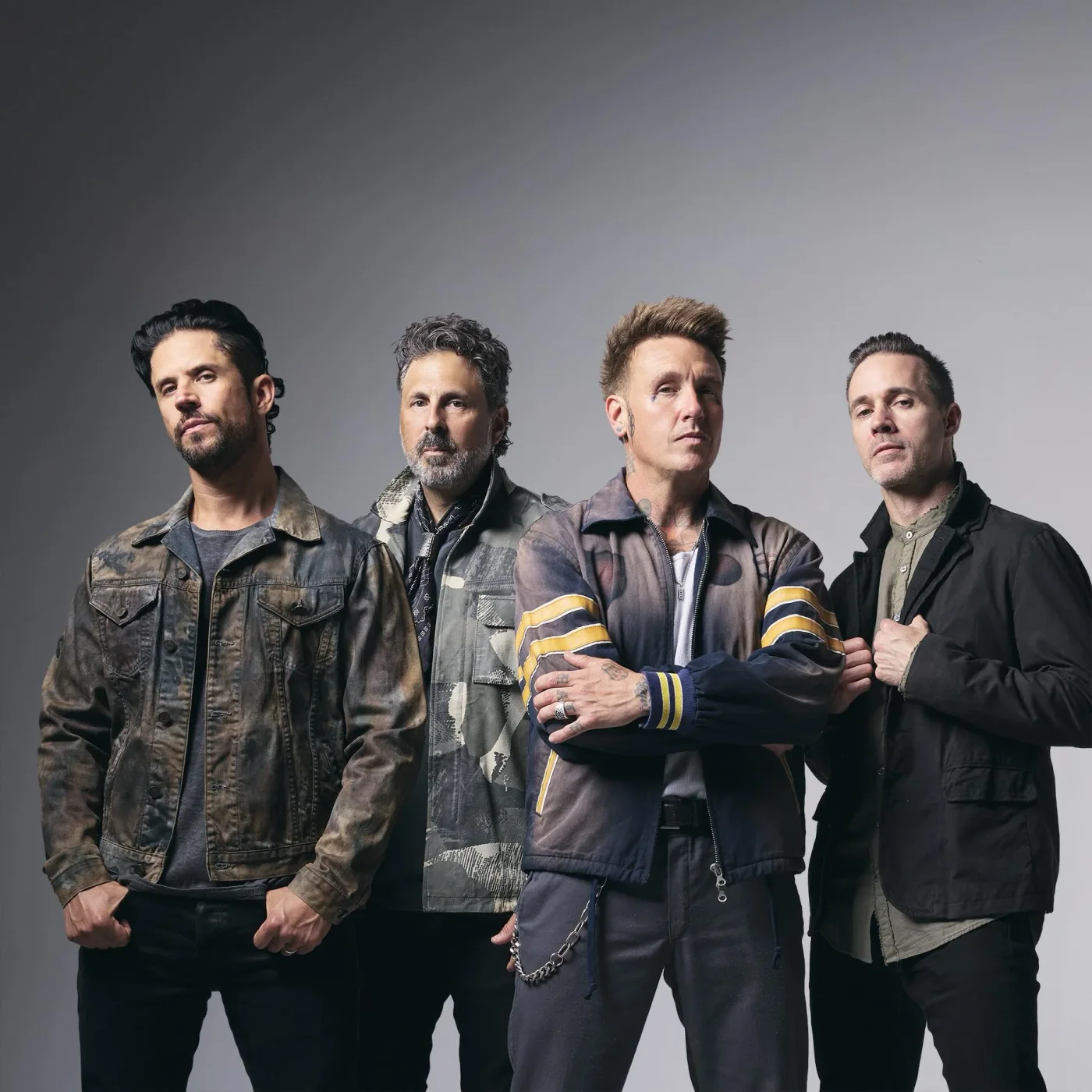 #2
#2United States
2 editions · 2023–2026
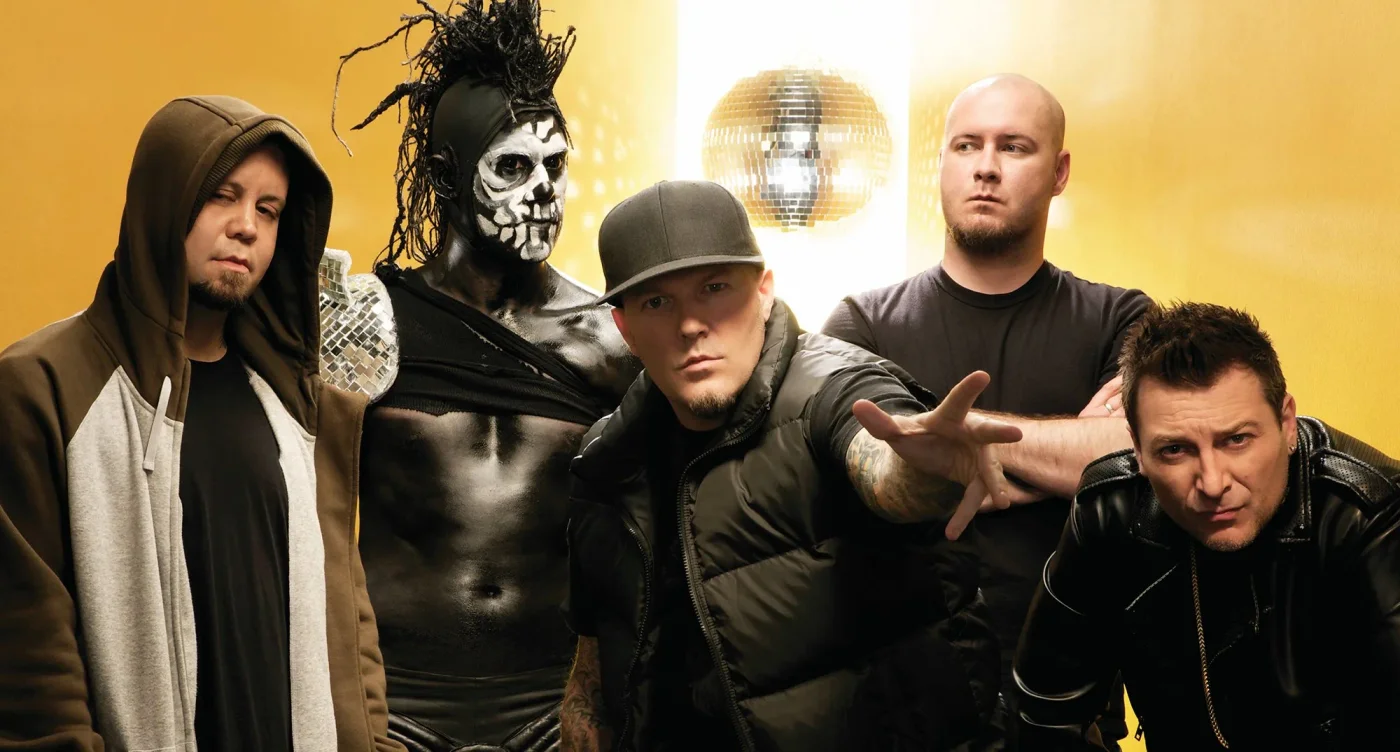 #3
#3United States
2 editions · 2023–2026