Classement
#84

Classement
#84
Abonnés
85.5 M
Présence digitale
Profils officiels, streaming et découverte.
Ce qu'un bon fan récite par cœur (ou prétend connaître).
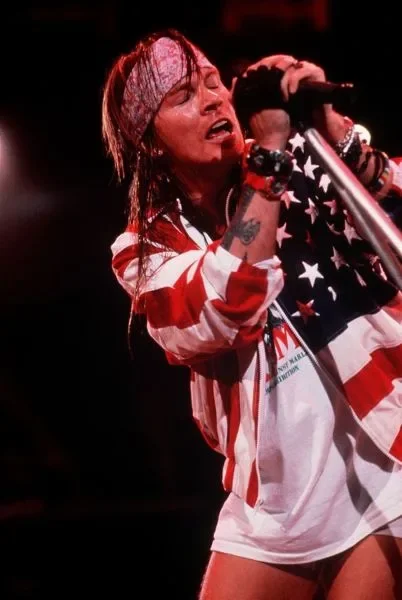
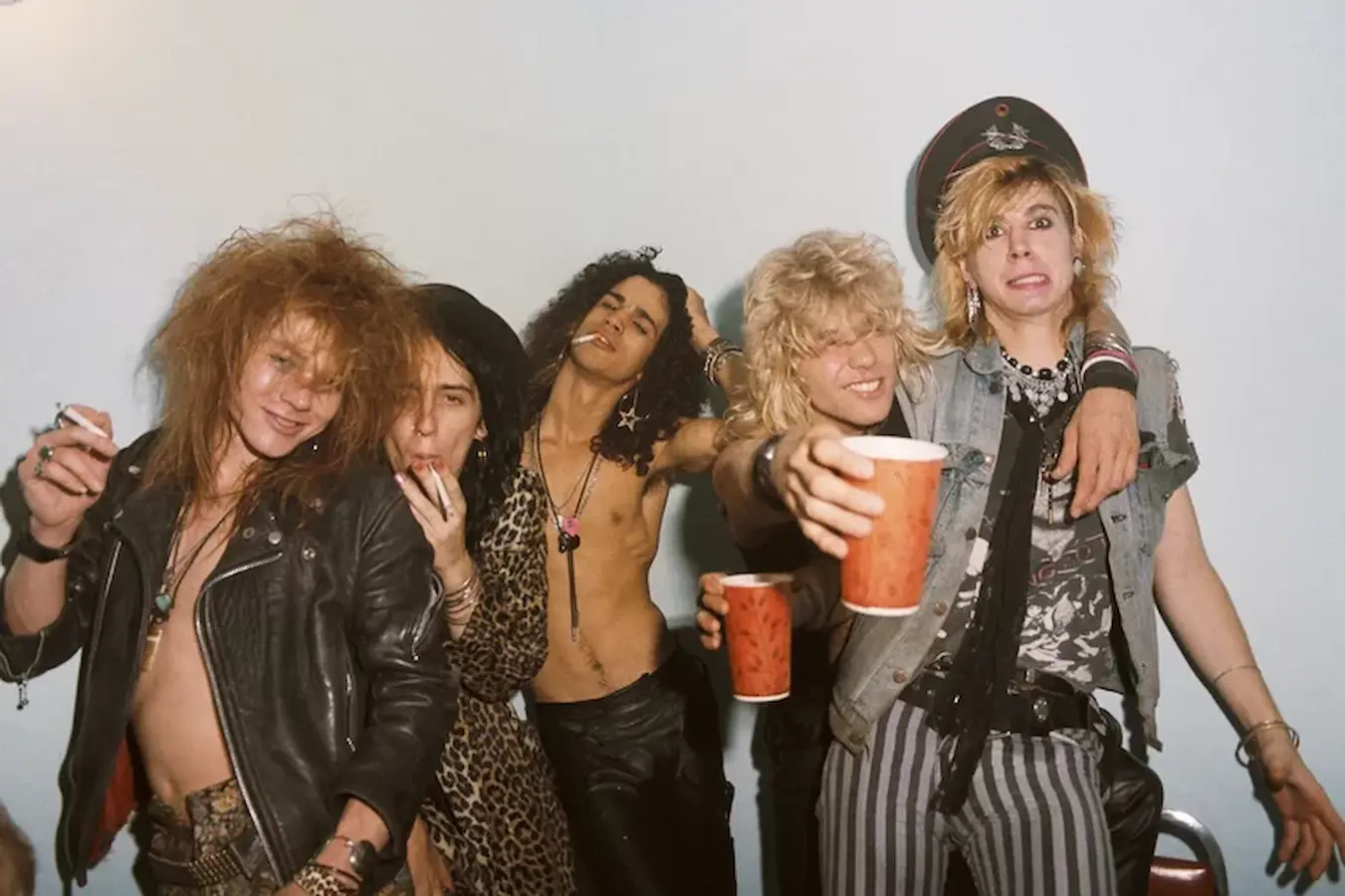
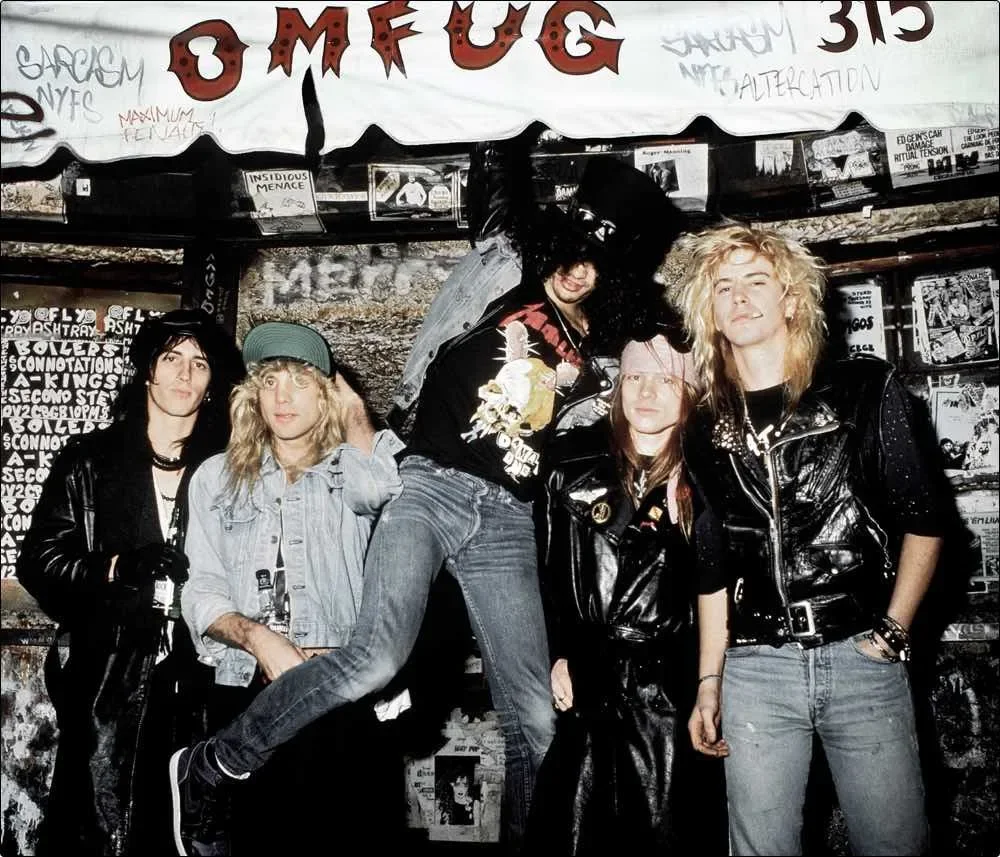
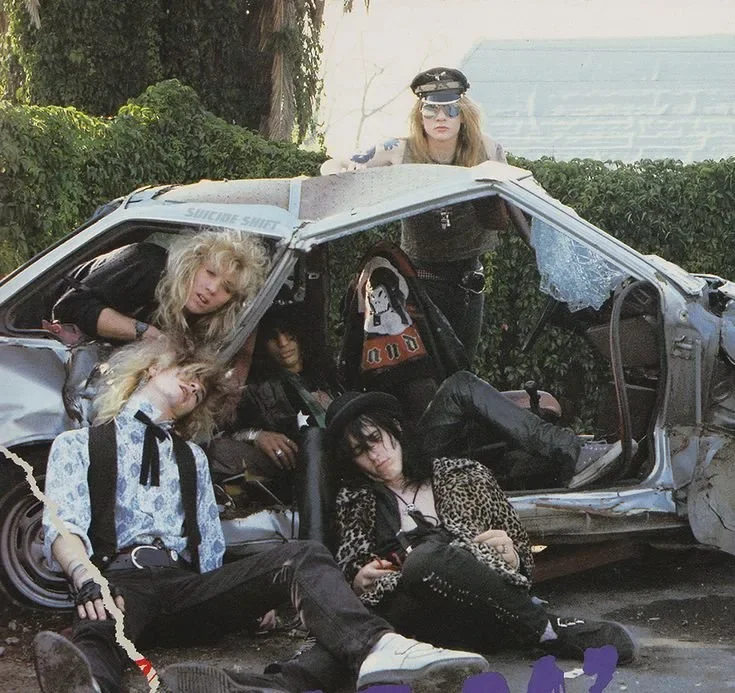
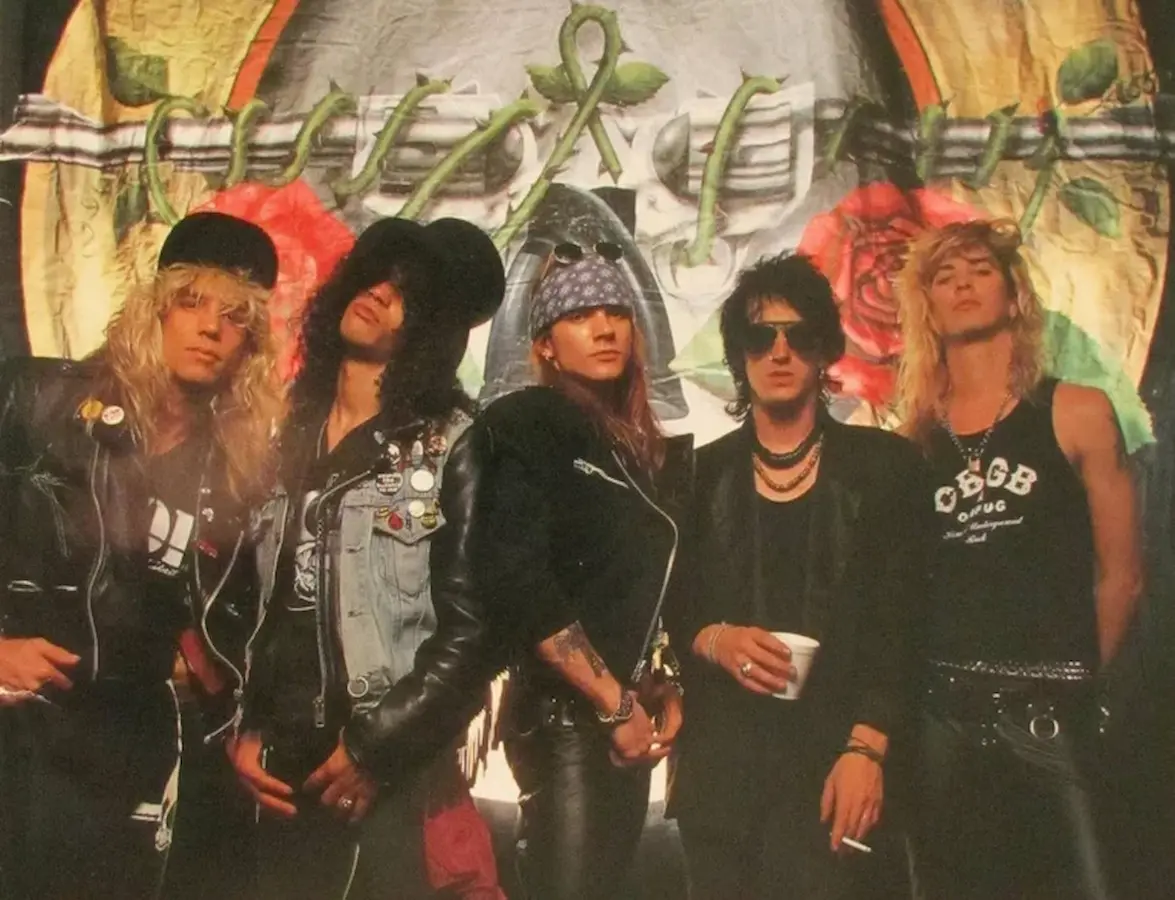
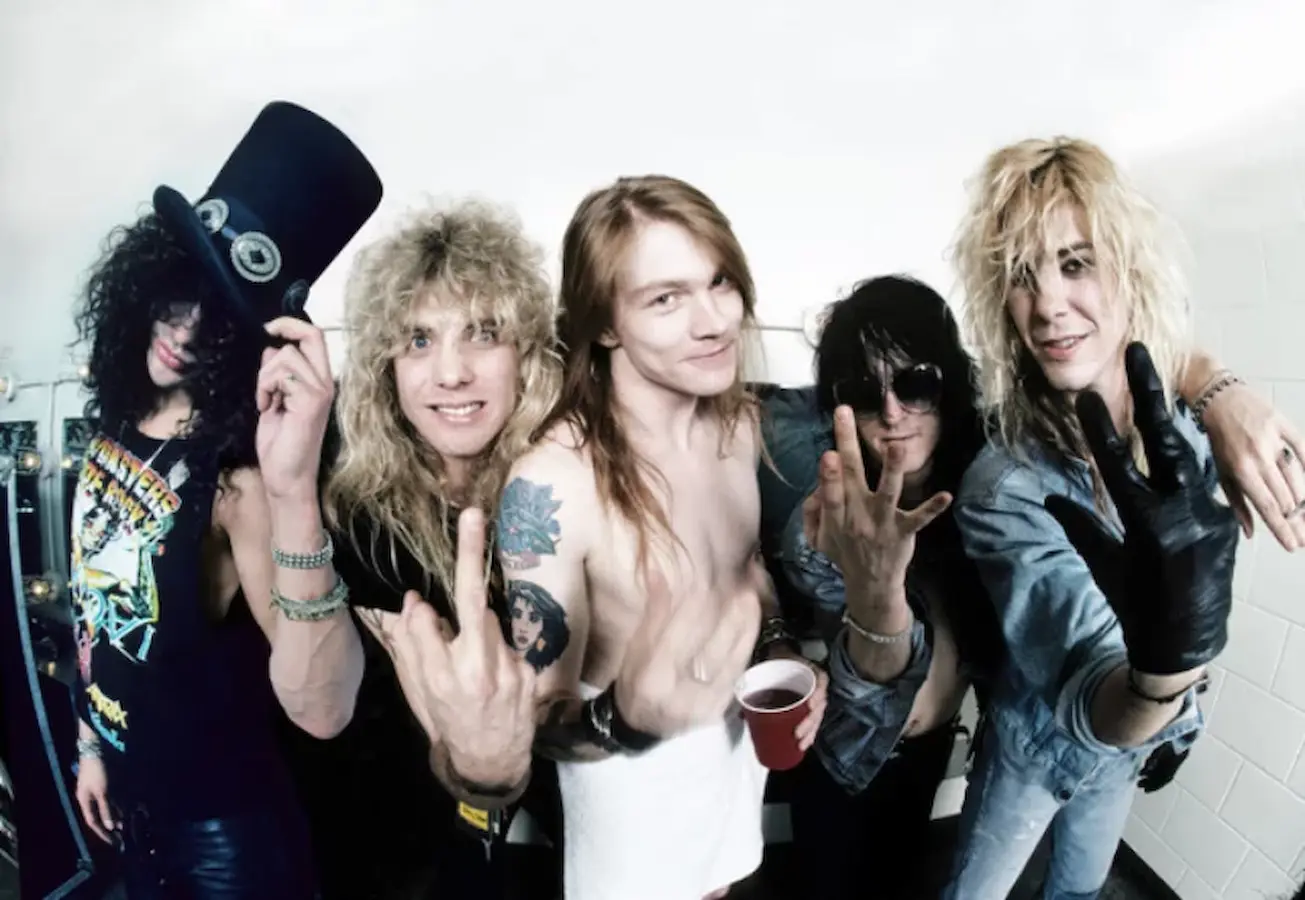
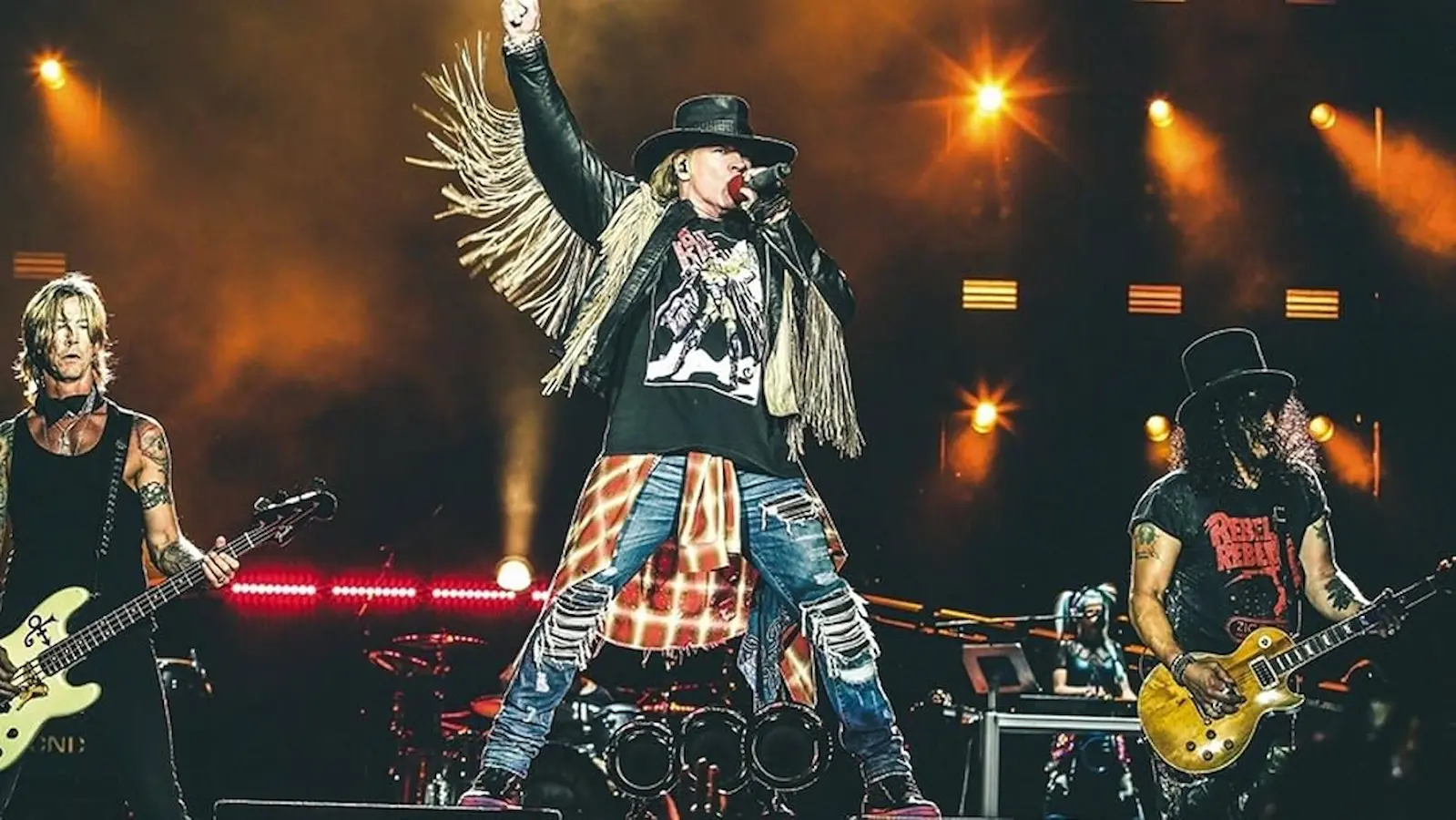
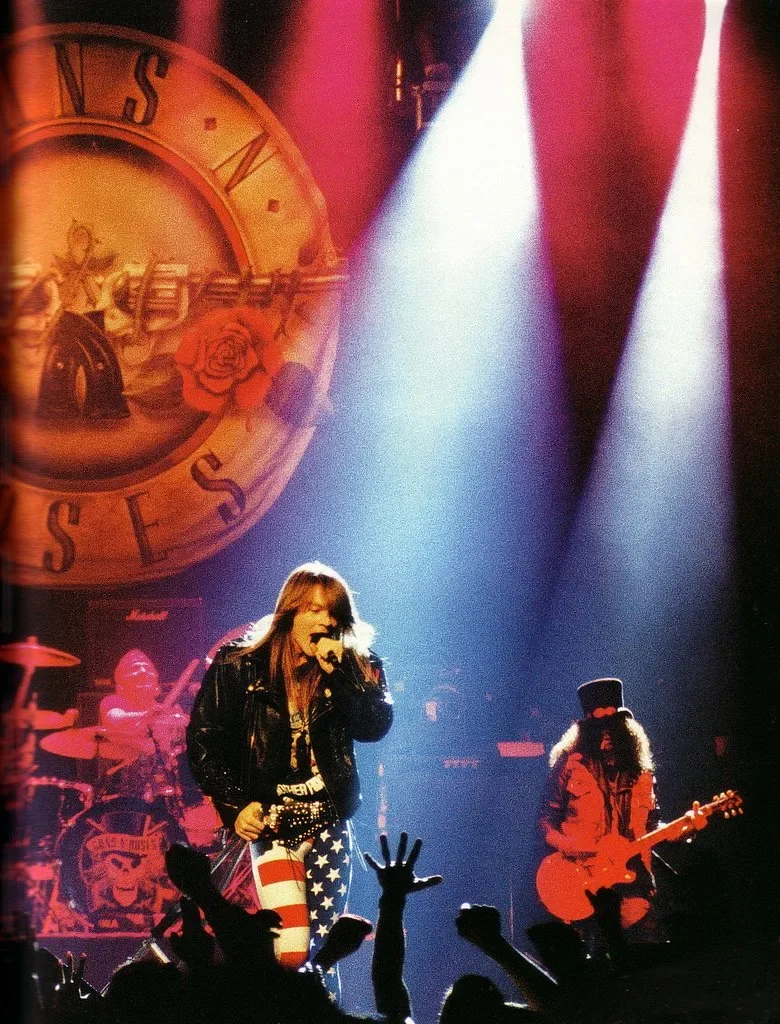
Guns N’ Roses arrived at a moment when rock needed to smell like the street again: sweat, danger, hunger, and real life. In the middle of a Los Angeles scene crowded with manufactured glamour, huge hair, and increasingly polished poses, the band sounded dirtier, more unpredictable, and harder to domesticate. They did not feel like a product designed to please. They sounded like five people surviving on the edge of everything, with sharp guitars, an incendiary voice, stories of excess, and a mixture of rage, appetite, and wounded romance that gave hard rock a real sense of threat again.
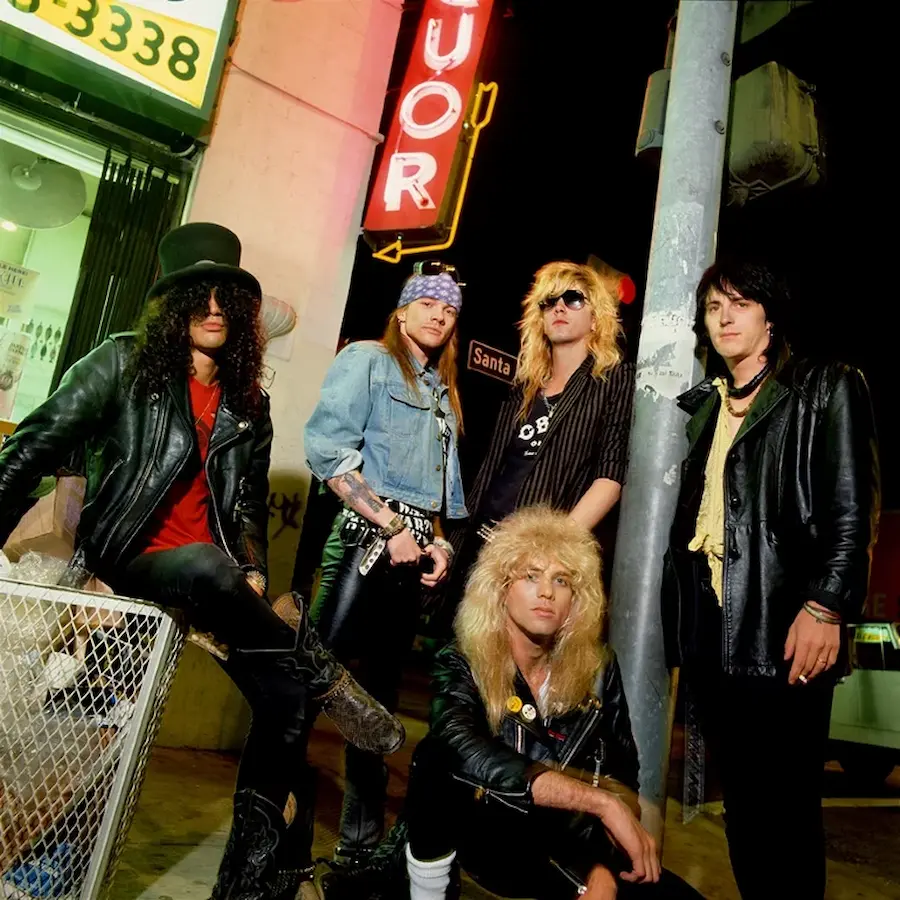
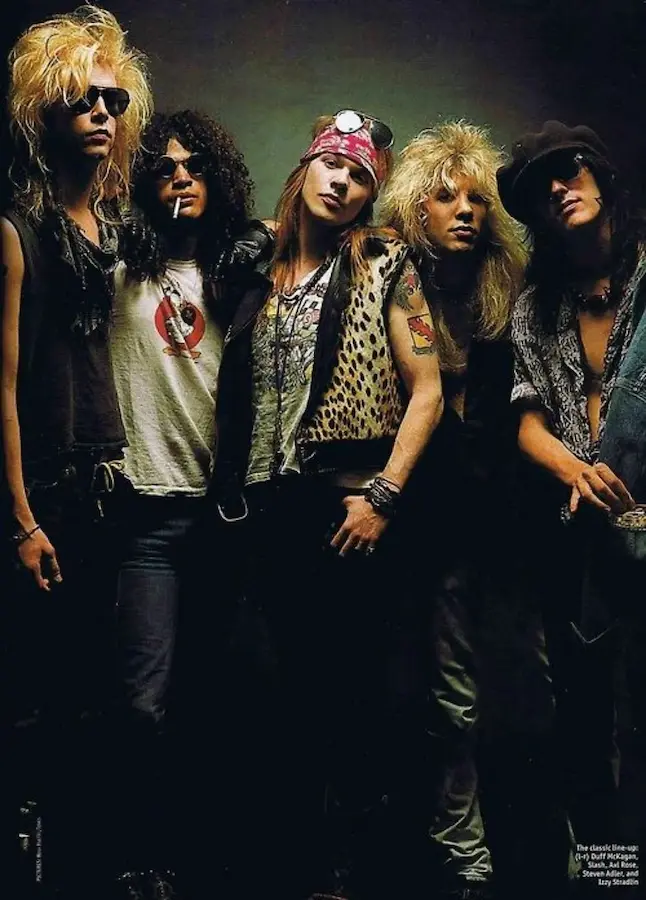
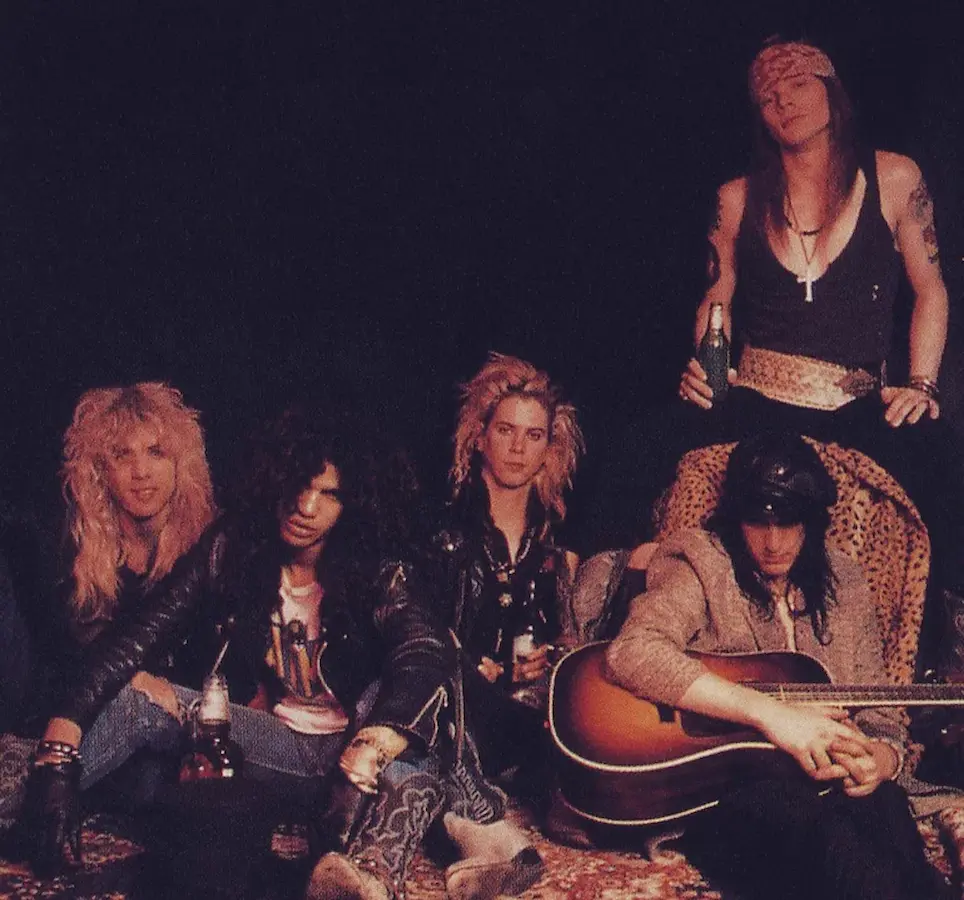
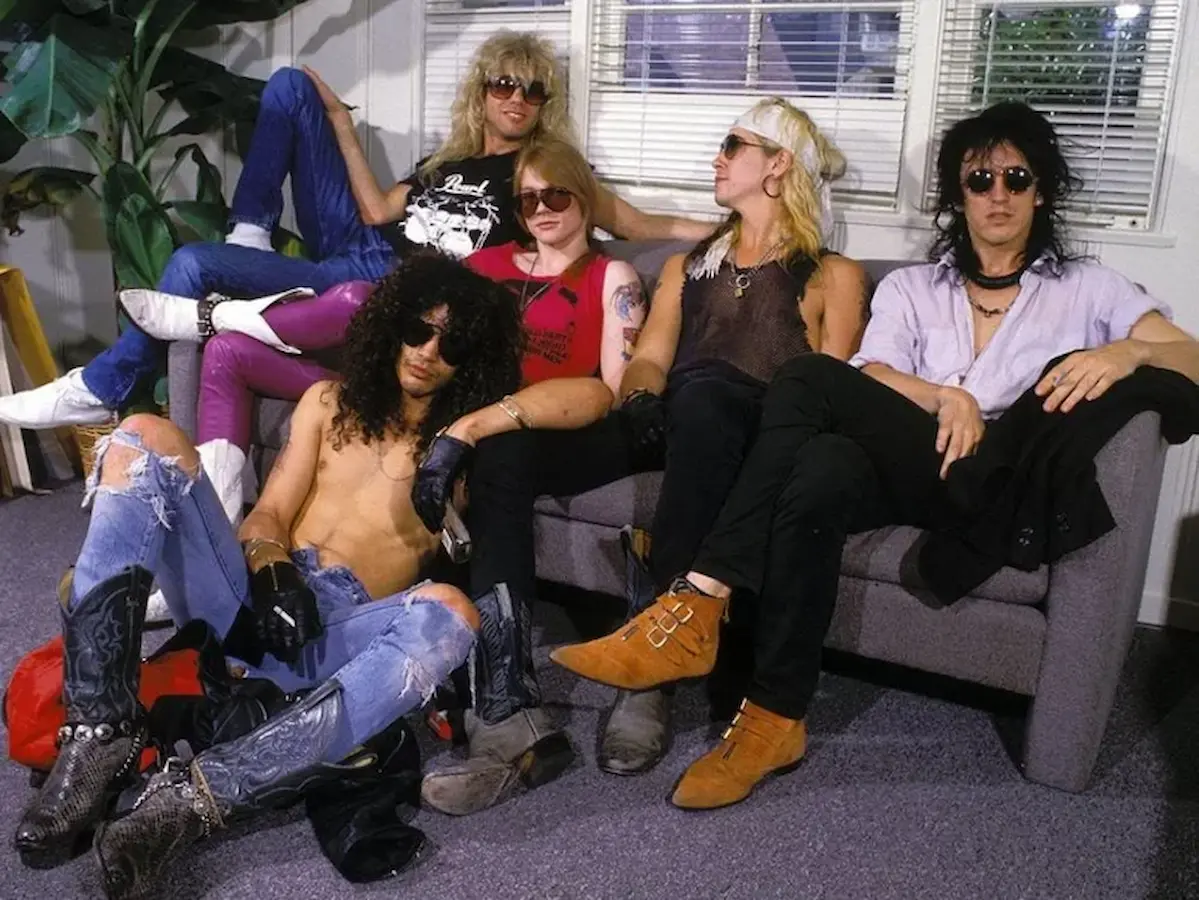
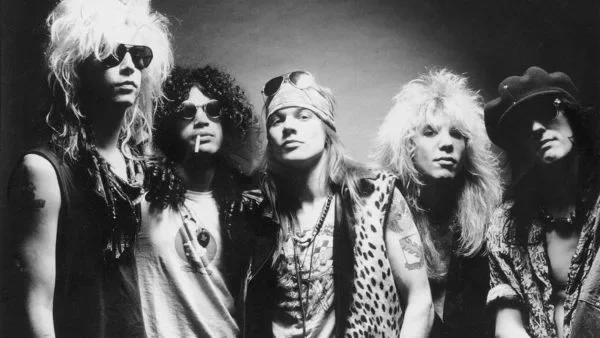
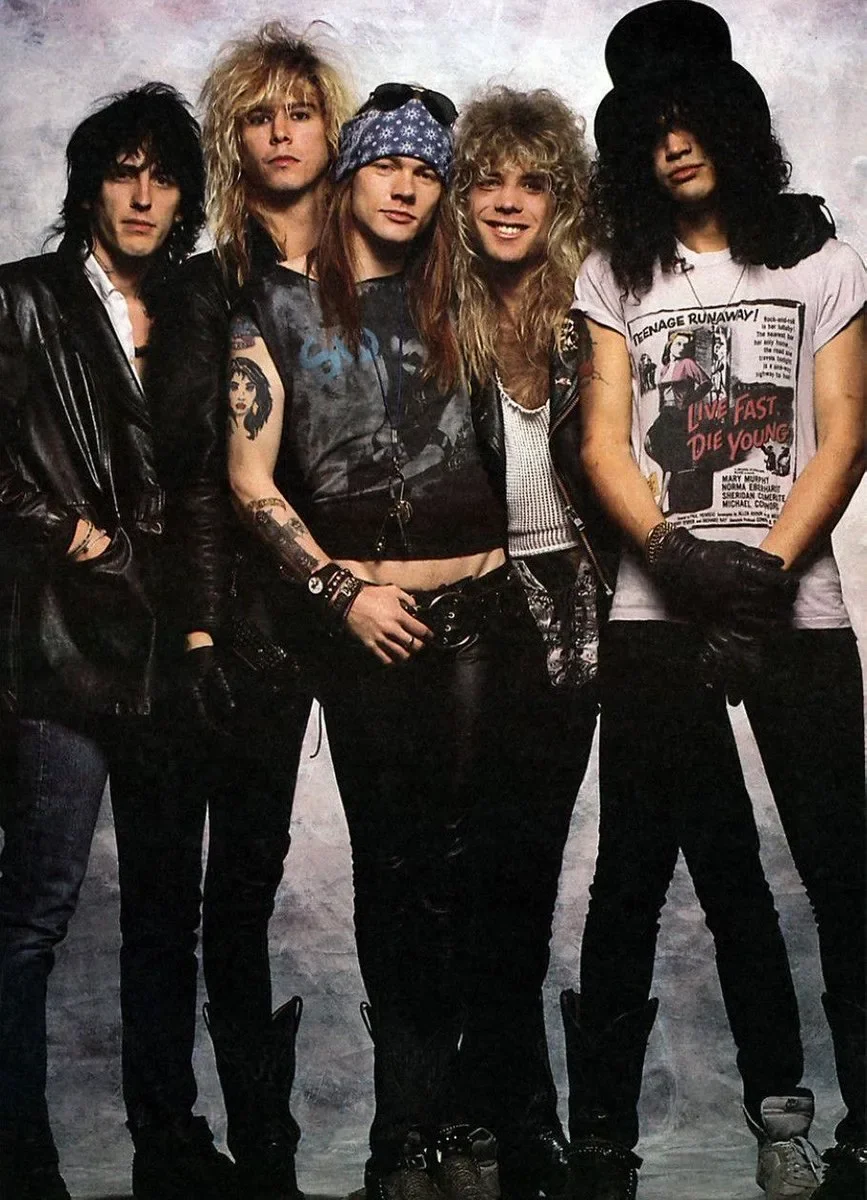
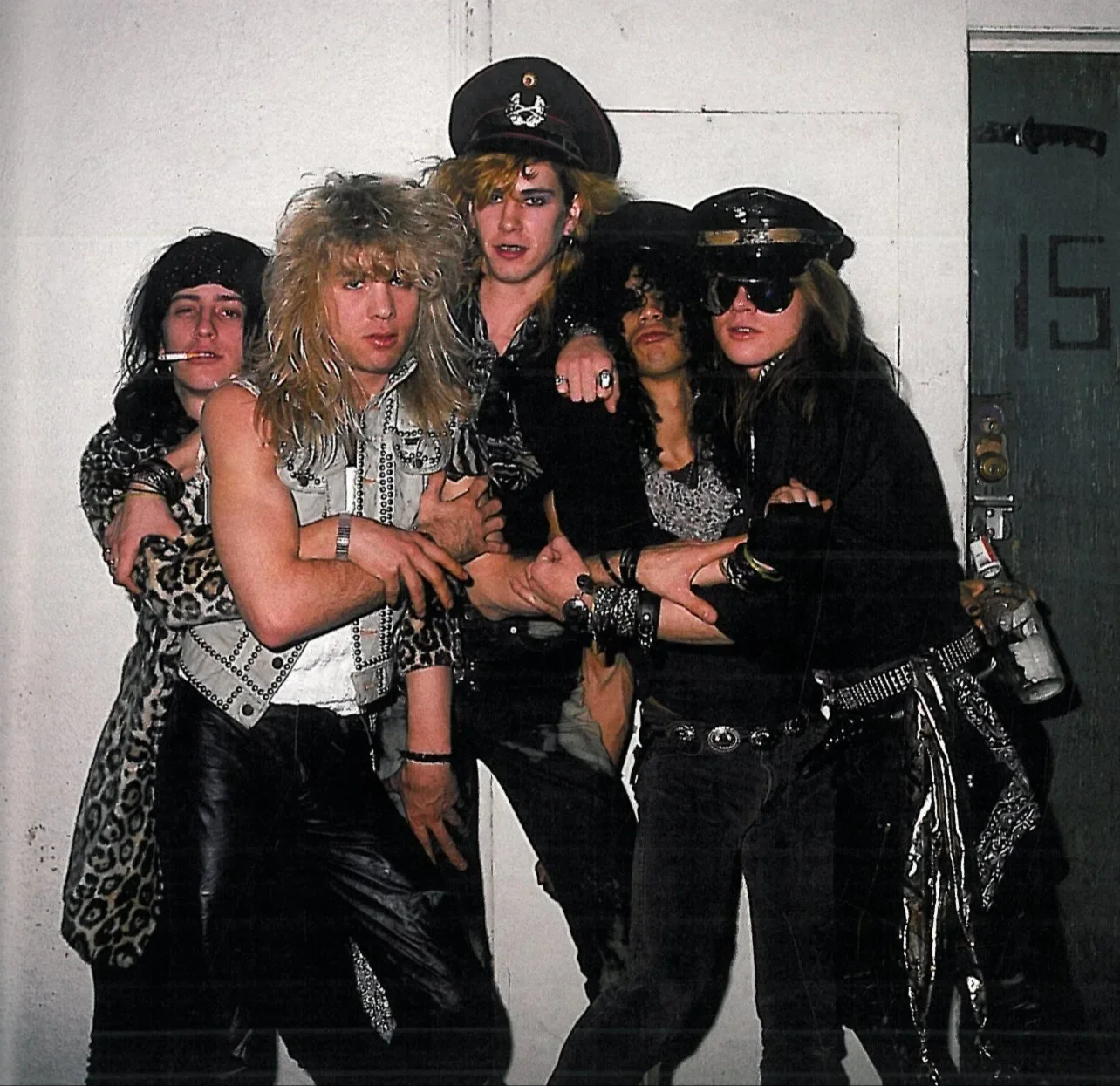
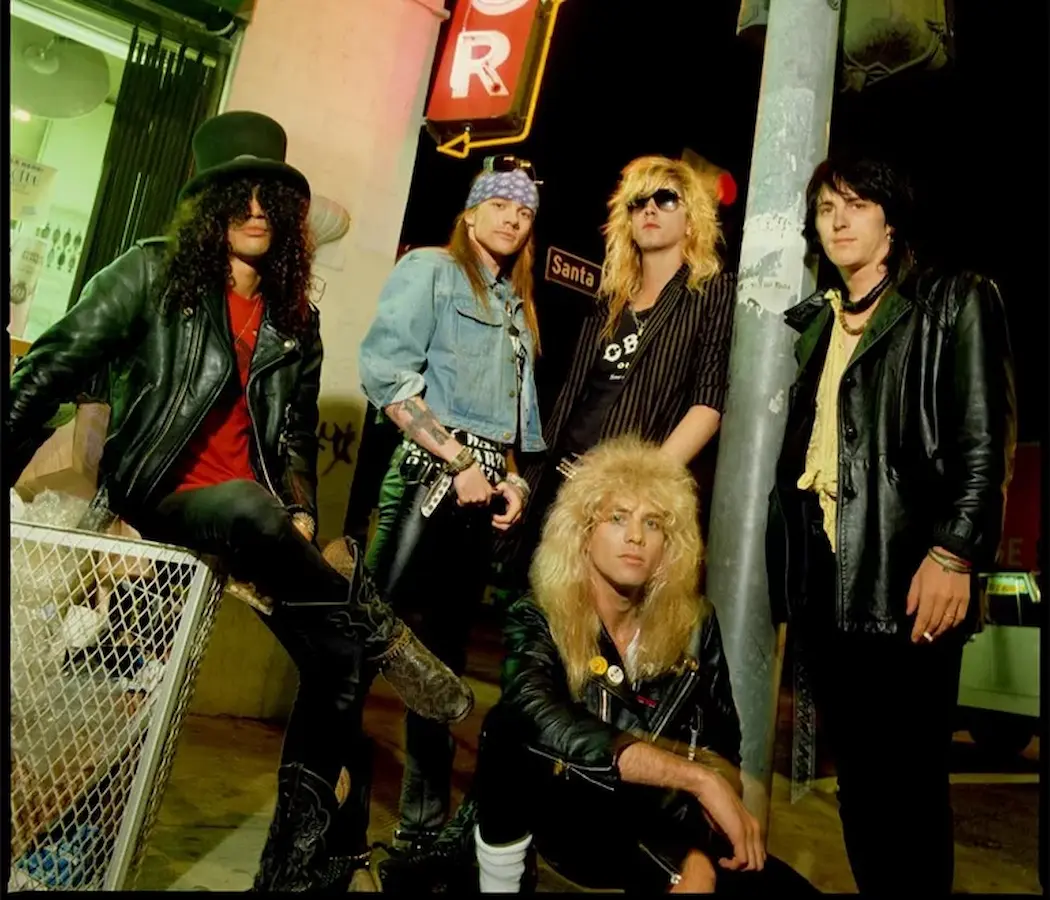
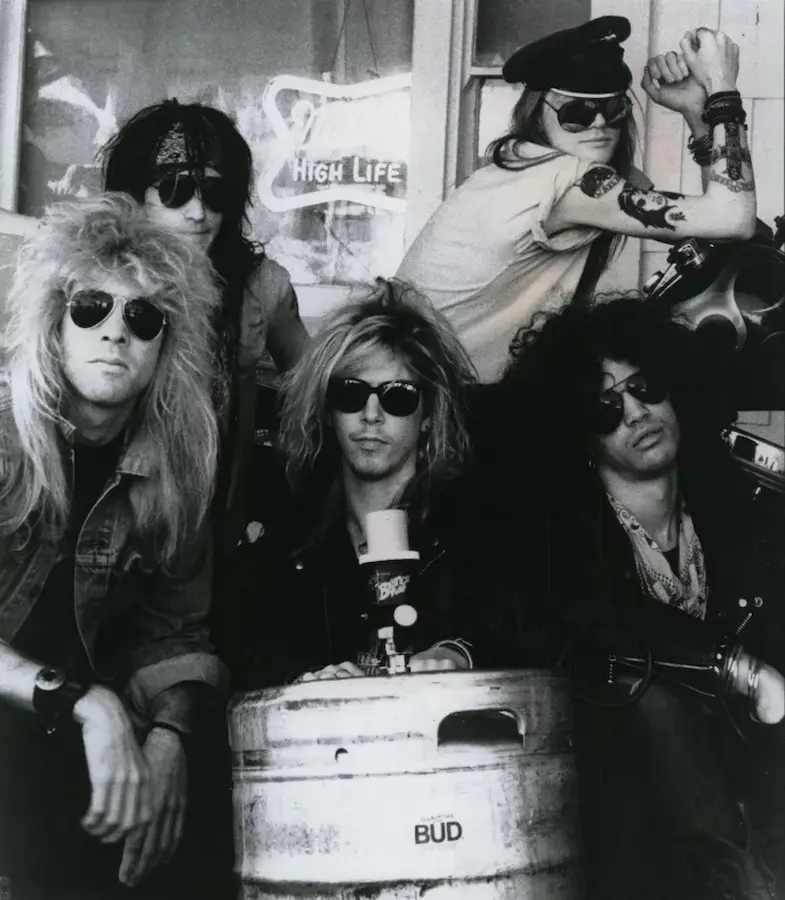
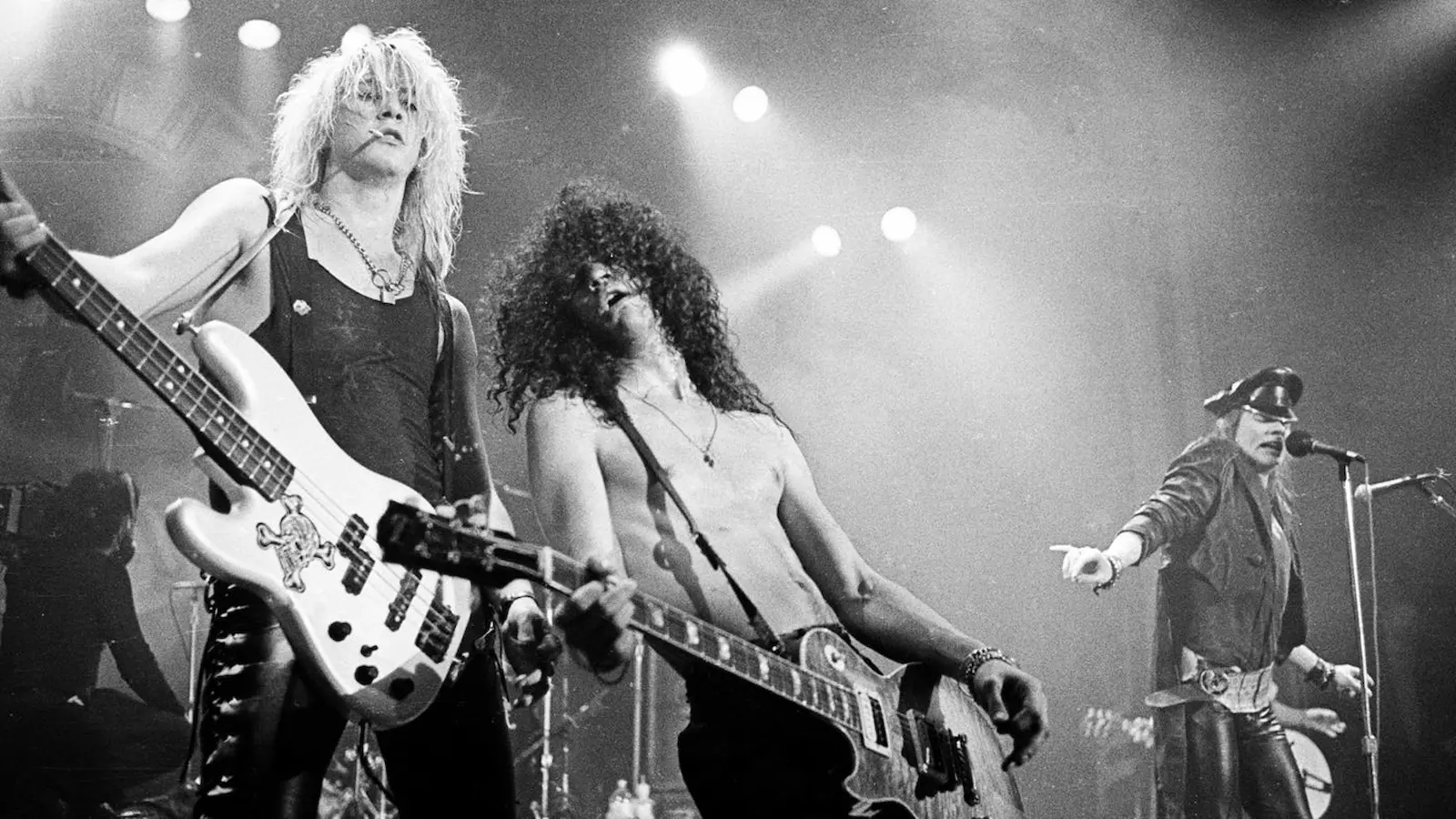
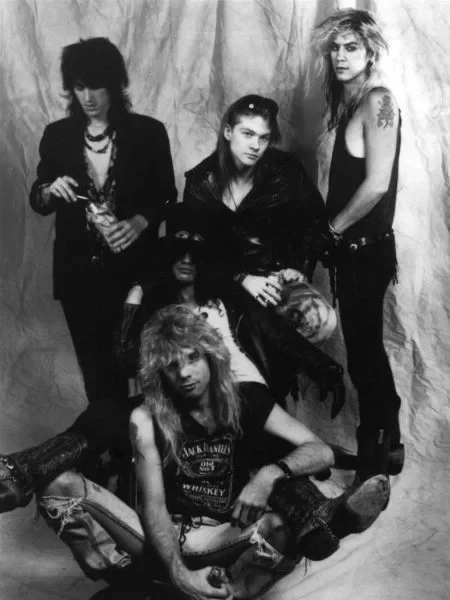
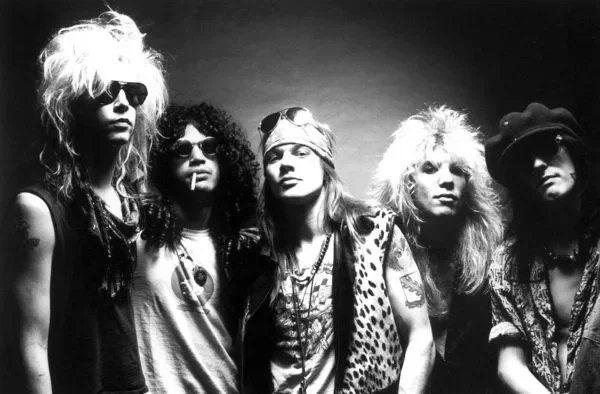
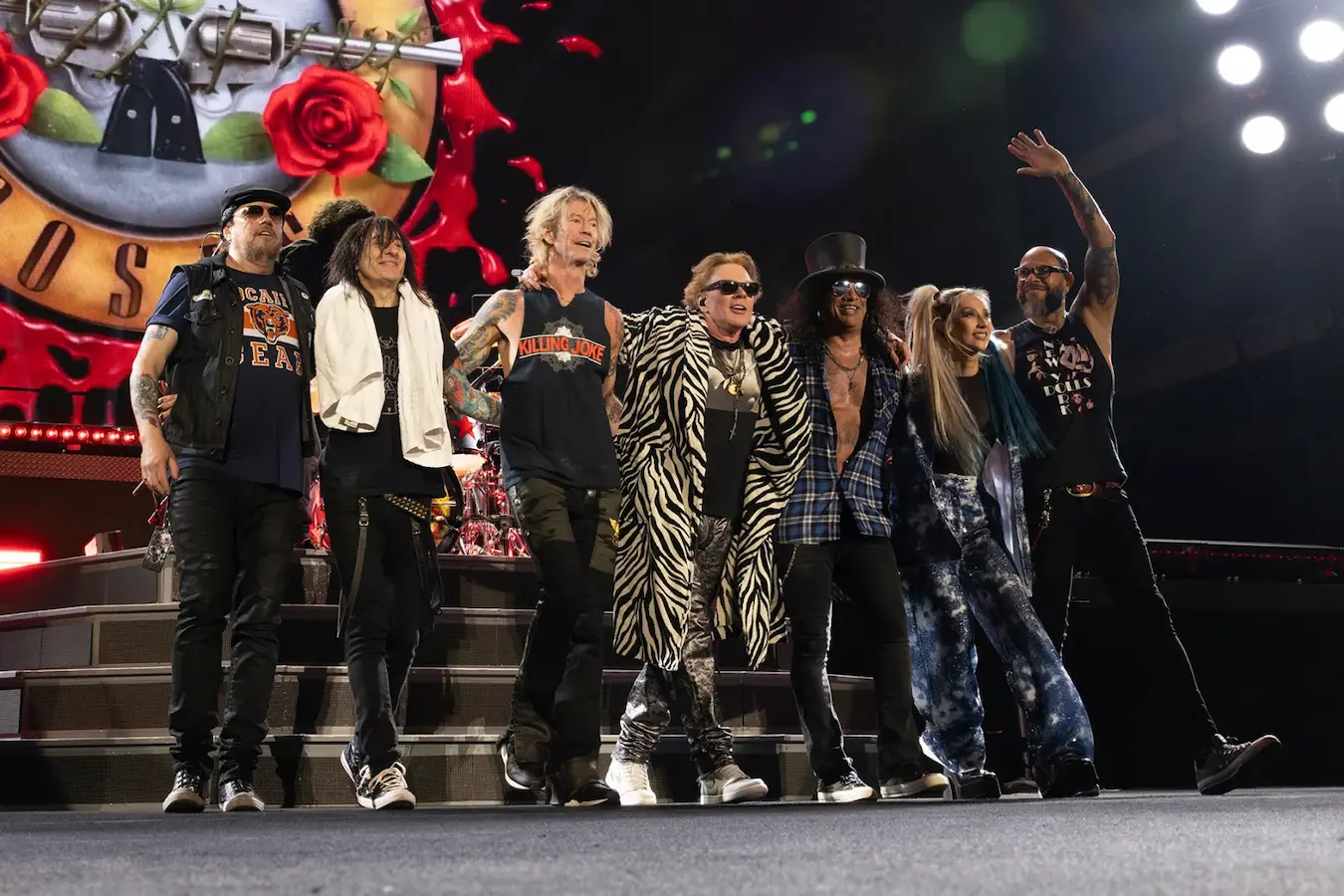
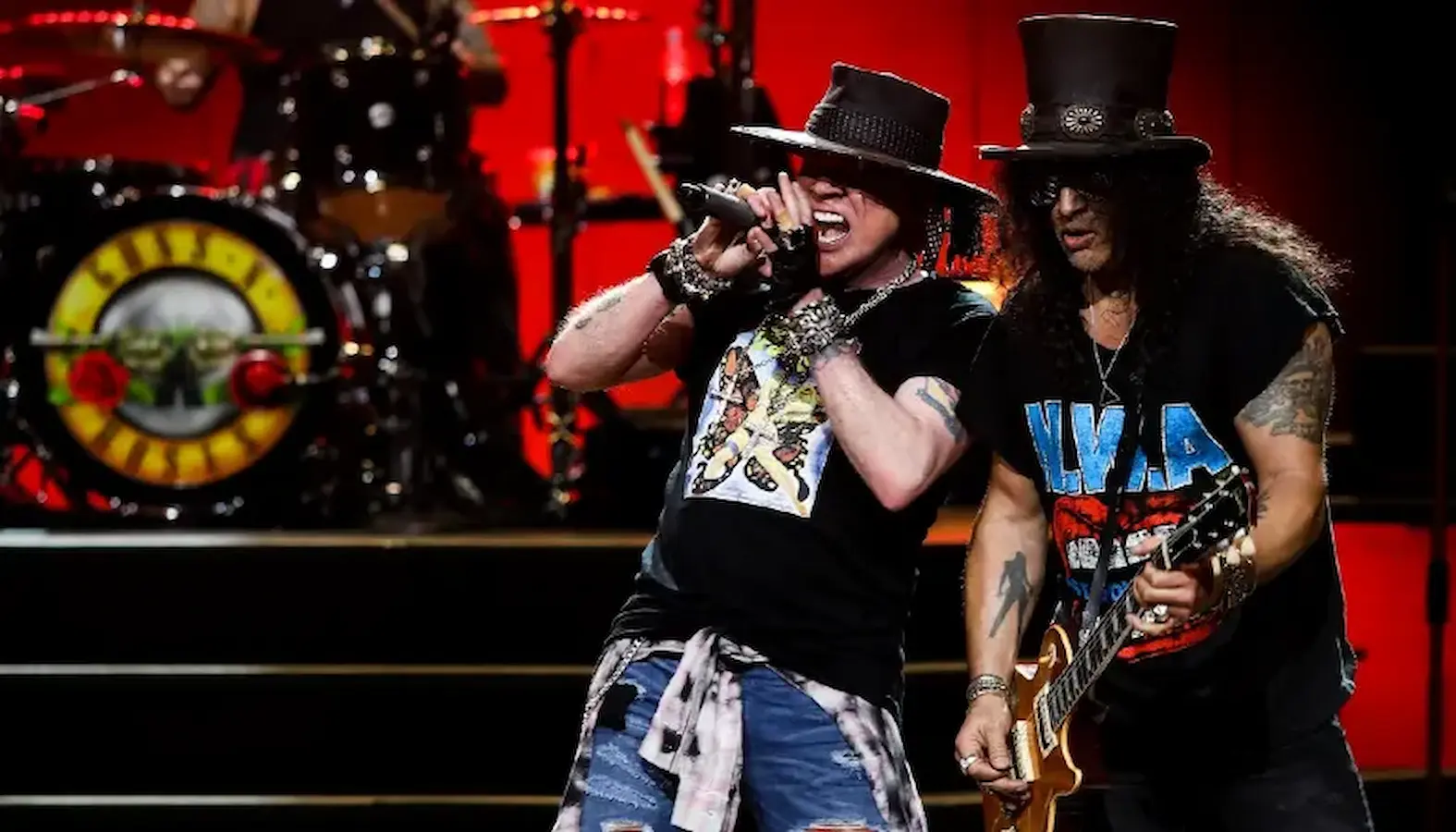
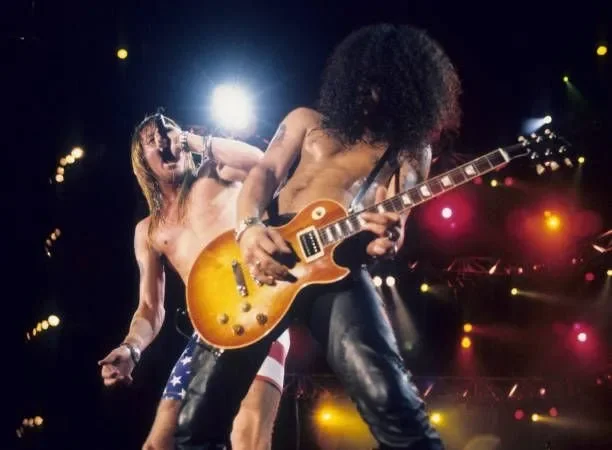
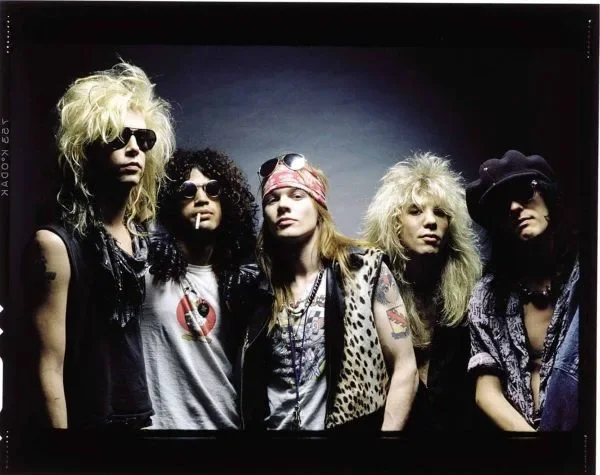
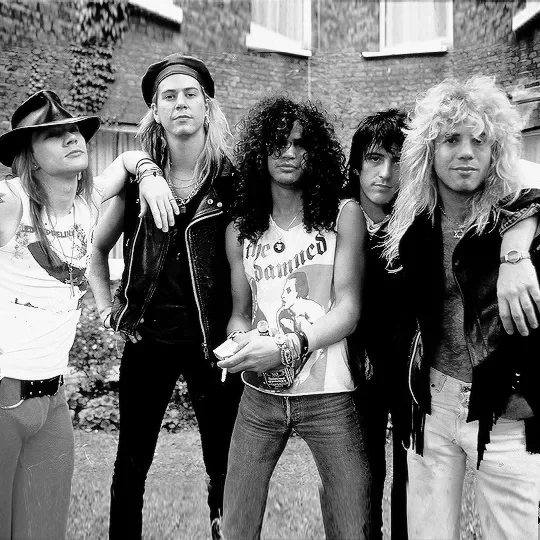
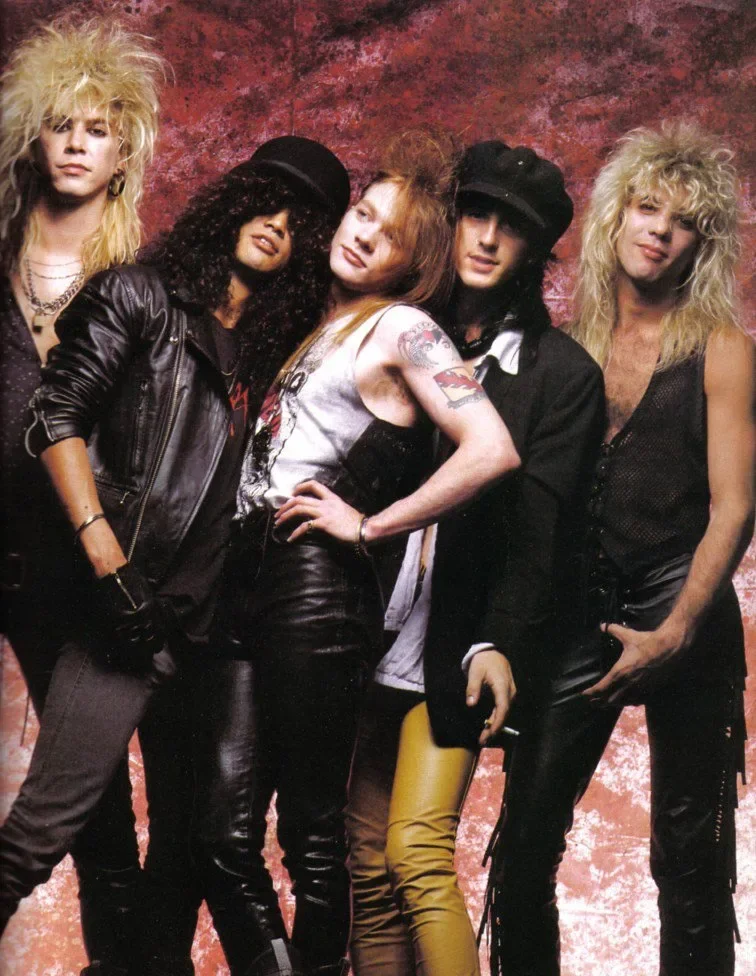
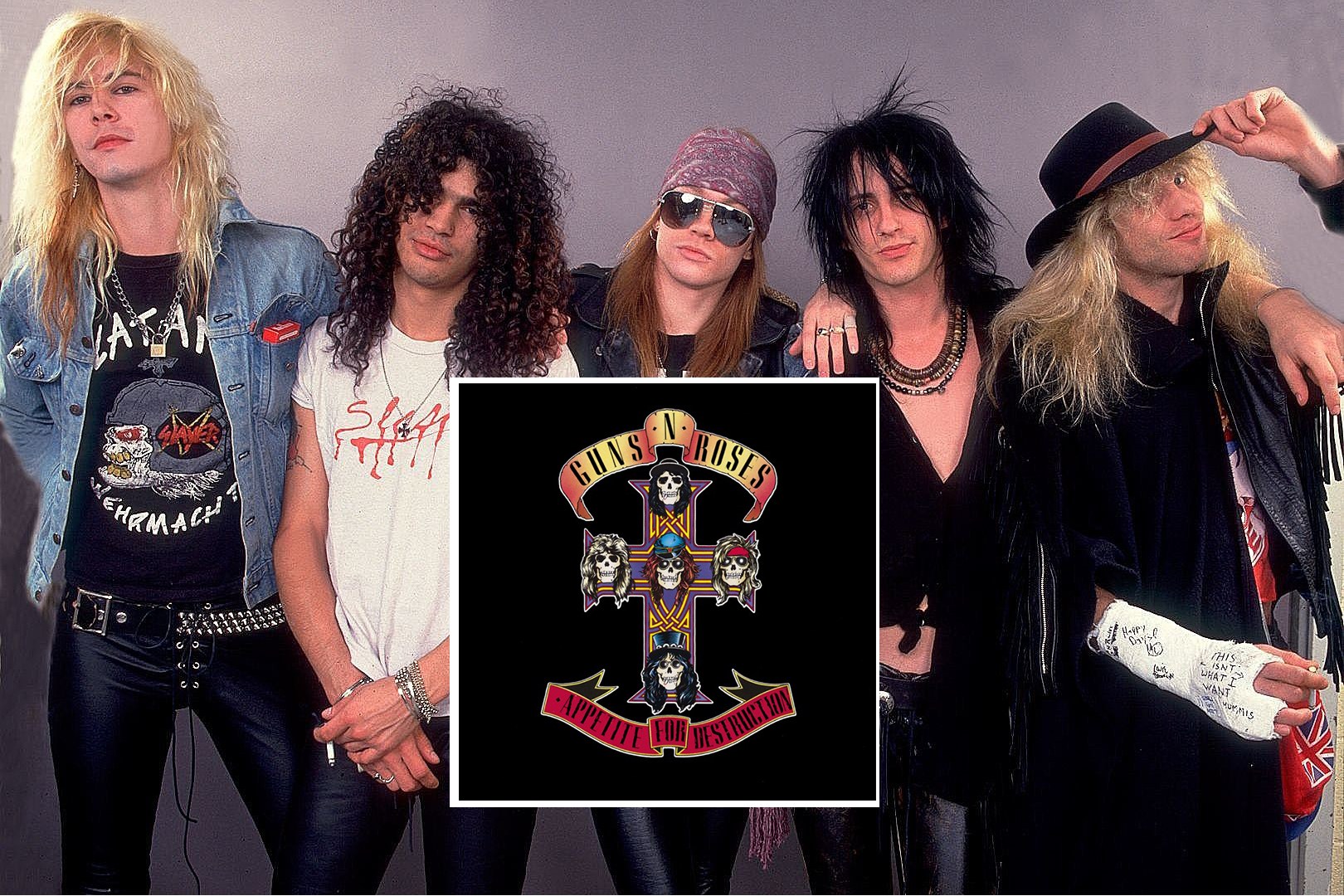
Formed in Los Angeles in 1985, Guns N’ Roses grew out of the collision between Hollywood Rose and L.A. Guns, but the identity became complete with the classic lineup: Axl Rose, Slash, Izzy Stradlin, Duff McKagan, and Steven Adler. Each member carried an essential piece of the chaos. Axl had a voice that could not be ignored, able to move from venomous whisper to torn scream as if several characters were fighting inside him. Slash brought a blues-rooted guitar tone, thick and instantly recognizable, with solos that could feel both street-level and cinematic. Izzy Stradlin supplied structure, swing, and dry streetwise songwriting. Duff McKagan added punk muscle and a bass presence with its own attitude. Steven Adler drove the band with drumming that felt loose, human, and dangerous rather than mechanically perfect.
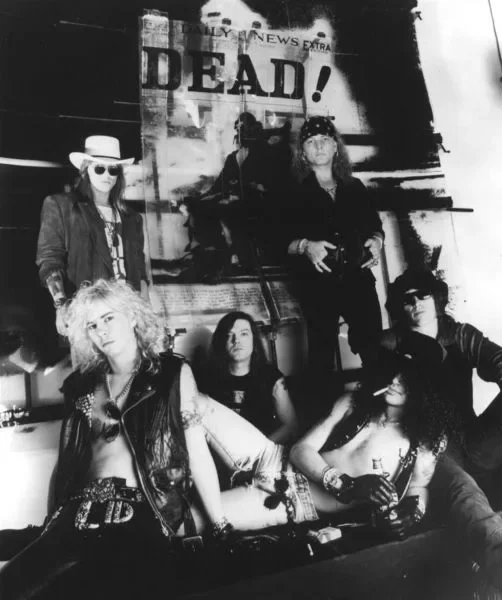
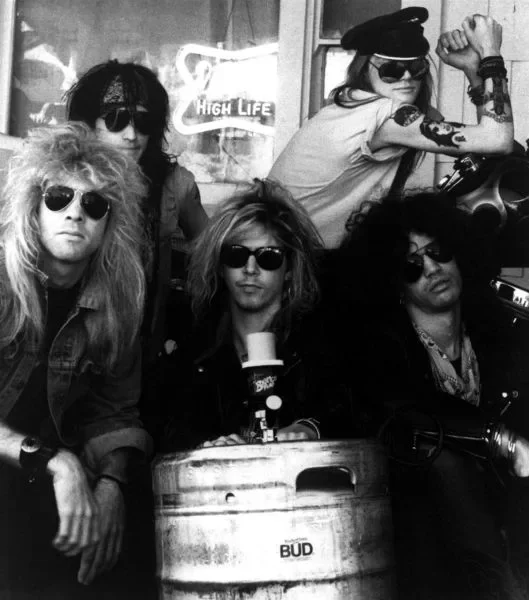
The band formed in an environment where rock was already spectacle, but Guns N’ Roses seemed to come from behind the venue, from the alley, the cheap motel, the afterparty that went wrong. That was not only an image. The music carried the weight of living fast, fighting for space, turning self-destruction into narrative, and finding beauty inside the wreckage. There was something deeply contradictory about them: they could sound brutal and tender, arrogant and broken, violent and romantic. That contradiction is one reason they did not become just another Sunset Strip hard rock band.
Appetite for Destruction turned that energy into legend. Few debut albums have ever carried such a strong sense of internal danger. “Welcome to the Jungle” is not only an opening track; it is a warning. From Axl’s scream to Slash’s riff, everything seems to say that the city does not forgive. “It’s So Easy” and “Nightrain” capture a swagger that feels half-drunk and fully alive, while “Mr. Brownstone” reveals the darker side of habit and dependency. But the album would not be as large as it is if it were only violence and excess. “Sweet Child O’ Mine” opened another dimension: a song born from an unforgettable riff and transformed into a rock ballad without losing muscle. “Paradise City” did something similar at anthem scale: escape fantasy, stadium energy, and a strange nostalgia for a place that may never have existed.
Guns N’ Roses’ strength came from the fact that their rock was not clean. It had blues, punk, metal, classic rock, balladry, urban dirt, and popular melody running through it. They could sound like heirs to Led Zeppelin, Aerosmith, AC/DC, The Rolling Stones, and New York Dolls without ever feeling like a museum copy. There was a modern edge in them, a way of dramatizing late-1980s life through excess and collapse. While other bands celebrated the party as a showroom, Guns N’ Roses also showed the dirty bathroom, the fight, the hangover, and the emptiness left afterward.
G N’ R Lies revealed a more acoustic and stripped-down side, especially on “Patience,” where the band proved it could lower the volume without losing tension. That contrast prepared the ground for Use Your Illusion I and Use Your Illusion II, the twin albums that expanded their ambition almost beyond control. They were no longer only the dangerous band from Appetite; they wanted to be enormous. “November Rain” pushed Axl Rose’s melodrama into orchestral, cinematic scale, with one of Slash’s most recognizable solos. “Don’t Cry,” “Estranged,” “Civil War,” “You Could Be Mine,” and their versions of “Live and Let Die” and “Knockin’ on Heaven’s Door” showed a band capable of mixing grandeur, vulnerability, protest, rock explosion, and emotional theater.
That grandeur also brought fractures. Guns N’ Roses was always a band on the edge of combustion, and that fire could not be controlled forever. Departures, creative tension, delays, lineup changes, unpredictable concerts, and long silences turned their story into an almost impossible rock novel. Axl Rose remained the central figure through a long and complicated period, while Slash, Duff, and other historic members followed their own paths. Chinese Democracy became a symbol of obsession, distance between myth and reality, and the difficulty of continuing under a name that had grown so large.
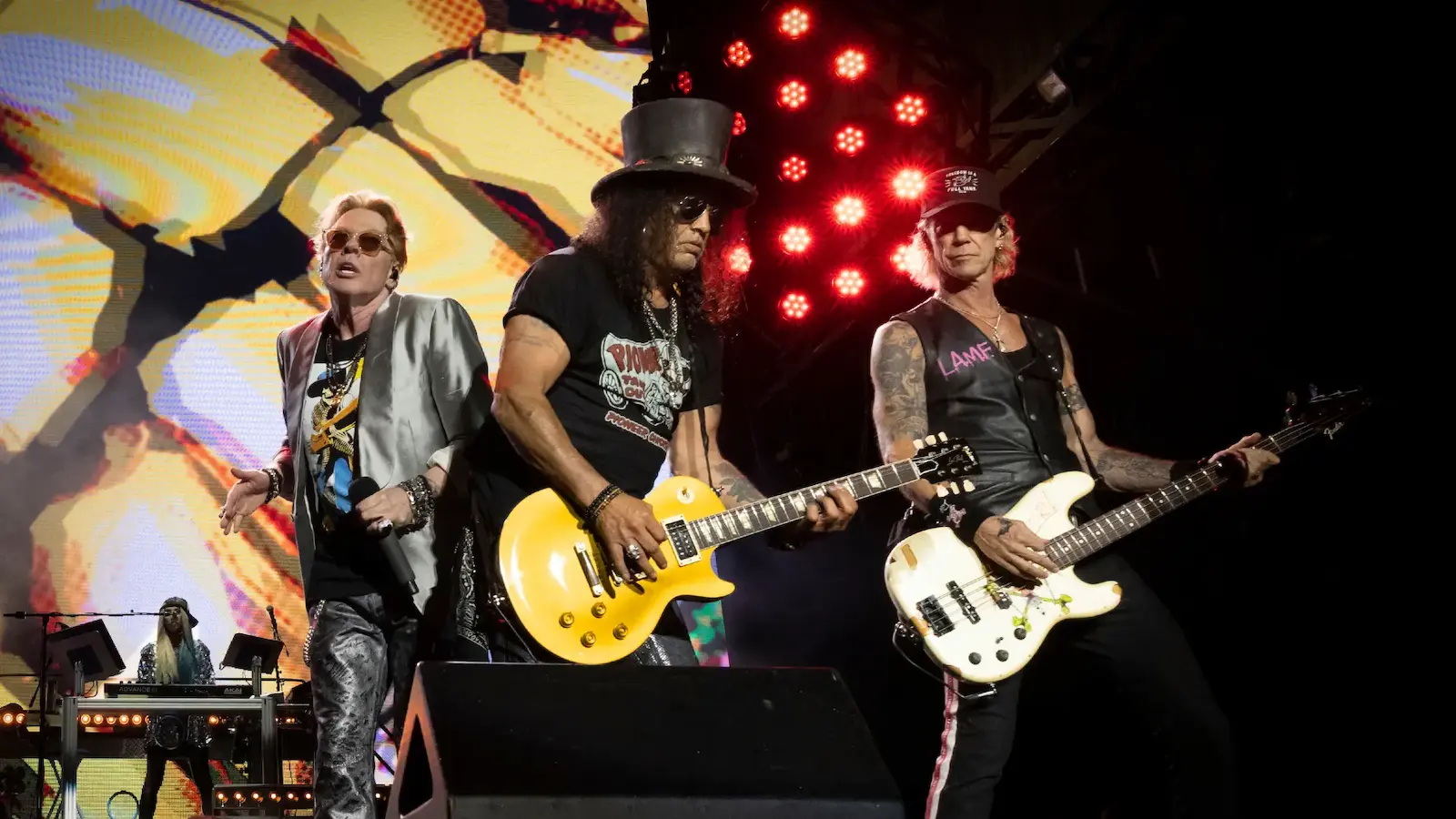
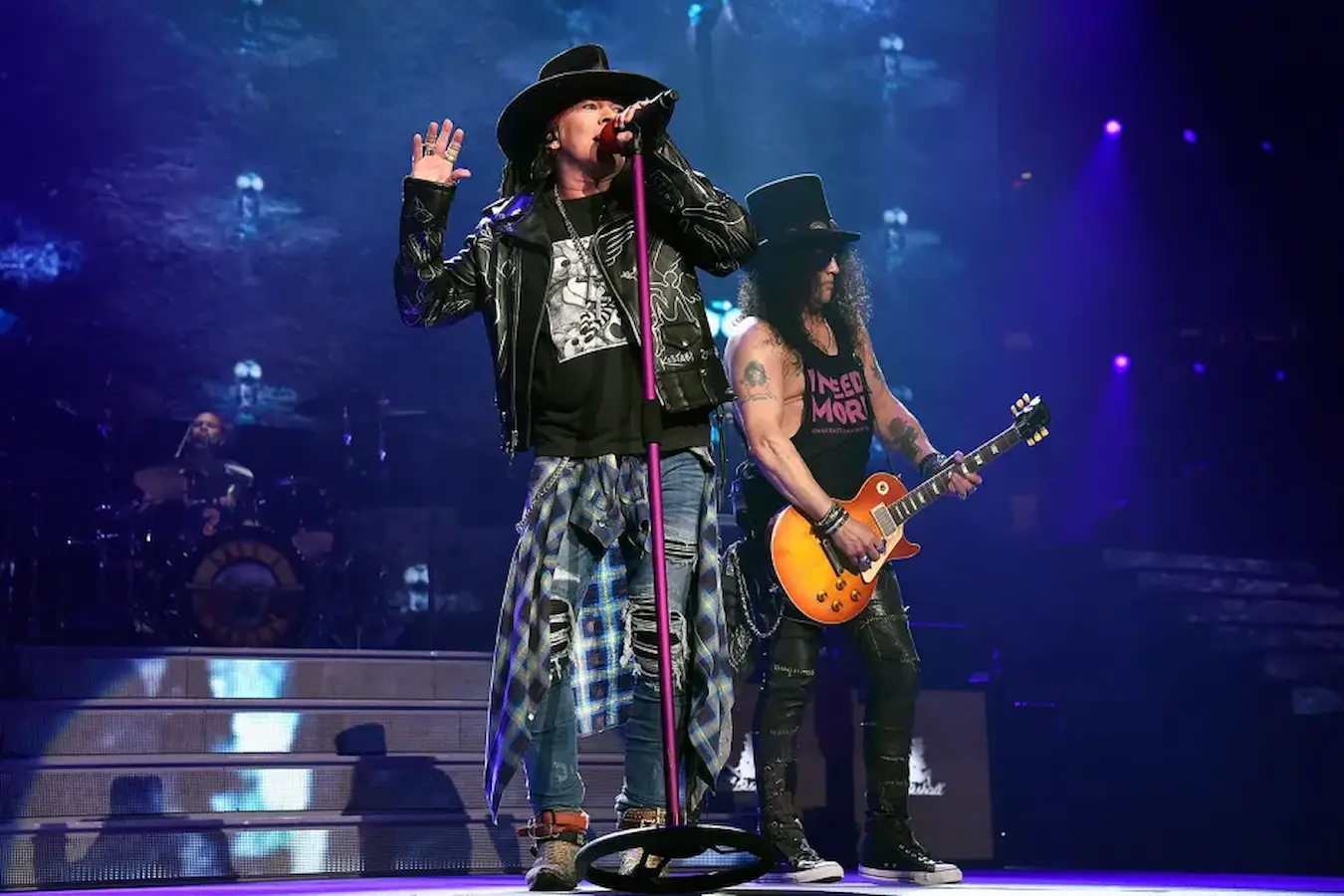
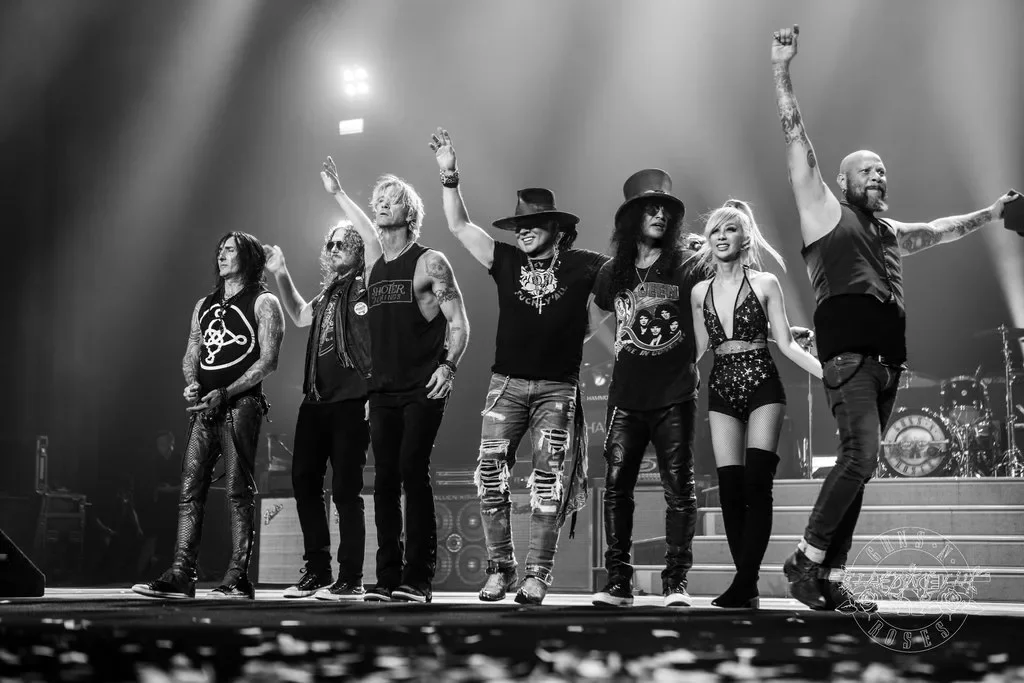
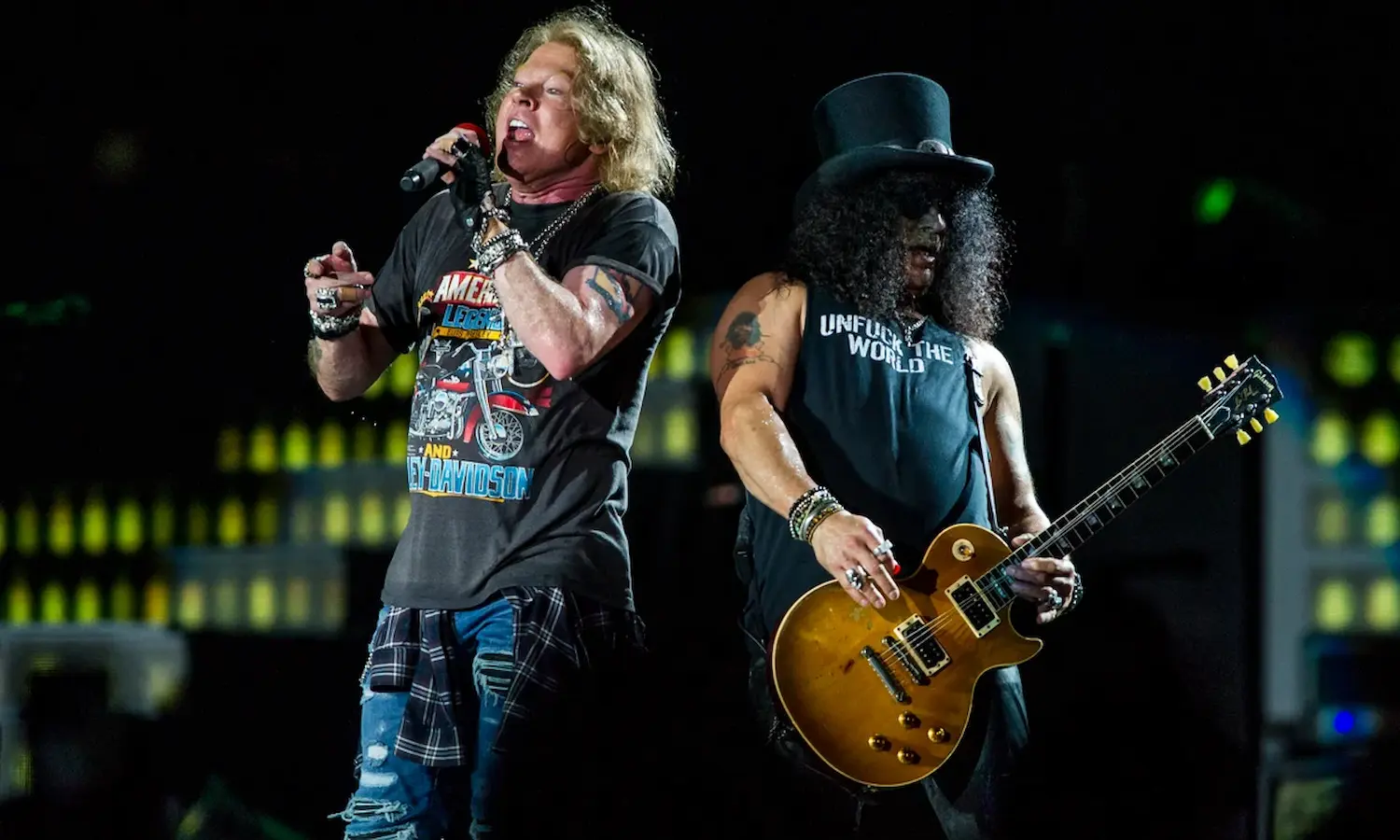
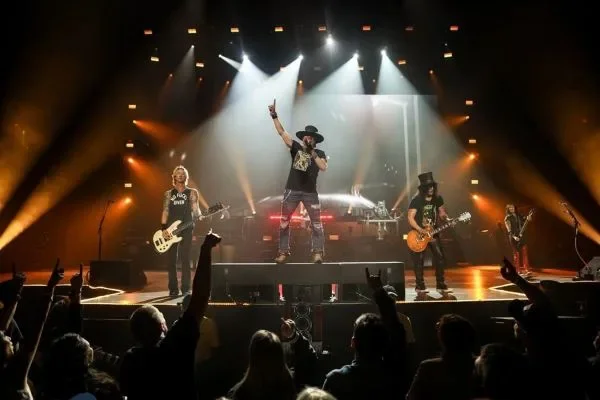
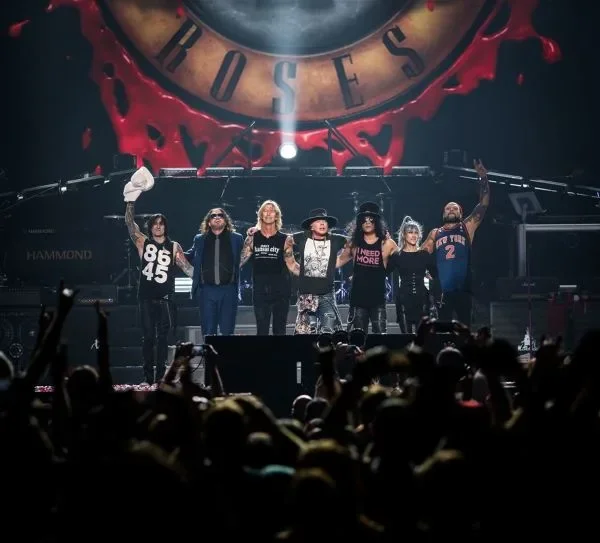
The reunion of Axl, Slash, and Duff brought back an emotional dimension many fans thought impossible. Beyond nostalgia, that phase showed that Guns N’ Roses still occupied a very specific place in the rock imagination: a band that represents danger, but also survival. Their concerts work as ceremonies of collective recognition. When “Welcome to the Jungle,” “Sweet Child O’ Mine,” “Paradise City,” or “November Rain” begins, it is not only a catalog of hits being played. It is a shared memory of what rock could feel like when it still seemed capable of getting out of control.
The legacy of Guns N’ Roses lies in the explosive union of rawness and ambition. They were streetwise and theatrical, savage and melodic, excessive and emotionally open. At their best, their music sounds like a night in Los Angeles that begins with promises and ends with scars: dangerous, bright, addictive, and hard to forget. Guns N’ Roses did not merely revive hard rock; they restored the feeling that a song could be about to fall apart at any second, and that this was exactly what made it alive.
Genre principal
ROCK
Sous-genres principaux
Comme la liste d'un superfan — sauf qu'ici, c'est vérifié, avec sources et liens.

10–14 juin 2026
Donington Park · Reino Unido
Passé
27–30 mars 2026
Monterrey · México
Passé06–08 oct. 2023
Indio, California · Estados Unidos
Passé23 juin – 09 juil. 2023
London · Reino Unido
Passé
21–25 juin 2023
Pilton, England · Reino Unido
Passé21–24 juin 2023
Oslo · Noruega
Passé15–18 juin 2023
Dessel, Antwerpen · Bélgica
Passé14–17 juin 2023
Copenhagen, Hovedstaden · Dinamarca
Passé
02–11 sept. 2022
Rio de Janeiro, Rio de Janeiro · Brasil
Passé15–24 sept. 2017
Rio de Janeiro, Rio de Janeiro · Brasil
PasséCe qu'on a pu lier à l'archive des concerts. Il manque une date ? Prévenez-nous — ça nous arrive aussi.
Singapore · Singapur
Billets →Adelaide, South Australia · Australia
Billets →GUNS N' ROSES - bp Adelaide Grand Final
Townsville · Australia
Billets →Guns N' Roses: World Tour 2026
Milton · Australia
Billets →Newcastle · Australia
Billets →Guns N' Roses: World Tour 2026
Docklands · Australia
Billets →Olympic Park · Australia
Billets →Guns N' Roses: World Tour 2026
Auckland · Nueva Zelanda
Billets →Chaque concert et festival de l'année, tracé sur le globe. Lance la lecture et suis l'itinéraire étape par étape.
Photos de l'archive publique.
Couverture récente liée à l'artiste.


Proches par genre et signal social.
Aucun similaire
Quand il y aura assez de signal par genre, ils apparaîtront ici.