






















Classement
#86

Classement
#86
Abonnés
84 M
Présence digitale
Profils officiels, streaming et découverte.
Ce qu'un bon fan récite par cœur (ou prétend connaître).
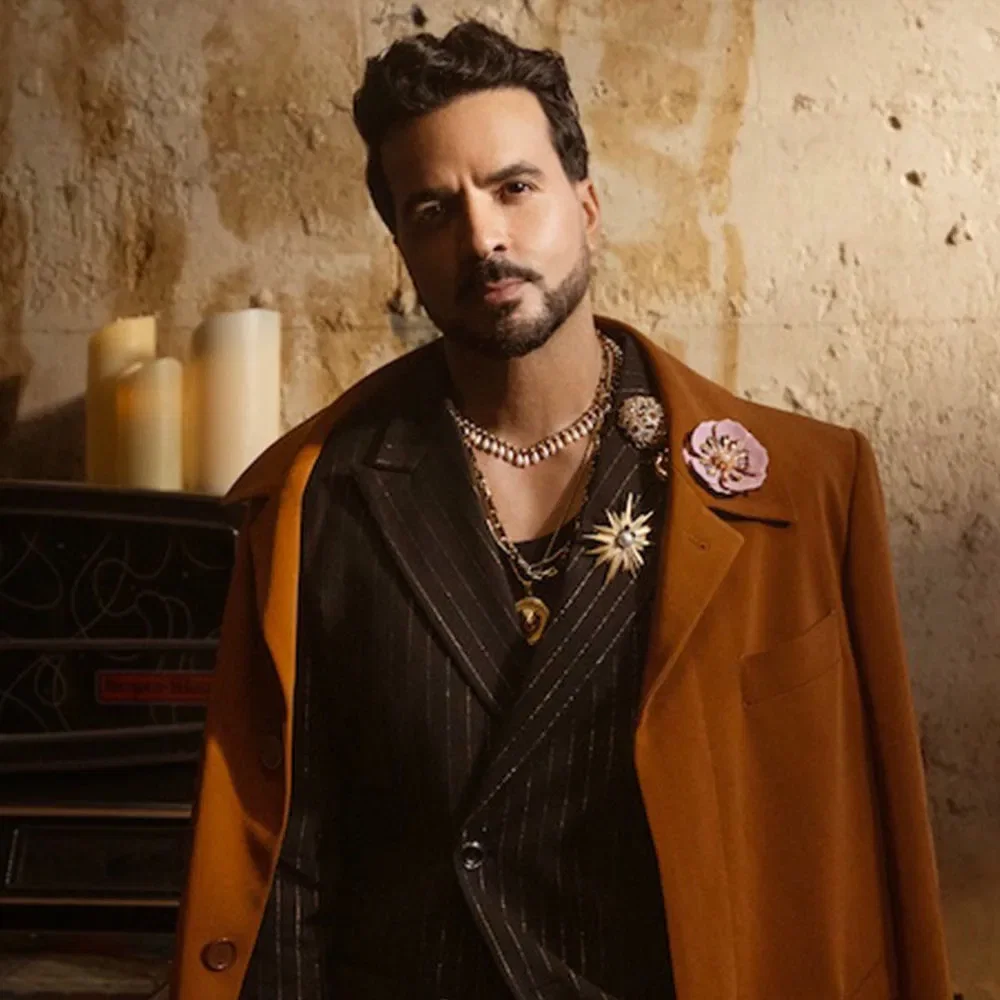
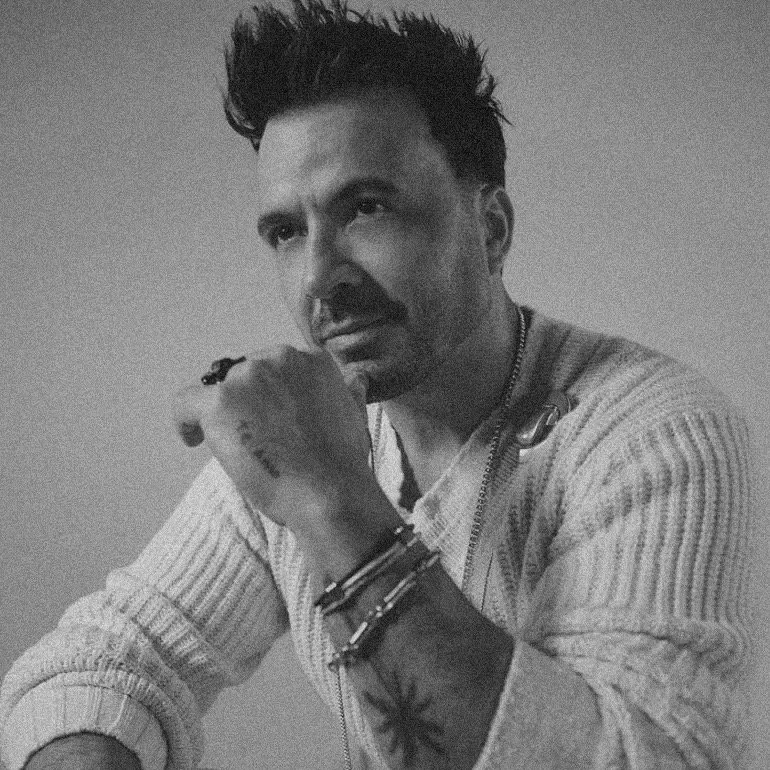
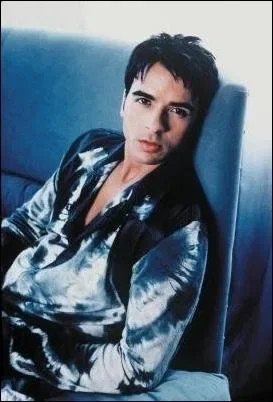
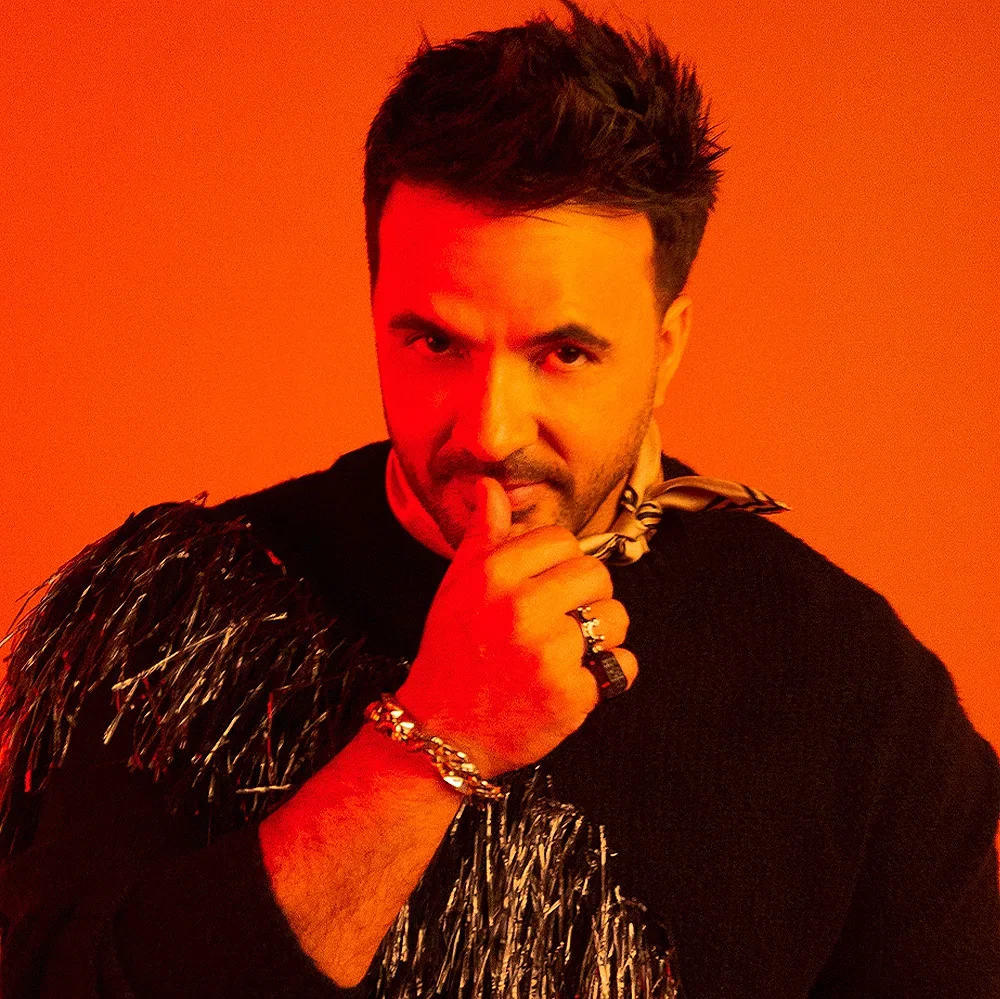
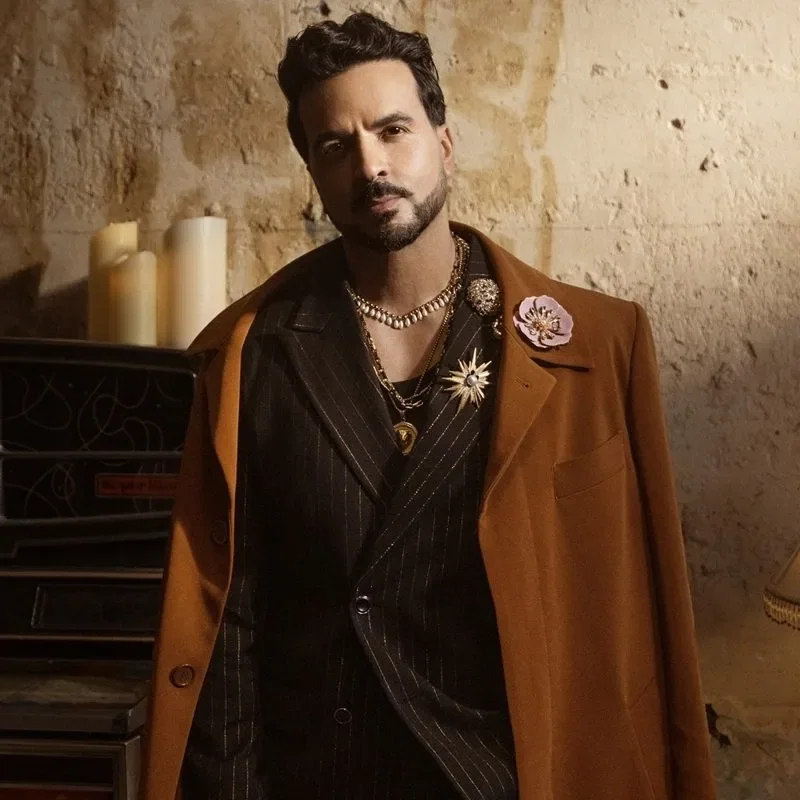
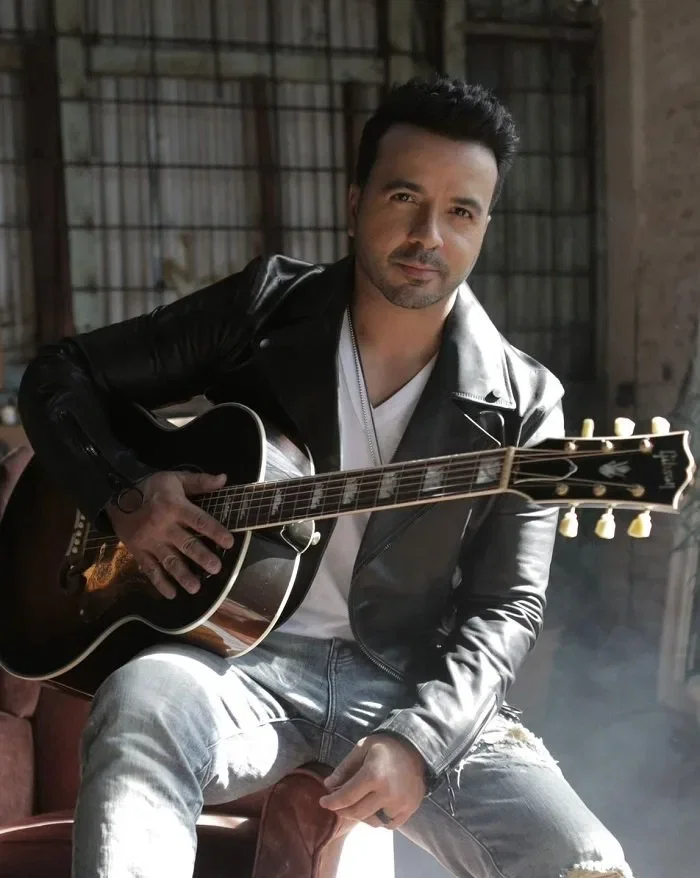
Luis Fonsi is one of the most recognizable voices in modern Latin pop, but his story goes far beyond the global phenomenon of a single song. Before he became associated with record-breaking international success, he had already built a long career on something difficult to fake: a clear, romantic, technically solid, emotionally direct voice. His music has accompanied first loves, farewells, weddings, heartbreaks, road trips, family radio moments, and celebrations across generations. In the map of Latin music, Fonsi occupies a special place: the singer who can sound intimate in a ballad and massive in a chorus built to cross borders.
Born in San Juan, Puerto Rico, and shaped in part by his years in Orlando, Florida, Fonsi grew between two cultural worlds that helped define how he sings and how he understands pop. From Puerto Rico, he carries melodic warmth, Caribbean feeling, and an organic relationship with popular music. From the United States, he absorbed Anglo pop, vocal R&B, harmony groups, and a more international sense of production. That mixture was present early in his career: songs with a Latin emotional center, but structures able to communicate with very broad audiences.
His musical and vocal preparation is central to his identity. Fonsi did not arrive in pop only through charisma or image. He arrived with real training in singing, harmony, and performance. You can hear that in his vocal control, in the way he sustains a long phrase, in the detail of his ballads, and in his ability to make a melody feel easy even when it requires precision. In romantic pop, where everything can depend on one carefully placed word, technique becomes emotion. Fonsi can sing with power without losing softness, and he can be sentimental without turning the song into something too sweet to breathe.
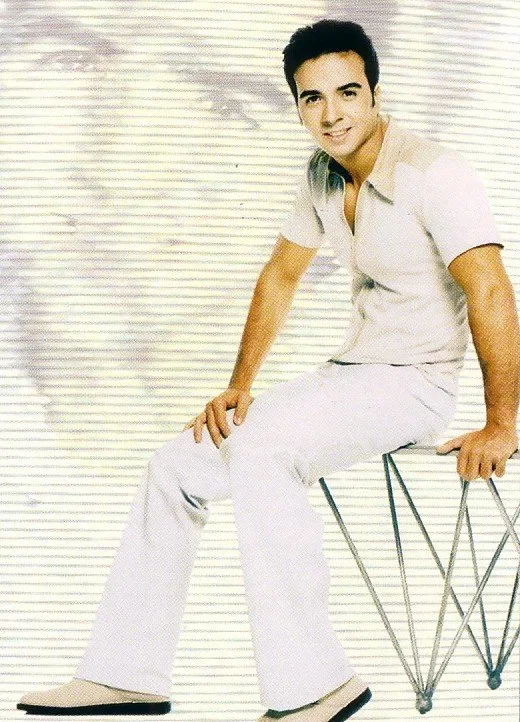
His professional debut with Comenzaré opened a career tied from the beginning to Latin pop balladry. In that first stage, Fonsi moved inside a clear Latin tradition: direct love lyrics, elegant arrangements, clean melodies, and a voice placed fully in service of feeling. Later songs such as “Imagíname Sin Ti,” “Quisiera Poder Olvidarme de Ti,” “Abrazar la Vida,” and “Nada Es Para Siempre” reinforced his place as a romantic interpreter. He was not a quick-trend artist. He was a singer building trust with listeners through songs that could stay inside their emotional memory.
Palabras del Silencio marked an important moment of maturity. It carried one of his most durable anthems, “No Me Doy por Vencido,” a song that moved beyond romance and became a message of personal resilience. Its strength lies in the fact that it does not sound like a manufactured slogan. It sounds like an intimate promise that many listeners could adopt as their own. That is one of Fonsi’s gifts: when he connects with an emotion, his songs can move from personal story to collective chorus without losing sincerity.
“Despacito” changed the scale of his career forever and, in many ways, changed the global conversation around Spanish-language music. Alongside Daddy Yankee, Fonsi created a song that blended sensuality, melody, reggaeton, pop, Caribbean guitar, and immediate cadence. The Justin Bieber remix amplified the phenomenon, but the heart of the song was already in the original version: an irresistible melodic line, light phrasing, a danceable pulse, and a form of desire that felt local and universal at once. “Despacito” was not only a hit. It became a turning point for the visibility of Latin pop in markets that had often treated Spanish-language music as peripheral.
What makes Fonsi more interesting is that he is not defined only by that explosion. His earlier catalog already had weight, and his later work has shown a desire not to remain frozen inside that moment. Songs such as “Échame la Culpa,” “Calypso,” “Imposible,” and later projects show an artist willing to play with urban, tropical, and dance-oriented sounds without abandoning his melodic center. Fonsi can move toward reggaeton or pop built for movement, but he rarely stops sounding like a singer. Even when the beat takes more space, melody remains in charge.
His strength as a songwriter is emotional clarity. He does not usually chase obscure lyrics or concepts that require decoding. His territory is different: saying what many people feel, but in a singable, polished, accessible form. He can write about perseverance, desire, nostalgia, heartbreak, or celebration in a language that lands quickly, without too many detours. When executed well, that accessibility is not simplicity. It is craft. In Latin pop, making a song feel natural and massive at the same time takes much more work than it seems.
Live, Luis Fonsi has a direct relationship with the audience. His concerts can move from ballads sung with phone lights to dance moments, from classic romance to urban pulse, from memories of early albums to global hits. His stage presence does not depend on aggression or mystery, but on vocal and emotional connection. He has the kind of catalog that lets people sing from different chapters of their lives: younger listeners who arrived through “Despacito,” adults who followed him through his ballads, and family audiences that recognize his choruses almost without thinking.
Luis Fonsi’s legacy lies in joining the tradition of the Latin romantic singer with the scale of global pop. His career shows that a voice can last for decades when it adapts without losing identity. At his best, Fonsi sounds like a melody that can travel from the living room to the stadium: elegant, warm, sentimental, and carrying that rare quality of a well-made song that does not need to explain itself in order to stay.
Genre principal
REGGAETON
Sous-genres principaux
Comme la liste d'un superfan — sauf qu'ici, c'est vérifié, avec sources et liens.
21 juin – 01 sept. 2023
Marbella, Málaga · Espagne
PasséCe qu'on a pu lier à l'archive des concerts. Il manque une date ? Prévenez-nous — ça nous arrive aussi.
Aucun concert lié
Chaque concert et festival de l'année, tracé sur le globe. Lance la lecture et suis l'itinéraire étape par étape.
 Billboard LatinNominéBillboard LatinNominéBillboard LatinNominé
Photos de l'archive publique.
Couverture récente liée à l'artiste.
Proches par genre et signal social.
Aucun similaire
Quand il y aura assez de signal par genre, ils apparaîtront ici.