


Ranking
#720

HOUSE - SOUL
Ranking
#720
Followers
63.4 K

When
2027
Where
London, England
Country
United Kingdom
Featured artists
Lineup coming — we'll publish it as soon as it's confirmed.
13 editions to explore · future, live and past
Numbers, home base and house quirks
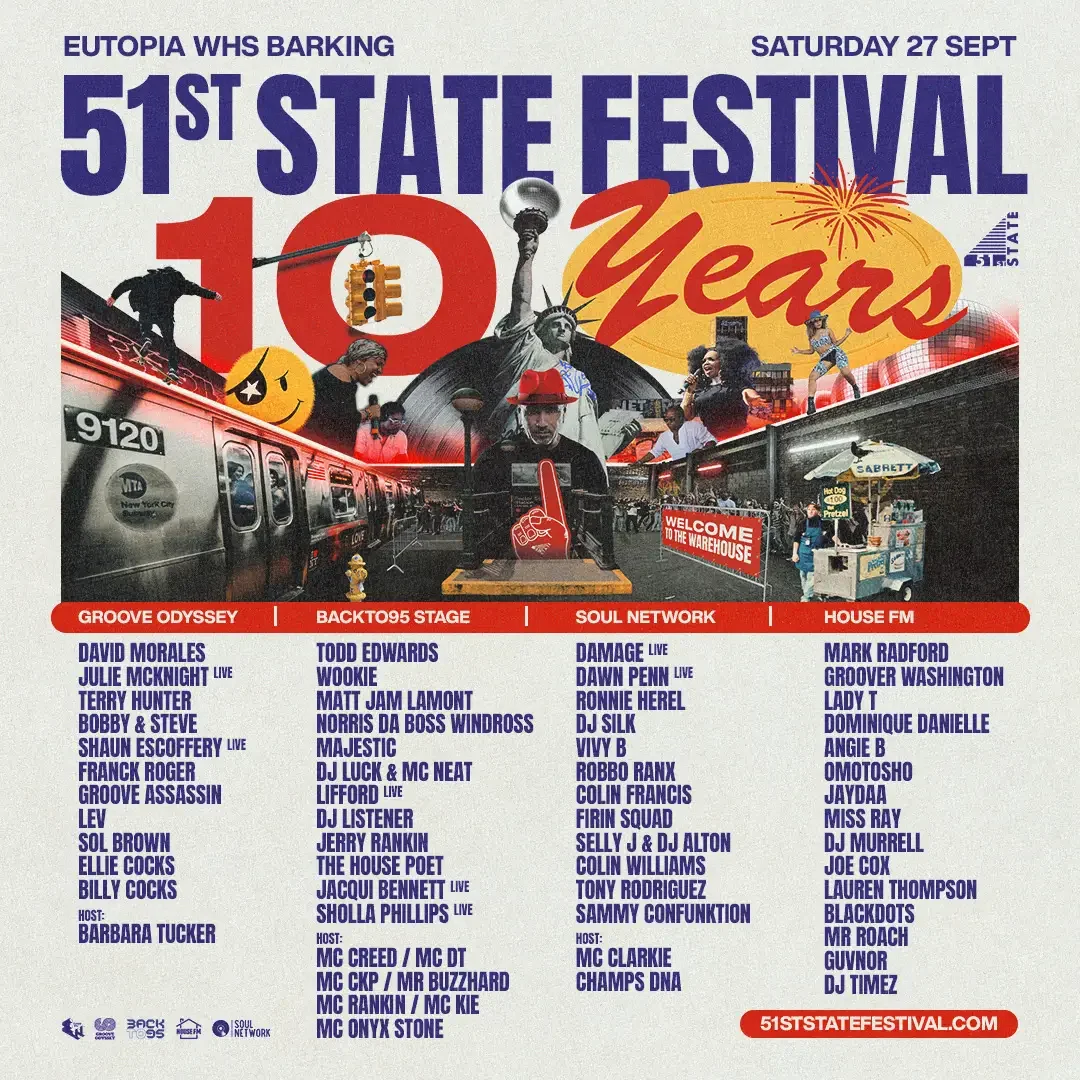
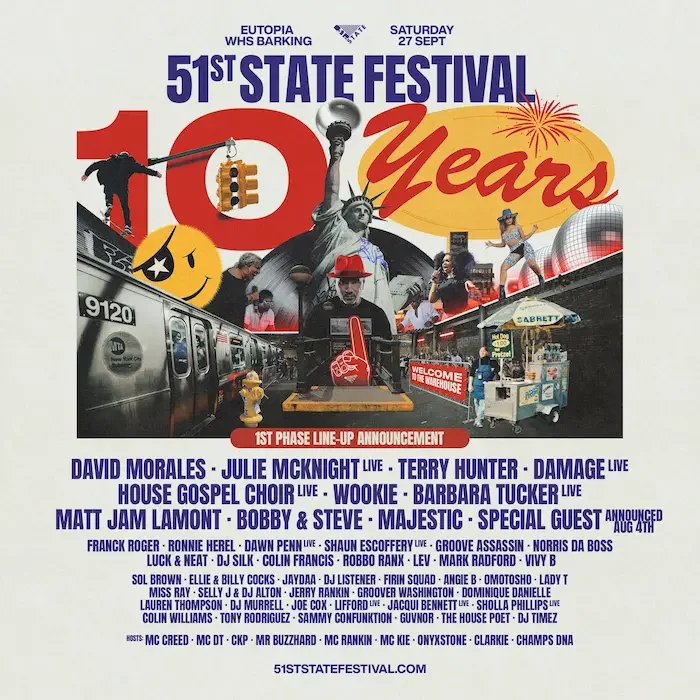
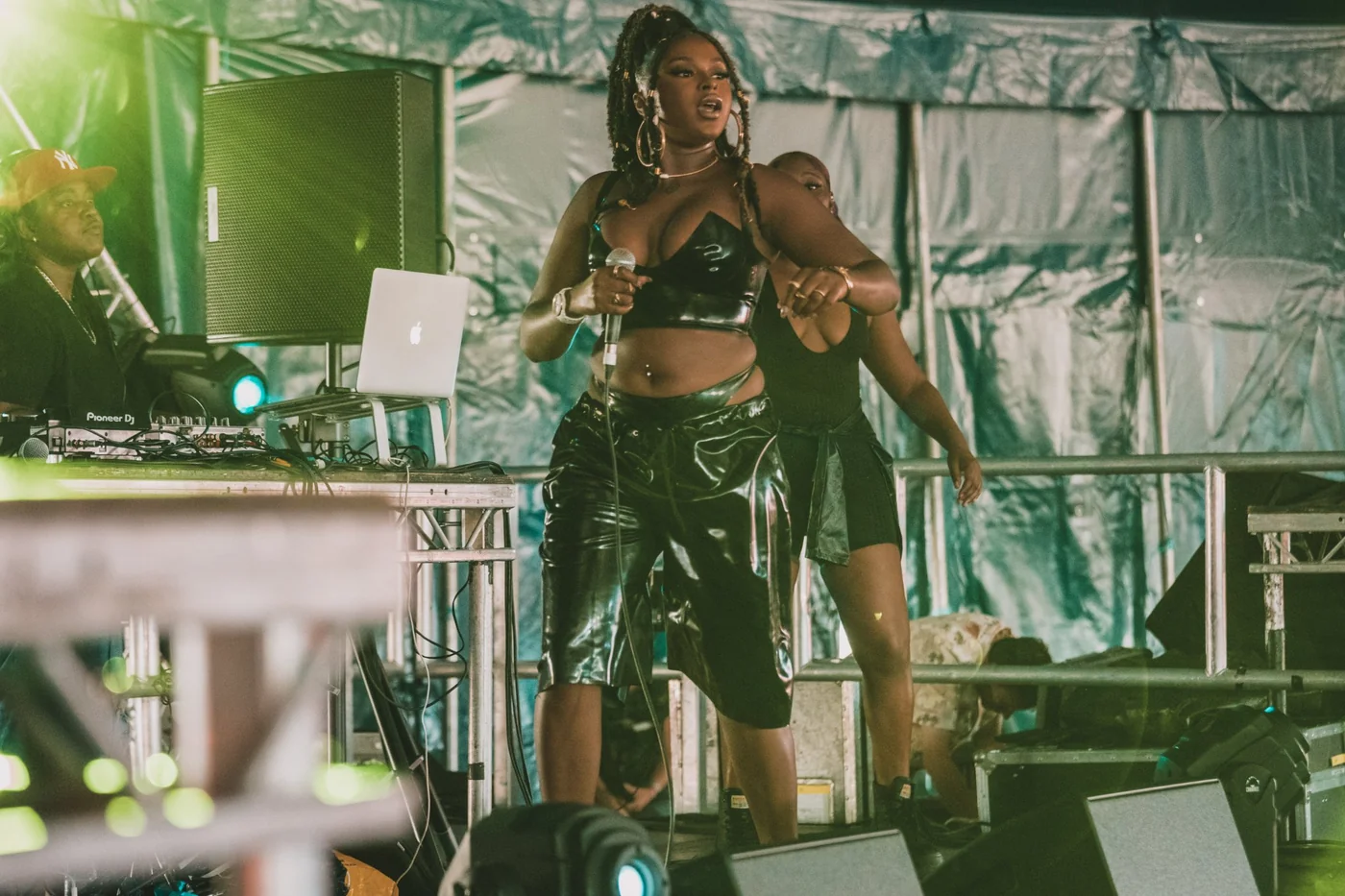
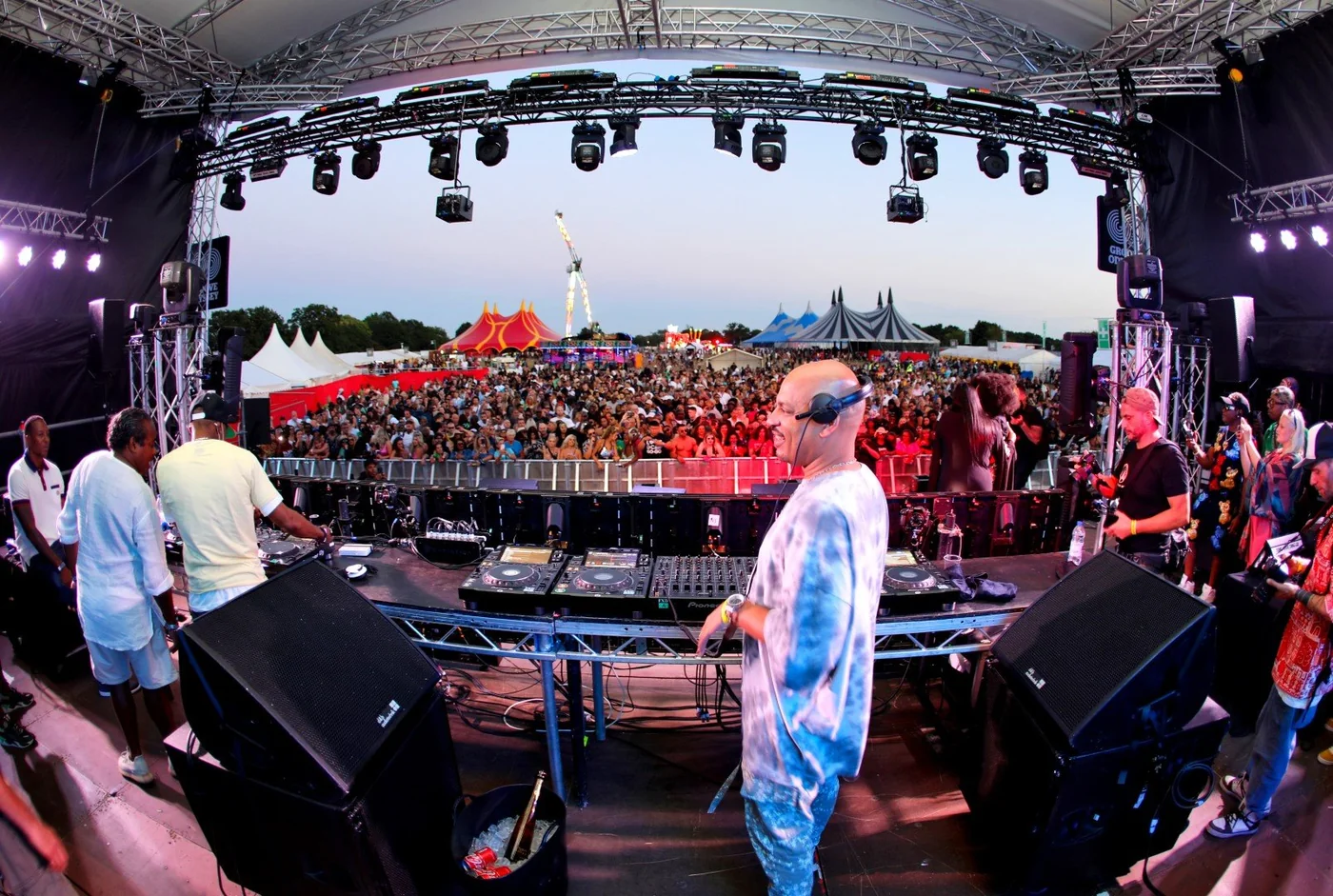
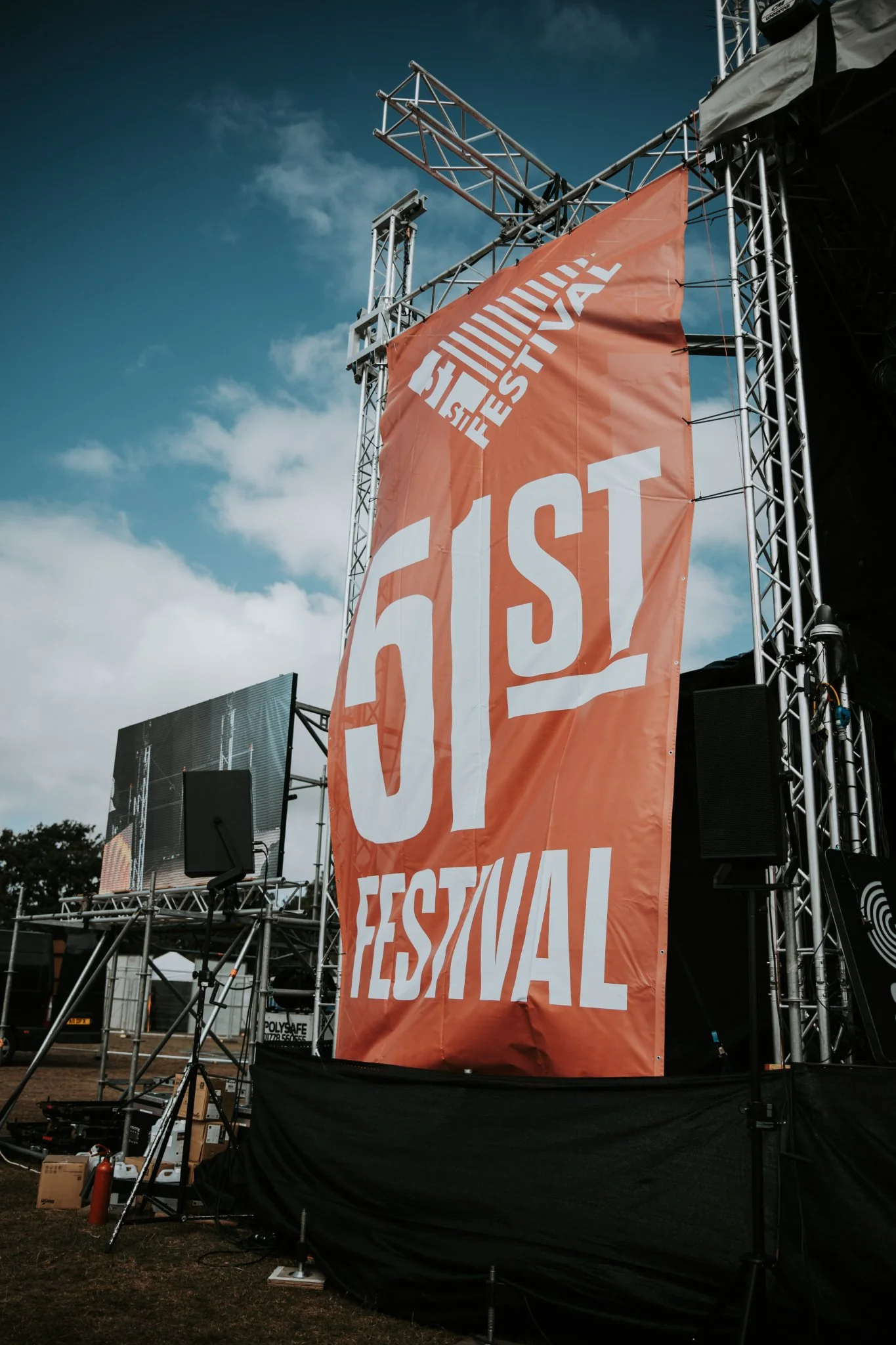
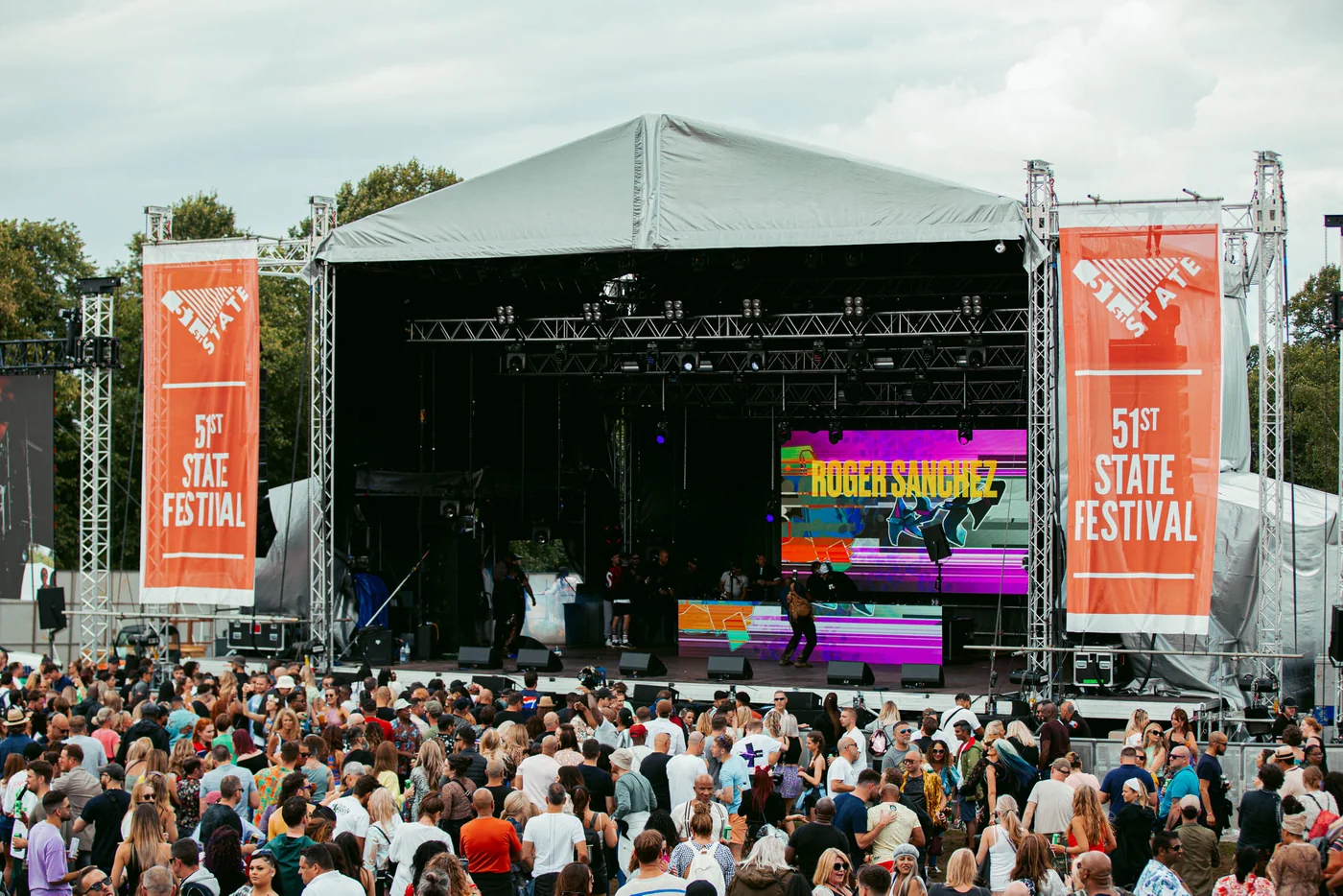
51st State Festival makes the most sense once you stop thinking of dance music as a straight line. The name already plays with a cultural idea: an imaginary “51st state” where London, New York, Chicago, Jamaica, the Caribbean, sound systems, UK garage, American house and soul culture meet without needing a passport. This is not a generic electronic festival and not a rave built only around drops. Its heart lies somewhere deeper: club memory, the Black roots of dance music, radio culture, records, voices, MCs, neighbourhood parties and anthems that still make several generations lift their hands at the same time.
The first edition arrived in 2015 at Trent Park in North London with a clear idea: to celebrate the transatlantic roots of house and its branches. Chicago, New York, London and the Caribbean were not decorative references, but real coordinates of the sound. Masters At Work, Todd Terry, DJ Sneak, Derrick Carter, David Morales, Tony Humphries, Dimitri From Paris, Norman Jay, Horse Meat Disco, Barbara Tucker, Grant Nelson and Congo Natty were not simply names on a poster; they were living chapters in a musical history that began long before festivals became Instagram maps.
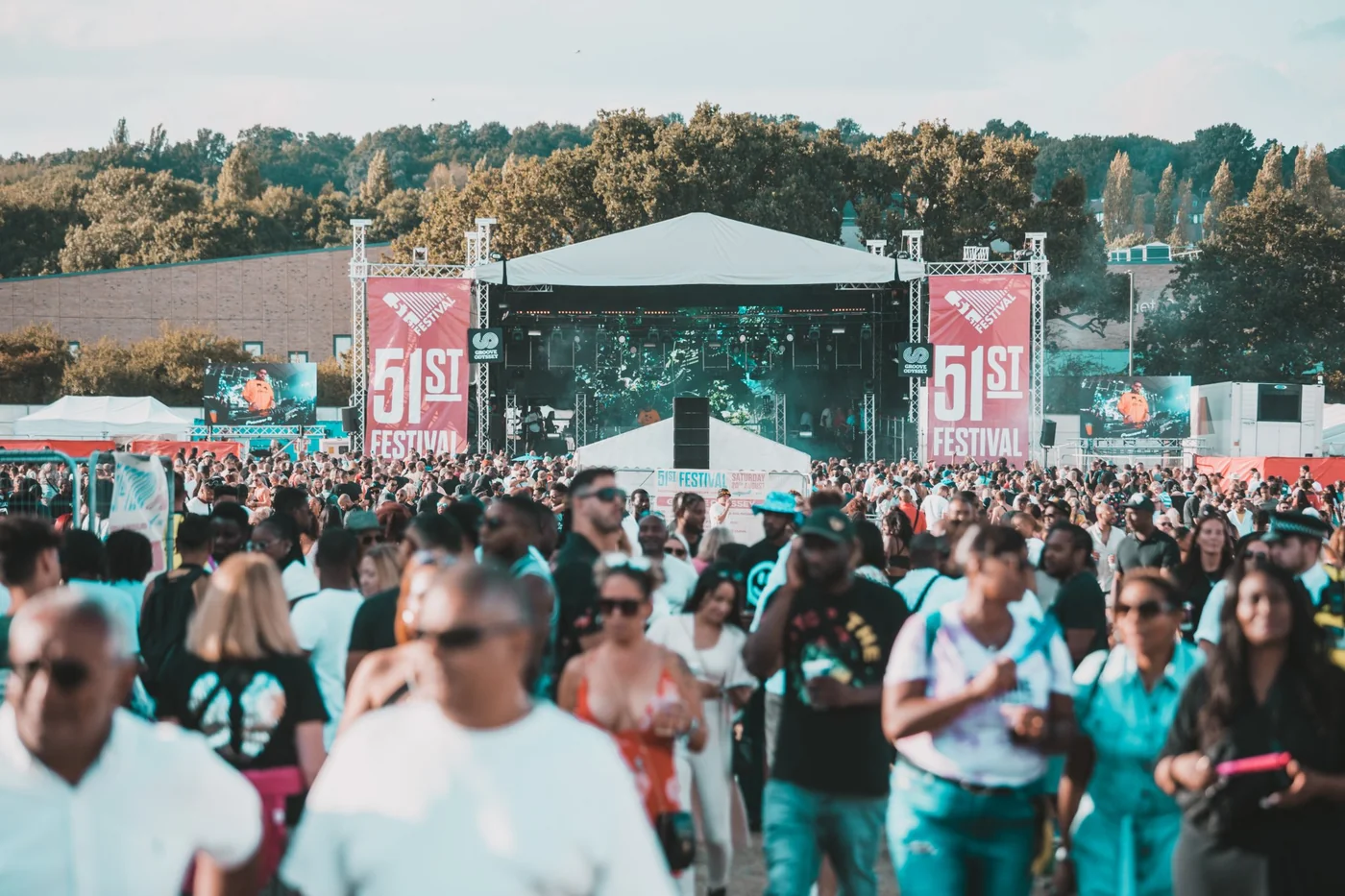
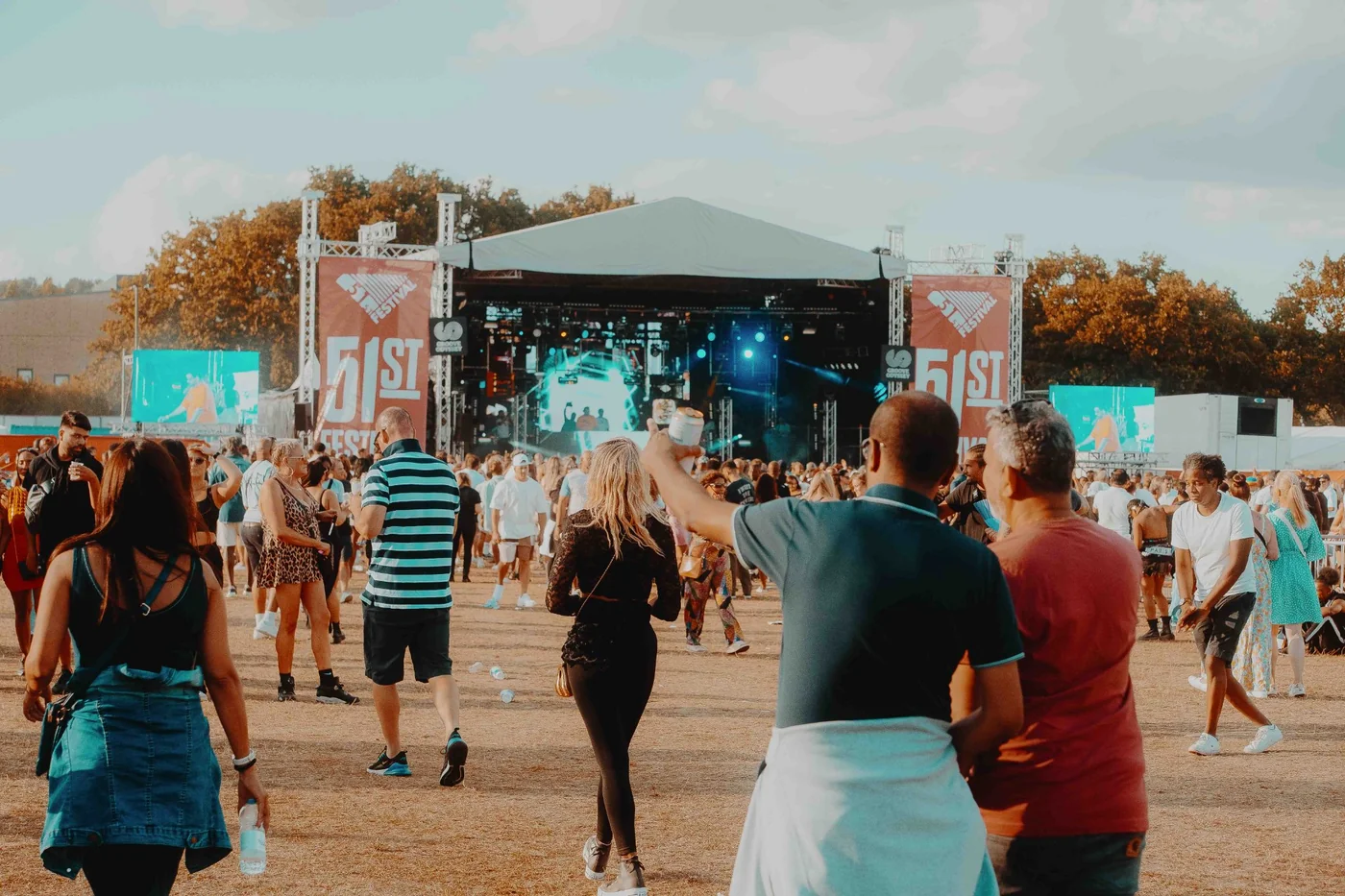
During its Trent Park years, the festival had a very particular charm. It was not a faraway rural festival and not a basement party either. It was London stepping into the green for one day. People travelled north with sun, dancing, nostalgia and grown-up music in mind — not grown-up as in boring, but music with mileage. Garage that someone first heard on pirate radio, house that filled clubs in the nineties, soul that reaches back further, reggae and dancehall tied to other migrations, other neighbourhoods and other ways of celebrating.
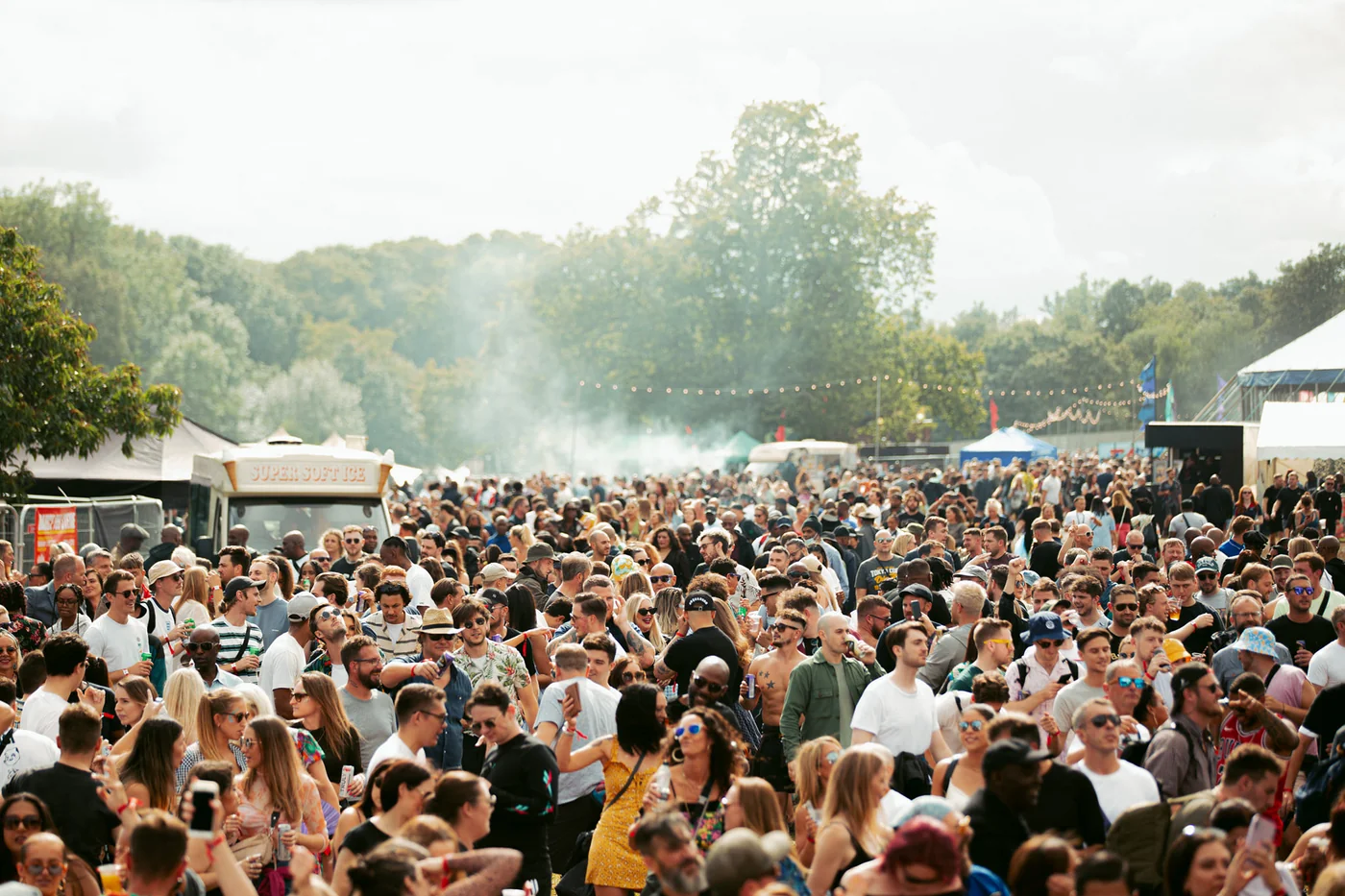
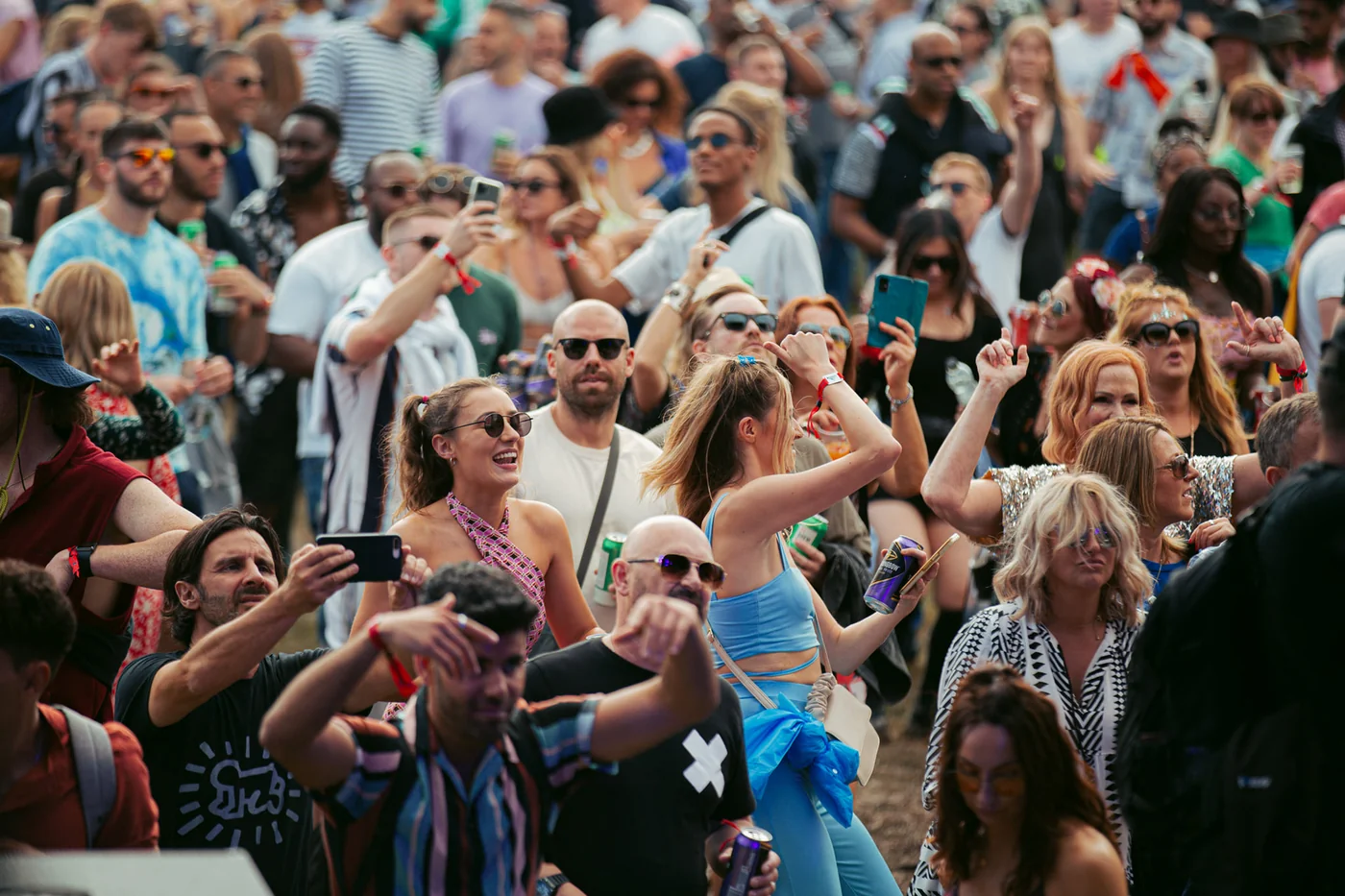
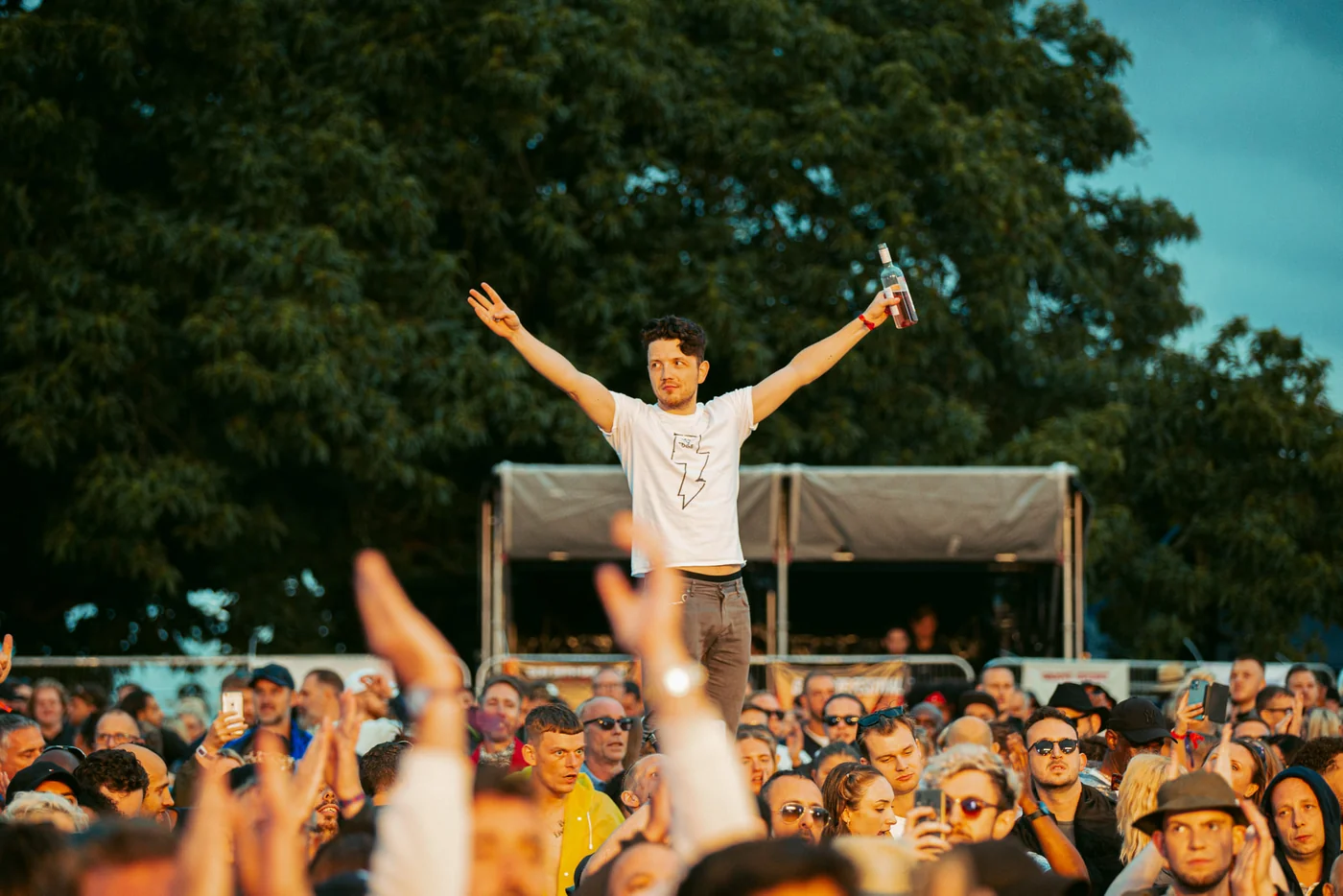
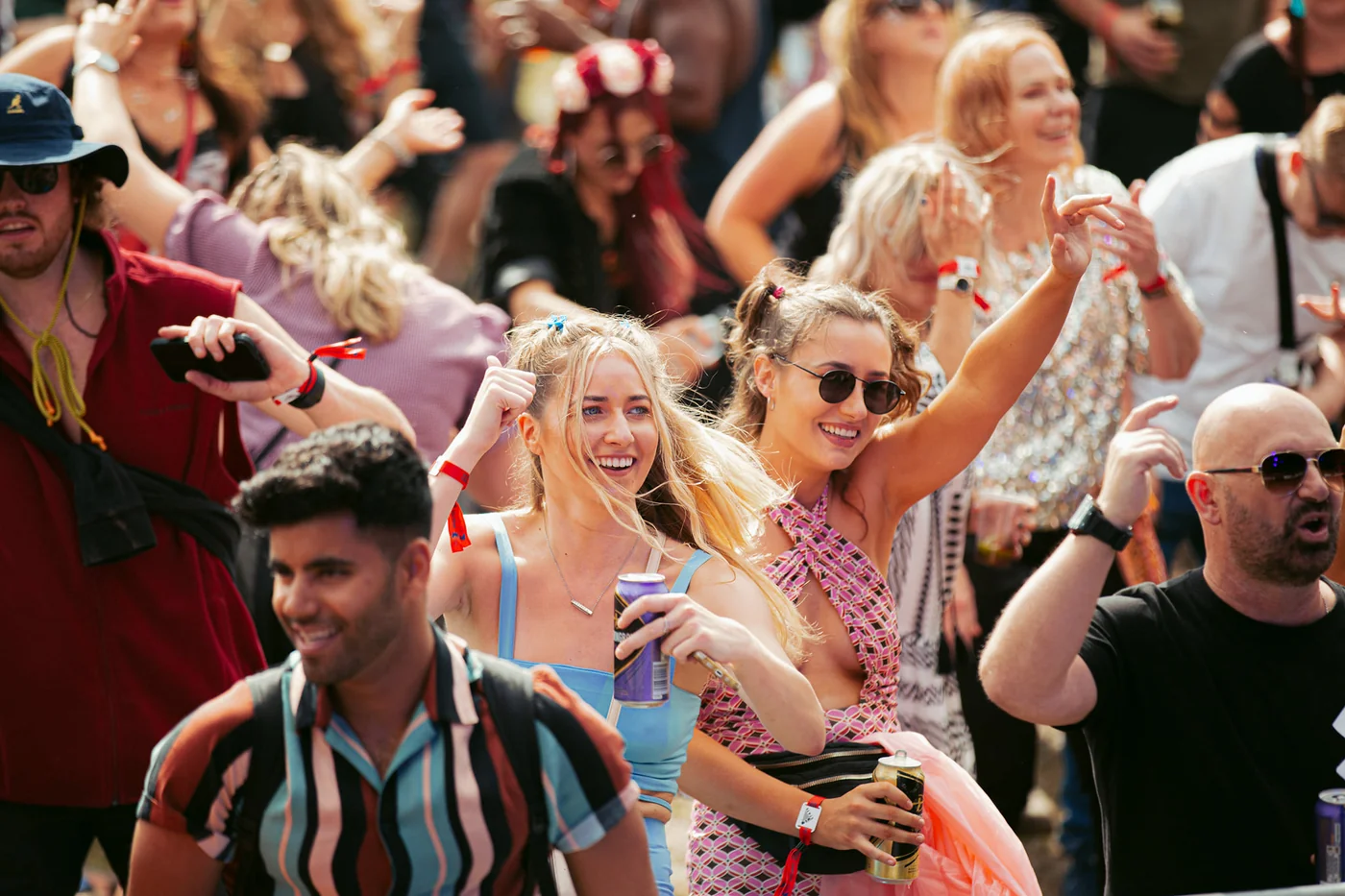
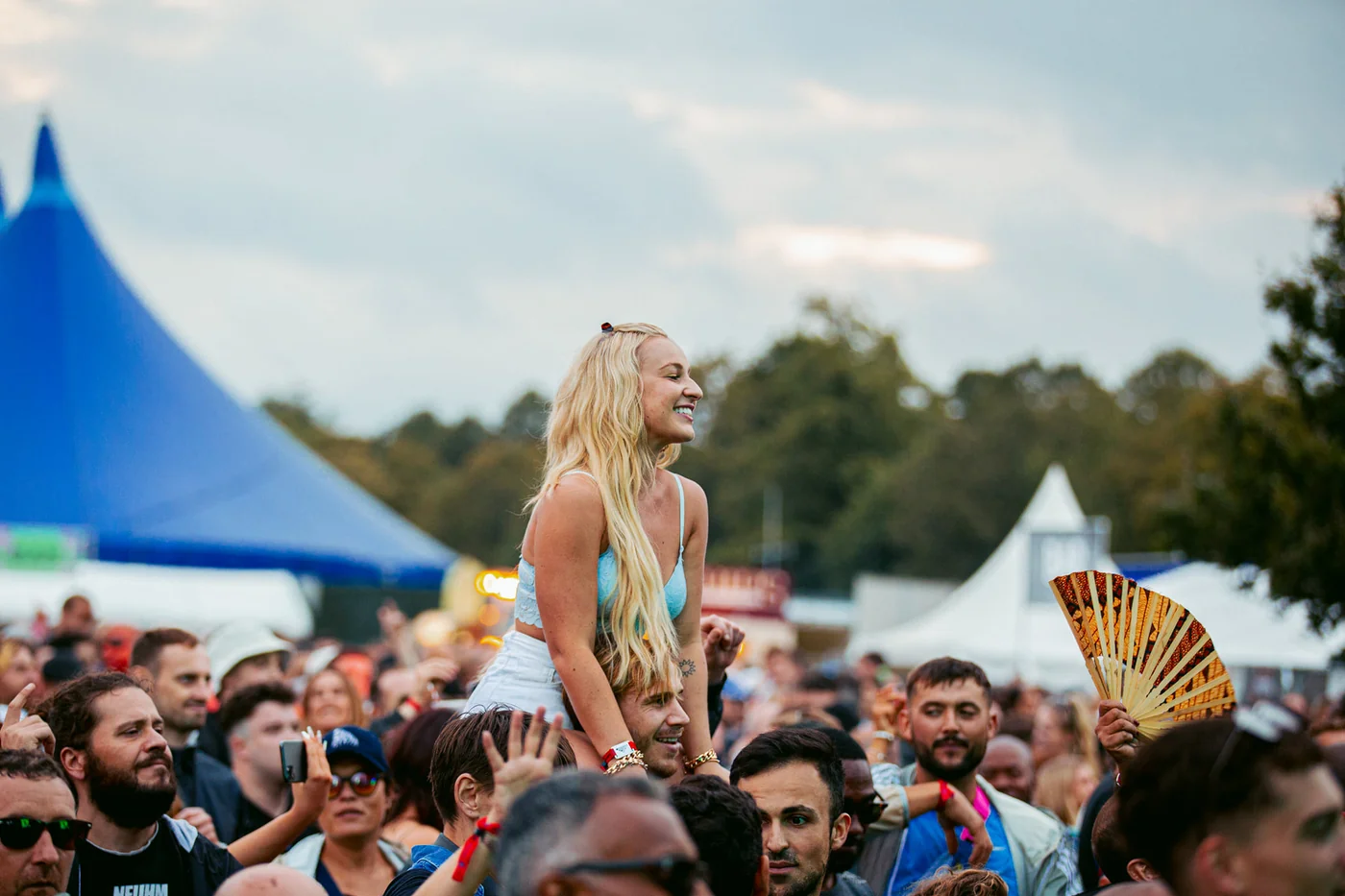
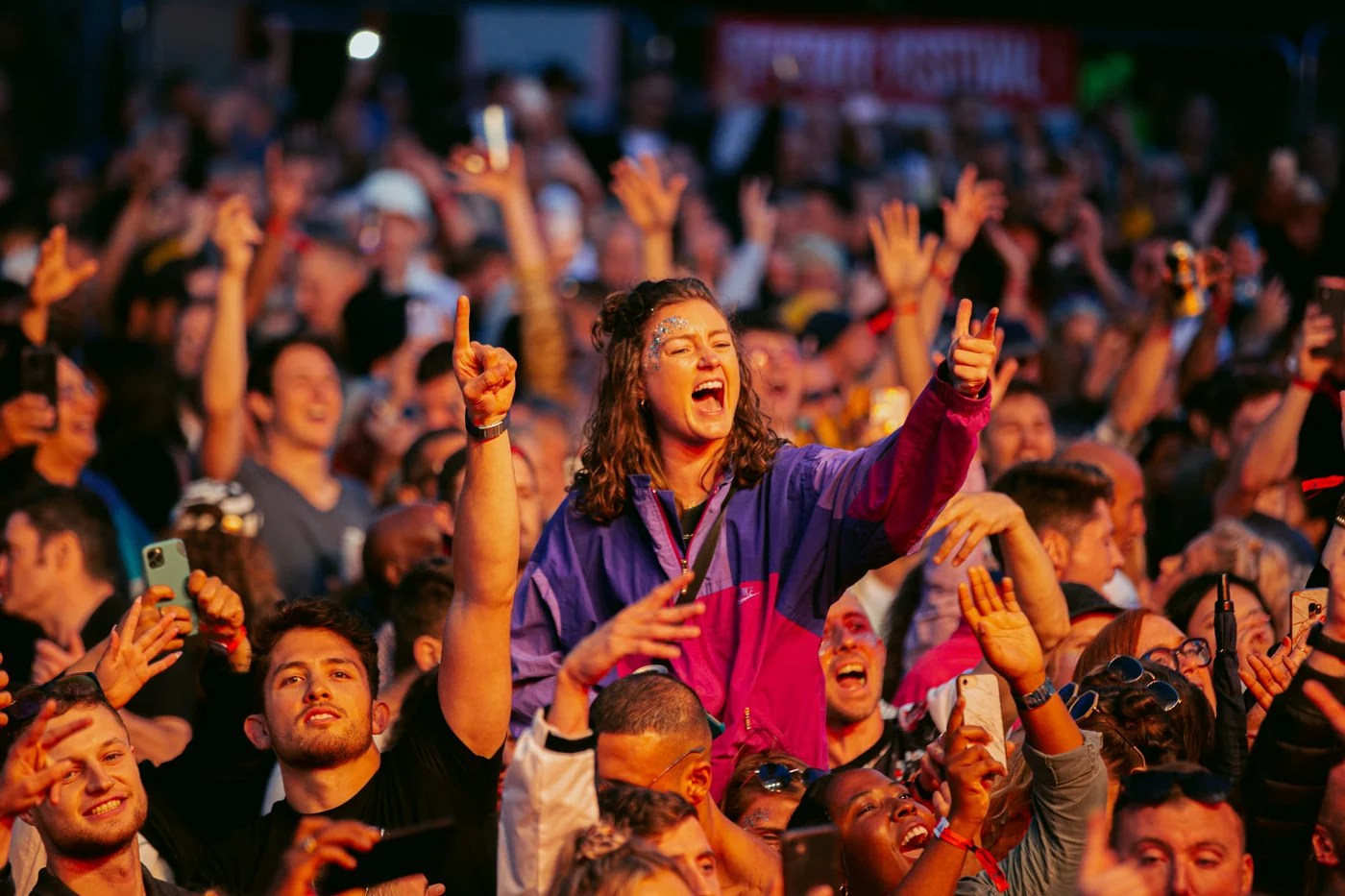
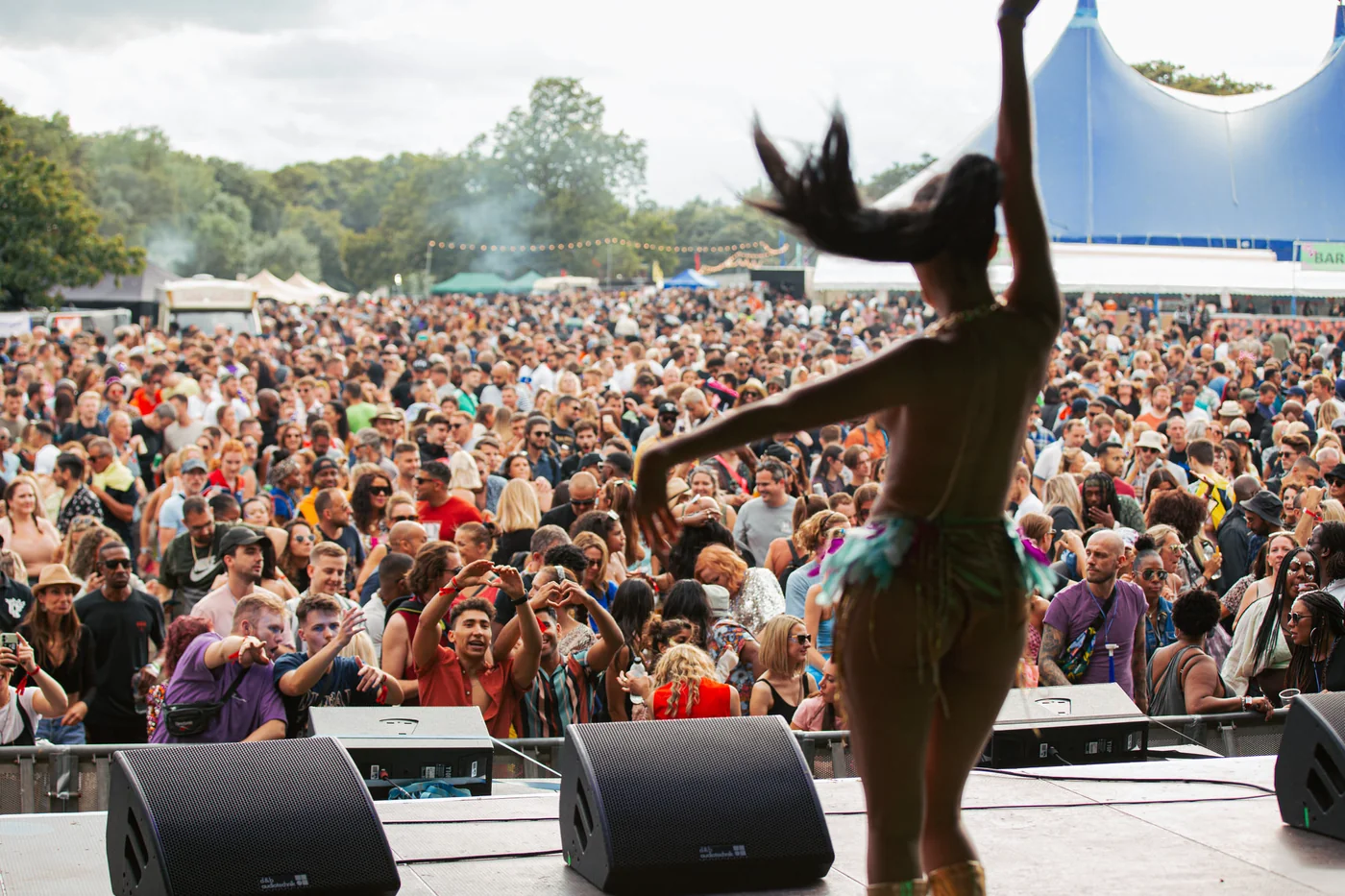
The crowd has always been central to its identity. 51st State does not feel like a festival of teenagers discovering the dance floor for the first time. Its mix is richer: veteran ravers, soulful house lovers, UK garage heads, people raised on Back to 95, DJs, selectors, Caribbean audiences, Black British communities, younger curious dancers and people who may not go to twenty festivals a year but know exactly what a good house vocal means under the sun. That coexistence gives it something many larger events cannot manufacture: shared memory.
The recent Riverside Sessions format marks an important shift. The brand no longer leans on the open green landscape of Trent Park in quite the same way; it has moved into Eutopia Warehouses in Barking, an East London urban venue with an open-air courtyard and indoor spaces. That changes the scale and atmosphere: less “big day in the park,” more concentrated expanded club. But the central idea remains recognizable: take the essence of 51st State and set it in motion through house, garage, soul, disco, club classics, sound-system culture and London dance music history.
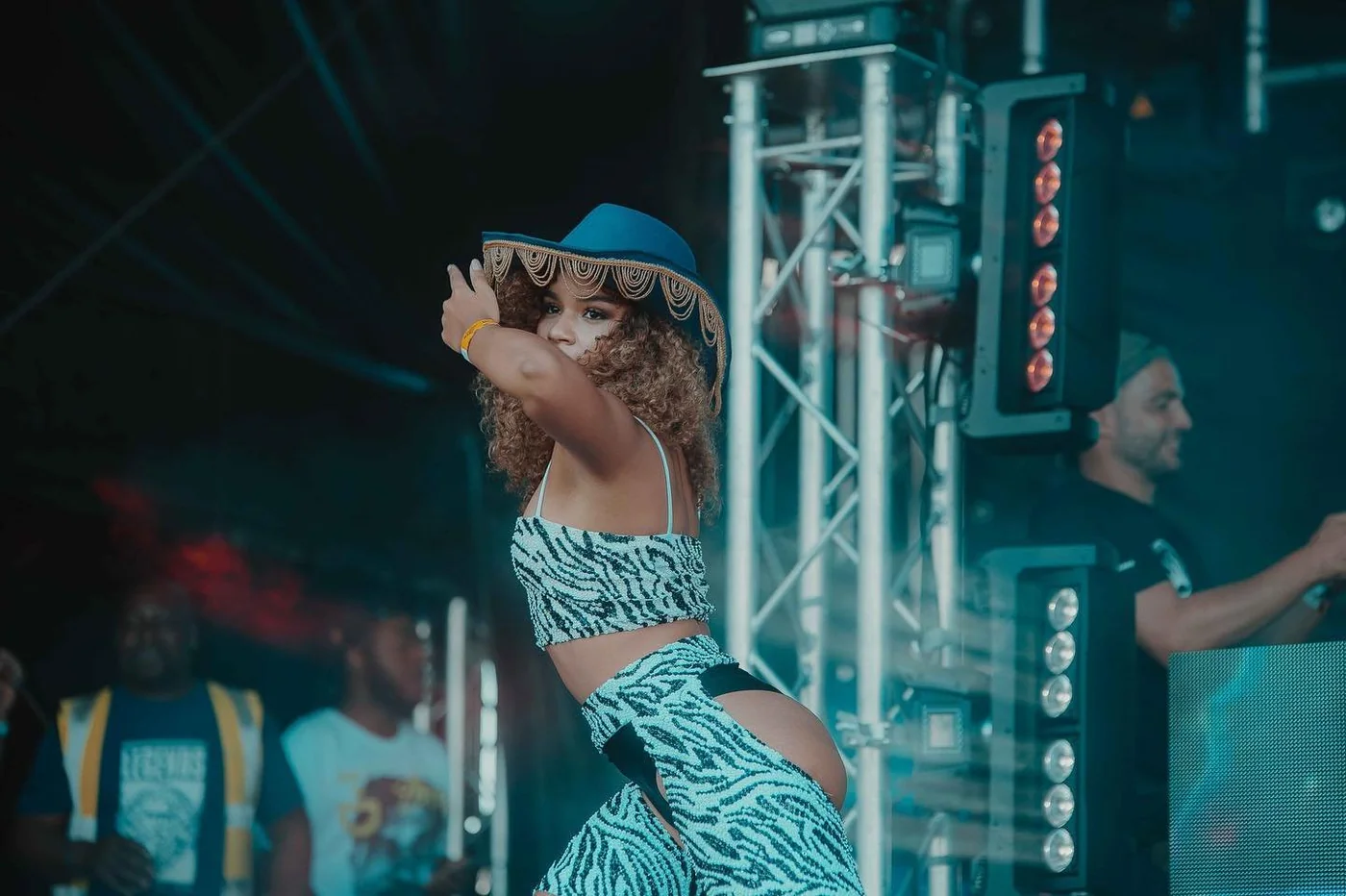
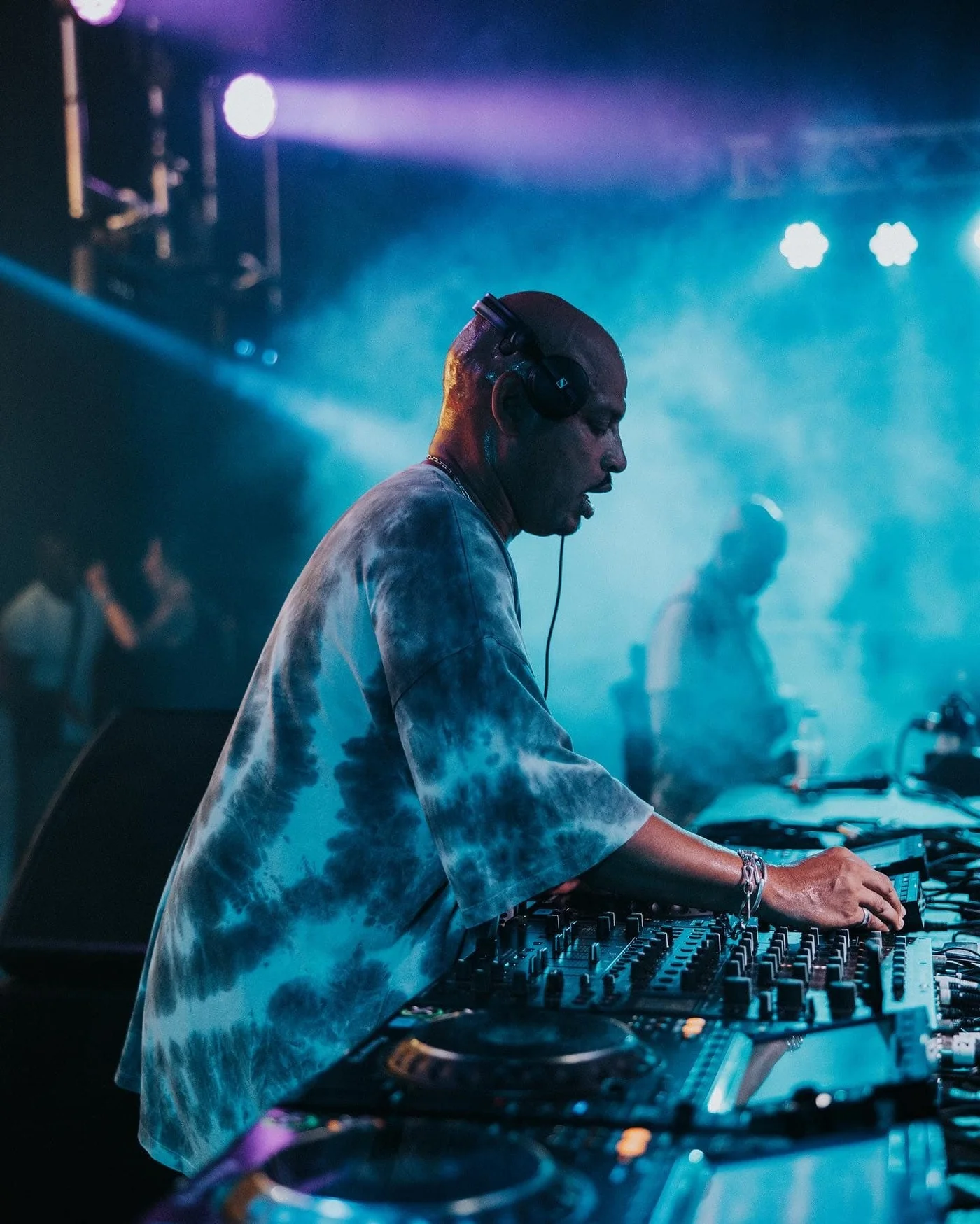
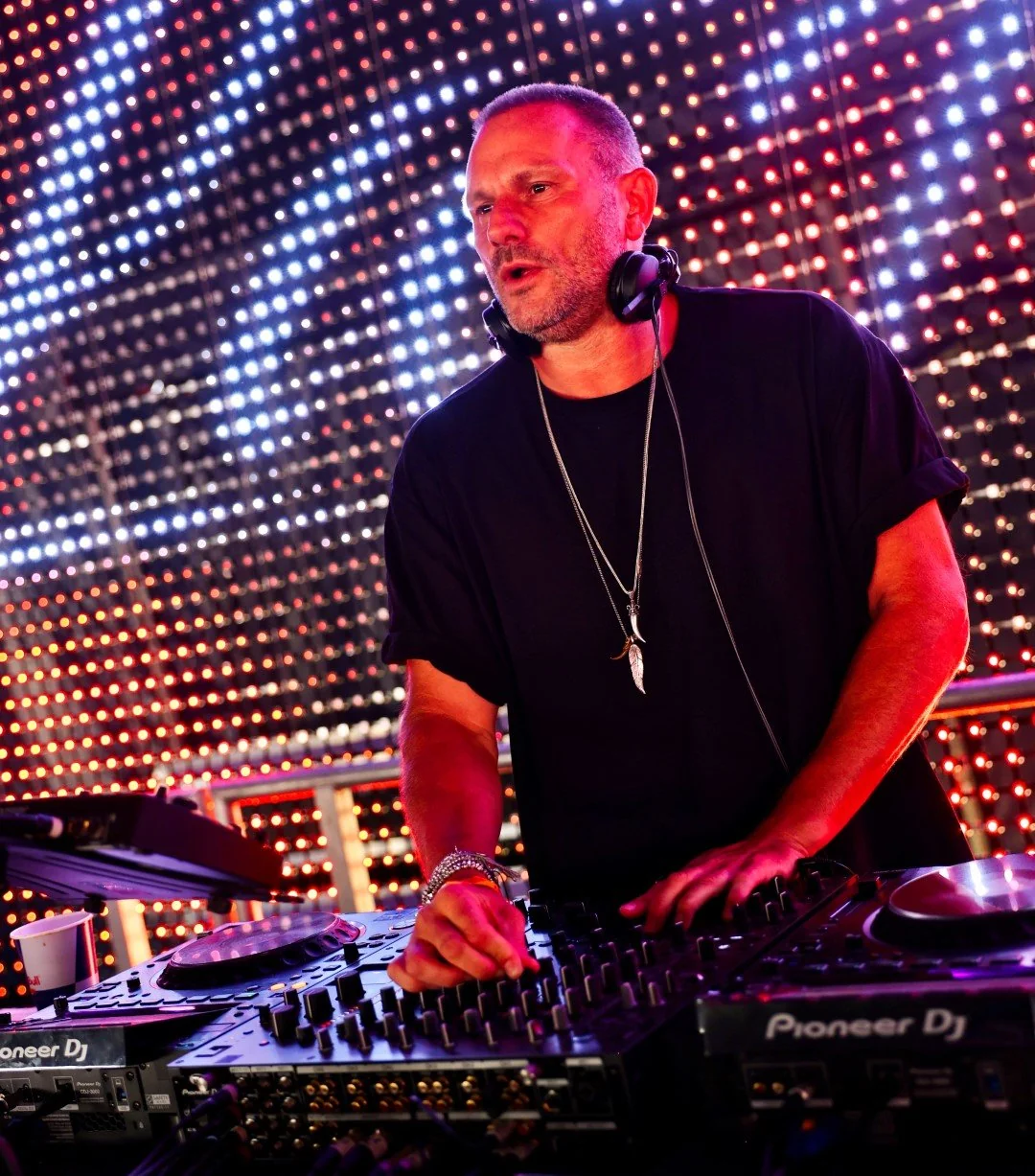
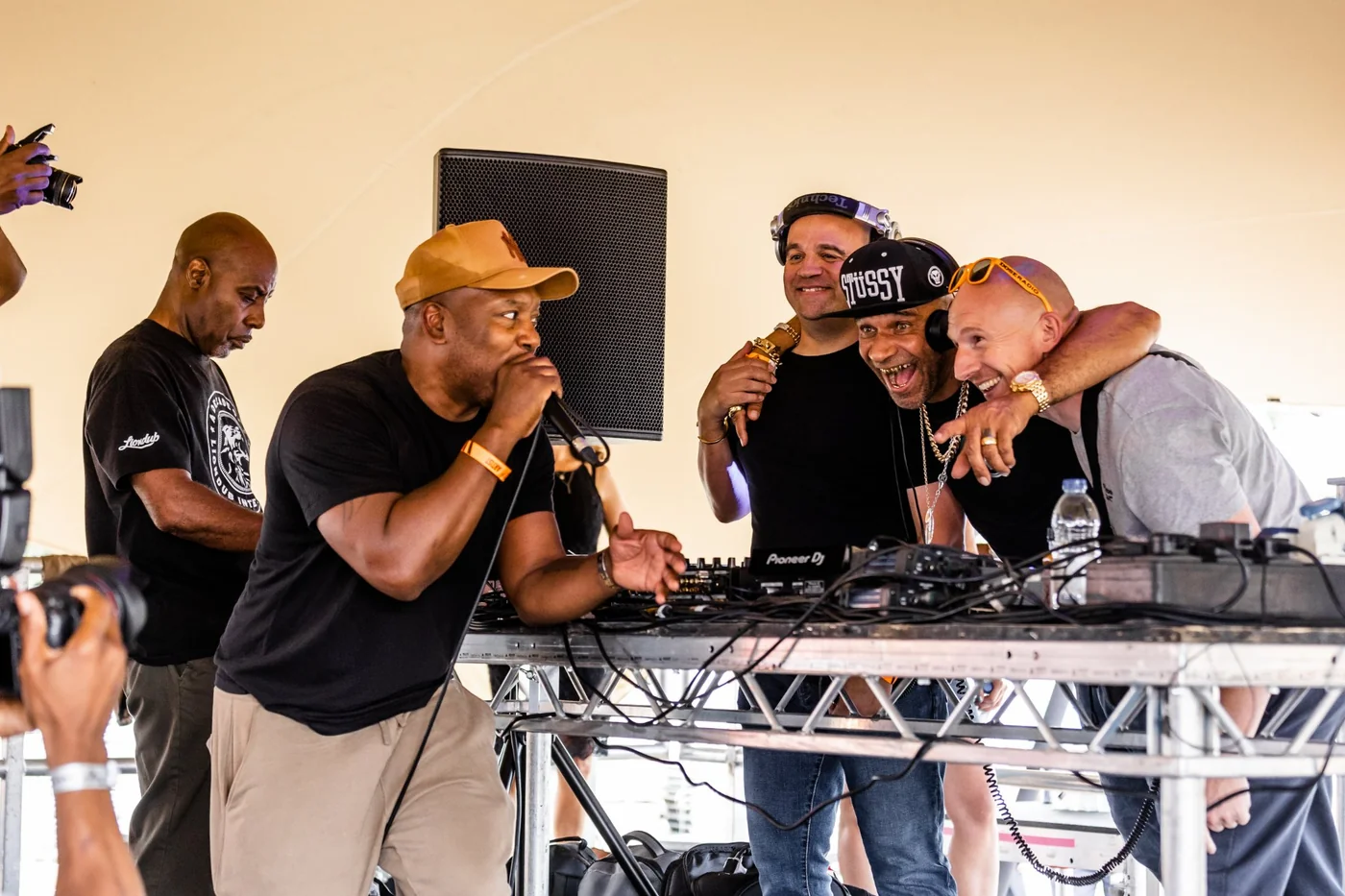
The real experience of attending is not just about seeing the biggest DJ of the moment. It is arriving in the afternoon, hearing the bass before finding your stage, crossing paths with people who are really listening, seeing generations mixed together, stepping into a room where garage is rolling, moving out to a courtyard with warmer house, catching an MC pulling up memories, dancing to a track someone beside you has known for twenty years and another that a younger crowd is discovering for the first time. At 51st State, the past does not sit there like a museum piece; it works as fuel.
What makes 51st State Festival different is the way it connects scenes without flattening them into nostalgia. House, garage, soul, disco, dub and dancehall appear as a living network, not as separate boxes. Its move toward Riverside Sessions places the brand in a new, more urban and intimate chapter, but it does not erase its history. 51st State remains, above all, a celebration of London as a city of mixture: a dance floor where America, the UK and the Caribbean can still meet inside the same bassline.
Genres
HOUSE
SOUL
Timeline
One artist per year — highest ranked in our archive
Those who appear most across this franchise's editions.
 #1
#1United Kingdom
2 editions · 2023–2026
#2United Kingdom
2 editions · 2023–2026
#3United Kingdom
2 editions · 2023–2026
Documented photos from the franchise.