Ranking
#802

TECHNO
Ranking
#802
Followers
47.8 K
6 editions to explore · future, live and past
Numbers, home base and house quirks
Apokalypsa was one of those events that gave shape, weight and memory to Central European techno culture. It was not a grass-field festival with tents, sunsets and open horizons. It was an indoor ritual: lasers, smoke, heavy sound systems, multiple stages and a crowd locked into a long night inside a techno hall in Brno. The name sounded dramatic, almost cinematic, but it fit the experience. Apokalypsa was not built around softness. It was built around pressure, stamina and the feeling that a dancefloor could become a contained storm.
Launched in 1999, Apokalypsa grew into one of the most recognizable electronic music brands in the Czech Republic. Its symbolic home was Bobycentrum, especially the Laser Show Hall / Bobyhall, a Brno venue that became closely tied to the festival’s image. For many fans from Czechia, Slovakia and the wider Central European region, Apokalypsa was more than a party listing. It was a techno pilgrimage. Brno, less internationally obvious than Prague, found in the event a distinctive nightlife identity: harder, darker, more hall-driven and more focused on the physical intensity of the music.
The format was essential to its legend. Apokalypsa worked as a long indoor festival event, with multiple stages, strong visual production and a “techno hall” atmosphere that combined club infrastructure with festival scale. It was not an illegal rave, and it was not an outdoor EDM fair. It existed in a powerful middle ground, where club music became large without losing all of its tension. Editions could stretch deep into the morning, moving between classic techno, hardtechno, tech-house, minimal, live acts and tougher sounds made for an audience that came prepared to move for hours.
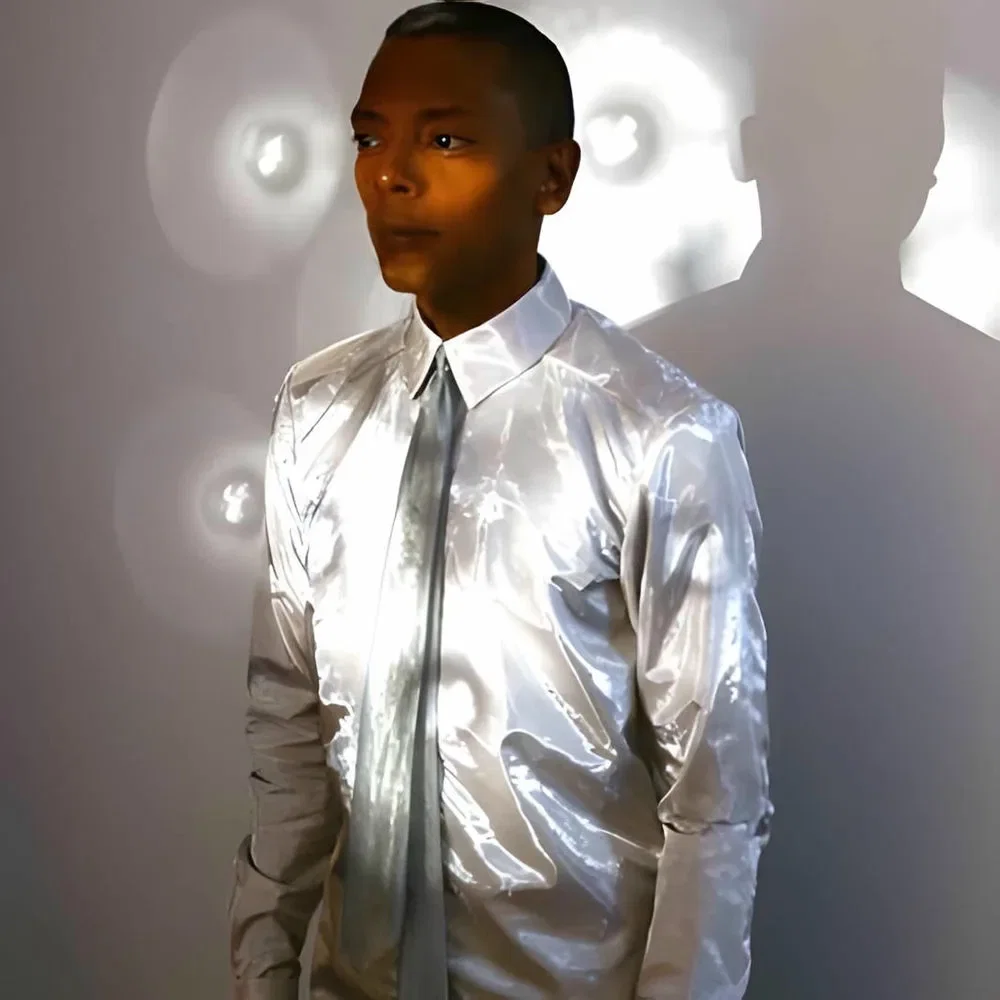
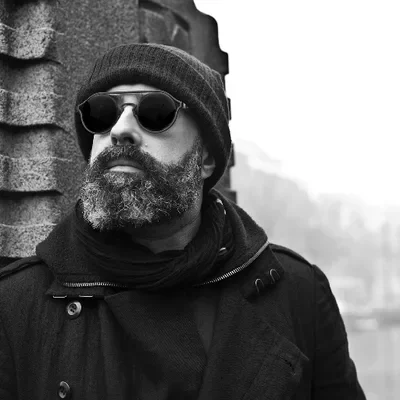
Across its long history, Apokalypsa hosted artists that explain its weight within the scene: Jeff Mills, Dave Clarke, DJ Rush, Chris Liebing, Mauro Picotto, Monika Kruse, Marco Bailey, Oscar Mulero, Kevin Saunderson, The Advent, Candy Cox, Axel Karakasis, Jeff Amadeus, Mario Ranieri, Cristian Varela and many others connected to driving techno, hardtechno and European club culture. That range allowed the festival to connect different generations. People who came for the architects of classic techno could share the same room with younger crowds drawn to harder, faster and more industrial shades of the sound.
The Apokalypsa experience was a test of collective endurance. Entering Bobycentrum meant accepting a long night: finding the stages, locating the bar, pacing your energy, losing friends, finding them again, following bass through corridors, moving from one floor to another and letting the lighting production take control of the room. Lasers were not just decoration. In an indoor techno event, light becomes architecture. It cuts through smoke, marks drops, extends the ceiling and turns the hall into a moving machine. Apokalypsa understood that relationship between closed space, sound pressure and visual intensity.
Its importance was never only about famous names. Many cities have clubs; fewer create a party brand that becomes a reference point for more than two decades. Apokalypsa achieved that because it offered continuity, identity and a clear sense of belonging. For Czech and Slovak audiences, and for techno heads coming from nearby European countries, it became a place where the scene gathered seriously. It was a meeting point for major DJs, live sets, hard sessions, local memory and the specific feeling of hearing techno amplified inside a large hall without losing the closeness of club culture.
As a historical brand, Apokalypsa left a mark that is difficult to replace. Its closing chapter only sharpened that meaning. It was not merely the end of a party, but the end of an indoor institution that had accompanied major changes in electronic music, from the techno language of the late 1990s to the harder, faster and more fragmented generations that followed. Its legacy remains tied to Brno, Bobycentrum, long nights and a way of understanding a festival not as a weekend escape, but as total immersion inside a room. Apokalypsa was, in the most direct sense, a techno machine: intense, persistent, dark, bright and deeply imprinted in the Czech rave memory.
Genres
TECHNO
Timeline
One artist per year — highest ranked in our archive
Those who appear most across this franchise's editions.