Ranking
#261

HOUSE - INDIE
Ranking
#261
Followers
309.4 K
1 editions to explore · future, live and past
 2023
2023AXE Ceremonia 2023
Numbers, home base and house quirks
AXE Ceremonia holds a very specific place in the recent history of Mexican festivals. It was not born as a local copy of major international events, but as a bet on looking forward: bringing artists to Mexico while they were still expanding, mixing scenes that did not usually share the same poster and creating a space where young audiences could feel closer to what was happening in global music. Since its first edition in 2013, Ceremonia built a reputation as a curation-led festival: an event where the smaller names on the lineup could say as much about the future as the headliners.
Its origin at Centro Dinámico Pegaso in Toluca already marked a different intention. In a country where major concerts tended to concentrate in Mexico City, Ceremonia proposed an experience on the outskirts: more ritual than simple concert, more discovery than hit parade. The first lineup, with Animal Collective, Nicolas Jaar, Toro y Moi, Purity Ring, Oneohtrix Point Never, Justice DJ set, Little Jesus and Simpson Ahuevo, showed a clear idea from the start: psychedelia, electronic music, indie, hip hop, emerging Mexican projects and cult sounds could all take part in the same conversation.
Over the years, that conversation became larger and riskier. Ceremonia did not remain locked inside standard indie. It opened space for U.S. rap, club electronics, R&B, alternative reggaeton, experimental pop, Latin artists, K-pop, corridos tumbados, global producers, pop divas, cult names and internet phenomena. That mixture, sometimes improbable on paper, became its strongest identity. At Ceremonia, it could make sense to see Tyler, the Creator, Rosalía, Kendrick Lamar, Arca, Charli XCX, Natanael Cano, Massive Attack, Fred again.., Travis Scott, FKA twigs, James Blake, Jamie xx, Fuerza Regida, Peggy Gou or Tomorrow X Together within the same generational logic.
The festival also mattered because it understood early that music was no longer consumed through such closed tribes. Its audience could move from a techno set to corridos tumbados, from a forward-thinking pop artist to a hip hop act, from an indie band to a K-pop show. That elasticity made it more contemporary than many larger festivals. Ceremonia did not try to organise youth taste; it let it exist in its chaotic, digital, bilingual, visual, nocturnal and contradictory form. It was a festival for people discovering music through playlists, memes, clubs, TikTok, magazines, radio, queer parties, small gigs and international stages at the same time.
Its move to Parque Bicentenario after the pandemic pause gave it a new scale. Mexico City was no longer just the nearby market; it became the natural stage for the festival. In 2024, with Kendrick Lamar, LCD Soundsystem, Fuerza Regida, James Blake, Arca and Peggy Gou, Ceremonia reached its most massive point and confirmed that it could compete with the capital’s major events without fully resembling them. While Corona Capital spoke more to global indie and Vive Latino to rock and Ibero-American music, Ceremonia occupied another lane: young, diverse, fashion-aware, alternative and globalised curation.
The 2025 edition became marked by a tragedy that cannot be separated from its history. During the first day, a metal structure collapsed and killed two photojournalists, Berenice Giles and Miguel Ángel Rojas. The second day was suspended by the authorities, and the festival entered a period of investigation, public mourning and deep questioning around safety, operations and responsibility. For an editorial profile, this should be handled with respect and clarity, without sensationalism, because it forms part of the festival’s current status and explains why its future became uncertain.
Even so, reducing Ceremonia only to that recent ending would erase more than a decade of cultural impact. For years, it was one of the most important windows into where young music culture in Mexico was moving. Before certain artists became massive, Ceremonia had already placed them in conversation with local audiences. Its value lay in detecting shifts in taste: from indie to club culture, from alternative rap to the mainstream, from experimental pop to mass culture, from regional Mexican music to international festival lineups.
AXE Ceremonia should be listed as a Mexican festival of alternative music and contemporary culture, with a paused or future-uncertain status after 2025. Its importance lies in having created its own language within Mexico City’s festival ecosystem: less nostalgia, more present tense; fewer closed genres, more mixture; less predictable booking, more risk. At its best, Ceremonia was a compass pointing toward what came next.
Genres
HOUSE
INDIE
Timeline
One artist per year — highest ranked in our archive
Those who appear most across this franchise's editions.
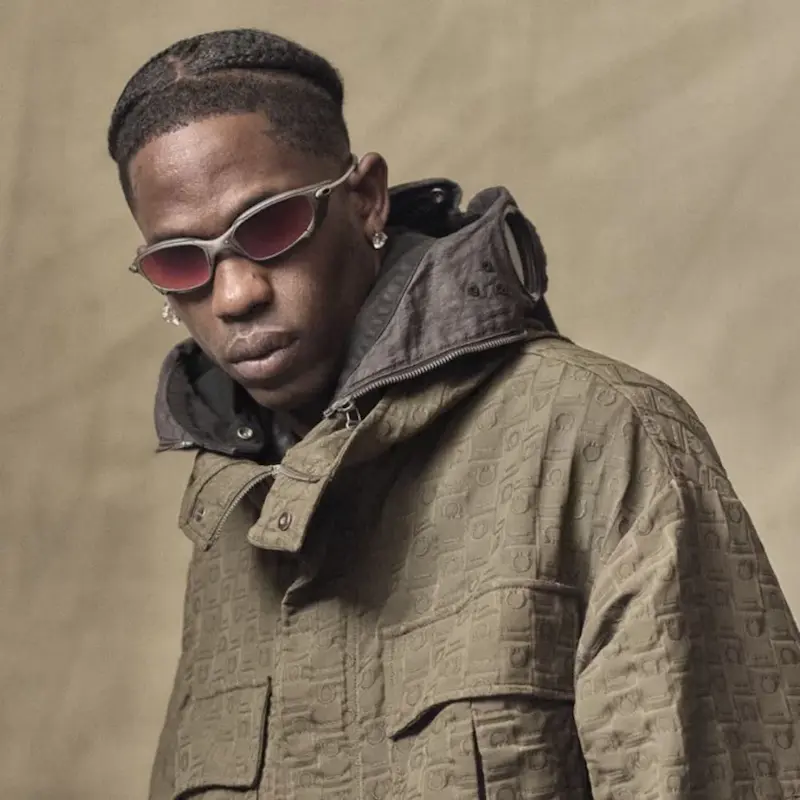 #1
#1United States
1 editions · 2023
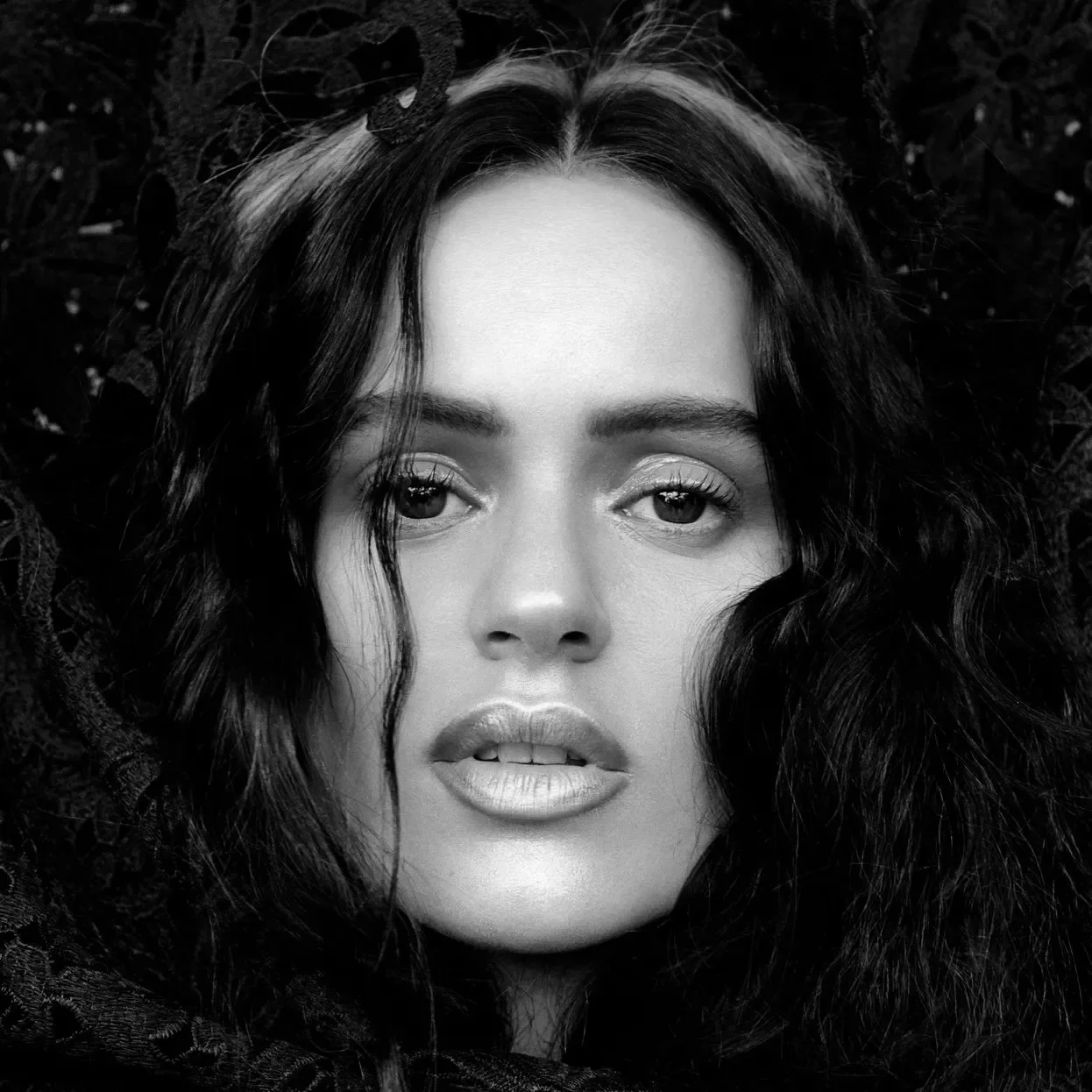 #2
#2Spain
1 editions · 2023
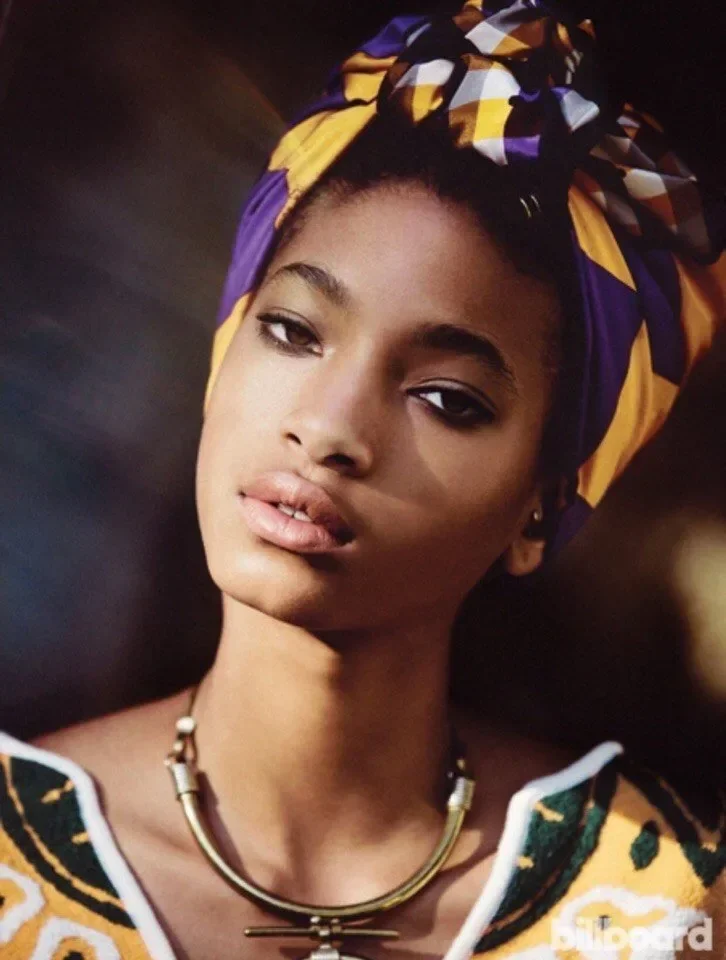 #3
#3United States
1 editions · 2023