Ranking
#242

INDIE - POP - ROCK
Ranking
#242
Followers
339.6 K
When
08–JUL 10, 2027
Featured artists
Lineup coming — we'll publish it as soon as it's confirmed.
Time left
22 editions to explore · future, live and past
 2027
2027Bilbao BBK Live 2027
2026Bilbao BBK Live 2026
Numbers, home base and house quirks
Bilbao BBK Live begins with a geographical contradiction that eventually became its defining strength. It is a major international festival identified with a city, yet its principal site is not surrounded by streets, buildings or indoor arenas. Each July, audiences leave central Bilbao and travel upward toward Kobetamendi, a natural area overlooking the city, its neighbourhoods and the curve of the estuary. The mountain is not simply available land on which stages happen to be installed. Slopes, trees, northern humidity, changing weather and panoramic views alter the way the music is experienced. The festival remains physically close to Bilbao while feeling temporarily removed from ordinary urban life.
The project began in 2006 through the partnership of Last Tour, Bilbao City Council and BBK. Its first edition was ambitious for a new event, presenting Guns N’ Roses, Placebo, Ben Harper, The Cardigans, The Pretenders, Goldfrapp, Deftones and The Cult. The programme reflected a particularly strong relationship with international rock and alternative bands capable of drawing audiences from beyond the Basque Country. Kobetamendi gave that musical identity a memorable setting from the beginning. Visitors did not enter a standard field on the edge of an anonymous town; they climbed above Bilbao and remained conscious of the city below them throughout the weekend.
Over the following years, Bilbao BBK Live established itself through artists who shaped several generations of rock and pop. The Rolling Stones, Metallica, Radiohead, Depeche Mode, The Cure, Pearl Jam, R.E.M., Coldplay, Red Hot Chili Peppers, The Police, Green Day, Arctic Monkeys, Muse and The Killers all appeared during its development. Yet the festival’s history is not merely a sequence of internationally famous names. Its evolution can be read through the increasing presence of electronic music, hip hop, contemporary pop, R&B and Iberian and Latin American scenes. What began with a strong guitar-led identity gradually became a broader portrait of modern festival culture.
The most significant transformation occurred when electronic music stopped behaving like a secondary late-night programme and gained spaces with their own architecture and philosophy. Basoa created a dance floor among trees rather than inside a conventional tent, using sound, vegetation and lighting to build an immersive environment. Lasai offered the opposite kind of intensity: slower tempos, lower pressure and views toward Bilbao that encouraged attentive listening rather than constant escalation. Gorria later expanded the relationship with club culture, global rhythms and electronic experimentation. Together, these spaces allowed massive live concerts and comparatively intimate dance experiences to coexist within the same mountain site.
A typical festival day begins in the afternoon but rarely ends with the final headline performance. Audiences move between Nagusia, San Miguel and smaller stages, cross wooded paths and decide how much time to give each area. Clashes are unavoidable. A major artist may perform at the same time as a DJ in Basoa, an emerging band or a local act. This impossibility of seeing everything is part of the experience rather than a failure of planning. Each visitor constructs a different Bilbao BBK Live. Some organise the night around headliners; others use those large performances as landmarks while spending most of their time discovering music in spaces where landscape and atmosphere matter as much as the name on the schedule.
Camping creates another relationship with Kobetamendi. Guests who stay on the mountain experience a temporary community that begins before the main gates open and continues after the official stages close. Akelarre has extended music into the campsite through curated sessions and ritual-like gatherings. Camping avoids part of the daily journey from Bilbao but requires preparation for Basque weather. Rain, mud, humidity, cold nights and rapid changes can appear even in July. Visitors staying in the city rely on shuttle buses and transport systems capable of moving tens of thousands of people between the urban centre and a venue with limited private-vehicle access.
Bilbao does not disappear while the main programme occupies the mountain. Since 2011, Bereziak has presented free concerts in urban venues and public spaces. Hirian has taken music into different neighbourhoods, while Herrian has extended activity to other towns across Bizkaia. In 2026, Mendian introduced a family-oriented cultural experience on Kobetamendi itself. These programmes address an important tension. An international festival can generate tourism, employment and global visibility, but it can also become an event experienced mainly by visitors. Free and decentralised programming attempts to maintain a relationship with people who live in the city and territory throughout the year.
The pandemic interrupted the festival’s annual rhythm. The 2020 edition, which was due to feature Kendrick Lamar, The Killers and Bad Bunny, was suspended, and continuing restrictions prevented a return in 2021. When Bilbao BBK Live resumed in 2022, the reopening meant more than the recovery of live performances. Kobetamendi regained an event that had become part of Bilbao’s cultural calendar. Later editions increasingly addressed transport, waste, accessibility, environmental protection and audience safety. Partnerships with BBK and social organisations gave these commitments a more structured form, including inclusive employment, safe-space policies and programmes connecting people facing social barriers with the festival.
The 2025 edition featured Kylie Minogue, Pulp, Kaytranada, Raye, Bad Gyal, Nathy Peluso, Michael Kiwanuka, Amaia, Damiano David and Ca7riel & Paco Amoroso among more than one hundred artists. The programme demonstrated how far the musical identity had travelled since 2006: britpop, international pop, club music, soul, rap and Spanish-language scenes occupied the same weekend. The twentieth-anniversary programme in 2026 brought Calvin Harris, Robbie Williams, Dellafuente, David Byrne, FKA twigs, IDLES, Alabama Shakes, Interpol, Charlotte de Witte, Richie Hawtin and Lily Allen to the mountain. A record 112,500 accumulated attendances across the three days confirmed that the festival could still expand after two decades.
That growth defines its central challenge. Bilbao BBK Live must maintain the production standards of a major European event without losing the qualities that make it specific to Bilbao. Its identity does not come only from headliners. It depends on the ascent to Kobetamendi, the trees surrounding Basoa, the slower atmosphere of Lasai, the city lights below and the free concerts taking place away from the main gates. When these elements work together, the festival does not feel like a transportable structure that could be placed anywhere. It becomes inseparable from a particular geography: a northern summer night, a mountain above an industrial and cultural city, and an audience able to see Bilbao even while the music attempts to create another world.
Genres
INDIE
POP
ROCK
Timeline
One artist per year — highest ranked in our archive
Those who appear most across this franchise's editions.
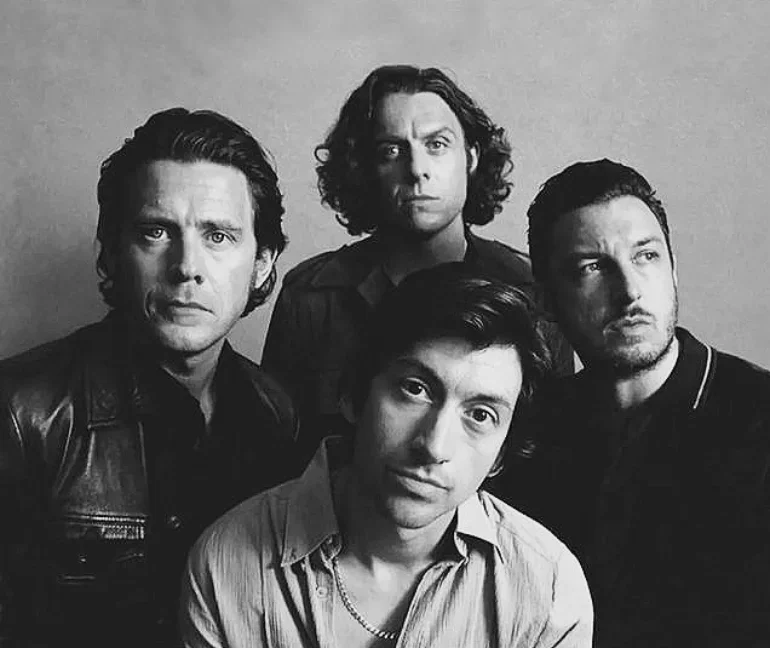 #1
#1United Kingdom
1 editions · 2023
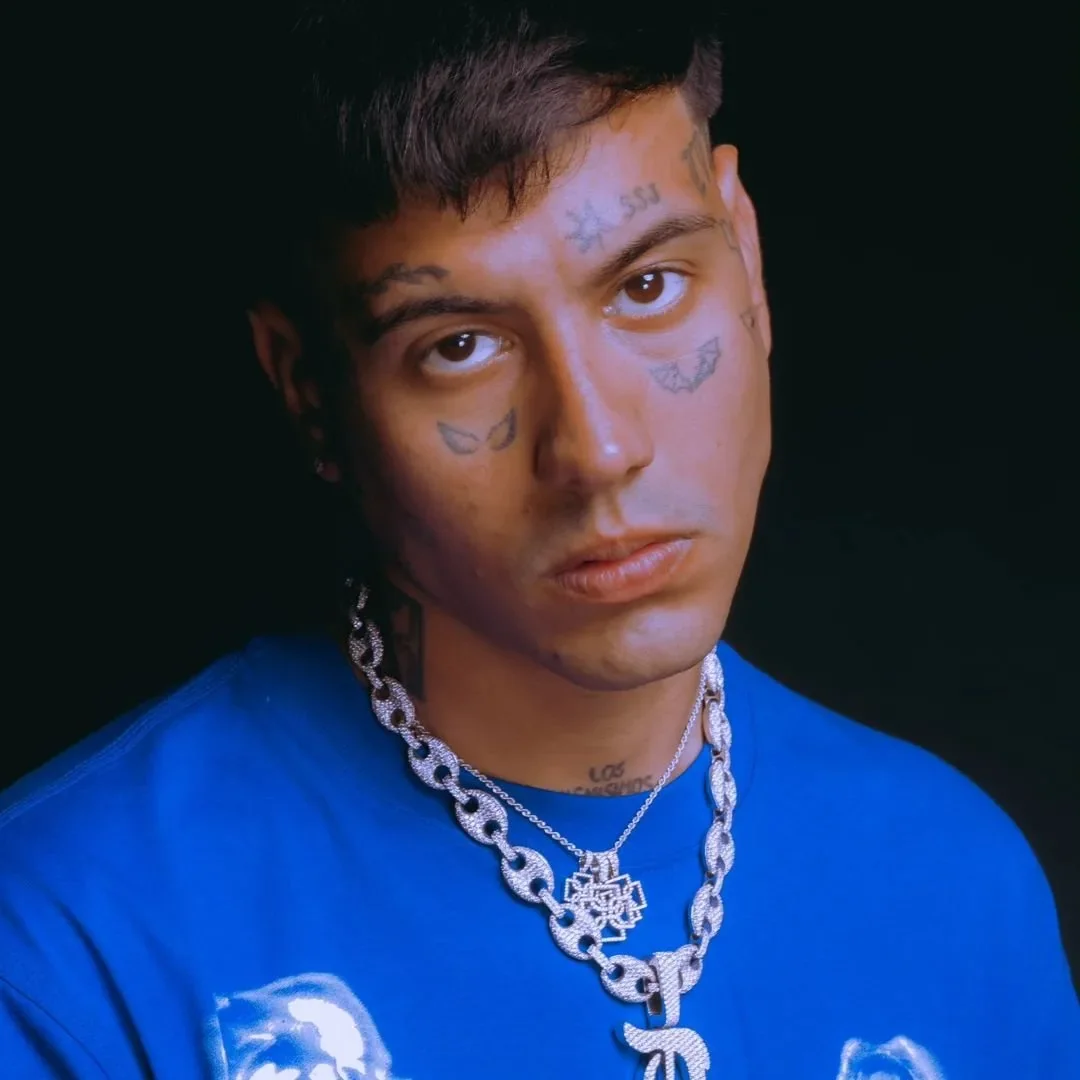 #2
#2Argentina
1 editions · 2023
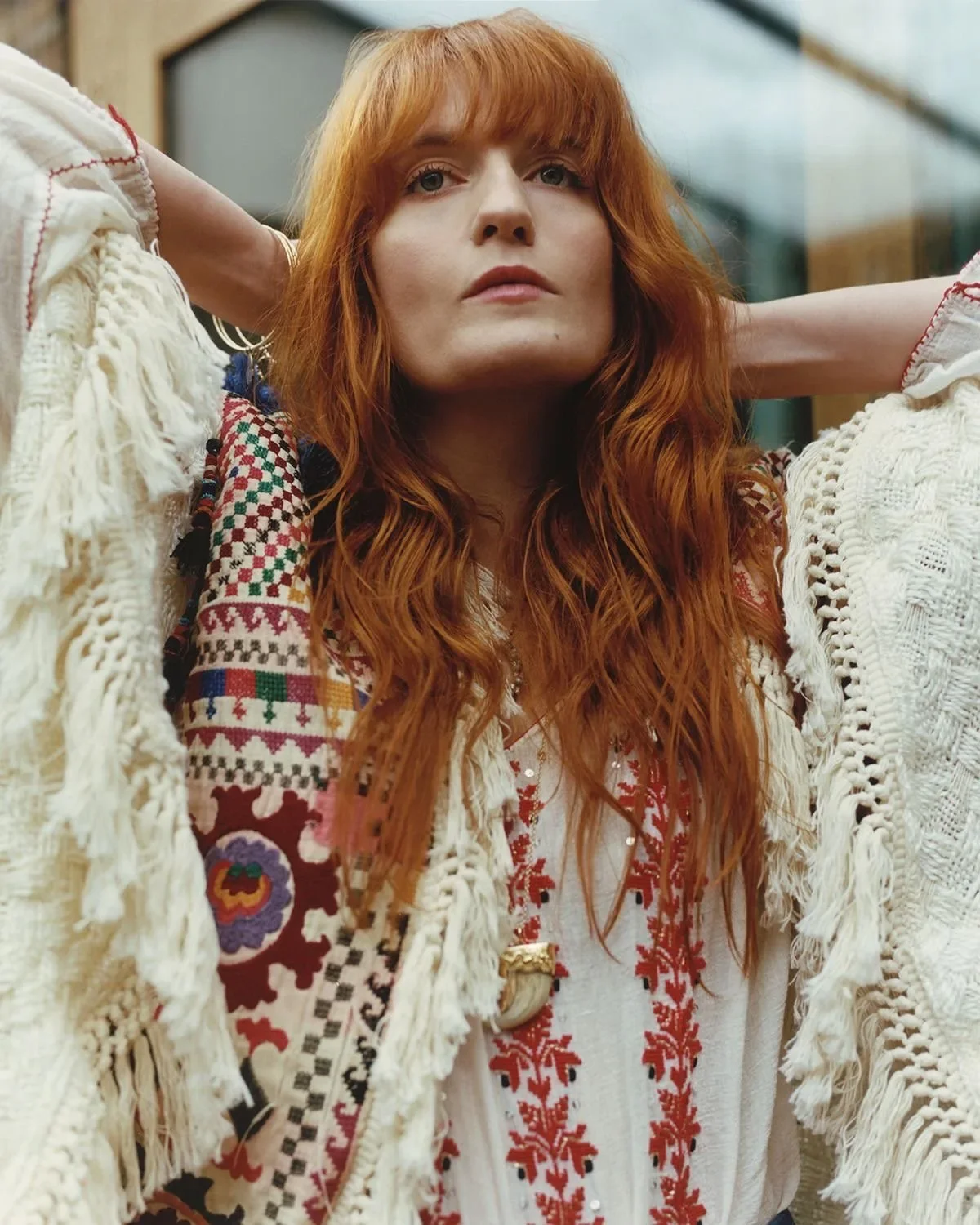 #3
#3United Kingdom
1 editions · 2023