Ranking
#558

COUNTRY - COUNTRY ROCK - COUNTRY POP
Ranking
#558
Followers
109.9 K
When
AUG 01, 2027
Featured artists
Lineup coming — we'll publish it as soon as it's confirmed.
Time left
33 editions to explore · future, live and past
 2027
2027Big Valley Jamboree 2027
Numbers, home base and house quirks
Big Valley Jamboree begins to take shape when the first recreational vehicles enter Camrose and the regional exhibition grounds stop looking like a permanent venue. Over Alberta’s August long weekend, trailers, tents, portable kitchens and outdoor gathering spaces spread across the property until the festival resembles a temporary city. Country music provides the official reason for travelling, but campsite life defines much of the experience. Returning visitors occupy familiar areas, reconnect with neighbours from previous years and organise meals, parties and shared routes through the grounds. The main stage produces the weekend’s largest moments, yet the social life of the Jamboree continues long after the final performance has ended.
The story began in 1992 near Big Valley, Alberta, a small community whose name seemed appropriate for an event designed with major ambitions. The inaugural September gathering featured Bryan Adams, but early snow and limited infrastructure exposed the difficulties of maintaining a festival in that location. Organisers searched for a site with stronger services and found an opportunity in Camrose, where the regional exhibition was reconsidering its traditional summer fair. Big Valley Jamboree moved there in 1993, shifted decisively toward country music and adopted the August holiday weekend that would become part of its identity. What began as a difficult experiment developed into a relationship with Camrose lasting more than three decades.
The Camrose Regional Exhibition Grounds allow large-scale concert production to coexist with extensive camping. Camrose provides roads, businesses, accommodation and emergency services, while the festival builds additional systems intended to limit pressure on its host city. Medical facilities, security, food, merchandise, information, transport and recreational-vehicle services must operate from morning until late at night. Shuttle buses connect selected locations in Camrose with the grounds, although thousands of guests remain within the campsite for the entire weekend. The event consequently feels less like a sequence of unrelated concerts than a provisional settlement whose daily life is organised around stage times.
Its music reflects several generations of North American country. The festival has presented historic performers, contemporary stadium stars and Canadian artists receiving one of the largest audiences available in their home market. Reba McEntire, George Strait, Alan Jackson, Brooks & Dunn, Tim McGraw, Keith Urban, Carrie Underwood, Blake Shelton, Jason Aldean, Miranda Lambert and Brad Paisley are among the names associated with its history. Alongside them appear songwriters, emerging acts, neotraditional performers, country rock, Americana and pop-oriented country. The programme is designed so that one listener may hear songs connected with several periods of life while discovering artists still establishing themselves on radio and national tours.
Secondary stages give that history more room. The saloon creates an atmosphere closer to a large country bar, with dancing and performances continuing beyond the main-stage schedule. The Horizon Stage and songwriter programmes provide smaller settings where lyrics and the stories behind familiar songs become more prominent. These spaces prevent the complete weekend from depending upon three headline concerts. They also allow visitors to construct very different experiences. Some remain close to the main field, while others divide their days between Canadian artists, intimate performances and campsite gatherings. Age, accommodation and personal musical taste determine how much of the same festival any two guests actually share.
Camping requires careful preparation. Alberta can deliver intense afternoon heat, sudden thunderstorms, wind, rain and cool nights within the same weekend. Guests bring water, food, waterproof clothing, sun protection and equipment for several days, while also planning for waste, power and the practical needs of trailers or motorhomes. The atmosphere is celebratory, but thousands of people living together require rules governing traffic, fire, noise, alcohol and safety. Distances between some campsites and stages can be substantial, making footwear, meeting points and daily timing unexpectedly important. A visitor attending for a single concert day experiences something fundamentally different from a group that establishes its temporary home on Thursday.
The 2009 edition remains a painful part of the festival’s history. A severe storm struck on August 1 and caused the main stage to collapse. Donna Moore was killed, while dozens of audience members, workers and musicians required treatment or assistance. The final day was cancelled as the grounds shifted from celebration to emergency response. Later investigations produced recommendations concerning temporary-stage design, weather monitoring, communication and evacuation. Big Valley Jamboree continued, but the disaster became part of its institutional memory and of the wider Canadian discussion surrounding outdoor-event safety. At a gathering of this scale, the systems that seem invisible during ordinary conditions become the most important part of the event when weather changes rapidly.
The COVID-19 pandemic interrupted the annual cycle again in 2020 and 2021. Restrictions on mass gatherings, uncertainty surrounding borders and the inability to confirm production conditions made both editions impossible. When the festival returned in 2022, it restored more than live performances; it rebuilt a community accustomed to meeting every summer. Bailey Zimmerman, Blake Shelton and Jason Aldean headlined the completed 2025 edition, supported by Tyler Hubbard, Ashley McBryde, Nate Smith, Tim Hicks, James Barker Band, Clint Black and numerous Canadian acts. The programme demonstrated the usual balance between current American chart success, Nashville tradition and domestic country music.
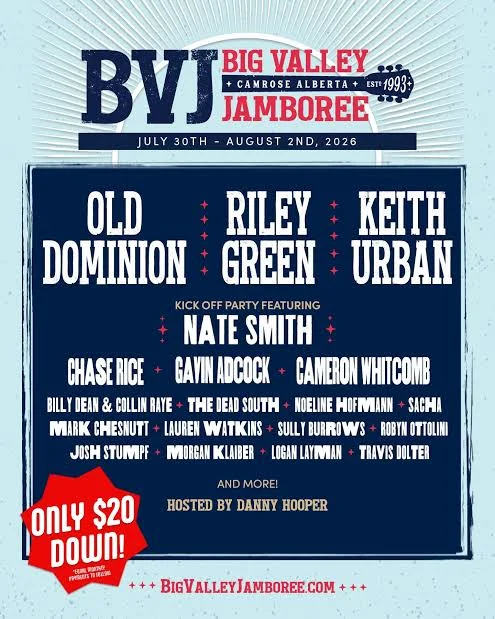
The 2026 festival runs from July 30 through August 2 with Old Dominion, Riley Green and Keith Urban at the top of the bill. Chase Rice, Gavin Adcock, Cameron Whitcomb, The Dead South, Mark Chesnutt, Billy Dean, Collin Raye, Robyn Ottolini, Sacha, Lauren Watkins and Noeline Hofmann broaden the programme through country pop, roots music, rock and songs associated with the 1990s. Young artists share the weekend with performers whose careers extend across several decades. That generational range helps Big Valley Jamboree attract complete families and groups for whom the journey to Camrose has become part of an established summer tradition.
The festival’s endurance cannot be explained by its headliners alone. Major artists justify the journey, but the campsites, Thursday arrival, songwriter sessions, walks between stages and temporary transformation of Camrose create the full memory. Big Valley Jamboree is a large commercial production, yet it retains a social character connected to agricultural fairs and community gatherings across western Canada. Its scale may appear overwhelming, but for returning visitors it produces familiarity: a city assembled for four days, dismantled after Sunday and rebuilt the following summer around country songs, shared meals and the expectation of meeting again.
Genres
COUNTRY
country rock
country pop
Timeline
One artist per year — highest ranked in our archive
1993
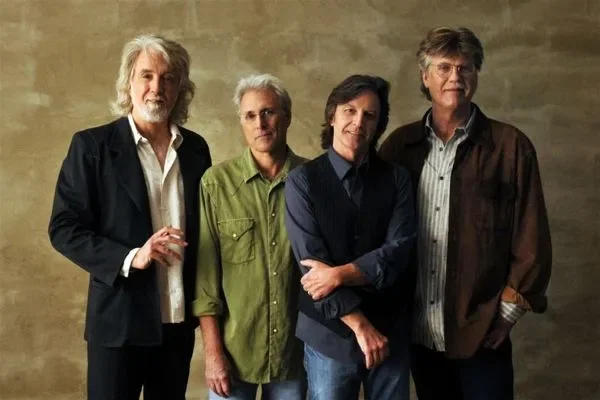
Nitty Gritty Dirt Band
1994
Nitty Gritty Dirt Band
1995
Asleep at the Wheel
1996
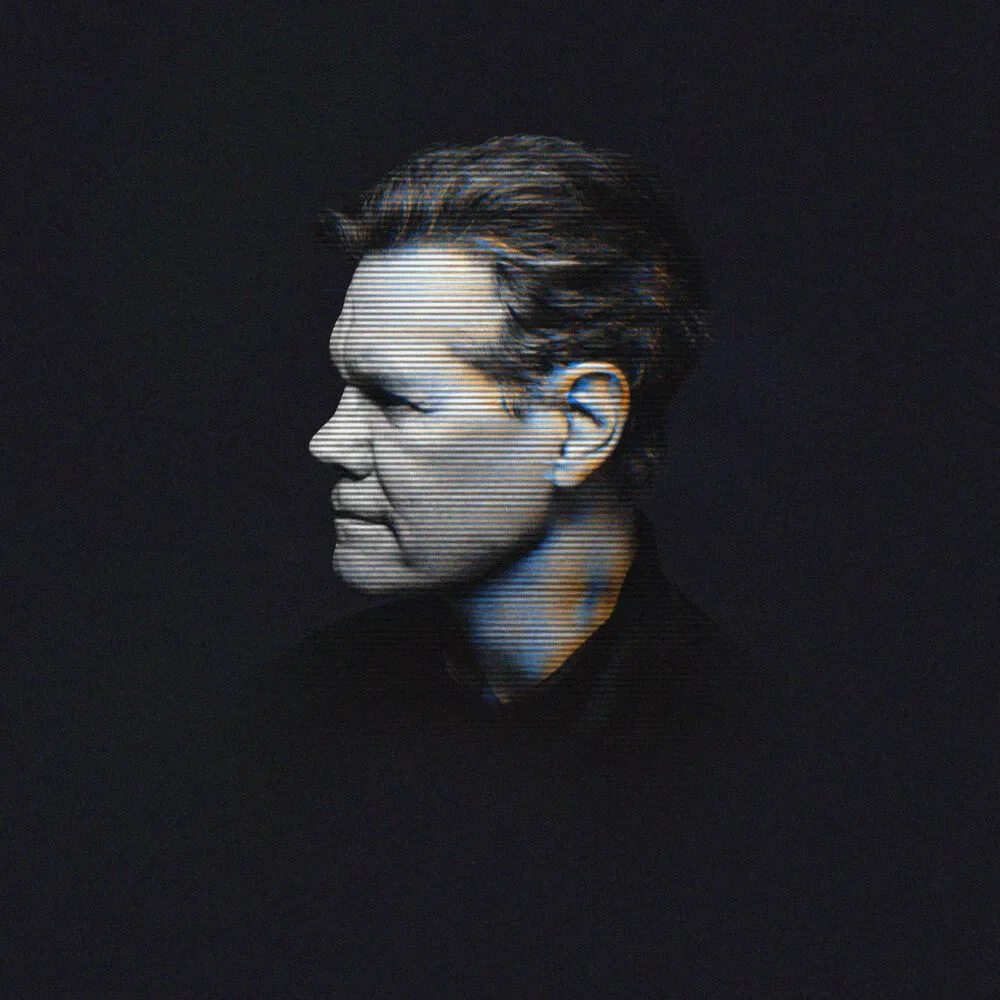
Randy Travis
1997
Tim McGraw
1998
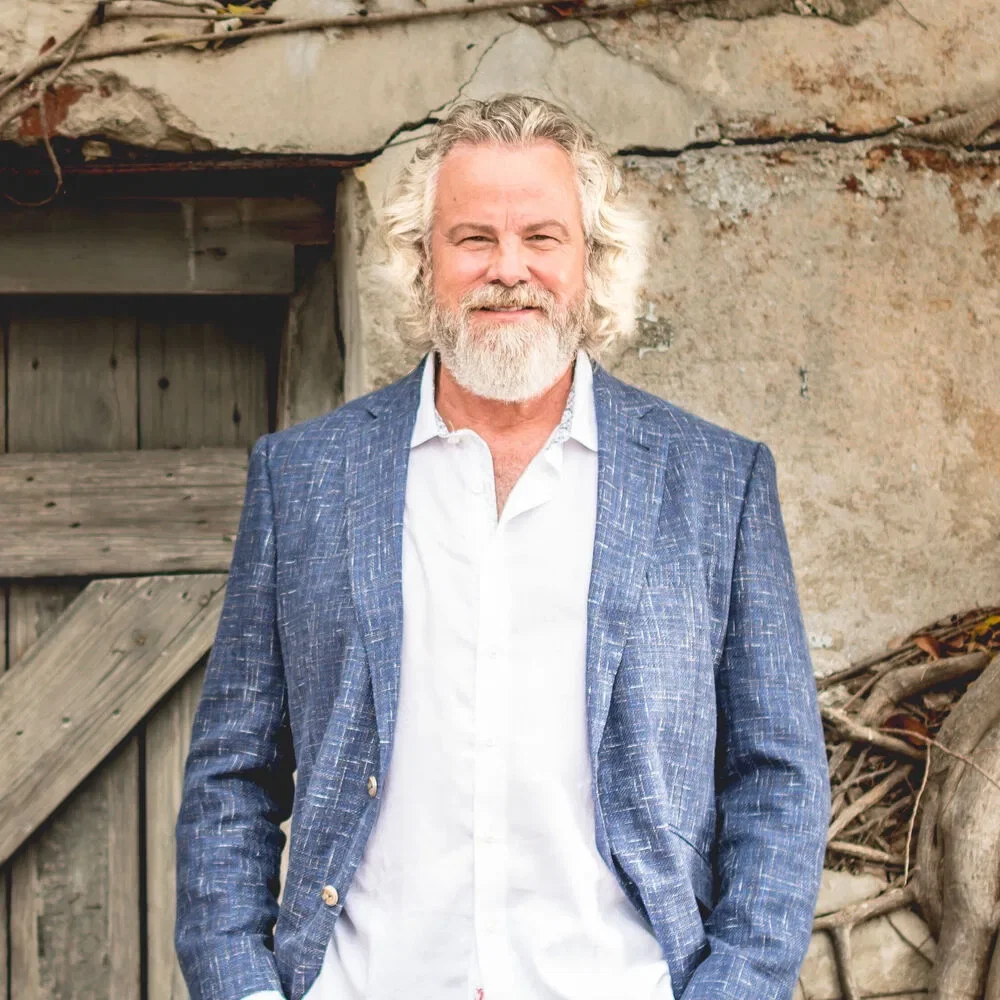
Robert Earl Keen
1999

Shania Twain
2000

Pam Tillis
2001
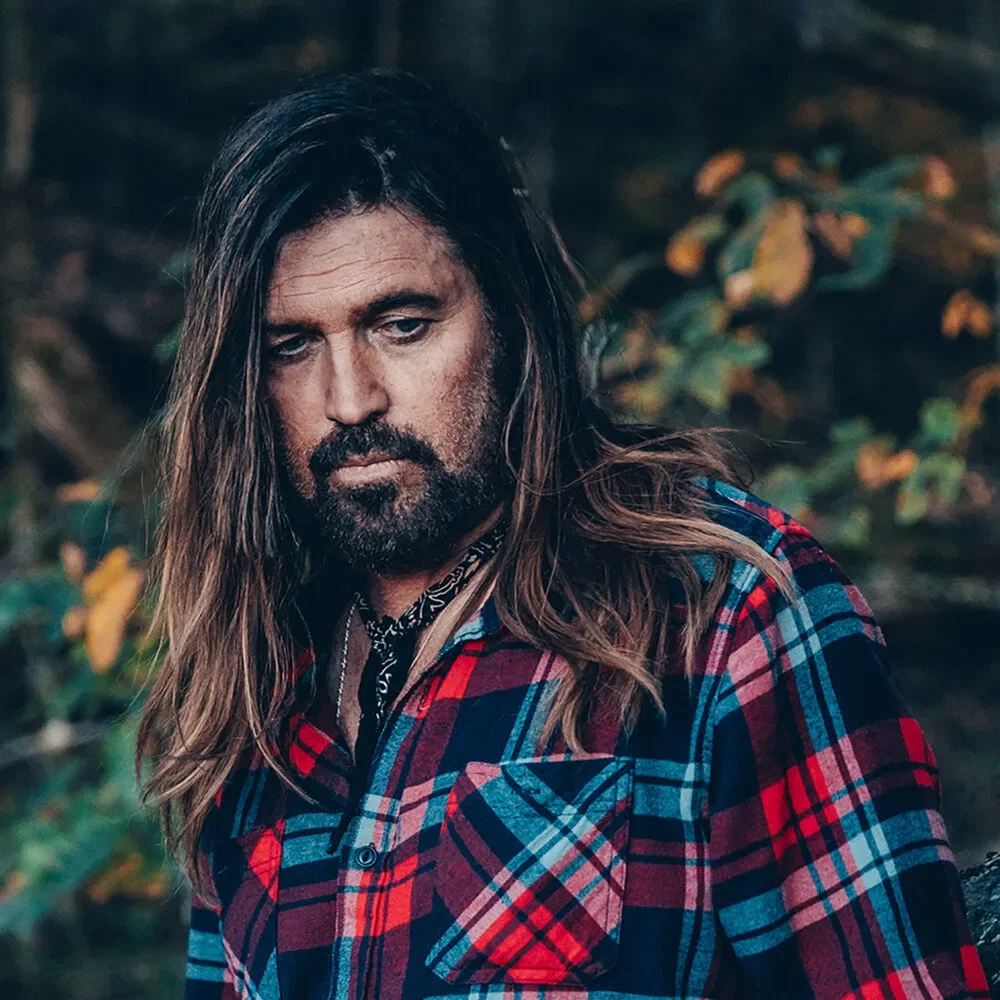
Billy Ray Cyrus
2002
Keith Urban
2003
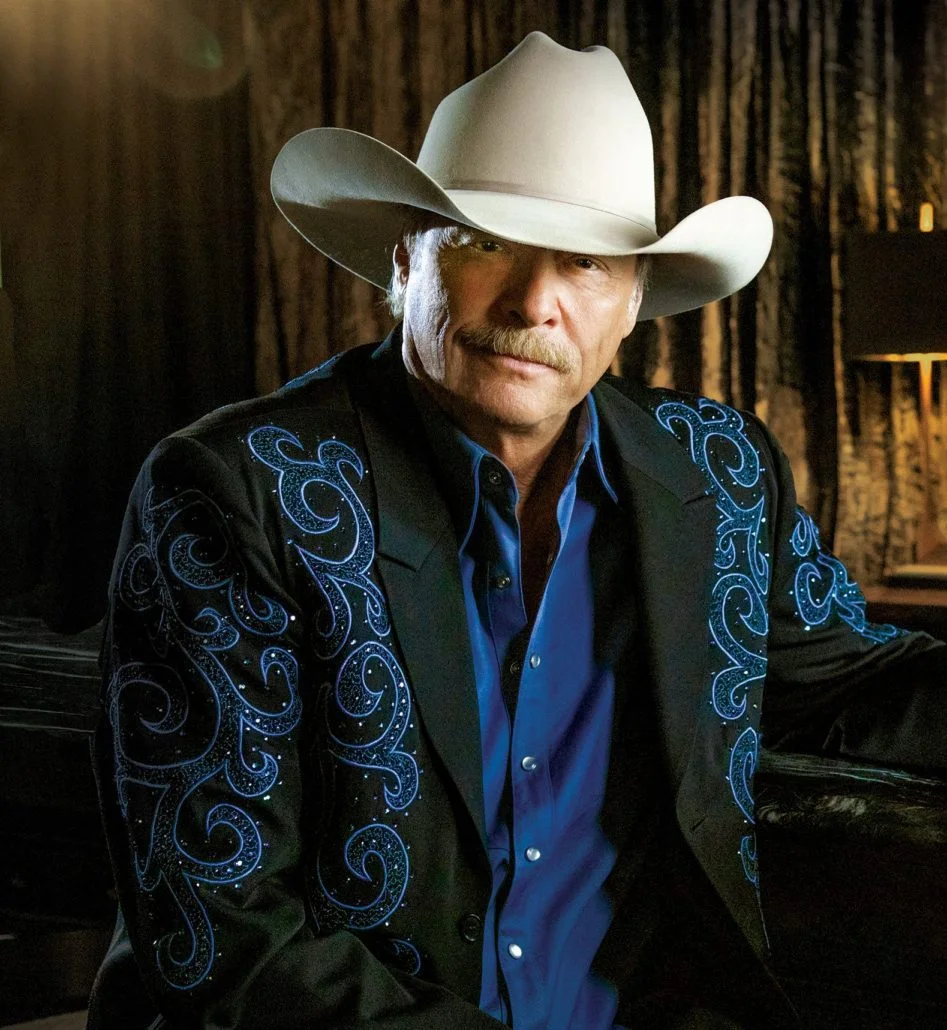
Alan Jackson
2004
Reba McEntire
2005
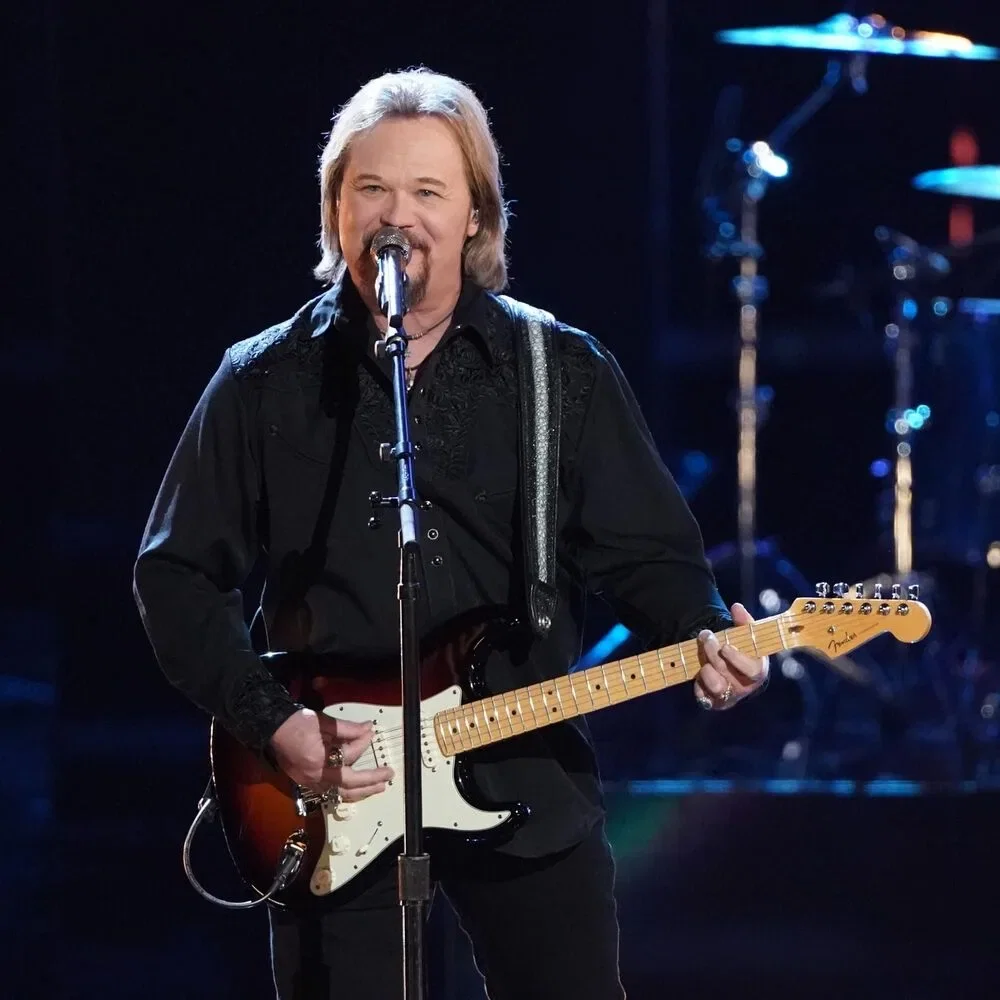
Travis Tritt
2006
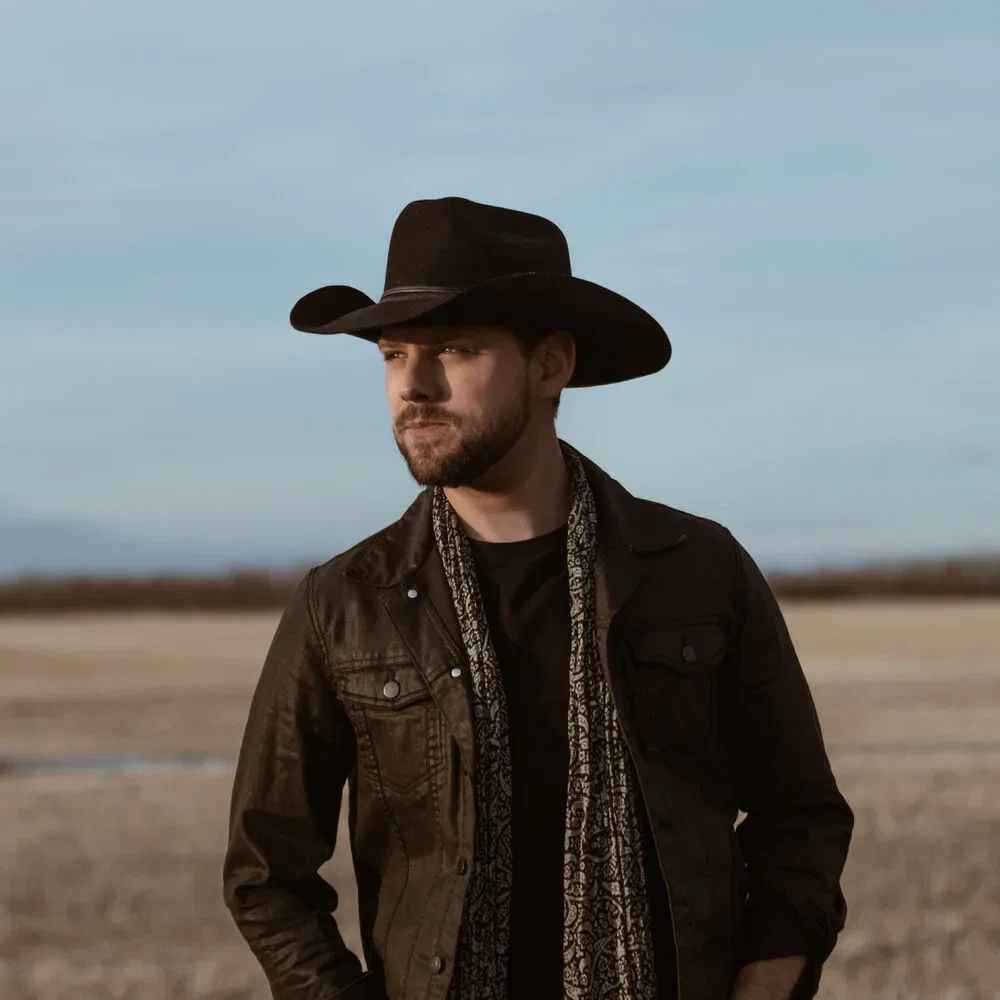
Brett Kissel
2007
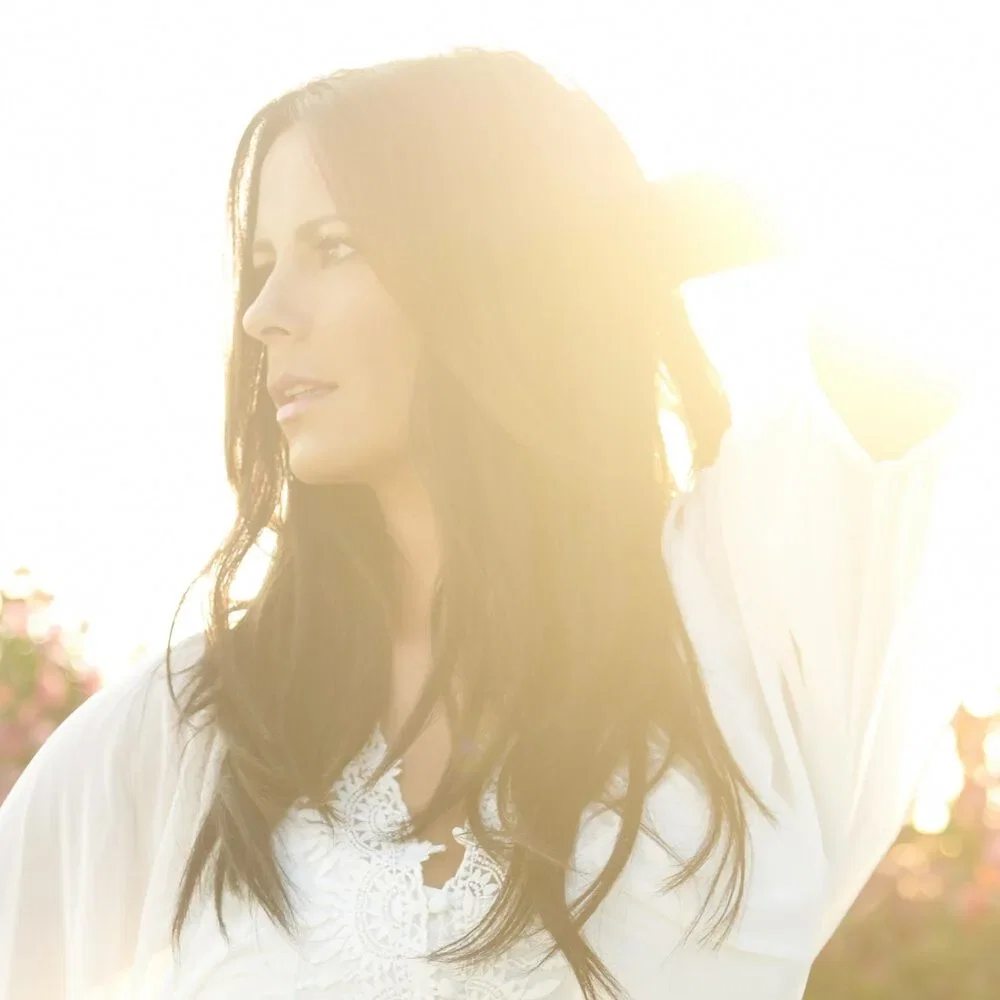
Sara Evans
2008
Little Big Town
2009
Tim McGraw
2010
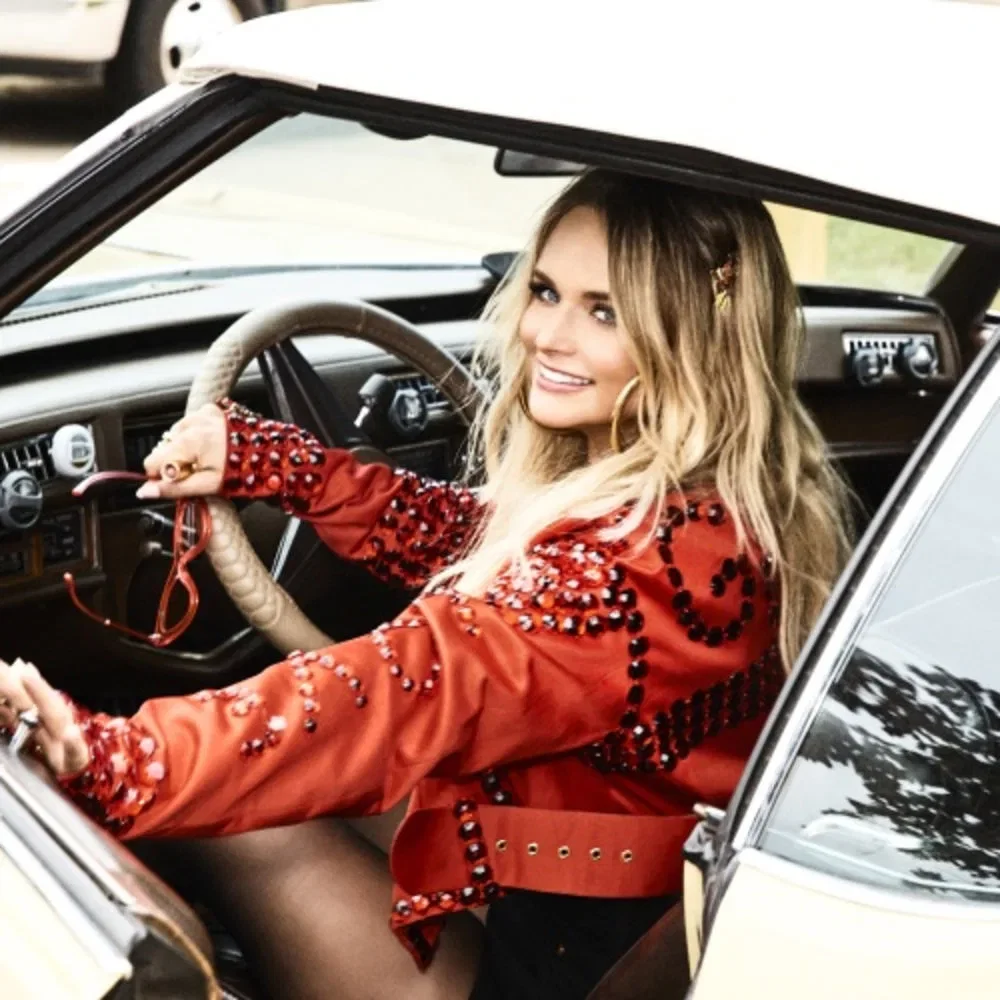
Miranda Lambert
2011
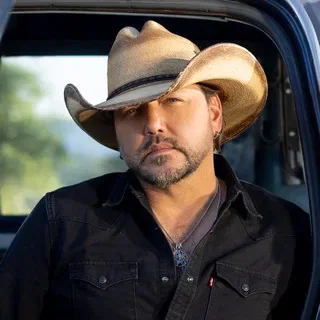
Jason Aldean
2012
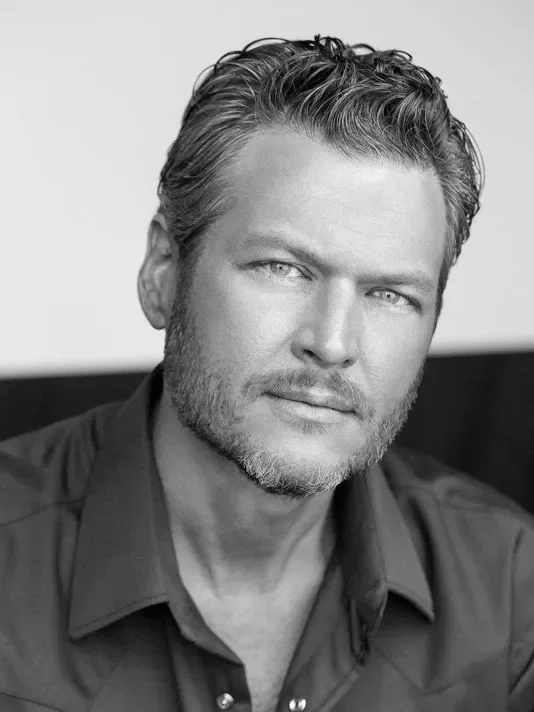
Blake Shelton
2013
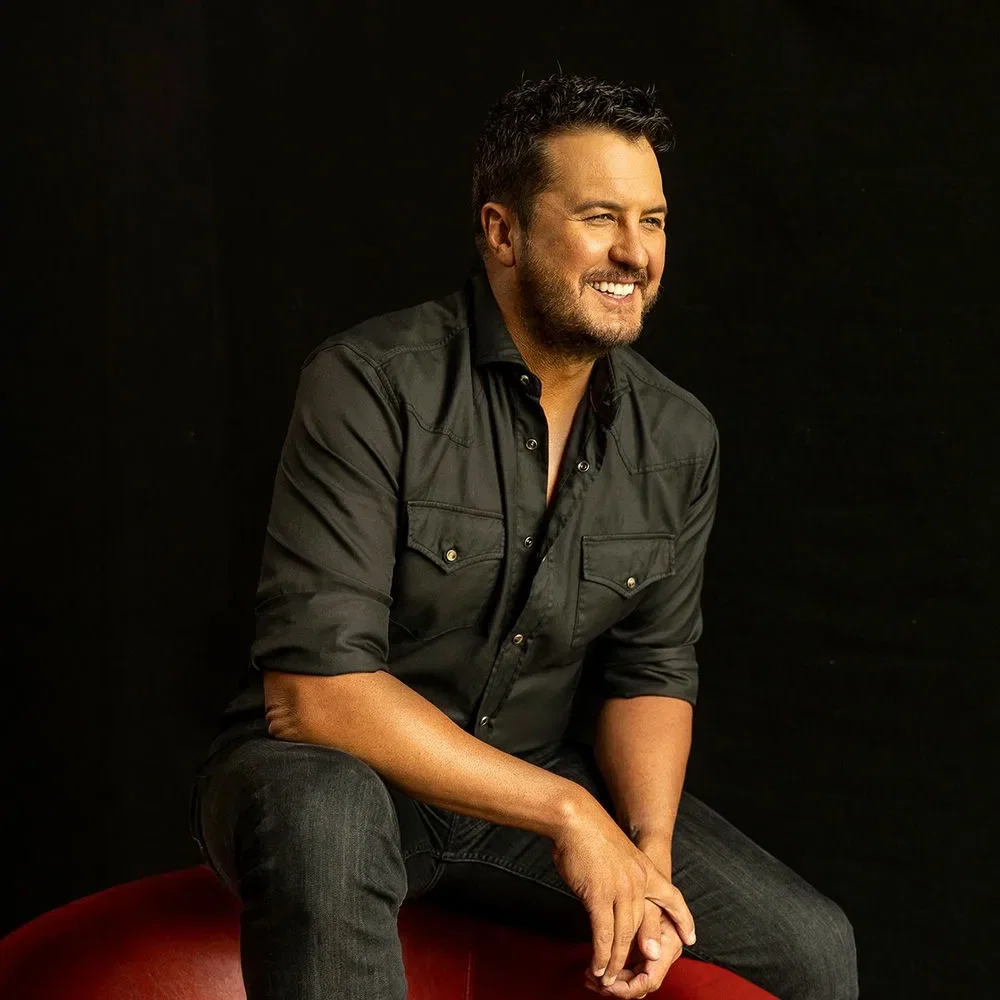
Luke Bryan
2014
Zac Brown Band
2015
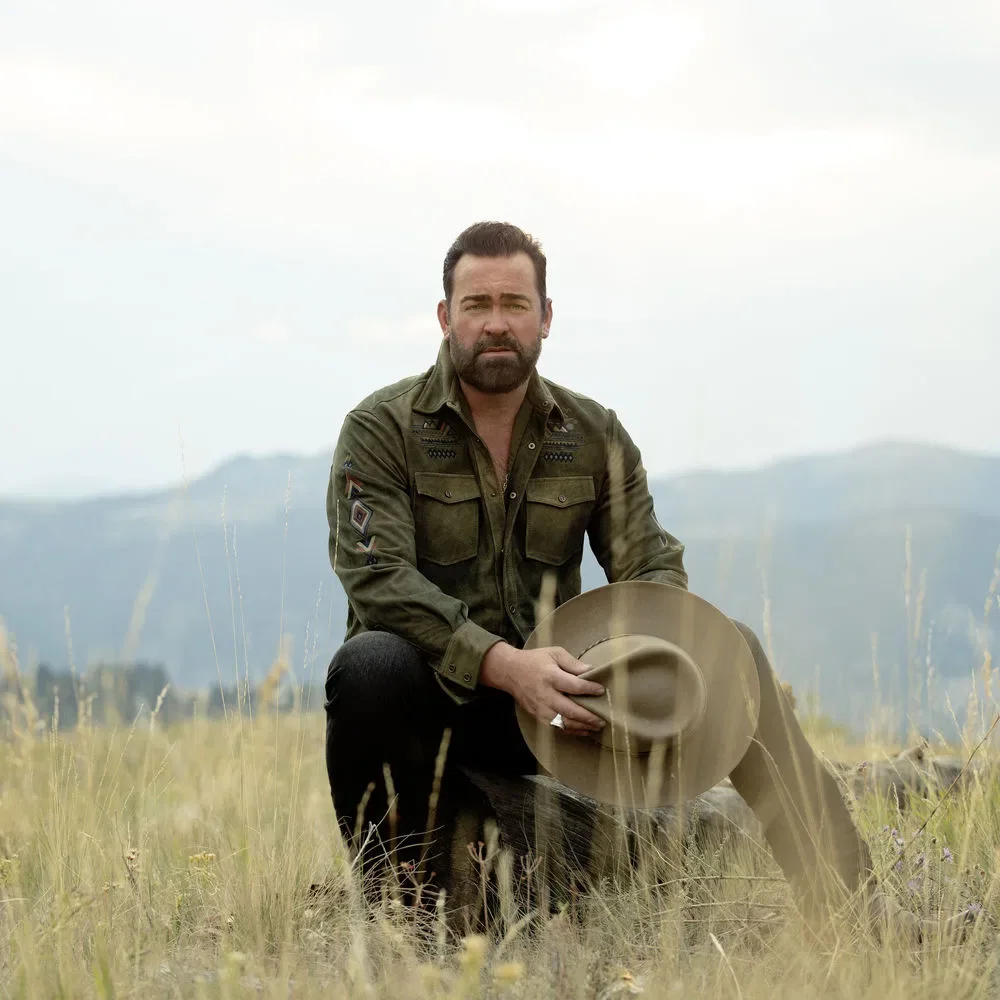
Lee Brice
2016
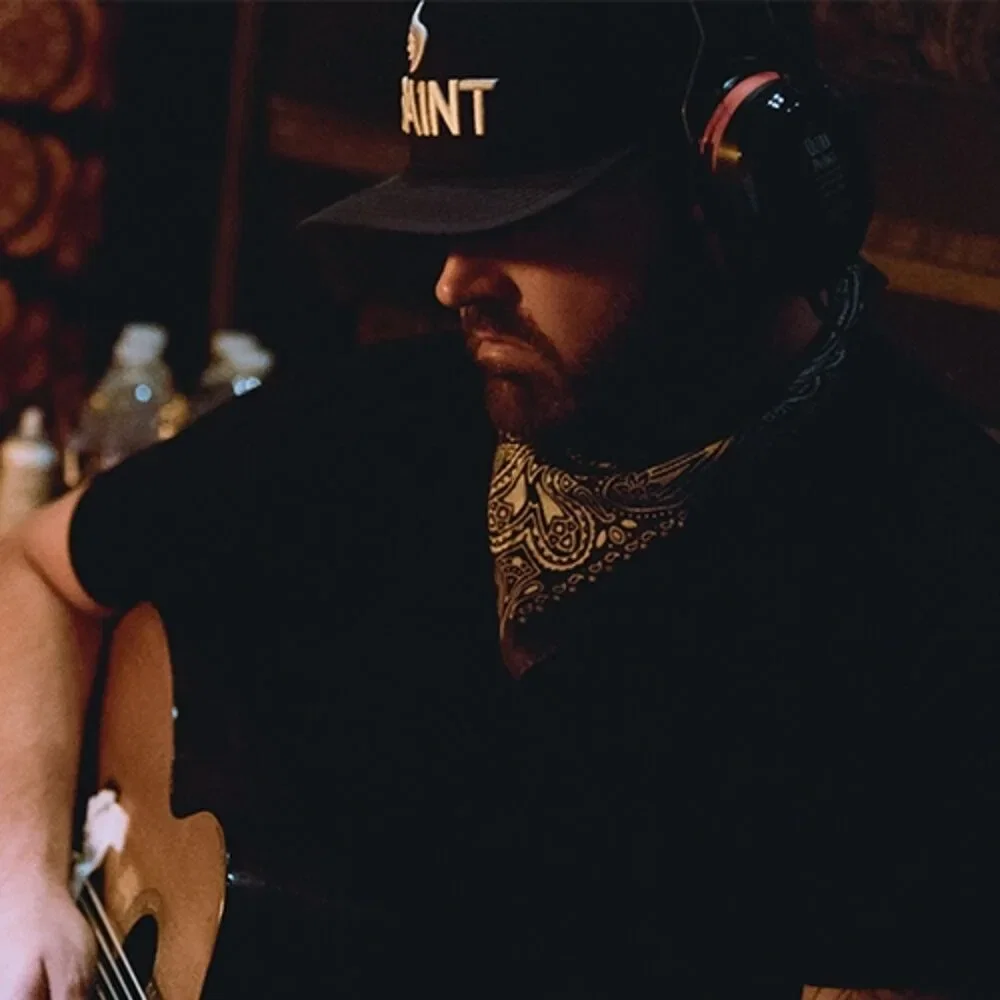
Randy Houser
2017
Jason Aldean
2018
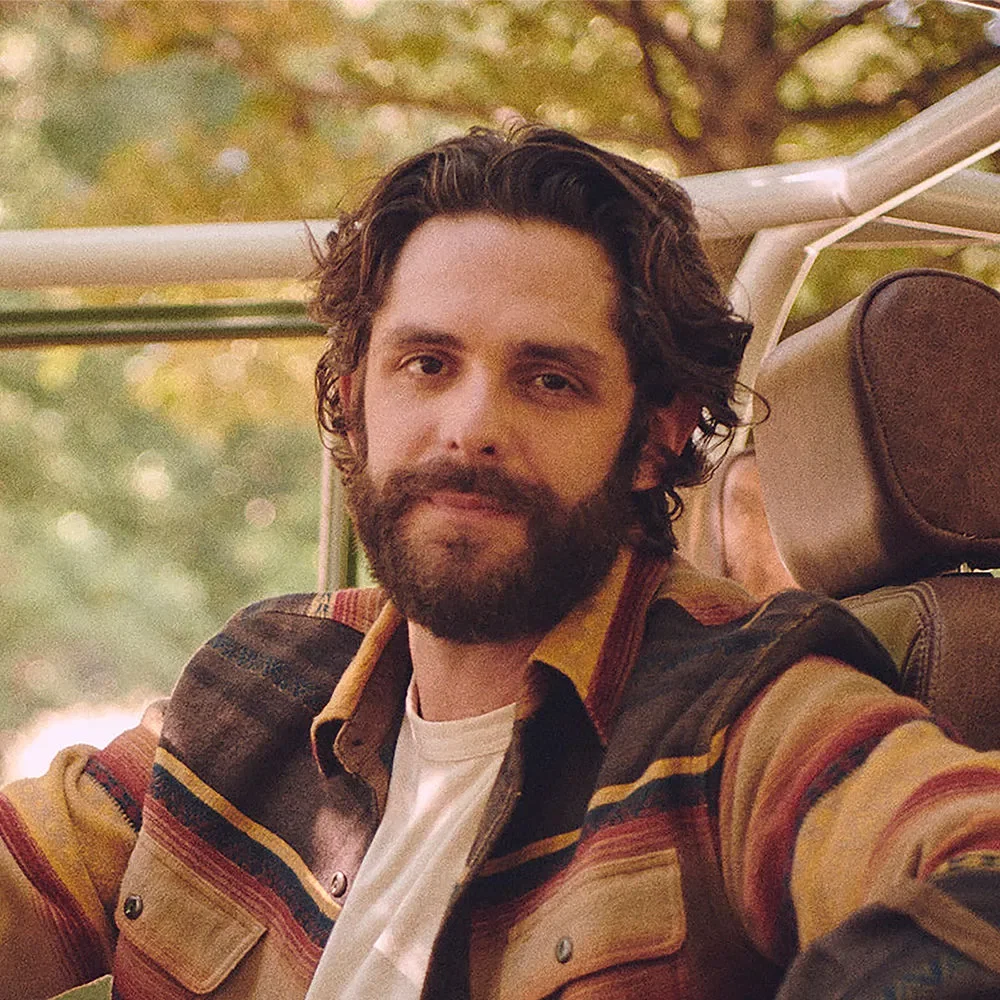
Thomas Rhett
2019
Billy Ray Cyrus
2022
Dustin Lynch
2023
Ashley McBryde
2024

Lainey Wilson
2025
Blake Shelton
2026

Cameron Whitcomb
Those who appear most across this franchise's editions.
#115 editions · 1994–2018
#210 editions · 1993–2022
 #3
#37 editions · 1996–2019