Ranking
#833

METAL - ROCK
Ranking
#833
Followers
43 K
When
12–OCT 19, 2026
Featured artists
Lineup coming — we'll publish it as soon as it's confirmed.
Time left
3 editions to explore · future, live and past
Numbers, home base and house quirks
On Mallorca's south-east coast, where the Balearic Sea washes sheltered coves and pines alternate with palm trees, Full Metal Holiday offers a different reading of the island: not the mass-market Ballermann circuit nor generic sun-and-beach tourism, but an all-inclusive week where metal and rock sit at the centre as if they were part of the weather. The project began in 2018 as an extension of the Wacken universe — the same logic that turned a village in northern Germany into a global heavy reference — and arrived at the Iberostar Club Cala Barca, in the Santanyí area, aiming to blend resort life, an international bill and barrier-free coexistence.
Thomas Jensen and Holger Hübner, linked to ICS Festival Service and the Wacken ecosystem, co-organise a format that does not fit the «weekend festival» box. Full Metal Holiday is a complete package: flight, transfer, seven days of board and lodging in a holiday complex where the stage is not a temporary field but the hotel's own architecture — pools, terraces, indoor halls — adapted to local noise rules. The first edition, from 14 to 21 October 2018, gathered around fourteen hundred people and twenty-eight bands; the figure speaks of intimate scale compared with continental mega-events, yet it is large for a cruise-style vacation where every guest may share a lift with a drummer.
Musical identity rests on two editorial pillars: metal and rock in the broad sense, from thrash and power to classic hard rock and more modern shades. The inaugural bill illustrated that breadth without turning into a list: Kreator and Dirkschneider stood for the festival's Teutonic heritage; Doro, Burning Witches and Gloryhammer brought different facets of European metal; Skindred and Life Of Agony opened windows toward other rhythmic weights; Bonfire, Crisix and further names completed a map designed for discovery without leaving the resort. The aim is not to curate a single sub-scene but to offer a trip where the afternoon show and dinner share the same table.
Stage architecture reflects the Mediterranean setting. The Beach Stage and Pool Stage spread daytime programming between sand and water, using warm light and a swimsuit crowd that other festivals only dream of in aftermovies. From eleven at night onward, sound moves indoors: neighbourhood noise rules require respect for surrounding tourism, and that constraint becomes part of the story — metal under palm trees by day, closed rooms at night — rather than a handicap. Jan Struve, involved in on-site operations during the inaugural edition, helped translate German festival logistics into Mallorcan rhythm.
What distinguishes Full Metal Holiday most is not a single headliner but the absence of backstage barriers. The project promotes a «school-trip» atmosphere: bands and fans share bar, pool and side activities without the distant protocol of large stadiums. That closeness is not empty marketing; it matches a vacation model where the artist also rests in the same hotel and the audience pays for a full week, not an eight-hour ticket. Travellers from Germany, Austria or wider central Europe find in Mallorca a deliberate contrast with grey northern weather and with the solemnity of Wacken Open Air.
Off-stage activities complete the holiday fiction. Metal yoga at dawn, heavy karaoke, a nightclub, bicycle tours with Mambo Kurt or the football tournament organised with Crisix turn the calendar into more than band timetables. These are moments where humour and community weigh as much as the riff: the festival understands that anyone booking seven days needs leisure rhythm, not only decibel cascades. That playful layer explains why audiences return to the format and why specialist press describes it as a land-based cruise without a ship.
The commercial package — flight, transfer, all-inclusive — defines the audience. There is no muddy camping nor endless queues for a cold shower; there are rooms, buffet and pool between concerts. That attracts fans who want musical intensity without giving up comfort, and couples or friend groups combining a first gig with a first swim in the Mediterranean. Full Metal Holiday competes less with other weekend metal festivals and more with tourism products that add live music as added value.
On the European map of Wacken-linked events — from Full Metal Cruise to the open-air editions — this project occupies the niche of island retreat: palm trees instead of mud, October instead of July, resort instead of meadow. Holger Hübner and Thomas Jensen translated German festival machinery into a Mediterranean holiday language without diluting bill standards. Full Metal Holiday shows that metal can be an alternative tourist destination in Mallorca, far from the Ballermann stereotype, with seven days where the line between audience, artist and holidaymaker is deliberately blurred beneath the Balearic sun.
Genres
METAL
ROCK
Timeline
One artist per year — highest ranked in our archive
Those who appear most across this franchise's editions.
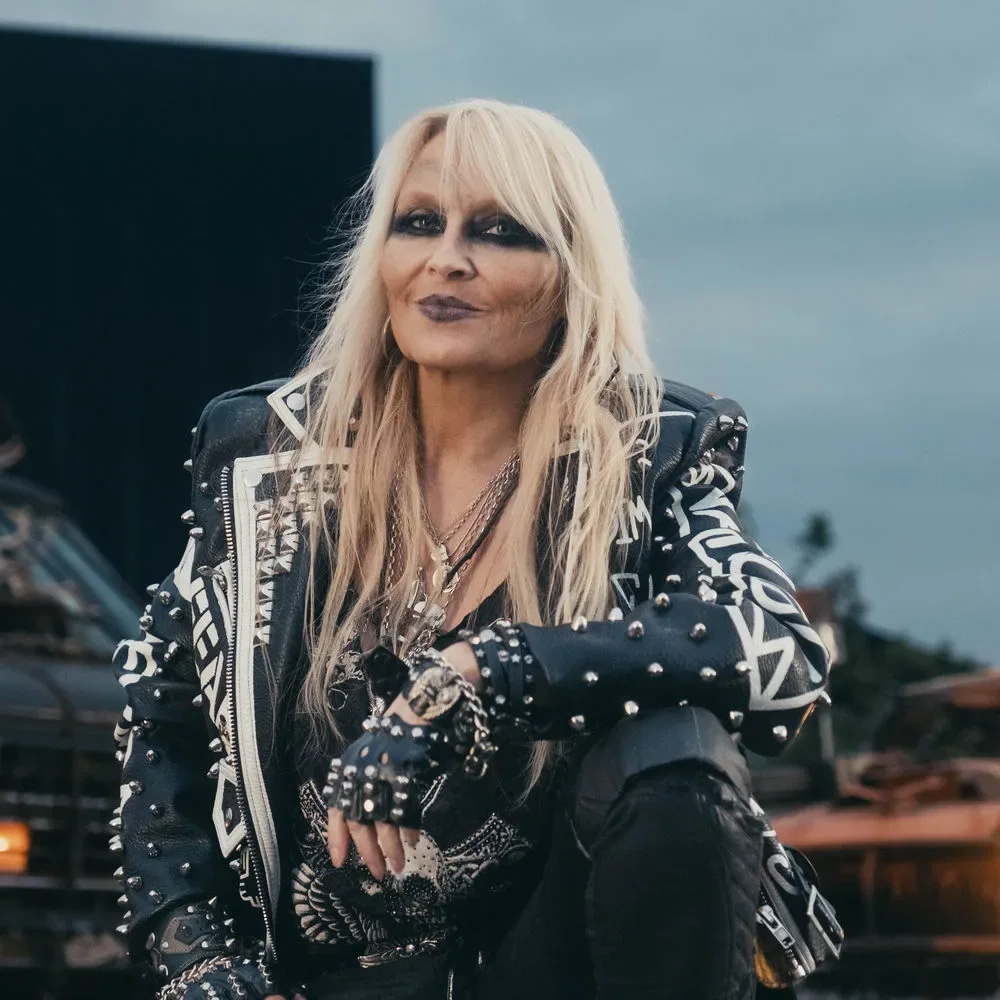 #1
#1Germany
1 editions · 2023
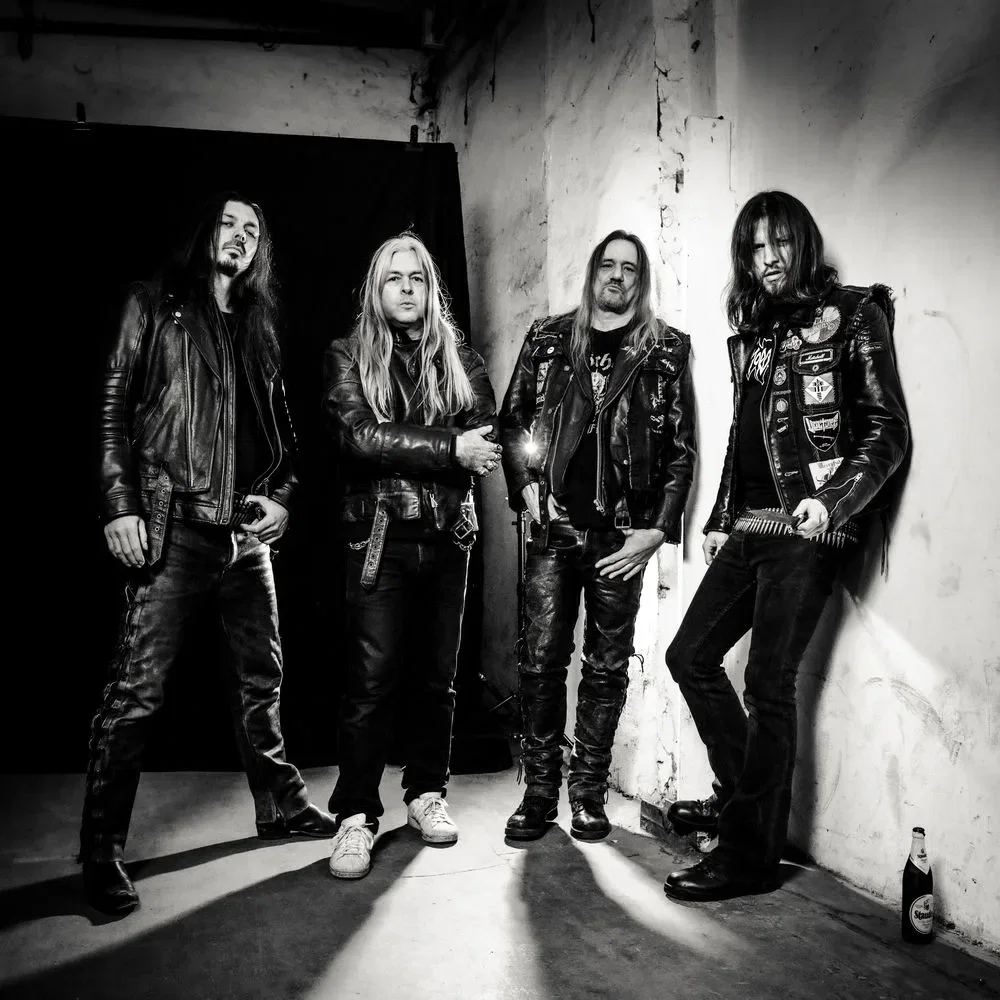 #2
#2Germany
1 editions · 2023
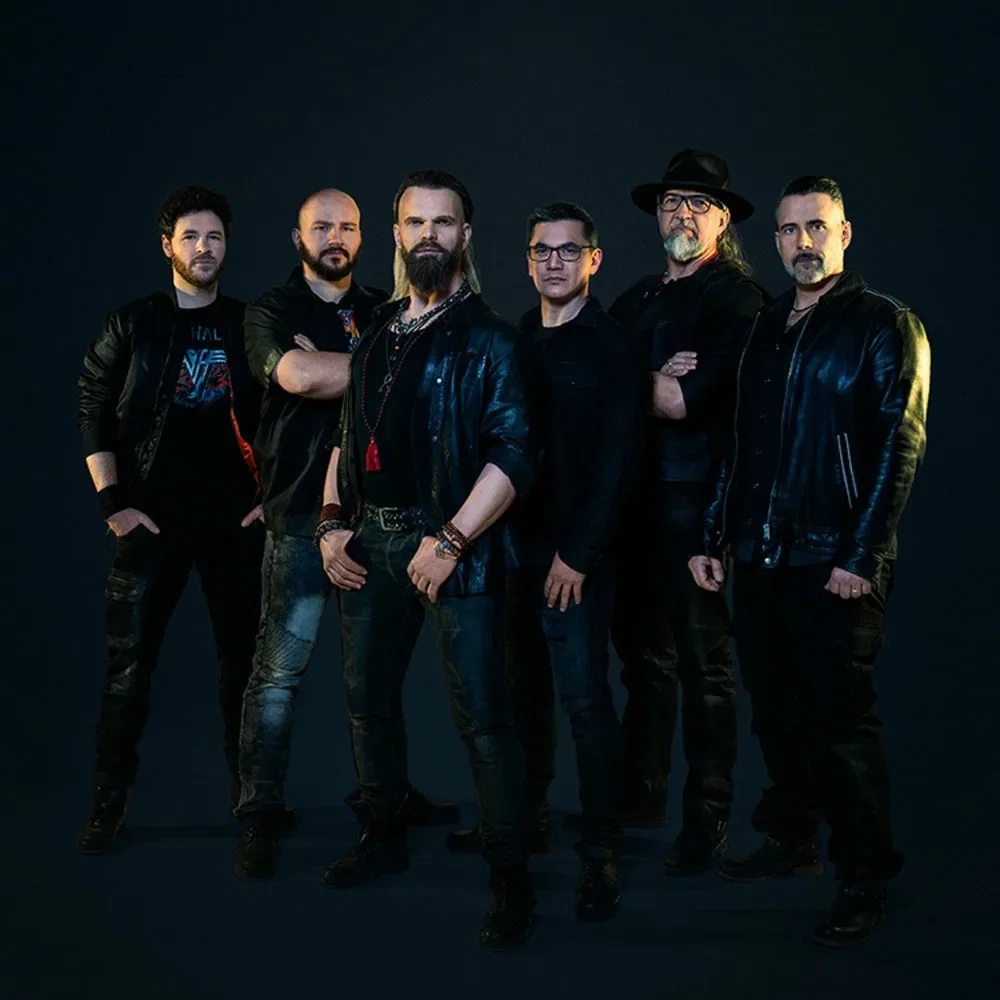 #3
#3Germany
1 editions · 2023