Ranking
#192

HOUSE - POP - TECHNO
Ranking
#192
Followers
455.8 K
21 editions to explore · future, live and past
Numbers, home base and house quirks
Berlin in summer can feel like a city of concrete and cyclists until an open field fills with magenta, yellow and blue dust: Holi Festival of Colours turned that image into a registered European brand. It began in 2012 when Jasper Hellmann, Max Riedel and Maxim Derenko — under Holi Concept GmbH — staged the first edition on June twenty-ninth in the German capital, blending the visual tradition of Indian Holi with house, techno and pop DJs. It is not religious ritual but secular pop-cultural adaptation: the party exports colour and electronics more than liturgy.
The format repeats across cities in Germany, Europe and beyond: main stage, DJ areas, bars and an hourly countdown where thousands throw biodegradable powder skyward together. That moment — chromatic cloud above dancing heads — defines the experience more than any billed name. House and techno carry the floor between throws; pop and commercial remixes welcome crowds who skip dark clubs but want hours of collective energy under sun.
Founders arrived from German event entrepreneurship, not temples: they understood visual Holi worked as photogenic spectacle compatible with sponsorship, social streaming and multi-city touring. Holi Concept GmbH built a replicable template: urban permits, certified powder suppliers, security, DJ timing around the colour countdown. Each city supplies a different site — park, racecourse, esplanade — but powder choreography stays.
Relationship with Hindu Holi is explicit aesthetic reference and conscious cultural distance. Organisers stress skin-safe product, relative powder sustainability and inclusive joy messaging. Critics cite appropriation; defenders reply the event never sold spirituality but urban gathering. For festival historians, the case shows how global rituals become ticketed European formats.
Lineups mix German residents, European house and techno names and occasional pop crossovers easing radio and playlists. It does not compete with Time Warp for techno depth or Love Parade for historical myth: it competes through instantly recognisable visual identity. White T-shirts, sunglasses and hair dust become involuntary uniform; countdown photos circulate more than setlist reviews.
Tour logistics demand fine coordination: tonnes of powder per city, local rules on airborne particles, post-event cleaning and liability insurance. Attendees learn quickly — sealed phone pouch, old trainers, optional contact lenses. The party rewards those accepting dyed exit: colour on clothes is participation trophy more than accident.
Young urban crowds dominate, yet families and international groups appear on summer dates. Berlin as birthplace marks a free, cosmopolitan tone; expansions to Munich, Hanover or European cities repeat the formula adjusting capacity. Holi Festival of Colours does not replace night clubs: it runs by day, natural light making powder shine and reducing underground aesthetics.
Local economic impact — hotels, transport, retail — follows each tour stop. Mid-size cities see the festival as a way to fill a weekend with cheerful imagery exportable online. For house and techno artists, playing here means a less specialised but larger crowd than Berghain — pop shopfront for accessible electronics.
The German tour rolled through metropolises and regional cities with identical choreography: Munich, Hanover, Dortmund and other hosts repeated countdowns, food zones and official white-shirt stalls. Each stop negotiated different municipal permits, yet Holi Concept GmbH standardised a production manual — powder schedules, set lengths, safety protocols — so the experience felt familiar even when skylines changed.
Powder safety and sustainability fuelled public debate: suppliers certified cosmetic-grade composition, organisers recommended masks on windy days and reinforced drinking-water points near the floor. Those measures did not silence cultural-appropriation criticism, but they allowed urban parks to host the event without mass respiratory incidents — a key requirement for renewing licences in demanding city halls.
Outside Germany the format repeated choreography learned in Berlin: powder zone, central stage and security lanes separating families with children from crowds seeking denser floor space near the DJ. Holi Concept GmbH exported a production manual — set lengths, colour intervals, cleaning protocols — so the experience stayed recognisable whether the urban skyline belonged to Munich, Hanover or Dortmund.
Merchandising white shirts and sealed phone pouches became part of the ritual economy: official stalls sold kits before countdown while independent vendors offered sunglasses and bandanas at gates. That mix of branded and informal commerce mirrored how European city festivals finance infrastructure without losing carnival tone.
Holi Festival of Colours proves a visual concept — hourly powder plus DJs — can sustain an international brand when German production joins safety, timing and marketing. Between Jasper Hellmann, Max Riedel and Maxim Derenko remains a format that crossed borders without pretending to be temple: a colour party where house, techno and pop feed the cloud everyone awaits, and where shared photography weighs as much as memory of the set.
Genres
HOUSE
POP
TECHNO
Timeline
One artist per year — highest ranked in our archive
Those who appear most across this franchise's editions.
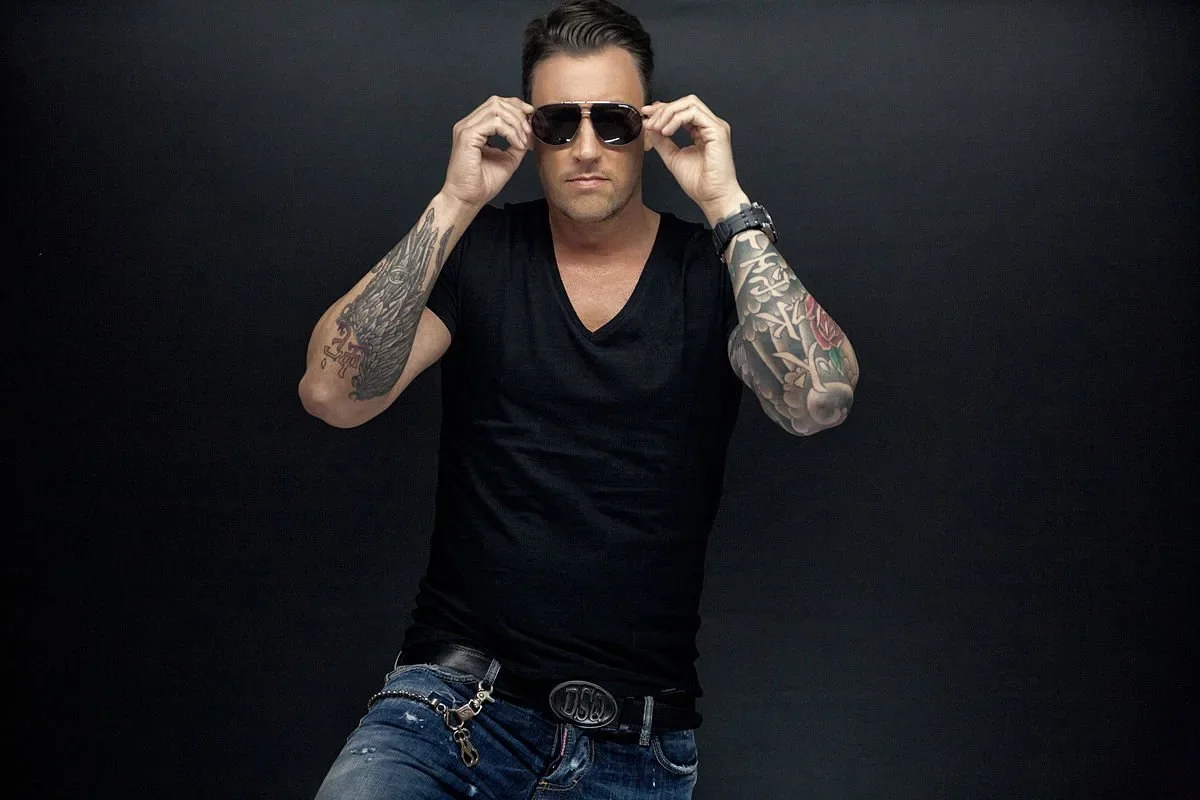 #1
#1Germany
1 editions · 2023
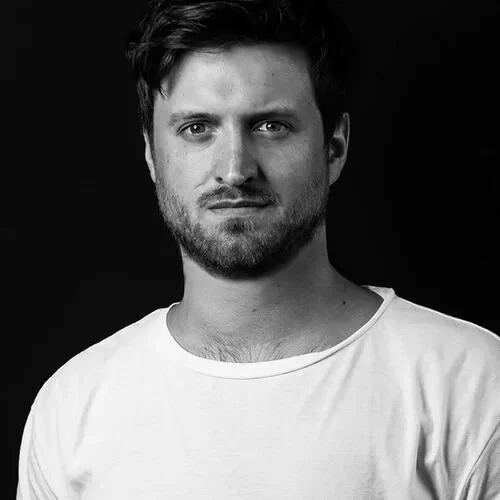 #2
#2Germany
1 editions · 2023
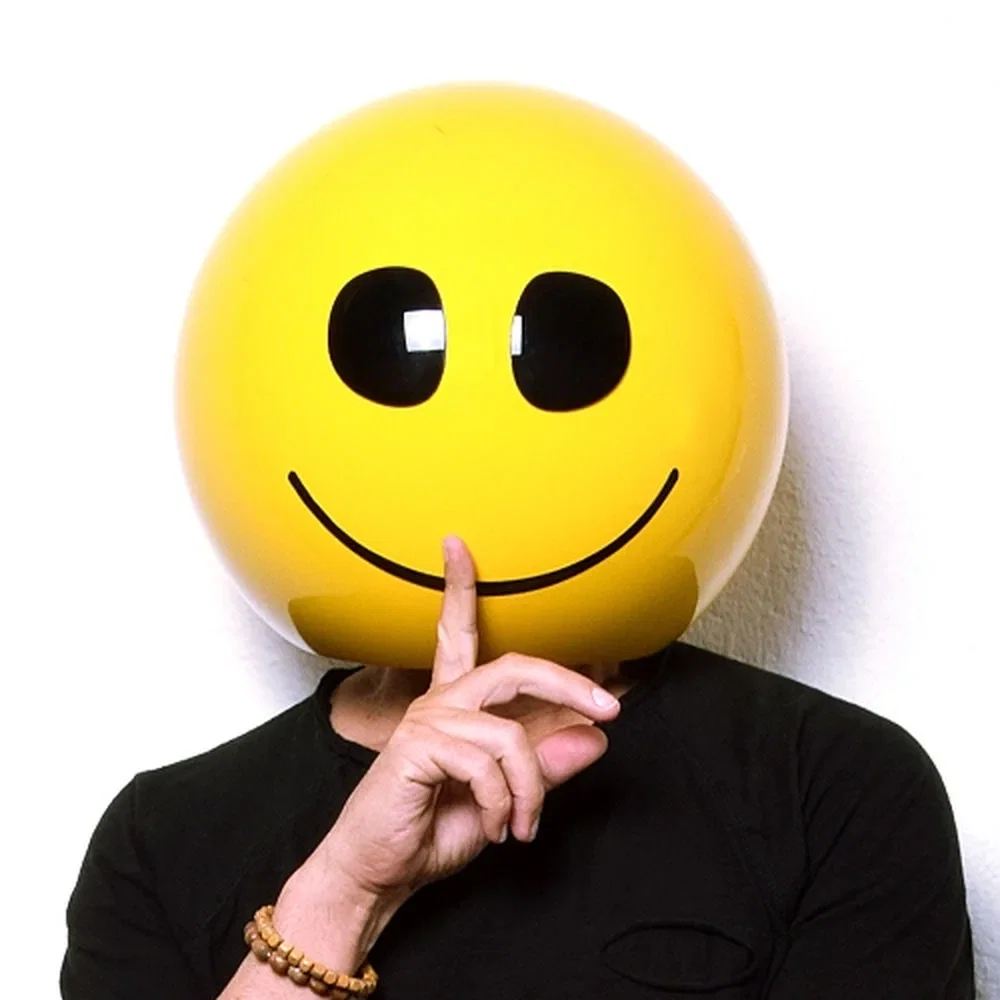 #3
#3Switzerland
1 editions · 2023