Ranking
#933

HARDSTYLE - HOUSE - TECHNO
Ranking
#933
Followers
29.1 K
2 editions to explore · future, live and past
Numbers, home base and house quirks
The road climbing toward Halde Norddeutschland leaves the built fabric of Neukirchen-Vluyn behind until the landscape opens like reconverted industrial promise: no alpine meadows or wooded valleys, but an artificial hill roughly one hundred and two metres high, raised on coal and mineral spoil, with views stretching across the Ruhr and beyond. Heaven & Hill Festival occupies that promontory as an open-air electronic gathering where wind crosses the floor as surely as the kick — geography is not backdrop but part of the story, because dancing on a mining mound in North Rhine-Westphalia turns every drop into an encounter with coal memory and with a scene that learned to build parties where dust and operational silence once dominated.
The project began in 2012 under Permanent UG & Co. KG, the legal entity behind Permanent Event, a promoter rooted in the Ruhr region and accustomed to thinking in infrastructure rather than isolated dates. From the first year the ambition was clear: not to replicate closed rooms at macro scale, but to exploit the halde's unique scale — wide space, open horizon, acoustics that breathe — for a journey where the crowd literally climbs toward the music. That venue choice distinguishes the festival from other German bills choosing airfields or flat sites: here ascent belongs to the arrival ritual.
The alliance with Team Hexenhouse brings historical continuity few young festivals can claim. Hexenhouse has produced events since 1997 and has run its own stage at Ruhr-in-Love since 2003, weaving networks of DJs, technicians and loyal crowds in Germany's industrial heartland. Heaven & Hill does not appear as an isolated brand but as another chapter in an ecosystem that already knew Ruhr dancefloors: curation inherits local selector criteria and logistics benefit from years resolving permits, sound and flow in demanding environments. For outsiders, understanding Hexenhouse helps set tone — community-minded, technically serious, less corporate spectacle than scene conviction.
A recurring geographic misunderstanding deserves clarification: Halde Norddeutschland does not place the festival in the historic Norddeutschland region — the north toward Hamburg and the sea — but in the proper name of a reconverted mining spoil heap. Neukirchen-Vluyn sits in NRW on the Ruhr's edge, and the bill is built from that Rhineland-industrial identity, not from Baltic coast culture. Confusing the toponym with the country's north is a common error in international coverage; the reality is sharper and more interesting: electronic music on a slag mountain a short distance from cities that lived on coal.
Sonic architecture spreads experience across six simultaneous stages, a figure that turns the halde into a temporary city of distinct BPM. Hard techno and techno form the identity core — dry pulses, hypnotic lines, sub pressure designed for roofless outdoors — while trance and house open melodic windows and warmer grooves that prevent single-lane monotony. Hardstyle, with syncopated kicks and synthetic euphoria, completes a spectrum reflecting crossed tastes of Ruhr audiences: someone entering for hard techno may end in a house set without leaving the mountain. That diversity within one site explains part of the bill's sustained growth.
Curation scaled over time from roughly forty DJ slots to more than sixty-five, a sign of artist and crowd trust rather than empty name inflation. Each increase matched real halde capacity and demand for parallel time slots: more selectors mean less dead air between changeovers and more options for those preferring trance in early hours or house as night falls. The festival does not pursue a single-headliner model but a mosaic of faces familiar on German and European circuits, with room for producers building reputation in Dortmund, Düsseldorf or Essen clubs before climbing the hill.
History has not been a straight upward line. The pandemic forced cancellation of the 2020 and 2021 editions — a painful interruption for a format depending on summer, contact and shared outdoor volume. After the break, return reaffirmed the halde as irreducible argument: no equivalent substitute exists for that mix of height, panorama and multiple stages. On another occasion, severe weather forced the day to stop earlier than planned — reminder that a festival on an exposed mound obeys climate more bluntly than an industrial hall. Those pauses belong to collective memory without defining the event's permanent identity.
Beyond the main day, Permanent Event and Hexenhouse weave satellites keeping community alive. Dancing Dead, an indoor Halloween celebration, extends dark festive aesthetics under roof when autumn invites another cadence. A DJ contest aimed at newcomers opens door to local talent not yet on international bills — coherent with a scene valuing ascent from small floors. For those arriving without car, a bus service from Moers station reduces friction between public transport and the final climb to the halde, a small but decisive detail in a region where many combine train and last leg in groups.
Heaven & Hill Festival proves Ruhr electronic music can sustain a medium-scale open-air with six stages, more than sixty selectors and a site that cannot be cloned elsewhere on the map. Between Permanent Event, Hexenhouse heritage and Halde Norddeutschland — misleading name, real location in NRW — the project turns mining spoil into a platform for techno, hardstyle and house without surrendering wind or horizon. For anyone seeking how the German artificial mountain sounds when night falls, this festival is the chapter where elevation and kick share the same ground.
Genres
HARDSTYLE
HOUSE
TECHNO
Timeline
One artist per year — highest ranked in our archive
Those who appear most across this franchise's editions.
 #1
#1Germany
1 editions · 2023
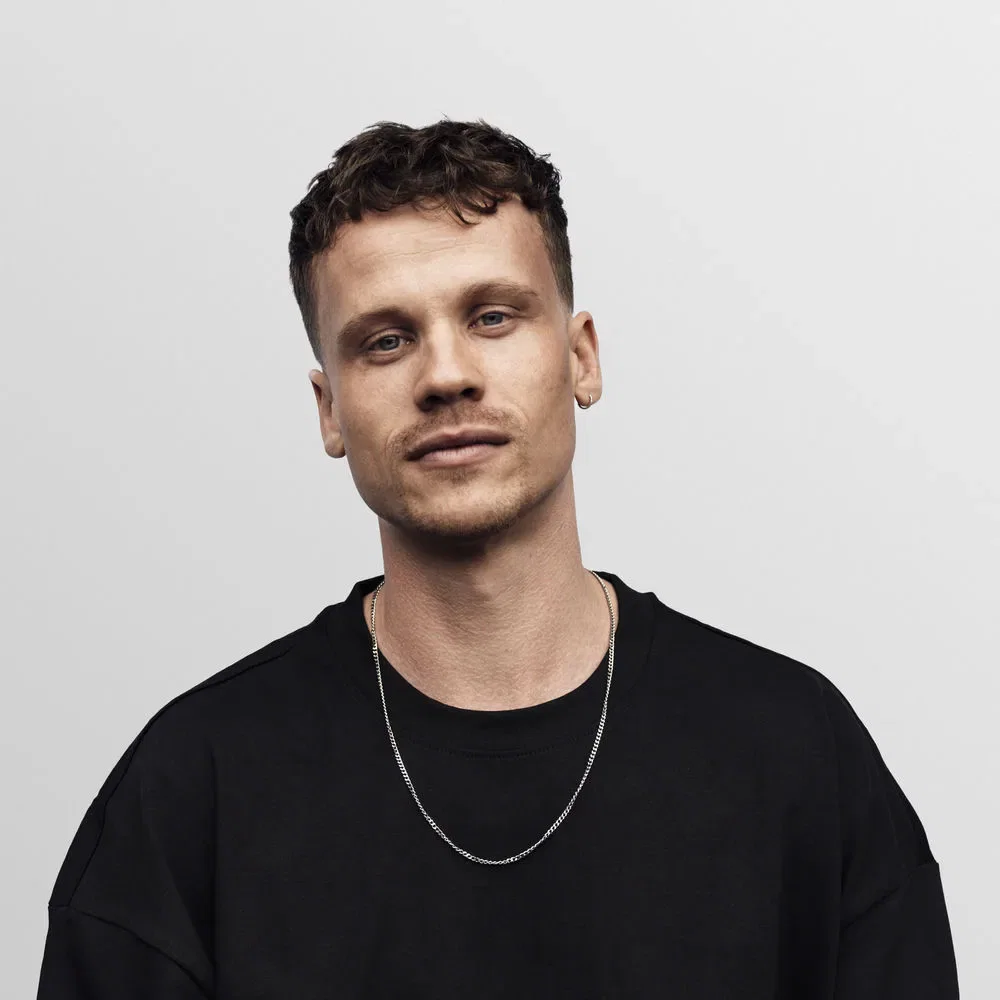 #2
#2Netherlands
1 editions · 2023
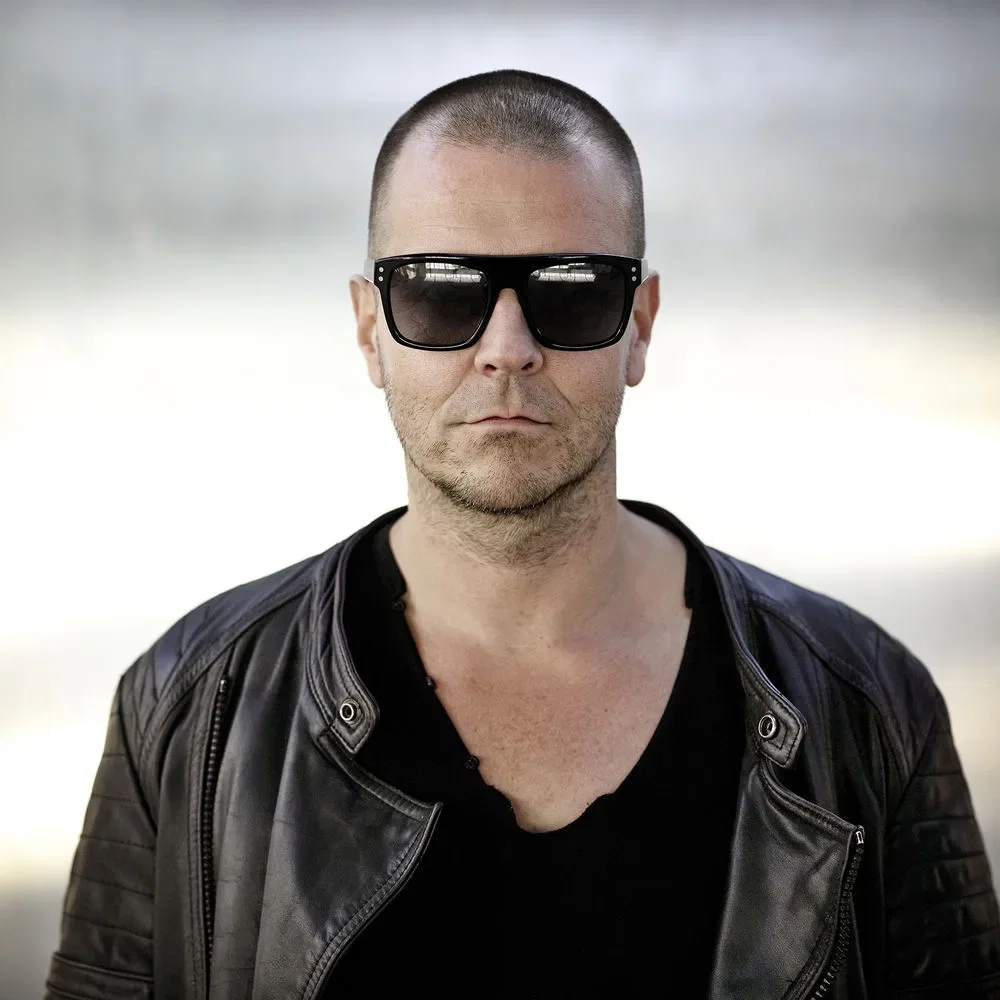 #3
#3Germany
1 editions · 2023