Ranking
#78

INDIE - POP - ROCK
Ranking
#78
Followers
1.2 M
1 editions to explore · future, live and past
Numbers, home base and house quirks
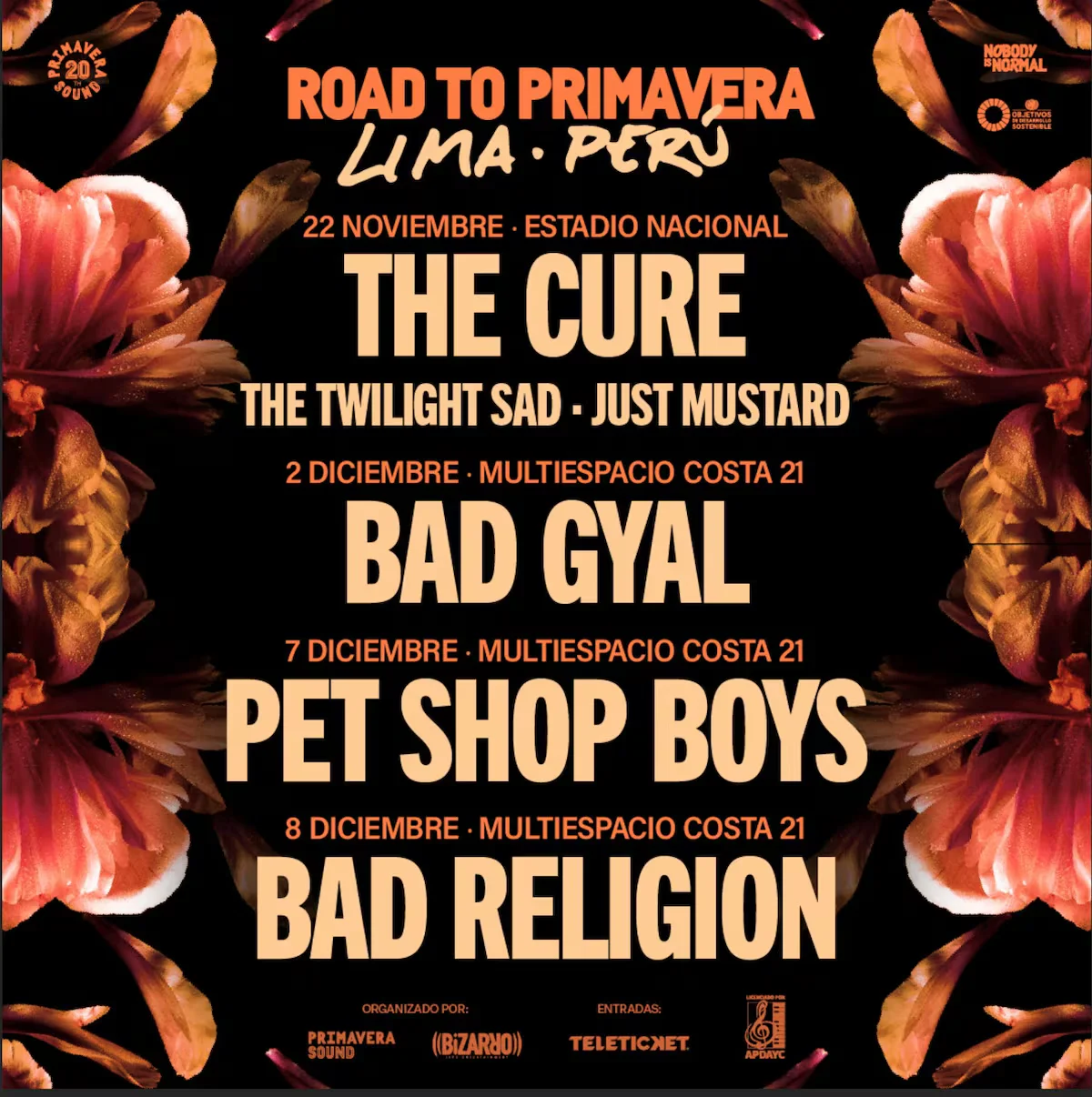
Road to Primavera Lima was a different kind of entry into the Primavera Sound universe. It did not arrive as a huge multi-stage festival or as a full edition in the style of Barcelona, Porto, or São Paulo, but as a series of concerts with its own identity, spread across several dates and built around artists capable of turning a single night into a memory. It was, quite literally, a road to Primavera: a way of testing how the brand would feel in Peru before speaking of something larger.
The experience was announced in 2023 as Primavera Sound’s first arrival in the Andean country. And that already carried weight. Lima is a musically intense city, but one that has often experienced major international circuits from a certain distance, as if some names arrived late, rarely, or not at all. So when Road to Primavera appeared with The Cure, Bad Gyal, Pet Shop Boys, and Bad Religion, it was not just a concert schedule: it was a signal that Peru was entering, even in cycle format, Primavera’s Latin American map.
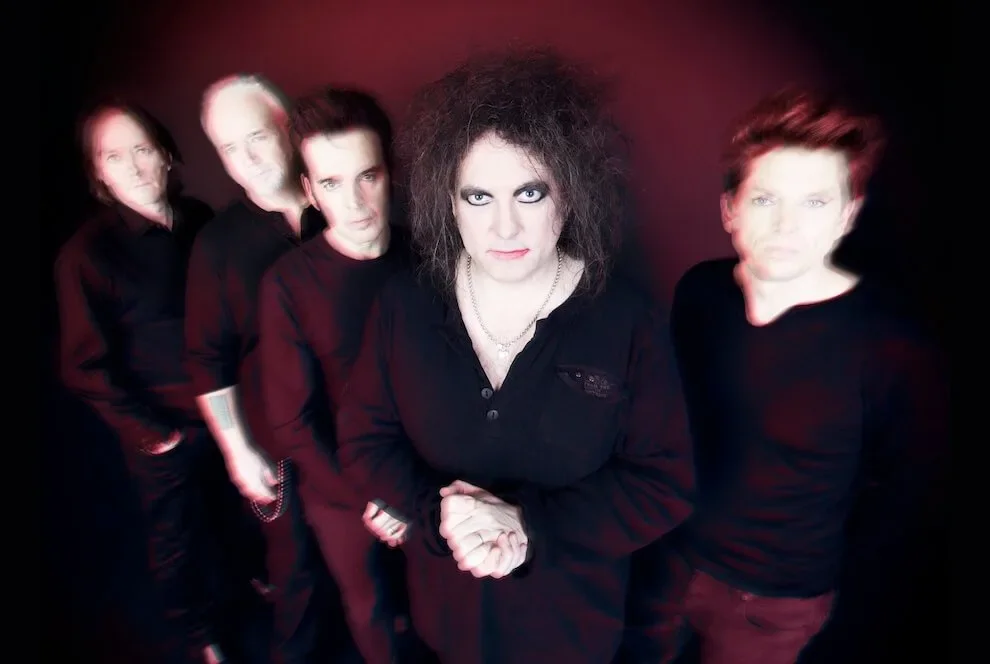
The emotional heart of this story was The Cure. Their November 22, 2023 show at Estadio Nacional was one of those moments that goes beyond programming. The Cure are not a band you simply listen to; they are a band people carry for years. Their songs live in teenage bedrooms, night walks, breakups, melancholic playlists, smudged eyeliner, and that part of memory where sadness, strangely enough, can feel luminous. In Lima, their presence within Road to Primavera had the feeling of a generational event.
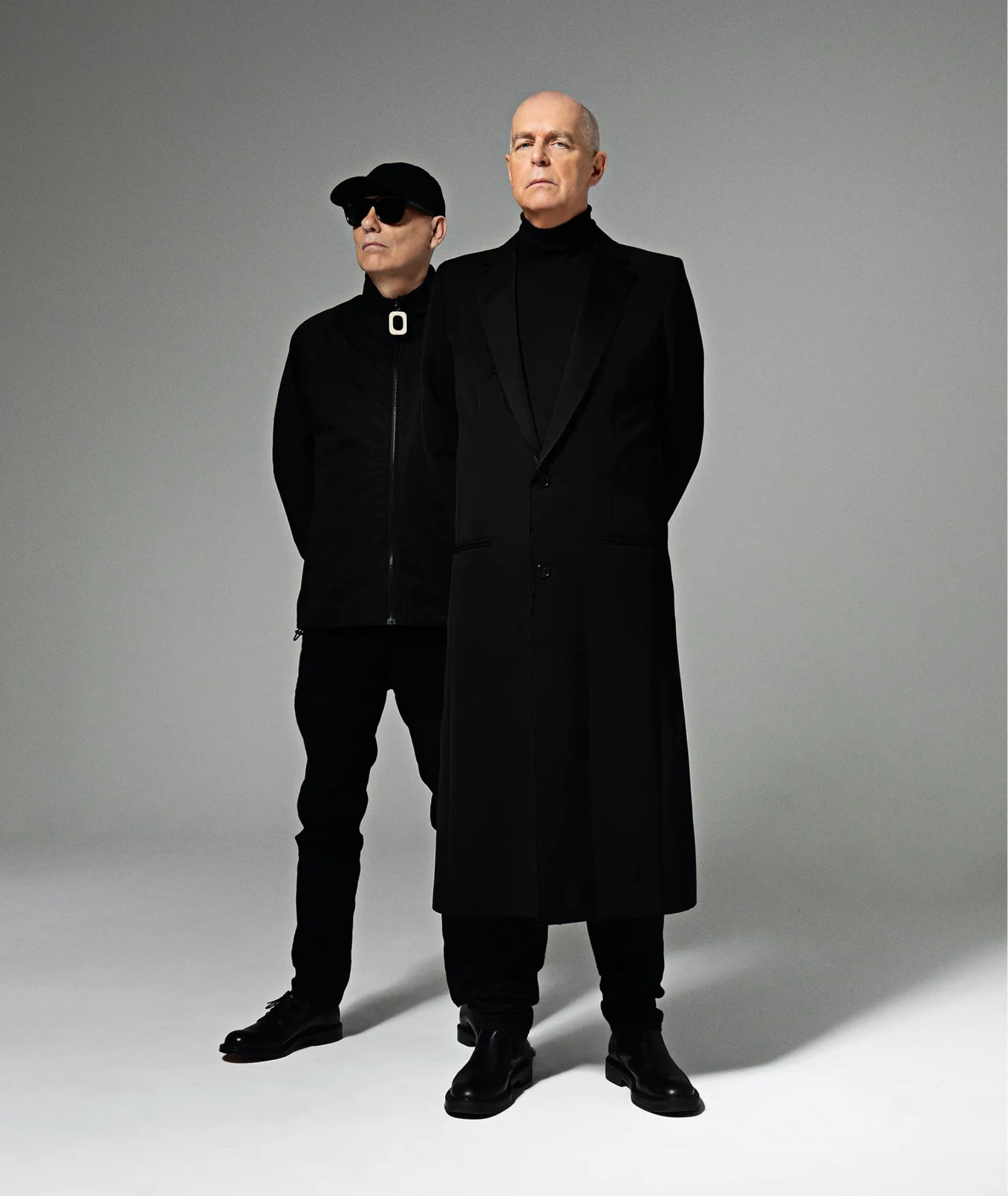
But Road to Primavera Lima did not stay in one emotional register. Bad Gyal brought another temperature: more club-oriented, more urban, more physical, with that mix of party, attitude, and neo-Caribbean sounds that contrasted deliciously with The Cure’s romantic darkness. Pet Shop Boys added electronic elegance, dancefloor anthems, pop irony, and their rare ability to make a dance song feel like a confession. And Bad Religion brought the punk side: fast guitars, Californian memory, and songs that still sound as if someone had left a door open to rebellion.
What makes Road to Primavera Lima interesting is that it did not try to pretend it was something it was not. It was not a temporary music city by the sea, nor a full weekend edition with dozens of stages and impossible routes. It was something more fragmented, more urban, and more direct: several nights, different audiences, different moods, and one idea behind them. Instead of asking the audience to experience everything at once, it invited them in chapter by chapter. One night of dark nostalgia. Another of dance. Another of sophisticated electronic pop. Another of punk. As if Primavera had decided to introduce itself to Lima not with an explosion, but through a series of postcards.
That shape also fit the city. Lima has something of a collage: coast, traffic, mist, gastronomy, neighborhoods that change mood within a few blocks, a restless cultural scene, and an audience that often experiences concerts with a mix of patience, intensity, and accumulated hunger. In that context, Road to Primavera worked less like a traditional festival and more like an open conversation between the brand and the city. It was not “here is Barcelona in Peru.” It was more like: “let’s see how Primavera sounds when it is spread across Lima.”
It should also be told honestly: this format does not have the same scale or the same reading as a full Primavera Sound edition. Road to Primavera Lima should be understood as a related event, a concert cycle, or an entry point, not as a main festival equivalent to Barcelona, Porto, or São Paulo. But that does not make it less valuable. On the contrary, it makes it interesting within the franchise map: it shows how Primavera explored Latin America not only through large festivals, but also through more flexible formats adapted to each market and each city.
In short: Road to Primavera Lima was the first Peruvian signal from the Primavera universe. A series of nights with major names, different emotions, and one common idea: bringing to Lima a piece of the musical curiosity that defines the brand. It was not the full Primavera, but it was a door. And sometimes, in live music, a well-opened door is enough for a city to start imagining what could come next.
Genres
INDIE
POP
ROCK
Timeline
One artist per year — highest ranked in our archive
Those who appear most across this franchise's editions.