Ranking
#309

INDIE - POP - ROCK
Ranking
#309
Followers
247 K
13 editions to explore · future, live and past
Numbers, home base and house quirks
Rock in Roma works differently from many summer festivals. It is not experienced as a closed weekend inside a single bubble, but as a concert season that gradually takes over Rome, night after night, artist after artist, stage after stage. That is one of its defining traits: it does not try to separate music from the city, but allows the city itself to become part of the experience. In Rome, that matters. This is not just any urban backdrop. It is a capital where every route, every ruin, every avenue and every late exit after a concert seems to carry more history than one ordinary night can hold.
Since 2009, Rock in Roma has built a very recognizable identity within the Italian summer. Its name may suggest a purely rock festival, and that root is definitely present, but the reality is broader. Over the years it has welcomed rock, metal, pop, indie, electronic music, urban sounds, Italian rap, singer-songwriters and major international names. That breadth does not feel like a betrayal of the name, but like a natural consequence of a city that cannot fit into one label. Rome does not listen in only one way; neither does Rock in Roma.
Ippodromo delle Capannelle is its historic home and an essential part of its personality. It is not a club and not a closed concert hall. It is a wide, open, summer space where a show is lived through heat, dust, lines, beer, black T-shirts, groups of friends, the trip back and that feeling that the Roman night stretches a little longer than expected. The Capannelle area has allowed the festival to grow in scale, with large arenas and stages capable of welcoming crowds while still preserving the energy of an open-air concert. At the same time, venues such as Circus Maximus or Auditorium Parco della Musica add other layers: ancient monumentality, contemporary architecture, the event-concert, the special night that cannot be repeated.
The real experience of attending depends a lot on the artist you choose. Rock in Roma is not necessarily a festival where you watch ten bands in one day. More often, it feels like a collection of major nights, each with its own crowd, atmosphere and intensity. One night may be driven by melodic punk rock, another by Italian pop, another by metalcore, another by singer-songwriters, another by a stadium band, another by Neapolitan rap or alternative nostalgia. That gives the festival a particular flexibility: you can live it as a loyal follower of the whole season, or as a one-night visitor arriving for a specific name and still becoming part of the wider story.
The audience changes with each date, and that is part of what makes it interesting. There are Romans who treat it as a summer tradition, tourists who catch a show during a trip, Italian fans arriving from other cities, generations mixing depending on the lineup, teenagers at their first major concert, adults returning for bands that shaped their youth and followers of very different scenes sharing the same calendar. Rock in Roma does not have one single tribe. It has many, and each one takes over the city for a few hours.
What makes Rock in Roma different is its relationship with urban time. It is not simply “a festival in Rome”; it is a way of organizing the capital’s musical summer. For weeks, the city knows something is happening: someone is playing at Capannelle, someone is taking over Circus Maximus, someone is arriving at the Auditorium, someone is returning late by shuttle, metro, taxi or car, still carrying the echo of the show. In a city where the past is always present, Rock in Roma manages something simple and valuable: it gives the present its own noise.
It is a festival for people who want to experience big music without leaving the city, for those who understand that a concert can begin long before the first chord, on the way to the venue, and end long after the final encore, when Rome is still awake and the night still feels like it has a stage.
Genres
INDIE
POP
ROCK
Timeline
One artist per year — highest ranked in our archive
Those who appear most across this franchise's editions.
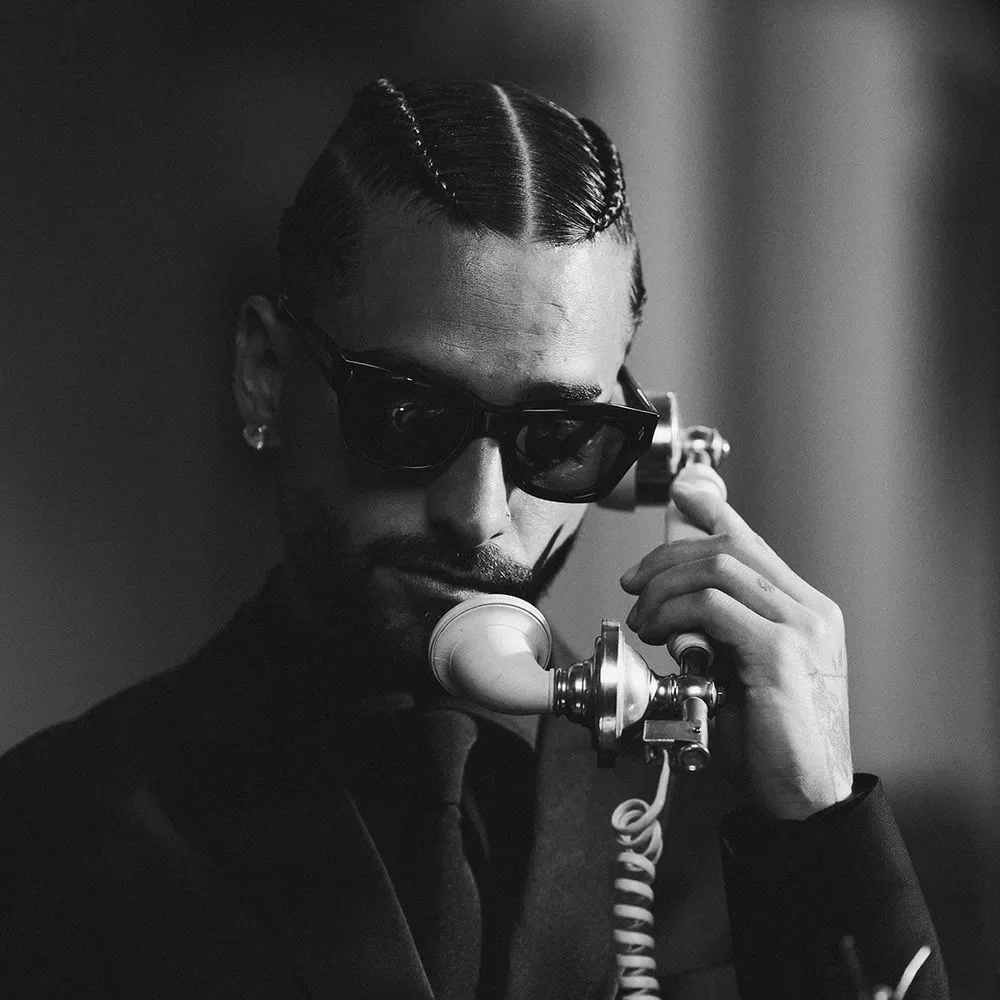 #1
#1Colombia
1 editions · 2023
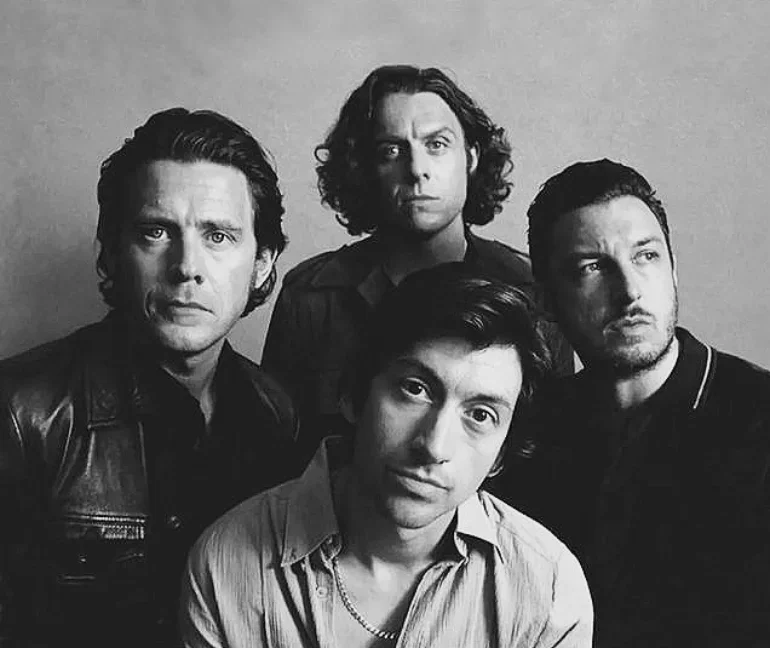 #2
#2United Kingdom
1 editions · 2023
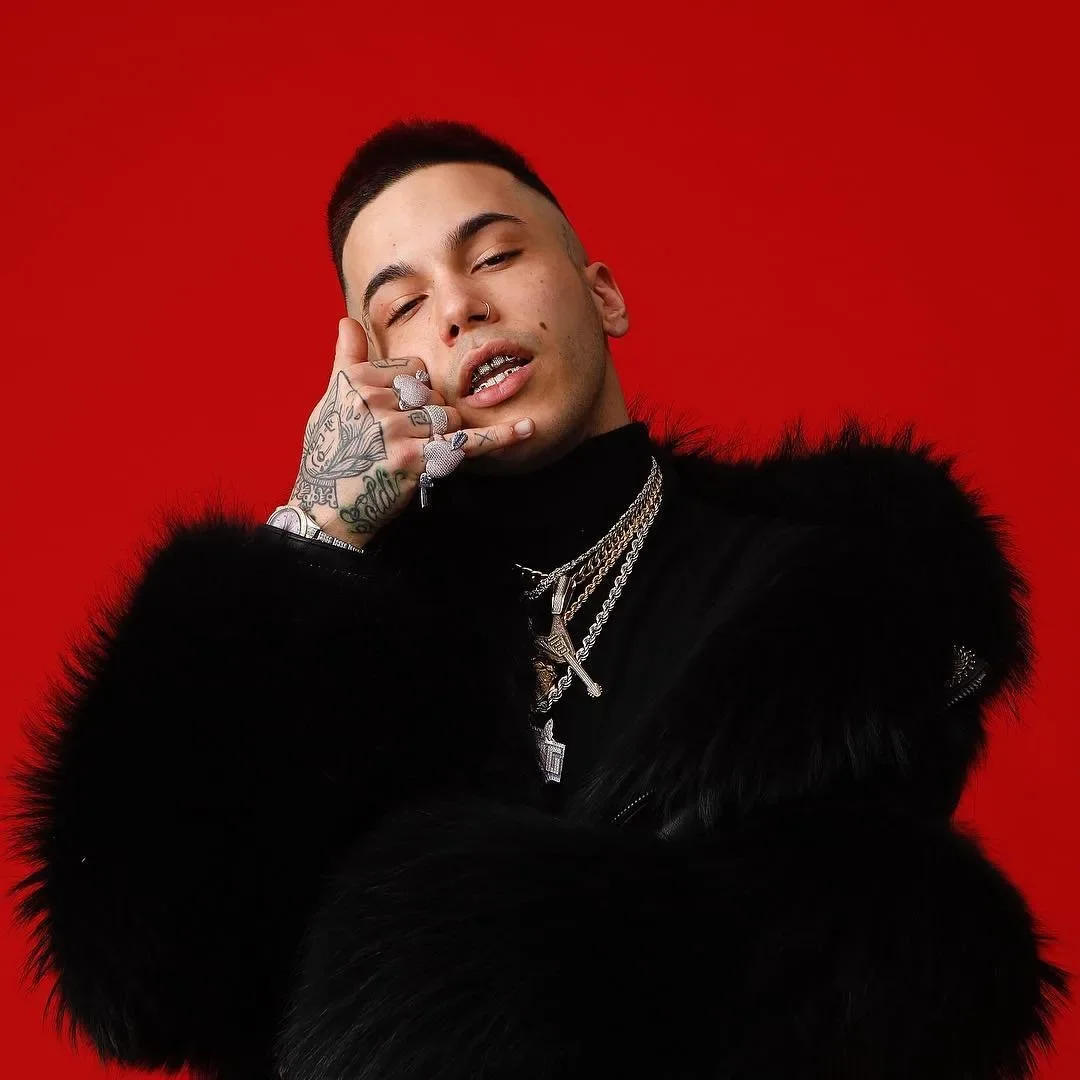 #3
#3Italy
1 editions · 2023