Ranking
#451

INDIE - POP
Ranking
#451
Followers
150.5 K
3 editions to explore · future, live and past
Numbers, home base and house quirks
All Things Go Music Festival is one of the most interesting examples of how a festival can grow without completely losing the community voice that made it special in the first place. It began in Washington, D.C., in 2014 as the All Things Go Fall Classic, and over time it moved from being a local indie gathering into a recognizable, emotional and highly specific festival brand, closely tied to a new generation of fans who experience music as identity, refuge, fandom and shared language. Its expansion to Maryland, New York City and Toronto does not feel only like business growth; it feels like the widening of a community that found its aesthetic, its audience and its cultural moment.
Its story begins in a very different place from the traditional major-festival model. All Things Go grew out of a music blog, a digital curatorial sensibility, and that period when discovering songs online, sharing playlists and following emerging artists could make you feel part of a scene even if you were not in a huge music city. When that voice moved into the festival format, it did so with a clear logic: program not only by size, but by cultural conversation. From its earliest editions, with names such as Future Islands, Tove Lo, HAERTS, Bear Hands and Panama Wedding, All Things Go understood the intersection of indie, alternative pop, blog-era discovery, rising artists and young audiences who wanted to find things before everyone else did.
The festival’s identity became even stronger when it began curating lineups with a very visible presence of women, queer artists and voices that had not always occupied the center of larger festival spaces. That decision was not cosmetic. Over time, All Things Go became a meeting point for an audience that wanted to see, on the same bill, artists singing about desire, vulnerability, identity, friendship, anxiety, heartbreak, self-affirmation and community from places more open than traditional pop usually allowed. That is why the festival cannot be explained only through genres. It is best explained through a sensibility.
At All Things Go, a sad song can matter as much as a danceable hit. An indie-pop set can sit beside alternative R&B, confessional folk, hip hop, synth-pop, soft rock, bedroom pop, queer country-pop or arena-sized pop. That mixture works because the festival does not seem to book from rigid compartments, but from emotional affinities. Mitski, Hayley Williams, Brandi Carlile, Ethel Cain, MUNA, Carly Rae Jepsen, Janelle Monáe, Chappell Roan, boygenius, Lorde, Kesha, Wet Leg, Lucy Dacus, Doechii, Noah Kahan, Reneé Rapp and Maggie Rogers may come from different musical worlds, but inside All Things Go they share something: an intense relationship with fans who listen to music as part of their inner lives.
The move and consolidation at Merriweather Post Pavilion also gave the festival another scale. Merriweather is not just any site: it is a historic venue, comfortable, surrounded by trees, with a natural relationship between stage, amphitheater, lawn and festival experience. For the Maryland edition, All Things Go preserves something important: it is not about sprinting between twelve stages and missing half the lineup. Its format often favors a more concentrated experience, where each set feels meaningful and the audience can live the day as a complete narrative. That is rare in an era of giant festivals full of overlaps.
The expansion to Forest Hills Stadium in New York City added another dimension. Forest Hills has a different atmosphere: historic, urban, elegant and emotionally close in a way that does not feel like an open-field festival. There, All Things Go found a more New York version of itself: fans arriving by subway, outfits planned as aesthetic statements, queer audiences taking up space with joy, alternative-pop artists and the sense of a generational event rather than just a concert. The Toronto edition, in turn, confirms that the brand no longer belongs only to the D.C. area. Its language connects with audiences across North American cities.
The All Things Go phenomenon also reflects a wider shift in festival culture. For years, many major festivals were criticized for male-dominated lineups, for treating emotional pop as secondary or for failing to truly understand young queer and female audiences. All Things Go built part of its reputation by doing the opposite: placing those audiences at the center. Not only as a market, but as a community. That is why its energy can feel like a mix of festival, fandom celebration, safe space and best-friend reunion, the kind of event people plan for months, including the outfit they will wear to cry and sing at the same time.
The real experience has something very particular about it. It is not just about arriving to see headliners. It is about arriving somewhere many people seem to share an emotional code. There are handmade signs, glitter, boots, bows, tears, hugs, friend groups, queer couples, parents accompanying their children, fans who know every bridge of every song and artists who understand that the audience is not there only for entertainment, but for recognition. At All Things Go, singing a lyric can feel like a way of saying “me too.”
All Things Go Music Festival matters because it found a contemporary way of being a festival: curated, emotional, inclusive, expandable and deeply connected to how young fans experience music today. Its strongest image is not only a big stage at Merriweather or Forest Hills, but a crowd singing with an intensity that feels closer to collective confession than to a normal show. It is a festival that understood that alternative pop, indie and emotional R&B are not small sounds. They are territories where an entire generation is building language, identity and community.
Genres
INDIE
POP
Timeline
One artist per year — highest ranked in our archive
Those who appear most across this franchise's editions.
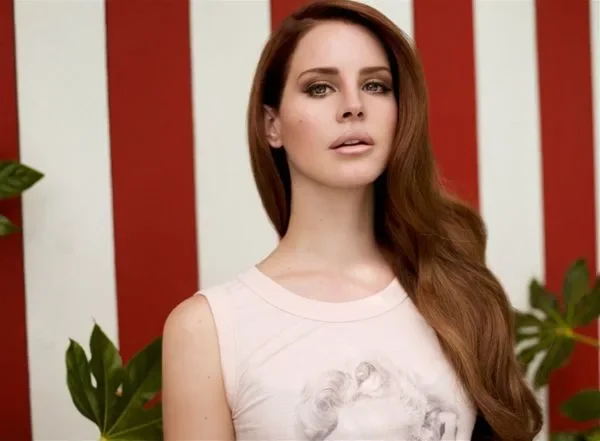 #1
#1United States
1 editions · 2023
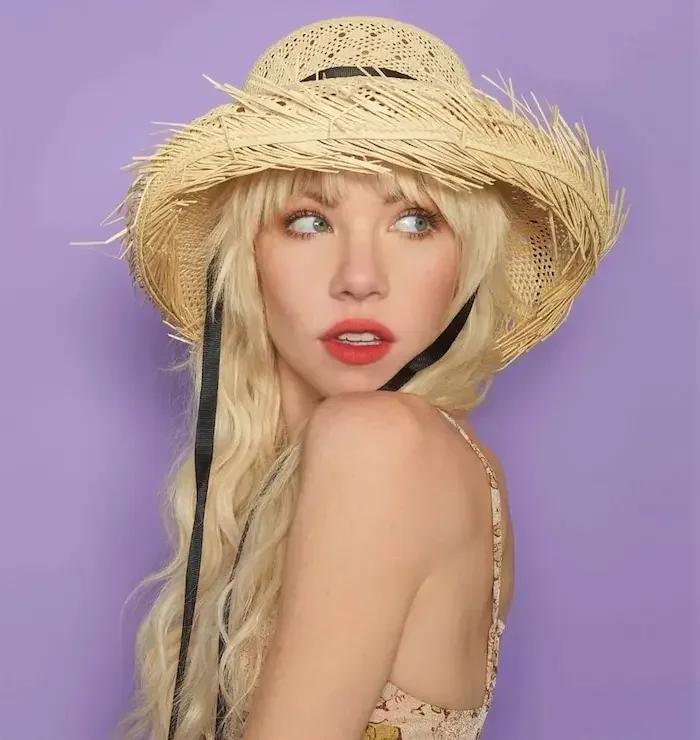 #2
#2Canada
1 editions · 2023
 #3
#3Philippines
1 editions · 2023