Ranking
#443

HOUSE - TECHNO
Ranking
#443
Followers
155.1 K
When
2027
Featured artists
Lineup coming — we'll publish it as soon as it's confirmed.
7 editions to explore · future, live and past
Numbers, home base and house quirks
ARC Music Festival is built around a simple but powerful idea: house music is not just another genre on a festival poster when it is being played in Chicago. It is part of the city’s cultural DNA. Since its debut in 2021, ARC has positioned itself as a house, techno and electronic music festival in Union Park, but its identity goes deeper than a well-curated line-up. It speaks to the history of dance floors, DJs, communities, clubs, radio shows, warehouses and after-hours spaces that helped turn Chicago into one of the most important cities in the global story of club music.
The official phrase “House Comes Home” is more than a slogan. It gives the festival its emotional center. In another city, ARC might simply feel like a strong electronic weekender. In Chicago, the meaning shifts. Union Park sits within a living urban landscape: the West Loop nearby, the elevated train, the architecture, the memory of old club spaces, the present-day nightlife circuit and a crowd that understands, even if loosely, that this music has roots here. ARC does not ask people to disappear into a remote camping world. There is no camping, no isolated festival bubble. You arrive by train, rideshare, hotel shuttle, foot or car, step into the park for the day, and then spill back into the city when the music stops.
Musically, ARC moves through house, techno and the wider club language that connects them: classic Chicago house, Detroit influence, underground techno, tech house, melodic and progressive shades, disco-leaning house, bass-heavy club sounds and harder modern strains. Across its editions, the festival has brought together international names, Chicago legends, Detroit figures, European techno powerhouses, UK club artists and next-generation selectors. That range is the point. A crowd might come for Carl Cox, Charlotte de Witte, Disclosure, Dom Dolla, Sara Landry, Anyma, Michael Bibi or Underworld, but the deeper character of ARC becomes clearer when those names sit alongside Derrick Carter, DJ Heather, Honey Dijon, Mike Dunn, Green Velvet, Moodymann, Carl Craig or The Blessed Madonna. The festival works when it becomes a bridge between inherited culture and current appetite.
Its stage architecture gives the weekend different personalities. The GRID operates as the main gathering point, the place where production, scale and marquee artists shape the day’s biggest moments. EXPANSIONS tends to feel more focused on depth, groove and the serious business of house and techno progression. ELROW brings theatrical disorder, color, absurdity and confetti-chaos into the park, giving the festival a deliberately playful edge. Area 909, named after the Roland TR-909 drum machine, connects the site to the machinery and rhythm patterns that helped define dance music’s relationship between Chicago and Detroit. ARC is not one mood repeated across different stages. It is a set of rooms without walls, each one changing the temperature of the weekend.
The experience is urban in the best sense. You do not wake up in a tent miles from the city. You start the day somewhere in Chicago, check the schedule, meet friends, make plans that will probably fall apart, and enter Union Park with the knowledge that the festival has a curfew but the city does not. The early hours can feel social and open: people settling in, finding stages, grabbing food, deciding how deep they want to go. As the sun drops, the energy tightens. The bass feels heavier, the skyline becomes part of the visual memory, and the crowd begins to behave less like a festival audience and more like a club expanded into open air. ARC’s strongest moments happen when Union Park stops feeling like a park and starts feeling like a dance floor big enough to hold a city’s musical mythology.
ARC After Dark is a crucial part of that identity. The festival extends into Chicago’s nightlife venues, turning the weekend into more than a daytime park event. Afterparties matter in electronic music because they restore the long arc of the night: the second set, the smaller room, the surprise pairing, the crowd that still has energy after the official gates close. Through ARC After Dark, the festival connects its open-air format to the club culture that gave this music meaning in the first place. That connection helps keep ARC from becoming a purely visual festival experience. It remains tied to rooms, sound systems and late-night rituals.
ARC’s challenge, as it grows, is to stay rooted while becoming bigger. It has the line-ups and production value to operate on an international level, but its strongest argument is local: Chicago is not just a host city, it is the source material. The festival matters because it can celebrate the past without turning into a museum, and embrace new sounds without losing the thread that brought people there. At its best, ARC is a conversation between generations of dancers, DJs and scenes. It is house and techno in a park, yes, but also a reminder that some festivals gain their power not by inventing an identity from scratch, but by returning a sound to the place that first taught it how to move.
Genres
HOUSE
TECHNO
Timeline
One artist per year — highest ranked in our archive
Those who appear most across this franchise's editions.
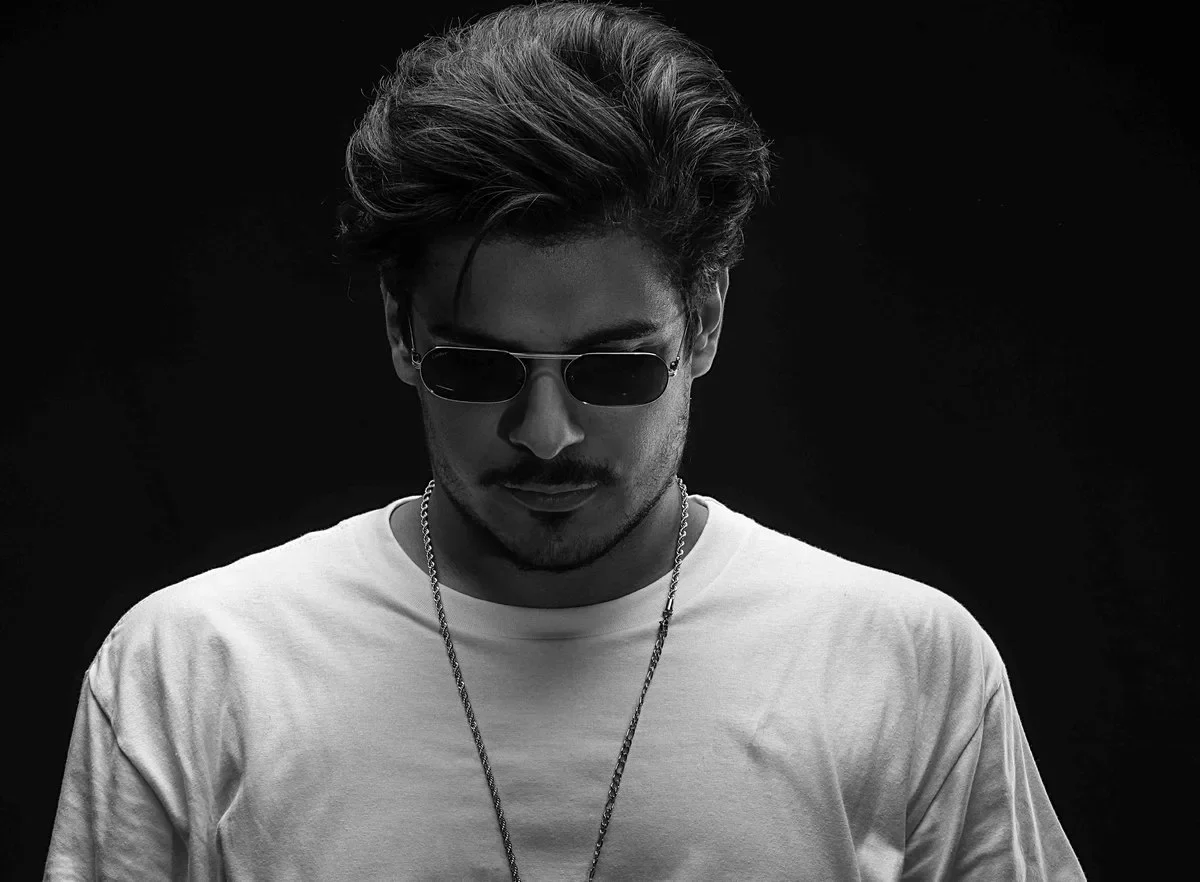 #1
#1Brazil
1 editions · 2023
 #2
#2South Africa
1 editions · 2023
 #3
#3United Kingdom
1 editions · 2023